What to Keep in a First Aid Kit for an Italian Greyhound
Owning an Italian Greyhound is an absolute joy, but let's be honest, it comes with its own unique set of anxieties. Our delicate, zoom-loving companions are notorious for their thin skin, fine bones, and a knack for finding trouble in the most innocuous situations. A tiny stumble, a brush against a sharp edge, or even a sudden fright can sometimes lead to a minor injury that needs immediate attention. Being prepared with a well-stocked first aid kit isn't about being a helicopter parent; it's about being a responsible, loving owner who can confidently handle those small emergencies and provide crucial immediate care before professional help can be sought. This guide will walk you through exactly what you need to have on hand to care for your Italian Greyhound.
Understanding Your Italian Greyhound's Delicate Nature
Before we even dive into specific items, it's really important to understand why an Italian Greyhound needs a specialized approach to first aid. Their unique physiology makes them different from many other breeds, and what might be a minor inconvenience for a sturdier dog could be a bigger deal for our beloved Iggys.
Why Iggys Need Special First Aid Prep
Italian Greyhounds are built for speed and elegance, not for rough-and-tumble living. Their most striking feature, their sleek, short coat, reveals a very thin layer of skin beneath, almost like tissue paper. This means they are incredibly prone to scrapes, tears, and cuts from seemingly minor incidents. Where a Labrador might get a slight brush against a rose bush and come away unscathed, an Iggy could easily suffer a skin tear that bleeds and requires cleaning and dressing. It's a frustrating reality for many owners, who feel like they're constantly on alert. That lean build also means they have very little body fat, making them susceptible to cold and potentially more prone to shock if injured or ill. Their tiny size and sometimes fragile bones, especially in their legs, also mean that a bad landing or an accidental drop can have severe consequences, far beyond a simple bruise. You might find yourself dealing with situations like a suddenly limping dog from a misjudged jump, or a superficial skin tear from a playful scratch. This delicate physiology is precisely why a quick response with the right tools is so essential.
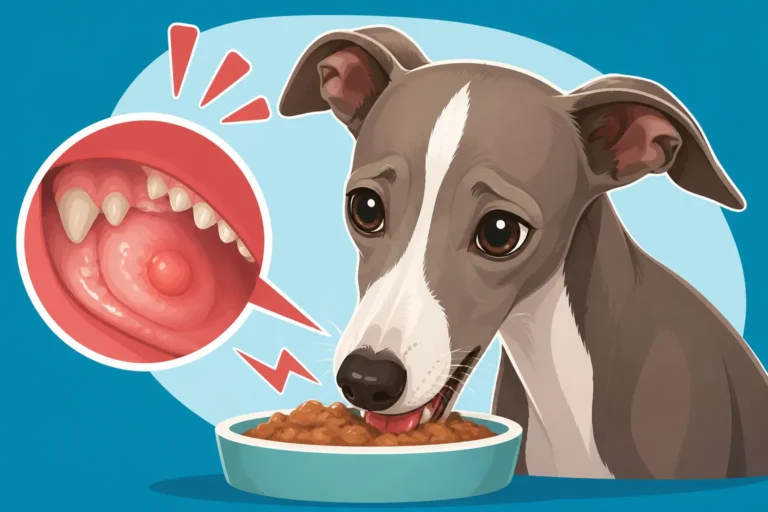
Beyond skin and bones, Italian Greyhounds often have dental predispositions that can lead to issues requiring attention. Their small mouths can be crowded, making them prone to How Early Tartar Appears on an Italian Greyhound and gum irritation. While not a sudden injury, keeping basic dental care items in mind can help manage these ongoing concerns. Their metabolism is also different; they often respond differently to certain medications or anesthesia, making it even more vital to communicate clearly with your vet and be aware of any specific instructions they give for routine or emergency care. Every Italian Greyhound owner eventually learns the hard way that these dogs require a bit more 'kid glove' treatment than your average canine companion.
Common Minor Injuries and Concerns
Even with the best intentions and the most careful home environment, Italian Greyhounds have a way of finding little incidents that warrant a bit of first aid. One of the most common issues we face are paw pad injuries. Whether it’s from running a little too enthusiastically on rough pavement, stepping on a tiny sharp stone in the park, or even just getting a rough patch from vigorous play, their paw pads can be surprisingly tender and prone to cuts or abrasions. These can be painful and need to be cleaned thoroughly to prevent infection, especially since they walk on them constantly.
Minor cuts and scrapes are also par for the course. Picture this: your Iggy is doing zoomies in the living room, misjudges a corner, and slides against a coffee table leg, resulting in a superficial skin tear on their flank. Or perhaps they snag a nail on a rug or a piece of outdoor debris, leading to a partially torn or broken nail. These are not typically life-threatening, but they certainly require immediate cleaning, careful bandaging, and close monitoring to ensure they heal without complications. Cuts, Scrapes and an Italian Greyhound's Paper Thin Skin explains just how easily their skin can be damaged. Insect stings or bites, especially during warmer months, can also cause localized swelling and discomfort, and in some cases, an allergic reaction. Even a mild upset stomach from gobbling down a forbidden crumb or a new treat can leave your precious pup feeling miserable and needing some gentle care.
Then there are the more subtle concerns, like eye irritation from dust, a stray hair, or a playful paw swipe. An Italian Greyhound’s eyes are prominent, and any persistent redness, squinting, or discharge should be noted. While these might not always be first-aid emergencies, having saline solution on hand for a gentle flush can often resolve minor irritations before they escalate. Knowing these common minor woes helps you anticipate what to include in your kit and how to react quickly and calmly when they inevitably occur.
Essential Components of an Italian Greyhound First Aid Kit
Building a comprehensive first aid kit for your Italian Greyhound is like creating a safety net for those unexpected moments. It’s not just about throwing a few bandages in a box; it’s about having the right tools for the right job, specifically tailored to the unique needs of this delicate breed.
Wound Care and Bandaging Supplies
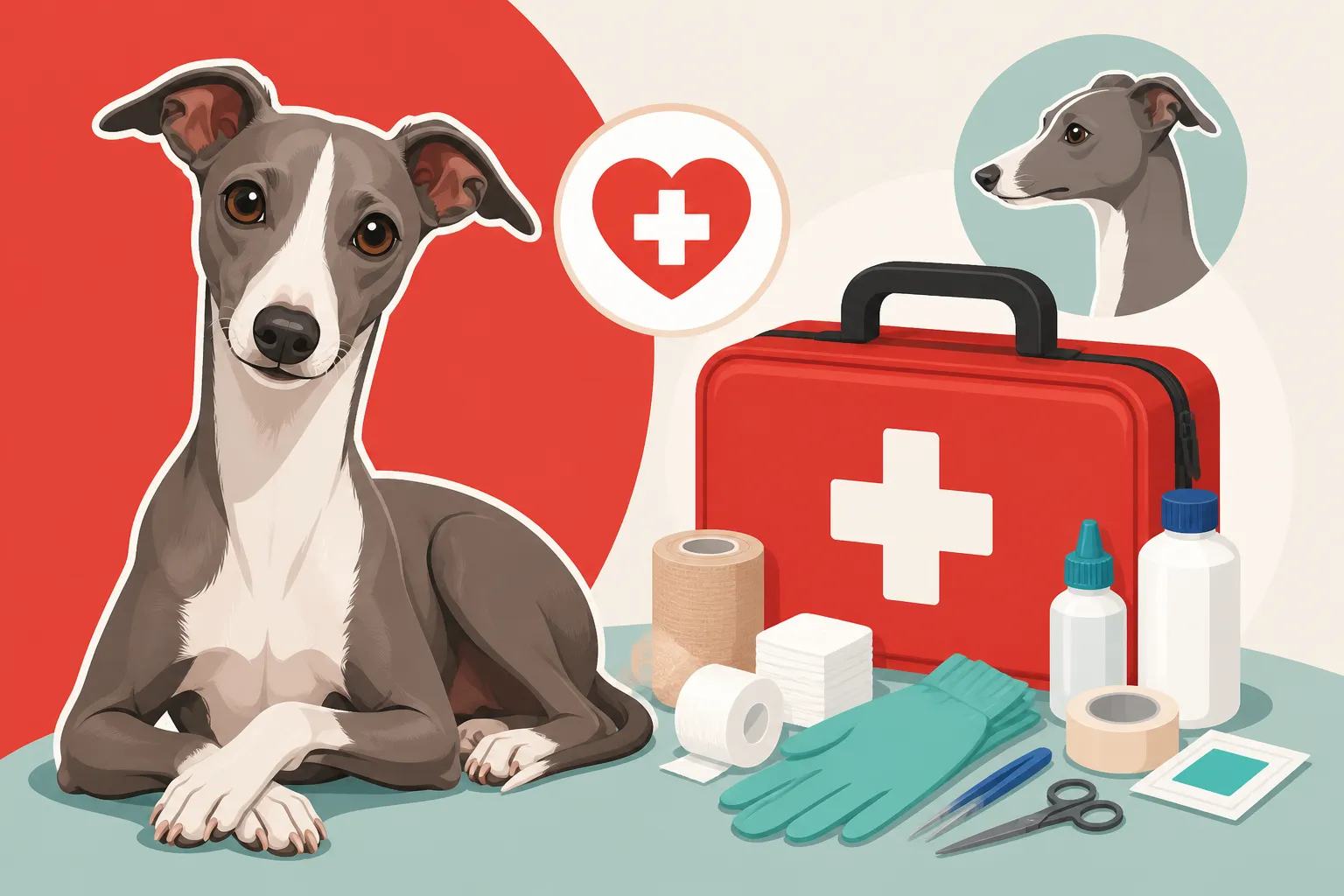
For those inevitable nicks, scrapes, and skin tears, proper wound care is paramount. You'll want a gentle antiseptic solution that won't sting or irritate your Iggy's delicate skin. Products containing chlorhexidine or a diluted povidone-iodine solution are often recommended by vets. These are excellent for cleaning wounds thoroughly and reducing the risk of infection. Alongside this, sterile gauze pads are indispensable for both cleaning the wound and applying pressure to stop any minor bleeding. Think about the size; small pads are perfect for an Italian Greyhound.
Once cleaned, a non-stick pad is crucial to place directly over the wound. This prevents the bandage from adhering to the healing tissue, making changes less painful and less likely to disrupt the wound. To secure these pads, you'll need self-adhering bandage wrap, often called Vetwrap. This stuff is a godsend because it sticks to itself, not to your dog's fur, and provides light compression without being too constricting. Be very careful not to wrap it too tightly, especially around slender Italian Greyhound legs, as this can cut off circulation. Medical tape, such as paper tape, is also useful for securing lighter dressings or holding gauze in place before applying the self-adhering wrap. And don't forget a good pair of blunt-tipped scissors – these are essential for safely cutting bandages and tape without accidentally poking or cutting your wiggling Iggy. Finally, an Elizabethan collar (E-collar) or a soft recovery cone is absolutely critical. After you've spent all that time cleaning and bandaging, your Iggy's natural instinct will be to lick and chew, potentially undoing all your hard work or making the wound worse. You can find various sizes and styles on sites like Amazon or Chewy, including soft fabric cones that are less cumbersome than traditional plastic ones, making it a bit more comfortable for your sensitive companion.
Medications and Digestive Aids
While your vet is the ultimate authority on medication, having a few things on hand (after consulting them, of course) can make a big difference. First and foremost, always have your veterinarian's contact information, along with the number for your nearest 24-hour emergency veterinary clinic, prominently displayed in your kit. Time is often of the essence in an emergency, and you don't want to be fumbling for numbers. For mild digestive upsets, a vet-approved probiotic or anti-diarrhea medication can be helpful. Italian Greyhounds can sometimes have sensitive stomachs, and having something to settle their gut after a dietary indiscretion can prevent further discomfort. Brands like Fortiflora or Proviable are commonly recommended by vets, and you can often find them at your local pet store or through online retailers like Chewy.
For minor allergic reactions, such as those from insect stings, your vet might recommend an over-the-counter antihistamine like diphenhydramine (Benadryl), but never administer anything without explicit veterinary guidance on dosage and frequency. Human medications can be toxic to dogs, and the correct dosage for a tiny Italian Greyhound is crucial. If your Iggy has any ongoing health conditions that require daily medication, ensure you have an extra supply in your kit, just in case. And please, never give your Italian Greyhound human pain relief medication. They are extremely sensitive, and many common pain relievers are toxic. Always ask your vet for specific pain relief if needed. Finally, a few needle-less syringes are invaluable for accurately measuring and administering liquid medications or for flushing wounds with saline solution.
Tools for Examination and Safe Handling
Beyond dressings and medications, a few specialized tools will help you assess and manage situations effectively. A digital thermometer is a must-have for checking your Italian Greyhound's temperature, which can be an early indicator of illness or infection. Knowing their normal temperature (around 101 to 102.5°F or 38.3 to 39.2°C) is important so you can recognize a fever or hypothermia. Tweezers are incredibly useful for removing splinters, thorns, small pieces of glass from paw pads, or even ticks. Speaking of nails, a good pair of nail clippers or a Dremel tool is essential. If your Iggy snags a nail and breaks it, you might need to carefully trim off the damaged part. What Happens If an Italian Greyhound's Nails Get Long can lead to discomfort and potential injury. Many owners find that a Dremel is less stressful for nail trims, especially for Iggys with dark nails where the quick is hard to see. Whether a Dremel Suits an Italian Greyhound's Nails often comes down to individual preference and training.
A small, bright flashlight or a headlamp is invaluable for examining wounds in poorly lit areas, checking ears for foreign objects, or looking closely at eyes for irritation. Disposable gloves ensure hygiene for both you and your dog when handling wounds or administering care. A clean, small towel can be used for cleaning, applying gentle pressure, or even wrapping a nervous or cold Iggy. And while it might seem counterintuitive for your sweet companion, a soft cloth muzzle is a responsible addition. Even the gentlest dog can bite when in pain or fear, and a properly fitted muzzle ensures your safety and allows you to provide care without additional stress or risk. Remember to get one specifically designed for sighthounds, with their long, slender muzzles.
Assembling Your Kit and Best Practices
Having all the right supplies is only half the battle; knowing how to organize, maintain, and use your kit effectively is just as important. Think of your first aid kit as a living document, something that needs regular attention to remain truly useful.
Where to Store Your Kit
The location of your Italian Greyhound’s first aid kit is critical for quick access during an emergency. It should be stored in a place that is easily accessible to you, but completely out of reach of curious paws and children. A high shelf in a closet, a designated cabinet in the laundry room, or even a sturdy, latched container in a utility room are all good options. Avoid places with extreme temperature fluctuations, such as a garage or an uninsulated shed, as heat and cold can degrade medications and other supplies, making them less effective or even unsafe. The bathroom, while often cool, can have humidity issues. The kitchen might work, but again, ensure it's securely stored away from food prep areas and little hands.
Consider creating a smaller, portable version of your kit for travel. This "mini-kit" can be kept in your car or packed in your travel bag whenever you take your Italian Greyhound on adventures. Traveling With an Italian Greyhound often means encountering unfamiliar environments, and having immediate access to basic first aid supplies on the go can be a real lifesaver. This scaled-down version might include a few sterile pads, some antiseptic wipes, self-adhering wrap, and any daily medications your Iggy requires. Having both a home base kit and a travel kit ensures you're prepared no matter where you are when an unexpected incident occurs.
Regular Maintenance and Replenishment
A first aid kit is only as good as its contents, and that means regular maintenance is non-negotiable. Make it a habit to check your kit every six months, perhaps when you change your smoke detector batteries or seasonally. During this check, scrutinize the expiration dates on all medications, antiseptic solutions, and even sterile dressings. Products like saline solution or certain ointments can lose their efficacy or become contaminated past their expiration. Immediately discard anything that's expired and replace it with fresh supplies. This is also a good time to replenish any items you've used since the last check. Don't wait until the next emergency to realize you're out of Vetwrap!
It's also a smart idea to periodically review the contents of your kit with your veterinarian. They can offer insights into new products, specific medications that might be beneficial for your Italian Greyhound's individual health needs, or advise on dosages for over-the-counter items. Additionally, if your Iggy has grown, or if their health needs have changed (for instance, if they've been diagnosed with a new condition), you might need to adjust the sizes of certain items, like an E-collar, or add specific prescription medications. Regular maintenance ensures that when you truly need your kit, every item is ready and effective.
When to Seek Professional Veterinary Care
It's crucial to understand that a first aid kit is designed for initial care and stabilization, not as a replacement for professional veterinary treatment. Knowing when to transition from home care to professional help is perhaps the most important skill an Italian Greyhound owner can develop. Always err on the side of caution; if you are in doubt, call your vet.
Seek immediate veterinary attention for:
- Deep cuts or wounds that won't stop bleeding: If direct pressure for several minutes doesn't staunch the flow, or if the wound is gaping, your Iggy needs stitches or more advanced wound care.
- Suspected broken bones or severe limping: Italian Greyhounds are prone to leg fractures. Signs an Italian Greyhound Has Broken a Leg include non-weight bearing, swelling, and obvious deformity. Even if they are still using the leg, if there's significant pain or an unusual gait, it warrants an emergency visit. A Broken Leg Is the Emergency Every Italian Greyhound Owner Fears and the cost of repair can be substantial. What an Italian Greyhound's Emergency Vet Visit Costs can be a concern, but delaying treatment can worsen the outcome.
- Lethargy, persistent vomiting or diarrhea, or loss of appetite: These can be signs of more serious internal issues, dehydration, or poisoning.
- Difficulty breathing or choking: This is always a critical emergency.
- Severe allergic reactions: Swelling of the face, hives, difficulty breathing after an insect sting or exposure to an allergen requires immediate veterinary intervention.
- Any injury to the eye: Eyes are delicate, and even minor irritation can quickly escalate into something serious, potentially impacting vision.
- Ingestion of unknown or toxic substances: Even if your dog seems fine, prompt action can prevent serious illness.
- Signs of significant pain: Italian Greyhounds are known for How an Italian Greyhound Hides Pain, so if you notice any subtle changes in behavior like reluctance to move, yelping, or guarding a body part, get it checked out.
Remember, your vet is your partner in your Italian Greyhound's health. Don't hesitate to reach out to them for advice, even if it's just a phone call to describe a situation. It's always better to be safe than sorry, especially with our sensitive Italian Greyhounds.
| Category | Essential Items | Purpose |
|---|---|---|
| Wound Care | Gentle antiseptic solution (Chlorhexidine/Betadine) | Cleaning cuts, scrapes, and minor wounds |
| Sterile gauze pads | Cleaning, covering, and applying pressure to wounds | |
| Non-stick pads | Protecting wounds, preventing bandages from sticking | |
| Self-adhering bandage wrap (Vetwrap style) | Securing dressings; flexible, sticks to itself, not fur | |
| Medical tape (paper tape) | Lighter dressing securement | |
| Blunt-tipped scissors | Safely cutting bandages and tape | |
| Elizabethan collar (E-collar)/Soft recovery cone | Preventing licking/chewing of wounds | |
| Saline solution | Flushing wounds or eyes | |
| Medications & Aids | Vet contact info, Emergency clinic info | Immediate access to professional help |
| Vet-approved probiotic/anti-diarrhea medication | Settling mild stomach upset | |
| Vet-approved antihistamine | For mild allergic reactions (consult vet for dosage) | |
| Any regular prescription meds | Ensure backup supply for ongoing conditions | |
| Needle-less syringes | Administering liquid medication, flushing | |
| Tools & Safety | Digital thermometer | Checking body temperature |
| Tweezers | Removing splinters, ticks, debris | |
| Nail clippers or Dremel | Addressing broken or overgrown nails | |
| Flashlight/Headlamp | Examining in dim light, eyes, ears | |
| Disposable gloves | Maintaining hygiene during treatment | |
| Small towel | Cleaning, gentle pressure, wrapping nervous dog | |
| Soft cloth muzzle (sighthound specific) | Preventing bites from a dog in pain or fear |
Disclaimer
This article is for general informational purposes only and does not constitute professional advice. Laws, prices and regulations vary by location and change over time. Consult a qualified professional for guidance on your specific situation.