Whether an Italian Greyhound Needs Conditioner
You’ve welcomed an Italian Greyhound into your home, and suddenly, you’re looking at grooming products with a whole new lens. These dogs aren't like your average furry friend; their skin is incredibly delicate, and their coats are thin and fine, leading many owners to wonder if traditional grooming steps, like conditioning, are truly necessary or even beneficial. This guide aims to clear up the confusion and help you decide the best approach to keeping your Italian Greyhound’s skin and coat healthy and happy.
The Italian Greyhound's Delicate Coat and Skin: A Unique Challenge
Italian Greyhounds are truly special, and their physical characteristics set them apart from many other breeds. Their sleek, short coats and incredibly fine skin are part of their charm, but they also present unique care considerations that traditional dog grooming advice often overlooks. It’s easy to feel a bit lost when every other dog owner talks about de-shedding tools and conditioners for long, thick fur. Your Iggy is a different beast entirely.
What Makes an Italian Greyhound's Coat Different?
Unlike many dog breeds that boast a thick undercoat for insulation and protection, Italian Greyhounds are single-coated. Their fur is remarkably short, fine, and has a silky, almost velvety texture. This lack of a dense underlayer means they don’t shed profusely like a Husky, but it also means they have minimal natural protection against the elements and environmental irritants. Think of their coat as a very fine, elegant silk scarf – beautiful, but not built for rough wear. You might even notice that their fur feels sparse, and their skin is quite visible underneath, especially on their bellies and inner thighs. This isn't a sign of poor health; it's just how they are.
Why Their Skin Needs Extra Attention
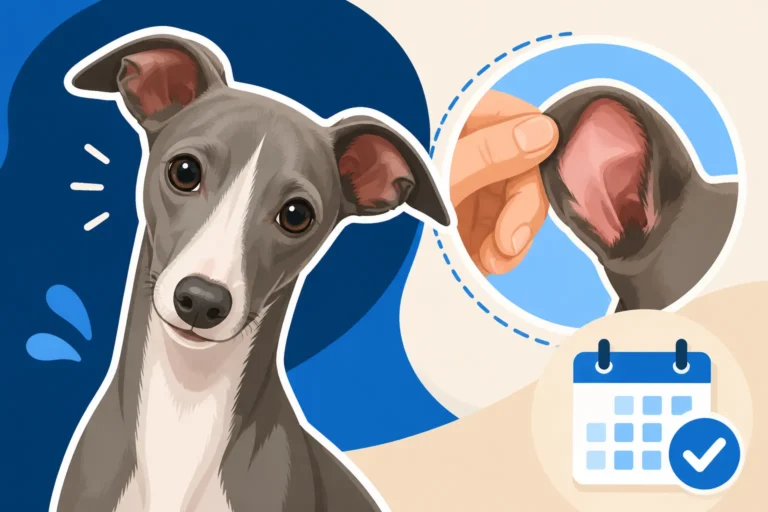
Beneath that minimalist coat lies skin that is exceptionally thin and sensitive. When we talk about How Fine an Italian Greyhound's Skin Should Be, it's not just an aesthetic; it's a physical reality that impacts their daily lives. This delicate dermal layer offers very little cushioning or protection, making Italian Greyhounds prone to a variety of skin issues. They can get dry skin easily, especially in arid climates or during the colder months. Minor scrapes and bumps that another dog might barely register can lead to tears or abrasions on an Iggy’s fragile skin. This sensitivity means that whatever comes into contact with their skin – be it bedding, clothing, or grooming products – needs to be chosen with extreme care. Harsh chemicals, strong fragrances, or even friction from coarse fabrics can quickly cause irritation, redness, or dryness.
Moreover, Italian Greyhounds carry almost no body fat, which you can read more about in Why an Italian Greyhound Carries Almost No Body Fat. This lack of adipose tissue means their skin isn't cushioned by a layer of fat, further contributing to its vulnerability. It's a double-edged sword: their lean build is part of their elegant silhouette, but it also means their internal systems and delicate skin are closer to the surface, making them more susceptible to external factors.
Does Your Italian Greyhound Truly Need Conditioner? Unpacking the Debate
The question of whether an Italian Greyhound needs conditioner isn't as straightforward as it might be for a dog with a thick, long, or prone-to-matting coat. For many breeds, conditioner serves multiple purposes: detangling, adding shine, reducing static, and providing moisture. But for an Iggy, some of these benefits simply don't apply.
The Real Purpose of Conditioner and Why It Might Not Apply
Let's break down what conditioner typically does. Most conditioners work by coating the hair shaft, smoothing down the cuticles, which are like tiny scales on each strand of hair. This makes the hair feel softer, look shinier, and become less prone to tangling and static. They can also add a layer of moisture to dry hair.
Now, consider your Italian Greyhound:
- Detangling: With their ultra-short, fine hair, tangles and mats are almost never an issue. The primary benefit of detangling from conditioner is largely irrelevant for an Iggy.
- Adding Shine: Their coats naturally have a beautiful, soft sheen when healthy. While conditioner could enhance this, the effect might be minimal compared to a long-haired breed, and potentially overshadowed by other concerns like skin sensitivity.
- Reducing Static: In dry environments, static can be an issue for any coat, including short ones. A light conditioner could help with this, particularly if their fur feels crackly after a bath.
- Moisture and Protection: This is where conditioner might have a role. If your Iggy has dry, flaky skin, a gentle, moisturizing conditioner could provide some relief and act as a barrier. However, the right shampoo and a healthy diet often play a much larger role in maintaining skin hydration.
So, while a conditioner isn't going to harm your Italian Greyhound if it's the right kind, it's also not the absolute necessity it might be for a Golden Retriever. The "need" for it often comes down to addressing specific issues rather than general coat maintenance.
When a Conditioner Might Be Considered
There are indeed a few specific scenarios where a conditioner, or more precisely, a moisturizing rinse or leave-in treatment, might be beneficial for your Italian Greyhound:
- Dry, Flaky Skin: This is perhaps the most common reason an Iggy owner might reach for a conditioner. Italian Greyhounds are prone to dry skin, especially during colder months or in homes with dry indoor air. You might notice little flakes, a dull coat, or your dog scratching more than usual. A very gentle, hypoallergenic conditioner designed to soothe and moisturize could help alleviate these symptoms. However, it's crucial to first identify the cause of the dryness. Is it environmental? Dietary? Or perhaps the shampoo you're using is too harsh? A good starting point is ensuring you're using Which Shampoo Suits an Italian Greyhound's Skin.
- Mild Irritation or Redness: Sometimes, despite your best efforts, your Iggy might develop mild skin irritation. A conditioner with soothing ingredients like colloidal oatmeal or aloe vera (check for dog-safe formulations) could provide temporary relief. Always rule out underlying allergies or skin infections with your vet first, though.
- Post-Surgical or Post-Injury Care: If your Italian Greyhound has had a medical procedure that required shaving a patch of fur, or if they've experienced a minor skin injury (and trust me, their skin is prone to tearing; read What an Italian Greyhound's Skin Tears Most for more on this), a gentle, hydrating product could help with skin recovery and prevent excessive dryness in the affected area as the stubble grows back.
- Environmental Factors: If you live in an extremely dry climate, or if your home's humidity levels are consistently low, a moisturizing rinse after bathing could offer an extra layer of protection against dehydration for their skin. This is particularly relevant when you consider Why an Italian Greyhound Gets Dry Skin in Winter.
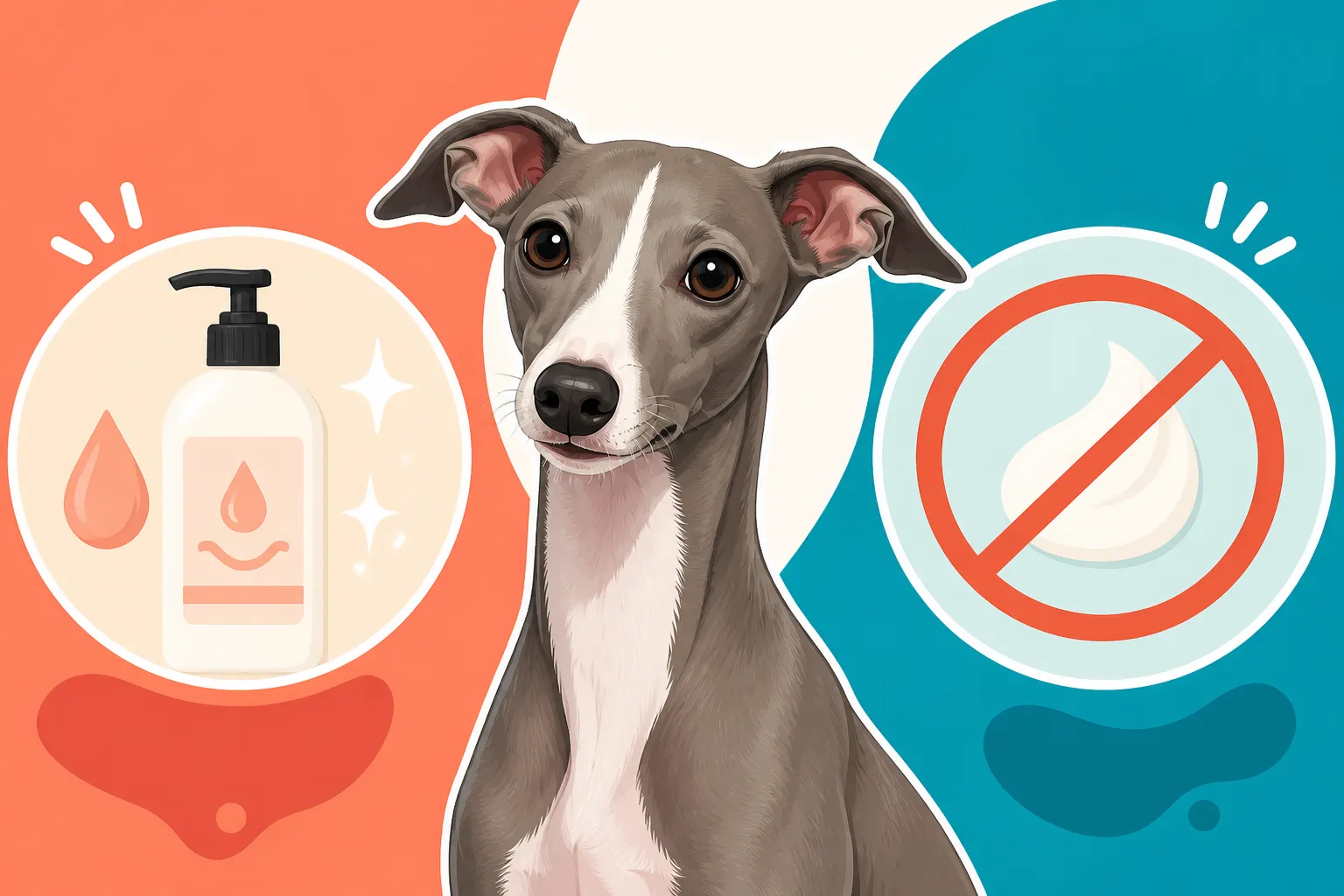
In all these cases, the emphasis is on gentle, hypoallergenic, and specifically formulated for dogs. Never use human conditioner on your Italian Greyhound, as the pH levels and ingredients can be completely wrong for their delicate skin.
Selecting the Right Products and Routine for Optimal Skin and Coat Health
If you've decided that a conditioner or a moisturizing rinse could benefit your Italian Greyhound, the next step is choosing the right product and incorporating it into a sensible grooming routine. This isn't about slapping on any old product; it's about thoughtful selection for a sensitive breed.
Choosing the Best Conditioner for Your Italian Greyhound
When selecting a conditioner, remember that less is often more, and gentle is always best. Here’s what to look for:
- Hypoallergenic and Fragrance-Free: This is paramount. Artificial fragrances are a common irritant for sensitive skin. Opt for products explicitly labeled "hypoallergenic," "fragrance-free," or "for sensitive skin."
- Moisturizing Ingredients: Look for conditioners containing ingredients known for their hydrating and soothing properties. Aloe vera, colloidal oatmeal, coconut oil, shea butter, and vitamin E are all good candidates. Just make sure they are dog-safe and in appropriate concentrations.
- Lightweight Formula: A heavy, thick conditioner designed for long, dense coats will likely be too much for an Italian Greyhound. It can leave a greasy residue, weigh down their fine fur, and potentially clog pores. Seek out lightweight rinses or sprays.
- Leave-in vs. Rinse-out: For some Iggies, a quick rinse-out conditioner after shampooing is sufficient. For very dry skin, a very light leave-in spray (applied after drying) can provide continuous moisture. Always follow product instructions carefully.
You can often find suitable options at trusted pet retailers like Chewy or through online marketplaces like Amazon, which offer a wide range of specialized dog grooming products. Always read reviews from other small-breed or sensitive-skin dog owners if available.
Integrating Conditioner into Your Bathing Routine
Bathing an Italian Greyhound doesn't happen frequently – typically, they only need a bath every few weeks or when they're visibly dirty, which you can learn more about in How Often an Italian Greyhound Needs a Bath. If you decide to use a conditioner, here’s how to do it:
- Start with the Right Shampoo: This is foundational. Use a gentle, moisturizing, and hypoallergenic shampoo. This alone can often address mild dryness.
- Apply Sparingly: After rinsing out the shampoo thoroughly, apply a small amount of conditioner to your hands, then gently massage it into your Iggy’s coat and skin. Focus on any dry patches. Remember, a little goes a long way.
- Allow Absorption (if rinse-out): Let the conditioner sit for the time recommended on the product label, usually a minute or two. This allows the beneficial ingredients to penetrate.
- Rinse Thoroughly: This is critical! Any residue left behind can actually irritate the skin, attract dirt, or make their coat feel sticky. Rinse until the water runs completely clear and their fur feels clean, not slippery.
- Pat Dry Gently: Blot their skin and coat with a soft towel. Avoid vigorous rubbing, which can irritate their skin. For Iggies who get chilly easily, a quick, low-heat blow dry might be appreciated, but be sure to keep the dryer moving and not too close to their delicate skin.
Here's a quick comparison of different conditioning approaches:
| Conditioner Type | Best For | Pros | Cons | Application |
|---|---|---|---|---|
| Rinse-Out Conditioner | General moisture, mild dryness | Easy to use, rinses clean, good for regular bathing. | May not provide enough moisture for very dry skin. | After shampoo, rinse. |
| Leave-In Spray/Mist | Chronic dry skin, static, quick touch-ups | Provides continuous moisture, easy application. | Can build up if overused, choose very lightweight formula. | After drying, spray and gently massage. |
| Soothing Balms/Oils | Localized dry patches, irritated spots | Targeted relief, intense hydration. | Can be greasy, only for specific areas, not whole body. | Apply directly to affected skin. |
Holistic Skin and Coat Care Beyond the Bath
While specific grooming products can help, true skin and coat health for an Italian Greyhound comes from a more holistic approach. What you do outside the bath is often even more important.
- Nutrition: A high-quality diet is fundamental for healthy skin and a shiny coat. Ensure your Italian Greyhound is getting a balanced diet rich in omega fatty acids. These healthy fats are crucial for skin barrier function and coat luster. Brands like Ollie, known for their fresh, human-grade food, can offer excellent nutritional support. Discuss specific dietary supplements, like fish oil, with your vet if your Iggy has persistent dry skin. Feeding an Italian Greyhound That Carries Seventeen Percent Body Fat provides valuable insights into their specific dietary needs.
- Environmental Control: Dry air, especially during winter with indoor heating, can wreak havoc on an Iggy's skin. Consider using a humidifier in the rooms where your dog spends most of their time. This simple addition can make a huge difference in preventing Why an Italian Greyhound Gets Dry Skin in Winter.
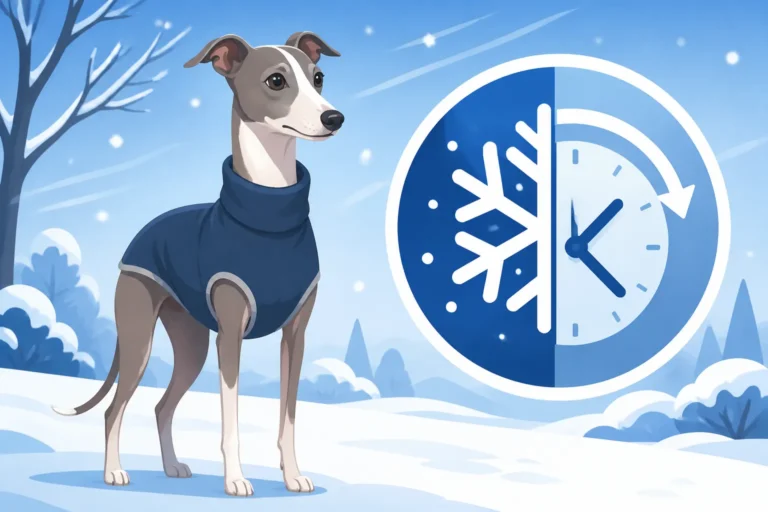
- Protective Clothing: Given their thin skin and minimal fat, Italian Greyhounds get cold easily. Wearing sweaters and coats, as detailed in Keeping an Italian Greyhound Warm Is Daily Work, Not a Winter Job, isn't just about comfort; it also protects their skin from exposure to cold, wind, and even minor abrasions from furniture or rough play. Soft, breathable fabrics are key.
- Regular Vet Check-ups: If your Italian Greyhound is consistently suffering from dry, itchy, or irritated skin, a trip to the vet is essential. There could be underlying medical conditions such as allergies, infections, or even hormonal imbalances contributing to the problem. Don't assume it's just a matter of needing more conditioner; a proper diagnosis is key to effective treatment.
Ultimately, whether your Italian Greyhound needs conditioner depends on their individual skin and coat health. For many Iggies with healthy skin, a good quality, gentle shampoo is perfectly adequate. But for those prone to dryness or mild irritation, a carefully selected, lightweight conditioner can be a valuable addition to their care routine, complementing a holistic approach that prioritizes their unique needs.
Disclaimer
This article is for general informational purposes only and does not constitute professional advice. Laws, prices and regulations vary by location and change over time. Consult a qualified professional for guidance on your specific situation.