Whether an Italian Greyhound Needs Joint Support Late
It’s a heart-wrenching moment when you start noticing your agile, spritely Italian Greyhound slowing down, perhaps struggling to hop onto the sofa they once cleared with ease, or showing a little stiffness after a long nap. As our beloved Iggies enter their golden years, many of us begin to wonder if there’s more we can do to support their comfort and mobility, leading to the crucial question: does an Italian Greyhound really need joint support late in life? This guide will dive deep into what joint support entails for our delicate companions and how to approach their senior years with proactive care.
The Reality of Aging Joints in Italian Greyhounds
Even though Italian Greyhounds are generally considered a healthy breed with a relatively long lifespan, often living 14 to 15 years, their unique physiology does present some challenges as they age, especially concerning their joints. Their graceful, delicate build, while beautiful, isn't always robust against the wear and tear of a long, active life.
Why Iggies Are Prone to Joint Issues
Italian Greyhounds possess a skeletal structure that is famously fine-boned and slender. Unlike some other breeds that have dense bone and ample muscle cushioning, Iggies are built for speed and agility, not brute strength. This means their joints, particularly those in their long legs, absorb impacts with less natural padding. A lifetime of running, jumping, and those characteristic "zoomies" can take a toll.
What often complicates matters for Italian Greyhounds is their propensity for fractures, particularly in their younger, more boisterous years. Many IG owners unfortunately experience the heartbreak of a broken leg. Even if a fracture heals perfectly, the very act of the injury and the subsequent surgical intervention or casting can lead to microscopic changes in the joint cartilage and surrounding tissues. This can predispose that joint, and sometimes even the contralateral limb, to develop arthritis earlier than it might have otherwise. For a deeper understanding of their bone fragility, you might find Why an Italian Greyhound's Leg Bones Break So Easily helpful. Their delicate nature means that even seemingly minor past traumas can ripple through their joint health years later.
Common Joint Concerns in Older Italian Greyhounds
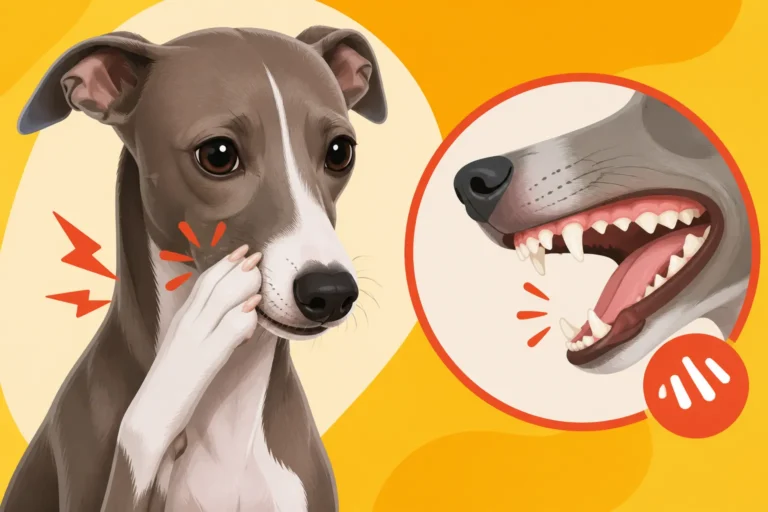
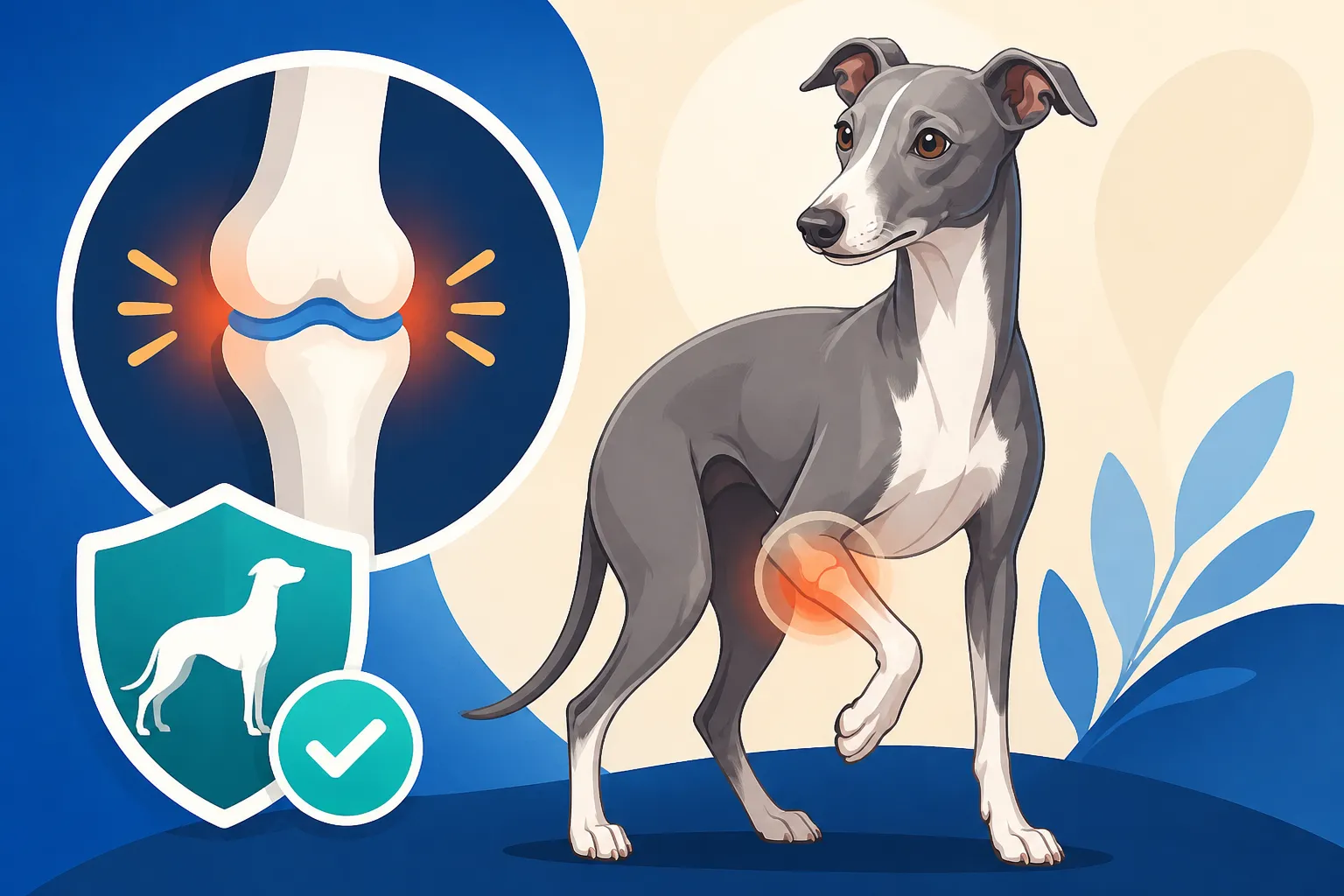
As an Italian Greyhound ages, several common joint concerns tend to emerge. The most prevalent is osteoarthritis, often simply called arthritis. This degenerative joint disease occurs when the cartilage cushioning the ends of bones wears down, leading to bone-on-bone friction, inflammation, and pain. You might notice your IG being hesitant to use stairs, struggling to stand up after lying down, or showing a subtle limp that seems to come and go.
Beyond general arthritis, Italian Greyhounds can also experience worsening of pre-existing conditions. Patellar luxation, where the kneecap slips out of place, is one such condition. While some Iggies might have had a mild grade of luxation their whole lives with no symptoms, the weakening of tissues and general joint degradation that comes with age can make it more pronounced and painful. Ligament issues, though less common than fractures, can also become more problematic. Any past injury, like a healed leg fracture, significantly increases the likelihood of arthritis developing in that limb. The article Arthritis in an Italian Greyhound's Healed Leg explores this specific complication in depth.
Observing your senior Italian Greyhound for these subtle signs is key. They are often masters at hiding pain, a trait common in many sighthounds. A slight reluctance to play, a change in how they lie down, or even just being a little slower to greet you at the door could be indicators that their joints are starting to bother them.
Understanding Joint Support Supplements for Italian Greyhounds
Once you suspect joint issues or simply want to be proactive as your Italian Greyhound reaches their senior years, joint supplements often come to mind. These supplements are designed to support joint health, reduce inflammation, and potentially slow the progression of degenerative changes.
Key Ingredients and What They Do
When you start looking at joint supplements, you'll encounter a dizzying array of ingredients. It's important to understand what some of the most common ones are and how they are believed to work:
- Glucosamine and Chondroitin: These are arguably the most well-known joint support ingredients. Glucosamine is a natural compound found in healthy cartilage, and it's thought to help rebuild cartilage and maintain the viscosity of the synovial fluid that lubricates joints. Chondroitin works in tandem with glucosamine, inhibiting enzymes that destroy cartilage and helping cartilage retain water, improving its shock-absorbing capabilities.
- MSM (Methylsulfonylmethane): This is a naturally occurring sulfur compound with anti-inflammatory and pain-relieving properties. It's believed to help reduce pain and swelling associated with arthritis.
- Omega-3 Fatty Acids (EPA and DHA): Often sourced from fish oil, these essential fatty acids are powerful natural anti-inflammatories. They work by reducing the body's production of inflammatory mediators, which can significantly alleviate joint pain and stiffness. You can find excellent quality Omega-3 supplements, or even foods enriched with them, from retailers like Chewy or Amazon.
- Green-Lipped Mussel (GLM): Hailing from New Zealand, GLM is a natural source of glucosamine, chondroitin, and omega-3s, making it a comprehensive joint support ingredient. It also contains other beneficial vitamins, minerals, and amino acids.
- Hyaluronic Acid (HA): A major component of synovial fluid, HA helps lubricate joints and absorb shock. Supplementation aims to improve the quality and quantity of joint fluid.
- Turmeric/Curcumin: This spice is celebrated for its potent anti-inflammatory and antioxidant properties. It can help reduce pain and improve mobility, similar to NSAIDs but with a natural approach.
Many quality joint supplements will combine several of these ingredients to offer a multi-faceted approach to joint health.
When to Start and How to Choose
The question of when to start joint supplements for your Italian Greyhound is a common one. For breeds prone to joint issues, a proactive approach is often recommended, sometimes beginning around 6-8 years of age, or even earlier if your IG has a history of fractures or diagnosed mild joint issues like patellar luxation. By the time obvious signs of pain or stiffness appear, the degenerative process is often already quite advanced, so early intervention can be beneficial. Of course, always discuss this with your veterinarian first.
Choosing a joint supplement requires a bit of detective work. Look for reputable brands that clearly list their ingredients and dosages. Veterinary brands often undergo more rigorous testing and quality control. Avoid human supplements unless specifically recommended by your vet, as dosages and inactive ingredients can be inappropriate for dogs. Read reviews, especially from other Italian Greyhound owners, if possible. Online retailers like Chewy and Amazon offer a vast selection, allowing you to compare ingredients and customer feedback easily.
Here's a quick look at common ingredients and their general benefits:
| Ingredient | Primary Benefit | Role in Joint Health |
|---|---|---|
| Glucosamine | Cartilage repair and maintenance | Provides building blocks for cartilage, supports synovial fluid |
| Chondroitin | Cartilage protection and hydration | Inhibits cartilage-destroying enzymes, improves shock absorption |
| MSM | Anti-inflammatory, pain relief | Reduces swelling and pain in joints |
| Omega-3 Fatty Acids | Powerful anti-inflammatory | Decreases inflammatory response throughout the body |
| Green-Lipped Mussel | Comprehensive joint support | Natural source of glucosamine, chondroitin, omega-3s |
| Hyaluronic Acid | Joint lubrication and shock absorption | Improves quality of synovial fluid |
| Turmeric/Curcumin | Natural anti-inflammatory, antioxidant | Reduces pain and inflammation |
Always remember that supplements are not a magic bullet. They are part of a broader strategy for managing senior joint health.
A Holistic Approach to Senior Italian Greyhound Joint Health
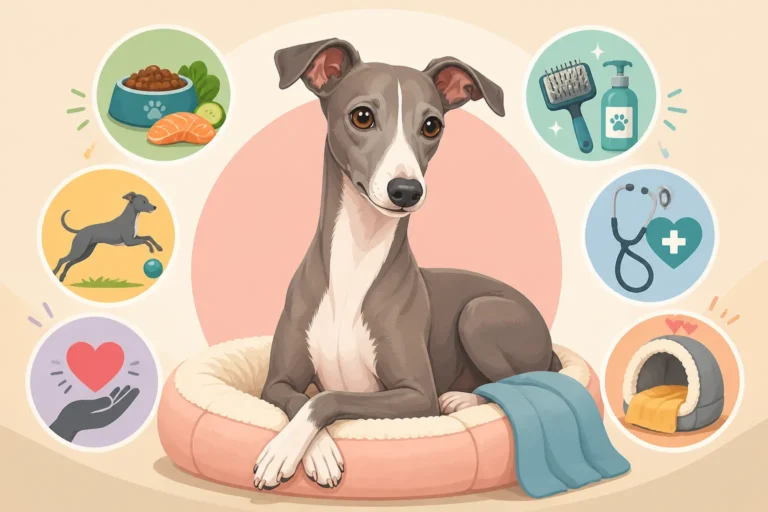
While supplements can play a vital role, truly supporting your Italian Greyhound's joints in their later years requires a comprehensive, holistic approach that includes environmental adjustments, appropriate exercise, careful weight management, and consistent veterinary care.
Environmental Modifications
As an Italian Greyhound ages and their joints become less forgiving, their home environment needs to adapt to their changing needs. Think about all the ways they interact with their space:
- Ramps and Steps: Those daring leaps onto and off furniture, once a hallmark of their athleticism, become dangerous for stiff or arthritic joints. Providing ramps or steps for sofas, chairs, and beds can prevent jarring impacts and reduce the risk of injury. It takes away the need for them to jump, saving their joints from repeated stress. For more ideas, explore Ramps and Steps for an Italian Greyhound's Furniture.
- Non-Slip Flooring: Italian Greyhounds already have slender, delicate toes and minimal padding on their feet. Hardwood or tile floors, while beautiful, can be incredibly challenging for an older dog with compromised balance and joint pain. Laying down rugs or runners, especially in high-traffic areas and around furniture, provides much-needed traction and cushioning.
- Soft, Supportive Bedding: An Italian Greyhound's thin skin and minimal body fat mean they need extra cushioning. As they age, pressure points over their bony prominences can become sore. Investing in orthopedic foam beds can make a world of difference, cradling their joints and providing support. Multiple soft blankets for burrowing are also non-negotiable for these comfort-loving dogs. You can learn more about suitable bedding in The Bedding a Thin Skinned Italian Greyhound Actually Needs.
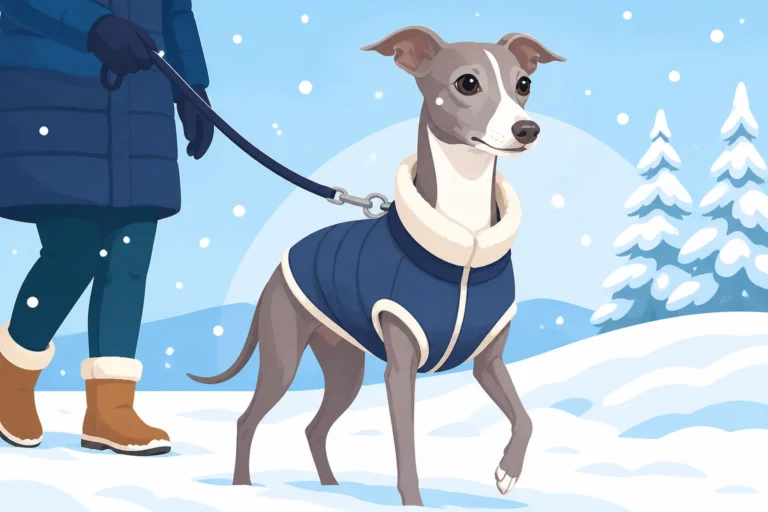
- Keeping Them Warm: Italian Greyhounds are notoriously sensitive to cold due to their lean build and single coat. Cold temperatures can exacerbate joint pain and stiffness. Ensuring their indoor environment is consistently warm and providing sweaters, pajamas, and heated beds (always safely) can help them stay comfortable. For more on keeping them cozy, check out Why an Old Italian Greyhound Feels the Cold More.
Weight Management and Exercise
These two aspects are inextricably linked and incredibly important for an Italian Greyhound's joint health at any age, but especially in their senior years.
- Maintaining a Lean Weight: Every extra pound puts additional stress on aging joints. An overweight Italian Greyhound is at a significantly higher risk for increased pain and faster progression of arthritis. Keeping them at a lean, healthy weight is one of the most impactful things you can do to preserve their joint health. You should be able to easily feel, but not necessarily see, their ribs. For detailed guidance on their ideal body condition, refer to What an Italian Greyhound Weighs and How to Tell If It Is Right. If your IG has gained a little too much weight, understanding Getting Weight Off an Overweight Italian Greyhound will be crucial.
- Gentle, Consistent Exercise: While strenuous activity might be off the table, complete inactivity is equally detrimental. Regular, low-impact exercise helps maintain muscle mass, flexibility, and healthy joint lubrication. Think shorter, more frequent walks on soft surfaces like grass, rather than long jogs on pavement. Swimming (with a life vest) can be excellent for non-weight-bearing exercise, if your IG tolerates water. Consult your vet or a certified canine rehabilitation specialist for an appropriate exercise regimen tailored to your dog's specific needs and limitations.
The Role of Diet and Veterinary Care
A balanced, high-quality diet provides the fundamental building blocks for overall health, including joint health. Look for dog foods that feature quality protein sources and appropriate fat levels for a senior dog. Some premium fresh-food delivery services, like Ollie, focus on human-grade ingredients that can be beneficial for overall health, including potentially reducing inflammation. You might also find kibble formulations specifically designed for senior dogs, often enriched with joint-supporting nutrients, readily available on platforms like Chewy.
However, the most critical component of senior Italian Greyhound joint care is consistent veterinary oversight. Regular check-ups become even more important as your dog ages. Your veterinarian can:
- Diagnose Issues Early: They can identify subtle signs of joint pain or disease that you might miss. The article How Often an Italian Greyhound Needs a Wellness Exam emphasizes the importance of these regular visits.
- Prescribe Pain Management: If your IG is experiencing significant pain, your vet can prescribe medications such as NSAIDs (non-steroidal anti-inflammatory drugs) or other pain relievers that are safe and effective for dogs. These can dramatically improve their quality of life.
- Recommend Therapies: Beyond supplements and medication, your vet might suggest other therapies like acupuncture, laser therapy, or physical rehabilitation to improve mobility and reduce pain.
- Monitor Overall Health: Joint issues rarely exist in a vacuum. Your vet will assess your IG's overall health, including organ function and other age-related conditions, to ensure a comprehensive approach to their well-being. Caring for an Italian Greyhound Past Eleven offers broader advice on senior care.
In summary, for most Italian Greyhounds, some form of joint support late in life will likely be beneficial, if not essential, for maintaining their quality of life. Combining appropriate supplements with a joint-friendly home environment, careful weight management, suitable exercise, and diligent veterinary care offers the best chance for your senior IG to remain as comfortable and happy as possible through their golden years.
Disclaimer
This article is for general informational purposes only and does not constitute professional advice. Laws, prices and regulations vary by location and change over time. Consult a qualified professional for guidance on your specific situation.