Feeding an Italian Greyhound With No Teeth
It's incredibly disheartening and often quite stressful when you notice your beloved Italian Greyhound struggling to eat, especially as they get older and start losing those tiny, delicate teeth. You just want them to be comfortable and get the nutrition they need, but figuring out how to adjust their diet can feel like a big puzzle. This guide is here to walk you through exactly how to make mealtime easy, enjoyable, and nutritious for your Italian Greyhound, even when they have few or no teeth left.
Understanding Why Your Italian Greyhound Might Lose Teeth
Losing teeth can be a gradual and painful process for our Iggies, and it's a reality many owners face. It's not just a sign of old age; often, it's the culmination of years of underlying dental challenges unique to the breed.
The Unfortunate Reality of Italian Greyhound Dental Health
Italian Greyhounds are, unfortunately, predisposed to a range of dental issues, making oral health a lifelong battle for many owners. Their elegant, slender muzzles, while beautiful, are often too narrow to properly accommodate all 42 adult teeth. This crowding leads to teeth pushing against each other, creating tight spaces where food particles and bacteria can easily get trapped. You see, when teeth are crammed together, it’s almost impossible for air to circulate or for a dog's natural chewing action (even if they chew kibble) to provide any abrasive cleaning. This means plaque and tartar build up at an accelerated rate.
This isn't just about bad breath or yellow teeth; it's a serious health concern. Plaque hardens into tartar, which then irritates the gums, leading to gingivitis. If left unchecked, gingivitis progresses to Periodontal Disease Is the Italian Greyhound's Most Common Diagnosis, where the infection spreads below the gum line, attacking the supporting structures of the teeth – the ligaments and bone. This is where the real damage occurs, leading to painful infections, abscesses, and ultimately, tooth loss. Many Italian Greyhounds, sadly, start losing teeth much earlier than other breeds, sometimes even by the age of eight, if rigorous dental care isn't maintained throughout their lives. Even with the best care, some Iggies simply have such crowded mouths that the battle against dental disease is an uphill one, and extractions become necessary to relieve pain and prevent more severe health complications. It's a frustrating reality, and it often means our pups have fewer teeth long before they reach true senior status.
Recognizing Signs Your Italian Greyhound Has Oral Pain
Our Italian Greyhounds are masters at hiding pain. It's an instinctual survival mechanism, but it means we often don't realize something is wrong until the problem is quite advanced. When it comes to oral pain, this stoicism can make it incredibly difficult to spot. You might not see them pawing at their mouth or crying out. Instead, the signs are much more subtle and can easily be mistaken for pickiness or a general slowdown.
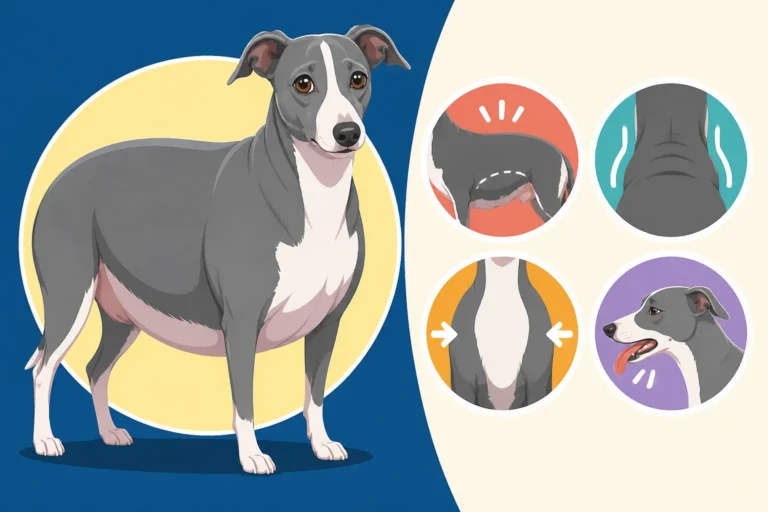
Look for changes in their eating habits: perhaps they approach their bowl with enthusiasm but then hesitate, or they drop food frequently. You might notice them chewing only on one side of their mouth, tilting their head oddly, or showing a preference for softer treats over crunchy ones. Sometimes, they'll simply eat less, or take a much longer time to finish their meals. Beyond eating, watch for excessive drooling, pawing at their face, or reluctance to have their head or mouth touched. Bad breath, even worse than usual "dog breath," is a huge red flag for infection. Swelling on one side of the face or under the eye can indicate a painful tooth root abscess. If you notice any of these signs, it's crucial to get them to the vet. Even if they haven't lost teeth yet, these are strong indicators of significant oral discomfort that needs attention. Catching these issues early can sometimes save teeth, but if extraction is needed, alleviating that chronic pain dramatically improves their quality of life.
Adjusting Diet and Food Consistency for Toothless Italian Greyhounds
Once your Italian Greyhound has lost a significant number of teeth, especially the molars at the back of the mouth used for grinding, their ability to process food changes drastically. The goal isn't just to get them to eat, but to ensure they're doing so comfortably and receiving all the necessary nutrients without risk.
Transitioning to Softer Foods: Wet, Soaked, or Blended
The most immediate and crucial step is to transition your Italian Greyhound to foods that require little to no chewing. Trying to eat hard kibble with missing teeth is not only painful but can also be incredibly frustrating and even dangerous if they attempt to swallow large pieces whole, leading to choking.
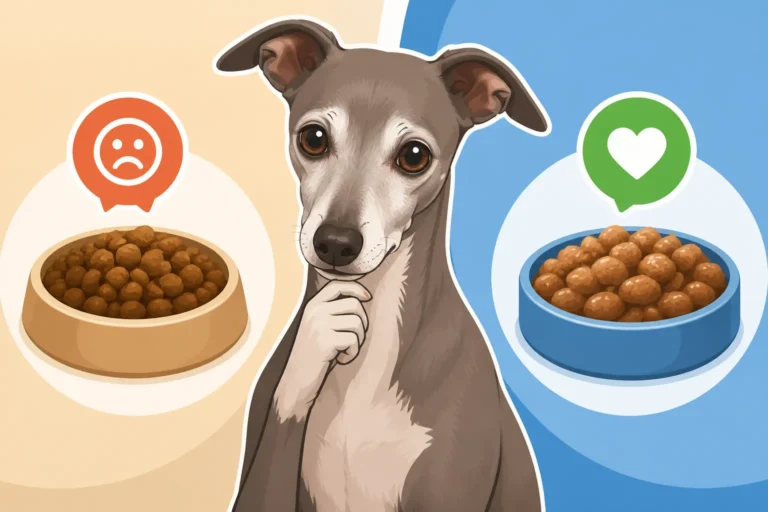
Your first line of defense is often a high-quality wet food. There are many excellent brands on the market, some available through online retailers like Chewy or Amazon, or even fresh-prepared options like Ollie that can be tailored to their needs. When selecting a wet food, look for options that are complete and balanced, with a smooth, pâté-like consistency rather than chunky pieces. This minimizes any chewing effort. For Italian Greyhounds who are used to kibble and might turn their nose up at new textures, you can try mixing a small amount of their favorite wet food with their current kibble, gradually increasing the wet food ratio.
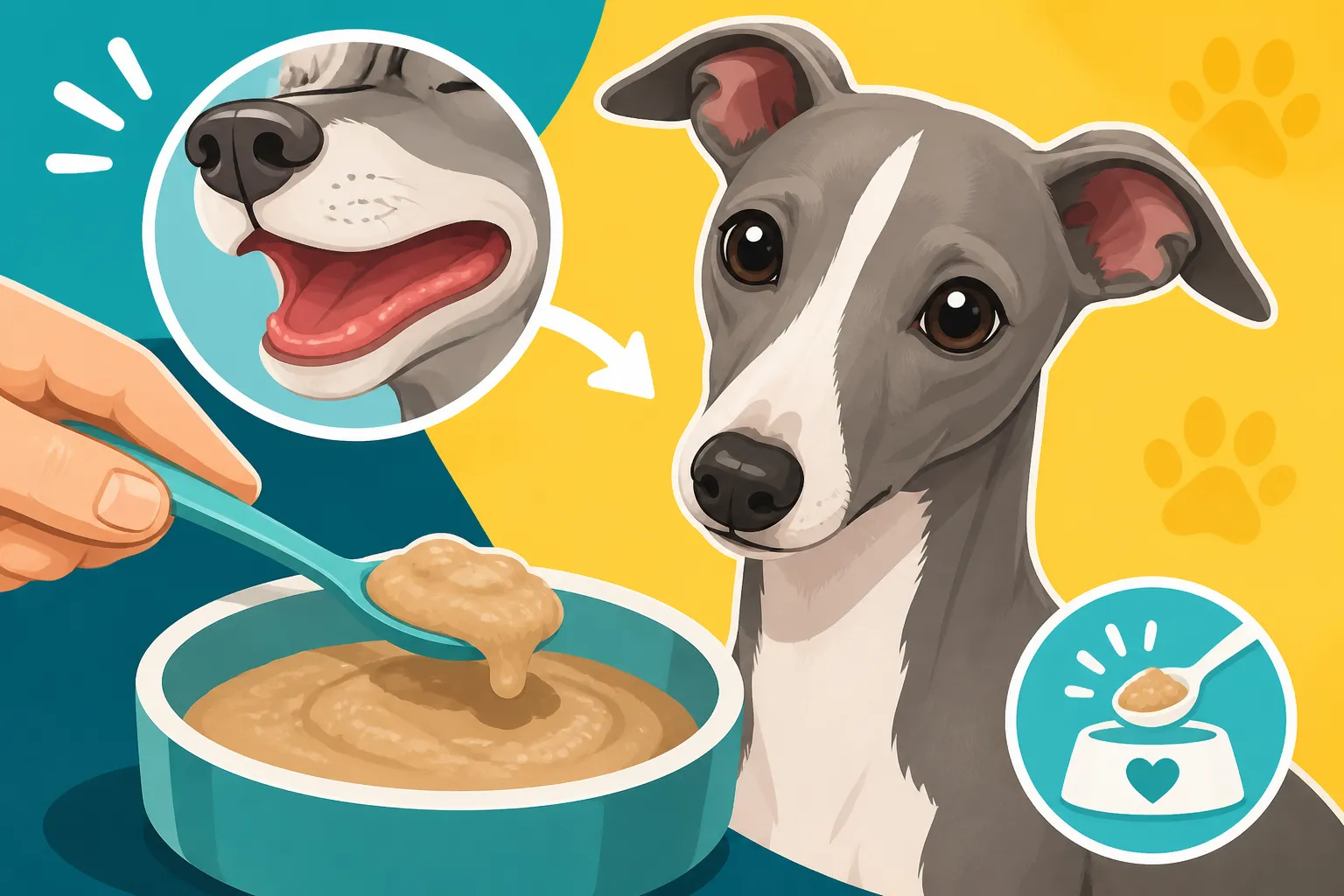
Another fantastic option is to soften their existing kibble. Pour warm water or low-sodium chicken or beef broth over their dry food and let it sit for about 15-20 minutes. The kibble should become mushy and easily mashable with a fork. This retains the flavor they're familiar with while making it much easier to consume. Some owners even take it a step further and use a blender to create a slurry. This is particularly helpful for Iggies with extreme tooth loss, severe oral pain, or those struggling to maintain weight. You can blend their softened kibble, wet food, or even a combination, adding extra water or broth to achieve a consistency they can lap up easily. Remember, any dietary change should be introduced gradually over several days to avoid upsetting their sensitive stomach. Softer Food for an Old Italian Greyhound and Whether an Old Italian Greyhound Needs Softer Kibble both explore these options, emphasizing the comfort benefits for senior dogs.
Ensuring Nutritional Balance Without Chewing
When feeding a toothless Italian Greyhound, it’s easy to focus solely on getting them to eat anything, but maintaining proper nutrition is paramount. Italian Greyhounds are naturally lean, and sudden weight loss can quickly lead to health issues. You need to ensure they're getting enough calories, protein, and essential nutrients.
Wet foods, while softer, can sometimes be less calorie-dense than equivalent dry kibble by volume, due to their higher moisture content. This means your Italian Greyhound might need to eat a larger quantity of wet food to get the same number of calories. Pay close attention to the feeding guidelines on the wet food packaging, and monitor your dog's weight closely. Regular weigh-ins are essential. If you're soaking or blending kibble, you're generally maintaining the original nutritional profile, but again, ensure they're consuming adequate portions. Protein is especially important for maintaining muscle mass, which can naturally decrease as dogs age, especially in a breed as slender as the Italian Greyhound. Look for wet foods or kibble options that list a high-quality meat source as the primary ingredient.
Sometimes, an Italian Greyhound with severe tooth loss might also have underlying health issues, making specific nutrient absorption more challenging. Discussing your dog's diet with your veterinarian is always a good idea. They can help you assess if any vitamin or mineral supplements might be beneficial, or if a prescription diet tailored for senior dogs or those with specific health needs would be appropriate. The goal is to keep them at a healthy weight and full of energy, even if their meal looks a little different than it used to. Many Italian Greyhounds are naturally particular about their food, as discussed in Getting a Picky Italian Greyhound to Eat, so finding a soft food option they genuinely enjoy might take a little experimentation.
Specialized Bowls and Feeding Techniques
The way you present food to your Italian Greyhound can make a significant difference in their comfort and willingness to eat when they have few or no teeth. It's not just about what they eat, but how they eat it.
Consider using shallow, wide bowls. These allow your Italian Greyhound to lap up their softened food without having to push their face deep into a bowl, which can be uncomfortable if their gums are sensitive or their jaw is painful. Elevated bowls can also be beneficial, especially for older Iggies who might have arthritis or neck pain, as they reduce the need to bend down excessively. Many of these specialized bowls are readily available from pet supply stores or online retailers like Chewy or Amazon. Experiment to see what your individual dog prefers. Some Iggies might even prefer to eat off a flat plate, which further minimizes effort.
For some Italian Greyhounds, particularly those who are very shy, anxious, or experiencing significant discomfort, hand-feeding can be incredibly reassuring. This personal interaction can encourage them to eat and allows you to gauge their comfort level directly. You can offer small spoonfuls of food, making sure they can easily lap it up. Create a calm, quiet feeding environment, free from distractions or other pets, to help them focus on their meal. Eating can become a more laborious task when teeth are missing, so don't rush them. Patience is key. Remember that even with no teeth, they still need fresh water available at all times, and a shallow water bowl might be easier for them to drink from as well.
Maintaining Health and Comfort for Your Toothless Italian Greyhound
Losing teeth isn't just about changing their dinner; it's about addressing their overall health and comfort in this new stage of life. Ongoing care plays a vital role in ensuring their well-being.
Ongoing Oral Hygiene (Even Without Teeth!) and Vet Care
You might think that once all the problematic teeth are gone, your dental worries are over. Not so fast! Even an Italian Greyhound with no teeth still needs attention paid to their oral cavity. Their gums are still there, and they can still be susceptible to inflammation or even infections, especially if small fragments of teeth were left behind during extractions.
Gentle gum massage can actually be beneficial, as it can help stimulate blood flow and keep the gum tissue healthy. You can use a very soft, wet cloth wrapped around your finger, or a specialized finger toothbrush with a tiny bit of veterinary-approved pet toothpaste. This is less about "cleaning" and more about maintaining overall oral tissue health and keeping them comfortable with mouth handling. Most importantly, regular veterinary check-ups are absolutely essential. Your vet will want to examine their gums, check for any signs of inflammation, infection, or growths. They can ensure that any past extractions healed properly and that there are no hidden issues. Remember, your Italian Greyhound's mouth is still a gateway to their internal health, and neglected oral health, even gum issues, can impact other organs. Why an Italian Greyhound's Dental Requires Anesthesia explains the complexities of their oral care, highlighting the need for professional oversight throughout their lives. It's a testament to the breed's delicate nature that even after significant tooth loss, vigilance is still required.
Monitoring Weight and Overall Well-being
An Italian Greyhound with tooth loss might find eating to be a chore, which can lead to a decrease in appetite and, subsequently, unintentional weight loss. Given their naturally lean physique, even a small drop in weight can be concerning. It's crucial to monitor their body condition closely.
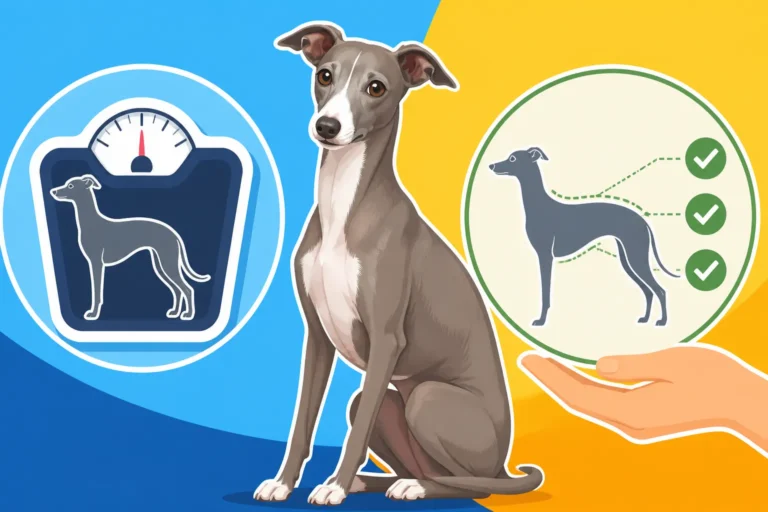
You should be able to easily feel their ribs, spine, and hip bones without them protruding sharply. If these bones start to become much more prominent, or if their tuck-up becomes overly exaggerated, it's a sign they might not be getting enough calories. Regular weigh-ins at home, perhaps once a week, can help you catch any downward trends quickly. Beyond weight, observe their overall demeanor and energy levels. Are they still eager for walks and playtime (appropriately for their age, of course)? Is their coat still soft and shiny? Lack of nutrients can lead to a dull coat, dry skin, and decreased energy. Also, watch for signs of dehydration, such as sunken eyes or sticky gums. If you suspect your Italian Greyhound is struggling to maintain weight or showing other signs of decline, consult your vet immediately. They can help rule out any underlying medical conditions and provide guidance on calorie-dense food options or appetite stimulants if needed. Caring for an Italian Greyhound Past Eleven details many aspects of senior Italian Greyhound care, and diet adjustment is a huge part of ensuring their comfort and longevity in their later years.
Here's a quick comparison of common feeding options for Italian Greyhounds with missing teeth:
| Food Option | Description | Pros | Cons |
|---|---|---|---|
| Wet Food (Pâté) | Smooth, consistent texture, high moisture content. | Very easy to lap up, palatable, good for hydration. | Can be less calorie-dense by volume, may be pricier than kibble. |
| Soaked Kibble | Regular dry kibble softened with warm water or broth. | Familiar taste, retains original nutrition, budget-friendly. | Requires prep time, might not be soft enough for severe cases. |
| Blended Food | Any combination of wet/soaked kibble, pureed to a liquid consistency. | Easiest to consume, ensures nutrient intake, good for extreme cases. | Less texture variety, might need more frequent small meals, messy. |
| Fresh-Prepared Food | Human-grade, gently cooked meals (e.g., Ollie) often soft by nature. | High palatability, excellent nutrition, tailored options. | Generally more expensive, requires refrigeration/storage. |
Remember, every Italian Greyhound is an individual, and what works for one might not work for another. The key is patience, observation, and working closely with your veterinarian to ensure your beloved companion remains happy, healthy, and well-fed throughout their golden years, regardless of how many teeth they have left. How Many Teeth an Italian Greyhound Loses by Eight highlights just how common this issue can be.
Disclaimer
This article is for general informational purposes only and does not constitute professional advice. Laws, prices and regulations vary by location and change over time. Consult a qualified professional for guidance on your specific situation.