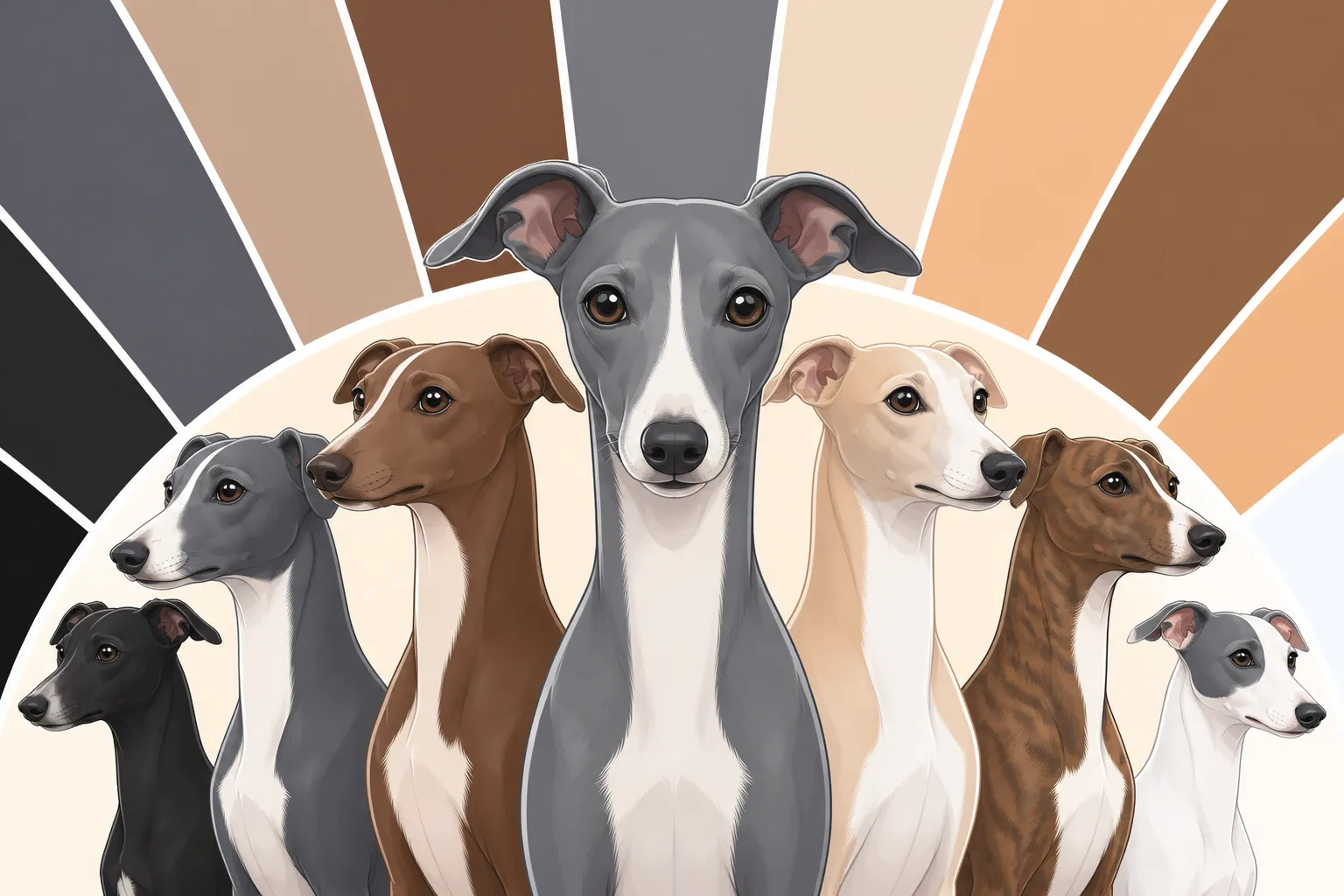
Every Color an Italian Greyhound Is Allowed to Be
When you picture an Italian Greyhound, what color do you see? For many prospective owners, the kaleidoscope of colors available can be both exciting and a little overwhelming. You might have heard terms like "blue," "fawn," or even "parti-color," and wonder what's standard, what's rare, and what it all means for your future companion. This guide is here to unravel the often-confusing world of Italian Greyhound coat colors, clarifying what’s allowed within the breed standard, exploring the genetics behind these beautiful coats, and arming you with the knowledge to make an informed choice.
Understanding the Italian Greyhound Breed Standard for Color
Navigating the world of purebred dogs often means familiarizing yourself with a breed standard, a written description of the ideal specimen. For Italian Greyhounds, the color aspect of this standard can seem deceptively simple at first glance, but it holds important nuances that every potential owner should understand. It’s not just about what looks pretty; it’s about breed history, genetics, and the subtle markers that differentiate a show dog from a beloved companion.
What "Any Color" Truly Means for an Italian Greyhound
The Italian Greyhound breed standard, particularly in many parts of the world, famously states that "any color or markings" are permissible. On the surface, this sounds incredibly broad and inclusive, suggesting a veritable rainbow of acceptable coats. And in many ways, it is! Unlike some breeds where only one or two specific colors are allowed, or where a tiny white spot on a toe can disqualify a dog from the show ring, Italian Greyhounds offer a much wider palette. This flexibility means you're likely to see Iggies in a stunning array of solid colors, as well as those with elegant white markings or interesting patterns.
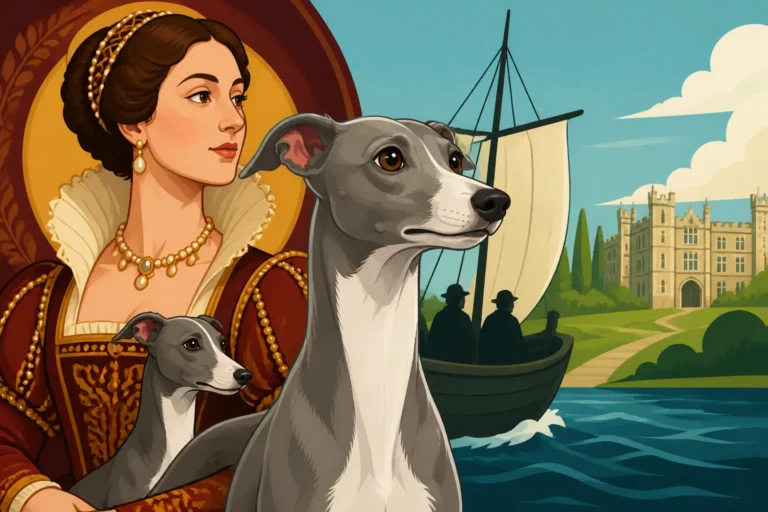
This liberal stance on color reflects a different historical breeding focus compared to some other breeds. For centuries, the Italian Greyhound's primary role was that of a companion, a delicate and graceful pet for nobility. Their beauty was certainly prized, but strict adherence to a single color was rarely the driving force. This historical perspective allows for the wide genetic diversity in coat colors we see today, which is a lovely aspect of the breed, offering something for every aesthetic preference.
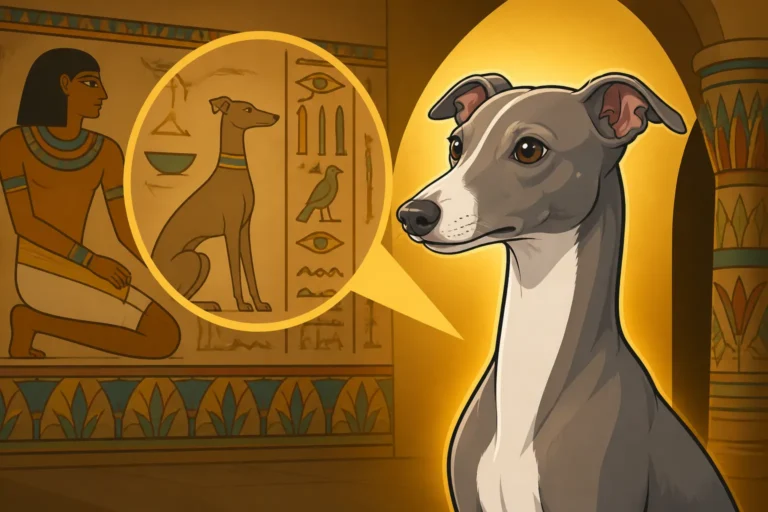
However, "any color" isn't an absolute free-for-all. It's a key distinction that differentiates the Italian Greyhound from breeds like the Golden Retriever, where only shades of gold are acceptable, or the Irish Setter, always a rich mahogany. For an Iggy, a solid black, a soft blue, a warm red, or a pale fawn are all perfectly within bounds. This often surprises people who are used to more restrictive breed standards, but it's part of the Italian Greyhound's charm and unique genetic story. The Italian Greyhound Is Two Thousand Years Old and throughout that history, variety has been a consistent theme in their appearance.
Disqualified Colors and Markings: What Not to Look For
While the phrase "any color or markings" sounds incredibly open, there are typically two specific patterns that are considered disqualifications in the conformation show ring for Italian Greyhounds: brindle and black and tan. It's important to understand what these mean and why they are disallowed, as it speaks to the breed's purity and historical lineage, even if such patterns don't affect a dog's health or temperament as a pet.
Brindle refers to a coat pattern with stripes of color, often described as a "tiger stripe" effect. You might see this in breeds like Boxers or Great Danes, where it's a cherished and accepted color. However, on an Italian Greyhound, distinct brindle stripes suggest an outcross to another breed at some point in its ancestry, potentially many generations ago, which is undesirable for maintaining the purebred standard. An Iggy with subtle, faint brindle markings might still be registered, but prominent brindle would likely preclude it from the show ring.
Similarly, "black and tan" refers to the classic pattern seen in breeds like Rottweilers, Doberman Pinschers, or German Shepherds, where the dog is primarily black with distinct tan or rust-colored points on the muzzle, chest, and legs. This pattern is also considered a disqualification for Italian Greyhounds. Like brindle, its appearance suggests a mixing of bloodlines that deviates from the pure Italian Greyhound type. A black and tan Italian Greyhound, while certainly a unique and striking dog, would not be eligible to compete in AKC or equivalent conformation shows.
It's absolutely crucial to emphasize that a dog with a disqualified color pattern is still a wonderful, loving pet. These disqualifications are strictly for the purposes of showing and breeding within strict conformation guidelines. They do not imply any defect in health, intelligence, or temperament. If you're looking for a companion and fall in love with a brindle or black and tan Italian Greyhound, there's no reason to hesitate, provided the dog is otherwise healthy and from a responsible breeder. Just be aware of the show ring implications if that's a path you were considering.
Common and Accepted Italian Greyhound Coat Colors
Italian Greyhounds boast a delightful array of coat colors, each with its own unique charm. These colors are all recognized and accepted within the breed standard for conformation, meaning a dog of any of these shades can compete in the show ring, assuming it meets all other standard requirements. Understanding the nuances of these common colors and markings can help you appreciate the beauty and diversity within the breed, and perhaps even guide your preference when looking for your own little sighthound.
The Spectrum of Solid Colors: Black, Blue, Red, Fawn, Cream
The solid colors are arguably the most classic and elegant presentations of an Italian Greyhound's sleek coat. These are dogs whose coats are a single, uniform color from nose to tail, though sometimes a darker mask or lighter shading can be present, especially on the face.
-
Black: A true, deep black Italian Greyhound is a stunning sight. Their coats are typically glossy and absorb light, making them appear incredibly sleek and sophisticated. While not as common as blue or fawn, a solid black Iggy is absolutely captivating. Sometimes, exposure to the sun can lighten their coats slightly, giving them a reddish cast, but the underlying color is a rich, pure black. Owners often choose black for its striking contrast and elegance, though it’s also important to remember that black coats can sometimes feel hotter in direct sunlight.
-
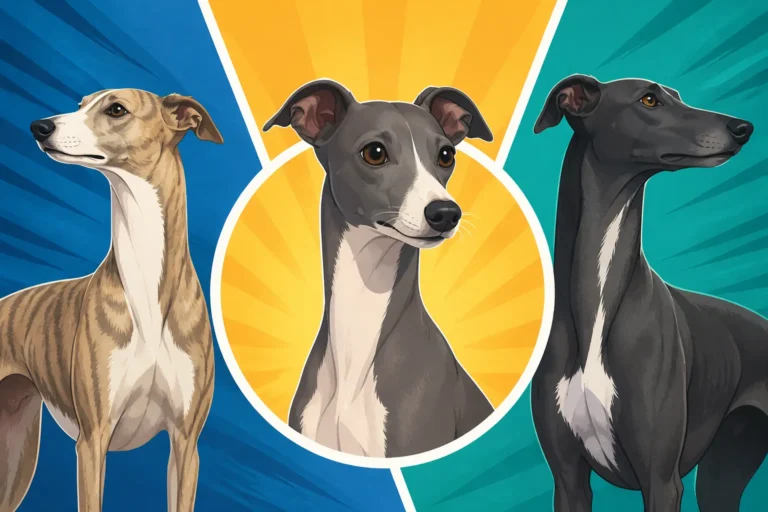
Blue: This is one of the most popular and recognizable Italian Greyhound colors. "Blue" in the dog world refers to a dilute black, appearing as a soft, silvery grey. The shade can vary from a very pale, almost lavender grey to a deep, rich slate grey. Blue Iggies often have matching slate-grey noses and eye rims, which adds to their distinctive look. While undeniably beautiful, blue coats are genetically linked to Color Dilution Alopecia in a Blue Italian Greyhound, a condition that can cause thinning hair and dry, flaky skin. This doesn't mean every blue Iggy will get it, but it's a known risk that responsible breeders and owners should be aware of. Many owners find specialized shampoos and conditioners, sometimes available from retailers like Chewy, helpful for maintaining skin and coat health in blue Iggies.
-
Red: Italian Greyhounds can come in various shades of red, from a vibrant, fiery orange-red to a deeper, more mahogany hue. Red is a warm, inviting color that beautifully complements their graceful form. Often, red Iggies will have a darker "mask" on their face, giving them a very expressive look. The intensity of the red can vary with sunlight and age, sometimes darkening or lightening slightly over time. A red Iggy bounding across a sunny field is a truly picturesque sight.
-
Fawn: Fawn is a beautiful, classic sighthound color, ranging from a pale, sandy beige to a deeper, richer tan. It's essentially a dilute red, similar to how blue is a dilute black. Fawn Iggies often have black noses and eye rims, providing a lovely contrast to their lighter coats. Some fawns will also have a darker mask, which can highlight their delicate features. This color is very popular due to its soft appearance and can sometimes be difficult to distinguish from very pale reds or creams.
-
Cream: Cream is the lightest end of the fawn spectrum, appearing as an almost off-white or pale, buttery yellow. It's a soft, ethereal color that makes an Italian Greyhound look particularly delicate. Cream Iggies almost always have black noses and eye rims, which stand out against their pale coats. Like fawn, the shade can vary slightly, but it consistently offers a gentle, understated beauty. Owners of cream Iggies often comment on how their dogs seem to glow in certain lights.
Markings and Patterns: White, Sable, and More
Beyond the solid colors, Italian Greyhounds can also display a range of markings and patterns that add to their individuality and charm. These are generally accepted within the breed standard, offering even more diversity for those seeking a uniquely adorned companion.
-
White Markings: It's very common to see Italian Greyhounds with white markings, particularly on the chest, feet, and sometimes a blaze on the face. These markings are perfectly acceptable within the breed standard and are quite popular. A dog might be a solid blue with a crisp white chest, or a red with white "socks" on its feet. The key is that the white patches are distinct and don't create a disqualified pattern like parti-color (which we'll discuss in a moment). Many owners find the splash of white adds a touch of brightness and character to their Iggy's appearance. While excessive white might be less preferred in the show ring in some specific judge's opinions, it's never a disqualification for a pet.
-
Sable: Sable is a fascinating coat pattern where the individual hairs are banded with color, typically lighter at the base and darker at the tips. This creates a shaded, multi-tonal effect. For Italian Greyhounds, sable usually manifests over a fawn or red base, with the tips of the hairs being black or dark brown. This gives the dog a dynamic, almost iridescent quality, where the coat color seems to change depending on the light and how the hair lies. A sable Iggy can appear to have a shadowy overlay, adding depth and richness to its overall color. It's a beautiful and complex pattern that makes each sable dog quite distinct.
-
Pied / Parti-color: The term "pied" or "parti-color" refers to an Italian Greyhound with distinct, clearly defined patches of color on a white background. Imagine a white dog with large, irregular patches of blue, black, or red. This pattern is often quite striking and creates a very unique look. While the breed standard states "any color or markings," parti-color dogs, particularly those with a lot of white, used to be less common in the show ring, but are now generally accepted. These dogs are truly eye-catching and offer a stark contrast between their vibrant color and pure white base. It’s important that these patches are clearly colored and not simply a pale version of the base coat.
| Color Category | Examples | Description | Show Ring Status | Potential Health Concerns (IG specific) |
|---|---|---|---|---|
| Solid Colors | Black, Blue, Red, Fawn, Cream | Uniform color across the body, may have darker mask/points. | Accepted | Blue (dilute black) has higher risk for Color Dilution Alopecia in a Blue Italian Greyhound. |
| With White Markings | Any solid color with white on chest/feet | Distinct patches of white, typically on chest, feet, or blaze. | Accepted (excessive white is generally okay, but may be less desired by some judges in limited cases) | None specific to white markings. |
| Sable | Fawn/Red with black-tipped hairs | Shaded appearance, where hair tips are darker than the base color, creating depth. | Accepted | None specific to sable. |
| Pied/Parti-color | Patches of color on a white background | Distinct colored patches on a predominantly white coat. | Accepted | None specific to parti-color. |
| Disqualified Colors | Brindle, Black and Tan | Brindle has distinct stripes. Black and Tan has specific markings like a Rottweiler. | Disqualified | None specific to these patterns, but indicate outcrossing and are not standard. |
The Genetics Behind Italian Greyhound Colors
Understanding the visible colors of an Italian Greyhound is one thing, but diving into the genetics behind them is where the true fascination lies. Dog coat color genetics can be complex, involving multiple genes that interact to produce the final shade and pattern. For Italian Greyhounds, a few key genes are primarily responsible for the common colors we see, and knowing about them helps explain why certain colors appear and how they might be inherited.
Understanding Dilution Genes (Blue, Cream)
One of the most significant genes in Italian Greyhound coat color is the "dilute" gene, often referred to as the D-locus. This gene is responsible for taking a dog's base black or red pigment and "diluting" it into a lighter shade. It's a recessive gene, meaning a dog must inherit two copies of the dilute allele (dd) to express a diluted color. If a dog has at least one dominant D allele (DD or Dd), its color won't be diluted.
For Italian Greyhounds, the most prominent example of this is the transformation of black into blue. A dog that is genetically black (meaning it carries genes for black pigment) will appear black if it has at least one dominant D allele. However, if it inherits two recessive 'd' alleles (dd), that black pigment is diluted, and the dog's coat will appear blue – a beautiful soft grey, which can range from a light silver to a deep slate. This is precisely why blue is such a common and cherished color in the breed. Similarly, the dilute gene also affects red pigment, turning a genetically red dog into a fawn or cream color if it carries two dilute alleles. So, a red Iggy with a 'dd' genotype will be fawn, and a very pale fawn might be described as cream.
This genetic mechanism explains why you won't typically see a "chocolate" Italian Greyhound, for example. The specific genes responsible for turning black to brown (the B-locus) are not typically present in the Italian Greyhound gene pool. It's all about which genetic switches are available and how they interact. Understanding the dilute gene is also crucial because, as mentioned earlier, it is linked to Which Italian Greyhound Colors Carry the Alopecia Risk, particularly for blue Iggies, where the dilute gene can sometimes contribute to conditions like Color Dilution Alopecia. Responsible breeders test for these genes and understand their implications.
Pigmentation and Masking Effects
Beyond the base coat color and dilution, other genes influence the final appearance of an Italian Greyhound, particularly regarding pigmentation of the nose, eye rims, and lips, and the presence of "masking." These are the subtle details that often tie the whole look together and are just as much a part of the genetic tapestry.
The K-locus is one such influential gene, particularly for its role in determining whether a dog expresses a black mask. You've probably seen many fawn or red Italian Greyhounds with a distinct black muzzle, sometimes extending up around the eyes. This is thanks to the dominant gene for black masking (Em). A dog carrying this gene will have a black mask, regardless of its underlying red or fawn coat color. It's like putting a black filter over the facial area. Without this gene, a red or fawn Iggy would have a uniformly colored face, without the darker muzzle. This masking effect adds a lovely depth and expressiveness to many Iggies' faces.
Another important aspect is the pigmentation of the nose, eye rims, and lips. Generally, most Italian Greyhounds, regardless of their coat color, will have black pigmentation in these areas. This creates a striking contrast against lighter coats like fawn or cream, and blends seamlessly with a solid black coat. However, in blue Italian Greyhounds, the same dilution gene that turns their coat grey also dilutes their skin pigment. This means blue Iggies will typically have a slate-grey or self-colored nose, eye rims, and lips, rather than black. This is a normal and expected trait for a blue dog and completes their unique aesthetic. In rare instances, a truly pale cream or white Iggy might have liver (brown) pigmentation if they also carried the recessive 'b' gene, but this is extremely uncommon in the breed, indicating a distinct genetic background.
Rare and Less Common Italian Greyhound Colors
While the Italian Greyhound breed standard embraces a wide array of colors, there are some shades that you might encounter less frequently than the popular blues, fawns, and reds. These colors, while still within the "accepted" range (as long as they don't fall into the disqualified categories), add to the mystique and diversity of the breed. It's also important to address certain marketing terms that can be misleading when it comes to "rare" colors, especially concerning size.
Seal and Other Unique Shades
"Seal" is a truly fascinating and often misunderstood color in the canine world, and Italian Greyhounds can certainly exhibit it. A seal Italian Greyhound will appear almost black at first glance, but upon closer inspection, especially in direct sunlight, you'll notice a subtle reddish or brownish cast to its coat. It's a very dark, often iridescent brown that can be easily mistaken for a pure black. The exact genetics behind seal can be complex, but it's generally understood to be a variation where the eumelanin (black pigment) is expressed in a way that allows some phaeomelanin (red pigment) to show through, or where the black is simply a very rich, dark brown.
Owners of seal Iggies often describe how their dog's color seems to change depending on the lighting, appearing deep black indoors and revealing warm, subtle undertones in the sun. It's less common than a true black or blue, adding to its unique appeal. These dogs typically have black noses and eye rims, further cementing their dark, mysterious look. When searching for an Italian Greyhound, you might encounter a "seal" puppy and think it's black, only to discover its true, subtle coloring as it grows. It's a delightful surprise for many.
Beyond seal, you might occasionally see other unique shades that fall within the general categories of fawn or red but have unusual depth or highlights. For instance, some fawns might have a very unusual greyish undertone, or some reds might lean so far into orange that they are distinct. These are usually just variations in the expression of the dominant color genes rather than entirely separate genetic markers. The beauty of the "any color" standard is that it allows for these unique and lovely variations to be celebrated, provided they don't veer into disqualified patterns.
The Misconceptions Around "Teacup" or "Miniature" Color Variations
When you're looking for an Italian Greyhound, especially online, you might come across breeders or individuals using terms like "teacup Italian Greyhound" or "miniature Italian Greyhound," sometimes implying that these smaller dogs come in special "rare" or "exclusive" colors. It's absolutely crucial to understand that these terms are marketing ploys and are not recognized by reputable breed clubs or organizations. There is no such thing as a distinct "teacup" or "miniature" Italian Greyhound variety that comes in unique colors.
The Italian Greyhound is already a toy breed, known for its small, delicate stature. The breed standard specifies a height range, typically around 13-15 inches at the shoulder, and a weight of generally under 14 pounds. Reputable breeders strive to produce dogs within this healthy range, focusing on good conformation, health, and temperament. Breeders using terms like "teacup" are often intentionally breeding for abnormally small sizes, which can lead to significant health issues like fragile bones (Why an Italian Greyhound's Leg Bones Break So Easily), dental problems, and difficulty regulating body temperature. These smaller-than-standard dogs are not inherently healthier or more valuable, and any breeder suggesting otherwise should be approached with extreme caution.
Furthermore, these "teacup" breeders might try to capitalize on the desire for uniqueness by claiming their abnormally small dogs come in "rare" colors not seen in standard-sized Iggies. This is simply untrue. The genetic palette for Italian Greyhound colors is the same regardless of size. A truly reputable breeder focuses on health-tested parents and puppies that fit the breed standard, in terms of both size and temperament. If a breeder is emphasizing a dog's "teacup" status or promoting "rare" colors outside the standard at an inflated price, it's a major red flag that they are prioritizing profit over the well-being and integrity of the breed. Always seek out breeders who are transparent about their practices, health testing (What an Italian Greyhound Breeder Should Have Tested), and adherence to the established breed standard, rather than chasing fads.
Why Italian Greyhound Color Matters (and When It Doesn't)
For many prospective Italian Greyhound owners, color is a huge consideration. You might have a specific shade in mind, perhaps dreaming of a sleek black Iggy or a delicate fawn. While aesthetics are certainly a valid personal preference, it’s important to understand the contexts in which color truly matters, and when it’s merely a superficial trait that shouldn’t overshadow more important considerations like health and temperament. The implications of color can differ vastly depending on whether you're looking for a show dog or simply a cherished family pet.
Conformation Showing Versus Pet Ownership
This is perhaps the most significant distinction to make regarding Italian Greyhound colors. If your dream is to enter the competitive world of conformation showing, where dogs are judged on how closely they conform to the official breed standard, then color matters immensely. As discussed, certain patterns like brindle and black and tan are considered disqualifications. This means a perfectly healthy, sweet, and otherwise well-conformed Italian Greyhound with these markings would be ineligible to compete in a recognized conformation show. Breeders aiming for show quality will meticulously plan their pairings to ensure their puppies conform to every aspect of the standard, including accepted colors.
For a pet owner, however, color is almost entirely a matter of personal taste. Whether your Italian Greyhound is a deep red, a soft cream, or a lively parti-color, it will still bring boundless joy, companionship, and those signature Iggy cuddles. The love and loyalty of an Italian Greyhound are not dictated by its coat color. Many rescue organizations, for example, often have beautiful Italian Greyhounds in all sorts of colors and patterns that might not be "show quality" but are absolutely perfect for a loving home. Focusing on temperament, health clearances of the parents, and the overall well-being of the puppy should always take precedence over a specific shade if you're primarily seeking a companion. Don't let the pursuit of a particular color blind you to a wonderful dog who might have slightly "off-standard" markings but an otherwise impeccable nature. What an Italian Greyhound Costs to Buy in 2026 can vary, but color should not add significantly to the price for a pet, especially if it's a "rare" color outside the standard.
Health Considerations Tied to Certain Colors
While most Italian Greyhound colors are purely aesthetic, there is one significant health consideration directly tied to a specific color: blue. As we touched on earlier, blue Italian Greyhounds, which are genetically dilute blacks, have a higher prevalence of a condition called Color Dilution Alopecia in a Blue Italian Greyhound (CDA).
CDA is a hereditary skin condition that affects dogs with dilute coats, most notably blue and sometimes fawn. It's caused by a defect in the way pigment is distributed in the hair shaft, making the hair brittle and prone to breakage. Over time, affected dogs will experience thinning hair, particularly on their backs, ears, and flanks, eventually leading to partial or complete baldness in those areas. The skin in affected areas can also become dry, flaky, and prone to secondary bacterial infections. While it's largely a cosmetic issue and doesn't usually cause pain, it can be uncomfortable and requires diligent skin care. Many owners find good quality moisturizing shampoos and conditioners, such as those found on Chewy, can help manage the dry skin.
It's crucial to understand that not every blue Italian Greyhound will develop CDA. It's a predisposition, not a guarantee. However, the risk is significantly higher in blue Iggies compared to those with other coat colors. Responsible breeders of blue Italian Greyhounds are keenly aware of CDA and strive to breed away from it by understanding the genetics of their lines and sometimes performing genetic testing for the dilute gene. If you are considering a blue Italian Greyhound, it's essential to discuss CDA with the breeder and understand what measures they take to mitigate the risk. While the focus of What an Italian Greyhound Breeder Should Have Tested typically includes eye and patella screenings, inquiring about CDA awareness for blue lines is also a smart move.
It's also worth noting that in some other breeds (not typically Italian Greyhounds), certain complex color patterns like merle (which Iggies do not carry) can be linked to more severe health issues like deafness and blindness when inherited in a double-dose. However, for Italian Greyhounds, the primary color-linked health concern remains CDA in blue dogs. Always prioritize a breeder who focuses on the overall health and well-being of their puppies, regardless of the desired coat color.
What to Ask a Breeder About Italian Greyhound Colors
When you're ready to bring an Italian Greyhound into your life, choosing a responsible breeder is paramount. A good breeder prioritizes health, temperament, and adherence to the breed standard, and they'll be transparent and knowledgeable about all aspects of their dogs, including coat colors and their genetic implications. Knowing what questions to ask can empower you to make an informed decision and ensure you're getting a healthy, well-bred puppy.
Inquiring About Parentage and Genetic Testing
A responsible Italian Greyhound breeder will be an open book about their breeding program. When discussing color, don't be shy about asking about the colors of both the sire (father) and dam (mother), as well as their ancestors. Understanding the parentage can give you insights into the genetic potential of the litter. For example, if you're looking at a litter with blue puppies, and one parent is black and the other is blue (or both are blue), the breeder should be able to explain the dilute gene inheritance and how that results in the blue coloration.
Beyond just the visible color, inquire about any genetic testing relevant to coat color. As mentioned, Color Dilution Alopecia in a Blue Italian Greyhound is a concern for blue Iggies. A truly responsible breeder of blue Italian Greyhounds will be aware of CDA and might even perform genetic testing on their breeding dogs to identify carriers or affected individuals, aiming to minimize the risk in their puppies. They should be able to clearly explain their strategy for breeding away from such conditions. While there isn't a simple "test" to prevent CDA entirely, understanding the genetic lines is a key component of responsible breeding.
Furthermore, a breeder should be able to articulate why they chose a particular pairing, often highlighting how the combination of the parents' genetics contributes to producing healthy, well-tempered puppies that align with the breed standard, not just focusing on a desirable color. They should be able to provide you with health clearances for the parents for conditions like patellar luxation and eye diseases (The Eye Diseases an Italian Greyhound Breeder Screens For), which are more critical than color. If a breeder is evasive or seems to prioritize a "rare" color over general health testing or temperament, consider that a major red flag.
Avoiding Breeders Who Prioritize "Rare" Colors
This is a critical piece of advice for any prospective Italian Greyhound owner. Be extremely wary of any breeder who heavily markets their puppies based on "rare," "exotic," or "designer" colors, especially if they are charging inflated prices for these supposedly unique shades. As we've discussed, the Italian Greyhound breed standard is quite broad, accepting "any color or markings" with only specific disqualifications (brindle, black and tan). Therefore, a legitimately "rare" color for an Italian Greyhound is almost certainly a color that falls outside the accepted standard, or is a disqualified pattern.
Breeders who focus on "rare" colors are often prioritizing novelty and profit over health and breed integrity. They might be intentionally breeding for disqualified patterns or even outcrossing to other breeds to achieve a specific look, which undermines the very definition of a purebred Italian Greyhound. These practices can introduce unforeseen health problems, compromise temperament, and produce dogs that do not truly represent the breed. A breeder who proudly displays puppies that are clearly brindle or black and tan and claims they are "rare" and highly valuable for pet homes is demonstrating a lack of understanding or respect for the breed standard.
Instead, seek out breeders who demonstrate a deep passion for the Italian Greyhound breed as a whole, who focus on producing healthy, happy, and well-socialized puppies. They should be transparent about their breeding practices, provide a comprehensive What a Breeder Contract on an Italian Greyhound Requires, and focus on the important aspects of owning an Italian Greyhound, such as its delicate bone structure and unique care needs. A good breeder will educate you on the breed's characteristics, potential health issues, and general care, regardless of the puppy's color. If you hear claims of "teacup" size or "rare" colors with exorbitant price tags, walk away. These are often signs of an irresponsible breeder. What a Cheap Italian Greyhound Puppy Signals can also be a warning, but so can an overly expensive one based on deceptive marketing.
Disclaimer
This article is for general informational purposes only and does not constitute professional advice. Laws, prices and regulations vary by location and change over time. Consult a qualified professional for guidance on your specific situation.