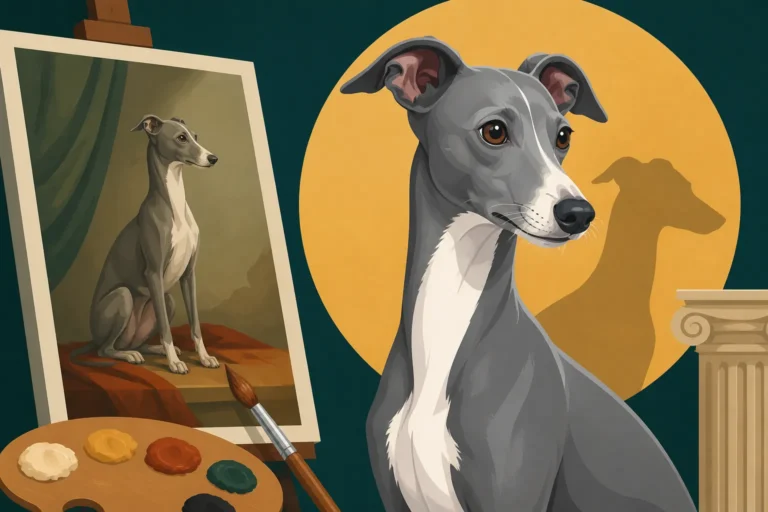
When the AKC Recognized the Italian Greyhound
Anyone who has ever fallen in love with a less common or "ancient" breed often wonders about their official history – how did this unique dog come to be recognized, and what does that mean for its future? For Italian Greyhound enthusiasts, understanding the breed's journey to formal recognition by the American Kennel Club (AKC) offers a fascinating glimpse into its past, its standards, and the dedicated people who worked to preserve it. This guide will walk you through that journey, exploring the historical winding path that led our beloved Iggies to their well-deserved place in the registry.
The Italian Greyhound's Ancient Roots and Early European Journey
Before we even talk about American recognition, it’s crucial to understand that the Italian Greyhound isn’t some recently concocted designer breed. Far from it! These elegant little sighthounds have an incredibly long and storied history, stretching back millennia. Imagine them gracing the courts of pharaohs or reclining on mosaic floors in ancient Roman villas. Their very presence speaks to a lineage deeply entwined with human history, especially in the Mediterranean region. Their delicate structure and refined beauty made them companions for royalty and nobility long before anyone thought of a formal kennel club. It’s truly amazing to think that the little dog curled up on your sofa today has ancestors that might have warmed Cleopatra’s lap! If you're curious about their deep past, you might enjoy reading The Italian Greyhound Is Two Thousand Years Old.
Tracing the Breed's Ancestry Beyond Modern Kennel Clubs
The exact origins of the Italian Greyhound are, like many ancient breeds, a bit shrouded in the mists of time. However, archaeological finds, ancient artworks, and historical texts consistently point to their existence in various forms across the Mediterranean basin. They weren’t called "Italian Greyhounds" then, of course, but their distinct sighthound characteristics – the slender build, the deep chest, the elegant neck – are unmistakable. They were likely prized for their beauty, their gentle nature, and perhaps even for their small stature, which made them ideal house pets for the elite. These were dogs bred for companionship, a role they’ve perfected over thousands of years, evolving through selection by discerning owners who valued grace and charm. The very notion of a formal "breed standard" was a far-off concept; their recognition came from their inherent appeal and desirability. To learn more about where they originated, check out Where the Italian Greyhound Comes From.
During the Renaissance, the Italian Greyhound truly found its spotlight in Europe, particularly in Italy (hence the name!). Artists immortalized them in paintings, depicting them alongside noblewomen and in grand hunting scenes, though their hunting prowess was likely more symbolic than practical. They were symbols of status, elegance, and refinement. As they gained popularity across European courts, various lines and types developed, often reflecting the specific preferences of the royalty who cherished them. This period cemented their place in European dog fancy, laying the groundwork for their eventual formal classification. Without these centuries of appreciation and careful, albeit informal, breeding, the Italian Greyhound we know today might never have survived.
European Popularity and the Breed's Ebb and Flow
The Italian Greyhound experienced waves of popularity and near-extinction throughout European history. During certain periods, they were incredibly fashionable, adored by figures like Frederick the Great and Queen Victoria. Their delicate beauty and affectionate nature made them prized possessions, leading to dedicated breeding efforts across the continent. However, trends can be fickle, and wars and societal changes often proved devastating for many breeds, including the Iggy. There were times when the breed's numbers dwindled drastically, pushing them to the brink. This resilience, the ability to bounce back from adversity thanks to dedicated fanciers, truly speaks volumes about the breed's enduring appeal. They literally had to be rescued from oblivion more than once. The Italian Greyhound Nearly Died Out Twice in Europe tells a fascinating story of these challenging times.
At one point, there was a desire to breed them even smaller, which led to significant health issues and structural fragility, illustrating how easily well-intentioned but misguided breeding goals can harm a breed. Thankfully, the wisdom of experienced breeders eventually prevailed, focusing on maintaining health and correct type rather than extreme miniaturization. This commitment to the breed's welfare, even in the absence of a formal kennel club guiding principles, was paramount. These passionate individuals saw beyond passing fads, understanding the inherent value and unique characteristics of the Italian Greyhound. Their efforts were crucial in ensuring a strong foundation for the breed as it eventually made its way across the Atlantic.
The Arrival of Italian Greyhounds in America
The journey of the Italian Greyhound to American shores wasn't a sudden influx but a gradual introduction, primarily brought over by wealthy immigrants and travelers who cherished their European canine companions. As the United States began to develop its own dog fancy culture in the late 19th and early 20th centuries, these imported Iggies started to garner attention. People were captivated by their elegant appearance and charming personalities, which stood in stark contrast to many of the more robust working breeds gaining popularity at the time. It was the era when organized dog shows and breed clubs began to take root, creating a more structured environment for canine enthusiasts.
Early Imports and the Rise of Dog Fancy in the U.S.
The first Italian Greyhounds to arrive in America were typically cherished personal pets, rather than part of a large-scale breeding operation. These early imports formed the foundation stock for what would eventually become the American Italian Greyhound population. As interest grew, more dogs were imported from established European kennels, bringing in diverse bloodlines that helped to strengthen the emerging American gene pool. This period saw the informal gathering of enthusiasts who shared a love for the breed, exchanging knowledge and dogs, slowly building a community around these exquisite little sighthounds. It was a time of discovery and passion, driven by individual commitment.
The late 1800s and early 1900s marked a significant period for dog enthusiasts in the U.S., with the establishment of various breed clubs and regional dog shows. These events provided platforms for owners to showcase their dogs, compare notes, and solidify breeding goals. For the Italian Greyhound, this meant slowly moving from being a rare curiosity to a recognized presence within the burgeoning American dog world. It was a time where people started looking for specific characteristics, discussing pedigrees, and generally moving towards a more structured approach to dog breeding and exhibition. This collective enthusiasm was vital in propelling the Italian Greyhound towards formal recognition.
The Need for Formal Breed Recognition
As the number of Italian Greyhounds in America grew and interest in them deepened, the desire for formal recognition became increasingly strong. Why did it matter? Official recognition by a body like the American Kennel Club (AKC) provides a crucial framework. It means establishing a definitive breed standard – a detailed description of the ideal Italian Greyhound, covering everything from size and coat color to temperament and gait. This standard serves as a blueprint, guiding ethical breeders in their efforts to preserve and improve the breed. Without such a standard, the breed could splinter into many different types, losing its unique characteristics over time.
Furthermore, AKC recognition provides a system for registration, ensuring that pedigrees are recorded and maintained. This is invaluable for tracking genetic lines, managing health concerns, and making informed breeding decisions. It also opens the door for Italian Greyhounds to compete in various AKC events, from conformation shows to performance sports, which further promotes the breed and provides opportunities for owners to engage with their dogs in structured activities. This formal structure was not just about prestige; it was about the serious, long-term preservation and health of the Italian Greyhound in the United States. Many passionate individuals worked tirelessly for this goal, understanding its profound impact. You can read more about these efforts in How American Breeders Saved the Italian Greyhound.
The American Kennel Club: A Brief Overview of Its Role
The American Kennel Club (AKC) is the largest purebred dog registry in the United States and a powerful force in the world of dog sports and responsible dog ownership. Founded in 1884, its primary mission has always been the advancement of purebred dogs. This involves not just maintaining pedigrees and organizing events, but also setting standards for breeding and animal welfare. For any breed to gain AKC recognition, it undergoes a rigorous process designed to ensure its distinctiveness, health, and viability as a purebred population. When a breed is recognized, it's a testament to its established history and the dedicated community of breeders and owners behind it. The AKC plays a pivotal role in shaping how breeds are perceived and managed in the country.
What AKC Recognition Means for a Breed
Gaining AKC recognition is a significant milestone for any breed. It elevates its status from a rare or informal type to an officially sanctioned and protected purebred. This means that Italian Greyhounds, once recognized, are eligible for a range of AKC activities, including conformation shows where they are judged against the official breed standard. This visibility helps to educate the public about the breed and attracts new enthusiasts who are looking for a dog with predictable traits and a documented lineage. Beyond the show ring, recognition also facilitates participation in performance events like obedience, rally, and agility, showcasing the breed's versatility and intelligence.
More fundamentally, AKC recognition validates the breed's unique identity. It affirms that the Italian Greyhound is not merely a small dog, but a distinct breed with specific characteristics developed over centuries. This formal acknowledgement provides a centralized system for record-keeping, ensuring that each registered Italian Greyhound has a verifiable pedigree. This is crucial for tracing lineage, identifying potential genetic health issues, and supporting responsible breeding practices. It also gives the breed a voice within the larger dog community, with a parent club recognized by the AKC advocating for its specific needs and welfare.
The Process of Establishing a Breed Standard
One of the most critical aspects of AKC recognition is the establishment and adherence to a detailed breed standard. This isn't just a casual description; it's a comprehensive document that outlines the ideal physical appearance, temperament, and movement of the Italian Greyhound. Every part of the dog is described, from the shape of its skull and the set of its ears to the length of its tail and the texture of its coat. It also specifies the ideal size and weight, and for Italian Greyhounds, their distinctive "high stepping gait" is a crucial aspect, as detailed in The High Stepping Gait That Marks a Correct Italian Greyhound. This standard acts as the blueprint that breeders strive for, and judges use it to evaluate dogs in the show ring.
Creating a breed standard is a collaborative effort, typically led by the national breed club (the parent club) working closely with the AKC. It involves extensive discussion, research into the breed's history and purpose, and careful consideration of what defines the breed's unique essence. Once finalized and approved, the standard becomes the guiding document for all AKC-recognized Italian Greyhounds. It helps prevent drastic deviations from the breed type, ensuring that future generations of Italian Greyhounds retain the characteristics that make them so beloved. This standardization is a commitment to the breed's future, safeguarding its integrity for years to come. When looking for breeders, you'll often see them discuss how their dogs measure up to these specific standards.
The Italian Greyhound's Path to AKC Recognition
The journey for the Italian Greyhound to achieve full recognition with the AKC was not an overnight process; it was a deliberate, multi-year undertaking driven by passionate fanciers. Like many older breeds, their history in America predates the formal establishment of a structured dog world. When dog shows and registries began to formalize in the late 19th century, existing breeds needed to be brought into the fold, and new ones carefully evaluated. For the Italian Greyhound, this meant proving they were a distinct and established breed with a consistent type, a dedicated following, and a future in the American purebred dog scene. It required tireless effort, commitment, and a shared vision among a growing number of enthusiasts.
Early Efforts and the Formation of a Parent Club
The groundwork for AKC recognition typically begins with the formation of a national breed club, also known as a parent club. These clubs are made up of dedicated breeders and owners who act as stewards of their chosen breed. For the Italian Greyhound, this pivotal step occurred relatively early in the history of American dog fancy. The Italian Greyhound Club of America (IGCA) was founded with the specific goal of promoting and protecting the breed, establishing a consistent type, and guiding breeding practices. This club became the official liaison with the American Kennel Club, tirelessly working to document pedigrees, gather information on the breed's history, and present a compelling case for formal recognition.
These early members weren't just enthusiasts; they were historians, geneticists, and advocates all rolled into one. They were responsible for maintaining accurate records of imports, births, and transfers, ensuring a reliable lineage for the dogs in America. They also started organizing specialty shows and gatherings, allowing judges and the public to become more familiar with the breed and appreciate its unique qualities. This collective effort demonstrated to the AKC that the Italian Greyhound had a committed and organized following, ready to uphold the responsibilities that came with official recognition. It’s a testament to their dedication that the breed flourished.
Establishing the Breed Standard and Securing Official Status
A crucial step in gaining AKC recognition is the development and approval of a detailed breed standard. As mentioned, this document precisely describes the ideal Italian Greyhound, serving as the benchmark for breeding and judging. The Italian Greyhound Club of America worked diligently to craft a standard that accurately reflected the breed’s historical characteristics and ensured its health and soundness. This involved careful consideration of elements such as their delicate yet athletic build, their characteristic "roach back," their large, expressive eyes, and their spirited but gentle temperament. Every detail was debated and refined to capture the essence of the breed.
Once the breed standard was approved, and sufficient numbers of Italian Greyhounds with verifiable pedigrees were established in the United States, the AKC granted official recognition. The Italian Greyhound was fully recognized by the American Kennel Club in 1886. This monumental achievement placed the breed firmly within the AKC's registry, allowing them to compete in championship conformation events and cementing their status as a legitimate purebred dog in America. This recognition was a seal of approval, signifying that the breed had met all the criteria for genetic health, distinctiveness, and a committed base of responsible owners and breeders. This early recognition speaks volumes about their established presence even in the nascent days of the AKC.
Impact of AKC Recognition on the Italian Greyhound Breed
The AKC's recognition of the Italian Greyhound in 1886 was a pivotal moment, ushering in an era of formalized breeding, showing, and public awareness for the breed in the United States. It wasn't just a ceremonial stamp; it fundamentally altered how Italian Greyhounds were managed, promoted, and protected. This new status brought both opportunities and responsibilities, shaping the breed’s trajectory for over a century. For owners and breeders alike, it provided a clear pathway for understanding and preserving the unique qualities of these charming sighthounds.
Promoting Responsible Breeding and Health Standards
With AKC recognition came the structured promotion of responsible breeding practices. The existence of a detailed breed standard meant that breeders had a common goal to strive for, moving away from subjective preferences towards a shared vision of the ideal Italian Greyhound. This helped to maintain the breed's distinctive characteristics and genetic integrity. Beyond physical conformation, the AKC's emphasis on health and ethical breeding encouraged fanciers to prioritize the well-being of their dogs. Parent clubs, like the Italian Greyhound Club of America, could then develop and implement health programs, recommending specific screenings for genetic conditions known to affect the breed. What the Italian Greyhound Club's Health Program Covers delves into these important initiatives.
For example, given the Italian Greyhound's delicate bones, responsible breeders focus on producing sound, healthy puppies that conform to the standard's emphasis on proper bone structure and movement, aiming to mitigate potential fragility. They also became proactive in screening for conditions such as patellar luxation or various eye diseases, which are important considerations for the breed. Which Health Tests an Italian Greyhound Breeder Should Run offers insights into these necessary screenings. This commitment to health, guided by AKC standards and the parent club's initiatives, is a cornerstone of ensuring the Italian Greyhound remains a healthy and happy companion for generations. Many reputable breeders will openly share their health testing results with prospective buyers, often available on platforms like Chewy's breeder resource pages or through the IGCA website.
Increased Visibility and Protection for the Breed
AKC recognition brought the Italian Greyhound into the national spotlight, increasing its visibility to the general public. Suddenly, these elegant dogs were appearing in dog shows across the country, captivating audiences with their grace and distinctive "toy sighthound" appeal. This exposure helped to attract new enthusiasts and educate people about the breed's unique needs and temperament, moving beyond the misconception that they are simply fragile, dainty lapdogs. Their inclusion in the AKC Toy Group, as explored in Why the Italian Greyhound Is in the Toy Group, further solidified their place as cherished companions.
This increased visibility also came with a layer of protection. The AKC's network and resources helped to safeguard the breed from exploitation and irresponsible breeding practices. The parent club, empowered by its AKC affiliation, could better advocate for the breed's welfare, provide educational resources, and support rescue efforts. This collective strength helps ensure that Italian Greyhounds are placed in loving homes and that their unique characteristics are respected and understood. Having a recognized entity overseeing the breed's standards gives owners peace of mind and provides a clear pathway for addressing breed-specific concerns.
The Italian Greyhound in the Show Ring and Beyond
With AKC recognition, the Italian Greyhound became a regular fixture in conformation shows. This gave breeders and owners a chance to assess their dogs against the written standard and to showcase the finest examples of the breed. Judges meticulously evaluate each dog's structure, gait, and temperament, looking for the qualities that define a true Italian Greyhound. This process, while competitive, is ultimately about preserving the breed's integrity and guiding future breeding decisions towards excellence. It's a living, breathing demonstration of the breed standard in action, helping to define what an Italian Greyhound "should" be.
Beyond the glitz of the show ring, AKC recognition opened doors to various performance events. Italian Greyhounds, despite their delicate appearance, are surprisingly agile and intelligent. Many excel in sports like obedience, rally, and lure coursing, where their natural sighthound instincts can truly shine. These events provide wonderful outlets for their energy and intelligence, demonstrating that they are much more than just pretty faces. Whether you're interested in competing or simply finding quality food and toys for your IG, checking resources like Chewy for breed-specific items can be helpful once you understand the breed's unique characteristics. This versatility highlights the breed's enduring appeal and the rich opportunities that AKC recognition provides for owners to bond with and enjoy their Italian Greyhounds in countless ways.
Table: Key Aspects of AKC Breed Recognition
| Aspect | Description | Benefit for Italian Greyhounds |
|---|---|---|
| Breed Standard | Detailed written description of the ideal physical and temperamental traits. | Guides breeders, preserves distinct characteristics, and ensures dogs are judged fairly. |
| Pedigree Registry | Official record-keeping of lineage and parentage. | Tracks bloodlines, identifies genetic trends, and verifies purebred status. |
| Parent Club Support | Formation of a national club recognized by the AKC. | Provides breed-specific advocacy, educational resources, and health initiatives. |
| Show Eligibility | Permission to compete in AKC conformation and performance events. | Increases breed visibility, promotes responsible breeding, and offers diverse activities. |
| Public Education | Information and resources available to the public. | Raises awareness, attracts new owners, and helps prospective owners understand the breed's needs. |
| Welfare Protection | Adherence to AKC care standards and ethical guidelines. | Safeguards the breed from irresponsible practices and supports rescue efforts. |
Why AKC Recognition Continues to Matter Today
While the initial recognition of the Italian Greyhound happened many years ago, its significance hasn't waned. In fact, in an increasingly complex world of dog breeding and ownership, the framework provided by the AKC is more important than ever. It acts as a lighthouse, guiding those who are truly committed to the breed's welfare and preservation, and helping to distinguish them from less scrupulous operations. This enduring importance helps ensure that the delightful qualities that first endeared the Italian Greyhound to ancient nobility and Renaissance artists continue to thrive in our modern homes.
For potential Italian Greyhound owners, understanding this history and the role of the AKC is crucial when seeking a puppy or even an older rescue. A reputable breeder will always prioritize the breed standard, conduct health testing, and be able to provide AKC registration papers for their puppies. They will be actively involved with their parent club and deeply knowledgeable about all the nuances of Italian Greyhound health and temperament. In contrast, those who bypass such standards often produce dogs with uncertain lineage, health issues, or temperament problems, leading to heartbreak and unexpected expenses for new owners.
Moreover, the ongoing activities facilitated by AKC recognition — from conformation shows that evaluate breeding stock to performance events that celebrate their athleticism — keep the breed vibrant and relevant. They ensure that the Italian Greyhound remains a dynamic and celebrated member of the canine community, continually demonstrating its charm, intelligence, and unique place in our hearts. So, when you look at your elegant Italian Greyhound, remember that a long and dedicated journey, culminating in AKC recognition, helped ensure that this exquisite breed remains with us, flourishing and beloved. And for all your Italian Greyhound's needs, from their cozy blankets to their specialized small-breed kibble, resources like Chewy make it easy to find everything to keep them happy and healthy, upholding the standards of care that recognition helps promote. If you are looking for a puppy, remember to ask a lot of questions, such as those found in Which Questions to Ask an Italian Greyhound Breeder.
Disclaimer
This article is for general informational purposes only and does not constitute professional advice. Laws, prices and regulations vary by location and change over time. Consult a qualified professional for guidance on your specific situation.