Why an Italian Greyhound Puppy Should Not Wrestle Big Dogs
Bringing an Italian Greyhound puppy home is an absolute joy, but it also comes with a unique set of anxieties, especially when you consider their famously delicate build. One common concern that keeps many new owners up at night is how to safely integrate their tiny, spirited pup with larger dogs. It’s a common misconception that all dogs just "figure it out," but for an Italian Greyhound puppy, wrestling with big dogs isn't just a bad idea; it’s an open invitation to a catastrophic injury. This guide will walk you through why this seemingly innocent play is so dangerous, what risks it poses, and how you can ensure your precious Italian Greyhound puppy grows up safely and happily.
The Delicate Nature of Italian Greyhound Puppies
If you've spent any time with an Italian Greyhound puppy, you know they are bundles of boundless energy wrapped in a surprisingly fragile package. Their elegance and speed are undeniable, but these very traits come with a built-in vulnerability that demands a different approach to playtime, especially with bigger, boisterous canine companions.
Fragile Bones and Growth Plates
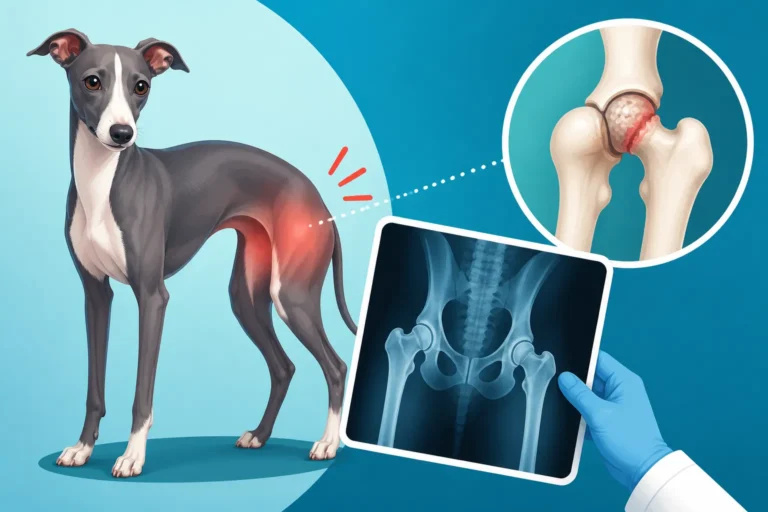
The most critical factor in understanding why Italian Greyhound puppies and large dogs shouldn't wrestle is their skeletal structure. Italian Greyhounds possess notoriously thin, fine bones, particularly in their legs. These aren't like the sturdy, dense bones of a Bulldog or a Labrador; they are delicate and designed for speed and agility, not impact.
Compounding this fragility, puppies have what are called growth plates, or epiphyses, which are areas of soft, cartilaginous tissue at the ends of long bones. These plates are where bone growth occurs, and they remain open and vulnerable until the puppy reaches skeletal maturity. For an Italian Greyhound, this typically means their bones don't fully harden until they are around 12 to 18 months old, a timeframe discussed further in posts like The Age an Italian Greyhound's Bones Finish Hardening. During this crucial period, these growth plates are significantly weaker than the surrounding bone and can be easily damaged or fractured by even a moderate amount of force. A playful pounce, a clumsy tumble, or an accidental landing from a jump during wrestling with a larger, heavier dog can twist or snap these delicate structures, leading to severe and painful injuries. It’s not just about a clean break; growth plate fractures can also lead to improper bone development, affecting the dog's mobility for life.
Minimal Body Fat and Muscle Protection
Another often-overlooked aspect of an Italian Greyhound's vulnerability is their incredibly lean physique. They carry very little body fat, and while they are muscular, their muscles are long and sleek, not bulky and protective. This means they lack the natural cushioning that many other breeds possess. Imagine the difference between a feather falling and a rock; the Italian Greyhound is built like the feather.
When a larger dog engages in wrestling, there's a lot of body contact, pushing, rolling, and sometimes playful "mouthing" or nipping. For a well-padded dog, these interactions might just result in a bump or a bruise. But for an Italian Greyhound puppy, that same amount of force can transmit directly to their delicate bones and internal organs. There's simply not enough fat or dense muscle tissue to absorb the shock of an impact. A playful body slam from a big dog, which might be perfectly innocent for a similarly sized or sturdier breed, could easily lead to fractured ribs, internal bruising, or even organ damage in a tiny Italian Greyhound puppy. It’s a stark reminder that what's fun for one dog can be incredibly dangerous for another, simply due to their physical differences.
Instinctive Play Styles Differ
Dogs communicate and play through a complex language of body postures, vocalizations, and physical interaction. However, different breeds often have different natural play styles, and these can clash dramatically. Italian Greyhounds, as sighthounds, are typically known for their "zoomies," their love of chasing, and their rather stylized, often vocal, mock-fighting with other IGs or similarly sized sighthounds. Their play tends to be very kinetic, involving bursts of speed, quick turns, and a lot of open-mouthed but generally soft-mouthed "tagging" rather than sustained, heavy grappling.
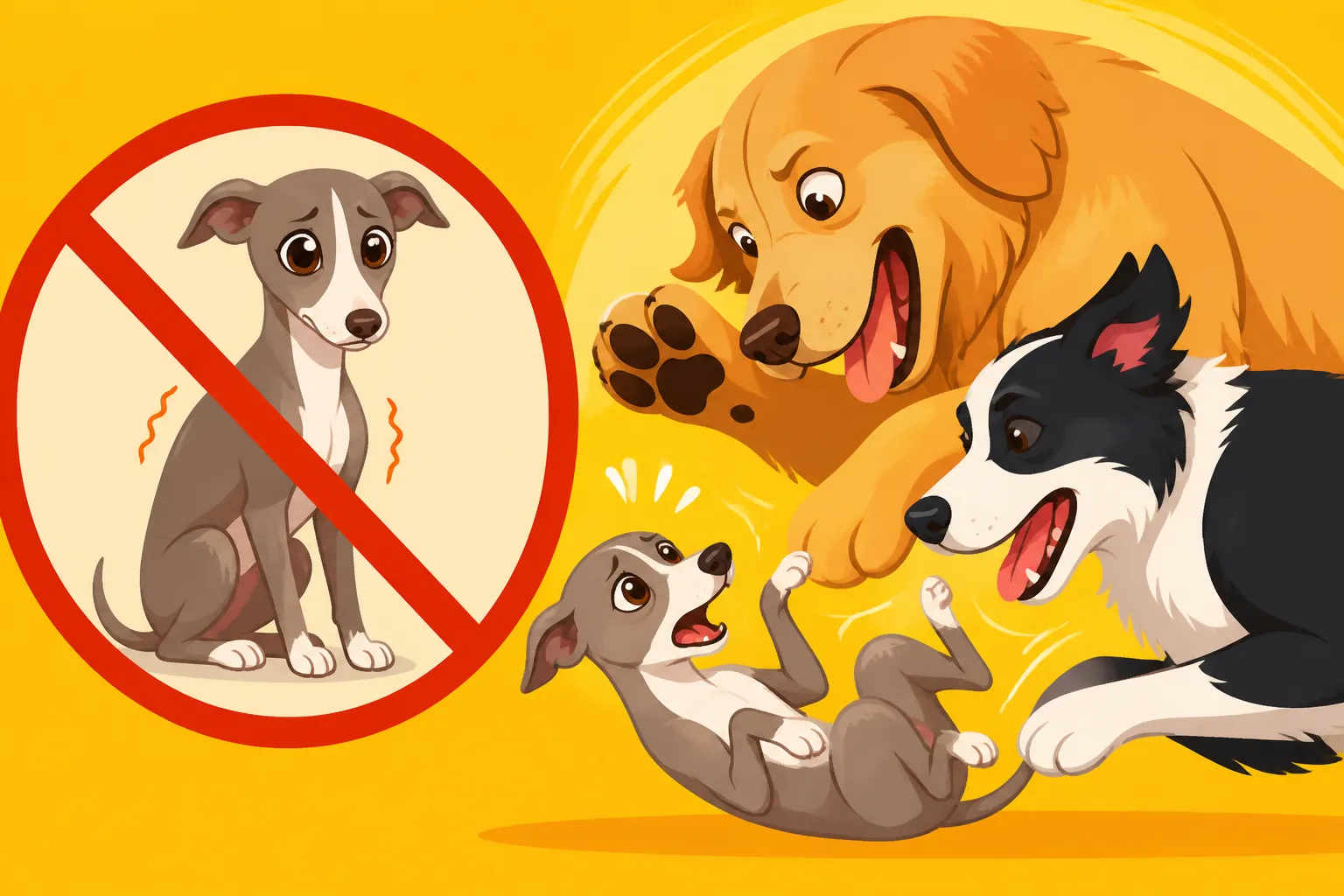
In contrast, many larger breeds, particularly those with a strong working or guarding heritage, engage in more physical, rough-and-tumble play. This can involve body slamming, pinning, forceful pouncing, and more vigorous wrestling, often accompanied by louder growls and more sustained, though still playful, mouthing. When an Italian Greyhound puppy, with its light, evasive play style, encounters a larger dog with a heavier, more direct approach, the communication can easily break down. The large dog might interpret the IG's quick movements as an invitation for harder play, or simply not register the small dog's fragility. The IG puppy, in turn, might be overwhelmed and unable to signal its discomfort effectively, leading to increasingly dangerous situations as the larger dog continues its natural, albeit unintended, rough play.
High-Risk Scenarios When Wrestling Big Dogs
It's not just about the potential for injury; it's about the specific ways these injuries can occur, often from actions that seem utterly harmless to larger, more robust dogs. Understanding these scenarios is key to truly appreciating the danger.
Accidental Fractures from Jumps and Tumbles
When a large dog and a small Italian Greyhound puppy "wrestle," the size and weight disparity mean that the larger dog inevitably holds all the power. Even a friendly game can quickly escalate into a high-risk situation. Imagine a large Labrador, full of puppy exuberance, decides to "pounce" on the little Italian Greyhound. What's a playful bounce for the Lab becomes a potentially bone-shattering impact for the IG. The force of the larger dog's weight, even if applied gently from their perspective, can easily overwhelm the Italian Greyhound puppy's delicate frame.
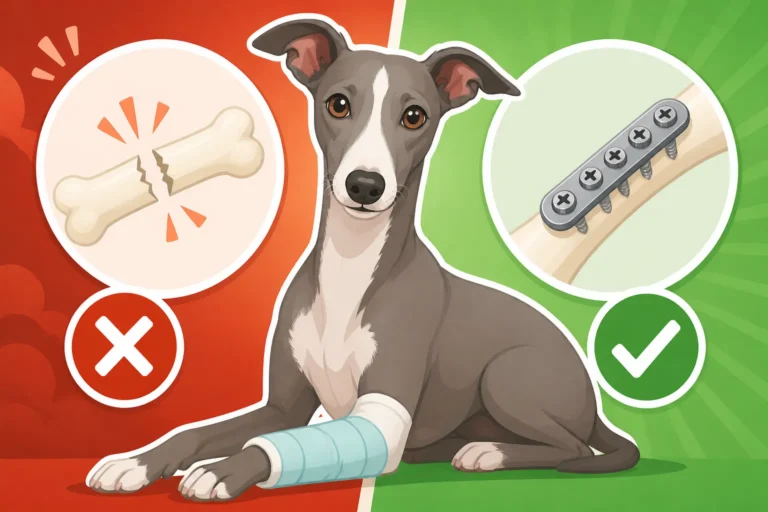
Common fracture sites in Italian Greyhounds include the radius and ulna in their front legs, as detailed in articles like Why an Italian Greyhound's Radius Is the Bone That Breaks. These long, slender bones are particularly susceptible. A large dog might accidentally step on an IG puppy's leg during play, or the puppy might be knocked off balance, landing awkwardly after being "pinned" or pushed. Even jumping off furniture or unexpected drops are common causes of fractures, as highlighted in How an Italian Greyhound Usually Breaks Its Leg, and when you add the dynamic, unpredictable element of a large dog, the risks multiply exponentially. The resulting injury often requires costly and extensive veterinary care, and unfortunately, a broken leg is the emergency every Italian Greyhound owner fears, as explained in A Broken Leg Is the Emergency Every Italian Greyhound Owner Fears.
Head and Neck Trauma
Beyond limb fractures, the head and neck are incredibly vulnerable areas for an Italian Greyhound puppy when interacting with larger dogs. A large dog's head is significantly heavier and its jaws far stronger than an IG puppy's. During wrestling, a large dog might accidentally bump its head into the puppy's, or playfully "mouth" the puppy's neck or head area. Even without intent to harm, the sheer size and force behind these actions can cause severe trauma.
A forceful head bump could lead to concussions, skull fractures, or delicate eye injuries. A playful bite, even inhibited, from a large dog could easily crush the delicate bones in an Italian Greyhound puppy's skull or jaw, or cause serious damage to their fragile neck vertebrae. Italian Greyhounds also have minimal padding around their neck and head, leaving these vital areas highly exposed. The potential for a permanent neurological injury or even a fatal blow is a grim but very real possibility that simply isn't worth risking. Owners need to be acutely aware that these aren't just "accidents" in the human sense; they are predictable outcomes of mismatched play.
Overwhelm and Psychological Impact
The dangers of wrestling big dogs aren't solely physical. An Italian Greyhound puppy's psychological well-being can also be severely impacted by repeated, overwhelming interactions. These dogs are generally sensitive and can be prone to shyness or anxiety if not properly socialized. Being repeatedly pounced on, pinned down, or chased by a much larger dog, even in play, can be terrifying for a small puppy.
Such experiences can lead to significant behavioral issues down the line. A puppy might develop a deep-seated fear of other dogs, leading to fear-aggression or extreme reactivity when encountering larger breeds. They might become withdrawn, anxious, or refuse to play at all. This kind of trauma can undo months of careful socialization and make future interactions with other dogs stressful for both the Italian Greyhound and their owner. As we know, Italian Greyhounds respond poorly to pressure and harshness; even a raised voice can set them back, as detailed in Why Raising Your Voice Sets an Italian Greyhound Back a Month. Imagine the impact of sustained physical intimidation, even if unintended by the larger dog. A happy, confident puppy is one that feels safe and understood, and wrestling with big dogs actively undermines that sense of security.
Proactive Prevention and Safe Socialization Strategies
Understanding the risks is the first step, but preventing these dangerous scenarios is where proactive Italian Greyhound ownership truly shines. Safe socialization is paramount for a well-adjusted dog, and it absolutely can be achieved without putting your puppy in harm's way.
Supervised, Controlled Introductions
When introducing your Italian Greyhound puppy to any other dog, especially a larger one, supervision is non-negotiable. This isn't just about being in the same room; it means actively observing and managing every interaction. Initial introductions should always be done on neutral territory if possible, and with both dogs on leash to allow for immediate intervention. Keep sessions short and positive, ending before either dog becomes overstimulated or overwhelmed.
Look for subtle cues. Is the larger dog being overly boisterous? Is your Italian Greyhound puppy showing signs of stress like lip-licking, yawning, tucking their tail, or trying to hide? Any of these signals mean it's time to gently separate them. Encourage parallel play rather than direct wrestling. For example, have both dogs chew on separate Kongs or play with their own toys near each other, rather than engaging in intense physical play. Remember, the goal is positive association, not high-energy roughhousing.
Designated Play Spaces and Equipment
To further ensure safety, consider creating designated play spaces or using appropriate equipment. For larger dogs who struggle with impulse control, even if they're usually gentle, a baby gate or an exercise pen can be invaluable. This allows the dogs to see and smell each other, fostering a sense of familiarity, but prevents direct physical contact that could lead to injury.
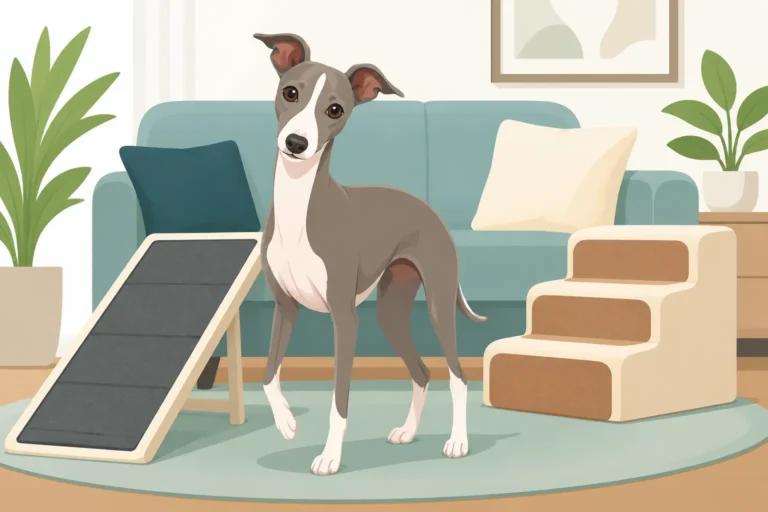
When out and about, a properly fitted harness is essential for your Italian Greyhound puppy. A secure harness, like those discussed in Which Harness Suits an Italian Greyhound's Neck, offers better control and protects their delicate neck if they pull or get tugged. Avoid flat collars, as IGs can easily slip out of them, and a sudden escape near a larger, playful dog could be disastrous. For home environments, consider installing ramps and steps for furniture, as outlined in Ramps and Steps for an Italian Greyhound's Furniture. This teaches your IG puppy safe ways to get on and off sofas and beds, reducing their reliance on risky jumps which can also lead to fractures, even without another dog involved. These small measures significantly contribute to a safer environment, preventing accidents even when an excited larger dog is present.
Seeking Out Appropriate Playmates
The best way to ensure your Italian Greyhound puppy gets positive socialization is to carefully select their playmates. Look for other small, gentle dogs who understand subtle play cues and have a similar energy level. Older, calmer dogs who are known to be good with puppies and have excellent boundaries can also be excellent mentors.
Avoid dog parks, especially during busy times, when your Italian Greyhound is a puppy. As discussed in Why a Dog Park Is Dangerous for an Italian Greyhound, the chaotic environment and the unpredictable nature of many dogs make it a high-risk location for a fragile breed. Instead, arrange controlled play dates with trusted friends' dogs. If you attend puppy classes, opt for those specifically designed for small breeds or with separate play sessions for different size groups. The goal is to build confidence and positive associations with other dogs in a safe, controlled manner, focusing on mutual respect rather than boisterous wrestling. This helps prevent the How Many Italian Greyhounds Break a Leg Before Two statistic from becoming a reality for your puppy.
The Importance of Pet Insurance for Unexpected Incidents
Even with the most vigilant care and the strictest prevention strategies, accidents can sometimes happen. Italian Greyhounds, by their very nature, are prone to leg fractures due to their delicate bones, and any unexpected fall or misstep can lead to a serious injury. Knowing the potential costs involved can be daunting, as What Fracture Repair Costs on an Italian Greyhound can be incredibly significant. This is where comprehensive pet insurance becomes an absolute lifesaver for Italian Greyhound owners.
Having a robust pet insurance plan can provide immense peace of mind. Companies like Healthy Paws offer plans that can cover a large percentage of unexpected veterinary costs, including those arising from accidents like fractures. Imagine the scenario: despite all your efforts, your Italian Greyhound puppy takes an unexpected tumble during a moment of playful excitement, resulting in a broken leg. The veterinary bills for diagnosis, surgery (often involving plates or pins), follow-up care, and rehabilitation can easily run into thousands of dollars. With a good insurance policy from Healthy Paws, you won't have to make agonizing financial decisions during an emotional emergency. Instead, you can focus on getting your beloved puppy the best possible care without the added burden of overwhelming costs. It's truly an investment in your Italian Greyhound's future health and your own financial preparedness. It's vital to research plans and understand what they cover, helping you budget for an Italian Greyhound's broken leg before it happens, which is a prudent step for any IG owner.
Here's a quick summary of key risks and prevention methods:
| Risk Category | Specific Dangers | Prevention Strategies |
|---|---|---|
| Physical Injury | Fractures (legs, ribs, skull), internal organ damage, head/neck trauma | Supervised play, size-appropriate playmates, no wrestling, ramps/steps, secure harness |
| Psychological Harm | Fear, anxiety, aggression towards other dogs, withdrawn behavior | Positive, controlled introductions, end play before overwhelm, avoid chaotic environments |
| Financial Burden | High veterinary bills for fracture repair and recovery | Invest in comprehensive pet insurance (e.g., Healthy Paws), emergency fund |
Disclaimer
The information provided in this guide is for general educational purposes only and should not be considered a substitute for professional veterinary advice. Always consult with a qualified veterinarian for any health concerns or before making any decisions related to your Italian Greyhound's care.