Signs an Italian Greyhound Has Broken a Leg
The horrifying moment you realize your delicate Italian Greyhound might have a broken leg is a fear that grips every owner. Their tiny, stick-like limbs are notoriously fragile, and accidents can happen in the blink of an eye, often leaving you scrambling to understand what just happened. This guide will walk you through the subtle and overt signs that your beloved Italian Greyhound may have sustained a fracture, helping you identify the problem quickly and seek the urgent veterinary care they need.
Observing Subtle Changes in Movement and Behavior
Italian Greyhounds are masters of disguise when it comes to pain. Their stoic nature, a trait common in sighthounds, means they often try to hide discomfort, making it incredibly challenging for owners to spot a problem until it's quite advanced. This isn't out of stubbornness; it's an instinctual survival mechanism that can unfortunately work against them when dealing with an injury as severe as a broken leg. You might think, "Surely if it's broken, they won't even put weight on it!" but that's not always the case, especially with Iggys.
The "Toe-Touch" or Slight Limp
One of the first, and often most heartbreaking, signs you might notice is an almost imperceptible change in how your Italian Greyhound moves. They might not lift their leg completely off the ground or be dramatically non-weight bearing. Instead, you might see them just barely "toe-touching" the ground with the injured paw, trying to act normal but clearly favoring one side. This can be easy to miss if you're not actively observing. Maybe they take a hop every few steps, or their stride just looks a little "off." This isn't like a human with a broken leg who immediately drops to the ground; your IG might still try to walk, even run, albeit awkwardly. Many owners find themselves asking, "Why an Italian Greyhound Still Runs on a Broken Leg?" and it’s a valid question stemming from their stoic nature.
Consider the times your Italian Greyhound is most active. Is their morning zoomie session a bit subdued? Are they hesitant to jump off the sofa – a feat they normally perform with boundless enthusiasm? These small hesitations, a slight shift in weight, or a less confident jump could be early indicators. Pay close attention after any known incident, no matter how minor it seems, like a small fall or a rough tumble during play. It might just be a bruise, but with Italian Greyhounds, it's always better to assume the worst until proven otherwise.
Reluctance to Play or Engage
Beyond just physical movement, a broken leg can manifest as a significant change in your Italian Greyhound's overall demeanor. These dogs are typically social, playful, and incredibly bonded with their people. If your normally effervescent Iggy suddenly seems less interested in playtime, declines an invitation to chase a toy, or prefers to stay curled up in their bed rather than join you on the sofa, it's a red flag. This isn't just about pain; it's about the energy expenditure that comes with trying to manage an injury.
They might also become withdrawn or even a little grumpy, which is completely out of character for most Iggys. If they snap or flinch when you try to pet them in a particular area, especially near a limb, it's a strong sign of localized pain. Remember, they often won't cry out dramatically unless the pain is excruciating or the injury is fresh and severely displaced. Instead, look for subtle cues like flattened ears, a tucked tail, dilated pupils, panting, or a general air of discomfort that persists even when they're resting. This could indicate a serious issue, possibly even something as severe as a fracture.
Obvious Physical Indicators of a Fracture
While subtle signs are often the first clue, sometimes a broken leg is undeniably obvious. These are the moments when your heart sinks, and you know instantly that a trip to the emergency vet is non-negotiable. Knowing what to look for can help you differentiate between a minor sprain and a catastrophic break, guiding your immediate actions. Given that a broken leg is truly "A Broken Leg Is the Emergency Every Italian Greyhound Owner Fears", being able to recognize these clear indicators is paramount.
Swelling, Deformity, or Abnormal Angle
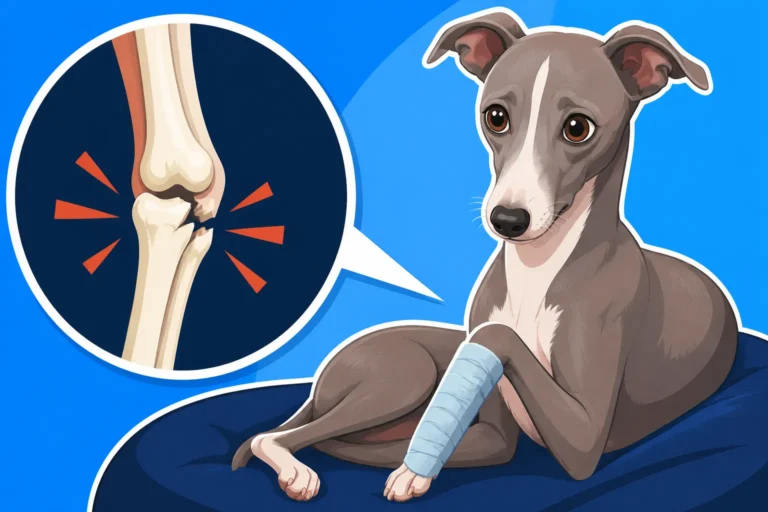
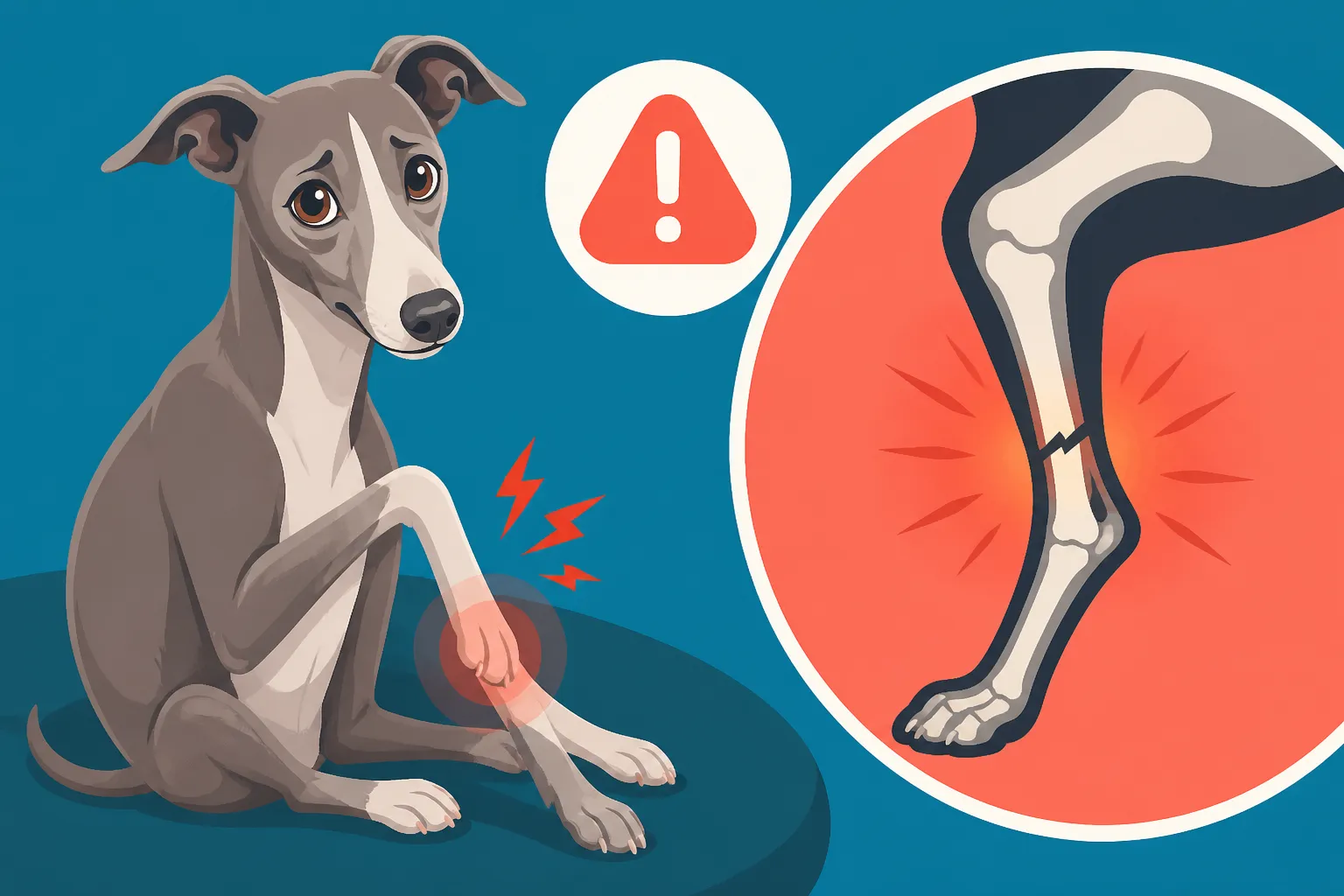
This is where the fear becomes undeniable reality. If you observe any noticeable swelling on a limb, particularly around the radius and ulna – the bones most commonly affected in an Italian Greyhound – it’s a critical sign. Their legs are so slender that even minor swelling can look pronounced. Furthermore, if the leg appears to be at an unnatural angle, twisted, or shortened compared to the corresponding limb, it's almost certainly a fracture. You might even see the bone protruding through the skin in an open fracture, which is an immediate, life-threatening emergency requiring the quickest possible veterinary intervention.
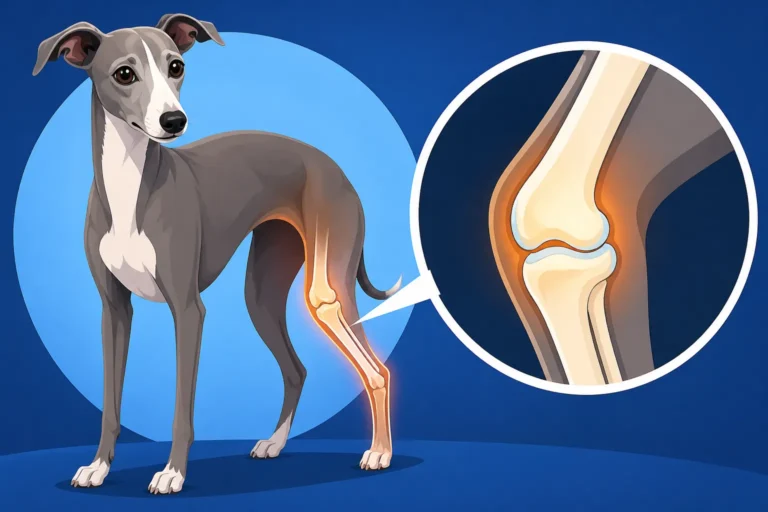
Feel gently along the limb (if your dog allows it and you can do so without causing more pain or injury). If you detect any irregular bumps, indentations, or a crunching sensation (called crepitus), these are strong indicators of a broken bone. The radius, being the main weight-bearing bone in the forearm, is especially vulnerable. Understanding "Which Bones an Italian Greyhound Breaks Most" can help you focus your observation on the most high-risk areas. If you notice any of these more dramatic visual changes, it’s imperative to keep your dog as still as possible and get to an emergency veterinary clinic immediately.
Non-Weight Bearing and Yelping Upon Touch
When an Italian Greyhound refuses to put any weight on a limb whatsoever, holding it up continuously, this is a clear and unambiguous sign of severe pain, most likely a fracture. While they might try to mask milder discomfort, a complete inability or refusal to bear weight is hard to ignore. This usually indicates significant instability or intense pain at the fracture site.
If, upon attempting to gently touch or examine the leg, your Italian Greyhound yelps, cries out, or tries to bite (even if they've never bitten before), it’s a definitive signal of extreme pain. This is their body’s natural reaction to protect itself from further injury. In these instances, further examination by an owner is not recommended. Instead, focus on safely transporting your dog to the vet without causing additional stress or damage.
Immediate Actions After Suspecting a Broken Leg
Discovering your Italian Greyhound might have a broken leg is incredibly distressing. It’s a situation that demands a calm, quick, and decisive response to minimize further injury and ensure the best possible outcome for your beloved companion. Panic is a natural reaction, but remember that your dog relies on you to be their advocate.
Securing Your Dog and Restricting Movement
The absolute first step is to prevent your Italian Greyhound from moving around, which could worsen the fracture. Gently guide them into a small, enclosed space like a crate or a small room if available. If they're already in a crate, keep them there. For an outdoor accident, carefully pick them up, supporting their body and the injured limb as much as possible, and place them into a carrier or a secure spot in your car. A large laundry basket or a sturdy box lined with blankets can work in a pinch for transport.
Do not attempt to set the bone or create a makeshift splint unless specifically instructed by a veterinarian during an emergency call, and only if you have the proper materials and knowledge. Improper splinting can cause more harm than good, cutting off circulation, damaging nerves, or turning a closed fracture into an open one. The goal is simply to keep the leg as still as possible during transport. This immediate restriction is crucial, as any further movement could displace bone fragments, damage soft tissue, or complicate the repair.
Contacting Your Veterinarian Immediately
Time is of the essence when dealing with a suspected fracture. Call your regular veterinarian or, if it's after hours, an emergency veterinary clinic right away. Explain the situation, describe the signs you've observed, and let them know you are on your way. This allows them to prepare for your arrival, ensuring they have the necessary staff and equipment ready to assess your Italian Greyhound immediately. They might advise you on how to best transport your dog or what to expect upon arrival.
It’s also wise to prepare for the financial aspect. "What Fracture Repair Costs on an Italian Greyhound" can be a significant concern for many owners. Having pet insurance, like a plan from Healthy Paws, can be a lifesaver in these unexpected emergencies, covering a substantial portion of the diagnostic and surgical costs. Even if you don't have insurance, understanding that the bills can quickly escalate will help you prepare mentally and financially for the necessary care. They will likely need X-rays to confirm the break and determine its type and severity.
Preventing Fractures in Italian Greyhounds
While accidents can and do happen, a proactive approach to your Italian Greyhound's environment and daily life can significantly reduce the risk of these devastating injuries. Their delicate build means they require a different level of supervision and environmental modification than many other breeds. Understanding their unique physiology, such as "Why an Italian Greyhound's Leg Bones Break So Easily", is the first step toward prevention.
Creating a Safe Home Environment
Many Italian Greyhound leg breaks happen at home, often from everyday activities like jumping off furniture. Their long, slender legs, fine bones, and playful, fearless nature create a risky combination. To mitigate this, consider installing "Ramps and Steps for an Italian Greyhound's Furniture". This small investment can save you from a huge veterinary bill and your dog from immense pain. Ensure slippery floors, like hardwood or tile, are covered with rugs or runners to provide better traction, reducing the risk of slips and falls.
Supervise playtime, especially if you have larger dogs or young children. While Italian Greyhounds love to play, a clumsy tumble or an accidental step by a heavier playmate can easily result in a fracture. Teaching children "Why Children Should Not Carry an Italian Greyhound" is vital, as a drop from even a small height can cause severe injury. Consider puppy-proofing your home by blocking off access to stairs or high furniture until your Italian Greyhound is older and more agile. Many Italian Greyhounds, especially those under two years old, are at a higher risk, which is why owners often hear stories about "How Many Italian Greyhounds Break a Leg Before Two".
Responsible Exercise and Socialization
While Italian Greyhounds are athletic and love to run, their exercise needs to be managed carefully. Off-leash running should only occur in securely fenced areas where there are no hidden dangers or sudden drops. Their strong prey drive means they can bolt after a squirrel or a bird without a second thought, completely oblivious to hazards. Always ensure fences are secure and high enough, as Iggys can be surprisingly agile climbers and jumpers.
When meeting new dogs, ensure interactions are supervised and gentle, especially with dogs larger than your Italian Greyhound. A single playful roughhousing session can turn tragic. Early socialization is important for their confidence, but always prioritize safety. If you're considering dog parks, evaluate the risks carefully. The unpredictable nature of group play can be dangerous for such a fragile breed. Responsible ownership means being hyper-vigilant about their environment and interactions.
TABLE: Signs of a Potential Italian Greyhound Leg Fracture
| Sign Category | Subtle/Early Indicators | Obvious/Severe Indicators |
|---|---|---|
| Movement | Toe-touching, slight limp, hesitant to jump, stiff gait | Non-weight bearing, leg held up, dragging limb |
| Behavior | Reduced playfulness, lethargy, withdrawn, panting, anxiety | Yelping/growling when touched, hiding, refusing to move |
| Physical Appearance | Mild swelling, favoring one side, licking/chewing limb | Obvious swelling, deformity (unnatural angle), visible bone, bruising |
| Pain Response | Flinching when touched near the area, avoids certain positions | Crying out loudly, aggression/snapping, muscle tremors |
It's important to remember that any of these signs warrant immediate veterinary attention. With Italian Greyhounds, acting quickly can make a profound difference in the prognosis and recovery process. Financial preparedness, perhaps with a robust pet insurance plan like those offered by Healthy Paws, can alleviate some of the stress when these emergencies arise. It's truly a necessary consideration for such a delicate breed, allowing you to focus on your dog's recovery without added financial burden. Finding "Finding a Surgeon Who Has Plated an Italian Greyhound" might also be crucial for their recovery, requiring specific expertise.
Disclaimer
This guide provides general information about recognizing signs of a broken leg in an Italian Greyhound and is not a substitute for professional veterinary advice. If you suspect your dog has a broken leg or any serious injury, please contact your veterinarian or an emergency veterinary clinic immediately for diagnosis and treatment. Delaying care can lead to worse outcomes.