How Long an Italian Greyhound Stays Crated After Surgery
Bringing your beloved Italian Greyhound home after surgery, whether it was for a pesky broken leg or a necessary neuter, often comes with a new layer of anxiety: managing their recovery. Suddenly, you're faced with the daunting task of keeping an inherently active, sometimes clumsy, and always curious little sighthound strictly confined. This guide aims to alleviate some of that worry by detailing realistic expectations for crate confinement after various surgeries, offering practical tips to make the process smoother, and helping you understand the crucial role this rest plays in your Italian Greyhound's successful healing journey.
Understanding the "Why" Behind Post-Surgical Crating for Italian Greyhounds
It's completely normal to feel a pang of guilt when you first see your energetic Italian Greyhound restricted to a crate, especially if they're used to having free reign of the house. However, this confinement isn't a punishment; it's a vital part of their healing process, often the most critical one. For a breed like the Italian Greyhound, understanding the "why" behind it can help you adhere to the restrictions with greater confidence and less emotional distress for both of you.
The Fragility of Italian Greyhound Bones and Surgical Sites
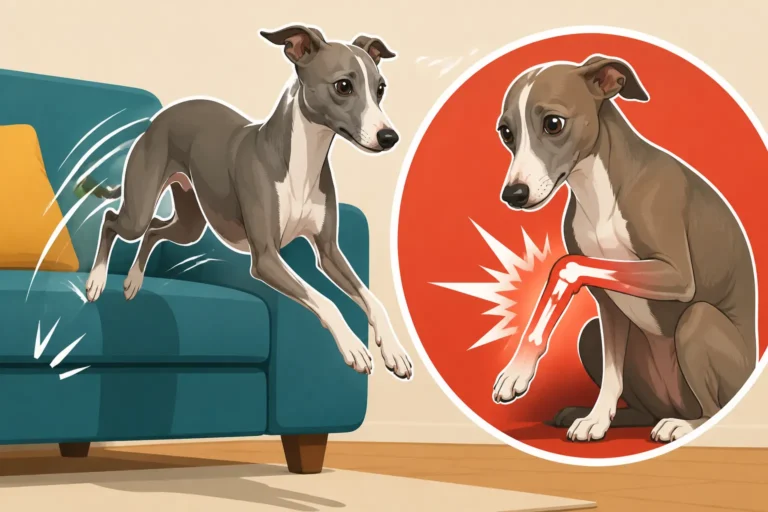
Anyone who has owned an Italian Greyhound knows just how delicate their bones can be. It's an unfortunate truth that Why an Italian Greyhound's Leg Bones Break So Easily, and even seemingly minor incidents can lead to serious fractures. After surgery, this fragility is amplified exponentially. The surgical site, whether it involves bone plates, pins, or delicate sutures, is incredibly vulnerable. Imagine trying to mend a tiny, intricate piece of pottery: any bump or sudden movement before it's fully set can undo all the painstaking work. That's essentially what your Italian Greyhound's body is trying to do after an operation.
Strict confinement prevents the very actions that could lead to a catastrophic re-injury. A simple jump off the sofa, a quick dash across the room, or even an enthusiastic wiggle could put undue stress on the healing tissues and hardware. For instance, if your Italian Greyhound has undergone fracture repair, which is a common and often terrifying emergency for this breed, the bone needs absolute stability to knit back together properly. Even if your vet has decided Whether an Italian Greyhound's Fracture Needs a Plate, that plate and screws are holding bone fragments in precise alignment, and excessive movement can loosen them or even cause new fractures. It's a devastating scenario, and one that strict crating is designed to prevent.
Preventing Over-Exertion and Promoting Healing
Beyond the physical stress, crating plays a crucial role in preventing over-exertion. Italian Greyhounds, being sighthounds, have bursts of incredible energy, often followed by long naps. But even in their quieter moments, they can easily get up, walk around, and put weight on an injured limb without thinking. Post-surgery, this seemingly innocent movement can lead to swelling, inflammation, and pain, slowing down the healing process significantly. The crate acts as a physical reminder to your dog that it's time to rest, not roam.
Think of it like this: when you sprain an ankle, your doctor tells you to stay off it, elevate it, and rest. You might feel like you can walk, but doing so could worsen the injury. Your Italian Greyhound doesn't understand these nuances. Their instinct is to move, especially if the initial pain has subsided. The crate removes the temptation and the opportunity. It allows the body to dedicate all its energy to cellular repair, tissue regeneration, and scar formation without the added burden of resisting gravity or impact. This controlled environment is particularly important for orthopedic surgeries like patellar luxation repair or femoral head ostectomy for Legg-Calve-Perthes disease, where joint stability and muscle recovery are paramount.
Typical Crate Confinement Durations Based on Surgery Type and Recovery Stage
The length of time your Italian Greyhound needs to be crated will depend heavily on the type of surgery performed, the severity of the injury, and your individual dog's healing progress. It's never a one-size-fits-all answer, and your veterinarian's specific instructions are always the ultimate guide. However, understanding general timelines can help you mentally prepare for the commitment ahead.
Orthopedic Surgeries: The Long Haul
Orthopedic surgeries, especially those involving broken bones or joint repairs, typically require the most stringent and extended periods of crate confinement. This is due to the nature of bone healing and the delicate balance required to ensure proper alignment and strength. If your Italian Greyhound suffers A Broken Leg Is the Emergency Every Italian Greyhound Owner Fears, you're likely looking at a significant period of restricted activity.
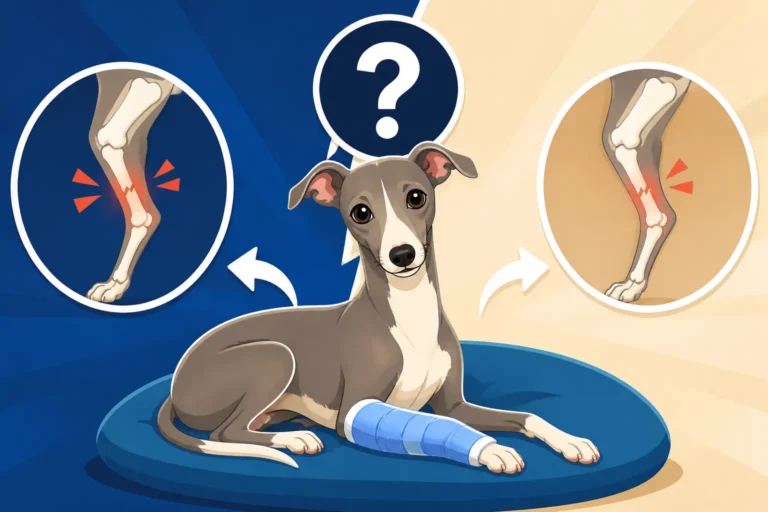
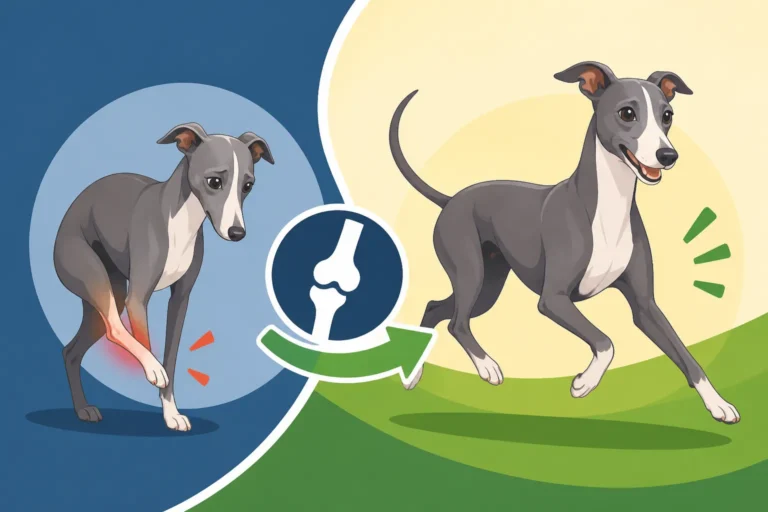
For fracture repair, a common scenario for these dainty dogs, strict crate rest can range from 4 to 8 weeks, or even longer, depending on the location and complexity of the fracture. The initial weeks are often the most critical, requiring almost constant confinement, with only brief, leashed trips outside for potty breaks. After this initial period, your vet will usually schedule follow-up X-rays to assess bone healing. It's during these evaluations that decisions are made about gradually increasing activity. It's important to understand How Long an Italian Greyhound Takes to Heal a Fracture; it's a marathon, not a sprint. During this phase, you might transition to a slightly larger pen, but the emphasis remains on controlled movement. Even once the bone shows good signs of healing, a full return to normal activity will be phased over several more weeks or even months to prevent re-injury during the bone remodeling process.
Surgeries like patellar luxation repair or a femoral head ostectomy also demand considerable crate time to ensure the joint stabilizes and muscles can recover without strain. While the exact duration may vary, an initial 3-6 weeks of strict confinement is common, followed by a controlled rehabilitation program. During this time, activities like jumping, running, or rough play are absolutely forbidden. The goal is to allow the surgical site to fully scar and strengthen before introducing more demanding movements. Pet insurance providers like Healthy Paws are often a lifeline for these extensive orthopedic procedures, helping to cover the often significant costs of surgery and post-operative care, including those crucial follow-up X-rays and potential rehabilitation.
Soft Tissue and Minor Procedures: Shorter Stays
For less invasive soft tissue surgeries, such as spay or neuter procedures, or minor wound repairs, the crate confinement period is generally much shorter and often less strict. The primary goal here is to protect the incision site from licking, chewing, and excessive stretching, which could lead to infection or dehiscence (opening of the sutures).
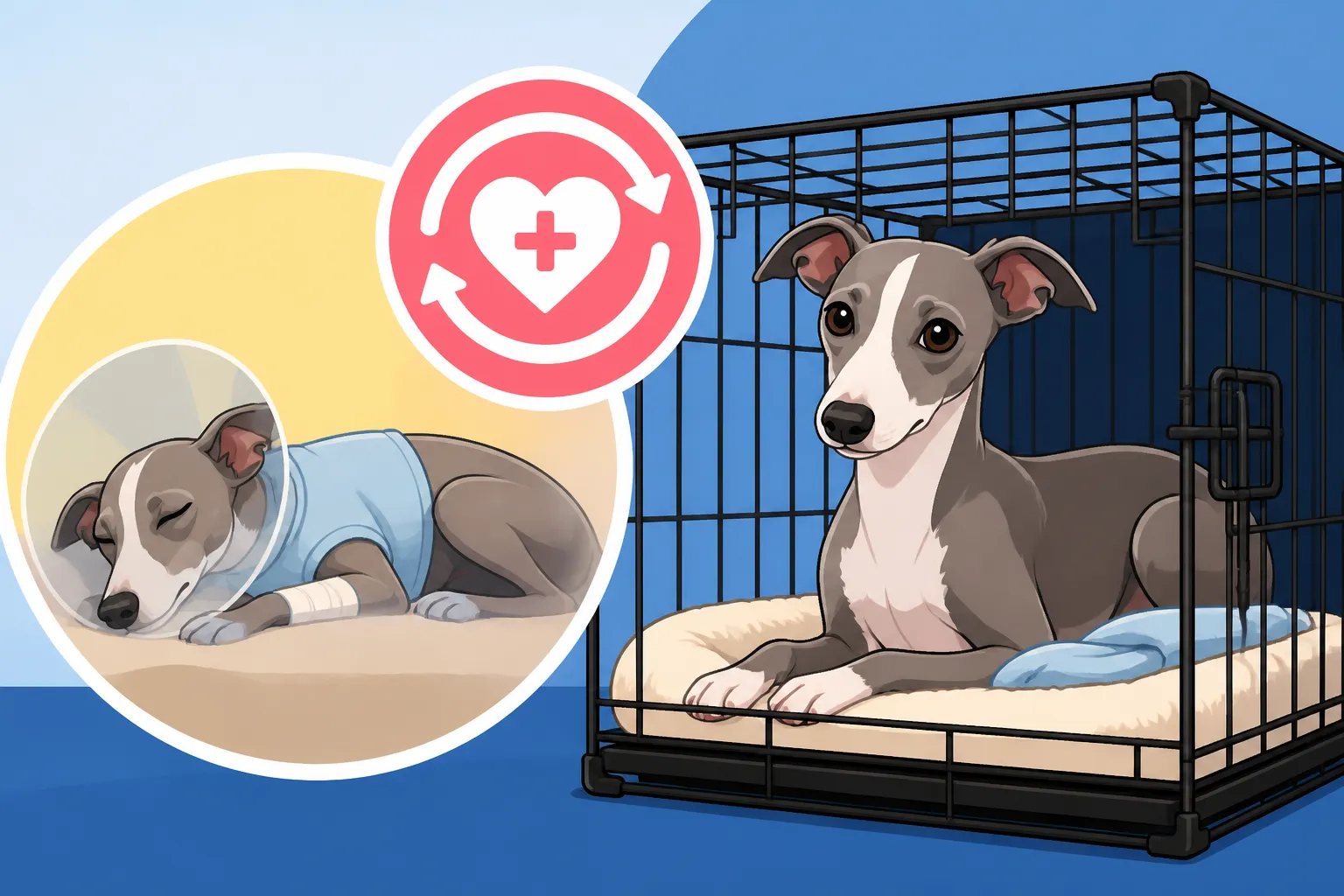
Typically, your Italian Greyhound will need restricted activity for about 10 to 14 days, which aligns with the time most external sutures or staples need to heal. During this period, crating is recommended when you cannot actively supervise your dog. This means no jumping onto furniture, no running zoomies, and definitely no roughhousing with other pets. Leashed walks for potty breaks are usually fine, but keep them short and calm. The use of an Elizabethan collar (the "cone of shame") is often crucial during this time to prevent your Italian Greyhound from bothering the incision. While not as long or restrictive as orthopedic recovery, taking these two weeks seriously can prevent complications that could prolong recovery or necessitate another vet visit, potentially costing more time and money.
Dental Surgery Considerations
While a routine dental cleaning and extractions don't typically require the same kind of prolonged, strict crate confinement as orthopedic surgeries, there are still important post-operative care considerations, particularly concerning activity and diet. Italian Greyhounds are notoriously prone to Periodontal Disease Is the Italian Greyhound's Most Common Diagnosis, often leading to multiple extractions even at a young age.
After extensive dental work, where multiple teeth might have been removed, especially larger ones, your Italian Greyhound will need a quiet recovery period. The main concerns are pain management, protecting the surgical sites in the mouth, and ensuring they eat soft food to avoid irritating the healing gums. While they might not be confined to a crate 24/7, preventing exuberant play or chewing on hard toys is essential for the first few days to a week. Keeping them in a quiet, confined space, such as their crate or a small, secure room, when unsupervised can help ensure they don't accidentally injure their mouth while it's healing. Your vet will advise on specific activity restrictions, which usually focus more on preventing trauma to the mouth than preventing weight-bearing on a limb.
Here's a general overview of typical crating durations for different types of Italian Greyhound surgeries:
| Type of Surgery | Initial Strict Crate Confinement | Total Restricted Activity Period | Key Concerns During Recovery |
|---|---|---|---|
| Fracture Repair (Orthopedic) | 4-8 weeks (or more) | 3-6 months | Bone healing, implant stability, re-fracture prevention |
| Patellar Luxation Repair | 3-6 weeks | 2-4 months | Joint stability, muscle recovery, re-luxation prevention |
| Femoral Head Ostectomy (FHO) | 3-6 weeks | 2-4 months | Muscle recovery, pain management, joint capsule formation |
| Spay/Neuter | 7-10 days (supervised) | 10-14 days | Incision protection, preventing licking/chewing |
| Minor Wound Repair | 3-7 days (supervised) | 7-14 days | Incision protection, preventing infection |
| Extensive Dental Extractions | 1-3 days (quiet confinement) | 7-10 days (soft food, no hard toys) | Oral pain, protecting gum surgical sites, soft diet compliance |
Note: These are general guidelines. Always follow your veterinarian's specific instructions, as individual cases can vary significantly.
Making Crate Confinement Manageable and Humane for Your Italian Greyhound
The idea of crating an Italian Greyhound for weeks on end can feel overwhelming, but with the right approach, you can make it a comfortable and positive experience for your dog. It's all about creating a safe, cozy den and managing their environment and mental state effectively.
Choosing the Right Crate and Comfort Essentials
First things first, let's talk about the crate itself. It shouldn't be a jail cell, but a safe, inviting sanctuary. For a post-surgical Italian Greyhound, the crate needs to be appropriately sized – snug enough to prevent them from getting a running start or jumping around wildly, but large enough for them to stand up, turn around, and lie down comfortably. A wire crate with a divider can be adjusted as needed, or a sturdy plastic airline kennel works well. The goal is to limit excessive movement, not to cramp them.
Next, focus on comfort. Italian Greyhounds are thin-skinned and don't have much natural padding, making them susceptible to pressure sores if left on hard surfaces. Invest in good quality, soft bedding. Orthopedic foam beds are excellent for supporting delicate joints and preventing calluses, and many Italian Greyhound owners swear by The Bedding a Thin Skinned Italian Greyhound Actually Needs. Layering soft blankets, particularly those that allow them to burrow, can also provide immense comfort and a sense of security. If your dog tends to get cold easily – and most IGs do – consider whether Whether an Italian Greyhound Needs a Heated Bed might be beneficial, especially during cooler months, to help them relax and encourage rest. Covering the crate with a blanket or a dedicated crate cover can also create a den-like atmosphere, reducing external stimuli and promoting a calm environment.
To combat boredom and anxiety, which can certainly arise during prolonged confinement, provide safe, approved enrichment items. Interactive puzzle feeders filled with a portion of their kibble or a lick mat smeared with dog-safe peanut butter can keep their minds engaged. Durable, veterinarian-approved chew toys can also be helpful, but avoid anything hard that could encourage too much strenuous chewing or mouth movement, especially if they've had dental work. Toys should be non-destructive to prevent accidental ingestion, especially during a time when their system is under stress from recovery and medication.
Structured Potty Breaks and Controlled Exercise
Strict crate rest doesn't mean zero movement, but every outing must be meticulously controlled. Potty breaks are essential, but they must be done on a leash, every single time. Even if you have a fenced yard, do not allow your Italian Greyhound to free-roam; a sudden squirrel sighting or an unexpected noise could trigger a dash that undoes weeks of healing. Carry them to the potty spot if necessary, especially in the initial stages of recovery, to prevent them from bearing weight or navigating slippery surfaces like stairs or ice. For stairs, consider Ramps and Steps for an Italian Greyhound's Furniture to minimize strain even when fully recovered.
The frequency and duration of these breaks will depend on your dog's bladder control and the stage of recovery. Young puppies will need more frequent breaks, while adult dogs might manage every few hours. Keep the breaks brief – just enough time to do their business – and bring them immediately back to the crate.
As healing progresses and your vet gives the green light, controlled leash walks will become a part of their rehabilitation. These aren't meant for exercise initially, but for very slow, deliberate movement to gently rebuild muscle and range of motion. Think of it as physical therapy: short, structured sessions, not long strolls. Never push them beyond what your vet recommends, and watch for any signs of discomfort or limping.
Mental Well-being and Owner Support During Confinement
Confinement can be tough on an Italian Greyhound's sensitive psyche. They are "Velcro dogs" who thrive on human companionship, and being isolated can lead to anxiety or even depression. One of the best things you can do is to keep their crate in a central part of your home, where they can still see and hear you. Being near the family's activity can significantly reduce feelings of loneliness and isolation.
Engage with them gently and frequently. Pet them softly, talk to them in a soothing voice, and offer praise for calm behavior. Quiet, reassuring interactions are much more beneficial than trying to rile them up with excited play. You can also try calming aids like Adaptil diffusers or collars, which release synthetic pheromones that can help reduce anxiety.
Remember, this intense period of confinement is temporary, and it's for their long-term health and well-being. Your patience and consistent adherence to the confinement protocol are the greatest gifts you can give your Italian Greyhound during their recovery. It might feel like a long journey, but seeing them healthy and happy again makes every moment of effort worth it.
When to Adjust Crate Time and What Red Flags to Watch For
The transition from strict crate confinement back to normal activity is a delicate dance. It's crucial not to rush it, as doing so can easily lead to setbacks or re-injury. Your veterinarian will be your primary guide throughout this process, but knowing what to look for can help you advocate for your dog and recognize when something isn't right.
Gradual Reintroduction to Freedom
The decision to decrease crate time and increase activity is almost always made based on your vet's assessment. For orthopedic issues, this typically involves follow-up X-rays to confirm bone union or proper joint alignment. Your vet will also perform physical examinations, checking for pain, swelling, range of motion, and muscle mass. Do not assume your Italian Greyhound is ready for more freedom just because they seem to be feeling better; their pain tolerance can sometimes be quite high, masking ongoing issues.
Once your vet gives the green light, the reintroduction of freedom should be very gradual. Start with short periods out of the crate, always under direct supervision. A good starting point might be 15-30 minutes, 2-3 times a day, in a confined, puppy-proofed area where they can't jump or run. Slowly increase the duration and the size of the area over days and weeks.
During these initial periods of freedom, observe them closely. Are they putting full weight on the limb? Are they showing any signs of limping or discomfort? Prevent them from engaging in risky behaviors, especially the notorious The Jump Off the Sofa That Breaks an Italian Greyhound's Leg. This might mean continuing to use ramps or lifting them onto and off furniture. The goal is to build strength and confidence slowly, without pushing them too hard too soon. Remember, consistency is key, and any signs of regression mean it's time to pull back and consult your vet.
Recognizing Complications and Seeking Veterinary Advice
Even with the most diligent care, complications can sometimes arise. Knowing what red flags to look for can help you catch problems early and seek timely veterinary intervention. Always err on the side of caution when it comes to your Italian Greyhound's post-surgical recovery.
Here are some signs that warrant immediate contact with your vet:
- Increased Pain or Lameness: If your dog suddenly starts limping more, vocalizes in pain, or is unwilling to bear weight after a period of improvement, something is wrong. Watch for subtle signs like reluctance to move, hunched posture, or changes in appetite. Signs an Italian Greyhound Has Broken a Leg can be very subtle, even if they've just had surgery.
- Swelling, Redness, or Discharge: Any new or worsening swelling around the surgical site, increased redness, warmth to the touch, or any discharge (pus, blood, foul odor) could indicate infection or other complications.
- Fever or Lethargy: While some lethargy is normal initially due to anesthesia and pain medication, prolonged or worsening lethargy, refusal to eat or drink, or a fever (rectal temperature above 102.5°F or 39.2°C) are serious concerns.
- Chewing or Licking at the Incision: Despite an E-collar, some dogs are determined to get to their incision. Excessive licking, chewing, or scratching can open the wound or introduce infection.
- Changes in Appetite or Thirst: A significant decrease or complete loss of appetite or refusal to drink water could be a sign of pain, infection, or medication side effects.
- Casting or Splint Issues: If your Italian Greyhound has a cast or splint, watch for any signs of it slipping, rubbing, getting wet, or causing swelling above or below the cast.
- Sudden Inactivity or Depression: While rest is good, a completely withdrawn or depressed demeanor that lasts for more than a couple of days might indicate pain or a deeper emotional struggle with confinement.
If you observe any of these signs, don't hesitate. Call your vet immediately. They can advise whether an urgent visit is needed, or if a minor adjustment to medication or routine might suffice. Having a good pet insurance plan, such as one from Healthy Paws, can be incredibly reassuring during these stressful times, as it helps cushion the financial impact of unexpected follow-up visits, diagnostic tests, or even additional surgeries if complications arise. Knowing you're covered allows you to make the best medical decisions for your Italian Greyhound without undue financial strain.
Disclaimer
The information provided in this guide is for general informational purposes only and does not constitute veterinary advice. Always consult with a qualified veterinarian for any health concerns or before making any decisions about your Italian Greyhound's medical care or treatment plan.