Whether Calcium Strengthens an Italian Greyhound’s Bones
It's a heartbreaking reality for many Italian Greyhound owners: the sheer fragility of their beloved companions' bones. You hear stories, or perhaps you've lived one yourself, about a simple jump off the sofa or a playful tumble leading to a devastating fracture. In the face of such vulnerability, it's only natural to grasp at any hope, and often, that hope lands on calcium supplementation, believing it might be the magic bullet to build stronger bones. But does giving your Italian Greyhound extra calcium truly strengthen their delicate skeletal structure, or could it potentially do more harm than good? This guide aims to clear up the confusion and provide a realistic look at calcium's role in your IG's bone health.
Understanding Italian Greyhound Bone Fragility
The truth about Italian Greyhounds is that their bones are, by nature, quite delicate. This isn't a flaw in the breed, but rather a characteristic of their elegant, fine-boned structure that makes them so unique and appealing. However, it also makes them prone to specific types of injuries that might not affect a sturdier breed.
Why Italian Greyhound Bones Are Different
Italian Greyhounds, like other sighthounds, are built for speed and agility. Their slender, athletic bodies are designed to be lightweight, which means they have finer bones and less muscle mass covering those bones compared to many other dog breeds. This contributes to their incredible speed and grace, but it also means there's less natural padding to absorb impact. Their long, slender leg bones, particularly the radius and ulna in the front legs, are disproportionately long and thin, acting almost like lever arms that can snap under stress. It's not necessarily a calcium deficiency causing this; it's their inherent physical blueprint. It's a sad reality that a playful leap can turn into a trip to the emergency vet, highlighting Why an Italian Greyhound's Leg Bones Break So Easily.
Common Fracture Scenarios
Most Italian Greyhound fractures don't happen due to blunt force trauma like being hit by a car, thankfully. Instead, they typically occur from everyday activities that seem innocuous. A common scenario involves jumping off furniture, even low pieces like a couch or bed. The way they land, often twisting, can put immense pressure on those fragile leg bones. Another frequent culprit is playful roughhousing, especially with larger, heavier dogs who don't understand the Italian Greyhound's delicate nature. A wrong step during a zoomie, a fall down a few stairs, or even being dropped accidentally can result in a fracture. Owners often feel immense guilt, but it’s crucial to understand these aren't typically negligent accidents; they're a consequence of the breed's physical design and energetic personality interacting with our human environments.
The Age an Italian Greyhound's Bones Finish Hardening
This is a critical point that many owners, especially those with puppies, often misunderstand. An Italian Greyhound's bones are not fully calcified and hardened until they are around 12 to 18 months old. This means that during their first year, and sometimes into their second, their growth plates are still open and their bones are at their most vulnerable. This period is often when puppies are most active and fearless, making it a high-risk time for fractures. For this reason, many experienced Italian Greyhound owners emphasize Restricting an Italian Greyhound Under Two, keeping them from high jumps, rough play, and unsupervised access to stairs. It's during this developmental stage that proper nutrition is paramount, but "proper" doesn't mean "excessive" when it comes to calcium. Understanding The Age an Italian Greyhound's Bones Finish Hardening can help owners implement preventative measures during this crucial window.
The Role of Calcium in Bone Health
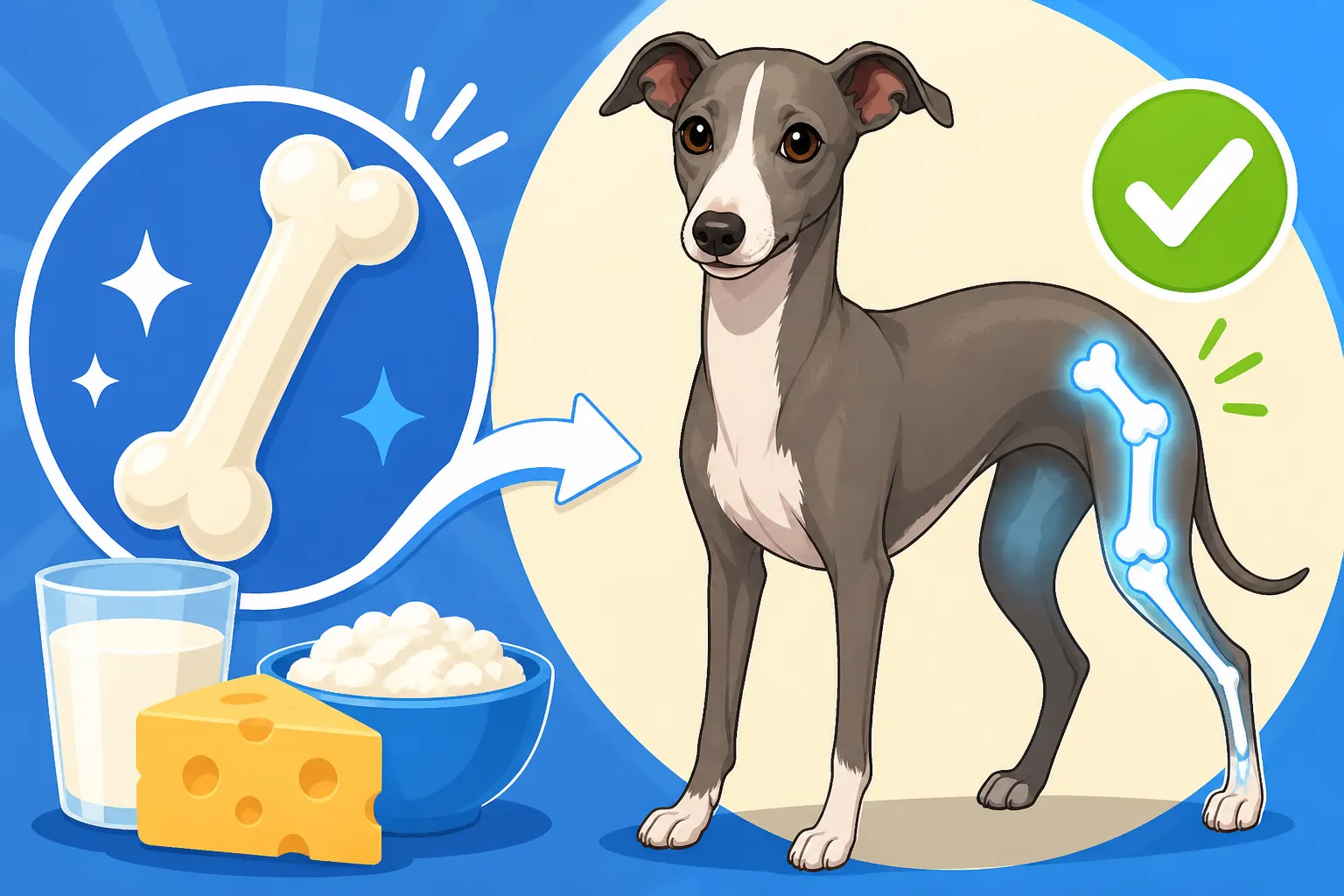
Calcium is undeniably vital for strong bones, not just in dogs, but in all mammals. It’s a major component of bone structure, contributing to density and strength. However, the common belief that "more calcium equals stronger bones" is a dangerous oversimplification, especially for Italian Greyhounds.
Calcium's Essential Function
Calcium plays many critical roles in a dog's body beyond just bone health. It's essential for nerve transmission, muscle contraction, blood clotting, and maintaining a regular heart rhythm. The body is incredibly adept at regulating calcium levels in the blood. If dietary intake is too low, the body will pull calcium from the bones to maintain vital blood levels, eventually leading to weakened bones. Conversely, if intake is too high, the body tries to excrete the excess, but persistent high levels can lead to serious health problems. The goal is always balance.
Balanced Nutrition Versus Supplementation
For most healthy Italian Greyhounds, a high-quality, complete, and balanced commercial dog food formulated for their life stage (puppy, adult, senior) will provide all the calcium they need. These diets are carefully formulated to meet the Association of American Feed Control Officials (AAFCO) guidelines, ensuring the correct ratios of calcium to phosphorus, as well as other essential vitamins and minerals. Think of brands like Purina Pro Plan or Royal Canin, which often have specific small breed or sensitive stomach formulas that cater to an Italian Greyhound's needs.
Simply adding more calcium on top of an already balanced diet is rarely beneficial and can often be detrimental. It’s like trying to make a sturdy brick wall even sturdier by just dumping more cement on it after it's built – it won't necessarily make it stronger, and too much can actually compromise its integrity. For a puppy, especially, over-supplementation can interfere with proper bone development. When considering What an Italian Greyhound Puppy Eats at Four Months, ensure the chosen food provides appropriate calcium levels without the need for additional supplements.
The Dangers of Too Much Calcium
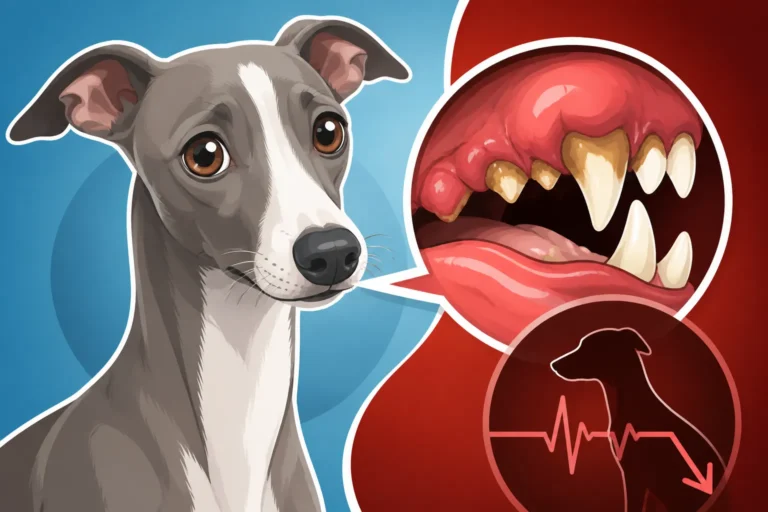
While a deficiency can lead to problems, excessive calcium is equally, if not more, dangerous, especially for growing puppies. High levels of calcium can interfere with the absorption of other vital minerals like phosphorus and zinc. More severely, it can lead to skeletal deformities, particularly in fast-growing breeds, even though Italian Greyhounds aren't considered "fast-growing" in the same way a Great Dane is. It can cause bone growth abnormalities, calcification of soft tissues (like kidneys or blood vessels), and even contribute to kidney stone formation. In adult dogs, chronic excess calcium can also exacerbate or cause kidney issues, as their bodies work overtime to try and excrete the mineral. It's a delicate balance that the vast majority of commercial dog foods already get right.
Calcium Supplementation: Benefits, Risks, and Misconceptions
The idea that giving your Italian Greyhound a calcium supplement will prevent broken bones is a persistent myth born out of a good intention but lacking scientific basis.
The Myth of "Stronger Bones" with Extra Calcium
The fundamental misconception is that if a little calcium is good, a lot must be better. Unfortunately, bone strength isn't simply a matter of calcium quantity. Once bones are formed and mature, they don't get "stronger" by simply adding more calcium through diet or supplements. Their strength comes from a complex interplay of genetic factors, balanced nutrition (including a proper calcium-to-phosphorus ratio, vitamin D, and other minerals), appropriate exercise, and natural remodeling processes.
Think of it this way: if your Italian Greyhound's bones are already absorbing all the calcium they need from their balanced diet, any extra calcium you provide as a supplement won't be incorporated into the bone structure. Instead, it will either be excreted or, more dangerously, accumulate in the body and cause problems, as mentioned before. The fragility of an Italian Greyhound's bones is primarily structural and genetic, not typically nutritional once a puppy is on a good quality commercial diet. There's no scientific evidence to suggest that supplementing a healthy Italian Greyhound with extra calcium will reduce their fracture risk.
When Calcium Might Be Recommended by a Vet
There are very specific, medically supervised circumstances where a veterinarian might recommend calcium supplementation. These are almost always related to diagnosed medical conditions, not as a preventative measure for bone fragility in an otherwise healthy Italian Greyhound.
For example, a vet might prescribe calcium for:
- Hypocalcemia: A rare condition where blood calcium levels are abnormally low, which can occur after certain surgeries, during severe illnesses, or in lactating females (eclampsia).
- Kidney Disease: In some cases of chronic kidney disease, calcium and phosphorus metabolism can be disrupted, requiring careful dietary modification and sometimes supplements.
- Severe Malnutrition: If a dog has been severely malnourished or on an improperly balanced homemade diet for an extended period, leading to a confirmed deficiency.
In these situations, the calcium is given under strict veterinary guidance, often with specific dosages and monitoring, to correct a diagnosed imbalance. It's not a generic "bone strengthener." Never start any supplementation, including calcium, without a direct recommendation and dosage from your veterinarian.
Potential Harm from Unregulated Supplementation
Giving your Italian Greyhound calcium supplements without veterinary supervision can lead to serious health issues, some of which mimic symptoms of other diseases, making diagnosis harder. Over-supplementation can lead to hypercalcemia, which can cause:
- Vomiting and diarrhea
- Lethargy and weakness
- Increased thirst and urination
- Kidney damage and stone formation
- Soft tissue mineralization
- Skeletal abnormalities, especially in growing puppies.
It's a stark reminder that while our intentions are good, sometimes too much of a good thing can be very bad. If you're concerned about your Italian Greyhound's bone health, the best first step is always a conversation with your vet, not a trip to the supplement aisle.
Comprehensive Strategies for Italian Greyhound Bone Health
While extra calcium isn't the answer, there are many proactive and effective steps you can take to support your Italian Greyhound's overall health and minimize fracture risks.
Optimizing Diet for Bone Health
The cornerstone of bone health, and indeed overall health, is a balanced diet. As mentioned, a high-quality commercial dog food that meets AAFCO standards for your Italian Greyhound's life stage is almost always sufficient.
Key considerations for diet:
- Life Stage Appropriate Food: Puppies need different nutrient ratios than adults or seniors. Ensure your IG is on food specifically designed for their age and size. For instance, What an Italian Greyhound Puppy Eats at Four Months should be a diet formulated for small breed puppies, not an adult formula.
- Avoid Homemade Diets Without Expert Guidance: If you prefer to feed a homemade diet, it is absolutely crucial to work with a board-certified veterinary nutritionist. Balancing calcium, phosphorus, and other essential nutrients is incredibly complex, and getting it wrong can lead to severe deficiencies or excesses that harm bone development and overall health.
- Maintain a Healthy Weight: Obesity puts extra stress on bones and joints, while being severely underweight can indicate poor overall health that affects bone density. Your Italian Greyhound should have a visible waist tuck and you should be able to easily feel their ribs without them being prominent. Discuss your IG's ideal weight during How Often an Italian Greyhound Needs a Wellness Exam.
Safe Exercise and Injury Prevention
This is perhaps the most impactful area where owners can make a difference in preventing fractures. Given their inherent bone fragility, Italian Greyhounds need an environment and lifestyle that minimizes risks.
Practical steps for injury prevention:
- Ramps and Steps: This is non-negotiable for many IG owners. Provide Ramps and Steps for an Italian Greyhound's Furniture to allow your dog to safely access beds, sofas, and other raised surfaces. Training them to use these from a young age can save countless vet bills.
- Supervised Play: Always supervise playtime, especially if your IG is interacting with larger dogs. Larger dogs can easily (and unintentionally) cause injuries during boisterous play. Understanding Why an Italian Greyhound Puppy Should Not Wrestle Big Dogs is crucial for young pups.
- Secure Environments: Italian Greyhounds are incredibly fast and have a strong prey drive. They should never be off-leash in unsecured areas. A sudden dash after a squirrel could lead them into traffic or cause a serious fall.
- Non-Slip Surfaces: Hardwood or tile floors can be surprisingly dangerous. Their delicate legs can splay, leading to sprains or even fractures. Consider runners or rugs in high-traffic areas.
- Safe Handling: Always pick up and put down your Italian Greyhound carefully, supporting their body. Avoid letting children carry them unsupervised, as accidental drops are a common cause of injury.
- Crate Training: A crate can be a safe haven, especially for puppies or when you can't actively supervise. It prevents them from jumping off furniture or getting into mischief that could lead to injury.
Regular Veterinary Care and Monitoring
Consistent veterinary care is essential for monitoring your Italian Greyhound's overall health, including their bone development and detecting any underlying issues.
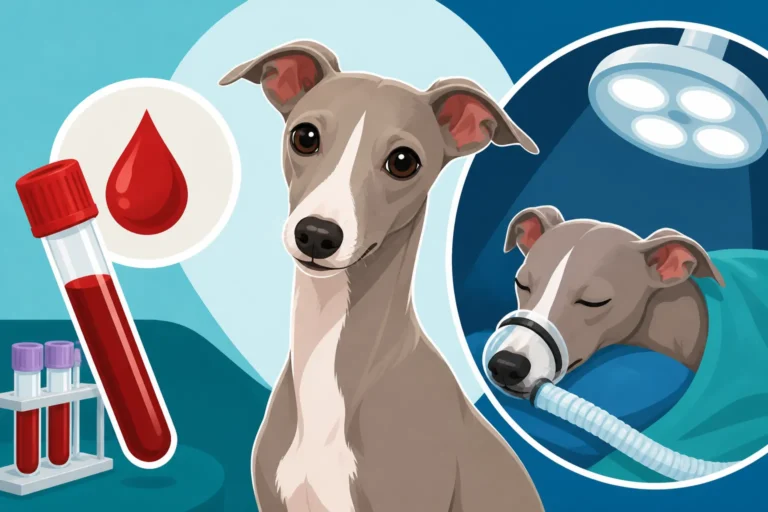
- Routine Check-ups: Regular wellness exams allow your vet to assess your dog's gait, weight, and general health. They can spot subtle signs of discomfort or potential issues before they become severe. How Often an Italian Greyhound Needs a Wellness Exam is a crucial part of preventative care.
- Discuss Concerns: Don't hesitate to discuss any concerns you have about your IG's bone health, movement, or diet with your veterinarian. They can provide tailored advice based on your dog's individual needs.
- Pet Insurance: Given the high cost of fracture repair (often thousands of dollars), many Italian Greyhound owners find pet insurance invaluable. Providers like Healthy Paws can offer peace of mind, covering a significant portion of unexpected veterinary bills, including those for accidents like broken bones. While preventative calcium isn't usually the answer, being financially prepared for potential injuries is. You might wonder What Pet Insurance Actually Covers on an Italian Greyhound, and accident coverage is often a primary draw for IG owners.
- Listen to Your Vet: If your vet recommends a specific diet or a very specific supplement (like Vitamin D, which is crucial for calcium absorption, but also dangerous in excess), follow their advice carefully. They are the best resource for your pet's health. Financial preparedness, perhaps through a plan with Healthy Paws, allows you to follow through on these recommendations without stress.
| Factor for Bone Health | Optimal Conditions | Risks of Imbalance |
|---|---|---|
| Dietary Calcium | AAFCO-compliant diet, appropriate for life stage | Deficiency: Weak bones, poor nerve/muscle function. Excess: Skeletal deformities, kidney damage, soft tissue calcification. |
| Phosphorus | Balanced ratio with calcium (usually 1.2:1 to 1:1 Ca:P) | Imbalance impacts calcium absorption and bone mineralization. |
| Vitamin D | Sufficient intake from diet (dogs cannot synthesize it from sun) | Deficiency: Impaired calcium absorption. Excess: Calcium toxicity, kidney damage. |
| Exercise | Regular, moderate, low-impact activities | Insufficient: Weak muscles, poor bone density. Excessive/High-impact: Increased fracture risk. |
| Weight Management | Lean body condition, ideal weight for breed | Underweight: Poor health, weak bones. Overweight: Joint stress, reduced mobility. |
| Genetics | Inherited breed characteristics | Fine-boned structure inherently higher fracture risk in Italian Greyhounds. |
In conclusion, while calcium is essential, simply giving an Italian Greyhound extra calcium won't make their delicate bones unbreakable. It's a holistic approach of balanced nutrition, safe environmental management, appropriate exercise, and vigilant veterinary care—backed by financial readiness from a provider like Healthy Paws—that truly supports your Italian Greyhound's long-term health and well-being.
Disclaimer
The information provided in this article is for general informational purposes only and is not a substitute for professional veterinary advice. Always consult with a qualified veterinarian for any health concerns or before making any decisions related to your pet's medical care or diet.