Brushing an Italian Greyhound’s Teeth Every Day
Oh, the joy of owning an Italian Greyhound! They bring so much laughter, warmth, and those signature "zoomies" into our lives. But let's be honest, alongside all that love comes a unique set of challenges, and arguably none is more frustrating or persistent than managing their dental health. If you've ever felt like you're fighting a losing battle trying to brush your Iggy's tiny, crowded teeth, you are absolutely not alone. This guide is here to walk you through why daily brushing is non-negotiable for these delicate sighthounds and, more importantly, how to make it a manageable, even positive, part of your daily routine.
The Alarming Reality of Italian Greyhound Dental Health
It's a truth universally acknowledged among Italian Greyhound owners: these dogs have some of the worst teeth in the canine kingdom. It’s not a reflection of poor care; it's simply a genetic predisposition tied to their unique physiology. Understanding this inherent vulnerability is the first step towards proactive and effective dental care.
Why Iggies Face Such Unique Dental Challenges
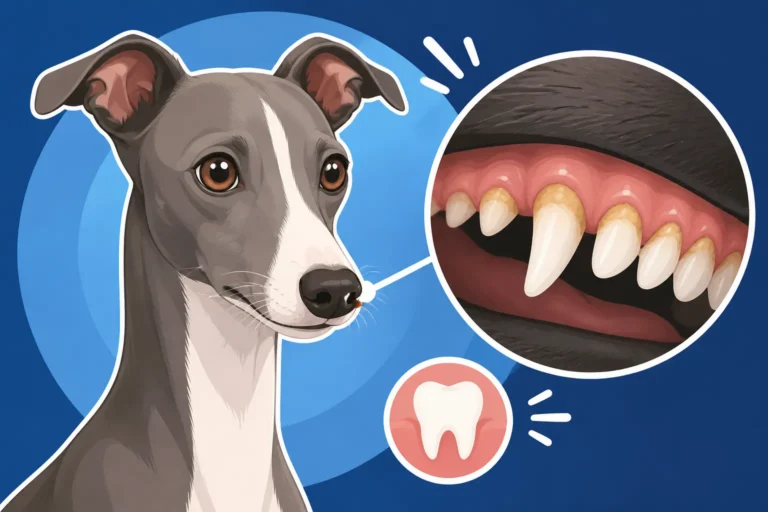
Take a good look at your Italian Greyhound's mouth. What do you see? Probably a lot of teeth crammed into a very slender, elegant muzzle. This isn't just an aesthetic observation; it's a major part of the problem. Italian Greyhounds, much like their larger sighthound relatives, have a lot of teeth—42 of them, to be exact—but their jaw structure is far more refined and delicate. This means their teeth are often significantly crowded, overlapping, or even rotated, creating perfect little crevices and pockets where food particles, bacteria, and plaque love to accumulate.
Unlike breeds with broader muzzles and more space between their teeth, an Iggy's crowded bite doesn't allow for the natural self-cleaning action that occurs from chewing and saliva flow. This anatomical predisposition sets the stage for rapid plaque and tartar buildup from a very young age. You might notice that even Italian Greyhound puppies can start showing signs of tartar before they’re even a year old. This crowding, combined with typically thin gum tissue, makes them incredibly susceptible to the swift onset of dental disease. You can dive deeper into this specific issue in our post, "Why an Italian Greyhound's Teeth Crowd".
The Silent Threat of Periodontal Disease
Plaque is a soft, sticky film of bacteria that constantly forms on teeth. If not removed, it mineralizes into tartar (calculus), a hard, cement-like substance that can't be brushed away. And tartar isn't just unsightly; it's an irritant. It pushes against the gums, creating inflammation, which is the beginning of gingivitis – the earliest stage of periodontal disease. This is a crucial point because gingivitis is reversible with proper care.
However, if gingivitis is left untreated, it progresses. The inflammation spreads below the gum line, affecting the supporting structures of the teeth. Bacteria start to eat away at the ligaments and bone that hold the teeth in place, forming deep pockets where more bacteria thrive, creating a vicious cycle. Your Italian Greyhound won't complain about a toothache; they are masters at hiding pain. This means periodontal disease often progresses silently, eroding their oral health without obvious symptoms until the damage is severe. By the time you notice bad breath, pain when eating, or loose teeth, the disease is likely advanced. This condition is so prevalent in the breed that "Periodontal Disease Is the Italian Greyhound's Most Common Diagnosis". The insidious nature of this disease means that if left unchecked, it doesn't just impact their mouth; it can lead to kidney, liver, and heart problems, ultimately shortening your beloved Iggy's lifespan. Our article "How Dental Disease Shortens an Italian Greyhound's Life" explains this in more detail.
The Costly Consequences of Neglect
Neglecting daily dental care might seem like a small omission, but the repercussions can be enormous, both for your Iggy's health and your wallet. When periodontal disease advances, professional intervention becomes absolutely essential. This isn't just a simple cleaning; it often involves extensive scaling, polishing, dental X-rays to assess bone loss below the gum line, and, most commonly, extractions of diseased teeth.
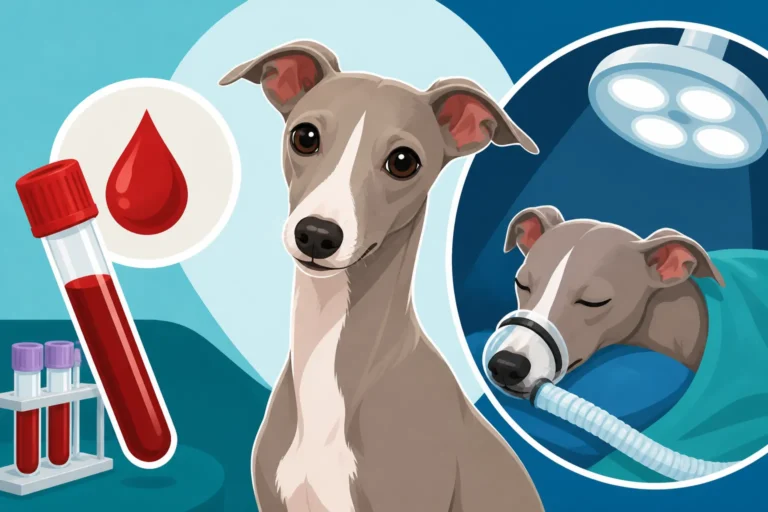
These procedures require general anesthesia, which, while routine, always carries some degree of risk, especially for a delicate breed like the Italian Greyhound who are sensitive to anesthesia. A single dental surgery with multiple extractions can easily run into hundreds or even thousands of dollars. And here’s the kicker: dental disease is chronic. Without consistent home care, the problem will recur, leading to repeat procedures throughout your dog's life. This becomes a significant financial and emotional burden, something no loving pet owner wants to face.
Making Daily Brushing a Positive Experience
Okay, we've established why it's so important. Now for the how. Daily brushing doesn't have to be a wrestling match or a dreaded chore. With patience, positive reinforcement, and the right approach, it can become a calm, even bonding, moment for you and your Italian Greyhound.
Gathering Your Italian Greyhound's Dental Toolkit
Before you even think about putting a brush near their mouth, you need the right tools. Standard human toothbrushes are far too large and abrasive for an Iggy's delicate gums and tiny teeth.
Here's what you'll need:
- A Dog-Specific Toothbrush: Look for brushes specifically designed for small dogs. Options include:
- Finger brushes: These fit over your fingertip and are great for starting out, allowing you to gently massage their gums and introduce the sensation. They offer good control.
- Tiny, soft-bristled toothbrushes: Think child-sized brushes or those designed for cats. The smaller the head, the better for navigating their crowded mouths. Some come with angled heads to reach back teeth. Our article "Which Toothbrush Fits an Italian Greyhound's Mouth" offers specific recommendations.
- Enzymatic Dog Toothpaste: This is non-negotiable. Never use human toothpaste, as it contains fluoride and other ingredients that are toxic if swallowed. Dog toothpastes come in appealing flavors like poultry, beef, or peanut butter, which can make the experience more pleasant. They also contain enzymes that help break down plaque even with minimal brushing action. For more on what to look for, check out "Which Toothpaste an Italian Greyhound Will Accept".
- High-Value Treats: Small, irresistible treats are your best friend for positive reinforcement.
- Patience and a Calm Demeanor: Your attitude will set the tone. If you're stressed, your Iggy will pick up on it.
Introducing the Brush: A Step-by-Step Approach
The key here is gradual introduction and positive association. Don't expect to brush all 42 teeth on day one!
- Phase 1: Get Them Used to Mouth Handling (Days 1-3):
- Start by simply touching your Iggy's face and muzzle gently. As they tolerate it, lift their lip for a second, then immediately praise and give a high-value treat.
- Repeat this several times a day in short, positive sessions (10-20 seconds). The goal is to make them associate mouth-touching with good things.
- Phase 2: Introduce the Toothpaste (Days 4-7):
- Once they're comfortable with lip lifts, let them lick some dog toothpaste off your finger. Most Iggies love the taste! This builds a positive association with the paste itself.
- Continue this for a few days. The more they like the paste, the easier the next steps will be.
- Phase 3: Introduce the Finger Brush or Gauze (Days 8-10):
- Put a tiny dab of toothpaste on a finger brush or a piece of gauze wrapped around your finger.
- Gently rub it along their gum line, focusing on the outside surfaces of a few teeth (these are where tartar builds up fastest). Again, just for a few seconds.
- Praise and treat immediately.
- Repeat, gradually increasing the number of teeth you touch.
- Phase 4: Graduate to the Toothbrush (Days 11+):
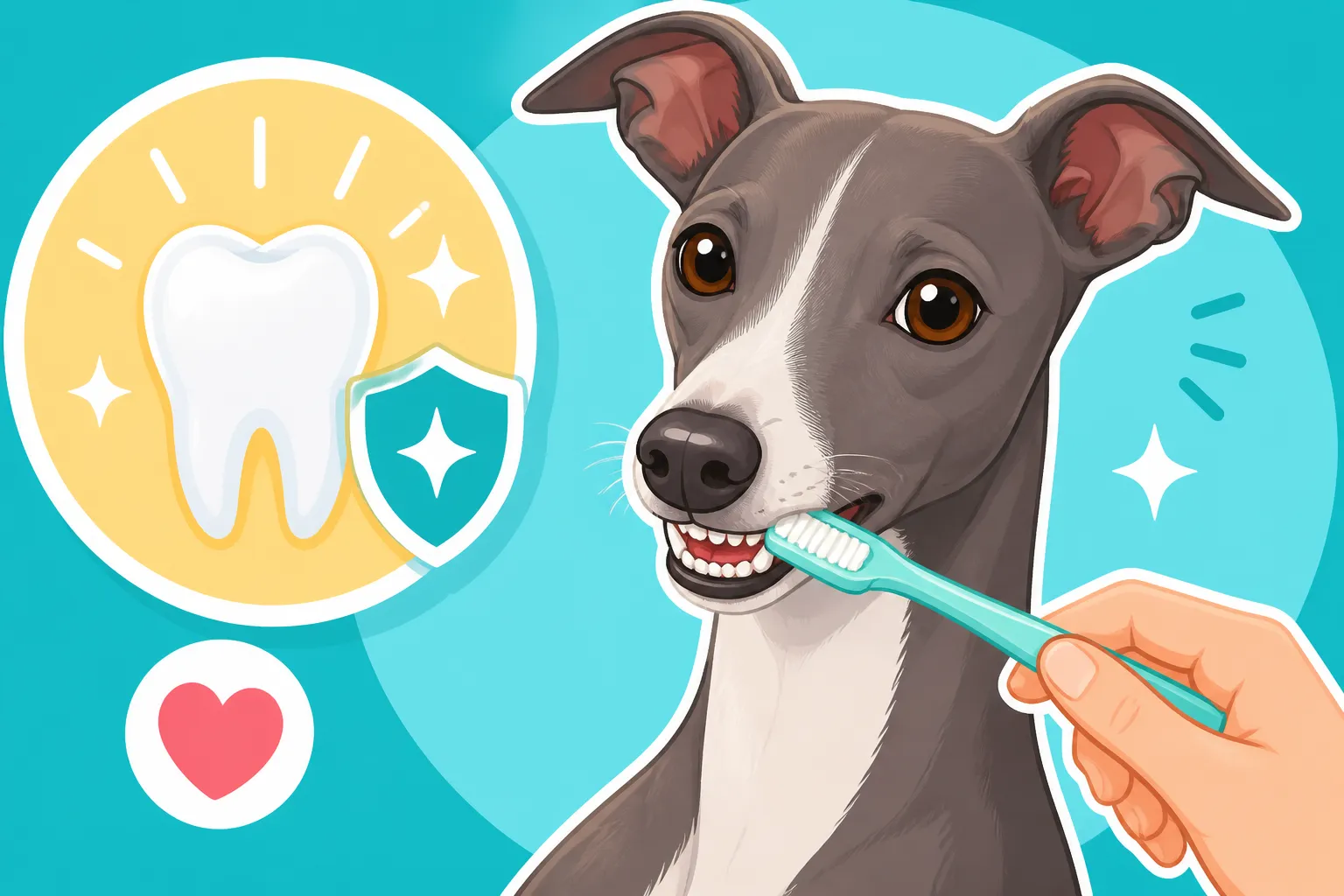
- Once they're tolerating the finger brush, switch to the actual toothbrush with a pea-sized amount of toothpaste.
- Aim for a 45-degree angle to reach both the tooth surface and just under the gum line. Use small, circular motions.
- Again, start with just a few teeth, praise, and treat. Gradually work your way up to brushing more teeth and increasing the duration of the session.
- Focus on the canine teeth (fangs) and the large molars in the back, as these accumulate the most tartar. Don't worry too much about the inside surfaces, as the tongue helps keep them cleaner.
Remember, short, frequent, positive sessions are far more effective than long, stressful battles. Aim for at least 30-60 seconds daily, focusing on the exterior surfaces of the back teeth and canines. For a deeper dive into this training, our post "Teaching an Italian Greyhound Puppy to Have Its Teeth Brushed" provides excellent guidance.
Establishing a Consistent Daily Routine
Consistency truly is king when it comes to dental health. It's not about being perfect, but about being persistent.
- Pick a Time and Stick to It: Integrate brushing into an existing daily ritual. Maybe it's right after their morning walk, before their dinner, or as the last thing you do before bed. The predictability helps them anticipate and accept it.
- Create a Designated "Brushing Spot": A calm, comfortable spot where you always do the brushing can also help. It signals what's coming and reduces anxiety.
- Make it Predictable and Fun: Always follow the same routine: call them, get the brush and paste, do the quick session, and then lavish them with praise and treats. Some owners even sing a little song or have a special "dental dance" to make it more lighthearted.
- Don't Give Up: There will be days they resist more than others. On those days, do what you can, even if it's just a quick swipe, and still end on a positive note with a treat. Skipping a day occasionally is okay, but don't let it turn into a week, then a month.
Beyond the Brush: Complementary Dental Care Strategies
While daily brushing is the gold standard, there are other strategies that can complement your efforts and contribute to your Italian Greyhound's overall oral hygiene. Think of it like a multi-pronged attack on plaque and tartar!
The Role of Diet and Dental Chews
It's a common misconception that dry kibble cleans teeth effectively. While kibble is certainly better than an all-wet food diet for dental health, the truth is, most kibble shatters upon impact, offering minimal abrasive cleaning action on the tooth surface. It's simply not enough to prevent plaque and tartar buildup. If you're wondering "Whether Dry Food Keeps an Italian Greyhound's Teeth Clean", the answer is: not on its own.
However, certain diets and treats can help. Look for dental-specific kibbles or treats that have been approved by the Veterinary Oral Health Council (VOHC). These products have been scientifically proven to reduce plaque and/or tartar accumulation. They typically have a unique texture, shape, or ingredients designed to scrape the tooth surface or release plaque-reducing compounds as your dog chews.
When it comes to dental chews, choose wisely. Many chews are too hard and can actually cause slab fractures on teeth, leading to painful and expensive extractions. Always opt for chews that are appropriately sized for your Italian Greyhound and have some flexibility. They should be firm enough to provide some abrasion but soft enough that you can indent them with your fingernail. Avoid natural bones, antlers, and nylon chews. For more detailed information, read our post, "Whether Dental Chews Do Anything for an Italian Greyhound". Remember, these are supplementary; they are not a substitute for daily brushing.
Professional Dental Cleanings: A Non-Negotiable Necessity
Even with the most diligent daily brushing, most Italian Greyhounds will still require professional dental cleanings throughout their lives. Think of it like this: you brush your teeth every day, but you still go to the dentist for professional cleanings and check-ups. It's the same for your Iggy.
A professional dental cleaning, performed under general anesthesia by your veterinarian, allows for a thorough examination of every tooth surface, including below the gum line. This is where the real damage from periodontal disease often occurs. During the procedure, your vet or veterinary technician will:
- Perform a comprehensive oral exam: Looking for abnormalities, gum recession, or loose teeth.
- Take dental X-rays: This is crucial to assess the health of the tooth roots and surrounding bone, which are invisible to the naked eye. About 60-70% of dental disease is hidden below the gum line.
- Scale and polish: Using ultrasonic scalers and hand instruments, they will remove plaque and tartar from above and below the gum line, then polish the tooth surfaces to make them smooth and less prone to future plaque attachment.
- Extract diseased teeth: If X-rays reveal severe disease or tooth mobility, extractions will be performed to eliminate sources of pain and infection.
The frequency of these cleanings varies. While some Iggies might need them annually, others with excellent home care might only need them every two or three years. Your vet will advise you based on your dog's individual needs. It's truly a critical part of their long-term health plan, as detailed in our article "How Often an Italian Greyhound Needs a Dental Cleaning". Our post "What Happens During an Italian Greyhound's Dental" provides a full walkthrough of the process, and "Why an Italian Greyhound's Dental Requires Anesthesia" explains why it's a necessary step.
Keeping an Eye on Their Mouth Health Between Visits
You are your Italian Greyhound's first line of defense! Regular at-home checks, in addition to brushing, can help you spot potential problems early, before they become severe.
Aim to do a quick visual check of your Iggy's mouth once a week, perhaps when you're doing their regular brushing. Gently lift their lips and look for:
- Red or swollen gums: Healthy gums are usually pink and firm. Redness or puffiness can indicate gingivitis.
- Tartar buildup: Look for yellow or brown accumulation, especially on the outside surfaces of the back molars and canine teeth. Our article "How Early Tartar Appears on an Italian Greyhound" gives you a heads-up on when to expect this.
- Bad breath (halitosis): While "dog breath" is often accepted, truly foul, persistent odor is a strong indicator of bacterial overgrowth and dental disease. If you're wondering "What Bad Breath Means in an Italian Greyhound", it's usually a red flag.
- Loose, broken, or discolored teeth: Any of these warrant a vet visit.
- Sores, lesions, or growths: Any unusual lumps or bumps should be examined by a vet.
By being observant, you can alert your vet to issues promptly, potentially saving your Iggy from discomfort and more invasive procedures down the line.
Addressing Common Brushing Challenges and Frustrations
Even with the best intentions and the perfect toolkit, brushing an Italian Greyhound's teeth daily can feel like an uphill battle. It's okay to feel frustrated, but remember, every little bit helps, and persistence is key.
My Iggy Hates It: Overcoming Resistance
If your Italian Greyhound acts like you're trying to perform an exorcism every time the toothbrush comes out, you're not alone. Their sensitive nature and tendency towards shyness or apprehension can make mouth handling tricky.
- Re-evaluate your approach: Are your sessions too long? Are you being forceful? Go back to basics. Spend more time on the "mouth handling" phase, making it utterly delightful with treats and praise. Start with literally just a second of touching the brush to a tooth, then reward.
- Change the toothpaste flavor: Some dogs are incredibly picky. Try a different brand or flavor of enzymatic toothpaste. You might be surprised what a difference it makes.
- Change the environment: Try brushing in a different, quieter room. Some dogs prefer to be held a certain way (e.g., cradled like a baby, or standing on a table). Find what makes your Iggy most comfortable.
- Enlist professional help: If resistance is severe and you're making no progress, consider consulting with a positive reinforcement dog trainer or your veterinarian. They can offer personalized techniques and handling tips, or even prescribe a mild calming aid if anxiety is a major factor.
- Consider pet insurance: It’s precisely for these unexpected, often costly, dental emergencies that many Italian Greyhound owners find pet insurance like Healthy Paws to be a lifesaver. Knowing you have support for major procedures can ease the burden of necessary, but expensive, vet bills.
The Time Crunch: Fitting Brushing into a Busy Schedule
Life gets busy, we all know it. And sometimes, adding one more thing to the daily to-do list feels impossible. But for your Italian Greyhound's health, this "one more thing" is genuinely vital.
- Even 30 seconds makes a difference: Don't aim for a perfectly clean mouth every single day if you're short on time. Even a quick 30-second brush, focusing on the outer surfaces of the back teeth and canines, is vastly better than nothing.
- Break it up: Can you do 15 seconds in the morning and 15 seconds at night? Two shorter sessions might feel less daunting for both of you.
- Keep supplies handy: Have your toothbrush and toothpaste right by their food bowl, or near where they usually relax. No need to hunt for supplies, which can add to the friction.
- Batch brush (if you have multiple Iggies): If you're lucky enough to have more than one Italian Greyhound, you can make it a quick "assembly line" once they're used to the routine.
Remember, consistency over perfection. A quick, imperfect brush daily will always outperform sporadic, lengthy sessions.
When to Seek Veterinary Intervention
Despite your best efforts, sometimes problems arise, or you simply need professional guidance. Knowing when to reach out to your vet is crucial.
Consult your veterinarian immediately if you notice any of the following:
- Sudden onset of extremely bad breath: This can indicate an infection.
- Drooling, pawing at the mouth, or reluctance to eat: These are signs of pain.
- Visible loose or broken teeth: These need immediate attention to prevent further discomfort or infection.
- Bleeding gums during or after brushing: While a tiny bit of pink on the brush can be normal initially, significant bleeding is a sign of severe inflammation.
- Swelling on the face, especially under an eye: This could indicate an abscess from a root infection.
- Any unusual lumps or growths in the mouth.
Your veterinarian is your most valuable partner in maintaining your Italian Greyhound's dental health. They can assess the severity of any issues, recommend appropriate treatment, and guide you on the best home care routine for your individual dog. While routine dental cleanings are often not covered by basic pet insurance plans, comprehensive options from providers like Healthy Paws can often help with the costs of treating advanced periodontal disease, extractions, or other unexpected dental surgeries. Many Italian Greyhound owners appreciate the peace of mind that comes with a robust pet insurance plan, such as those offered by Healthy Paws, which can significantly offset the expenses of major dental procedures that can arise even with the most diligent home care.
Remember that even with daily brushing, your Iggy might still need professional cleanings. Consider the table below for a quick overview of primary dental care components:
| Dental Care Component | Frequency | Owner Responsibility | Vet Responsibility | Expected Outcome |
|---|---|---|---|---|
| Daily Tooth Brushing | Once daily, ideally | High | Advise & Educate | Significant reduction in plaque/tartar buildup, improved gum health |
| Oral Health Checks | Weekly, by owner | High | Advise & Educate | Early detection of problems like gum inflammation, broken teeth, or growths |
| VOHC-Approved Chews | As directed, supplementary | Medium | Advise & Recommend | Modest reduction in plaque/tartar, provides mental stimulation |
| Professional Cleaning | Every 1-3 years (avg.) | Schedule & Finance | Perform & Diagnose | Complete removal of plaque/tartar, subgingival assessment, extractions if needed |
Ultimately, brushing your Italian Greyhound's teeth every day is an investment in their health, comfort, and longevity. It might not always be easy, but knowing you're doing everything you can to protect their delicate health is a reward in itself.
Disclaimer
The information provided in this guide is for general informational purposes only and does not constitute veterinary advice. Always consult with a qualified veterinarian for any health concerns or before making any decisions about your pet's medical care.