Vitreous Degeneration in an Italian Greyhound
It’s truly disheartening when you start noticing subtle changes in your beloved Italian Greyhound’s eyes, especially when you know how fragile and precious they are. The thought of them losing their keen sight or experiencing discomfort can be incredibly worrying, and it's easy to feel overwhelmed by the possibilities. This guide is here to shed light on vitreous degeneration in Italian Greyhounds, walking you through what it is, why it happens, what to look for, and how you can best support your furry companion through it.
Understanding Vitreous Degeneration in Italian Greyhounds
When we talk about eye conditions in Italian Greyhounds, our minds often jump to things like cataracts or progressive retinal atrophy. However, vitreous degeneration is another condition that can subtly impact their vision and overall eye health. It’s a natural process in many ways, but understanding its nuances is key for any Ig owner.
What is the Vitreous Humor and Degeneration?
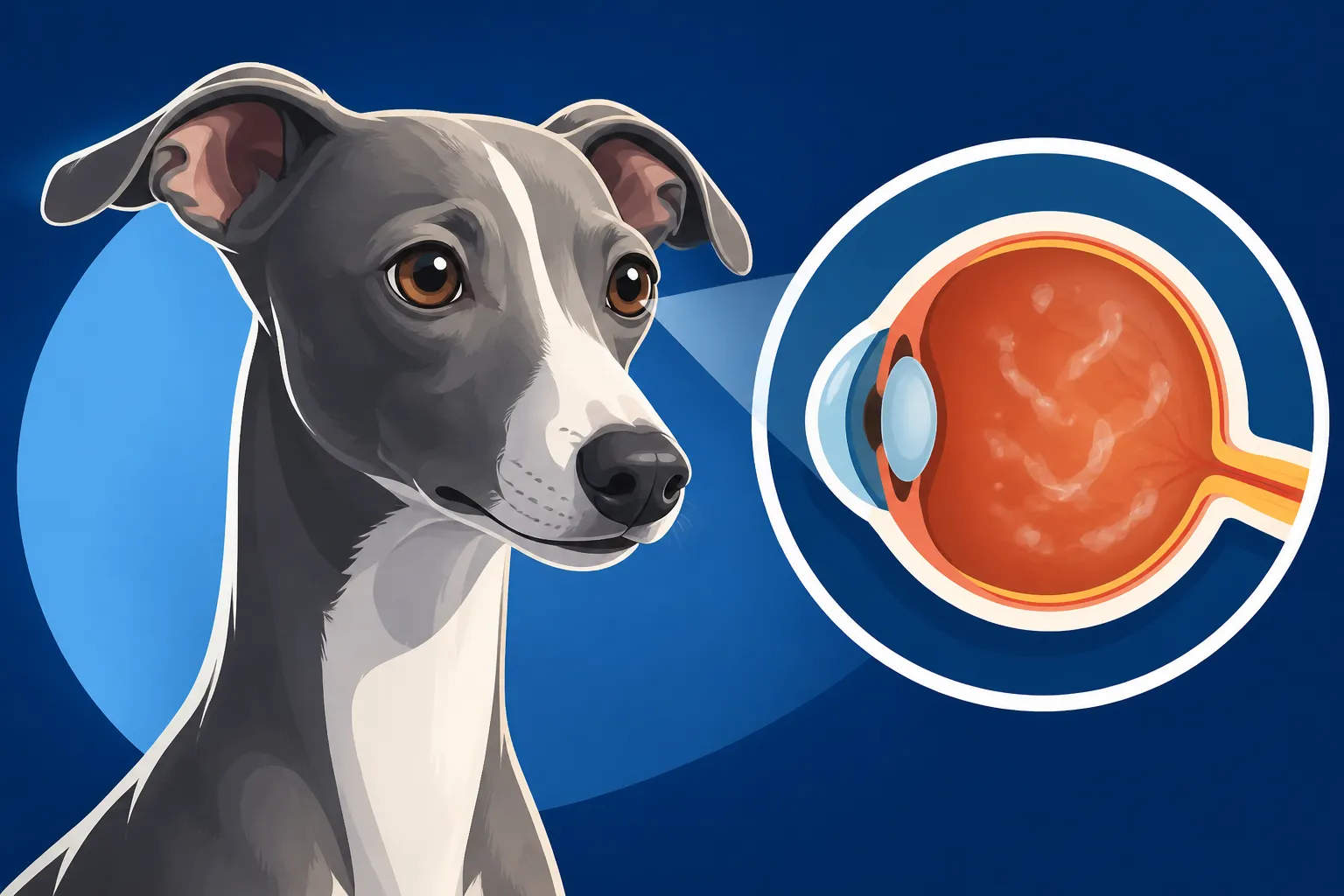
Imagine your Italian Greyhound's eye as a tiny, perfectly engineered camera. Inside this camera, filling the space behind the lens and in front of the retina, is a clear, gel-like substance called the vitreous humor. This vitreous isn't just filler; it plays a crucial role in maintaining the eye's shape, providing structural support to the retina, and allowing light to pass through without obstruction to reach the light-sensitive cells at the back of the eye. Think of it as the clear, jelly-like cushion that keeps everything in its proper place and functions smoothly.
Vitreous degeneration, then, is essentially a breakdown of this normally pristine, gel-like substance. Over time, or due to various factors, this gel can start to liquefy, forming small pockets of fluid and creating tiny clumps or strands of collagen within it. These clumps, which were once an integral part of the gel's structure, now float freely within the more liquid vitreous. It's akin to a clear Jell-O mold that, instead of remaining perfectly smooth and firm, starts to separate and get stringy, with some parts turning watery. This process can be subtle and slow, making it easy to miss in its early stages as it's not something you can typically see with the naked eye from the outside.
As this degeneration progresses, these floating bits of collagen can cast shadows on the retina, which your Italian Greyhound might perceive as "floaters." While many dogs adapt to these changes without significant distress, for some, the increased liquefaction can lead to more serious issues. The loss of the vitreous's structural integrity means the retina has less support, potentially increasing the risk of retinal problems down the line. It's a condition that evolves, and understanding this internal shift is the first step in appreciating its potential impact on your beloved pet's vision.
Recognizing the Early Signs and Symptoms
One of the biggest frustrations for Italian Greyhound owners, especially with internal conditions like eye problems, is how good our Iggies are at hiding discomfort. They are often stoic little creatures, and early signs of vitreous degeneration can be incredibly subtle, easily mistaken for normal aging or simply a "quirk." This makes proactive observation and regular veterinary check-ups all the more critical. You might not see a dramatic change overnight, but rather a gradual shift that warrants attention.
Initially, your Italian Greyhound might not show any outward signs that something is amiss with their vision, particularly if the degeneration is mild. The internal floaters might be just an annoyance, something their brain learns to filter out. However, as the condition progresses and the floaters become more numerous or the vitreous more liquefied, you might start to notice more discernible changes. Perhaps your Ig seems a little hesitant when navigating familiar environments in dim light, or they might bump into objects they used to easily avoid. They might also startle more easily when approached from a side where their vision might be more affected, or their depth perception could appear slightly off.
Pay close attention to changes in their overall behavior. For example, if your typically playful Italian Greyhound suddenly seems less interested in chasing a ball, it could be a sign that their vision isn't quite as sharp as it used to be. You might also observe them blinking more frequently or squinting, especially in bright light, as their eyes try to adjust to the new visual landscape caused by the floaters. While these are not definitive symptoms of vitreous degeneration specifically, they are certainly indicators that an eye exam is in order. Remember, early detection of any eye issue is always the best approach, so if you notice your Italian Greyhound's eyes watering more than usual or they are rubbing their face a lot, these subtle cues could be pointing to an underlying problem that needs veterinary attention. It's a good practice for all Italian Greyhound owners to learn about common conditions like Progressive Retinal Atrophy in an Italian Greyhound as well, as symptoms can sometimes overlap.
Causes and Risk Factors for Vitreous Degeneration
Vitreous degeneration, while sounding serious, isn't always an alarming, sudden event. Often, it's a slow burn, influenced by a mix of unavoidable factors and sometimes, other health issues. For Italian Greyhound owners, knowing these potential causes helps immensely in understanding what might be happening behind those big, expressive eyes.
Age-Related Changes and Genetic Predisposition
Just like with us humans, the aging process plays a significant role in the natural changes that occur within our Italian Greyhounds' bodies, and their eyes are no exception. As an Italian Greyhound ages, the vitreous humor naturally undergoes a process called syneresis, where the collagen fibers clump together and the gel portion liquefies. This is a normal, physiological change that often begins to become noticeable in middle to senior years. It’s not necessarily a disease in itself but rather a consequence of time and wear. So, if you’re seeing some subtle changes in your Ig's eye as they enter their senior years, like when you're Caring for an Italian Greyhound Past Eleven, this age-related degeneration is a very common part of the journey.
While age is a universal factor, there does appear to be a genetic component to how severe or early vitreous degeneration might present in certain breeds. While Italian Greyhounds aren't specifically singled out as having an abnormally high predisposition compared to all dog breeds, sighthounds, in general, can be prone to various eye conditions. This doesn't mean every Ig will suffer, but some lines may be more susceptible. Reputable breeders often screen for a range of ocular conditions, and it’s always wise to discuss the eye health history of your puppy’s parents. Unfortunately, current research hasn't definitively identified a specific gene for vitreous degeneration itself in Iggies, but knowing about their general genetic predispositions to eye issues is still helpful. This is why understanding Which Italian Greyhound Eye Problems Are Inherited is so important for breeders and owners alike.
It's also worth noting that other inherited eye conditions in Italian Greyhounds, such as certain forms of Cataracts in an Italian Greyhound or even conditions like glaucoma, can sometimes indirectly influence or exacerbate vitreous changes. While not a direct cause, the underlying genetic factors that contribute to a predisposition to these conditions might also play a role in the health and longevity of the vitreous humor. Therefore, when selecting a puppy, it's crucial to look for breeders who perform thorough health screenings for all known Italian Greyhound eye conditions.
Secondary Conditions and Contributing Factors
Beyond the natural march of time and potential genetic leanings, vitreous degeneration in Italian Greyhounds can also be triggered or worsened by a host of other health issues or external factors. These aren't always immediate and obvious connections, which is why a thorough veterinary assessment is so critical when any eye changes are noted. It's never just one thing, and the eye is an intricate system, so problems in one area can easily cascade into others.
For instance, intraocular inflammation, often stemming from an infection, an immune-mediated disease, or even physical trauma to the eye, can significantly accelerate vitreous changes. When inflammation occurs inside the eye, it disrupts the delicate balance and integrity of the vitreous gel, causing it to break down more rapidly. Similarly, conditions like uveitis, which is inflammation of the middle layer of the eye, can lead to vitreous opacities and liquefaction. It’s like a tiny internal earthquake that shakes up the normally stable environment within the eye.
Furthermore, other primary eye diseases can act as contributing factors. As mentioned earlier, advanced Cataracts in an Italian Greyhound can sometimes precede or accompany vitreous degeneration. The presence of a mature cataract can alter the internal environment of the eye, affecting the vitreous. Similarly, conditions like glaucoma, characterized by increased pressure within the eye, can put immense strain on all ocular structures, including the vitreous and the retina it supports. Even seemingly minor eye injuries, perhaps from a rough play session or an accidental bump, can cause subtle damage that progresses into vitreous issues over time. While not every eye problem leads to vitreous degeneration, a compromised ocular environment from any source significantly increases the risk, making vigilance and prompt veterinary care essential. This is also why having pet insurance, such as through Healthy Paws, can be a lifesaver, as it can help manage the costs associated with diagnosing and treating these interconnected eye conditions.
Diagnosis and Management of Vitreous Degeneration
When you suspect something is off with your Italian Greyhound's eyes, the immediate thought is often panic. However, understanding the diagnostic process and available management strategies can bring a lot of peace of mind. While vitreous degeneration isn't something that can be "cured" in the traditional sense, it can certainly be monitored and managed to ensure your Ig maintains the best possible quality of life.
The Veterinary Examination Process
If you're noticing any changes in your Italian Greyhound's vision or eye health, the very first and most crucial step is to schedule an appointment with your veterinarian. Don't delay, even if the symptoms seem minor, because early detection can prevent more severe complications down the road. Your regular vet is typically the first point of contact, and they'll perform a comprehensive ophthalmic examination. This usually starts with a general assessment of your Italian Greyhound's overall health and a detailed history of the symptoms you've observed. Be prepared to share everything, from when you first noticed changes to how often they occur and any other health issues your Ig might have.
During the eye exam itself, your vet will use specialized tools. They might start with a general visual inspection of the eye's external structures, looking for signs of inflammation, discharge, or injury. They will likely check your Ig's pupillary light reflexes and perform a Schirmer tear test to assess tear production. To properly visualize the vitreous, your vet will need to dilate your Italian Greyhound's pupils using special eye drops. Once dilated, they will use an ophthalmoscope, which allows them to look deep inside the eye, examining the lens, retina, and, crucially, the vitreous humor. They'll be looking for signs of liquefaction, floaters, or any other abnormalities that indicate degeneration. For a definitive diagnosis or if the changes are complex, your vet might refer you to a veterinary ophthalmologist – a specialist who has advanced equipment and expertise to provide an even more detailed examination, often utilizing techniques like ocular ultrasound. These specialists are particularly adept at identifying conditions like Glaucoma in an Italian Greyhound or assessing the retina’s health, which is critical given the vitreous’s supporting role.
Remember, a thorough eye exam can sometimes be a bit stressful for your Ig, especially with the bright lights and close contact. Being there to offer comfort and reassurance can make a big difference. It's also a good idea to inquire about the costs upfront. While routine check-ups are manageable, specialized diagnostic tests or visits to an ophthalmologist can add up. This is where having pet insurance, such as a plan from Healthy Paws, can truly be beneficial, as many plans cover diagnostic tests and specialist consultations for unexpected conditions like this. Understanding What an Italian Greyhound's Emergency Vet Visit Costs helps owners prepare for potential expenses.
Living with Vitreous Degeneration: Management and Support
Once vitreous degeneration has been diagnosed, the good news is that for many Italian Greyhounds, especially in its early to moderate stages, it primarily requires monitoring rather than aggressive intervention. Unlike some other eye conditions, there isn't typically a medication or surgical procedure to reverse the liquefaction of the vitreous. The focus shifts to managing symptoms, preventing complications, and adapting your home environment to support your dog's changing vision. This approach prioritizes their comfort and safety above all else, ensuring that their quality of life remains high.
A key aspect of management is ongoing vigilance and regular follow-up appointments with your veterinarian or ophthalmologist. These visits, perhaps every 6-12 months, will allow the vet to track the progression of the degeneration and check for any secondary complications, most notably retinal detachment, which can be a serious consequence of significant vitreous liquefaction. During these check-ups, they’ll assess for new floaters, changes in retinal health, or the development of other eye issues. You'll need to be their eyes at home, reporting any new behaviors like increased bumping, hesitation on stairs, or changes in their interaction with toys. This is also why understanding Whether an Italian Greyhound Needs a Yearly Eye Exam is so crucial, as early detection of any changes can prevent further deterioration.
Creating a safe and consistent environment is paramount. If your Italian Greyhound is experiencing significant vision impairment from the floaters or related issues, consider keeping furniture in consistent locations to prevent confusion and bumps. Add soft lighting, especially at night, to help them navigate. Ramps or steps can be beneficial for getting on and off furniture safely, especially if their depth perception is compromised. For Iggies experiencing reduced vision, consistent routines, verbal cues, and scent markers can help them navigate their world with confidence. While there isn't a direct treatment for the degeneration itself, if there are secondary issues like inflammation, your vet might prescribe anti-inflammatory eye drops. Remember that while the condition is irreversible, its impact on your Italian Greyhound's daily life can be minimized with proactive care and a loving, understanding approach.
| Symptom Category | Potential Signs to Watch For | What It Might Indicate |
|---|---|---|
| Visual Changes | Bumping into familiar objects, especially in dim light | Decreased vision, depth perception issues |
| Hesitation on stairs or uneven surfaces | Difficulty judging distances | |
| Startling easily when approached from the side | Peripheral vision affected by floaters | |
| Following objects with head movement rather than eye movement | Compensating for visual impairment | |
| Eye Appearance | Squinting or blinking more frequently | Irritation, difficulty focusing |
| Increased eye discharge or redness (less common for vitreous degeneration alone) | Secondary inflammation or other eye issues | |
| Behavioral Changes | Reluctance to play games involving fast-moving objects | Difficulty tracking movement |
| Increased anxiety or cautiousness in new environments | Uncertainty due to reduced vision | |
| Excessive rubbing or pawing at the eyes | Discomfort or irritation |
Prognosis and Long-Term Outlook
Hearing that your Italian Greyhound has vitreous degeneration can be scary, especially when you envision their playful sprints and curious gazes. While it's true that the vitreous doesn't regenerate, the prognosis and long-term outlook for Iggies with this condition are often quite manageable, with the right care and proactive monitoring for potential complications. It's about focusing on adaptability and maintaining their comfort.
Potential Complications
While vitreous degeneration itself is often a slowly progressive condition that many Italian Greyhounds learn to live with, its primary concern lies in the potential for more serious secondary complications. The vitreous humor plays a vital role in supporting the retina, and when it starts to liquefy and lose its structural integrity, that support diminishes. This can set the stage for other, more sight-threatening problems. It's like the foundation of a house becoming unstable; the house might stand for a while, but the risk of collapse increases significantly.
The most critical complication to watch for is retinal detachment. As the vitreous gel shrinks and pulls away from the retina (a process called posterior vitreous detachment), it can sometimes exert traction on the retina. If there are areas where the vitreous is strongly adhered, this pulling can tear the retina. Once a tear occurs, fluid from the liquefied vitreous can pass through the tear and get underneath the retina, causing it to detach from the underlying tissue. Retinal detachment is a medical emergency and can lead to sudden, severe, and often irreversible vision loss if not addressed promptly. Symptoms can be subtle, but if you notice your Italian Greyhound suddenly appears completely blind, bumping into everything, or their pupils look abnormal, seek immediate veterinary attention. This is why it’s so vital to be aware of Signs an Italian Greyhound Is Losing Night Vision, as such changes could indicate a worsening condition.
Another potential complication, though less common as a direct result of simple vitreous degeneration, is secondary glaucoma. While vitreous degeneration doesn't directly cause glaucoma, the inflammatory processes or other concurrent eye issues that might contribute to vitreous changes could also impact the eye's fluid drainage system, leading to increased intraocular pressure. Any significant eye trauma or inflammation can be a precursor to both vitreous issues and glaucoma. For these reasons, continuous monitoring and regular veterinary check-ups are essential to catch these potential complications early, giving your Italian Greyhound the best chance at preserving their vision and overall eye health. Having a good pet insurance plan from a company like Healthy Paws can alleviate the financial strain of these potential emergencies, covering a significant portion of diagnostic tests, specialist consultations, and treatments for these critical conditions.
Maintaining Your Italian Greyhound's Quality of Life
The thought of your Italian Greyhound experiencing vision changes can be heartbreaking, but it's important to remember that most dogs, including our resilient Iggies, adapt remarkably well to living with reduced vision. Their other senses — hearing and smell — are incredibly keen and become even more pronounced as they compensate. The long-term outlook for an Italian Greyhound with vitreous degeneration, even with some degree of vision loss, can be very positive when owners commit to a supportive and consistent environment. The goal isn't just to manage the condition, but to ensure they continue to live a full, happy, and confident life.
Creating a safe and predictable home environment is paramount. Avoid rearranging furniture frequently, and if you do, guide your Italian Greyhound around the new layout until they learn it. Use consistent verbal cues for things like "step up" or "watch out" to help them navigate. Non-slip runners or rugs can be helpful on hardwood floors, especially if they are hesitant on slick surfaces. For outdoor adventures, keeping them on a leash in unfamiliar areas is crucial, even if they have been reliably off-leash in the past, because their ability to react quickly to perceived threats or sudden movements may be impaired. Since Italian Greyhounds have a relatively long lifespan, often living for How Long an Italian Greyhound Lives on Average, these adaptations become a normal part of their daily routine for many years.
Most importantly, continue to engage your Italian Greyhound with activities they love, adapting them as needed. Scent games, puzzle toys, and consistent, gentle interaction can provide mental stimulation and reinforce their bond with you. Many Iggies with impaired vision thrive on routine and tactile reassurance. Regular check-ups with your vet remain crucial to monitor the eyes and address any new concerns promptly. By being proactive, patient, and loving, you can ensure that vitreous degeneration doesn't diminish the joy and quality of life your Italian Greyhound experiences. Their happiness and comfort are, after all, our ultimate goals as devoted pet parents.
Disclaimer
This article is for general informational purposes only and does not constitute professional advice. Laws, prices and regulations vary by location and change over time. Consult a qualified professional for guidance on your specific situation.