Why an Old Italian Greyhound Feels the Cold More
It's heartbreaking to watch our once spry and zoomy Italian Greyhounds slow down and, more noticeably, shiver when the slightest chill enters the air. If you've noticed your senior Iggy constantly burrowing under blankets, seeking out sunbeams, or just generally feeling the cold more acutely than when they were young, you're not imagining it. There are distinct, often unavoidable, physiological reasons why an old Italian Greyhound feels the cold more, and understanding these changes is the first step to ensuring their comfort and well-being in their golden years. This guide will delve into these reasons and offer practical, empathetic advice to keep your beloved elder Iggy warm and happy.
The Physiological Truth: Why Age Makes Iggies More Susceptible to Cold
As our beloved Italian Greyhounds gracefully transition into their senior years, their bodies undergo a host of changes. While many of these changes are subtle, one of the most apparent and often distressing for owners is an increased sensitivity to cold. What was once a brisk, refreshing walk for a younger Iggy might now send shivers down the spine of an older one, even indoors. This isn't just them being "grumpy" about the weather; there are fundamental physiological shifts at play that make them genuinely feel the cold more intensely.
Declining Metabolism and Energy Reserves
One of the primary reasons senior Italian Greyhounds struggle with cold is a natural slowdown in their metabolism. Just like us, as dogs age, their internal furnaces don't burn as hot. A younger, more active dog generates more body heat simply through its metabolic processes and daily energy expenditure. An older dog, with a slower metabolism, produces less intrinsic heat, making them more reliant on external warmth. This metabolic shift means their bodies are less efficient at maintaining a stable, comfortable core temperature.
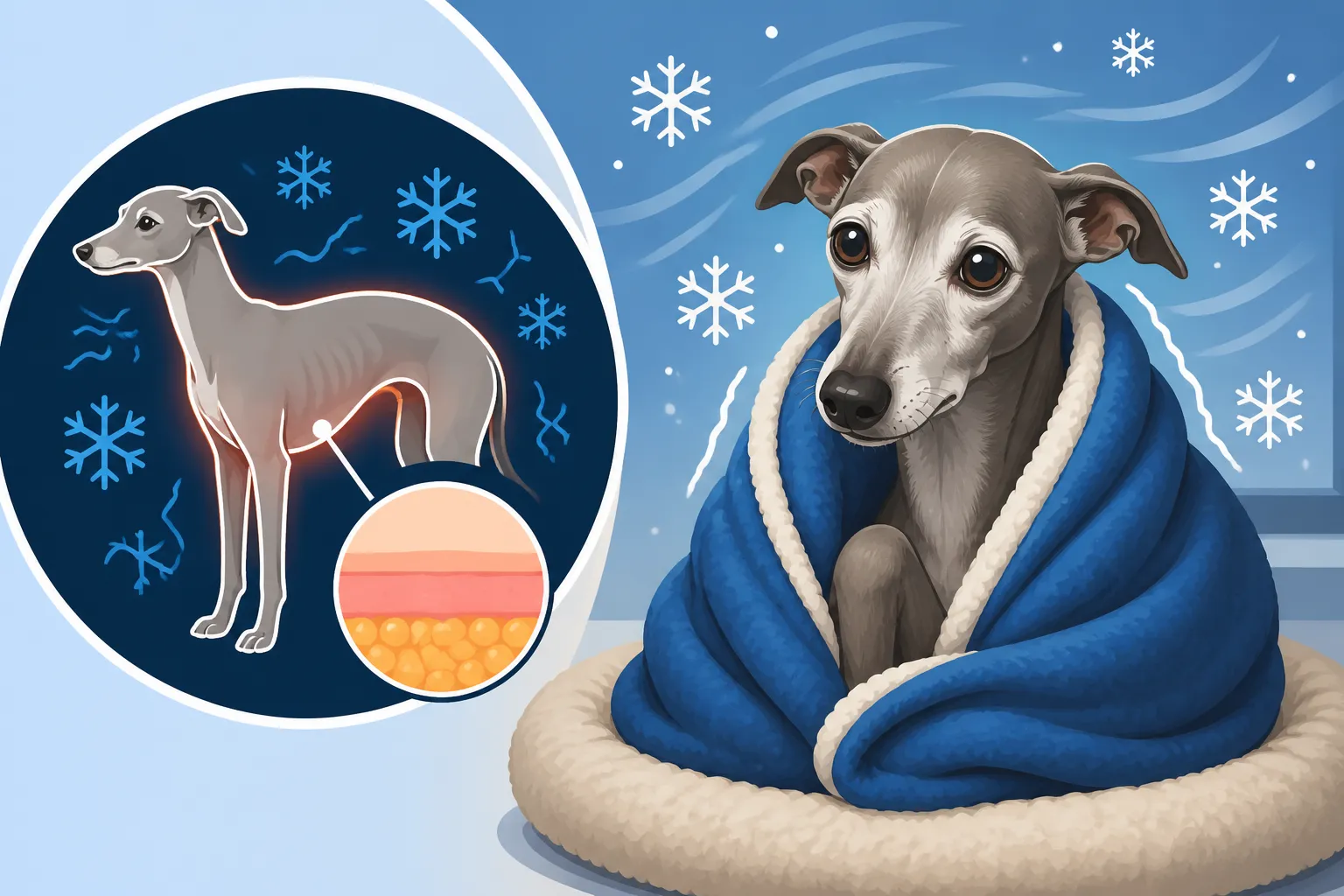
Furthermore, Italian Greyhounds are already renowned for their lean, athletic builds. They are not known for carrying much body fat, which serves as a natural insulator for many other breeds. As they age, many Iggies naturally lose even more muscle mass and what little subcutaneous fat they once had, further diminishing their natural insulation. This is especially true if they experience any health setbacks or a decrease in appetite. You can learn more about why their bodies are so lean in our article, Why an Italian Greyhound Carries Almost No Body Fat. Without those precious layers of fat and robust muscle to trap warmth, the cold seeps in much more easily, making them feel perpetually chilly.
Compromised Circulation and Thermoregulation
Another critical factor contributing to increased cold sensitivity in older Italian Greyhounds is a potential decline in their circulatory system's efficiency. With age, blood vessels can become less elastic, and overall blood flow might not be as robust, especially to the extremities like paws, ears, and tail. Good circulation is vital for distributing warmth throughout the body, and if it's compromised, these areas can quickly become cold and uncomfortable.
Beyond just circulation, the body's entire thermoregulation system – the complex network of processes that maintains a stable internal body temperature – can become less effective. This system relies on signals from the brain and various organs to constrict or dilate blood vessels, shiver, or pant, all to keep the body at its ideal temperature. As an Italian Greyhound ages, these intricate systems might not respond as quickly or efficiently to changes in environmental temperature. This means they are slower to warm up when cold and have a harder time retaining heat, leaving them more vulnerable to dips in temperature that a younger dog would easily shrug off.
Thinning Skin and Reduced Hair Density
While Italian Greyhounds are known for their fine, short coats throughout their lives, age can sometimes bring further changes that impact their ability to retain heat. For some senior Iggies, their already paper-thin skin can become even more delicate and less resilient. This thinning skin offers less of a barrier against the cold air.
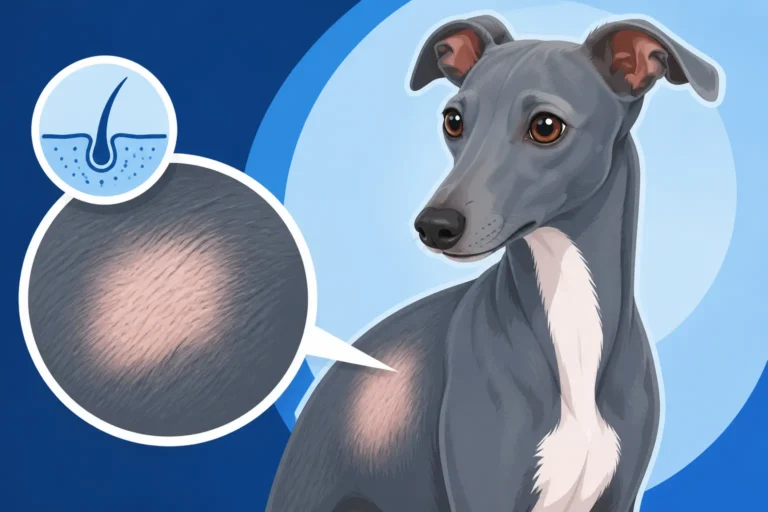
Additionally, some older Italian Greyhounds might experience a subtle reduction in the density of their coat. Even if it's not overtly noticeable hair loss, a slightly sparser coat provides less insulation, allowing environmental cold to penetrate closer to their body. This combination of thinner skin and potentially reduced hair density means there's simply less natural protection between their internal warmth and the external chill, making them feel the cold more profoundly than they did in their younger, more robust years.
Health Conditions That Exacerbate Cold Sensitivity in Senior Italian Greyhounds
Beyond the natural aging process, several common health conditions that tend to affect senior Italian Greyhounds can significantly amplify their feeling of cold. These issues can compromise their body's ability to generate or retain heat, or simply make them feel more vulnerable and uncomfortable in chilly environments. It's crucial for owners to be aware of these potential links and to discuss any concerns with their veterinarian.
Arthritis and Joint Pain
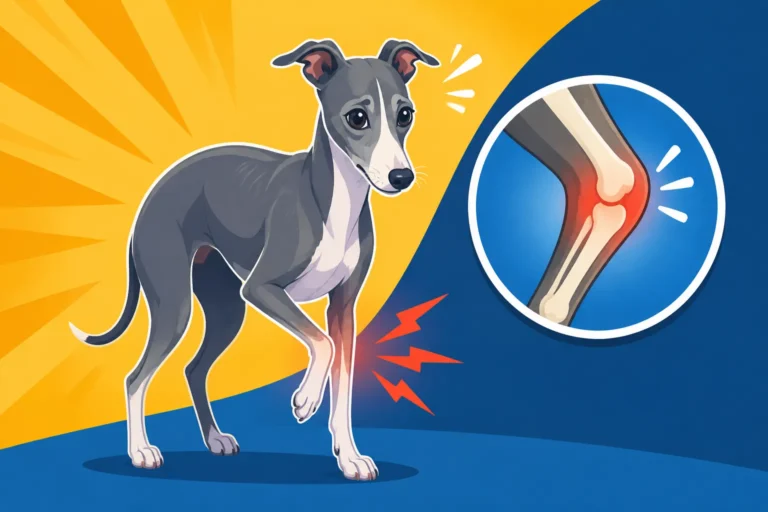
Arthritis and other forms of joint pain are unfortunately common in older dogs, including Italian Greyhounds. While not directly causing cold sensitivity, the pain and stiffness associated with arthritis can certainly make your Iggy feel colder and more miserable. Cold weather or even just a cool room can exacerbate joint discomfort, leading to a vicious cycle where the dog is less inclined to move, and lack of movement reduces natural heat generation.
Imagine having aching joints and then being in a cool room – you'd likely want to curl up and stay still, further reducing your own body heat. This is very much the case for senior Iggies with arthritis. Their reluctance to get up, walk, or play as much as they used to means they are expending less energy, which directly translates to less body heat production. Providing a warm, soft resting place is paramount to help mitigate this discomfort and encourage gentle movement, which can improve circulation and a feeling of warmth.
Thyroid and Other Endocrine Issues
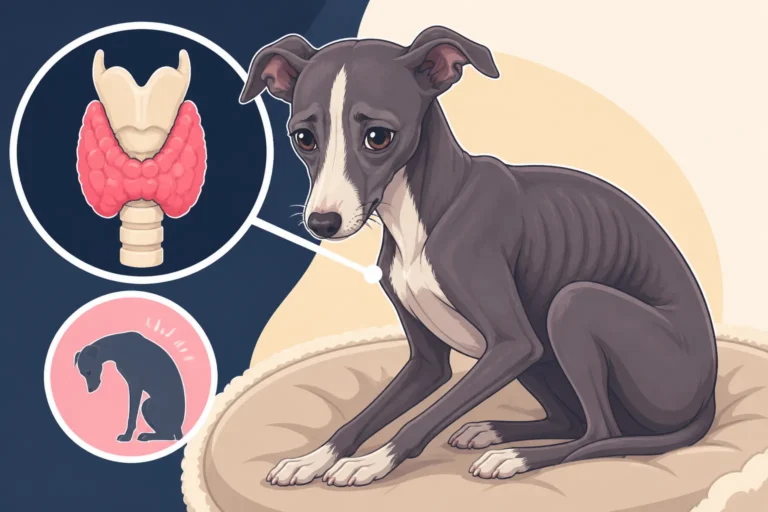
Hormonal imbalances, particularly an underactive thyroid (hypothyroidism), can directly affect an Italian Greyhound's ability to regulate body temperature. The thyroid gland plays a crucial role in metabolism, and when it's not producing enough hormones, the dog's metabolic rate slows down considerably. This reduced metabolism means less body heat is generated, making the dog feel consistently cold, often lethargic, and sometimes even leading to a dull coat or weight gain despite eating normally.
Other endocrine issues, while less common, could also subtly impact overall well-being and thermal comfort. If your senior Iggy is showing increased cold sensitivity along with other symptoms like changes in energy, appetite, or coat quality, a conversation with your vet about blood tests is essential. Diagnosing and treating conditions like hypothyroidism can make a dramatic difference in their comfort levels. Our article, Hypothyroidism in an Italian Greyhound, provides more detailed information on this common issue.
Kidney Disease and Organ Function Decline
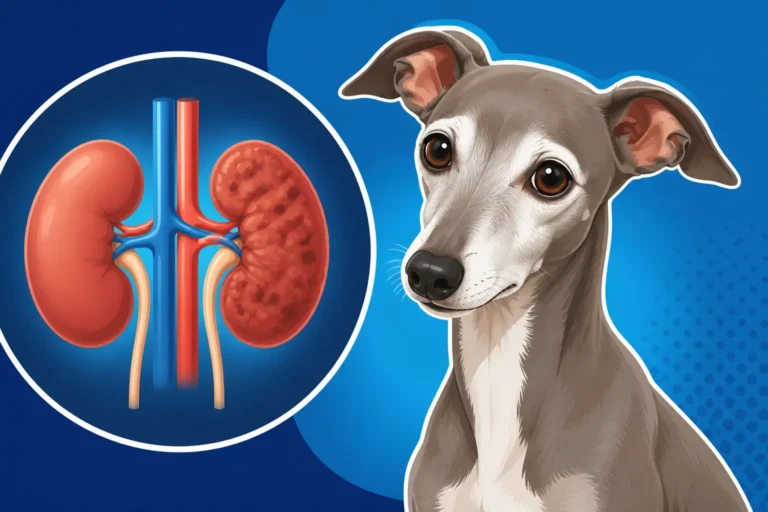
As Italian Greyhounds age, kidney disease is another health concern that can arise. The kidneys are vital organs with a wide range of functions, including filtering waste products from the blood and helping to maintain fluid and electrolyte balance. When kidney function declines, the body's overall health can be compromised, leading to a general feeling of weakness, malaise, and difficulty regulating body temperature.
Dogs with kidney disease might feel colder due to their body struggling to function optimally, and they may also be less active, further reducing heat generation. They might also lose weight and muscle mass, reducing insulation. Monitoring kidney health through regular veterinary check-ups and bloodwork is an important part of senior Italian Greyhound care. You can read more about this in Kidney Disease in an Old Italian Greyhound. Managing the condition, often through dietary changes and medication, can improve their overall comfort, including their ability to stay warm.
Dental Pain and Discomfort
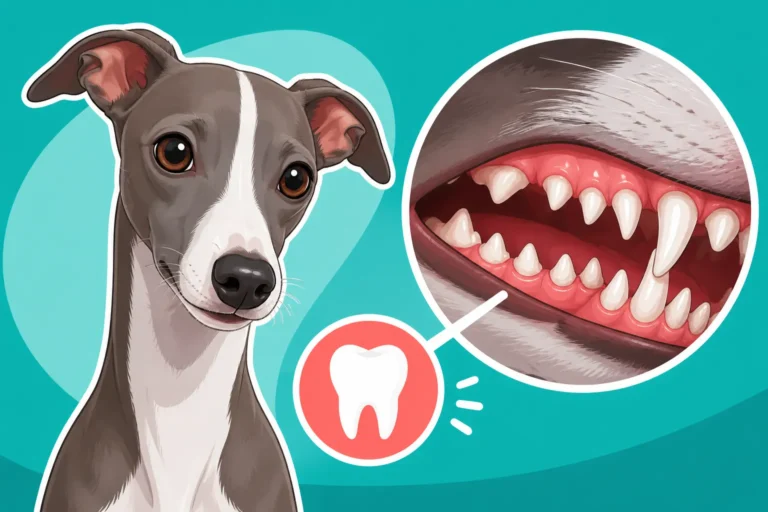
While it might seem disconnected from feeling cold, chronic pain from severe dental disease can make an Italian Greyhound generally more stressed, uncomfortable, and less resilient to environmental stressors. Periodontal disease is incredibly common in Italian Greyhounds, often starting quite young. As they age, if not meticulously managed, it can progress to painful infections, loose teeth, and even jaw bone loss. Our article Periodontal Disease Is the Italian Greyhound's Most Common Diagnosis highlights how prevalent this is.
A dog that is constantly in pain, even low-grade, chronic pain, is a dog whose body is under stress. This stress can impact their overall vitality and their ability to relax and maintain comfort. They might be less inclined to eat well, leading to weight loss and reduced energy reserves. While not a direct cause of coldness, a dog suffering from dental pain is simply less able to cope with any kind of discomfort, including feeling chilly, making them more overtly sensitive to lower temperatures. Addressing dental health is a crucial part of holistic senior care.
Practical Strategies for Keeping Your Senior Italian Greyhound Warm
Once you understand why your senior Italian Greyhound feels the cold more, the next logical step is to explore practical ways to mitigate this discomfort. Providing a consistently warm and cozy environment is not just about spoiling them; it's a critical component of their health and well-being in their later years.
Layer Up: The Importance of Appropriate Clothing
For Italian Greyhounds, clothing isn't a fashion statement; it's a necessity, and even more so for seniors. Invest in a wardrobe of sweaters, fleeces, and coats suitable for various temperatures. Indoors, a lightweight fleece or sweater can make a world of difference, especially if your home fluctuates in temperature or if your Iggy loves to nap in cooler spots. For walks, especially in brisk or cold weather, multiple layers might be required. Think a warm sweater under a thicker, windproof or water-resistant coat. Our article What an Italian Greyhound Wears Indoors in Winter offers specific advice on indoor attire.
Finding clothes that actually fit an Italian Greyhound's unique physique – deep chest, narrow waist, long neck – can be a challenge. Generic pet store clothes often gape or restrict movement. Look for brands that specialize in sighthound apparel or offer custom sizing. The goal is full coverage from neck to tail, without restricting their natural movement. Properly fitting clothing means they are truly insulated and comfortable. For tips on where to find the best fit, check out Where Italian Greyhound Clothing Actually Fits. Regularly check that the clothing is clean and dry, as damp clothes can actually make them colder.
Creating a Cozy Indoor Environment
Your home should be a sanctuary of warmth for your senior Iggy. Beyond keeping your thermostat at a comfortable temperature (which, for an Iggy, might be higher than you'd expect, perhaps even into the 70s Fahrenheit), consider supplemental heat sources. Heated beds are a game-changer for many older Italian Greyhounds. They provide a constant, gentle warmth that penetrates their lean bodies, helping to soothe aching joints and promote deep, comfortable sleep. Always ensure heated beds are designed for pets and have safety features to prevent overheating. We discuss this further in Whether an Italian Greyhound Needs a Heated Bed.
Blankets are also non-negotiable. Italian Greyhounds are champion burrowers, and this instinct intensifies with age as they seek self-generated warmth. Provide multiple soft, plush blankets in all their favorite sleeping spots – on the sofa, in their bed, in their crate. Many Iggies will instinctively tunnel and create their own warm den. Draft stoppers under doors and ensuring windows are well-sealed can also prevent cold air from seeping into their resting areas. For more on their love of blankets, read Why an Italian Greyhound Needs Blankets.
Dietary Adjustments and Hydration
A well-balanced, nutritious diet is foundational for good health at any age, but it becomes even more crucial for senior Italian Greyhounds. Proper nutrition supports a healthy metabolism, which in turn aids in body heat production. Discuss with your vet if any dietary adjustments are needed. Some very thin seniors might benefit from a slightly more calorie-dense food, or one that is easier to digest if they have gastrointestinal sensitivities.
If your senior Iggy has dental issues, they might struggle with hard kibble. Switching to softer food or adding warm water to their kibble can make mealtime more comfortable and ensure they get adequate nutrition. Staying hydrated is also vital for overall cellular function and metabolic health. Always ensure fresh water is available. Sometimes, adding a little low-sodium broth to their water bowl can encourage them to drink more. For specific advice on feeding an older Iggy, our article Softer Food for an Old Italian Greyhound offers valuable insights. Regular feeding, especially multiple smaller meals, can also help maintain a steady metabolic rate throughout the day.
Regular Vet Check-ups and Monitoring
Consistent veterinary care is paramount for managing the health of your senior Italian Greyhound and addressing any conditions that might contribute to cold sensitivity. Regular senior wellness exams, usually twice a year, allow your vet to catch subtle changes early. This is when bloodwork can reveal issues like an underactive thyroid or declining kidney function before they become advanced. Early diagnosis and intervention can significantly improve your Iggy's comfort and quality of life. Our guide Caring for an Italian Greyhound Past Eleven emphasizes the importance of proactive senior care.
During these visits, discuss your observations about their cold sensitivity. Your vet can assess their body condition, listen for heart murmurs (which can impact circulation, as discussed in The Heart Murmur an Old Italian Greyhound Develops), and check their joints for arthritis. They can also advise on appropriate dietary supplements or medications if needed. Having a reliable pet insurance plan, such as Healthy Paws, can provide immense peace of mind, knowing that you're supported in managing these important, and sometimes costly, diagnostic tests and treatments for your aging companion. It helps ensure you can always make health decisions based on what's best for your Iggy, not just your wallet.
Recognizing the Signs of Being Too Cold and When to Act
Even with the most diligent care, there might be times when your senior Italian Greyhound gets too cold. Knowing the signs, both subtle and severe, is crucial so you can intervene promptly and prevent serious health complications like hypothermia. Early recognition allows for quick adjustments, ensuring your Iggy remains safe and comfortable.
Behavioral Cues to Watch For
Your Italian Greyhound is a master of communication, even if it's non-verbal. When they are feeling too cold, they will often exhibit a range of behavioral cues. The most obvious is shivering, which can happen even indoors or when dressed in a sweater. This isn't always just nervousness; it's a physiological response to generate heat. You might also notice them hunching their body, tucking their tail tightly, or pulling their paws up close to their chest to minimize heat loss. They may seek out small, enclosed spaces, like under furniture or buried deep in blankets, creating their own little warm den.
Another common sign is reluctance to move or go outside. If your Iggy usually loves their potty breaks but suddenly hesitates or rushes back inside, the cold might be the culprit. They might become restless, unable to settle in a spot, constantly shifting to find a warmer position, or excessively burrowing. Their ears or paws might feel noticeably cool to the touch. Pay attention to these subtle signals; they are your Iggy's way of telling you they're uncomfortable and need more warmth.
Physical Indicators of Hypothermia
While behavioral cues indicate discomfort, severe physical indicators signal a more serious situation: hypothermia. This is a medical emergency that occurs when a dog's body temperature drops dangerously low. Signs of mild hypothermia include continuous shivering, lethargy, and cold extremities. As hypothermia progresses, these symptoms worsen. Your Iggy might become extremely weak, stumble, or have difficulty walking. Their gums may appear pale or bluish, indicating poor circulation and oxygenation.
In severe cases, you might observe shallow breathing, a slow heart rate, muscle stiffness, and even unresponsiveness. Their body will feel profoundly cold to the touch, not just their ears or paws. If you suspect your Italian Greyhound is experiencing hypothermia, it's vital to act quickly. This is not a situation where you can wait and see; immediate action and veterinary attention are required.
Emergency Measures and Veterinary Consultation
If you suspect your senior Italian Greyhound is too cold or, worse, experiencing hypothermia, your immediate priority is to gently and gradually warm them. Wrap them in warm (but not hot) blankets or towels, which you can warm in a dryer for a few minutes. You can also use your own body heat by holding them close. Avoid sudden, intense heat sources like heating pads on high settings or very hot water bottles, as this can cause burns or shock. Offer warm (not hot) water to drink.
As you are initiating these warming measures, contact your veterinarian immediately. Describe their symptoms and your actions. They will advise you on whether to bring your Iggy in for emergency care. Your vet may need to provide intravenous fluids, supplemental heat, and other supportive care to safely raise their body temperature. This is where having a comprehensive pet insurance policy like Healthy Paws can be incredibly helpful, as emergency veterinary visits and intensive care can accumulate significant costs. Prompt communication with your vet and a well-prepared emergency plan can literally be a lifesaver for your cold-sensitive senior Italian Greyhound.
Disclaimer
This article is for general informational purposes only and does not constitute professional advice. Laws, prices and regulations vary by location and change over time. Consult a qualified professional for guidance on your specific situation.