How an Italian Greyhound Hides Pain
As Italian Greyhound owners, we often find ourselves marveling at their delicate beauty and sometimes, their seeming invincibility. Yet, beneath that sleek coat and graceful stride, our Iggies are masters of disguise, especially when it comes to pain. It's an unsettling truth that many Italian Greyhounds will suffer in silence, their natural instincts driving them to conceal discomfort, leaving us scratching our heads and wondering if something is truly wrong. This guide aims to pull back the curtain on this secretive behavior, helping you understand how an Italian Greyhound hides pain so you can spot the subtle clues and provide the care your beloved companion needs.
The Instinctive Nature of Hiding Discomfort
It can be incredibly frustrating to know your dog isn't themselves, but you can't quite put your finger on why. For Italian Greyhounds, this mystery is often compounded by their inherent drive to mask any sign of weakness. It's not that they don't trust you; it's a deeply ingrained survival mechanism.
The Prey Animal Mindset: Why They Don't Show Weakness
Think back to their ancestors, and indeed, to wild canids in general. In the wild, showing weakness, pain, or injury is an open invitation for predators to target you. It also signals to rivals within their own pack that they might be an easy target for dominance. While our Iggies are far removed from the harsh realities of the wild, these ancient instincts are still hardwired into their DNA. They might be cuddled up on your sofa, but a part of them still operates on this primal programming.
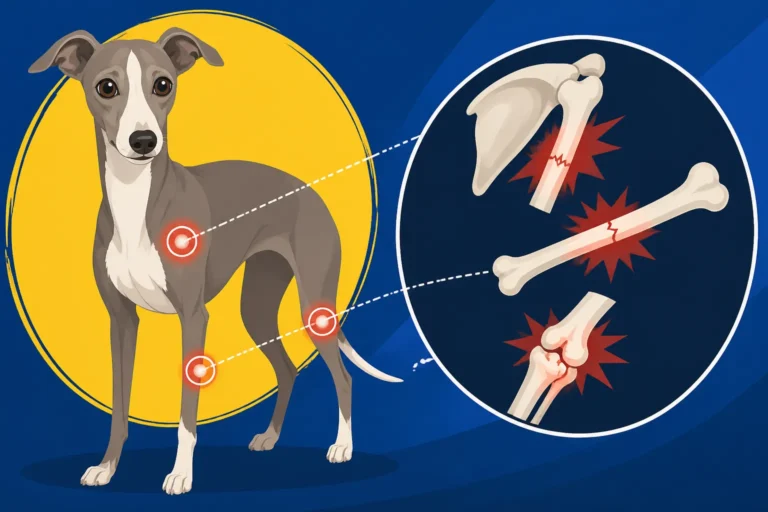
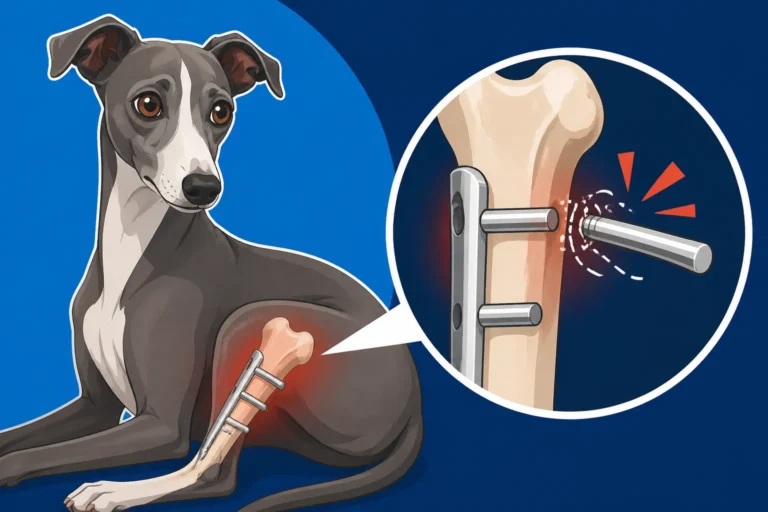
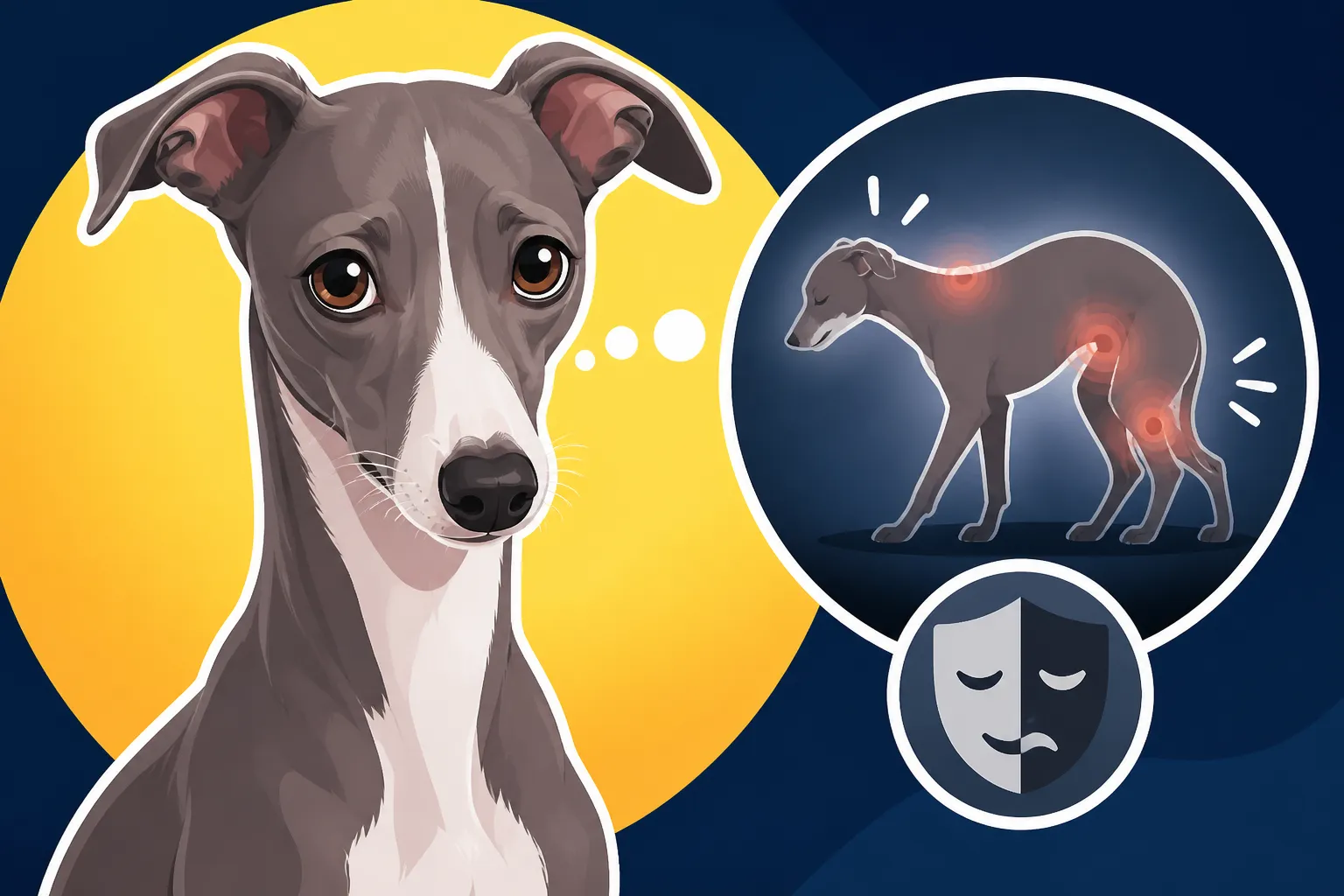
This means that a slight limp might be suppressed, a painful movement might be avoided with incredible subtlety, or a general malaise might simply manifest as "being a bit quiet." They don't want to draw attention to themselves if they're hurting, a trait that makes them remarkably stoic but also incredibly challenging to diagnose when they're truly unwell. It’s why you might hear stories of Italian Greyhounds with quite significant injuries, like a broken leg, still attempting to put weight on it or even run a few steps. It defies logic to us, but it’s pure instinct for them.
The Italian Greyhound's Stoic Demeanor
Beyond the prey animal instinct, Italian Greyhounds possess a certain elegance and composure that can itself be a mask. They are known for their refined, almost regal bearing. This natural grace can often make it difficult to discern subtle changes in their posture or movement that might indicate pain. They tend to carry themselves with an air of "I'm perfectly fine," even when they're not.
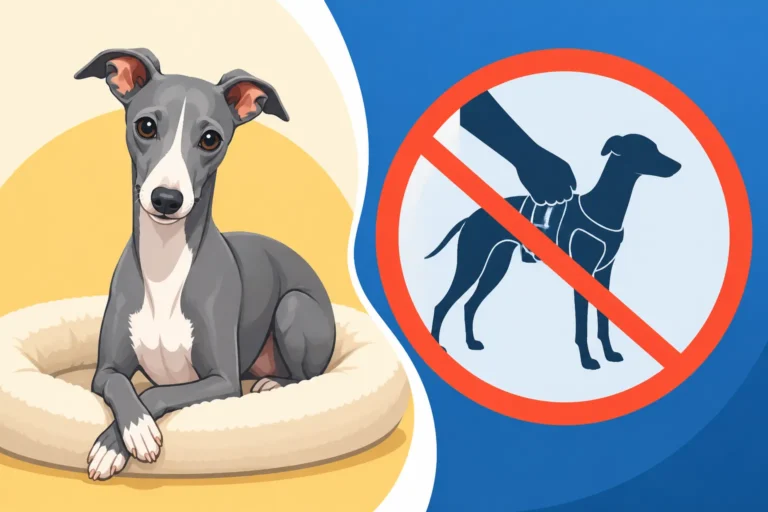
This stoicism extends to their interactions. A less robust breed might whimper, retreat, or overtly avoid touch when in pain. An Italian Greyhound, however, might simply stiffen slightly, give a quick glance, or subtly shift their weight, barely registering as a red flag to the untrained eye. It takes a keen observer, someone truly familiar with their specific dog's quirks and baseline behavior, to pick up on these nuanced signals. They are, in many ways, performers, wanting to assure you (and themselves) that everything is okay, even when it’s far from it.
Subtle Physical Cues: What to Look For Beyond Limping
When we think of a dog in pain, the first thing that often comes to mind is a noticeable limp. But for an Italian Greyhound, especially with chronic or internal pain, the signs are often far more understated. You need to become a detective of the tiny details.
Changes in Movement and Posture
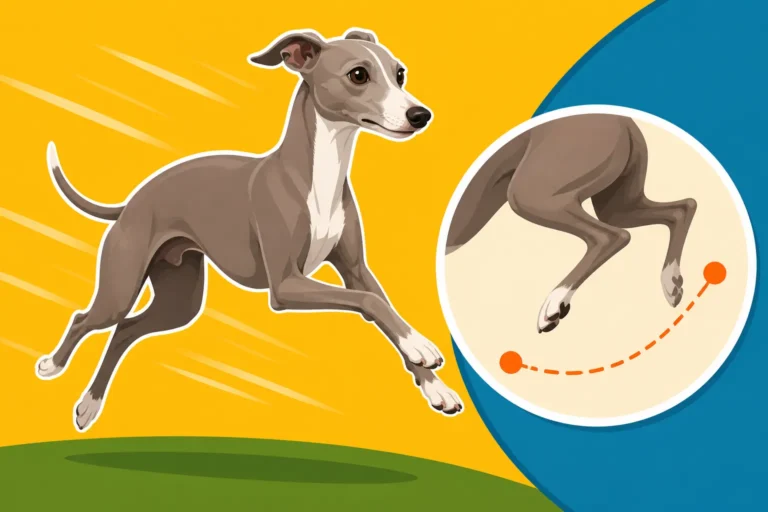
A limp is a clear sign, yes, but often it’s the changes in movement that are more telling for an Iggy. Watch how your dog transitions from lying down to standing. Do they hesitate? Are they stiff, particularly in the morning or after a nap? A dog with joint pain, even mild arthritis or an early case of Patellar Luxation in an Italian Greyhound, might appear a bit wobbly or reluctant to extend a limb fully. They might take shorter steps or refuse to use the stairs, even if they used to bound up them.
Observe their posture when standing or walking. Is their back slightly hunched? Are they carrying their tail differently? Perhaps lower than usual, or tucked more tightly? A subtle shiver, even when the house isn't particularly cold, can also be a sign of discomfort, indicating that an Italian Greyhound starts shivering from pain rather than just temperature. They might be less enthusiastic about their zoomies, or if they do run, they might do it with a more rigid body, avoiding the fluid, effortless turns they usually make. Remember how easily Why an Italian Greyhound's Leg Bones Break So Easily, and even minor changes in movement could signal a brewing problem.
Grooming and Eating Habits
Another area where pain often subtly manifests is in daily habits like grooming and eating. An Italian Greyhound with discomfort might reduce their self-grooming. If licking or twisting to reach a spot causes pain, they simply won't do it as often, leading to a duller coat or matted areas in harder-to-reach places. Conversely, excessive licking of a specific area could indicate localized pain, such as a sore joint or a skin irritation.
Changes in appetite are also a big one. A sudden disinterest in food, or even a noticeable decrease in the amount an Italian Greyhound eats in a month, can be a major red flag. If they are usually enthusiastic eaters and suddenly pick at their food, or only eat very slowly, it could be due to abdominal pain, nausea, or even dental pain. For a breed prone to dental issues like Periodontal Disease Is the Italian Greyhound's Most Common Diagnosis and What an Italian Greyhound's Teeth Crowd, discomfort in their mouth can make eating a chore. They might drop food, chew on only one side, or show sensitivity when you touch their muzzle. What Bad Breath Means in an Italian Greyhound isn't just a nuisance; it's a huge indicator of oral health problems that cause pain.
Sleep Patterns and Resting Positions
We all know our Iggies love to burrow under blankets and nap for what seems like an eternity. But how they sleep and where can be indicative of underlying pain. Are they usually curled up in a tight ball, but now they're stretching out more to avoid pressure on a specific joint? Or perhaps they're usually sprawled, but now they're trying to curl up to protect their abdomen.
Restless sleep, frequent repositioning, or waking up abruptly could all be signs of discomfort. They might also seek out unusual sleeping spots, perhaps somewhere cooler for inflammation, or somewhere softer to alleviate pressure points. Some dogs, when in pain, will try to isolate themselves, choosing to sleep away from the family in a quiet corner rather than their usual spot on the sofa next to you. This subtle shift in their preferred resting place or their inability to get comfortable in their favorite snuggle sack can be a quiet cry for help.
Behavioral Shifts: More Than Just Being "Grumpy"
Beyond the physical, pain can deeply impact an Italian Greyhound's personality and typical behaviors. These changes might be mistaken for stubbornness or just a bad mood, but they are often signs that your dog is trying to cope with an internal struggle.
Changes in Interaction and Temperament
One of the most heart-wrenching signs of pain is a change in your Iggy's usually affectionate temperament. A dog that typically greets you with boundless enthusiasm might now offer a more subdued welcome, or even avoid eye contact. They might be less inclined to play their favorite games, refusing to chase a toy or engage in a gentle tug-of-war. For a breed known for its "Velcro" nature, a sudden withdrawal or increased desire for solitude is a significant indicator.
You might notice an increase in irritability or a shorter fuse. A dog that rarely growls or snaps might do so if you accidentally touch a painful area. They might be less tolerant of other pets or children, showing uncharacteristic aggression or avoidance. It's crucial to remember that this isn't "bad" behavior; it's a desperate attempt to communicate that they are hurting and need space or relief. A once playful puppy who loves wrestling with another Italian Greyhound might suddenly shy away, hinting at discomfort.
Vocalizations and Subtle Sounds
While Italian Greyhounds are not known for being overly vocal, pay attention to any changes in the sounds they make. An increase in sighing, particularly when lying down or shifting position, can be a sign of discomfort. Low whimpers, groans, or soft moans, especially when getting up or stretching, are clear indicators of pain.
Conversely, a sudden decrease in vocalization can also be a red flag. A dog that used to bark excitedly at the mailman or 'talk' to you might become eerily quiet, conserving energy or simply too uncomfortable to engage. Some dogs will also lick their lips excessively, yawn frequently (not out of tiredness), or pant more than usual, even when not hot or exercised. These are subtle stress signals that often accompany pain, indicating internal distress rather than outward suffering.
Housetraining Regressions
This is one of the most frustrating, and often misunderstood, signs of pain. If your perfectly Housetraining an Italian Greyhound Is the Hardest Part of Owning One suddenly starts having accidents indoors, it's easy to assume defiance or a lapse in training. However, consider if pain might be the culprit. A dog with joint pain, back pain, or even something as simple as a urinary tract infection might find it difficult or painful to hold their bladder or bowels long enough to get outside.
They might be reluctant to go down stairs to reach the yard, or the effort of squatting to relieve themselves might be too uncomfortable. For older Italian Greyhounds, especially, age-related pain can lead to these regressions. Rather than scolding, which can make a sensitive Iggy hide their accidents even more, approach these incidents with concern for their physical well-being. It's often their body, not their will, that is failing them in these moments.
What to Do When You Suspect Pain
Identifying that your Italian Greyhound is hiding pain is the first, crucial step. The next is taking action. This means careful observation, communication with your vet, and being prepared for potential costs.
The Importance of a Sighthound-Savvy Vet
Once you notice any of these subtle signs, the most important step is to schedule a visit with your veterinarian. It is incredibly important to find a vet who is experienced with sighthound breeds like Italian Greyhounds. Their unique physiology, including their lean body mass, thin skin, and sensitivity to certain medications and anesthesia, means they require a vet who understands these nuances. When discussing potential issues, be sure to ask if your vet has experience with the specific delicate bones that are prone to fracture, or common dental issues that Italian Greyhounds face.
Your vet will conduct a thorough physical examination, looking for pain responses, assessing range of motion, and checking for any abnormalities. Don't be surprised if they recommend diagnostic tests like X-rays, blood work, or even an ultrasound to pinpoint the source of the discomfort. It's vital not to delay this step, as early diagnosis often leads to more effective and less invasive treatment options.
Home Observation and Documentation
Before and after your vet visit, your detailed observations are invaluable. Start keeping a "pain journal" for your Italian Greyhound. Note down specific behaviors, the time of day they occur, how long they last, and what, if anything, seems to make them better or worse. Did they hesitate before jumping off the sofa? Did they cry out when you touched their back? Did they refuse their dinner for two nights? These details, even if seemingly small, provide your vet with a comprehensive picture that a quick exam might miss.
Consider taking short video clips of your Iggy's subtle behaviors at home. For instance, if they're limping slightly but "perk up" at the vet's office (a common Iggy trick!), a video showing their true discomfort can be incredibly helpful. Documenting things like their gait, how they get up and down, or their interaction levels can be more revealing than words alone. This is particularly useful for intermittent issues, like a sporadic lameness or the signs an Italian Greyhound's kneecap slips.
Considering Pet Insurance
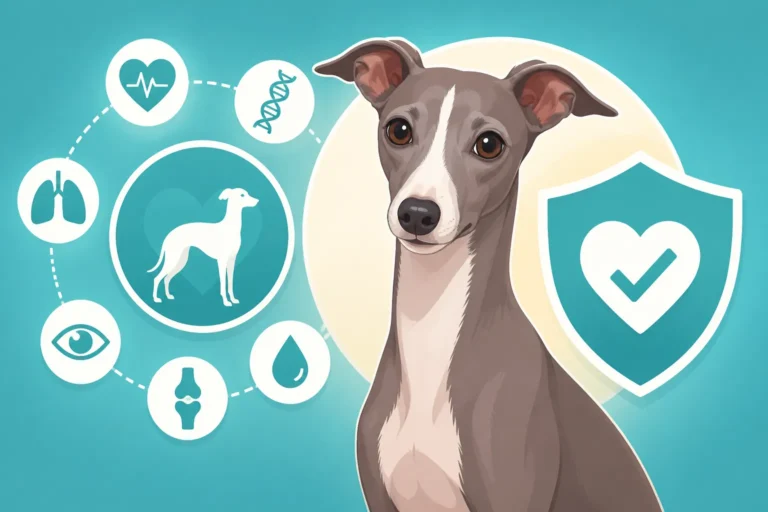
The unfortunate reality is that diagnosing and treating pain in an Italian Greyhound can sometimes lead to significant veterinary bills. From X-rays and specialized consultations to potential surgeries or long-term medication, these costs can add up quickly. This is where having a reliable pet insurance plan, like those offered by Healthy Paws, can provide immense peace of mind.
Pet insurance can help cover a large percentage of unexpected veterinary expenses, allowing you to make medical decisions based on what's best for your Iggy, rather than solely on your budget. Plans often cover accidents, illnesses, surgeries, and even some diagnostic tests. While you should always check the specifics of any policy, knowing you have support for those unforeseen moments, like if your Italian Greyhound were to break a leg, can be a huge relief. Healthy Paws, for example, is often chosen by owners looking for comprehensive coverage for their beloved companions. It's a proactive step that can save you a lot of financial stress in the long run and ensure your Italian Greyhound gets prompt care when they need it most.
Common Hidden Pain Signs in Italian Greyhounds
To help you keep track, here's a summary of some subtle signs of pain in your Italian Greyhound:
| Category | Subtle Pain Signs to Watch For |
|---|---|
| Movement & Posture | Hesitation to jump, stiff gait, reluctance to climb stairs, hunched back, tail tucked. |
| Daily Habits | Reduced grooming, excessive licking of a specific area, decreased appetite, difficulty chewing. |
| Sleep Patterns | Restless sleep, frequent repositioning, seeking isolation, unusual sleeping positions. |
| Interaction | Subdued greetings, decreased playfulness, irritability, avoiding touch. |
| Vocalizations | Increased sighing, low whimpers, soft groans, excessive panting, sudden quietness. |
| Housetraining | Accidents indoors, difficulty holding bladder/bowels, reluctance to go outside. |
Remember, your Italian Greyhound relies on you to be their advocate. By understanding their inherent tendency to hide pain and learning to recognize these subtle signs, you can ensure they receive timely and appropriate care. It’s a journey of attentive observation and deep empathy, but one that strengthens the bond you share with your special companion.
Disclaimer
This article is for general informational purposes only and does not constitute professional advice. Laws, prices and regulations vary by location and change over time. Consult a qualified professional for guidance on your specific situation.