Why Show Bred Italian Greyhounds Cost More
It’s a common moment for anyone beginning the search for an Italian Greyhound puppy: you start looking at prices, and some figures jump out, making your jaw drop just a little. When you see a price tag attached to a "show-bred" Italian Greyhound, it can be truly eye-opening, and you might wonder what on earth could make one puppy cost so much more than another. This guide is here to demystify those costs, explaining the extensive investment and dedication that goes into breeding Italian Greyhounds intended for the show ring, and why that higher price tag often reflects unparalleled quality, health, and ethical practices.
Understanding the Foundation: What "Show Bred" Truly Means
When we talk about an Italian Greyhound being "show bred," it's not just a fancy label. It signifies a profound commitment to the breed's historical standard, genetic health, and future well-being. This isn't about vanity; it's about preserving the essence of what makes an Italian Greyhound, well, an Italian Greyhound, and ensuring that future generations are sound in both body and temperament.
More Than Just a Pretty Face: The Pursuit of the Breed Standard
The term "show quality" refers to how closely a dog conforms to its breed standard, a detailed written description of the ideal specimen. For Italian Greyhounds, this standard covers everything from their elegant, delicate build and high-stepping gait to their specific head shape, ear carriage, and temperament. Breeders aiming for the show ring aren't just looking for "cute"; they are meticulously striving for excellence in every physical and behavioral characteristic.
Achieving this ideal is incredibly difficult. It requires an encyclopedic knowledge of genetics, a deep understanding of the breed's history, and an artistic eye for conformation. Breeders spend years studying pedigrees, attending dog shows, and evaluating their breeding stock against the most stringent criteria. This isn't a casual endeavor; it's a passionate pursuit of perfection, with every breeding decision carefully considered to produce puppies that embody the best traits of the breed. It's a journey that demands patience, expertise, and often, significant financial outlay to travel, show dogs, and learn from experienced mentors.
The Lineage Factor: Pedigrees and Provenance
A significant part of a show-bred Italian Greyhound's value comes from its pedigree—its family tree. These aren't just names on a piece of paper; they represent generations of carefully selected dogs, many of whom have achieved championship titles themselves. These titles aren't just ribbons; they are objective third-party validations from expert judges that a particular dog is an outstanding example of the breed.
When you invest in a show-bred puppy, you are buying into a proven line. This provenance means that the breeder has a track record of producing healthy, type-correct, and stable-tempered dogs. It means they've invested in top-quality breeding stock, often importing dogs from other countries or traveling extensively to find the perfect match. This commitment to maintaining and improving the breed's genetic heritage is a core reason for the higher price point. It reflects years of careful selection, significant travel, and the often considerable cost of acquiring superior breeding animals.
The Significant Investment in Health and Genetics
Perhaps the most critical difference between a show-bred Italian Greyhound and one from a less reputable source lies in the unparalleled commitment to health testing and genetic soundness. This is where a huge portion of that higher price tag originates, but it's also where you, as an owner, receive immense value and peace of mind.
Extensive Health Screening: Beyond the Basics
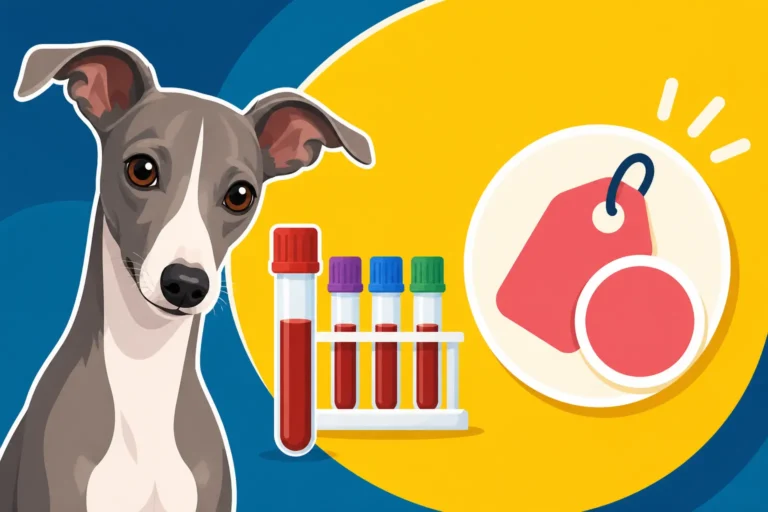
Responsible show breeders don't just hope their dogs are healthy; they prove it through extensive health screening. For Italian Greyhounds, this goes far beyond a basic vet check-up. Breeders will have both parents screened for a range of genetic conditions common to the breed. This includes thorough eye examinations by a board-certified veterinary ophthalmologist to screen for conditions like Progressive Retinal Atrophy in an Italian Greyhound, patellar luxation checks, cardiac evaluations, and sometimes even thyroid testing to catch issues like Hypothyroidism in an Italian Greyhound. They also test for Legg Calve Perthes, a condition that can cause hip pain and lameness in young dogs.
These tests are not cheap, and they are performed on each breeding dog, often annually for some conditions. The cost of these specialized veterinary consultations, radiographs, and DNA tests adds up quickly. But this upfront investment is designed to minimize the risk of passing on debilitating and expensive health problems to puppies. When a breeder can show you documentation of these clear health clearances for both parents, they're essentially offering you a significant insurance policy against future heartache and potentially massive veterinary bills. If you want to dive deeper into these screenings, consider learning What an Italian Greyhound Breeder Should Have Tested.
The Science of Sound Breeding: Avoiding Genetic Pitfalls
Beyond individual health checks, show breeders practice what is often called "the science of sound breeding." This involves not just screening for clear parents, but also understanding the genetic background of their lines to avoid potential genetic pitfalls. For instance, they know which Italian Greyhound colors carry the alopecia risk and will make careful breeding choices to avoid producing puppies with issues like Color Dilution Alopecia in a Blue Italian Greyhound, a condition that can lead to thinning hair and skin problems.
This scientific approach means a breeder may choose to retire a champion dog from their breeding program if, despite being clear themselves, they consistently produce offspring with a particular genetic issue. This level of integrity costs money – replacing a proven sire or dam is a huge financial decision – but it’s paramount for protecting the health of the breed. They might even opt for DNA testing for certain conditions even if not currently widely prevalent in their lines, simply to be proactive. This commitment to genetic health, often guided by experienced mentors and veterinary geneticists, is a hallmark of a truly dedicated show breeder and is reflected in the price of their puppies.
Raising a Show-Quality Litter: Time, Effort, and Resources
The journey of a show-bred Italian Greyhound puppy begins long before it is born and continues with intensive, dedicated care after birth. This isn't a hands-off process; it involves immense personal time, specialized resources, and continuous evaluation, all of which contribute to the final price tag.
Optimal Prenatal and Postnatal Care for Mother and Pups
A responsible show breeder's care begins even before conception. The mother, or dam, receives top-tier prenatal care, including veterinary check-ups, specialized nutrition to support healthy pregnancies, and supplements to ensure she's in peak condition. Once the puppies are on the way, the breeder prepares a dedicated whelping area – a safe, clean, and temperature-controlled space where the mother can comfortably give birth and raise her litter.
After the puppies arrive, the work intensifies. Italian Greyhounds are a delicate breed, and their puppies require constant, vigilant care, especially in the first few weeks. This means round-the-clock monitoring, ensuring each puppy is nursing properly, hand-feeding if necessary, and meticulously tracking their weight and development. The breeder is often sleep-deprived for weeks, acting as a full-time nurse, making sure every single pup gets the best start in life. Regular vet checks for the entire litter, initial vaccinations, and deworming are also crucial, adding to the expense. Many breeders even invest in high-quality puppy food, sometimes trying brands like Ollie, known for its fresh, human-grade ingredients, to give the growing pups the best nutritional foundation.
Early Socialization and Development
Beyond physical care, show breeders understand that a puppy's early experiences are vital for its future temperament and ability to thrive. This is particularly true for show dogs, who need to be confident and calm in new environments, around strangers, and during handling. Show-bred Italian Greyhounds are typically raised in a home environment, not in kennels, ensuring they are exposed to the sights, sounds, and smells of a typical household from day one.
Breeders implement structured socialization programs, gently exposing puppies to different textures, sounds, people, and even other well-behaved dogs. They are handled daily, accustomed to nail trims (a crucial early lesson), and introduced to crates in a positive way. This extensive, intentional early socialization helps to build a confident, resilient, and well-adjusted puppy, reducing the likelihood of fear-based aggression or extreme shyness later in life. This intensive effort during critical developmental windows is incredibly time-consuming but invaluable for producing a well-rounded companion, whether they end up in the show ring or on your sofa.
First-Year Care and Evaluation
The commitment to a show-bred Italian Greyhound extends beyond the initial eight to twelve weeks. During their first year, these puppies are continually evaluated against the breed standard. This means regular check-ins with the breeder, possibly attending puppy matches or informal gatherings to get feedback on their development, and continued emphasis on proper nutrition and care. The breeder guides the new owner on things like appropriate exercise, ongoing socialization, and continuing The Vaccination Schedule an Italian Greyhound Puppy Needs to ensure proper immunity.
For a puppy truly destined for the show ring, this first year is critical for structural development and refining their temperament. The breeder will often work closely with the owner, offering advice on training, diet, and even suggesting experienced handlers if the owner plans to show the dog themselves. This ongoing support and dedication to nurturing the puppy's full potential, even after it has left their home, is a significant part of the value proposition of a show-bred Italian Greyhound. It's a long-term partnership aimed at ensuring the dog flourishes.
The Breeder's Dedication and Ongoing Support
The relationship with a show breeder doesn't end when you take your puppy home; it often marks the beginning of a lifelong mentorship. This ongoing commitment to their puppies and the breed as a whole is a core component of why show-bred Italian Greyhounds command a higher price. You're not just buying a dog; you're gaining a dedicated resource and a passionate advocate.
The Mentor and Resource Role
A reputable show breeder acts as a mentor and a primary resource for the entire lifespan of your Italian Greyhound. They are your first call for any questions or concerns, whether it's about diet, training quirks, or a sudden change in behavior. They've seen it all, and their experience is invaluable. This is especially true for Italian Greyhounds, who can be delicate and require specialized care (remember Why an Italian Greyhound Lives Fourteen to Fifteen Years, their long life means a long relationship with your breeder). Need advice on how to housetrain an Italian Greyhound? Your breeder will likely have a wealth of knowledge specific to the breed's unique challenges.
This level of support provides incredible peace of mind. Instead of sifting through countless online articles or getting conflicting advice from various sources, you have a direct line to someone who knows your dog's lineage, temperament, and health history better than anyone else. This ongoing mentorship is an intangible but incredibly valuable asset, and it's something you simply won't find from a casual or commercial breeder.
Ethical Practices and Limited Litters
Show breeders operate with a strong ethical compass, which directly impacts the number of litters they produce and, consequently, the price of their puppies. Unlike "backyard breeders" or puppy mills that prioritize quantity and profit, show breeders typically breed sparingly, only when they believe a pairing will genuinely improve the breed. They do not view their dogs as commodities; each breeding is a carefully considered decision, sometimes years in the making.
This means they have fewer puppies available, and often, a waiting list. They are highly selective about prospective owners, ensuring each puppy goes to a responsible, loving home. Their contracts often include clauses about spaying/neutering companion puppies, returning the dog to them if you can no longer care for it, and stipulations about not breeding the dog without their consent. These practices protect the breed, prevent unwanted litters, and ensure the well-being of their dogs, all of which reflect significant effort and cost on the breeder's part. They prioritize finding the absolute best fit, not just making a sale.
Investing in the Breed's Future
The dedication of show breeders extends beyond their own dogs and litters. They are often deeply involved in the larger Italian Greyhound community, contributing to breed clubs, health initiatives, and rescue efforts. They invest time and money into attending dog shows, which are not just competitions but also opportunities for breeders to evaluate dogs, network with other enthusiasts, and stay abreast of health advancements and breeding practices.
Many show breeders contribute to health databases, participate in research, and advocate for responsible dog ownership. They are the custodians of the breed, working tirelessly to preserve its unique characteristics and health for future generations. This selfless commitment to the breed's long-term welfare, rather than short-term gain, is a defining characteristic of a show breeder and contributes to the perceived "value" that is encapsulated in the higher price of their puppies.
Comparing Costs: Show vs. Companion vs. Rescue
It's easy to get fixated on the initial sticker price, but understanding the differences in cost and value between a show-bred Italian Greyhound, a "pet quality" one, and a rescue dog involves looking at a much bigger picture that extends over the dog's entire life.
The Price of Assurance vs. Unknowns
When you purchase a show-bred Italian Greyhound, you're primarily paying for assurance. This includes the assurance of extensive health testing on the parents, a meticulously planned lineage, early socialization, and ongoing breeder support. This significantly reduces the likelihood of encountering costly genetic health issues like Legg Calve Perthes Turns Up in an Italian Greyhound at Six Months or a fragile temperament that requires intensive, expensive training. While no living creature comes with a guarantee, the upfront investment minimizes many of the highest-risk factors.
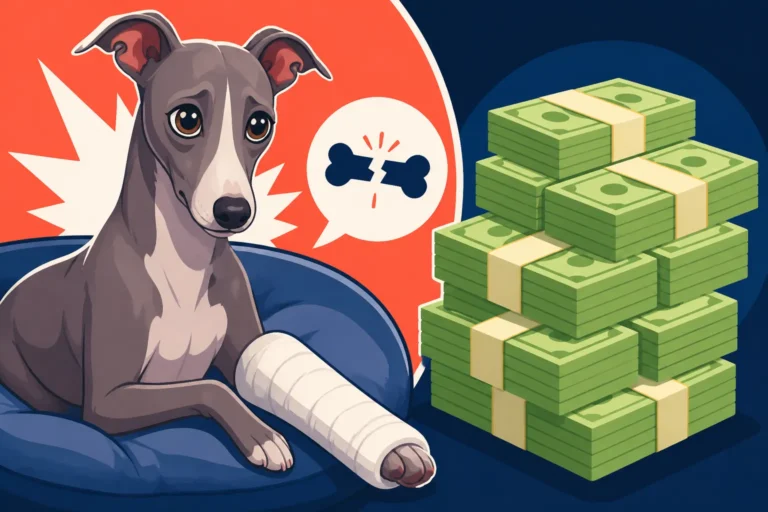
In contrast, a "pet quality" puppy from a less reputable source might have a lower initial price, but it often comes with many unknowns. There might be no health clearances for the parents, a murky pedigree, or a lack of proper early care. This can lead to unforeseen and substantial veterinary bills down the line for issues such as A Broken Leg Is the Emergency Every Italian Greyhound Owner Fears or Periodontal Disease Is the Italian Greyhound's Most Common Diagnosis. Many owners find that the "cheap" puppy ends up being far more expensive in the long run. This is where pet insurance, like a plan from Healthy Paws, can become a lifeline, but even insurance has waiting periods and may not cover pre-existing conditions if you discover a problem too late.
What a Lower Price Often Hides
A significantly lower price for an Italian Greyhound puppy is almost always a red flag. It often signals that corners have been cut in critical areas. This could mean:
- No health testing: The parents haven't been screened for genetic diseases, leaving you vulnerable to expensive and heartbreaking health problems.
- Poor nutrition and care for the mother: A malnourished or neglected dam cannot produce healthy, robust puppies.
- Lack of early socialization: Puppies raised in isolation or without proper handling can develop severe behavioral issues, costing thousands in training or veterinary behaviorist fees.
- Questionable living conditions: Puppies raised in unsanitary or overcrowded environments are prone to illness and parasites.
- Puppy mill or commercial breeder: These operations prioritize profit over animal welfare, leading to genetically unsound and poorly socialized dogs.
- Too young to go home: A puppy sent home before eight weeks of age misses crucial developmental time with its mother and littermates, potentially leading to behavioral problems and incomplete The Vaccination Schedule an Italian Greyhound Puppy Needs.
While the desire for a low-cost puppy is understandable, it's crucial to understand that these hidden costs can quickly eclipse any initial savings. A cheaper puppy can quickly become an emotional and financial burden if it develops chronic health problems or severe behavioral issues.
The Value Beyond the Dollar Amount
Ultimately, the value of a show-bred Italian Greyhound extends far beyond its initial purchase price. It’s about the peace of mind that comes from knowing you’ve brought home a puppy bred with integrity, health, and temperament as top priorities. It's about having a dedicated breeder who supports you for the life of your dog, offering guidance and a safety net. This kind of value is immeasurable.
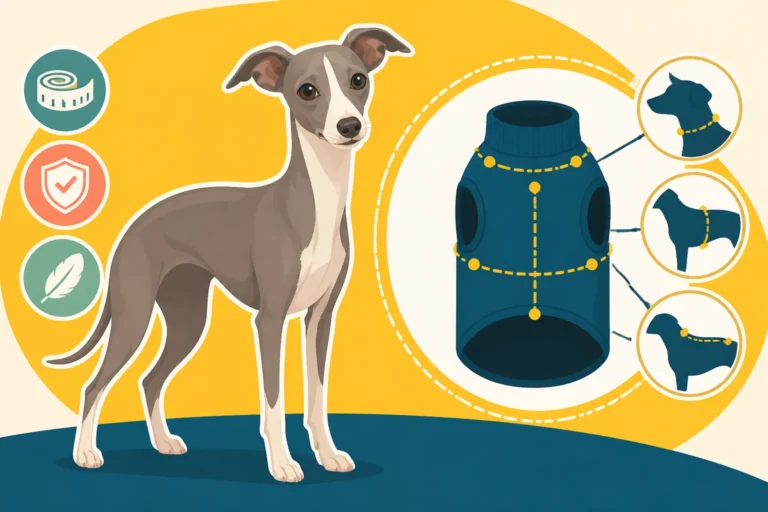
When you invest in a show-bred Italian Greyhound, you're investing in a healthy, well-adjusted companion that is more likely to live a long, happy life with fewer major health or behavioral challenges. You're supporting ethical breeding practices that aim to improve and preserve the breed. While you'll still need to budget for ongoing expenses like quality food (perhaps from a brand like Chewy, which offers a wide selection of premium foods), routine vet care, and perhaps a stylish Italian Greyhound wardrobe, the foundation you receive with a show-bred dog is solid.
Here's a quick comparison of what you might expect from different sources:
| Feature | Show-Bred Puppy (Reputable Breeder) | Pet Quality Puppy (Less Reputable) | Rescue Italian Greyhound |
|---|---|---|---|
| Initial Cost | Highest | Moderate to Low | Adoption Fee (Lowest) |
| Health Testing | Extensive for parents | Often none or minimal | Usually vet checked, treated for current issues |
| Pedigree/Lineage | Documented, champion lines | Often unknown or unverified | Typically unknown |
| Temperament | Predictable, well-socialized | Variable, potential issues | Variable, sometimes requires rehabilitation |
| Breeder Support | Lifelong, comprehensive | Minimal or none | Rescue organization support, but not specific breeder |
| Genetic Health | Lower risk of inherited diseases | Higher risk of inherited diseases | Unknown past, potential for hidden issues |
| Age | Puppy (8-12+ weeks) | Puppy | Puppy to Senior |
Remember, the initial cost is just one piece of the puzzle. Over the 14 to 15 years an Italian Greyhound lives, the long-term health and temperament of your dog will have a far greater impact on your overall financial and emotional well-being. Choosing a show-bred Italian Greyhound is often a wise investment in a lifetime of companionship and joy.
Disclaimer
This article is for general informational purposes only and does not constitute professional advice. Laws, prices and regulations vary by location and change over time. Consult a qualified professional for guidance on your specific situation.