What a Failed Repair Costs an Italian Greyhound Owner
It's an Italian Greyhound owner's worst nightmare: the phone call from the emergency vet, the frantic rush, the agonizing decision to proceed with costly surgery for a broken leg. You breathe a sigh of relief when the surgery is done, hoping the worst is over. But what happens when that repair fails? The emotional devastation is immeasurable, and the financial implications can be even more staggering than the initial procedure. This guide will walk you through the heartbreaking reality and the potential costs when an Italian Greyhound's fracture repair doesn't hold.
The Heartbreaking Reality of a Failed Repair in an Italian Greyhound
When your delicate Italian Greyhound, so full of life and zest, suffers a broken leg, the immediate focus is on getting it fixed. You trust the veterinary team, hold your breath through the surgery, and envision your little one back on all four paws. But sometimes, despite everyone's best efforts, the repair doesn't take. This can feel like a punch to the gut, leaving you wondering what went wrong and what comes next for your beloved companion. The emotional rollercoaster is intense, from hope to despair, and the financial burden often weighs just as heavily.
What Constitutes a "Failed" Repair
A failed repair isn't always a dramatic re-breaking of the bone. It can manifest in several ways, each bringing its own set of challenges. Sometimes, the fracture site simply doesn't heal, meaning the bone fragments refuse to knit together properly. This is known as a non-union. Other times, the bone heals, but in an improper alignment (malunion), leading to chronic lameness or pain. Then there are instances where the surgical implants themselves fail – pins loosening, plates breaking, or screws backing out. Imagine your IG suddenly crying out in pain after what seemed like a smooth recovery period, or you notice a new swelling, or they stop bearing weight again entirely. It's a gut-wrenching experience, a regression that feels unfair after all you've already been through.
Common Reasons for Repair Failure
Several factors can contribute to a fracture repair failing, and it's rarely due to a single, simple cause. For Italian Greyhounds, their incredibly fine, delicate bones and minimal muscle mass around the lower limbs make them particularly susceptible. One major issue is simply the inherent challenge of stabilizing such tiny, slender bones. Unlike larger, more robust breeds, an Italian Greyhound's radius and ulna are notoriously difficult to plate or pin securely. Why an Italian Greyhound's Radius Is the Bone That Breaks highlights this fragility. Post-operative care also plays a huge role; even the most diligent owner might find it nearly impossible to prevent a sudden twist, jump, or misstep that puts too much strain on the healing bone. We try our best to follow all the rules, keeping them crated, limiting activity, but these little dogs are so quick and, let's be honest, sometimes stubborn! Infection at the surgical site, implant rejection, or even underlying nutritional deficiencies can also impede healing, though these are less common with good veterinary practice.
Immediate Signs of Trouble
Recognizing the signs of a failed repair early can be crucial for your Italian Greyhound's well-being, even if it doesn't lessen the sting. After the initial surgery, you're usually told to watch for specific things: excessive swelling, redness, discharge, or any new or worsening pain. If your IG, who was slowly starting to put a little weight on their leg, suddenly refuses to touch the ground again, that's a huge red flag. A new limp, an obvious deformity, or even unusual vocalization when the leg is touched are all reasons to call your veterinary surgeon immediately. Sometimes, you might even hear a faint 'click' or 'pop' if an implant has dislodged. It’s hard not to catastrophize, but it's vital to separate anxiety from clear signs that something is wrong. Trust your gut; you know your dog best. Don't hesitate to reach out to your vet if something just doesn't feel right, even if you can't quite put your finger on it.
The Mounting Financial Burden of a Second Attempt
The initial surgery for an Italian Greyhound's broken leg is already a significant financial undertaking. When that repair fails, you're faced with not only the emotional devastation but also the prospect of another round of expensive diagnostics, surgery, and extended aftercare. It's a cruel twist, essentially doubling or even tripling your costs, and can push even the most prepared owner to their financial limits. What Fracture Repair Costs on an Italian Greyhound is often just the beginning.
Diagnostic Re-evaluation Costs
Before any decision can be made about a second surgery or alternative treatment, your vet needs to fully understand why the first repair failed. This means a new round of diagnostics. You'll likely be looking at repeat X-rays from multiple angles to assess bone healing, implant position, and alignment. Sometimes, more advanced imaging like a CT scan might be recommended to get a clearer, 3D picture of the bone fragments and pinpoint any subtle issues. Blood work might also be needed to check for infection or other systemic issues that could impede healing. Each of these steps comes with its own fee, adding up quickly before a new treatment plan is even devised. These re-evaluation costs alone can be substantial, preparing you for the potentially even larger bill to come.
Surgical Costs for Revision, Re-plating, or External Fixator
If a second surgery is deemed possible and appropriate, the costs can be as much as, or even more than, the original procedure. This is because a revision surgery often involves more complex work. The existing implants need to be removed, which can be a delicate process if they've become embedded or broken. Then, new fixation might be required, perhaps a different type of plate, longer screws, or even an external fixator. Why Pins Loosen in an Italian Greyhound's Bone often necessitates a more robust solution the second time around. The surgeon might need to debride (clean out) any non-viable tissue or bone, and in some cases, a bone graft might be necessary to stimulate new bone growth, adding another layer of complexity and expense. Anesthesia time can be longer, and specialist surgical fees, especially if you need to find a different surgeon who has more experience with these intricate revisions in small breeds, will be a major factor. Finding a Surgeon Who Has Plated an Italian Greyhound is paramount, and often these specialists come with higher rates.
Extended Aftercare and Medication
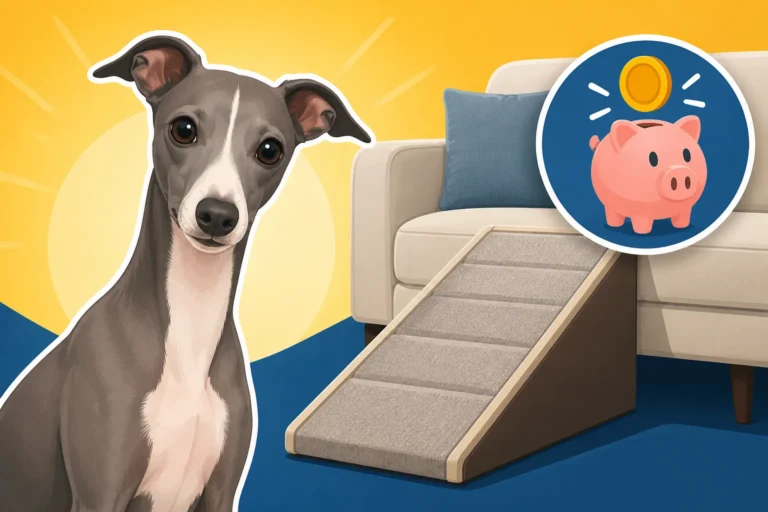
The post-operative period following a failed repair and subsequent revision is often more intensive and prolonged than the first time. Your Italian Greyhound will likely require a stricter regimen of pain medication, anti-inflammatories, and possibly antibiotics, which can be ongoing for weeks or even months. Physical therapy, though sometimes overlooked, is crucial for regaining strength and mobility, and these sessions, whether at home or with a certified rehabilitation specialist, add to the cost. Think about the specialized diet your IG might need for optimal healing, or supplements. Furthermore, the likelihood of needing specialized equipment like a larger, more secure crate or ramps for furniture increases to prevent further injury. How Long an Italian Greyhound Stays Crated After Surgery might be even longer this time, requiring more dedication and potentially taking more time off work for care.
Here’s a simplified breakdown of how the costs might compare:
| Category | Initial Fracture Repair | Failed Repair & Revision Surgery |
|---|---|---|
| Diagnostics | Initial X-rays, exam, pain meds | Repeat X-rays, CT scan, blood work |
| Surgery | Anesthesia, surgical fees, implants | Implant removal, revision surgery, bone graft (potentially), longer anesthesia, higher specialist fee |
| Medication | Initial pain relief, antibiotics | Extended pain meds, anti-inflammatories, antibiotics |
| Aftercare | Crate rest, bandage changes | Prolonged crate rest, specialized bandaging, physical therapy, assistive devices (ramps), specialized diet |
| Complications | Infection, minor swelling | Non-union, malunion, implant failure, chronic pain, nerve damage |
| Total Cost Impact | Significant upfront cost | Often double or triple initial costs; potential for lifelong management costs |
Exploring Alternative Solutions and Their Costs
When a fracture repair fails, and the thought of another grueling, expensive surgery feels insurmountable, it's natural to explore other options. Sometimes, a second surgery isn't even viable due to the extent of bone damage, infection, or the sheer fragility of the remaining bone. At this point, you and your vet might discuss more drastic, yet sometimes more humane, solutions. These decisions are never easy, weighing quality of life against intervention, and each path carries its own financial implications.
The Cost of Amputation
This is perhaps the most heartbreaking alternative to consider, but for a failed leg repair that causes chronic pain, infection, or severely compromises mobility, amputation can be a life-saving and pain-relieving solution. While it sounds drastic, dogs often adapt incredibly well to three legs, especially a lightweight and agile breed like an Italian Greyhound. The cost of amputation typically involves surgical fees, anesthesia, post-operative pain management, and a shorter hospital stay compared to complex fracture repair. The good news is that it’s generally a one-time surgical expense, without the uncertainty and potential for repeated failures that come with trying to fix a compromised leg. You'll still have follow-up appointments and medication, but the intense, long-term rehabilitation is often less complex than trying to heal a non-union. When Amputation Is Discussed for an Italian Greyhound is a difficult but sometimes necessary conversation.
Long-Term Care for an Amputee Italian Greyhound
After amputation, the financial focus shifts from surgical intervention to long-term quality of life. An Italian Greyhound with three legs will still thrive, but you might need to invest in some adaptations around the house. Ramps for sofas and beds become even more critical to protect their remaining limbs and spine. Orthopedic beds can help alleviate pressure on their joints. While IGs are naturally slender, it's crucial to keep an amputee IG at an ideal weight to reduce strain on their remaining three legs. This might involve careful portion control, perhaps with high-quality food options like Ollie, which offers fresh, human-grade meals that are precisely portioned. Regular veterinary check-ups are important to monitor for arthritis in their other joints, which can sometimes develop from compensatory stress. Your pet insurance, like Healthy Paws, might cover these ongoing veterinary costs if they're related to the initial injury or a new condition that develops from the amputation, so it's vital to understand your policy.
Palliative Care and Quality of Life Considerations
In some unfortunate cases, a second surgery isn't an option, and amputation might not be suitable either, perhaps due to the dog's age, other health conditions, or the owner's circumstances. This leads to considering palliative care, focusing entirely on managing pain and maintaining the highest possible quality of life without surgical intervention. This path involves ongoing costs for pain medications, anti-inflammatory drugs, and potentially other therapies like acupuncture or hydrotherapy if available and affordable. Regular vet visits become essential to monitor comfort levels and adjust medication dosages. While this might avoid a huge surgical bill, it creates a continuous expense that can last for months or even years. It also requires immense dedication from the owner to ensure their IG is as comfortable and happy as possible. This is a choice made purely out of love, prioritizing their comfort above all else, and it demands careful consideration of both the emotional and financial aspects.
Managing the Emotional and Practical Toll
A failed fracture repair is a profound experience for any Italian Greyhound owner. Beyond the physical pain your beloved dog endures, and the escalating vet bills, there's a deep emotional burden that often goes unacknowledged. You've already poured so much hope, energy, and money into their recovery, only to face a setback. It's not just about the money; it's about the heartbreak, the guilt, and the sheer exhaustion of trying to do everything right.
The Mental Stress on Owners
The mental stress of a failed repair can be immense. You might feel a wave of guilt, wondering if there was anything you could have done differently to prevent it, even if the failure was entirely out of your control. The constant worry about your dog's pain, the restricted activity, and the uncertainty of their future can lead to anxiety and sleepless nights. For many, pets are family, and seeing them suffer without a clear end in sight is truly devastating. It's okay to feel overwhelmed, frustrated, and even angry. Allow yourself to feel these emotions. Talk to trusted friends, family, or even a support group for pet owners. Remember, you're doing your best under incredibly difficult circumstances, and your Italian Greyhound feels your love and dedication, even if they can't express it.
Seeking Financial Aid and Support
When faced with unexpected and repeated veterinary bills, it's easy to feel like you're drowning. Don't be afraid to seek help. Many veterinary clinics are understanding and might offer payment plans, though this is not always available for specialist surgery. There are also various charitable organizations and non-profits dedicated to helping pet owners with emergency vet care. Organizations like The Pet Fund, RedRover, or even breed-specific rescues sometimes have programs or lists of resources. Crowdfunding platforms can also be an option, where friends, family, and even strangers contribute to your dog's care. Check with your pet insurance provider, like Healthy Paws, about what exactly is covered for a second surgery or complications arising from the initial injury. Some policies have limits per condition or per year, and a failed repair can quickly exceed those. It's worth calling them to understand the specifics of your coverage for a "recurring" issue. How Owners Finance an Italian Greyhound Emergency often involves a combination of these approaches.
Adapting the Home for Long-Term Recovery
Whether your Italian Greyhound undergoes a second surgery, an amputation, or receives palliative care, their recovery journey will likely be extended, and your home environment may need further adaptation. Non-slip rugs on hard floors are essential to prevent slips and falls, which could easily re-injure a delicate leg or strain a recovering one. Continuing to use ramps for furniture access, as detailed in Ramps and Steps for an Italian Greyhound's Furniture, becomes non-negotiable. A quiet, easily accessible, warm space for them to rest is critical. Consider a comfortable, orthopedic bed where they can truly relax without putting pressure on any sensitive areas. You might also need to rethink their outdoor access, ensuring walks are controlled and safe, perhaps using a specialized harness that supports them better, especially if they are three-legged. Shopping for these items on platforms like Chewy can help you find specialized products designed for recovering or special needs dogs, delivered right to your door, making the practical side a little easier.
It's a long, challenging road when a repair fails, but with careful planning, open communication with your veterinary team, and a huge dose of patience and love, you can help your Italian Greyhound navigate this difficult chapter. Budgeting for an Italian Greyhound's Broken Leg Before It Happens is truly crucial, because sometimes, one emergency leads to another.
Disclaimer
This article is for general informational purposes only and does not constitute professional advice. Laws, prices and regulations vary by location and change over time. Consult a qualified professional for guidance on your specific situation.