What an Insurance Waiting Period Means for an Italian Greyhound
There’s nothing quite like the excitement of bringing home a new Italian Greyhound, those delicate, loving little shadows that quickly become the center of our worlds. But that initial joy can quickly turn to dread if your little one has an accident or falls ill, only for you to discover your brand-new pet insurance policy won’t cover it yet. This guide is here to unravel the often confusing world of pet insurance waiting periods, specifically for Italian Greyhound owners, so you can make informed decisions and avoid that gut-wrenching moment of finding yourself uninsured when you need it most.
Understanding Pet Insurance Waiting Periods for Italian Greyhounds
When you first sign up for pet insurance, it’s easy to assume coverage begins immediately. After all, you’re paying the premium, right? But the reality is a little more nuanced, and for a breed as unique as the Italian Greyhound, understanding these intricacies is absolutely vital. Their delicate build and particular health predispositions mean that waiting periods aren't just a minor detail—they can be a huge factor in managing their care.
What Exactly is a Waiting Period?
Simply put, a waiting period is a set amount of time, starting from your policy's effective date, during which certain conditions or treatments are not covered. It's the insurance company's way of ensuring that policies aren't purchased after an accident has happened or a diagnosis has been made. Think of it from their perspective: if everyone could buy insurance the moment their dog got sick or injured, the system wouldn't be sustainable. They wouldn't be able to cover the costs, and ultimately, premiums for everyone would skyrocket.
For Italian Greyhound owners, this concept takes on an even greater significance. We all know how fragile their bones can be; A Broken Leg Is the Emergency Every Italian Greyhound Owner Fears is a constant worry. Imagine your energetic Italian Greyhound puppy, full of zoomies, takes an unfortunate tumble off the sofa and breaks a leg—a common scenario for this breed. If you just signed up for insurance a day or two prior, and your policy has a 14-day waiting period for accidents, that emergency surgery bill is entirely out of pocket. It's a hard lesson to learn, and one many new owners unfortunately experience. These periods are standard across the industry, whether you’re looking at policies from Healthy Paws or comparing options available through Chewy. It’s not about singling out IGs, but understanding how their specific vulnerabilities intersect with these universal policy rules.
Common Waiting Period Lengths You'll Encounter
Waiting periods aren't a one-size-fits-all duration; they vary significantly depending on the type of coverage and even the specific condition. Generally, you'll see different lengths for accidents versus illnesses, and often, even longer periods for orthopedic issues.
- Accident Waiting Periods: These are typically the shortest, often ranging from 2 to 15 days. A common timeframe is 2-3 days, meaning that if your Italian Greyhound has a mishap—like ingesting something toxic, getting hit by a car (heaven forbid!), or a sudden traumatic injury—you'd usually be covered after that brief initial period. Given that Italian Greyhounds are prone to sudden injuries, especially bone fractures, a short accident waiting period is something to actively look for when comparing plans. It can literally make the difference between an immediate rescue and a devastating financial burden.
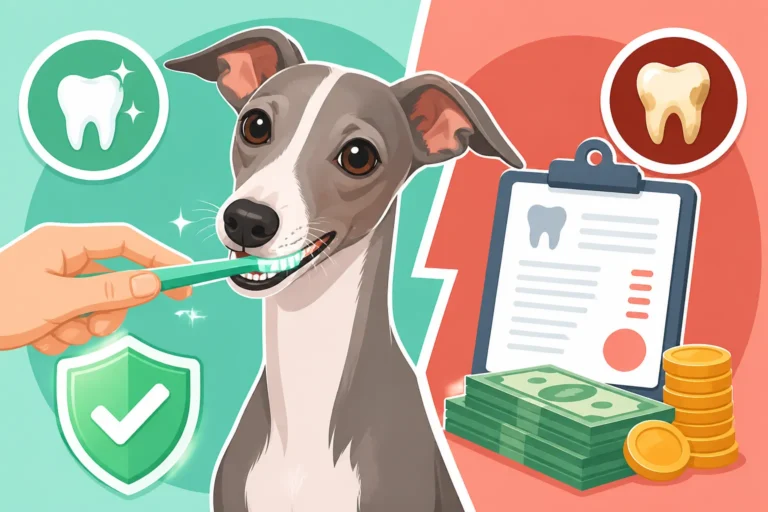
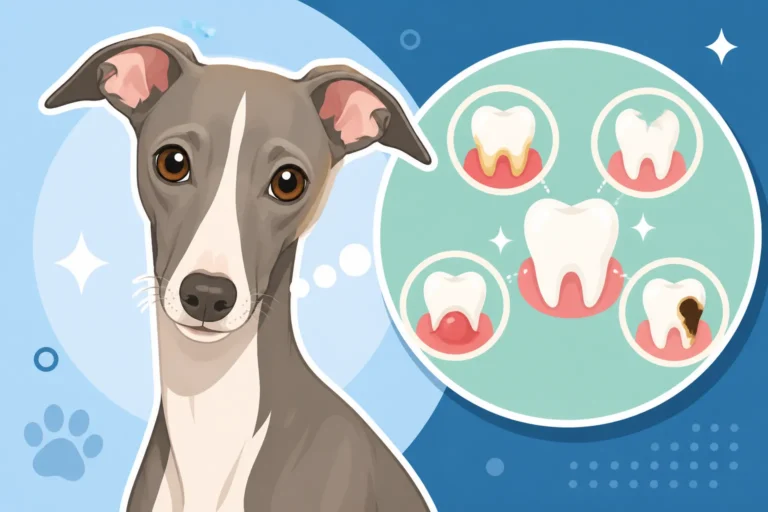
- Illness Waiting Periods: These tend to be longer, usually 14 to 30 days. This covers a wide range of conditions, from infections and skin allergies to more serious chronic diseases. For Italian Greyhounds, this could include things like Periodontal Disease Is the Italian Greyhound's Most Common Diagnosis which can manifest with sudden pain or infection, or other illnesses that might pop up unexpectedly. If your Italian Greyhound starts showing signs of an illness just a week after your policy begins, you might still be within that waiting period, leaving you to bear the full cost of diagnosis and treatment.
- Orthopedic Waiting Periods: This is where it gets really important for Italian Greyhounds. Many policies have extended waiting periods for orthopedic conditions, often 6 months or even a year. These are designed to prevent claims for conditions like hip dysplasia or luxating patellas that might have been present (even subtly) before coverage began. While Italian Greyhounds aren't typically associated with hip dysplasia, conditions like Patellar Luxation in an Italian Greyhound or, more critically, bone fractures (especially the radius and ulna, which are common breaks) can fall under this umbrella depending on the specific policy wording. Some insurers might categorize a fracture as an "accident," leading to a shorter waiting period, but if it's deemed related to an underlying structural weakness that required a longer orthopedic waiting period, you could be in for a shock. Always, always check the fine print for this, as Why an Italian Greyhound's Radius Is the Bone That Breaks is a well-known vulnerability.
The Critical Difference: Accidents vs. Illness Waiting Periods
Understanding the distinction between accident and illness waiting periods is paramount for Italian Greyhound owners because of the breed's unique susceptibility to both.
An "accident" is usually defined as a sudden, unforeseen event causing injury. For our Iggies, this could be the classic jump off the couch that results in The Age an Italian Greyhound Is Most Likely to Break a Leg. Most policies will cover such an event with their shorter accident waiting period. This is why getting insurance before you even bring your puppy home, or the day you do, is so often recommended. You want that accident coverage active immediately because you just never know.
"Illness," on the other hand, refers to a sickness, disease, or abnormal physical condition. This includes everything from kennel cough to cancer, or even less severe but persistent issues like digestive upsets. For example, if your Italian Greyhound suddenly develops a urinary tract infection, that would fall under the illness waiting period. The longer waiting period for illnesses means that any non-accidental health issue surfacing shortly after enrollment may not be covered. This distinction is crucial because sometimes, the line can feel blurry to an owner. For instance, if an Italian Greyhound starts limping and it's diagnosed as patellar luxation, is that an "accident" that caused the kneecap to slip, or an "illness" related to a genetic predisposition that was just waiting to happen? The policy's specific definitions matter immensely here.
Why Waiting Periods Exist: Protecting Insurers (and Ultimately, Pet Owners)
It's easy to feel frustrated by waiting periods, especially when you're facing an unexpected vet bill. But these periods aren't arbitrary; they serve important functions within the pet insurance industry, designed to maintain the financial health of the insurer and, in the long run, ensure that coverage remains available and affordable for all pet owners.
Preventing Fraud and Pre-Existing Condition Claims
One of the primary reasons waiting periods are in place is to prevent insurance fraud and claims for pre-existing conditions. Imagine a scenario where an Italian Greyhound owner notices their dog is limping significantly. They then rush to buy pet insurance, hoping to get the impending vet bills covered. Without a waiting period, this would mean the insurance company is essentially paying for a problem that already exists or is clearly imminent. This is not what insurance is for; insurance is designed to protect against unforeseen events.
If insurance companies didn't have these waiting periods, they would be inundated with claims for pre-existing issues. This would deplete their funds rapidly, making it impossible to pay out for legitimate, unexpected claims for other policyholders. Ultimately, this would lead to significantly higher premiums for everyone, or even the collapse of pet insurance providers altogether. Waiting periods create a necessary buffer, ensuring that the policy is purchased for future unknown risks, rather than current known problems. This is particularly relevant for Italian Greyhounds, given their propensity for certain issues that can suddenly arise, like the aforementioned leg breaks. The system needs to distinguish between a truly unexpected accident and a situation where someone is trying to get coverage for an issue that has already developed.
The Concept of "Pre-Existing Conditions" and Waiting Periods
The waiting period is intimately linked to the concept of pre-existing conditions. A pre-existing condition is generally defined as any illness or injury that your pet showed signs of, or was diagnosed with, before your insurance policy's effective date or before the completion of the waiting period. Most pet insurance policies will not cover pre-existing conditions.
This is where the waiting period becomes particularly crucial for Italian Greyhound owners. Let’s say you adopt an Italian Greyhound that, unbeknownst to you, had a very mild, intermittent limp that was never diagnosed. You get insurance, and a month later, the limp worsens and is diagnosed as Patellar Luxation in an Italian Greyhound. If your orthopedic waiting period was six months, this condition would likely be considered pre-existing because signs were present before that six-month period expired, even if it wasn't officially diagnosed.
The frustration is completely understandable. You bought the insurance to protect your dog, and now a condition appears, and it's not covered. This is why understanding the waiting periods, and the definition of a pre-existing condition, in your specific policy is so important. Some policies might have "curable" pre-existing conditions that can become eligible for coverage after a certain symptom-free period, but this varies wildly. It pays to ask direct questions to your chosen provider, such as Healthy Paws or Ollie, about their specific stance on curable vs. incurable pre-existing conditions and how they apply waiting periods to conditions common in Italian Greyhounds. For instance, a previous leg fracture, even if fully healed, could potentially be considered pre-existing if the other leg later breaks, depending on how closely linked the insurer views those events. It’s a complex area, and it’s always best to be clear on your policy’s terms from the outset.
Navigating Waiting Periods with Your Italian Greyhound
Understanding waiting periods is one thing; navigating them practically with your Italian Greyhound is another. Their unique needs mean that proactive planning is even more crucial.
Enrolling Early is Key for Italian Greyhound Puppies
If you’re bringing home an Italian Greyhound puppy, the single best piece of advice regarding pet insurance is to enroll them as early as possible. Seriously, as soon as you have a confirmed puppy and an approximate date of arrival, or ideally the day they come home, get that policy in place. Many breeders will even encourage you to do this.
Why? Because Italian Greyhound puppies are particularly susceptible to accidents. They are tiny, clumsy, and fearless. The Age an Italian Greyhound Is Most Likely to Break a Leg is often during their puppy and adolescent months when their bones are still developing and they are most prone to exuberant, risky play. By enrolling them early, you start those waiting periods ticking down while your puppy is still hopefully healthy and sound. This means by the time they reach those higher-risk ages or develop a minor health issue, your accident and illness waiting periods may have already passed, and you’ll have coverage.
Think about it: if you wait until your puppy is six months old, and then they have a bad fall, you’re still subject to a waiting period that could leave you with a massive vet bill for What Fracture Repair Costs on an Italian Greyhound. Starting early means those initial weeks of high puppy energy are covered, and you can focus on enjoying your new companion without the added worry of a lurking waiting period. Many providers, like Healthy Paws, offer online enrollment making it super easy to get coverage started quickly.
Understanding Orthopedic Waiting Periods
As mentioned, orthopedic waiting periods are often longer than for general accidents or illnesses, and for Italian Greyhounds, this can be a huge factor. These extended periods are typically designed to screen out conditions that might already be present or developing, such as certain genetic joint issues.
While Italian Greyhounds are famously prone to radius/ulna fractures from simple accidents, they can also experience other orthopedic issues like patellar luxation. If your policy has a six-month or even year-long orthopedic waiting period, any diagnosis of patellar luxation or other joint issues within that time frame, even if it only becomes apparent during the waiting period, could be considered pre-existing and therefore not covered.
It is absolutely crucial to scrutinize the policy language around orthopedic conditions. Some policies might differentiate between traumatic fractures (accidents) and those deemed to be related to underlying genetic or developmental issues (orthopedic illness). An Italian Greyhound’s delicate bones make them unique; a simple fall that might bruise a sturdier dog could result in a break for an IG. You want to ensure that policy covers these common traumatic events under the shorter accident waiting period. Don't hesitate to call the insurance provider directly and ask pointed questions about how they classify specific Italian Greyhound injuries, especially bone fractures, in relation to their orthopedic waiting periods.
What to Do During the Waiting Period
The waiting period can feel like a stressful limbo, especially with a new puppy or a recently adopted adult Italian Greyhound. But there are practical steps you can take to minimize risks and manage potential issues.
- Be Extra Vigilant: This is not the time for your Italian Greyhound to be unsupervised on high furniture or wrestling with larger, boisterous dogs. Restrict access to areas where falls are likely. Consider implementing Ramps and Steps for an Italian Greyhound's Furniture immediately. If you have a puppy, strict supervision and managing their play environment are essential. Why an Italian Greyhound Puppy Should Not Wrestle Big Dogs is a crucial piece of advice to heed, particularly during this vulnerable time.
- Maintain Preventative Care: Keep up with all routine vet visits, vaccinations, and parasite prevention. These demonstrate responsible ownership and can help catch minor issues before they become major problems.
- Document Everything: Keep meticulous records of vet visits, even routine ones. If a condition arises during the waiting period, having clear documentation of prior health can sometimes help with an appeal or clarification of whether it truly is pre-existing.
- Monitor for Symptoms: Pay close attention to any changes in your Italian Greyhound's behavior, eating habits, or mobility. Early detection of illness can sometimes mean less invasive, less costly treatment. While it might not be covered by insurance during the waiting period, knowing sooner is always better for your dog's health.
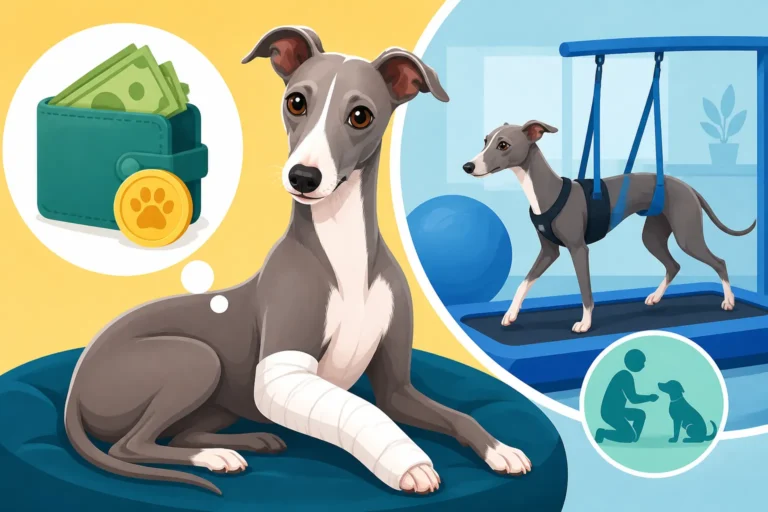
- Consider an Emergency Fund: Even with insurance, having an emergency fund is smart, especially during those initial waiting periods. If an accident or illness does strike before coverage kicks in, you'll have a financial buffer. This ties directly into Budgeting for an Italian Greyhound's Broken Leg Before It Happens, preparing for the unexpected.
Choosing the Right Policy and Provider
Navigating the world of pet insurance can feel overwhelming, but making an informed choice is vital for the long-term health and financial security of your Italian Greyhound.
Comparing Waiting Periods Across Different Companies
Not all pet insurance policies are created equal, and their waiting periods are a prime example of this variation. When you're shopping for a policy for your Italian Greyhound, don't just compare premiums; scrutinize those waiting periods.
Create a spreadsheet or a simple checklist to compare providers like Healthy Paws, Ollie, and other popular options. Look specifically at:
- Accident waiting period: Is it 2 days, 5 days, 15 days? For an Italian Greyhound, shorter is definitely better.
- Illness waiting period: Is it 14 days, 30 days?
- Orthopedic waiting period: This is the big one. Is it 6 months, 12 months? Are there specific conditions excluded or requiring even longer waits? Some providers may even waive or shorten orthopedic waiting periods if your veterinarian performs a specific exam and declares your dog sound before the policy effective date – this is a fantastic option to inquire about for Italian Greyhounds.
Here's a simplified comparison you might encounter:
| Condition Type | Typical Waiting Period Range | Italian Greyhound Relevance | Action/Tip |
|---|---|---|---|
| Accidents | 2-15 days | Fractures, sprains, ingested foreign objects, cuts. IGs are prone to bone breaks from falls. | Seek policies with the shortest accident waiting periods. Enroll your IG as early as possible, ideally before or upon bringing them home. |
| Illnesses | 14-30 days | Common ailments like infections, allergies, digestive issues, Periodontal Disease Is the Italian Greyhound's Most Common Diagnosis. | Be aware that common health issues might not be covered immediately. Maintain excellent preventative care to avoid illness during this period. |
| Orthopedic Conditions | 6-12 months | Conditions like patellar luxation, some forms of arthritis, or even certain complex fractures if deemed developmental. | This is critical for IGs. Confirm how policies classify fractures. Look for options that might waive or reduce this period with a vet exam. Ask if Whether an Italian Greyhound's Old Fracture Is Preexisting would apply if they re-injured the same area years later. |
This table can help you visualize the different impacts. A policy with a 2-day accident waiting period and a 6-month orthopedic waiting period is very different for an IG owner than one with 15 days for accidents and a 12-month orthopedic wait.
Reading the Fine Print: Exclusions and Riders
Beyond waiting periods, the "fine print" of any pet insurance policy is where the real details hide. Exclusions and riders are particularly important for Italian Greyhounds.
- Exclusions: These are conditions or situations that the policy will never cover. This can include pre-existing conditions (as discussed), bilateral conditions (where if one side is affected before coverage, the other side won't be covered if it develops the same issue), or sometimes even certain genetic conditions. Ensure you understand what an insurer considers a Whether an Italian Greyhound's Old Fracture Is Preexisting condition; some might consider a healed fracture as "pre-existing" for that limb or even the contralateral limb.
- Riders: Some policies offer optional riders, which are additional coverages you can add for an extra premium. This might include wellness plans (for routine care like exams, vaccinations, and dental cleanings) or specific coverages for certain genetic predispositions. While IGs don't have as many widely recognized genetic conditions as some breeds, understanding if there are any riders beneficial to their particular needs (e.g., specific dental coverage beyond accidents) is a good idea. For instance, given their propensity for dental issues, some policies might offer more robust dental coverage which could be a significant benefit over their lifetime.
Always ask for a sample policy document and read it thoroughly. If something is unclear, call the insurance provider's customer service. Ask specific "what if" scenarios related to Italian Greyhound health, such as "If my 10-month-old Italian Greyhound breaks its leg jumping off a chair, will it be covered after the 3-day accident waiting period, or does it fall under the 6-month orthopedic waiting period?" Getting these answers in writing, if possible, can save you a lot of heartache later.
The Trade-off: Cost vs. Coverage (and Waiting Periods)
It's a classic dilemma: you want the best for your Italian Greyhound, but your budget is also a reality. When it comes to pet insurance, cheaper policies often come with trade-offs, and these often manifest in longer waiting periods, more exclusions, or lower reimbursement rates.
A policy with a very low monthly premium might have an extended accident waiting period of 15 days instead of 2, and a 12-month orthopedic waiting period instead of 6. For a breed like the Italian Greyhound, where an accident can happen in a blink, those extra days or months of uncovered risk can be incredibly nerve-wracking and potentially financially devastating.
It's about finding the balance that provides peace of mind without breaking the bank. Sometimes, paying a slightly higher premium for a policy with shorter waiting periods and fewer exclusions can be a worthwhile investment. Consider the lifetime cost of ownership for an Italian Greyhound, which can be significant given their potential for accidents and long lifespans. Investing in robust insurance from the beginning can smooth out those unexpected financial spikes.
Don't forget to factor in what you'll need to pay out-of-pocket during any waiting periods. If you opt for a policy with a longer waiting period for accidents or illnesses, ensure you have an emergency savings fund specifically for your Italian Greyhound. That way, if a mishap occurs before your coverage kicks in, you’re prepared. After all, the goal of pet insurance is to protect you financially from the high cost of unexpected veterinary care, and waiting periods are an integral part of that equation.
Disclaimer
This article is for general informational purposes only and does not constitute professional advice. Laws, prices and regulations vary by location and change over time. Consult a qualified professional for guidance on your specific situation.