Whether an Italian Greyhound’s Old Fracture Is Preexisting
The fear of an Italian Greyhound breaking a leg is a constant shadow for many owners, and the financial stress that comes with it is very real. But what happens if your beloved Iggy has already had a fracture, it's healed, and then later in life, another issue arises – perhaps even in the same leg? The agonizing question then becomes: will pet insurance cover this, or will it be dismissed as a "pre-existing condition"? This guide is here to walk you through the often confusing world of pet insurance and what an old fracture means for your Italian Greyhound's future coverage.
The Murky Waters of Pet Insurance and "Pre-existing Conditions"
It’s a scenario no one wants to face: your Italian Greyhound, having already recovered from a fracture, develops a new limp, or perhaps even re-injures the same leg. You rush them to the vet, dreading the bill, but also clinging to the hope that your pet insurance will step in. Then comes the phrase that sends shivers down every pet owner's spine: "pre-existing condition." Understanding what this actually means in the context of an old fracture on a delicate breed like an Italian Greyhound is absolutely crucial, because it's rarely as straightforward as it seems.
What Exactly Qualifies as "Pre-existing"?
Pet insurance companies generally define a "pre-existing condition" as any illness, injury, or symptom that was present or occurred before your coverage started or during your policy's waiting period. The key thing to understand is that "present" doesn't always mean formally diagnosed by a vet. If there's a note in your dog's medical history about a limp, a swelling, or even just a general "tenderness" in a leg before your policy's effective date, many insurers might consider any future issues related to that leg as pre-existing, even if a formal diagnosis for a specific condition hadn't been made yet. This can be incredibly frustrating, especially when you feel like you've done everything right by getting insurance.
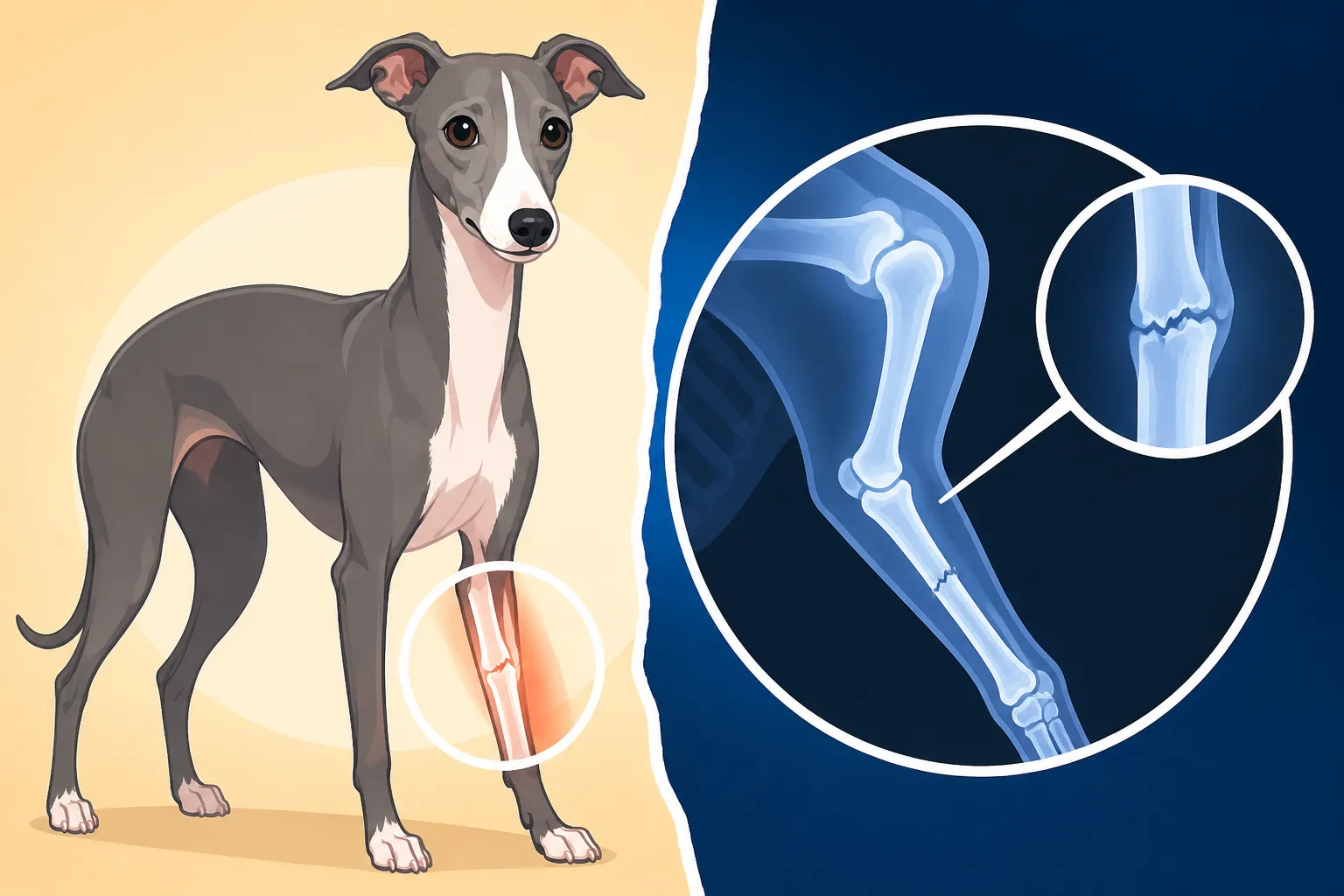
For an Italian Greyhound, this definition can feel particularly unfair. Their delicate bones are prone to injury, and a simple misstep can lead to a fracture. A Broken Leg Is the Emergency Every Italian Greyhound Owner Fears. If your Iggy breaks a leg, and you then get insurance, any future problems directly attributable to that original fracture site, or even sometimes the limb itself, will almost certainly be considered pre-existing. This is why many experienced Iggy owners will tell you to get insurance before you even bring your puppy home, if possible, to get ahead of these potential issues.
The Critical Impact of Medical Records
Your veterinarian's notes are the absolute bedrock of any pet insurance claim. Every single observation, every diagnosis, every medication prescribed, every symptom described by you, the owner – it all goes into the record. If your Italian Greyhound had a fracture at age one, and a year later, develops arthritis in that same leg, your insurance company will meticulously comb through those records. If the records clearly show the initial fracture, the surgery, the recovery, and then subsequent ongoing monitoring or even just a brief mention of "stiffness" in that leg at a follow-up, it can all be used to link the new arthritis back to the original injury.
This isn't to say vets are trying to sabotage your claims; they're simply recording clinical facts. But from an insurance perspective, that continuity of history is a direct line. If your Italian Greyhound had a radial fracture, which is very common, Why an Italian Greyhound's Radius Is the Bone That Breaks, and later on experiences issues with the carpal joint of the same leg, an insurer might argue the stress on the joint was a direct consequence of the initial fracture and its subsequent healing, thus making it pre-existing. This level of detail in veterinary records, while essential for good patient care, can inadvertently create hurdles for insurance coverage.
How an Old Fracture Can Haunt Future Claims
It's not just about the exact same injury recurring. Insurance companies are smart about "related conditions." An old fracture, even if perfectly healed, can predispose a dog to a host of other issues in that same limb, or even compensatory issues in other parts of their body from altering their gait. These are the ways an old fracture can become a ghost in your insurance policy:
- Arthritis: The most common culprit. Any significant bone trauma, including a fracture, can accelerate or cause arthritis in the affected joint. If your Italian Greyhound's healed fracture site develops arthritis years later, most insurance companies will likely deem it pre-existing because it's a direct sequela of the original injury.
- Re-injury: While less common for a fully healed and stable fracture, sometimes the area can be weaker or more susceptible to a new injury. If the same bone or a closely associated structure breaks again, the insurance company will almost certainly link it back to the original event. Whether an Italian Greyhound Breaks the Same Leg Twice delves into this.
- Compensatory Issues: This is a tricky one. If your Iggy subtly altered its gait to protect a healing leg, even after recovery, it could put unusual stress on the other legs, hips, or spine. If one of those areas develops a problem later, it could be argued as "related" to the original fracture, though this is a much harder argument for an insurer to win and often depends on the specific policy language and the insurer's generosity.
The bottom line is that any condition that a reasonable person or veterinarian could link back to that original fracture, or the trauma that caused it, risks being classified as pre-existing. This means that a fracture, especially one requiring significant intervention like plating Whether an Italian Greyhound's Fracture Needs a Plate, can cast a long shadow over future insurance claims for that limb.
Navigating Fractures: When a "Healed" Leg Isn't Quite "New"
The concept of a "healed" injury seems pretty clear-cut to us. The bone mend, the dog is running around, life goes on. But for pet insurance, "healed" doesn't necessarily mean "forgotten" or "no longer pre-existing." This is where the nuances of different policies and the specifics of your Italian Greyhound's medical journey come into play. It's a complex area, and it's understandable why owners feel so much anxiety about it.
The "Curable Condition" Clause: A Glimmer of Hope
Some pet insurance providers, including notable ones like Healthy Paws, offer a "curable condition" clause, which can be a lifeline for certain ailments. This clause essentially states that if a condition is deemed curable and your pet remains symptom-free and treatment-free for that specific condition (or any related conditions) for a certain period – often 180 days or 12 months – then it will no longer be considered pre-existing if it recurs.
However, fractures are often a gray area with this clause. While the bone itself might "cure" and heal, the secondary effects like arthritis or potential long-term weakness are often considered chronic or recurring conditions. If your Italian Greyhound had a fracture that led to ongoing lameness or required intermittent pain medication, it's less likely to ever truly be considered "cured" in the eyes of an insurer. For this clause to apply to a fracture, it usually means the dog made a complete and total recovery, with absolutely no lingering symptoms or treatments, and that a new, unrelated injury then occurred. It's a high bar.
| Condition | Example Related to Old Fracture | Likelihood of Pre-existing Denial | Potential for "Curable Condition" Clause |
|---|---|---|---|
| Acute Arthritis | New onset of arthritis in the same joint as a prior fracture. | High | Low (often considered chronic sequela) |
| Re-fracture | Breaking the same bone at the original fracture site. | Very High | Low (direct recurrence) |
| New Fracture | Breaking a different bone in the other leg, completely unrelated. | Low (likely covered) | N/A (new, unrelated event) |
| Ligament Tear | Tear in a ligament near the old fracture site due to compensatory movement. | Moderate to High (if linked by vet records) | Low |
| Skin Laceration | Dog gets a cut near the old fracture, entirely superficial. | Very Low (likely covered) | N/A (unrelated trauma) |
| Bone Cancer | Osteosarcoma developing in the affected leg years later. | Unlikely (unless direct causal link proven) | N/A (new disease process) |
Related Conditions Versus New Injuries
This is where much of the frustration and debate with insurance companies lies. If your Italian Greyhound breaks its right front leg at a young age, and then at age five, breaks its left front leg due to an entirely separate accident, that new fracture should absolutely be covered. It's a new injury, unrelated to the previous one.
The problem arises when the "new" condition is in the same limb or clearly stems from the same underlying cause as the old fracture. For instance, if your Italian Greyhound had a fracture and then years later, that same leg develops severe degenerative joint disease (arthritis), the insurer will often argue that the degenerative changes were initiated or exacerbated by the prior trauma, thus making it pre-existing. It's not the original fracture, but it's related. This is particularly relevant for Italian Greyhounds, given their inherent fragility and predisposition to orthopedic issues. The financial burden of a fracture repair is significant, What Fracture Repair Costs on an Italian Greyhound, and hoping insurance will cover subsequent related issues is a common, yet often dashed, expectation.
Documentation is Your Best Friend
To give yourself the best possible chance of coverage, meticulous documentation is key. If your Italian Greyhound has a history of a fracture, ensure your vet records are incredibly thorough at every visit moving forward. This includes:
- Regular Wellness Exams: Don't skip these. Consistent check-ups, even if just for routine vaccinations, create an ongoing record of your dog's health.
- Clear Notes on Recovery: After the initial fracture, make sure your vet notes a complete recovery, absence of lameness, full range of motion, and discontinuation of pain medication or physical therapy, if applicable.
- Prompt Treatment for New Issues: If a new issue arises, get it checked immediately. Delays can make it harder to prove a condition isn't pre-existing, as the insurer might argue it was present but ignored.
- Proactive Care: Demonstrating that you're an attentive owner who addresses health proactively can indirectly help. This includes things like regular dental cleanings, which are vital for Iggys How Common Dental Disease Is in an Italian Greyhound, and ensuring they're on a high-quality diet, perhaps like those offered by Ollie, maintaining a healthy weight to reduce joint stress.
It can feel like you're constantly fighting an uphill battle, but good records provide a concrete timeline and evidence that can sometimes sway an insurer's decision.
Strategies for Italian Greyhound Owners: Protecting Your Pup's Future
Owning an Italian Greyhound is a joy, but it also comes with a unique set of responsibilities, not least of which is safeguarding their delicate health. When it comes to pet insurance and the specter of pre-existing conditions from old fractures, proactive measures and careful policy selection can make all the difference. You want to focus on enjoying your time with your Iggy, not constantly worrying about vet bills.
Insure Early, Insure Often (Metaphorically Speaking)
The single best piece of advice for Italian Greyhound owners regarding pet insurance is this: get a policy as early in your dog's life as possible. Ideally, before they ever experience any health issues. This means before that inevitable "puppy tumble" that could result in a broken leg, or before any minor limps appear. Most pet insurance policies have waiting periods (e.g., 14 days for accidents, 30 days for illnesses), meaning you can't enroll your dog and immediately file a claim for an existing issue.
If your Italian Greyhound is already a puppy, consider getting them insured before they're even fully weaned and exploring their environment. This way, any accidents or illnesses that occur after the waiting period will be covered, and you won't have the headache of a "pre-existing" label attached to a future, related condition. While you can't "insure often" for the same pet with multiple policies (most companies will only pay out for the same claim once), securing comprehensive coverage early on from a reputable provider like Healthy Paws can prevent a lot of heartache down the road.
Choosing the Right Policy for Your Fragile Friend
Not all pet insurance policies are created equal, especially when it comes to pre-existing conditions and the delicate nature of Italian Greyhounds. When you're shopping for insurance, dive deep into the policy details, and don't be afraid to ask direct questions about how they handle previous injuries.
Here are some key things to look for:
- "Curable Condition" Clause: As discussed, some policies will waive the "pre-existing" label for certain conditions if your pet has been symptom- and treatment-free for a specified period (e.g., 6 months, 12 months). While fractures are tricky, this clause could potentially offer an avenue for future coverage if your Iggy makes a truly complete recovery and then develops a new, unrelated issue in the same area. Understand the specifics of how this applies to orthopedic injuries.
- Waiting Periods: Be aware of how long you have to wait after enrolling before accident and illness coverage kicks in. Shorter waiting periods are generally better.
- Annual Limits and Deductibles: Understand how much coverage you get per year and what you'll pay out of pocket before the insurance starts covering. For a breed prone to expensive orthopedic surgeries, higher limits might be a wise investment. What an Italian Greyhound Costs Per Month can give you an idea of overall recurring costs, but big emergencies like a fracture are outliers that require careful planning.
- Customer Service and Reputation: Read reviews and talk to other Italian Greyhound owners. Companies known for clear communication and fair claims processing are invaluable.
Remember, the goal is to find a policy that genuinely gives you peace of mind, knowing that if An Italian Greyhound Climbs Higher Than You Expect and takes a nasty fall, you'll be supported.
Building a Strong Medical History and Proactive Care
Beyond the insurance policy itself, maintaining a consistent and thorough medical history with your veterinarian is critical. Every visit, every check-up, every minor concern should be documented.
- Regular Vet Visits: Don't just go when something is wrong. Annual wellness exams are crucial for tracking your Italian Greyhound's health trends. Your vet can note any subtle lameness or discomfort that might later be linked to an old injury, or, conversely, can confirm a lack of symptoms.
- Clear Communication with Your Vet: Always be honest and detailed with your vet about any concerns, no matter how small. Ask them to clearly document complete recoveries from any injuries.
- Preventative Care: Showing a consistent commitment to your Iggy's overall health can strengthen your case for new, unrelated claims. This includes:
- Excellent Dental Hygiene: Italian Greyhounds are notorious for dental issues. Regular Brushing an Italian Greyhound's Teeth Every Day and professional cleanings (possibly supported by products purchased from Chewy) prevent infections that could complicate other health issues. Periodontal Disease Is the Italian Greyhound's Most Common Diagnosis is a very real concern.
- Weight Management: Keeping your Italian Greyhound at a healthy weight reduces stress on their joints and bones, potentially lessening the impact of an old fracture.
- Safe Home Environment: Installing ramps and steps Ramps and Steps for an Italian Greyhound's Furniture to prevent jumping, and maintaining non-slip surfaces, can help prevent future injuries.
Appealing a Denial: Don't Give Up Easily
If your claim related to an old fracture is denied as "pre-existing," don't despair immediately. You often have the right to appeal the decision. Here’s how you can approach it:
- Understand the Reason for Denial: Get a clear, written explanation from your insurance company detailing why the claim was denied and specifically what in your pet's medical records led to that decision.
- Gather Supporting Documentation: Work with your veterinarian to gather any additional medical records, notes, or even a letter from the vet explaining their professional opinion on whether the current condition is truly a direct, pre-existing consequence of the old fracture or a new, unrelated issue. Sometimes, a detailed explanation can clarify ambiguities in earlier notes.
- Submit a Formal Appeal: Follow the insurer's specific appeal process. Provide all supporting documents and a clear, concise letter outlining why you believe the decision should be overturned. Highlight any "curable condition" clauses that might apply.
- Be Persistent But Polite: Appeals can take time. Follow up regularly, but always maintain a respectful tone. You're trying to work with them, not against them.
While appealing a pre-existing condition denial for a fracture-related issue can be challenging, especially if there's a clear documented history, it's always worth understanding your options. For costly issues, What Fracture Repair Costs on an Italian Greyhound for example, even a partial reconsideration can make a huge difference.
Remember, pet insurance is a financial safety net, and like any net, it has holes. Understanding those holes, especially around pre-existing conditions and old fractures, allows you to make more informed decisions for your cherished Italian Greyhound.
Disclaimer
This article is for general informational purposes only and does not constitute professional advice. Laws, prices and regulations vary by location and change over time. Consult a qualified professional for guidance on your specific situation.