Why Italian Greyhound Owners Use Sitters Instead of Kennels
Leaving your beloved Italian Greyhound when you travel can be one of the most stressful parts of being an Iggy owner. Unlike many other breeds that might happily bounce into a traditional boarding kennel, Italian Greyhounds have unique physical and emotional needs that make standard kennel environments often unsuitable, leading many owners to seek out dedicated pet sitters or in-home care instead. This guide will delve into why Italian Greyhound owners overwhelmingly prefer sitters, exploring the specific challenges traditional kennels pose and the invaluable peace of mind that personalized care offers.
The Delicate Nature of Italian Greyhounds and Why It Matters for Boarding
Italian Greyhounds are not your average dogs. They are exquisite, fine-boned creatures with a highly sensitive temperament, and these traits are precisely why traditional boarding kennels often fall short. Understanding their fundamental needs is the first step in realizing why a sitter becomes a necessity, not just a luxury.
Physical Fragility and the Risk of Injury
One of the most defining characteristics of an Italian Greyhound is their delicate bone structure. Their long, slender legs, particularly the radius and ulna in the front, are surprisingly fragile and prone to fractures. It's a heartbreaking reality that many Iggy owners face, and it's why we spend so much time making our homes safe. A typical kennel, with its hard surfaces, potential for rough play with larger, heavier dogs, and often high-sided enclosures, is a minefield for an Italian Greyhound. Even a seemingly innocent jump down from a raised cot or a playful tumble with a more robust breed can result in a serious injury.
Imagine a scenario where your Italian Greyhound, startled by a loud noise or excited by another dog, attempts to jump a gate or scale a chain-link fence. Their drive to flee or get to you can override any sense of self-preservation, and their slight build offers little protection. In a busy kennel environment, constant supervision isn't always possible, and accidents can happen in a split second. The thought of getting a call that your Iggy has A Broken Leg Is the Emergency Every Italian Greyhound Owner Fears while you're away is a nightmare no owner wants to entertain, and the financial burden of such an injury can be immense, even with pet insurance like that offered by Healthy Paws.
Extreme Sensitivity to Cold
Italian Greyhounds have minimal body fat and a very fine, short coat, making them highly susceptible to cold. You probably already know that Keeping an Italian Greyhound Warm Is Daily Work, Not a Winter Job in your own home. A typical kennel environment, designed for a wide range of breeds, might maintain a temperature that is perfectly comfortable for a Golden Retriever but is far too chilly for an Iggy. Even an air-conditioned room in summer can feel like an icebox to them.
I've heard stories from owners who boarded their Iggys in what they thought was a perfectly adequate facility, only to find their dog shivering uncontrollably and feeling icy to the touch upon pickup. This isn't just about comfort; prolonged exposure to cold can suppress their immune system, leading to illness, or worse, cause them significant stress. They really don't have the natural insulation of Why an Italian Greyhound Carries Almost No Body Fat. Many Iggys will actively seek out blankets or even burrow under covers at home, and a kennel often can't replicate that level of warmth and security, even with bedding provided.
Emotional Needs and Separation Anxiety
Italian Greyhounds are famously known as "Velcro dogs" for a reason. They thrive on companionship and bond intensely with their human families. This deep attachment, while endearing, often translates into a high propensity for separation anxiety. Being abruptly removed from their familiar home and routines, and placed in a strange, noisy environment with unfamiliar people and dogs, can be incredibly distressing for them.
Even if your Iggy doesn't typically suffer from extreme separation anxiety at home (perhaps because they're rarely alone, or you've worked hard on it), the kennel environment can trigger it. The constant barking of other dogs, the unfamiliar smells, and the lack of their primary caregiver can lead to acute stress, manifested as pacing, refusal to eat, excessive vocalization, or even self-mutilation. How Long an Italian Greyhound Copes Alone in a familiar setting is very different from coping alone in a foreign one. This emotional fragility is a huge factor in why many Iggy owners will go to great lengths to avoid kenneling.
The Downsides of Traditional Kennel Environments for Italian Greyhounds
While some modern kennels strive to provide excellent care, their inherent structure and operational model often present significant drawbacks for a breed as unique as the Italian Greyhound. It's not always a reflection of poor care, but simply an incompatibility with the breed's specific requirements.
Inadequate Climate Control and Bedding
As mentioned, warmth is non-negotiable for an Italian Greyhound. Kennels often have large, open spaces, concrete floors, and heating/cooling systems that might keep the air comfortable for staff, but not for a dog lying on a cold surface. While some kennels offer heated beds or extra blankets, it's not always guaranteed, or consistent, especially during shift changes.
Think about your Iggy at home. They probably have several snug beds, blankets strategically placed, and likely snuggle under the covers with you at night. Whether an Italian Greyhound Needs a Heated Bed is often a yes, and a standard cot in a kennel simply isn't going to cut it. This lack of appropriate climate control and soft, burrow-friendly bedding can lead to discomfort, anxiety, and even physical ailments like stiffness or increased susceptibility to illness.
Exposure to Other Dogs and Illness
Kennels, by their very nature, house multiple dogs from various backgrounds, increasing the risk of exposure to common canine illnesses like kennel cough, canine influenza, or parasites. While reputable kennels require vaccinations, no vaccine offers 100% protection, and many Iggys have sensitive systems.
Beyond illness, there's the social dynamic. While some Iggys enjoy meeting other dogs, they can easily be intimidated or injured by larger, more boisterous breeds. A smaller, more delicate Italian Greyhound could easily be accidentally stepped on, bowled over, or even bitten in a communal play area, even if supervised. Their high prey drive also means they might react to smaller, fast-moving dogs, or conversely, be seen as prey by certain breeds. This constant social stimulation, even if positive, can also be exhausting and stressful for a dog that prefers a quiet, familiar routine.
Disruption of Routine and Diet
Italian Greyhounds, like many dogs, thrive on routine. Scheduled meals, potty breaks, and playtime provide a sense of security and predictability. In a kennel, while schedules exist, they are often generalized to accommodate many dogs. Potty breaks might be less frequent than your Iggy is used to, leading to accidents or discomfort. Meal times might shift, and the food itself can be an issue.
Many Iggys have specific dietary needs or are particular about what they eat. While you can often bring your own food, the stress of the new environment might cause them to refuse it. This disruption in diet, coupled with stress, can lead to digestive upset, weight loss, or dehydration. Imagine feeding your Iggy their regular meal from Chewy, only to have them turn their nose up because they're too anxious. It's a common worry for owners. Maintaining a consistent diet is crucial, especially for breeds that are already lean.
The Appeal of Professional Pet Sitters and In-Home Care
Given these challenges, it's no wonder that in-home pet sitters, or even friends and family who understand the breed, become the preferred solution for Italian Greyhound owners. These options directly address the unique vulnerabilities of the Iggy.
Familiarity and Comfort of Home
The single biggest advantage of a pet sitter is that your Italian Greyhound stays in its own home. This means familiar sights, smells, and sounds. They sleep in their own bed, use their own potty spots, and are surrounded by their usual belongings. This drastically reduces stress and the likelihood of separation anxiety flaring up.
A sitter comes to your home, maintains your Iggy's established routine, and provides one-on-one attention. This continuity of care helps your dog feel secure and minimizes the emotional toll of your absence. Even if An Italian Greyhound Climbs Higher Than You Expect or has a specific sleeping arrangement, a sitter can learn and replicate it. This familiar environment means less disruption, better appetite, and generally a happier, healthier dog.
Personalized Attention and Consistent Routine
A pet sitter's primary focus is on your Italian Greyhound. They can stick to your exact schedule for feeding, potty breaks, medication administration, and playtime. If your Iggy needs to go out every three hours, or if they have a specific morning ritual, a sitter can accommodate that. This personalized care is invaluable for a breed that thrives on predictability.
They can also provide the kind of specific attention your Iggy needs, whether it's extra snuggles on the sofa, a specific type of play, or a quiet lap for naps. This one-on-one interaction helps to fill the void of your absence, reducing loneliness and anxiety. If your dog is particular about its food, perhaps something fresh like Ollie, the sitter can ensure it's prepared and served exactly as your Iggy likes it, monitoring consumption carefully.
Safety and Injury Prevention
With a pet sitter, you have direct control over your Iggy's environment and interactions. You can ensure they are not exposed to unfamiliar, potentially boisterous dogs. The sitter can be instructed on specific safety protocols, like keeping doors closed, not allowing jumps from furniture, or using ramps where necessary.
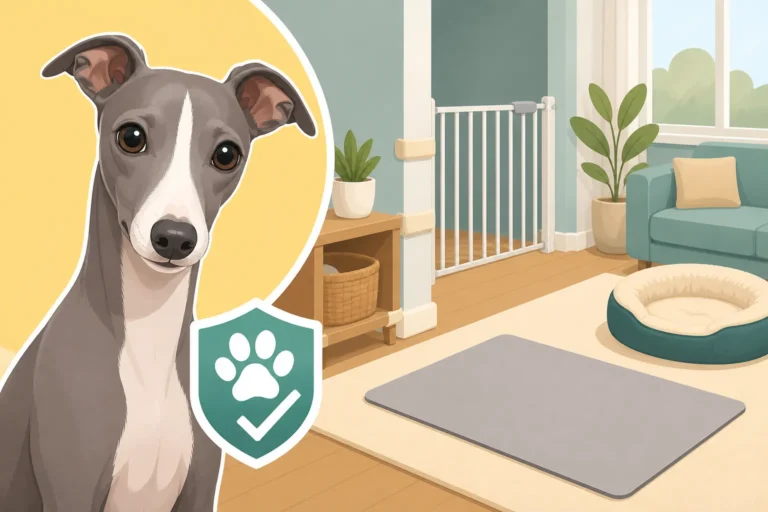
The risk of accidental injury is dramatically reduced when your Iggy is in its own, already-proofed home with a caregiver who understands their fragility. The sitter can be vigilant about preventing falls, supervising outdoor time, and ensuring that no unsafe situations arise. This greatly alleviates the constant worry about broken bones that plagues so many Iggy owners. Setting Up a House an Italian Greyhound Cannot Break a Leg In is hard work, and you don't want it undone by a careless kennel.
Health Monitoring and Emergency Care
A dedicated pet sitter can closely monitor your Italian Greyhound for any signs of illness or distress. Because they are with your dog for extended periods, they are more likely to notice subtle changes in appetite, energy levels, or behavior that might indicate a health issue. In a busy kennel, such subtle signs might be missed amidst the care of many animals.
In the event of an emergency, a pet sitter can follow your specific instructions, contact your preferred veterinarian, and provide immediate transport. They can keep you updated with photos and texts, giving you peace of mind that your Iggy is being cared for as you would care for them yourself. This level of personalized health oversight is simply not feasible in a large boarding facility.
Finding the Right Italian Greyhound Sitter: A Step-by-Step Guide
Deciding to use a pet sitter is one thing; finding the right one is another. It requires due diligence and clear communication, but it's an investment that pays off immensely for the well-being of your Italian Greyhound.
Where to Look for Qualified Sitters
There are several avenues to explore when searching for a pet sitter. Online platforms, local pet service directories, and word-of-mouth referrals are all excellent starting points.
- Online Pet Sitting Platforms: Websites dedicated to connecting pet owners with sitters often allow you to filter by location, services offered, and even experience with specific breeds. Many sitters on these platforms have detailed profiles, reviews from other owners, and background checks. This can be a great place to start, but always follow up with your own vetting process.
- Local Veterinary Clinics and Pet Supply Stores: Your vet's office often has bulletin boards or can provide recommendations for trusted local pet sitters they know. Similarly, independent pet supply stores in your area might have connections within the pet care community.
- Breed-Specific Groups and Forums: Online communities for Italian Greyhound owners (Facebook groups, online forums) are fantastic resources. Other Iggy owners in your area can provide firsthand recommendations for sitters who truly understand the breed's unique needs and quirks. This is often the best source for finding someone who "gets" Iggys.
Key Questions to Ask Prospective Sitters
Once you have a few candidates, schedule interviews. This isn't just a casual chat; it's your chance to assess their experience, professionalism, and understanding of Italian Greyhounds.
Consider asking:
- "Do you have experience with Italian Greyhounds or other sighthound breeds?" This is paramount. Someone who knows sighthound anatomy and temperament is less likely to accidentally cause injury or misunderstand their delicate nature.
- "How do you handle fragile dogs, especially regarding jumping or rough play?" Listen for specific protocols they have to prevent injuries, like always lifting them on and off furniture, or separating them from larger dogs if they do sit multiple clients.
- "What is your plan for keeping my Iggy warm, both indoors and outdoors?" They should understand the need for sweaters, blankets, and limited outdoor exposure in cold weather.
- "How do you handle dogs with separation anxiety or shyness?" Your Iggy might be How Shy an Italian Greyhound Is with strangers, so a patient, gentle approach is critical.
- "What is your emergency protocol, and what information do you require from me?" A professional sitter will have a clear plan for vet visits, including your chosen clinic, emergency contacts, and signed permission to seek medical care.
- "Can you provide references from other Italian Greyhound owners, or owners of similarly delicate breeds?" Always follow up on these references!
- "Are you insured and bonded?" This protects you and your pet in case of an accident or unforeseen event.
The Importance of a Trial Run
Never leave your Italian Greyhound with a new sitter for an extended period without a trial run. This could involve having the sitter come for a few hours while you're home, or a short overnight stay if you're comfortable.
A trial run allows:
- Your Iggy to acclimate: Your dog can get used to the sitter's presence in their home while you're there to offer reassurance.
- The sitter to observe your routine: They can see firsthand how you interact with your Iggy, their feeding habits, potty signals, and favorite activities.
- You to assess the sitter's interaction: Does your Iggy seem comfortable with them? Do they follow your instructions precisely? Do they seem genuinely caring and attentive? This is also a good time to observe How an Italian Greyhound Behaves When You Pack a Bag and leave, even for a short time.
By taking these steps, you significantly increase the chances of finding a sitter who will provide the loving, knowledgeable care your Italian Greyhound deserves, allowing you to travel with far greater peace of mind.
Comparing Care Options: Kennels vs. Sitters
To help summarize the differences and why sitters are often preferred for Italian Greyhounds, here's a brief comparison:
| Feature | Traditional Kennel | Professional Pet Sitter (In-Home) |
|---|---|---|
| Environment | Unfamiliar, noisy, multiple dogs, varied temperatures | Familiar home, quiet, one-on-one, consistent temperature |
| Injury Risk | Higher (rough play, hard surfaces, jumps, falls) | Lower (controlled environment, specific handling) |
| Emotional Stress | Higher (separation anxiety, new surroundings) | Lower (familiarity, personalized attention) |
| Routine & Diet | Generalized schedule, potential food refusal | Maintained specific routine, diet consistency |
| Health Monitoring | Group monitoring, subtle changes easily missed | Close, individual observation, prompt action |
| Socialization | Uncontrolled interaction with various dogs | Controlled, tailored social interaction (if any) |
| Warmth & Comfort | Often inadequate, standard bedding | Tailored to Iggy's needs, familiar bedding & blankets |
| Cost | Generally lower daily rate | Generally higher daily rate |
| Availability | Often easier to find last-minute | Can be harder to book, especially during holidays |
Ultimately, for most Italian Greyhound owners, the slightly higher cost of a pet sitter is a worthwhile investment in their dog's safety, comfort, and emotional well-being. The peace of mind knowing your delicate companion is safe and happy in their own home, receiving tailored care from someone who understands their unique needs, is truly priceless. What an Italian Greyhound Costs Over Fifteen Years is substantial, and part of that investment is ensuring their care is top-notch.
Disclaimer
This article is for general informational purposes only and does not constitute professional advice. Laws, prices and regulations vary by location and change over time. Consult a qualified professional for guidance on your specific situation.