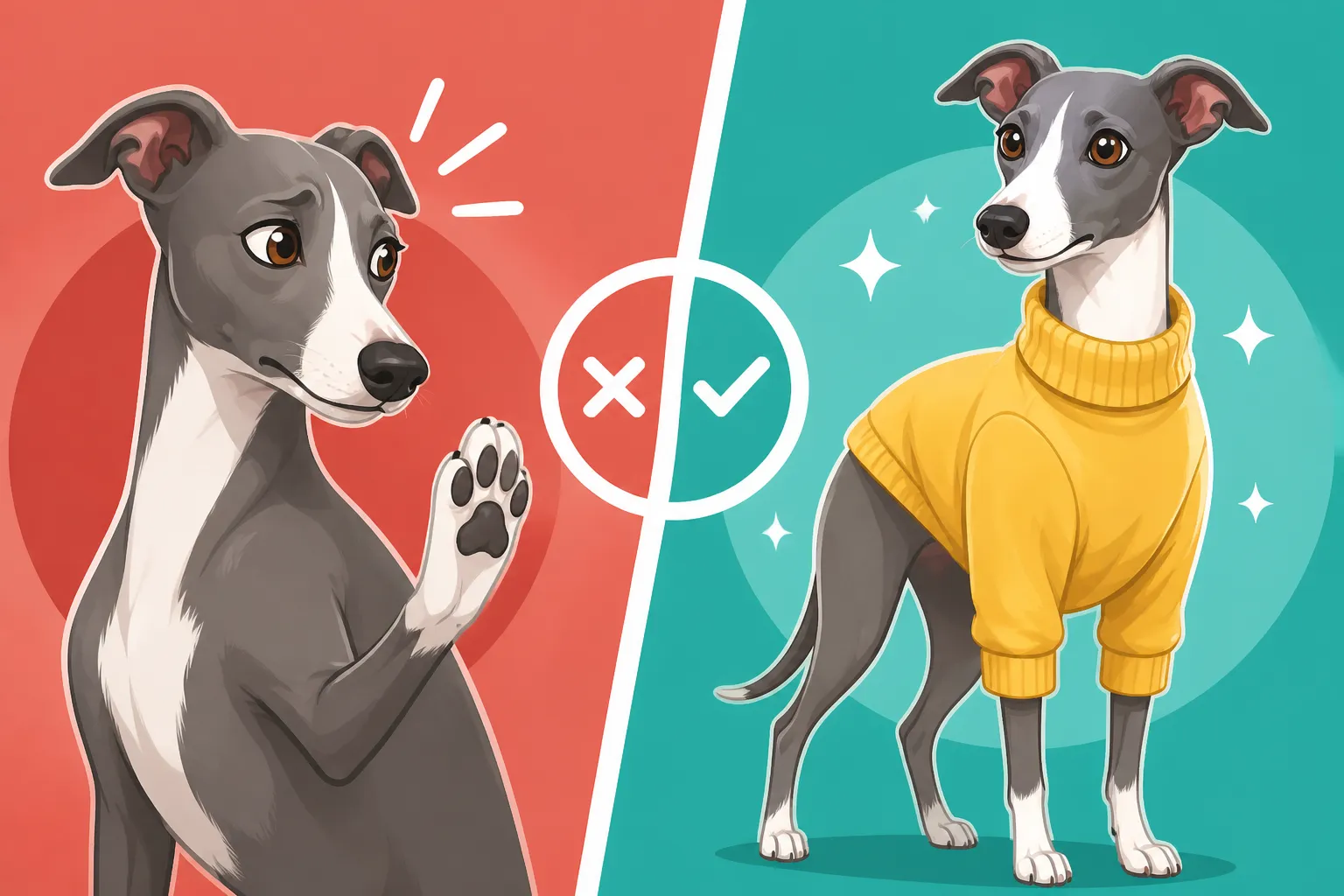
Whether an Italian Greyhound Objects to Being Dressed
Many Italian Greyhound owners know the struggle all too well: you’ve meticulously picked out a stylish, warm sweater or a protective raincoat for your delicate pup, only for them to look at you with utter bewilderment, freeze in place like a tiny statue, or immediately try to contort themselves out of it. It can be incredibly frustrating and even a little heartbreaking to see your well-intentioned efforts met with such clear disdain. If your Italian Greyhound acts like a tiny, furry Houdini or a bewildered fashion victim when you try to dress them, you are definitely not alone. This guide will delve into the nuances of why some Iggies resist wearing clothes, offer practical strategies to ease them into their wardrobes, and help you determine when it's best to simply work around their preferences.
The Essential Wardrobe: Why Italian Greyhounds Need Clothes in the First Place
Before we even get to the "if," let's address the "why." Unlike many breeds with thick coats and robust builds, Italian Greyhounds are uniquely sensitive to the elements, and clothing isn't just about looking adorable (though they certainly do!). It's a fundamental part of their care, driven by their physical characteristics.
Not Just Fashion: Protecting Delicate Bodies
Italian Greyhounds are famously delicate, with thin skin and very little body fat. This combination means they are highly susceptible to scrapes, nicks, and even more serious skin tears. Imagine a paper-thin piece of tissue paper – that's often how their skin feels. A brush against a rough surface, a playful nip from another dog, or even a clumsy fall can result in an injury that might be a minor bruise on a furrier breed but becomes a full-blown laceration on an IG. This isn't a hypothetical problem; Why an Italian Greyhound's Skin Tears is a topic most owners become acutely familiar with.
Clothing acts as a vital protective layer. A good, well-fitting sweater or coat can shield their skin from incidental contact with branches during a walk, prevent minor abrasions during play, and even offer a bit of a buffer against the sun on warmer days for lighter-colored Iggies. For Iggies that love to burrow or rough-and-tumble, even gentle fabrics can make a difference in preventing those unexpected trips to the vet for stitches.
Shiver Me Timbers: Combating Cold
One of the most defining characteristics of an Italian Greyhound is their profound intolerance for cold. They have almost no insulating body fat, and their short, fine coat offers minimal protection against chilly temperatures, both indoors and out. You'll quickly learn that Why an Italian Greyhound Cannot Hold Its Own Heat is a daily challenge. Even a slight draft in a seemingly warm house can send them into shivering fits. This isn't just discomfort; prolonged exposure to cold can lead to genuine health concerns, including hypothermia.
For this reason, keeping them warm is paramount. This means not just during winter walks but often within the home as well. Many owners find themselves putting What an Italian Greyhound Wears Indoors in Winter on their dogs even when the thermostat is set to what most humans consider comfortable. From cozy sweaters to fleece pajamas, these garments are essential tools in maintaining their core body temperature, ensuring they stay happy, healthy, and less prone to stress from being cold. Ignoring their need for warmth isn't an option for responsible IG owners, even if it means a little battle of wills over a snuggly new outfit.
Common Reactions and What They Mean
So, you've accepted that clothes are a necessity, not a luxury. But your Italian Greyhound might have other ideas! Their reactions to being dressed can range from amusing to utterly frustrating. Understanding what these reactions mean can help you respond more effectively.
The "Frozen Statue" Protest
This is perhaps one of the most common and comical reactions. You put a sweater on your IG, and suddenly, they freeze. They might stand perfectly still, refuse to move their legs, or take tiny, stiff steps as if their limbs have forgotten how to work. Their eyes might dart around with a look of profound betrayal or confusion. It's like they've momentarily forgotten they're a dog, transforming into a living mannequin. This isn't typically aggression or fear, but rather a profound sense of awkwardness or unfamiliarity.
This "statue" phase is often a learning curve. They're trying to figure out what this new sensation means and how their body is supposed to move with fabric restricting (or simply touching) them in unfamiliar ways. It’s their way of processing. If they’ve never worn clothing before, this reaction can be quite pronounced. Patience is key here; often, a little encouragement, a tempting treat, or a short distraction can break the spell.
The Mild Annoyance: Shakes, Wiggles, and Attempts to Disrobe
Beyond the statue, you might see an IG who moves, but with clear signs of irritation. This could manifest as excessive shaking, as if trying to shed water, or exaggerated wiggles and rolls on the floor, attempting to rub the offending garment off. Some will try to chew at the fabric, especially around the neck or legs. This is a more active protest than the "frozen statue" and indicates they are truly bothered by the sensation.
This level of annoyance often points to discomfort, either physical or sensory. The garment might be too tight, rubbing in an odd spot, or made of a fabric that irritates their sensitive skin. For instance, wool can be too scratchy for many Iggies, leading to persistent itching and attempts to remove it. Sometimes, it's just a general dislike of the feeling of being covered. It’s important to distinguish between "I don't like this new feeling" and "this hurts or itches." Close observation of where they are focusing their attention (e.g., constantly scratching their armpits when wearing a sweater) can provide clues. If you suspect an allergic reaction or skin irritation, a quick check with your vet is a good idea. Brands like Healthy Paws can help cover unexpected vet visits for such issues.
The Outright Rebellion: Chewing, Hiding, and Fright
At the far end of the spectrum are the Iggies who simply cannot, or will not, tolerate clothes. This might involve aggressive chewing and tearing at the fabric, trying to escape from your hands the moment the clothes appear, or even hiding under furniture to avoid the dressing process. Some Iggies might genuinely act frightened or distressed, cowering or showing signs of anxiety. This is less common but can happen, especially if a negative experience has been associated with clothing in the past.
If your Italian Greyhound reacts with strong fear or aggression, it's crucial to stop and re-evaluate. Pushing an anxious dog into wearing clothes can damage your bond and make the situation worse. This level of objection might stem from extreme sensory sensitivity, past trauma (perhaps a poorly fitting garment caused pain), or a deeply ingrained aversion. For these dogs, forcing the issue will be counterproductive. You might need to explore alternatives or significantly modify your approach, focusing heavily on desensitization and counter-conditioning.
Factors Influencing Your Italian Greyhound's Acceptance
Why does one Italian Greyhound happily trot around in a full snowsuit while another acts like they’re wearing a straightjacket? Several factors play a significant role in how well your IG will tolerate being dressed.
Early Exposure and Positive Reinforcement
Just like with nail trims or dental care, early exposure is a game-changer when it comes to clothing. Puppies are generally more adaptable and open to new experiences than adult dogs. If a young Italian Greyhound puppy is introduced to wearing lightweight, comfortable garments in short, positive sessions, they are far more likely to accept it as a normal part of life. Think about it: a small, soft t-shirt for a few minutes, followed by praise and a tasty treat, like some freeze-dried salmon from Chewy, can build a positive association from the start.
Conversely, if an Italian Greyhound isn't introduced to clothes until adulthood, especially if the first experience is a tight, restrictive coat in a stressful situation, they are much more likely to object. Their comfort zone is already established, and new sensations can feel intrusive or threatening. It's not impossible to train an adult dog, but it often requires more patience and a slower desensitization process. Consistency in positive reinforcement – pairing clothes with good things – is paramount, no matter the age.
Material, Fit, and Type of Garment
This is perhaps the biggest practical factor. An Italian Greyhound's delicate skin and unique body shape make them particularly sensitive to how clothes feel. A garment that fits a pug or a terrier will almost certainly not fit an Italian Greyhound. They need clothing specifically designed for sighthound proportions: deep chests, narrow waists, and long, slender legs. Where Italian Greyhound Clothing Actually Fits is a common quest for IG owners.
Consider these aspects:
- Fabric: Soft, breathable materials like fleece, soft cotton, or bamboo blends are generally preferred. Avoid scratchy wools, stiff materials, or anything with coarse seams that could rub.
- Fit: The garment should be snug but not restrictive. Loose clothing can trip them up or get caught on things, while tight clothing can cause chafing, restrict movement, or simply feel uncomfortable. Pay close attention to the chest, armpits, and neck. If you’re wondering What a Fitted Italian Greyhound Sweater Costs, remember that investing in quality, well-fitting items saves money and stress in the long run.
- Type: A simple sweater might be more tolerable than a full-body snowsuit initially. Some Iggies dislike hoods, while others don't mind. Boots can be a whole other battle! For instance, Whether an Italian Greyhound Needs Boots often depends on weather and personal tolerance. Start with the least intrusive garments and gradually work your way up.
Personality and Past Experiences
Just like people, every Italian Greyhound has a unique personality. Some are naturally more laid-back and adaptable, while others are more sensitive, skittish, or opinionated. A confident, curious IG might be more willing to experiment with a new outfit than a shy or anxious one. Their inherent temperament plays a huge role in how they perceive and react to new stimuli, including clothing.
Furthermore, past experiences can deeply impact their current reactions. If they had a negative experience with clothing as a puppy – perhaps a coat that pinched, or an owner who forced them into it – they might develop a lasting aversion. Conversely, if wearing clothes has always been associated with warmth, comfort, and positive attention, they will likely be much more accepting. Building trust and making the experience as pleasant as possible can help overcome prior negative associations.
Strategies for Turning "No!" Into "Maybe!"
If your Italian Greyhound is giving you the cold shoulder (pun intended!) about their wardrobe, don't despair! There are effective strategies you can employ to make the experience more positive and gradually increase their acceptance.
The Slow Introduction: A Step-by-Step Approach
The key here is desensitization and counter-conditioning. You want your Italian Greyhound to associate clothing not with discomfort or fear, but with good things.
- Introduce the garment: First, just let them see and sniff the item. Place it near their bed or food bowl. Don't try to put it on them yet. Reward any curiosity or calm interaction.
- Touch with the garment: Gently touch the garment to their back, then quickly remove it. Immediately offer a high-value treat, like a piece of cooked chicken or a delicious bite of Ollie's fresh dog food. Repeat this several times over a few days, gradually increasing the duration of the touch.
- Drape over their back: Once they're comfortable with gentle touches, try draping the garment over their back for a few seconds. Again, lots of praise and treats immediately. Don't worry about getting their legs in yet.
- One limb at a time: When they're okay with the drape, slowly slip one paw into a sleeve or leg hole. Treat! Then remove. Repeat for the other paw. Do this multiple times, keeping sessions very short (30-60 seconds).
- Partial dressing: Try getting both front paws in, but don't pull it fully on. Just enough to get the idea. Treat and remove. Build up to getting the garment mostly on, for just a few seconds, then remove.
- Full dressing, short duration: Finally, get the entire garment on. Keep it on for only 10-15 seconds initially, showering them with praise and treats the entire time. Then, take it off. Gradually increase the time the garment stays on, always ending on a positive note.
Remember to keep training sessions very short and upbeat. If your IG shows signs of stress, take a step back to the previous, easier step. Never punish them for resisting; this will only create negative associations.
Making it Positive: Treats, Praise, and Play
Positive reinforcement is your most powerful tool. Every step of the dressing process should be paired with something enjoyable.
- High-value treats: These aren't just any old kibble. Use treats your IG absolutely loves – something they rarely get, like cheese, boiled chicken, or special training treats from Chewy.
- Enthusiastic praise: Your tone of voice matters. Keep it cheerful and encouraging.
- Play and distractions: Once the garment is on (even briefly), distract them with a favorite toy or a short play session. This helps them forget they're wearing something and associate the clothing with fun activities. A quick zoomie session while wearing a new sweater might just be the trick!
- Immediate rewards: The timing of your rewards is crucial. Treat and praise the instant they tolerate a step or wear the item for a moment. This strengthens the positive association.
The goal is to make them think, "Oh, when this thing comes out, good things happen!" instead of "Oh no, not that again!"
Finding the Right Fit and Fabric
This cannot be stressed enough: a poorly fitting or uncomfortable garment will undermine all your training efforts. An Italian Greyhound's body shape is unique, and clothes made for other breeds simply won't work well.
- Sighthound-specific brands: Look for companies that specialize in clothing for Greyhounds, Whippets, and Italian Greyhounds. They understand the deep chest, slender neck, and narrow body. Many independent crafters on platforms like Etsy also create custom or semi-custom IG clothing.
- Measure accurately: Always measure your Italian Greyhound carefully, focusing on chest girth, back length, and neck circumference. Compare these to the manufacturer's sizing chart.
- Soft, non-irritating materials: Stick to soft fleeces, jersey knits, and smooth, non-bulky fabrics. Avoid rough textures, zippers that can pinch, or excessive embellishments that might catch or annoy them.
- Check for chafing: Once dressed, carefully check under their armpits, around their neck, and where the fabric meets their delicate groin area. Any redness or rubbing indicates a poor fit or irritating material that could lead to skin issues. Remember, Why an Italian Greyhound Gets Dry Skin in Winter can also make their skin even more sensitive to fabric irritation.
When All Else Fails: Alternative Ways to Keep Them Comfy
Despite your best efforts, some Italian Greyhounds will simply never tolerate wearing clothes with grace, or even at all. This doesn't mean they have to suffer in the cold or be unprotected. There are always alternatives and workarounds.
Indoor Warming Solutions
If your Italian Greyhound truly despises indoor sweaters and pajamas, you'll need to focus on making their environment as cozy as possible.
- Heated beds: A heated dog bed or a self-warming pet mat can provide a consistent, comforting source of warmth. This allows them to regulate their own temperature by moving on or off the heat source. For some Iggies, Whether a Heated Bed Is Safe for an Italian Greyhound is a common question, but modern heated beds are designed with safety in mind.
- Plenty of blankets: Italian Greyhounds are champion burrowers. Provide an abundance of soft blankets, throws, and snuggle sacks where they can tunnel and create their own warm nest. This satisfies their natural instinct to get under covers and conserves their body heat.
- Strategic heating: Consider space heaters in the rooms where your IG spends the most time, ensuring they are dog-safe and monitored. Keep drafts to a minimum by sealing windows and doors.
- A warm spot to sleep: Allowing your Italian Greyhound to sleep in your bed, especially under the covers, is a common solution for many owners. Not only does it provide warmth, but it also fulfills their deep need for closeness and security.
Prioritizing Outdoor Protection for the Unwilling
Even if indoor clothes are a no-go, outdoor protection is often non-negotiable for Italian Greyhounds. If they fight every single piece of clothing, focus your efforts on the absolute essentials for safe outdoor excursions.
- High-quality winter coat: If they will tolerate any garment, make it a well-fitting, insulated winter coat that covers their chest, back, and ideally, their belly. Prioritize warmth and protection over style. This one item is critical for protecting them from the cold when going outside for potty breaks or short walks. How Many Coats an Italian Greyhound Needs is often fewer than you think if one good, versatile one works.
- Rain gear: Similarly, if you live in a rainy climate, a good raincoat is essential. What an Italian Greyhound Wears in the Rain should protect their delicate fur from getting soaked, which quickly leads to them getting dangerously cold.
- Short, frequent potty breaks: If they refuse all outdoor clothing, keep their time outside to the absolute minimum necessary for potty breaks in cold or inclement weather. Be ready to scoop them up and bring them inside quickly.
- Indoor potty solutions: For Iggies who truly refuse outdoor clothing and hate the cold/rain, exploring Setting Up an Indoor Bathroom for an Italian Greyhound with potty pads or an indoor litter box might be a humane compromise during harsh weather. This minimizes their need to go outside when it's uncomfortable.
Ultimately, your Italian Greyhound's comfort and well-being are the priority. While many Iggies come to tolerate or even enjoy their wardrobe, it's okay if yours is a rebel. With patience, understanding, and the right approach, you can ensure your beloved companion stays warm, safe, and happy, dressed or not.
| Garment Type | Purpose | Typical IG Reaction | Tips for Acceptance |
|---|---|---|---|
| Sweater/Pullover | Everyday warmth, light protection | Generally moderate | Soft fabrics (fleece, jersey), proper sighthound fit, introduce slowly with treats. |
| Winter Coat | Extreme cold protection, rain/snow | Initially resistant | Focus on warmth, choose waterproof/windproof, ensure full chest/belly coverage. |
| Pajamas | Overnight warmth, indoor comfort | Often well-tolerated | Very soft, lightweight, good for burrowing, can be comforting. |
| Raincoat | Wet weather protection | Varies, can be disliked | Lightweight, flexible, doesn't make crinkly noises, quick on/off. |
| Boots | Paw protection (hot/cold pavement, salt) | High resistance | Introduce one boot at a time, very gradually, choose soft & flexible styles. Whether an Italian Greyhound Needs Boots is often location-dependent. |
Disclaimer
This article is for general informational purposes only and does not constitute professional advice. Laws, prices and regulations vary by location and change over time. Consult a qualified professional for guidance on your specific situation.