Why Italian Greyhounds End Up in Rescue
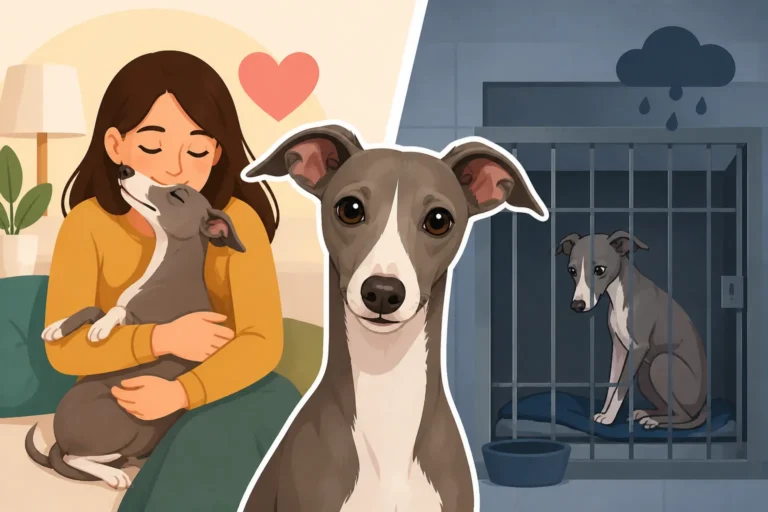
It's a sad reality, but many Italian Greyhounds, despite their delicate beauty and sweet nature, end up needing the compassion and care of a rescue organization. Often, this isn't due to a lack of love from their original families, but rather a profound mismatch between expectations and the very specific needs of this unique breed. This guide aims to shed light on the common reasons why these lovely little sighthounds frequently find themselves in rescue, helping future owners understand the commitment and potentially prevent heartbreaking relinquishments.
Misunderstood Breed Needs and Delicacy
Italian Greyhounds are not your average "small dog." They come with a set of characteristics that, while endearing to those who understand them, can be a major shock to unprepared owners. Their physical delicacy and particular sensitivities are often at the root of many rehoming situations.
Fragile Bones and High Injury Risk
One of the most devastating realities of owning an Italian Greyhound is their predisposition to bone fractures. It's not an "if," but often a "when," especially during their puppy and adolescent years. We're talking about a dog whose bones are incredibly fine, almost like bird bones, and not nearly as robust as many other breeds, even those of similar size. A simple jump off a sofa, a misstep on a slippery floor, or even an accidental fall while playing can result in a broken leg.
Imagine the sheer panic of hearing that yelp, seeing your tiny companion unable to put weight on a leg, and then facing an emergency vet bill that can easily reach thousands of dollars. It’s an emotional and financial rollercoaster that many first-time Italian Greyhound owners are simply not prepared for. The healing process can be long and arduous, often requiring extensive crate rest and careful management. This isn't just a minor inconvenience; it's a life-altering event for both dog and owner. The truth is, Why an Italian Greyhound's Leg Bones Break So Easily is a critical piece of information every potential owner needs to internalize long before bringing one home.
Sensitivity to Cold and Weather
Another common source of frustration, particularly for those living in colder climates, is the Italian Greyhound's extreme sensitivity to the cold. With their incredibly thin skin and almost non-existent body fat, they shiver at temperatures that most other dogs find perfectly comfortable. A brisk autumn breeze, a damp spring day, or certainly any snow or ice, will have them trembling and looking for cover.
This isn't just about comfort; it profoundly impacts their willingness to go outside for potty breaks. You can try to encourage them, but a cold, wet Italian Greyhound will often hold it in rather than face the elements, leading to indoor accidents. This makes housetraining an uphill battle, especially in winter. It’s not uncommon to hear owners lament, "My IG just refuses to go out in the rain or cold!" Understanding The Italian Greyhound That Refuses to Go Out in the Cold is crucial for setting up a successful environment and managing expectations for outdoor adventures. Their need for warmth also extends indoors, with many Iggies seeking out blankets, sweaters, or even a heated bed to stay cozy.
Dental Health and Associated Costs
If you're not prepared for consistent, often expensive, dental care, an Italian Greyhound might present an unexpected challenge. This breed is notoriously prone to severe dental disease, far more so than many other dogs. Their small mouths and crowded teeth create a perfect breeding ground for plaque and tartar, which can quickly lead to gum disease, pain, and tooth loss.
It's not enough to just brush occasionally. Many Italian Greyhounds require professional dental cleanings under anesthesia every year, or sometimes even more frequently, starting at a young age. These aren't cheap procedures, especially if extractions are needed. The ongoing costs can add up significantly over their lifespan. Owners who neglect dental care often find their dog in severe pain, losing teeth, and facing even more expensive corrective procedures down the line. It's a silent suffering that can be entirely prevented with diligent care, but the cost and commitment are real. Periodontal Disease Is the Italian Greyhound's Most Common Diagnosis is a topic that can't be stressed enough for prospective IG owners.
Training and Behavioral Challenges
Beyond their physical needs, Italian Greyhounds bring a unique set of behavioral quirks to the table that can prove challenging for many owners, often leading to dogs being surrendered when expectations aren't met.
The Housetraining Hurdle
Let's just be honest: housetraining an Italian Greyhound can feel like trying to teach a fish to ride a bicycle. It’s notoriously difficult, frustrating, and often cited as the number one reason Iggies end up in rescue. Their small bladders mean they need to go often, and their weather aversion makes outdoor potty breaks a battle. Many simply prefer the comfort of indoors, making consistency a constant struggle for owners.
Despite best efforts, many Italian Greyhounds never become 100% reliable outdoors, especially in inclement weather. This can lead to persistent indoor accidents, which can understandably wear down an owner's patience and lead to frustration. Some owners resort to extensive indoor potty setups, like litter boxes or pee pads, which works for some, but not all. The commitment to understanding Housetraining an Italian Greyhound Is the Hardest Part of Owning One truly cannot be overstated. It requires immense patience, consistency, and a willingness to adapt your home and routine to their specific needs.
Prey Drive and Off-Leash Risks
Beneath their delicate appearance, Italian Greyhounds are sighthounds with a deeply ingrained prey drive. If something small and fast catches their eye – a squirrel, a rabbit, or even a blowing leaf – their instincts kick in, and they are off like a shot. They can reach impressive speeds in seconds, and once they're focused on a chase, their hearing often goes completely out the window.
This powerful instinct means that an Italian Greyhound cannot, under almost any circumstances, be trusted off-leash in an unfenced area. No matter how well you think you've trained them, one enticing flicker of movement can send them running into traffic or disappearing over the horizon. This makes walks challenging, often requiring a secure harness and a long lead to provide them with safe running opportunities. The reality of Why an Italian Greyhound Cannot Be Trusted Off Leash, Ever is a hard lesson for many to learn, sometimes with tragic consequences, leading some owners to relinquish dogs they feel they cannot safely manage or contain. It’s why Whether an Italian Greyhound Needs a Fenced Yard is almost always a resounding "yes" for outdoor freedom.
Separation Anxiety and "Velcro" Nature
Italian Greyhounds are often called "Velcro dogs" for a reason – they absolutely thrive on human companionship and form incredibly strong bonds with their people. While this devotion is one of their most charming traits, it also makes them highly susceptible to separation anxiety. They want to be with you, on you, under your blankets, pretty much always.
When left alone for too long, or without proper training to cope with solitude, an Italian Greyhound experiencing separation anxiety can become distressed. This can manifest as incessant barking, destructive chewing, inappropriate urination or defecation indoors, or even frantic attempts to escape their confinement. This can be incredibly disruptive for owners, particularly those who work full-time or have active social lives that take them away from home for extended periods. It can be heartbreaking to watch your beloved pet suffer, and dealing with the aftermath of their anxiety can lead to owners feeling overwhelmed. Understanding The Velcro Dog: What Constant Company Means With an Italian Greyhound is key to preparing for this intense bond and managing their need for closeness.
Lifestyle Mismatches and Unexpected Costs
Sometimes, the reasons Italian Greyhounds end up in rescue have less to do with their inherent traits and more to do with owners' preparedness or unforeseen life events.
Unprepared for the Financial Commitment
Owning an Italian Greyhound is not cheap, and the ongoing costs can catch many owners by surprise. Beyond the initial purchase price, the potential for high vet bills, especially for fractures, can be astronomical. We've already touched on dental care, but imagine facing a bill for thousands of dollars for a broken leg, knowing it might require multiple surgeries or specialist care. For owners without an emergency fund or robust pet insurance, this can be an impossible burden.
Many people adore the breed's elegance and charm but haven't fully grasped the reality of their fragility and the associated medical expenses. Investing in quality pet insurance like Healthy Paws can certainly help mitigate some of these unexpected costs, but it requires foresight and a consistent monthly payment. When faced with a sudden, massive vet bill, some owners simply can't afford it, and that's when rescue organizations often step in to help. Why a Broken Leg Is the Biggest Bill an Italian Greyhound Owner Gets is a stark warning that many prospective owners unfortunately don't heed. Considering What an Italian Greyhound Costs Over Fifteen Years reveals a true financial commitment.
Incompatibility with Young Children or Other Pets
While some Italian Greyhounds can coexist peacefully with well-behaved children and other animals, their delicate nature makes them a poor match for many boisterous households. A toddler's clumsy grab, an accidental drop, or rough play from a larger, more rambunctious dog can easily result in serious injury to an Italian Greyhound.
Many rescue groups are hesitant to place Iggies in homes with very young children for this very reason. It's not that the dog is inherently aggressive, but their fragile bones and sensitive temperament mean they need a calm, predictable environment where they feel safe. Similarly, living with large, playful breeds can be a constant source of stress and danger. Owners sometimes find themselves in a situation where their beloved IG is constantly at risk or perpetually stressed, leading them to seek a quieter, safer home for their pet. It's a sad realization when a family discovers that Why Children Should Not Carry an Italian Greyhound is more than just a polite suggestion; it's a critical safety measure.
Changing Life Circumstances
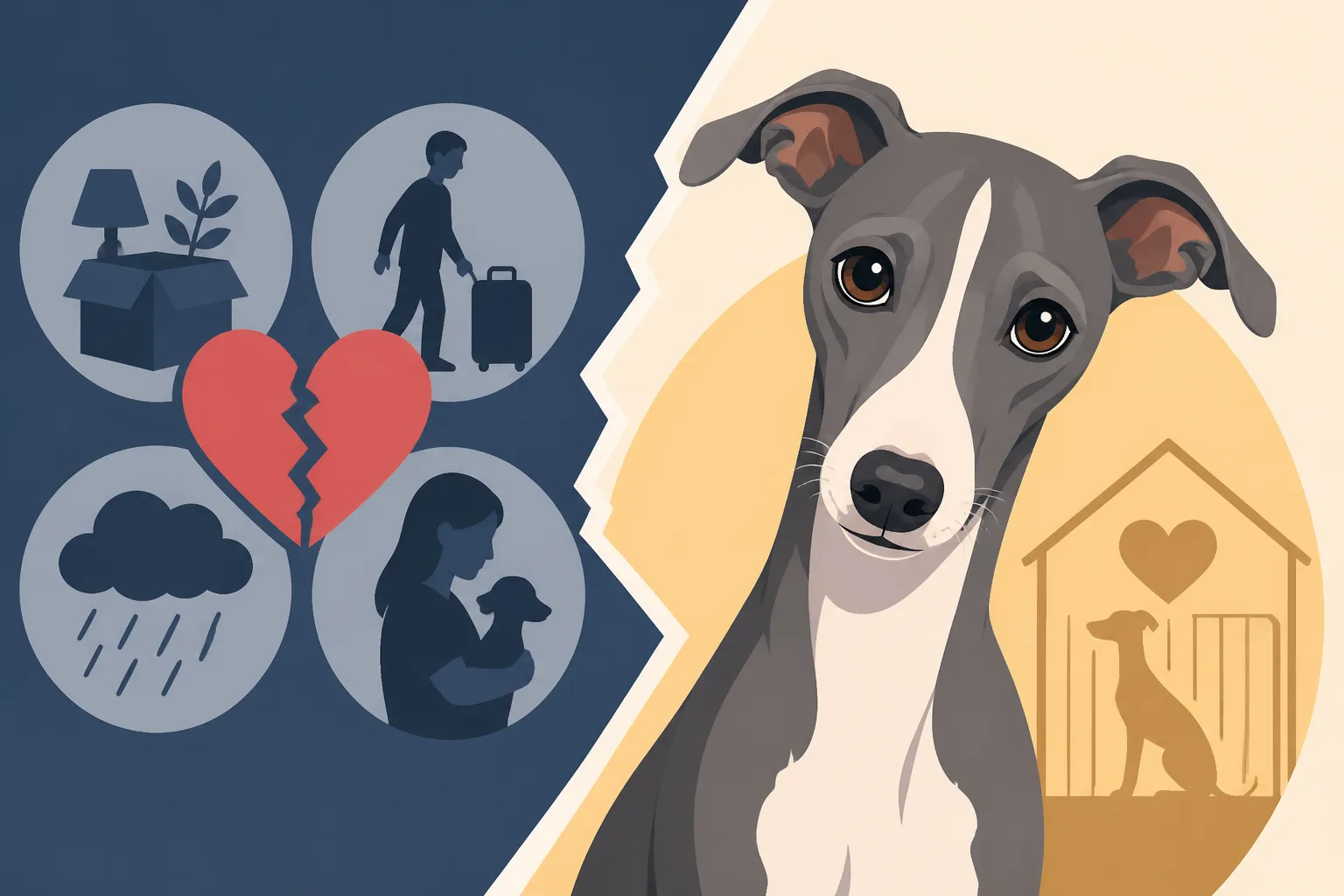
Life happens, and sometimes even the most devoted owners find themselves in circumstances that make continued Italian Greyhound ownership untenable. A sudden move to an apartment with strict pet rules, a new job with significantly longer hours that clashes with an IG's need for companionship, a new baby that shifts household dynamics, or even a serious illness in the family can all lead to difficult decisions.
These are often situations where owners are heartbroken to give up their pet, but feel they can no longer provide the specific environment and attention an Italian Greyhound needs to thrive. Rescues are often the last resort for these families, who are trying to ensure their beloved companion finds a suitable new home rather than facing an uncertain future. These aren't cases of neglect, but rather unfortunate twists of fate that highlight the long-term commitment required for any pet, especially one with such particular needs.
The Impact of Misinformation and Impulse Buying
Unfortunately, not every Italian Greyhound comes from a meticulously planned breeding or a thoroughly researched adoption. Misinformation and impulse decisions play a significant role in why many end up in rescue.
"Cute Puppy" Syndrome and Lack of Research
It's undeniable: Italian Greyhound puppies are ridiculously adorable. Their big eyes, tiny bodies, and playful antics can make anyone fall in love at first sight. However, this "cute puppy syndrome" often leads to impulse purchases without adequate research into the breed's adult temperament, health predispositions, and unique needs. People see a charming little dog and don't dig deep enough into the realities of their fragility, housetraining challenges, or intense need for companionship.
When that adorable puppy matures into a dog with an unreliably housetrained bladder, a penchant for breaking bones, or destructive separation anxiety, the reality can be overwhelming. The romanticized image of ownership quickly crumbles under the weight of unforeseen challenges, leading to frustration and, eventually, a call to rescue. This lack of initial due diligence is a disservice to both the dog and the prospective owner.
Backyard Breeders and Unhealthy Puppies
The allure of a cheaper puppy often leads people to "backyard breeders" or irresponsible sources who prioritize profit over health and temperament. These breeders often skip crucial health screenings, house their dogs in suboptimal conditions, and fail to provide early socialization. This can result in puppies with underlying health issues that emerge later (like genetic eye conditions or even structural problems that increase fracture risk) or significant behavioral problems due to poor early experiences.
A puppy from such a source might come with a lower initial price tag, but the long-term costs in vet bills and behavioral training can far exceed what a responsible breeder would charge. When these issues become too much for an unprepared owner, the dog often ends up in rescue, needing extensive medical care and rehabilitation. It's a harsh truth that What a Cheap Italian Greyhound Puppy Signals is almost always a warning sign, not a bargain.
The Role of Online Marketing
In our digital age, it's easier than ever to find pets online. While this can connect responsible breeders with good homes, it also makes it simple for less ethical sellers to market puppies to impulse buyers. Websites and apps can make buying a pet feel as easy as ordering groceries from Chewy or a meal from Ollie, without the necessary scrutiny or educational safeguards that a reputable breeder or rescue would provide.
This accessibility can contribute to an increase in "cute puppy" syndrome purchases, where dogs are acquired on a whim rather than through thoughtful consideration. Without proper vetting of the buyer, or a thorough explanation of the breed's specific challenges, these puppies are more likely to end up in homes that aren't suitable for their needs, contributing to the rescue population.
Common Reasons for Italian Greyhound Surrender
To give you a clearer picture, here's a summary of the most frequent reasons Italian Greyhounds find themselves in rescue, categorized by the core issue:
| Category | Primary Reason for Surrender | Underlying Italian Greyhound Trait | Impact on Owner |
|---|---|---|---|
| Health & Safety | Broken Bones / Frequent Injuries | Fragile skeletal structure, high activity levels, lack of fear | High vet bills, emotional stress, constant supervision, restricted lifestyle |
| High Dental Costs | Predisposition to severe periodontal disease, small mouth, crowded teeth | Recurring high vet bills, potential for pain and infection | |
| Behavioral | Housetraining Difficulties | Small bladder, weather aversion, preference for indoor comfort | Constant cleaning, ruined belongings, frustration |
| Separation Anxiety / Destructive Behavior | Strong bond with owners, need for constant companionship | Damage to home, excessive barking, distress for dog and owner | |
| Escapes / Bolting | Strong prey drive, exceptional speed, poor recall | Fear of loss, unsafe off-leash situations, inability to contain outdoors | |
| Lifestyle | Not Good with Kids/Other Pets | Delicate build, sensitivity to rough handling, potential for injury | Stress in multi-pet/child homes, rehoming to ensure safety |
| Owner's Changing Circumstances | Life changes (move, new job, baby), inability to meet needs | Guilt, difficult decision to rehome, search for appropriate new home | |
| Knowledge Gap | Unprepared for Breed Needs | Lack of research on breed-specific care, costs, temperament | Overwhelm, disappointment, feeling ill-equipped to provide care |
| High Vet Bills/Lack of Insurance | General medical costs, specific breed health issues | Financial strain, difficult choices regarding treatment |
Ultimately, Italian Greyhounds are truly wonderful, loving companions for the right home. Their unique needs, from their delicate bones and dental care to their demanding emotional and training requirements, simply mean they are not the right fit for everyone. Understanding these challenges before you bring an Italian Greyhound into your life is the most crucial step in ensuring they never have to experience the upheaval of a rescue. Rescue organizations perform invaluable work, picking up the pieces when these mismatches occur, but the goal for all of us should be to prevent that situation in the first place through education and responsible ownership.
Disclaimer
This article is for general informational purposes only and does not constitute professional advice. Laws, prices and regulations vary by location and change over time. Consult a qualified professional for guidance on your specific situation.