Whether Indoor Pads Work for an Italian Greyhound
Housetraining an Italian Greyhound can feel like an endless uphill battle, especially when you're battling harsh weather, a tiny bladder, or simply trying to prevent accidents on your pristine flooring. Many Italian Greyhound owners find themselves wondering if indoor potty pads are a viable, or even necessary, solution to manage their little one's bathroom habits without constant outdoor trips. This guide dives deep into the realities of using indoor pads for Italian Greyhounds, exploring their benefits, drawbacks, and how to best implement them if you choose this route.
The Persistent Housetraining Challenge of Italian Greyhounds
Let's be honest, Italian Greyhounds have a reputation for being notoriously difficult to housetrain, and it’s not just a myth perpetuated by frustrated owners. Their delicate nature, fine coat, and aversion to cold or wet weather all conspire against traditional outdoor potty training methods. It's a common lament among IG parents: you bundle them up, brave the elements, and they stand there shivering, refusing to relieve themselves, only to trot back inside and promptly piddle on your rug.
Why Italian Greyhounds Struggle with Outdoor Training
Several factors contribute to an Italian Greyhound's reluctance to embrace outdoor toileting. Firstly, their minimal body fat and thin skin mean they get cold very easily. Even a slight chill can send them shivering and looking for warmth, making outdoor potty breaks in anything less than perfect weather an ordeal. Why an Italian Greyhound Gets Cold on the Table discusses their delicate nature, which extends to their comfort outdoors. Secondly, they have incredibly small bladders for their size, especially as puppies, meaning they need to go out much more frequently than many other breeds. Waiting too long can lead to an inevitable accident. Thirdly, their fastidious nature means they often prefer clean, dry surfaces – and a damp, muddy, or snowy yard just doesn't fit the bill.
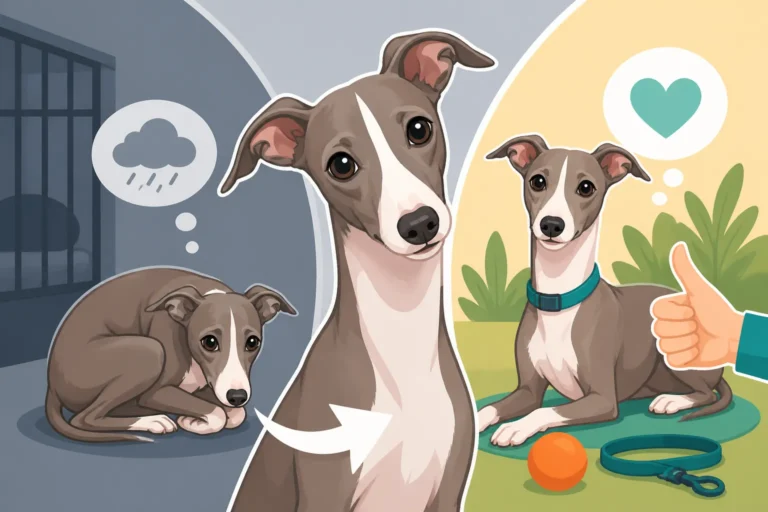
Imagine it: You’ve just finished dinner, it's already dark, and a light drizzle has started. Your little Iggy, who usually springs to life for a walk, looks at you with wide, mournful eyes from under a blanket. You coax them into a tiny raincoat and boots, open the door, and they take two steps, freeze, then try to turn around. This isn’t stubbornness; it’s a genuine discomfort that makes outdoor trips feel impossible. Owners often find themselves thinking, "There has to be an easier way."
The Impact of Early Training and Environment
The foundation laid in puppyhood is crucial, but even then, IGs can be tricky. Why an Italian Greyhound Is Slow to Housetrain delves into the intricacies of their learning process. Many Italian Greyhounds come from breeders who might use indoor setups, whether pads or litter boxes, which means they are already accustomed to indoor toileting. When you bring them home, trying to immediately transition to 100% outdoor can be a huge shock to their system and a major step backward in their training. If they've learned that soft, absorbent surfaces are the "right" place to go, your rug suddenly becomes very appealing.
Furthermore, the structure of your home environment plays a massive role. If you live in a high-rise apartment and getting outside involves a lengthy elevator ride and a walk, those frequent potty breaks become a logistical nightmare. For older Italian Greyhounds, mobility issues might also make frequent stair climbing or long walks challenging, making an indoor option a compassionate choice.
The Appeal and Reality of Indoor Potty Pads
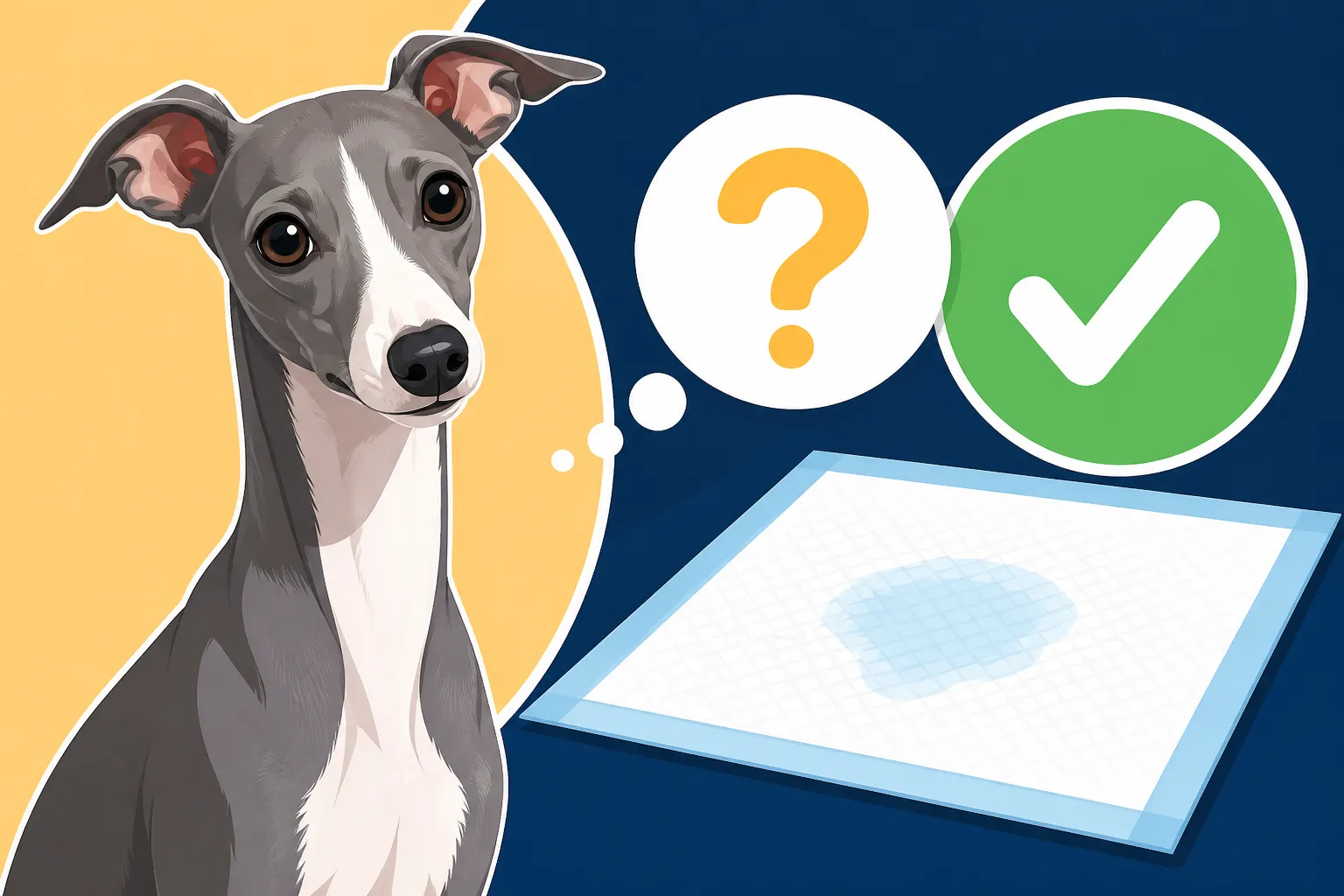
Given these challenges, it’s no wonder so many Italian Greyhound owners turn to indoor potty pads. They seem like a logical, convenient solution to mitigate accidents and provide a consistent indoor bathroom space, especially for a breed prone to cold and with a small bladder. But while they offer undeniable advantages, they also come with their own set of considerations.
What Are Indoor Potty Pads?
Indoor potty pads, often called "wee-wee pads" or "training pads," are absorbent mats designed to provide a designated indoor spot for a dog to relieve themselves. They typically consist of several layers of material designed to wick away moisture, neutralize odors, and often include an attractant scent to encourage the dog to use them. You can find a vast array of these on platforms like Amazon, from basic disposable pads to washable, reusable options.
Beyond the basic flat pad, there are more elaborate indoor solutions:
- Artificial Grass Pads: These mimic the feel of real grass and often come with a tray underneath to collect liquid, providing a more natural texture for dogs who prefer grass.
- Litter Boxes for Dogs: Yes, some Italian Greyhounds can be trained to use a litter box, much like a cat! These usually contain dog-specific litter or pee pads, offering a contained and often more aesthetically pleasing option. Litter Box Training an Italian Greyhound covers this in detail.
The idea is simple: place the pad in a consistent spot, and your Italian Greyhound learns to use it instead of your carpet. This can be a lifesaver for puppies who can't hold it long, senior dogs with incontinence, or even just for those rainy, snowy, or scorching hot days when outdoor trips are difficult.
Pros of Using Potty Pads for Italian Greyhounds
For many IG owners, indoor pads aren't just a convenience; they're a necessity that brings a lot of peace of mind.
- Weather Protection: This is perhaps the biggest draw. When it's pouring rain, snowing, or freezing outside, you don't have to force your shivering Iggy out into the elements. They have a warm, dry, indoor option available, preventing discomfort and potential health issues from prolonged cold exposure. When an Italian Greyhound Needs a Sweater Indoors and How Long an Italian Greyhound Can Stay Outside in Winter highlight their susceptibility to cold.
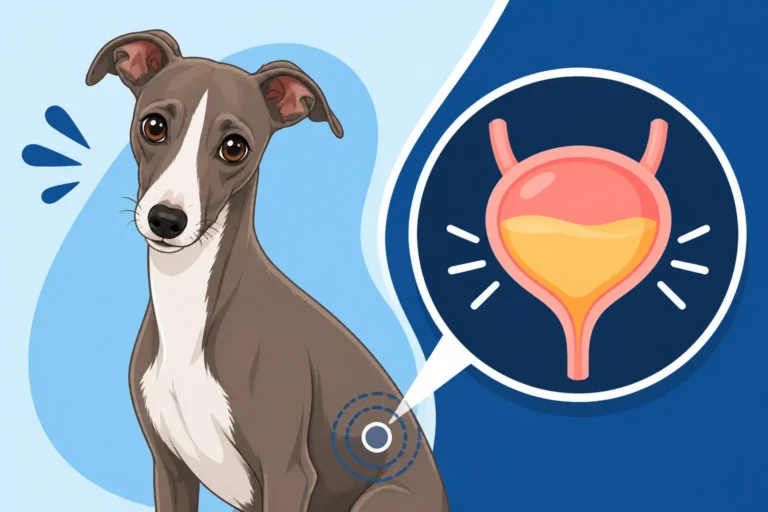
- Managing Small Bladders: Italian Greyhound puppies, in particular, need to go constantly. Even adult IGs have smaller bladders compared to many other breeds. Pads offer an immediate solution when your dog signals they need to go, reducing the chances of accidents if you can't get outside fast enough. Why an Italian Greyhound Has a Small Bladder is a must-read for understanding this physiological reality.
- Injury Prevention: For Italian Greyhounds, broken legs are a constant worry. Jumping off furniture to get outside, or even slipping on ice, can lead to devastating injuries. Having an indoor option can reduce the need for sudden, risky dashes to the door. This is especially relevant when you consider topics like The Jump Off the Sofa That Breaks an Italian Greyhound's Leg and How an Italian Greyhound Breaks a Leg in Its Own Yard.
- Consistency During Confinement: If your Italian Greyhound is recovering from surgery, like a fracture repair, or needs to be confined for any reason, pads provide a hygienic and consistent bathroom solution within their restricted space. This avoids further stress during an already difficult time.
- Apartment Living: For those living in apartments, especially high-rise buildings, frequent trips downstairs can be impractical and time-consuming. Pads offer a simple way to manage potty breaks without the added travel time.
- Peace of Mind While Away: If you work long hours or need to leave your Italian Greyhound for a few hours, knowing they have a designated spot indoors can alleviate anxiety for both you and your dog, preventing accidents and encouraging appropriate elimination.
Cons and Challenges of Relying on Indoor Potty Pads
While the benefits are clear, indoor potty pads aren't a magical solution without their own set of potential problems. It's crucial to understand these drawbacks before committing to this training method.
Confusing Potty Training Signals
One of the biggest hurdles with potty pads is that they can inadvertently teach your Italian Greyhound that any indoor absorbent surface is fair game. This is the classic "potty pad vs. rug" dilemma. If your dog isn't consistently directed to the pad, or if the pad isn't kept immaculately clean, they might decide that your bathmat, a discarded towel, or even a soft throw rug is just as good. This can lead to ongoing frustration and make true outdoor housetraining even more difficult.
Imagine an owner who diligently places pads down but also has several area rugs throughout their home. The Iggy, accustomed to going on soft materials, might not distinguish between the purpose-bought pad and the expensive Persian rug. This can create a pattern where the dog is technically "housetrained" to go indoors, but not necessarily on your chosen spot, leading to constant cleanup.
Hindering Outdoor Training Progress
If your ultimate goal is for your Italian Greyhound to go exclusively outdoors, relying heavily on pads can slow down or even derail that process entirely. Dogs are creatures of habit, and if they've learned that indoors is the primary place to relieve themselves, breaking that habit can be extremely challenging. They may continue to hold it when outside, waiting until they get back into the comfort of your home to use their pad, even if you spend ample time outside. Moving an Italian Greyhound From Pads to Outdoors highlights the difficulties of this transition.
This can be particularly frustrating when you're trying to establish a reliable outdoor routine. You might spend twenty minutes in the yard, only for your Iggy to hold it, come inside, and then trot straight to the pad. This creates a cycle where the outdoor experience isn't fully ingrained as the "right" place to go.
Hygiene and Odor Issues
Let's be real: having dog waste inside your home, even on a designated pad, isn't always pleasant. Unless pads are changed immediately after use, they can harbor odors and bacteria. If not cleaned properly, the designated potty area can become a source of lingering smells. Disposable pads contribute to landfill waste, and reusable pads require frequent washing, adding to your laundry load.
Consider a multi-dog household or a situation where you're not home to change pads immediately. The smell can build up, and dogs are less likely to use a soiled pad, potentially leading them to seek out other "clean" indoor spots. This is where consistent attention to cleanliness is paramount. Even with odor-absorbing pads, the presence of urine and feces indoors is simply not for everyone.
Potential for Marking Behavior
Unneutered male Italian Greyhounds, especially, can be prone to marking behavior. If they are accustomed to using an indoor potty spot, this can sometimes translate into marking other areas of the house as a way of establishing territory. Even neutered males or females can occasionally mark if they feel insecure or if their indoor potty area isn't kept clean enough. Why an Italian Greyhound Marks Indoors explains this behavior further. This is a behavioral challenge that indoor pads can, in some cases, exacerbate.
Long-Term Dependency
For some Italian Greyhounds and their owners, pads become a permanent fixture. While this can be a perfectly acceptable choice for many, it’s a commitment. If you plan to travel with your dog, they may struggle to adapt to outdoor-only potty breaks in new environments. It also means you'll continually incur the cost of purchasing pads (or washing reusable ones) and managing the indoor potty area for the entirety of your Italian Greyhound's life.
Making Indoor Potty Pads Work Successfully
If you decide that indoor potty pads are the best solution for your Italian Greyhound, either permanently or as a temporary measure, there are key strategies to maximize your success and minimize the potential downsides. It’s all about consistency, management, and clear communication with your dog.
Choosing the Right Potty Pad Setup
Not all potty pads are created equal, and finding the right system for your Italian Greyhound is crucial.
- Disposable Pads: These are convenient for quick changes but generate a lot of waste. Look for ones with strong absorbency and odor control. Many brands on Amazon offer these in bulk.
- Reusable Pads: An eco-friendly and often more cost-effective option in the long run. They require regular washing, but modern designs are very absorbent and durable.
- Artificial Grass Systems: These often come with a plastic tray underneath for drainage and replaceable synthetic grass mats. They can be particularly helpful if your Iggy shows a strong preference for grass-like textures. Some even include a removable "pee post" for male dogs. Whether Real Grass Pads Work for an Italian Greyhound is a related read.
- Dog Litter Boxes: These usually feature higher sides to contain messes and can be filled with specialized dog litter or regular potty pads. They offer a more contained solution and can be placed in a less conspicuous area.
Table: Comparison of Indoor Potty Solutions
| Feature | Disposable Pads | Reusable Pads | Artificial Grass System | Dog Litter Box (with pads/litter) |
|---|---|---|---|---|
| Pros | Easy disposal, widely available, low initial cost | Eco-friendly, cost-effective long-term, durable | Natural texture appeal, good drainage, contained | Contained, can be less visible, suitable for privacy |
| Cons | Generates waste, can shift easily, ongoing cost | Requires frequent washing, higher initial cost | Requires cleaning of grass and tray, may smell if not maintained | Larger footprint, specific litter/pads needed, regular cleaning |
| IG Suitability | Good for puppies, quick fixes, travel | Excellent for long-term use, environmentally conscious | Good for grass-preferring IGs, can feel more "natural" | Best for IGs who adapt to contained spaces, good for small apts |
| Cleaning Effort | Minimal per change, daily waste | Moderate (daily washing) | Moderate (daily rinsing, periodic deep cleaning) | Moderate (daily scooping/changing, periodic deep cleaning) |
Strategic Placement and Reinforcement
The location of the potty pad is key. Choose a consistent, easily accessible spot that is away from their food and sleeping areas. A quiet corner, a laundry room, or even a specific area in a gated space works well. Setting Up an Indoor Bathroom for an Italian Greyhound provides excellent advice on this. Avoid placing it in high-traffic areas where your dog might feel exposed or interrupted.
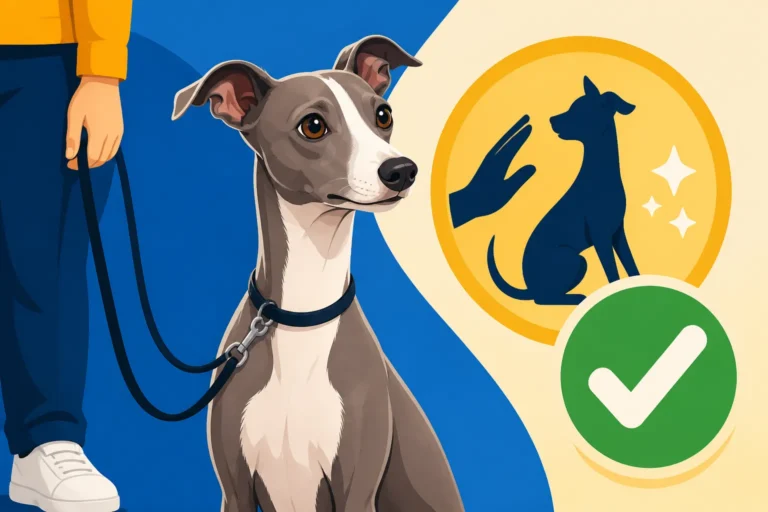
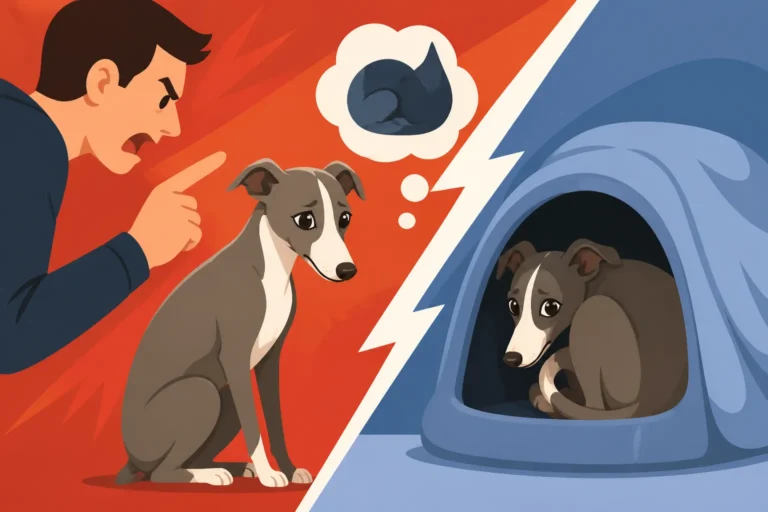
When your Italian Greyhound successfully uses the pad, lavish them with praise and a small, high-value treat immediately. Make it a positive experience! If you catch them having an accident elsewhere, interrupt them calmly and immediately guide them to the pad. Never punish them for accidents; this only teaches them to hide their toileting from you. Why Punishment Makes an Italian Greyhound Hide to Go explains why this approach is counterproductive.
Addressing Odor and Hygiene
Maintaining cleanliness is paramount to success and to keeping your home fresh.
- Frequent Changes: For disposable pads, change them as soon as they are soiled. For reusable pads, have several on hand so you can swap them out daily and wash soiled ones.
- Enzyme Cleaners: Always use an enzymatic cleaner specifically designed for pet odors when cleaning up any accidents, especially those off the pad. These cleaners break down the urine crystals that cause lingering smells, preventing your Iggy from being drawn back to the same spot. Brands like Rocco & Roxie or Nature's Miracle are popular choices available through retailers like Amazon.
- Containment: Consider a pad holder or a designated mat that keeps the pad in place and contains any spills. For artificial grass systems, regular rinsing and occasional scrubbing with pet-safe cleaners are essential.
Transitioning and Alternatives to Potty Pads
While indoor pads can be incredibly useful, some owners might aim for a fully outdoor-trained Italian Greyhound, or they might explore other indoor options beyond traditional pads. This requires a thoughtful approach and patience, understanding your Italian Greyhound's unique needs.
Moving Towards Outdoor-Only Potty Breaks
If your goal is to transition your Italian Greyhound from indoor pads to outdoor-only toileting, it requires a gradual and consistent strategy.
- Gradual Movement: Slowly move the indoor pad closer to the door over several days or weeks. Once it's right by the door, start moving it just outside the door, then a little further each day.
- Increased Outdoor Frequency: Increase the frequency of your outdoor potty breaks. Take your Italian Greyhound out very often, especially after waking, eating, and playing. Make these trips short, focused on elimination, and highly rewarding when they succeed outside.
- Positive Reinforcement: When your Iggy goes outside, celebrate! Offer high-value treats and enthusiastic praise. This helps them associate outdoor toileting with positive outcomes.
- Weather Considerations: Remember their sensitivity to weather. Ensure they are comfortably dressed in a sweater or coat for cold days, and protect their paws if the ground is too hot or cold. A covered outdoor area can also be a game-changer for rainy days. How a Covered Potty Area Helps an Italian Greyhound details these solutions.
- Remove Indoor Options: Once you're confident in their outdoor habits, slowly reduce the availability of indoor pads. If they regress, go back a step and reinforce the outdoor training. Patience is key; it's a marathon, not a sprint, especially with an Italian Greyhound.
Exploring Other Indoor Solutions
Sometimes, pads just aren't the right fit, but you still need an indoor solution. Thankfully, there are alternatives that might suit your Italian Greyhound and your lifestyle better.
- Dog Litter Boxes: As mentioned, some Italian Greyhounds take very well to a litter box with specialized dog litter or even shredded paper. These offer a more contained and often cleaner option than open pads. They can be especially useful for small apartments where space is a concern, or if you prefer a more discrete indoor bathroom.
- Designated Indoor Grass Patches: These are often larger than basic artificial grass pads and can be more elaborate, sometimes even self-cleaning systems. They offer a highly realistic grass experience that many dogs prefer over pads.
- Doggy Doors with Fenced Runs: For homes with yards, a doggy door leading to a small, secure, fenced outdoor run can offer the best of both worlds – independent access to the outside for potty breaks, while still being safe and contained. However, be mindful of their ability to scale fences; Which Fence Height Contains an Italian Greyhound is a relevant topic.
Ultimately, the goal is to find a system that works for both you and your Italian Greyhound, ensuring their comfort, cleanliness, and minimizing stress for everyone involved. Whether that's a dedicated indoor pad setup, a transition to outdoor-only, or a hybrid approach, consistency and understanding your Iggy's unique needs are paramount.
Considerations for a Lifelong Potty Training Strategy
Owning an Italian Greyhound means accepting certain realities, and their unique housetraining needs are certainly one of them. Creating a lifelong potty training strategy involves understanding their inherent traits, being prepared for changes, and maintaining flexibility.
Adapting to Life Stages and Health Changes
An Italian Greyhound's potty habits aren't static; they can evolve throughout their life.
- Puppyhood: Young Iggys require frequent potty breaks, typically every 2-3 hours, and pads can be invaluable during this stage to prevent accidents. As they mature, their bladder control improves, allowing for longer stretches between breaks. How Often an Italian Greyhound Puppy Needs Out emphasizes this critical frequency.
- Adolescence: This is often when owners attempt to transition entirely to outdoor pottying. However, external factors like cold weather can still cause setbacks. It's not uncommon for an Italian Greyhound to have mastered outdoor toileting during the warmer months, only to "regress" when winter hits. How Cold Weather Undoes an Italian Greyhound's Training perfectly illustrates this seasonal challenge.
- Senior Years: As Italian Greyhounds age, they may experience changes in bladder control, increased frequency due to medications, or mobility issues that make getting outside quickly more challenging. In these cases, reintroducing or consistently providing an indoor pad can be a compassionate choice, helping to maintain their dignity and prevent accidents. Caring for an Italian Greyhound Past Eleven touches upon these later-life adjustments. You might find that even a previously outdoor-only Iggy appreciates a convenient indoor option.
Always pay attention to changes in your Italian Greyhound's habits. A sudden increase in accidents might not just be a training issue; it could be a sign of a urinary tract infection, kidney issues, or other health concerns, warranting a vet visit.
Managing Expectations and Patience
One of the biggest pieces of advice any veteran Italian Greyhound owner will give you about housetraining is to practice extreme patience. They are sensitive dogs, and harsh corrections or frustration will only make them more anxious and likely to hide their potty habits. Remember, Why Raising Your Voice Sets an Italian Greyhound Back a Month.
Accept that there will likely be accidents, even if you do everything "right." The key is to clean thoroughly with enzymatic cleaners, supervise closely, and consistently direct your dog to their designated potty area, whether indoors or out. For some Italian Greyhounds, a hybrid approach – using pads indoors for convenience or bad weather, and going outside when possible – works best for their entire lives. There's no shame in finding what truly works for your unique situation.
If you find yourself constantly battling accidents, don't hesitate to seek advice from a professional dog trainer experienced with sighthounds. Sometimes a fresh pair of eyes and tailored strategies can make all the difference. Resources like BAXTER & Bella offer online training programs that can provide structured guidance and support for various training challenges, including housetraining.
Ensuring a Safe and Comfortable Environment
Beyond just the potty spot, your entire home environment impacts your Italian Greyhound's comfort and willingness to go where you'd like.
- Warmth: Always ensure your home is kept at a comfortable temperature for your Iggy. If they're constantly shivering, they'll prioritize finding warmth over going potty. The Indoor Temperature an Italian Greyhound Starts Shivering At is a crucial piece of information here.
- Comfortable Bedding: Ensure they have plenty of soft, warm places to rest. This doesn't directly relate to potty training but speaks to their overall comfort, which impacts their general well-being and willingness to learn. The Bedding a Thin Skinned Italian Greyhound Actually Needs details the importance of orthopedic support and warmth.
- Safety: Just as you consider safety from broken legs by having ramps for furniture, ensuring a safe, consistent potty spot is part of providing a secure environment for your delicate breed.
In conclusion, indoor pads can work effectively for an Italian Greyhound, serving as a practical and compassionate solution for a breed with unique needs. The decision to use them, how to implement them, and whether to transition away from them will depend on your individual circumstances, your dog's personality, and your willingness to maintain a consistent approach.
Disclaimer
This article is for general informational purposes only and does not constitute professional advice. Laws, prices and regulations vary by location and change over time. Consult a qualified professional for guidance on your specific situation.