Why an Italian Greyhound Suits Older Children Better
Bringing an Italian Greyhound into a family home is a joyous occasion, but many potential owners with young children often find themselves in a difficult spot, wondering if this delicate breed can truly thrive alongside the boisterous energy of toddlers and small kids. The reality is that Italian Greyhounds, with their fragile build and sensitive personalities, are generally much better suited to households where children are old enough to understand and respect their unique needs. This guide will delve into the specific reasons why an Italian Greyhound flourishes more in a home with older children, helping you make an informed decision for both your family and your future furry companion.
The Delicate Physicality of Italian Greyhounds and Young Children
One of the most critical factors to consider when thinking about an Italian Greyhound (often affectionately called an "IG") and children is the breed's extreme physical fragility. These aren't robust, rough-and-tumble dogs designed for accidental bumps or drops. Their slender bones, particularly in their legs, are notoriously delicate, making them highly susceptible to fractures. This inherent frailty immediately creates a significant challenge when paired with the unpredictable movements and developmental stages of very young children.
Understanding Their Fragile Bones
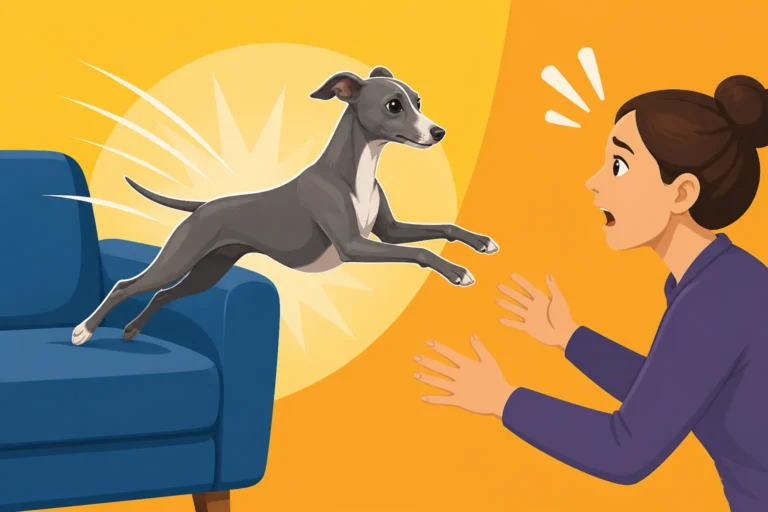
Italian Greyhounds possess a fine bone structure that is characteristic of sighthounds. Their long, thin legs, especially the radius and ulna in the forelegs, are particularly vulnerable. It's not an exaggeration to say that a simple misstep, an excited jump off a piece of furniture, or an accidental fall can result in a serious, painful, and very expensive broken leg. When you factor in the natural clumsiness, exuberance, and lack of fine motor control in children under the age of, say, eight or nine, the risk skyrockets. A toddler might trip and fall on an unsuspecting IG, or a preschooler, in their innocent desire to hug or pick up the dog, could easily cause an injury. This isn't because children are malicious, but simply because they haven't yet learned the gentle touch and constant awareness required to interact safely with such a delicate creature. You can learn more about Why an Italian Greyhound's Leg Bones Break So Easily.
Imagine a scenario: a two-year-old, captivated by the dog, suddenly rushes forward for a hug. The IG, startled, tries to dart away, perhaps catching a leg awkwardly on the child's foot or a piece of furniture. Snap. Or consider a five-year-old who, seeing the dog on the sofa, decides to climb up, not realizing the dog is right in their path. The potential for accidental injury is ever-present in a home with young, uncoordinated children. For this reason, many experienced Italian Greyhound owners and breeders strongly advise against placing puppies or young adult IGs in homes with children under a certain age. It's a heartbreaking situation for everyone involved when an accidental injury occurs, and it can be a huge financial and emotional burden.
The Dangers of Being Carried or Dropped
Italian Greyhounds love to be held and cuddled, often seeking out laps and arms for warmth and security. However, this natural inclination, combined with their light weight, can create a dangerous situation with children. Young children lack the consistent strength, balance, and understanding of proper support to safely carry a dog, especially one as prone to injury as an IG. A sudden wiggle from the dog, a loss of balance by the child, or even just an incorrect grip can lead to the dog being dropped. And a fall from even a short height can be catastrophic for an Italian Greyhound. Why Dropping an Italian Greyhound Means Surgery is a stark reality.
Older children, typically pre-teens and teenagers, have developed better coordination, a deeper understanding of cause and effect, and the ability to listen and follow specific instructions. They can be taught how to properly support an Italian Greyhound, how to lift them gently, and, perhaps most importantly, when not to pick them up at all. This maturity drastically reduces the risk of accidental drops and the devastating injuries that can result. Teaching older children proper handling techniques, perhaps with visual aids or demonstrations, is a crucial step in ensuring the safety of your pet. It's vital for them to understand that the IG isn't a stuffed animal but a living, fragile being that needs specific care and handling. This is also why we emphasize Why Children Should Not Carry an Italian Greyhound.
Understanding the Italian Greyhound's Sensitive Temperament Around Kids
Beyond their physical fragility, Italian Greyhounds possess a distinct temperament that thrives in a calm, predictable environment. They are highly sensitive, often shy with strangers, and can be easily startled by loud noises, sudden movements, or rough play. This sensitive nature often clashes with the boisterous, unpredictable energy common in younger children.
Reactivity to Noise and Sudden Movement
Think about the typical day in a home with young children: shrieks of laughter, sudden tantrums, toys being dropped, children running and jumping without much thought to their surroundings. For an Italian Greyhound, this environment can be incredibly stressful. Their keen hearing and sensitive nervous systems mean they are often easily frightened by unexpected loud noises. A child’s sudden scream or a toy crashing to the floor can send an IG scurrying for cover, often seeking refuge under blankets or in a quiet corner. This isn't just about discomfort; chronic stress can lead to behavioral issues, anxiety, and a diminished quality of life for your pet.
Older children, on the other hand, tend to be calmer, speak in more modulated tones, and are generally more aware of their physical presence. They can understand the concept of "inside voices" and "gentle movements" when interacting with the dog. They are also more capable of learning to recognize signs of stress in the dog, such as panting, lip licking, or trying to hide, and can adjust their behavior accordingly. This ability to read and respond to the dog's cues is invaluable for building a trusting and positive relationship. It's often said that Why Raising Your Voice Sets an Italian Greyhound Back a Month applies to all interactions with IGs, not just direct training.
Predisposition to Shyness and Anxiety
Italian Greyhounds are known for being "Velcro dogs" – incredibly attached to their primary caregivers and often wary of new people or situations. While they can warm up to family friends, they are generally not the type of dog that relishes being mobbed by a group of excited children at a playdate. Their shy nature means they prefer slow introductions and a sense of personal space. How an Italian Greyhound Behaves With Small Children often involves avoidance or withdrawal.
Young children, in their natural curiosity, often struggle to respect boundaries. They might chase the dog, try to pull its tail, or attempt to engage in play that the IG perceives as threatening. This can lead to fear-based reactions from the dog, which, while rarely aggressive, can manifest as persistent hiding, increased anxiety, or even accidental nipping if they feel cornered and overwhelmed. An IG that is constantly stressed or fearful will not be a happy or well-adjusted pet. Older children can be taught about a dog's personal space and the importance of letting the dog come to them. They can learn to approach calmly, offer a hand for sniffing, and engage in gentle, appropriate play. This respect for the dog's boundaries is key to fostering a secure and loving bond. The concept of The Velcro Dog: What Constant Company Means With an Italian Greyhound highlights their need for secure attachment, which is best fostered in a calm environment.
Fostering a Safe and Happy Environment for Everyone
Bringing an Italian Greyhound into a family with children, especially older ones, isn't just about avoiding problems; it's about actively creating an environment where both dog and kids can thrive. This involves education, setting boundaries, and providing the right tools and routines.
Education and Training for Children
The most powerful tool in ensuring a harmonious household is education. Older children and teenagers are mature enough to understand the responsibilities that come with owning a delicate pet. They can be taught:
- Gentle Handling: How to pet an Italian Greyhound softly, avoiding pulling ears or tails.
- Safe Interaction: How to sit on the floor and invite the dog to come to them, rather than chasing or cornering it.
- Recognizing Signals: Learning to read the dog's body language – when it's happy, when it's stressed, and when it needs space. How an Italian Greyhound Hides Pain is also a crucial lesson for children to learn.
- Boundaries: Understanding that certain areas (like the dog's bed or crate) are the dog's safe space and should not be disturbed.
Consider using online resources or books to help educate your older children. Programs like those offered by BAXTER & Bella, for example, often provide valuable guidance on dog-human interactions and positive reinforcement training techniques that can benefit the whole family. Engaging children in the dog's training also builds a sense of responsibility and connection. They can help with simple commands, supervised feeding, and gentle grooming, all of which strengthen the bond.
Creating a Secure Home Environment
Beyond training the children, the physical environment of your home needs to be tailored to the Italian Greyhound's safety. This is important regardless of the children's age, but particularly crucial when you have active family members.
Here are some considerations:
| Environmental Factor | Why It Matters for Italian Greyhounds | Best Practices for Families with Older Children |
|---|---|---|
| Furniture Access | High jumps can lead to broken legs; IGs love soft spots. | Provide ramps or steps for sofas/beds (found on Amazon). |
| Slippery Floors | Hardwood or tile can lead to slips, falls, and injuries. | Lay down rugs or runners, especially in high-traffic areas. |
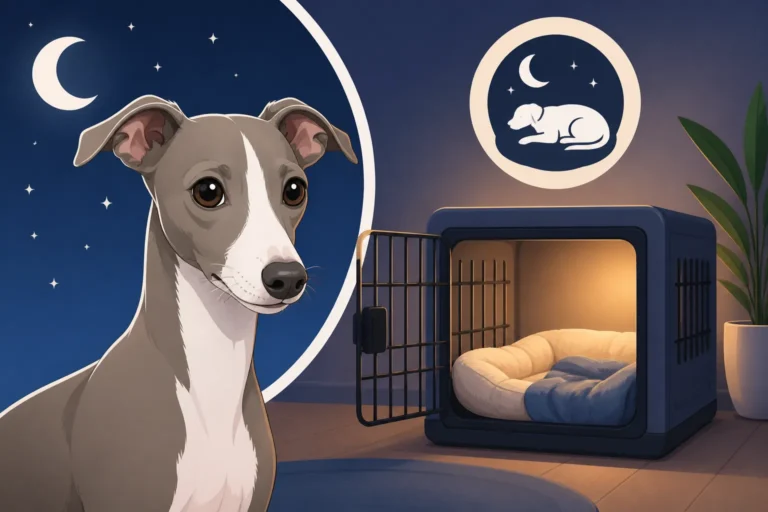
| Designated Safe Space | IGs need a quiet retreat from activity. | Crate or dog bed in a low-traffic area, respected by kids. |
| Outdoor Security | Strong prey drive and speed mean IGs bolt easily. | Securely fenced yard, never off-leash outside. Teach kids about closing gates. |
Setting up your house proactively is essential. Setting Up a House an Italian Greyhound Cannot Break a Leg In is not just good advice, it's a necessity. Installing safety gates, even with older children, can be a great way to manage access to certain rooms or to give the IG a quiet space when needed. Ramps and steps, readily available on platforms like Amazon, are not just for senior dogs; they are preventative measures for young, energetic IGs who might otherwise leap off furniture and injure themselves. Even older children might forget to lift an IG down, so ramps provide an independent safe way for the dog to navigate. It's also wise to consider Teaching an Italian Greyhound Not to Jump Down early on.
The Role of Older Children in Daily Care
One of the great benefits of having older children is their capacity to genuinely participate in the care of a pet. This isn't just "helping out"; it's taking on real responsibilities. Older children can assist with:
- Feeding: Measuring food portions accurately and understanding feeding schedules.
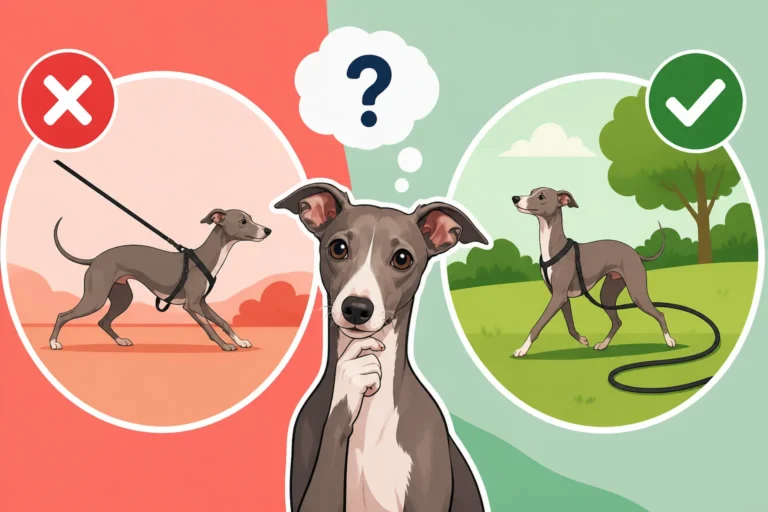
- Walks: Safely walking the dog on a leash (understanding that Italian Greyhounds are strictly on-leash dogs due to their prey drive and speed).
- Grooming: Gently brushing their short coat, helping with teeth brushing (which is vital for IGs as Periodontal Disease Is the Italian Greyhound's Most Common Diagnosis), or wiping paws after walks.
- Playtime: Engaging in appropriate, gentle play like tossing soft toys or supervised fetch in a secure area.
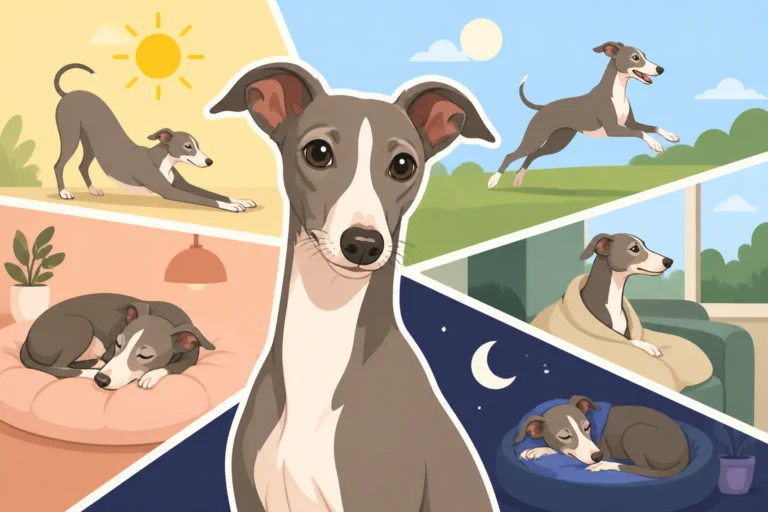
This shared responsibility not only lightens the load for parents but also teaches children valuable lessons in empathy, commitment, and animal welfare. When children are actively involved, they develop a deeper appreciation and understanding of their Italian Greyhound, fostering a bond built on respect and care. This helps create a balanced home where the unique needs of an Italian Greyhound are not just tolerated, but truly understood and met, leading to a happier, healthier pet and a more responsible, compassionate child. Understanding What an Italian Greyhound Does All Day can help children tailor their interactions.
Conclusion
While the idea of any dog breed fitting perfectly into any family structure is a lovely thought, the reality is that certain breeds, like the Italian Greyhound, thrive best in specific environments. Their delicate physical build and sensitive temperament make them inherently less suitable for homes with very young, unpredictable children. The risks of accidental injury are simply too high, and the constant stimulation can be overwhelming for these gentle souls.
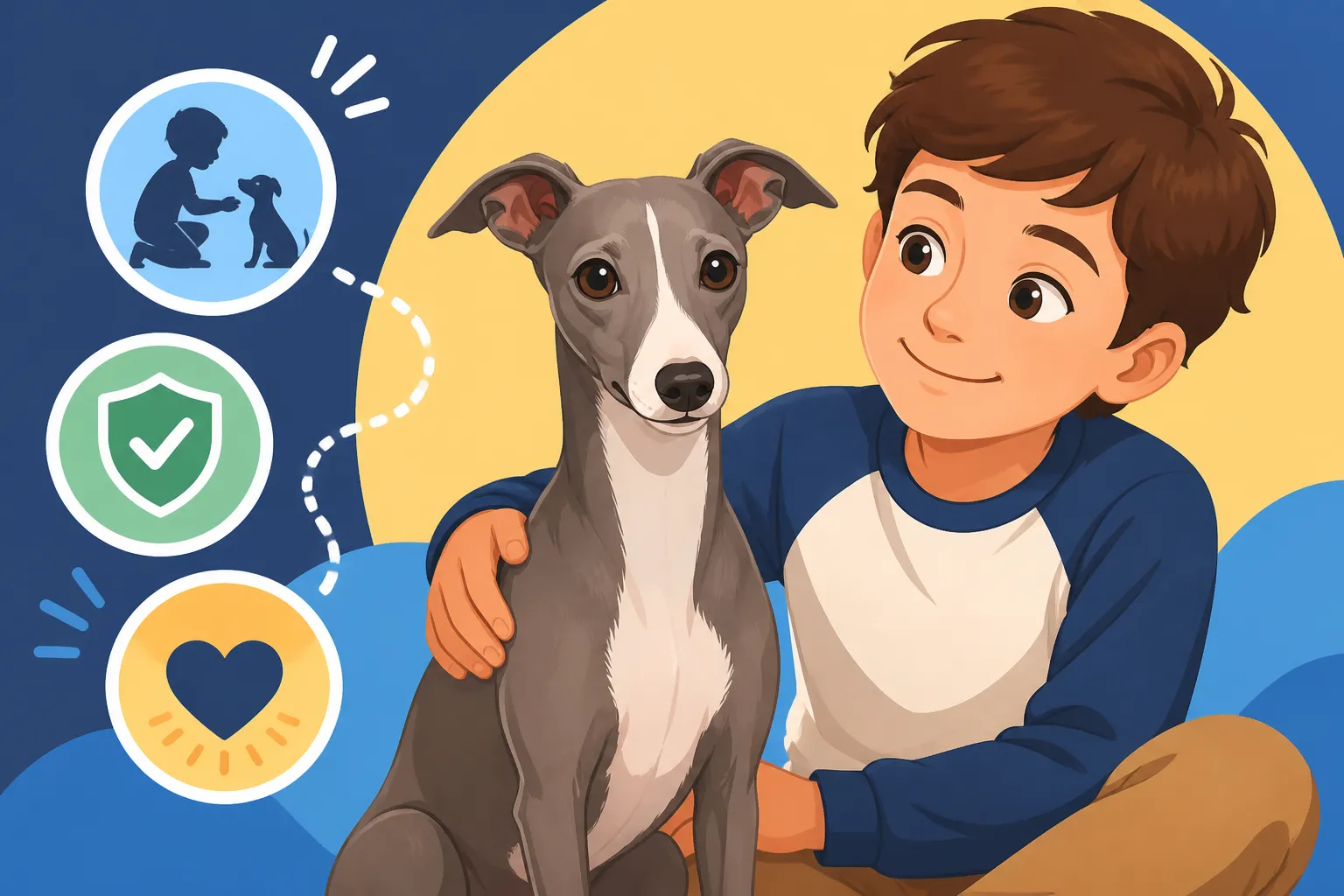
However, for families with older children – pre-teens, teenagers, and young adults – an Italian Greyhound can be an absolutely wonderful addition. Their capacity for understanding, their developing coordination, and their ability to follow rules and respect boundaries create a much safer and more harmonious environment for this special breed. With proper education, a safe home setup, and active participation in daily care, older children can form incredibly deep, loving, and mutually respectful bonds with an Italian Greyhound. It’s about ensuring that the choice is right for both the dog and your family, setting everyone up for a long, happy life together.
Disclaimer
This article is for general informational purposes only and does not constitute professional advice. Laws, prices and regulations vary by location and change over time. Consult a qualified professional for guidance on your specific situation.