Why an Italian Greyhound Refuses to Go Out in Rain
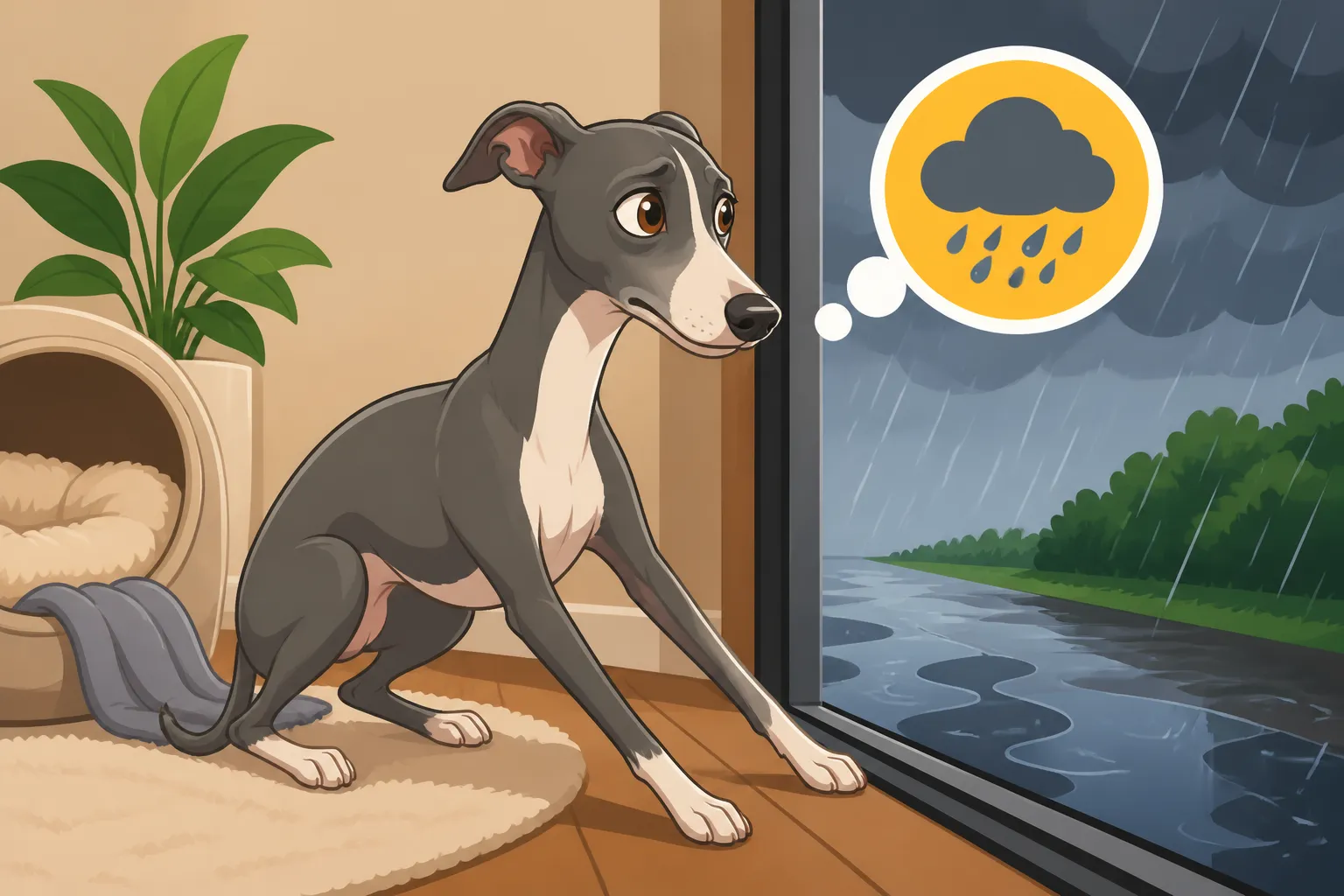
It's a scene played out in countless Italian Greyhound homes: the sky opens up, the rain starts to fall, and your normally eager-to-please pup transforms into a statue, digging their heels in at the door. You might cajole, you might beg, but they stand there, shivering dramatically, absolutely refusing to venture out for even a quick potty break. This isn't just stubbornness; it's a deep-seated aversion rooted in their unique physiology and sensitive nature. This guide will delve into the many reasons why your Italian Greyhound turns into a rain-hating drama queen, and more importantly, what you can realistically do to navigate those soggy days.
Understanding the Italian Greyhound's Rain Aversion
The refusal of an Italian Greyhound to step paw outside in the rain isn't a random quirk; it's a complex behavior stemming from their delicate physical attributes and innate sensitivities. These aren't your robust, double-coated retrievers who splash gleefully in puddles. IGs are built for speed and comfort, not for braving the elements, and their bodies simply aren't equipped for it in the way many other breeds are.
Their Minimal Body Fat and Thin Coat
One of the most significant reasons an Italian Greyhound despises the rain, and cold in general, is their incredibly low body fat percentage and their practically non-existent coat. Unlike breeds with thick fur or a dense undercoat designed for insulation, an Italian Greyhound has a single layer of very fine, short hair that offers almost no protection from moisture or chill. Think of putting on a thin t-shirt in a downpour – it offers no barrier whatsoever.
When that fine hair gets wet, it instantly chills them to the bone. They don't have the natural padding that other dogs do, the kind that acts as a buffer against cold and dampness. Every drop of rain feels intensely cold against their skin, and the feeling of being soaked is not just uncomfortable, but genuinely unpleasant and even painful to their delicate system. Their quick metabolism and lean muscle mass mean they generate heat efficiently during activity, but they lose it just as quickly when exposed to cold and wet conditions. This isn't a preference; it's a biological vulnerability. You can often see them shiver even indoors (see Why a Nine Pound Italian Greyhound Gets Cold on the Table and Why an Italian Greyhound Cannot Hold Its Own Heat).
Intense Sensitivity to Touch and Sound
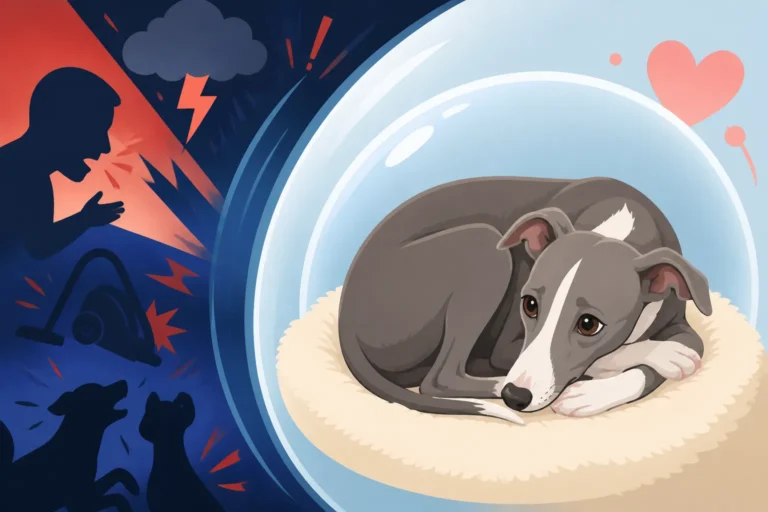
Italian Greyhounds are known for their exquisite sensitivity, and this extends far beyond just their emotional responses. They are incredibly aware of tactile sensations and often react strongly to sounds that other dogs might ignore. The feeling of rain, particularly heavy rain, can be overwhelming. Each raindrop hitting their thin skin isn't just cold; it can feel like a sudden, sharp tap, amplified by their lack of fur. Imagine a hundred tiny fingers tapping you constantly all over your body – it's enough to make anyone retreat.
Beyond the physical sensation, the sound of rain can also contribute to their reluctance. The pitter-patter on the roof, the drumming against windows, the splish-splash of puddles – these can all be amplified in their sensitive ears. A downpour, in particular, can sound like a cacophony, triggering anxiety or an instinct to seek shelter from what feels like an environmental assault. This sensory overload makes the idea of willingly stepping into it almost unthinkable for many IGs.
Negative Past Experiences
Just like humans, dogs can form strong associations with past experiences. If your Italian Greyhound had a particularly bad experience in the rain as a puppy, or even as an adult, that memory can deeply embed itself and fuel their aversion. Maybe they slipped and fell on a wet patio, got caught in an unexpected downpour without protection, or perhaps they were forced out in conditions that truly scared or hurt them.
These negative encounters can create a lasting psychological barrier. Even if subsequent rainy days are less intense, the memory of discomfort, fear, or pain can make them preemptively refuse to go out. It's not just about the current rain, but about avoiding the potential for another unpleasant event. Building positive associations in the rain is a slow and delicate process precisely because of how easily these dogs are affected by past traumas, big or small. This emotional sensitivity is a hallmark of the breed, influencing everything from housetraining to social interactions. Why Punishment Makes an Italian Greyhound Hide to Go is a good example of how deeply their experiences can affect them.
The Training Challenge: Overcoming Rain Resistance
Getting an Italian Greyhound to willingly venture out in the rain often feels like an uphill battle. It's not just about snapping a leash on and heading out the door; it requires patience, understanding, and a consistent strategy that respects their unique needs. Many owners find Housetraining an Italian Greyhound Is the Hardest Part of Owning One already, and rain adds another layer of complexity.
The Difficulty of Traditional Potty Training in Inclement Weather
For many breeds, potty training involves establishing a routine of going outside regardless of the weather. For an Italian Greyhound, this approach often hits a wall the moment the first raindrop falls. Their strong aversion means that forcing them out can actually be counterproductive. Instead of learning that outside is for potty, they might learn that outside in the rain is a terrifying place, or worse, that going outside leads to punishment (even if you're not actively punishing them, the experience itself feels punitive).
This can lead to significant setbacks in housetraining. They might hold their bladder and bowels for dangerously long periods, or resort to having accidents indoors, even if they were previously reliable. The cold and wet often triggers an immediate "nope!" response, overriding any learned potty cues. It's a fundamental conflict between a basic biological need and an intense sensory discomfort, making traditional methods less effective and requiring a more nuanced approach.
Consistency and Positive Reinforcement Hurdles
Consistency is the golden rule of training, but it's incredibly challenging when your dog occasionally refuses to participate. If you sometimes give in and allow indoor accidents or use an indoor potty option, and other times try to insist on outdoor potty breaks in the rain, your IG will quickly pick up on the inconsistency. They learn that holding out might eventually get them what they want – an indoor solution.
Positive reinforcement is crucial, but it's hard to reinforce a behavior that doesn't happen. If your dog won't even step foot out the door, you can't reward them for eliminating outside. You need to break the process down into tiny, achievable steps, reinforcing even the slightest movement towards the door or a single step onto the wet grass. High-value treats and enthusiastic praise are your best friends here. It also requires a high level of empathy and patience, understanding that their reluctance isn't malicious, but a genuine struggle. Why an Italian Greyhound Looks Stubborn and Is Not applies to many of these situations.
Dealing with Regression During Winter or Rainy Seasons
It's not uncommon for Italian Greyhounds who were once perfectly housetrained to regress entirely during prolonged periods of bad weather. A week of constant rain or a deep freeze can completely undo months of consistent training. They might start having accidents near the door, in secluded corners, or on soft surfaces like rugs or blankets. This isn't out of spite; it's a coping mechanism when their primary potty solution (going outside) becomes untenable for them.
The cold weather can undo months of house training, as discussed in How Cold Weather Undoes an Italian Greyhound's Training. When this happens, it's vital not to get frustrated or punish them. Instead, it's a clear signal that your dog needs more support and alternative solutions. You might need to temporarily go back to basics, treating them like a puppy and heavily supervising them, using indoor potty options, and rewarding heavily when they do manage to go outside during a brief break in the weather. It’s a marathon, not a sprint, and seasonal changes often necessitate a shift in your strategy.
Practical Solutions for Rainy Day Potty Breaks
Since completely curing an Italian Greyhound of their rain aversion is often a pipe dream, the most practical approach is to implement strategies and provide tools that make rainy-day potty breaks less traumatic for everyone involved.
Specialized Rain Gear and Clothing
Investing in proper rain gear for your Italian Greyhound is not a luxury; it's a necessity. Their thin skin and lack of insulation mean they get cold and wet instantly. A good quality, waterproof rain jacket can make a significant difference. Look for coats specifically designed for sighthounds, which accommodate their deep chest and tucked-up waist, providing better coverage than generic dog coats. Many owners find excellent options on platforms like Amazon, searching for "Italian Greyhound rain coat" or "sighthound rain slicker."
Beyond just keeping them dry, the coat also provides a psychological barrier, making the sensation of rain less direct and overwhelming. Some IGs may also benefit from dog boots, especially if the ground is cold and wet, or if they dislike the feeling of wet grass on their delicate paws. However, getting an Italian Greyhound to tolerate boots can be a challenge in itself, so start with short durations and positive reinforcement. The goal is to make the outdoor experience as comfortable and as brief as possible. Remember, What an Italian Greyhound Wears in the Rain is critical for their well-being.
Creating a Covered Outdoor Potty Area
If you have a yard or balcony, consider setting up a dedicated, covered potty area. This could be as simple as an awning over a small section of grass, a covered patio, or even a large, open-sided dog kennel placed over a patch of artificial turf. The key is to provide shelter from direct rain while still allowing them to feel "outside." This eliminates the direct cold and wet sensation, which is often the primary deterrent.
You'll need to encourage your Italian Greyhound to use this space. Start by leading them to it on a leash, offering high-value treats and praise when they successfully potty there. Be patient, as it might take a few tries for them to understand this new designated spot. This option can be a game-changer for many IGs, offering a compromise between being forced into a full downpour and resorting to indoor accidents.
Indoor Potty Solutions as a Backup
For those relentless downpours, severe storms, or just exceptionally stubborn IGs, having an indoor potty solution isn't a failure – it's a smart strategy. Options include:
- Pee Pads: These absorbent pads are widely available and can be placed in a designated area. Some IGs take to them naturally, especially if introduced as puppies.
- Litter Boxes: Believe it or not, some Italian Greyhounds can be trained to use a litter box, much like a cat. Opt for a low-sided box with a fine-textured litter or artificial grass inserts. Litter Box Training an Italian Greyhound is a very real possibility.
- Indoor Grass Patches: These can be real or artificial grass systems designed for indoor use. They offer a more natural texture, which some dogs prefer over pads. Many reputable brands offer these, and they can be found on Amazon.
The trick with indoor solutions is consistency. Designate a specific spot, always lead your dog there, and reward heavily for success. If you're going to use an indoor option, commit to it during bad weather to avoid confusion and repeated accidents.
Here's a quick comparison of popular indoor potty options:
| Feature | Pee Pads | Litter Box (Dog Specific) | Indoor Grass Patch (Artificial) | Indoor Grass Patch (Real) |
|---|---|---|---|---|
| Setup Cost | Low | Low to Moderate (box + litter) | Moderate (tray + artificial turf) | Moderate to High (subscription or initial purchase) |
| Ongoing Cost | Moderate (pads need frequent replacement) | Low to Moderate (litter replacement) | Low (occasional cleaning, minimal replacement) | High (regular replacement/delivery) |
| Ease of Use | Very easy, disposable | Easy, requires scooping/changing litter | Moderate, requires rinsing/cleaning | Moderate, requires rinsing/cleaning |
| Odor Control | Poor if not changed frequently | Good with proper litter/scooping | Moderate, requires regular cleaning | Moderate, requires regular cleaning |
| Attractiveness | Varies, some dogs prefer natural texture | Varies by dog, can be appealing for private IGs | Often preferred texture by dogs | Highly preferred, natural smell |
| Portability | Excellent | Moderate (can be moved) | Low (can be bulky) | Low (can be bulky) |
| IG Acceptance | Varies, can be hit or miss | Can be very successful for shy IGs | Often well-received due to texture | Very well-received, natural instincts |
Training Resources and Patience
Dealing with a rain-averse Italian Greyhound requires a level of patience and understanding that can test even the most dedicated owner. If you're struggling, consider seeking out professional guidance from a positive-reinforcement trainer, especially one familiar with sighthound sensitivities. Online training platforms can also be incredibly helpful, offering structured courses and support. BAXTER & Bella, for example, offers comprehensive online puppy training programs that emphasize positive reinforcement and could be adapted to address specific challenges like weather aversion. Their approach often focuses on building confidence and trust, which is paramount for a sensitive breed like the Italian Greyhound.
Remember that their aversion isn't a defiance of your authority, but a genuine discomfort or fear. Yelling, scolding, or physically dragging them out will only exacerbate the problem and damage your bond. Instead, celebrate every tiny step forward: a sniff near the door, a paw on the wet threshold, a quick dash out and back in. Each small victory builds towards greater confidence.
Managing the Environment and Expectations
Successfully coexisting with a rain-averse Italian Greyhound isn't just about finding solutions; it's also about proactively managing your home environment and adjusting your own expectations.
Indoor Entertainment and Exercise
On days when going outside for a proper walk is simply not an option, it's crucial to provide ample indoor mental and physical stimulation. A bored Italian Greyhound can become a destructive or anxious one, and pent-up energy can quickly manifest in unwanted behaviors.
- Brain Games: Puzzle toys, snuffle mats, and interactive feeders can keep their minds engaged. Hide-and-seek with treats or a favorite toy is also a great way to tap into their sighthound instincts in a safe, indoor setting.
- Indoor Zoomies: Italian Greyhounds are famous for their "zoomies." Designate a safe area (like a clear hallway or a room with non-slip flooring) where they can let loose and burn off some energy with a good sprint. Just ensure there are no obstacles they can crash into.
- Training Sessions: Short, fun training sessions can be an excellent way to bond and provide mental exercise. Teach new tricks, practice obedience cues, or even start some scent work. What an Italian Greyhound Does All Day covers more ideas.
- Playtime: Engage them with feather wands, soft squeaky toys, or a game of fetch in the living room. Anything that gets them moving and thinking will help mitigate the lack of outdoor activity.
The Importance of a Warm and Dry Retreat
An Italian Greyhound needs constant access to warm, dry, and comfortable places, especially after a reluctant dash outside in the rain. Their minimal body fat means they chill easily, and they crave soft, burrow-friendly bedding. Provide cozy blankets, snuggle sacks, and heated beds (if safe and monitored) in multiple locations around your home.
This isn't just for comfort; it's a vital part of their overall well-being. A warm bed acts as a sanctuary, allowing them to regulate their body temperature and feel secure. If they're cold, they will be miserable, and their refusal to go out will only intensify. The Bedding a Thin Skinned Italian Greyhound Actually Needs is a topic close to every IG owner's heart. Ensuring they have a fluffy, soft, and warm spot to retreat to after a cold, wet moment can make a huge difference in their overall happiness and willingness to brave the elements next time.
Realistic Expectations and Acceptance
Perhaps the most important "solution" is adjusting your own expectations and embracing the reality of owning an Italian Greyhound. They are not built for rain, snow, or extreme cold. Expecting them to trot happily through puddles is simply unrealistic and unfair to the breed. It's okay if your Italian Greyhound hates the rain; it's a completely normal and understandable trait for them.
Accepting this means being prepared. Have your rain gear ready, know your indoor potty options, and schedule your dog's outdoor time around weather forecasts whenever possible. It means understanding that some days, a quick dash out the door for a pee and then right back in might be the best you can hope for. It also means forgiving the occasional accident when the weather truly makes outdoor relief impossible. By understanding their limits and working with them, rather than against them, you can create a more harmonious home for both you and your beloved, rain-averse Italian Greyhound.
When All Else Fails: Consult Your Vet
If despite all your efforts, your Italian Greyhound's aversion to rain is causing significant distress, frequent indoor accidents, or if they are holding their bladder for concerningly long periods, it's always wise to consult your veterinarian. While it’s normal for IGs to hate the rain, extreme reluctance or new behavioral issues could sometimes signal an underlying health concern.
Ruling Out Medical Issues
Sometimes, what appears to be behavioral stubbornness can have a medical root. For instance, if your Italian Greyhound has developing joint pain, such as Patellar Luxation in an Italian Greyhound or early arthritis, the cold, damp weather can exacerbate their discomfort. Stepping out into the rain might genuinely cause them pain, making them even more reluctant to move. A general check-up can rule out issues like urinary tract infections, which can make going potty uncomfortable and might cause them to avoid the usual routine.
Similarly, if your dog is exhibiting excessive shivering even with appropriate clothing, or seems unusually lethargic during rainy periods, these could be signs of something more than just typical Italian Greyhound cold sensitivity. Your vet can perform a thorough examination, including blood work or other diagnostics if necessary, to ensure there are no hidden medical conditions contributing to their distress. It’s always better to be safe than sorry, especially with a breed as delicate as the Italian Greyhound.
Discussing Behavioral Support
Once medical issues are ruled out, your veterinarian can also offer advice on behavioral support. They might recommend specific calming supplements or discuss strategies for managing anxiety if the rain truly triggers a fear response in your dog. In some cases, if the aversion is severe and impacting their quality of life, your vet might even suggest consulting with a veterinary behaviorist. These specialists have a deeper understanding of animal psychology and can develop highly tailored plans to help your Italian Greyhound cope with their environmental sensitivities.
Your vet can also provide guidance on appropriate clothing, suitable indoor potty options, and safe ways to keep your Italian Greyhound warm and dry. They are a valuable resource for navigating all aspects of your pet's health and well-being, and their input can be crucial when dealing with persistent behavioral challenges like rain aversion. Don't hesitate to reach out to them when you feel you've exhausted other options.
Disclaimer
This article is for general informational purposes only and does not constitute professional advice. Laws, prices and regulations vary by location and change over time. Consult a qualified professional for guidance on your specific situation.