Why an Italian Greyhound Regresses in Winter
It's incredibly frustrating when your Italian Greyhound, who you thought was finally mastering their training, suddenly starts having accidents inside or outright refuses to step foot outside the door. Winter weather often brings a distinct shift in an Italian Greyhound's behavior, leading many owners to wonder why their well-established routines seem to vanish overnight. This guide will delve into the specific reasons Italian Greyhounds often regress in winter and offer practical, empathetic strategies to help both you and your frosty friend navigate the colder months with fewer setbacks.
Understanding the Italian Greyhound's Sensitivity to Cold
If you've ever owned an Italian Greyhound, you know they're not exactly built for arctic expeditions. These sleek, thin-skinned creatures have a natural aversion to anything less than balmy, and this isn't just a quirk; it's deeply rooted in their physiology and instinct. Their delicate build, sparse coat, and minimal body fat make them incredibly susceptible to cold, turning even a quick potty break into a monumental challenge in winter.
The Physiological Reasons for Cold Sensitivity
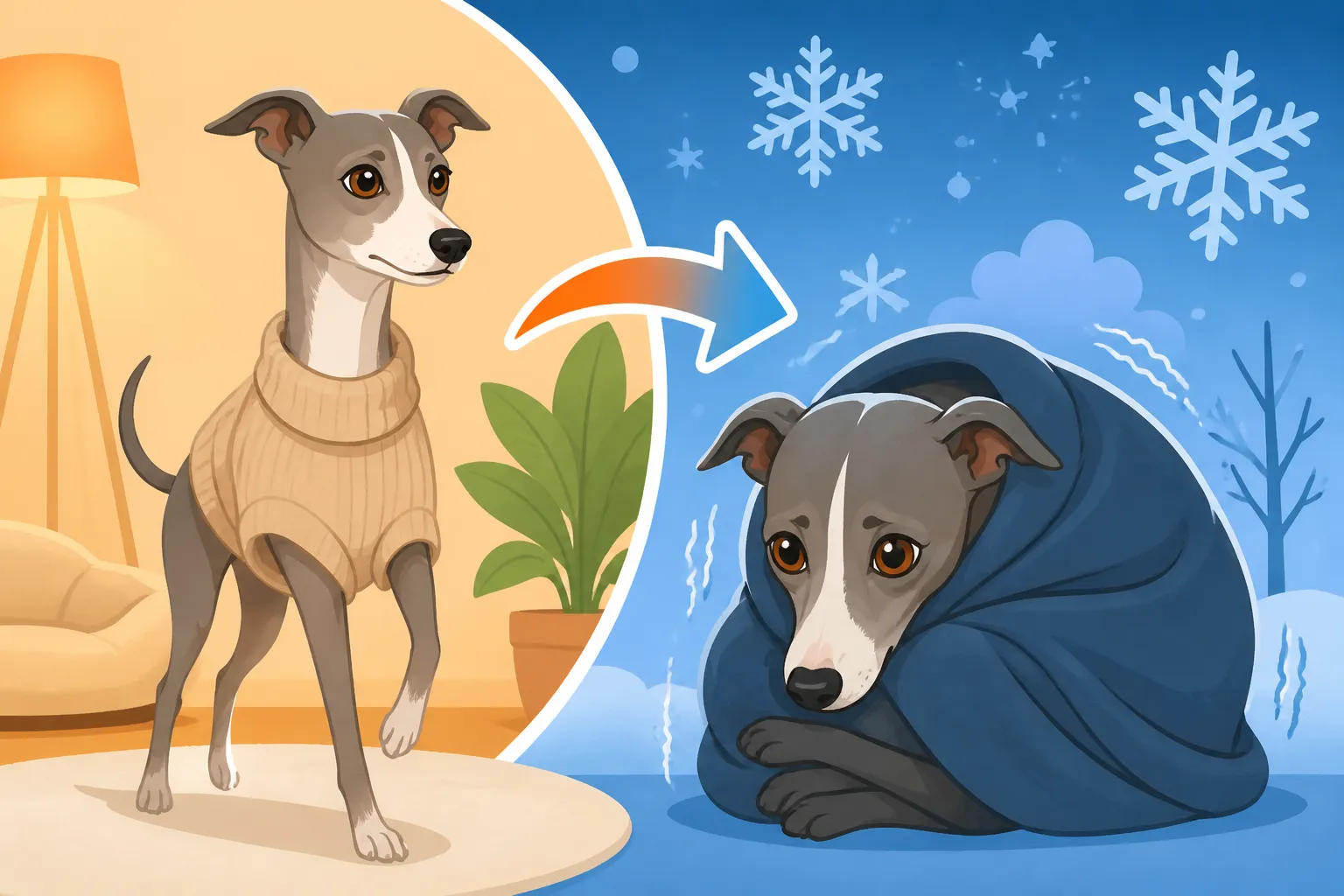
Italian Greyhounds are sighthounds, bred for speed and agility, not for enduring harsh climates. Their body composition is a testament to this: very little subcutaneous fat, a short, fine coat that offers almost no insulation, and a high surface area to volume ratio. This combination means they lose body heat rapidly. Think about it: when you step outside in just a t-shirt on a chilly day, you immediately feel the bite. Your Italian Greyhound feels that chill intensely, even if it's only 50 degrees Fahrenheit. Their little bodies simply cannot generate and retain heat as efficiently as a stockier, double-coated breed. This physiological reality often manifests as shivering, hunching, and a desperate desire to get back inside as quickly as possible. It's not them being stubborn; it's a genuine survival instinct kicking in. They are literally uncomfortable and trying to avoid what feels like a threat. We've talked extensively about Why an Italian Greyhound Cannot Hold Its Own Heat before, and it truly is the core of their winter struggles.
Moreover, their metabolism plays a role. While they are often high-energy indoors, their small size means their metabolic rate might not be enough to keep them warm when inactive in cold temperatures. This means that simply standing still to pee or poop becomes an agonizing wait. They might shiver uncontrollably, tuck their tail, and develop a deeply ingrained association between going outside and feeling miserable. It's a cruel irony that the very act of trying to relieve themselves becomes a source of extreme discomfort, overriding any training they might have.
How Cold Weather Impacts Their Motivation
Imagine being asked to perform a task you dislike, but this time, you have to do it while standing barefoot in a puddle of ice water. That's a bit how your Italian Greyhound perceives outdoor potty breaks in freezing temperatures. Their motivation to perform a learned behavior, like going potty outside, plummets when faced with physical discomfort. Positive reinforcement works wonders with Italian Greyhounds, but even the tastiest treat might not outweigh the immediate, unpleasant sensation of icy wind on their thin skin or frozen ground under their delicate paws.
This lack of motivation isn't a sign of defiance; it's a powerful aversion. They learn quickly that venturing out means cold, and their natural instinct for self-preservation kicks in. This can lead to a standoff where they simply plant their feet, refuse to move, or dart back to the door the moment they've done the bare minimum. They might hold their bladder and bowels for longer periods, hoping to avoid the inevitable, which then makes indoor accidents more likely when they can no longer hold it. The concept of The Italian Greyhound That Refuses to Go Out in the Cold isn't just a minor inconvenience; it's a very real hurdle in their daily life and your training efforts.
Common Areas of Winter Regression
The shift in weather often brings about a cascade of behavioral changes in Italian Greyhounds, many of which can feel like a complete undoing of months of hard work. Understanding these common areas of regression can help you pinpoint the specific challenges your dog is facing and address them proactively, rather than getting caught off guard by unexpected accidents or sudden behavioral shifts.
Housetraining Setbacks and Indoor Accidents
This is perhaps the most common and frustrating form of winter regression. You've diligently worked on housetraining, celebrated successes, and thought you were past the puppy accident phase, only to find puddles or piles indoors when the temperatures drop. This isn't usually a malicious act; it's a direct consequence of their extreme discomfort outside. Your Italian Greyhound might be holding it for too long, either because they are genuinely afraid or unwilling to face the cold, or because they are rushing their outdoor potty breaks and not fully emptying their bladder.
Think about it: they go outside, shiver uncontrollably, quickly squat or lift a leg, and rush back inside before they've finished. A few minutes later, once they're warm and comfortable again, the urge to go returns, and they relieve themselves wherever is convenient. This can be especially prevalent if they are crated for part of the day, as they might hold it while confined, but once released, the urgency combines with their reluctance to go out, leading to immediate accidents. Many Italian Greyhound owners find that Housetraining an Italian Greyhound Is the Hardest Part of Owning One, and winter often adds another layer of complexity to this already challenging task.
Reluctance to Go Outside for Potty Breaks
Beyond just having accidents, a significant sign of winter regression is an outright refusal to go outside. This can look like many things: planting their feet at the door, pulling back on the leash, or even trying to hide when they see you getting their coat. They might become adept at making themselves small and invisible when it's time for a potty break, forcing you into a game of hide-and-seek. This resistance stems from that deep-seated discomfort and the negative association they've built with cold weather outings.
They might associate the sight of their leash or their sweater with the unpleasant sensation of cold, leading them to resist even being dressed. This can be exacerbated if the outdoor conditions are particularly harsh – icy winds, sleet, or deep snow can be genuinely frightening and painful for such a delicate breed. Their aversion isn't just about temperature; it's about the entire sensory experience of winter, from the feeling of cold moisture on their paws to the biting wind against their ears. For some, even Whether a Heated Patio Changes an Italian Greyhound's Mind might not be enough to overcome the deep-seated aversion if the general air temperature is too low.
Behavioral Changes Due to Reduced Outdoor Time
It's not just about potty training; an Italian Greyhound's overall behavior can take a hit when outdoor activity is curtailed. These dogs, despite their delicate appearance, are sighthounds with energy to burn. When cold weather limits walks, park visits, or safe outdoor zoomies, that pent-up energy has to go somewhere. This can lead to an increase in indoor hyperactivity, destructive chewing, excessive barking, or even nipping and over-excitement. They might start counter-surfing more, seeking out mischief, or generally acting out in ways they wouldn't if they were getting proper exercise and mental stimulation.
Lack of outdoor exposure also means less mental stimulation. Dogs, like people, need new sights, sounds, and smells to keep their brains active. Without regular walks and opportunities to explore, an Italian Greyhound can become bored and restless. This boredom often translates into undesirable behaviors. You might notice them being more demanding for attention, following you more intensely, or struggling to settle down even when inside. It's a clear sign that their needs for activity and enrichment aren't being met, and it can be a challenging cycle to break.
Strategies to Prevent or Manage Winter Regression
The good news is that winter regression doesn't have to be an inevitable fate for you and your Italian Greyhound. With a bit of proactive planning, adjustment, and a whole lot of patience, you can help your delicate friend cope with the cold and maintain their training and good behavior throughout the colder months. It's all about making their comfort and security the priority.
Adapting Your Housetraining Approach for Winter
Since cold is the primary culprit, addressing it directly is key. First, invest in proper winter gear. This isn't just a fashion statement for an Italian Greyhound; it's essential for their well-being. A warm, well-fitting coat that covers their chest and belly is non-negotiable. For many Iggies, even booties are necessary to protect their sensitive paw pads from ice, snow, and de-icing chemicals. Make sure the coat is easy to put on and take off so that getting dressed doesn't become another source of frustration. We've certainly covered What an Italian Greyhound's Wardrobe Costs a Year for good reason – it's a significant investment in their comfort.
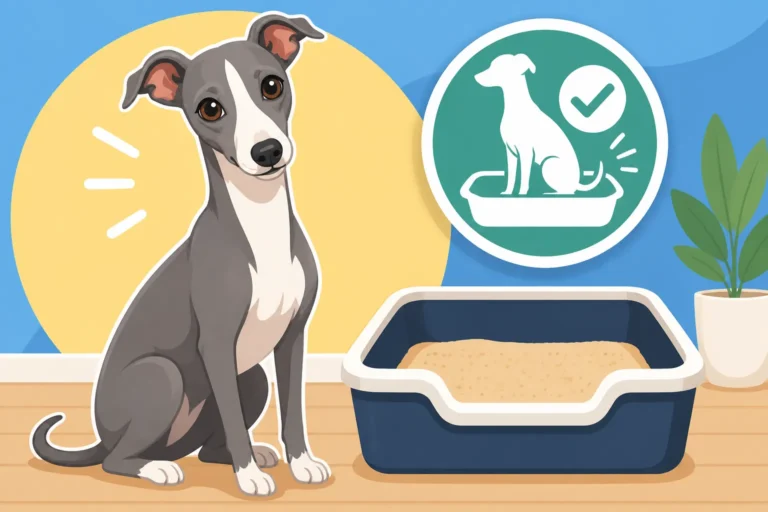
Consider setting up an indoor potty solution. This can be a game-changer for Italian Greyhounds who truly despise the cold. Options include pee pads, artificial grass patches, or even a designated litter box area. Setting Up an Indoor Bathroom for an Italian Greyhound is a popular strategy for many owners, especially in colder climates. Introduce it gradually and consistently, using positive reinforcement to encourage them to use it. This provides them with a comfortable, warm alternative that can prevent accidents and reduce stress for everyone. If you have an outdoor covered area, like a patio, you can still encourage outdoor potty breaks there, but ensure it's sheltered from wind and snow.
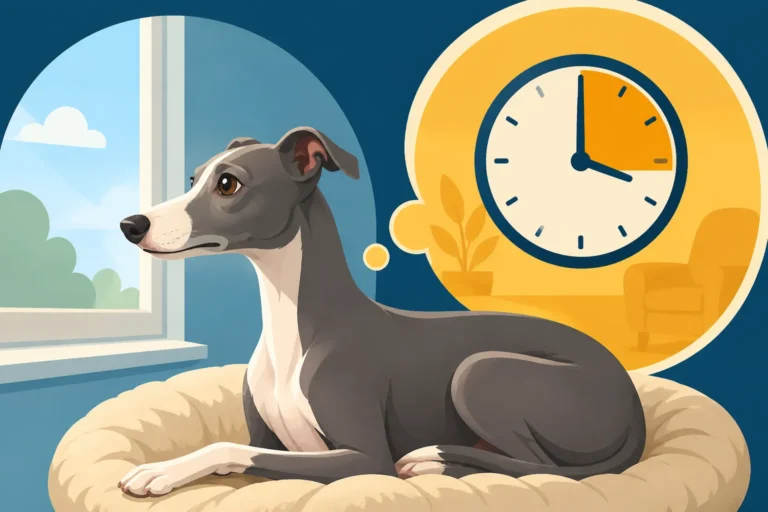
Most importantly, maintain consistency with your schedule, even if it means bundling them up more frequently for shorter, quicker outdoor trips. If your Italian Greyhound is an adult, they might be able to hold it for longer than a puppy, but still, don't push it. For puppies, remember How Often an Italian Greyhound Puppy Needs Out is crucial, regardless of the weather. When they do go outside, make it a quick, no-fuss trip focused solely on getting the job done. Praise them enthusiastically the moment they finish, and get them back inside quickly to warmth and a special "good job" treat.
Creating a Comfortable Indoor Environment
Your Italian Greyhound's comfort extends beyond just outdoor gear. Their indoor environment needs to be a haven from the cold. Firstly, assess your home's temperature. Italian Greyhounds thrive in warmth. The Indoor Temperature an Italian Greyhound Starts Shivering At can be surprisingly mild for some, so ensure your thermostat is set accordingly, especially when you're not home. Drafts near doors and windows can also be a significant source of discomfort. Use draft stoppers or ensure their favorite sleeping spots are away from chilly areas.
Providing ample warm bedding is crucial. Italian Greyhounds love to burrow, so offer them soft, plush beds, snuggle sacks, or piles of blankets. Many even appreciate a heated bed, which can be particularly comforting after a chilly outdoor excursion or simply for deep relaxation. We've discussed What a Heated Bed Costs for an Italian Greyhound and its benefits before – it's a worthwhile investment. These cozy spots allow them to self-regulate their temperature and feel secure. Place several options around the house, especially in their favorite nap zones.
Consider their clothing even indoors. If your house runs on the cooler side, or if your Italian Greyhound is particularly sensitive, a lightweight sweater or pajamas can provide an extra layer of warmth, especially overnight or when they're lounging. This additional layer helps them maintain their core body temperature without having to expend extra energy shivering, leading to a more relaxed and content dog.
Maintaining Mental and Physical Stimulation
Reduced outdoor time doesn't mean your Italian Greyhound should become a couch potato. It simply means you need to get creative with indoor activities to keep them mentally and physically stimulated. Long periods of boredom are often the root cause of destructive or undesirable behaviors, and this can feel like a different kind of regression.
Physical exercise can still happen indoors. Play fetch in a long hallway, encourage zoomies in a safe, carpeted area, or teach them new tricks that involve movement. Even short bursts of energetic play several times a day can help burn off excess energy. Remember to ensure the environment is safe – no slippery floors that could lead to injury, and clear any obstacles. For their delicate legs, preventing injuries is paramount.
Mental stimulation is equally important. Puzzle toys that dispense treats when manipulated, snuffle mats, and engaging in short, fun training sessions can keep their minds sharp. Learning new tricks or practicing old ones not only provides mental enrichment but also strengthens your bond. Rotating toys, hiding treats for them to find, or even involving them in simple household tasks can provide novelty and purpose. Consider investing in an online training program like BAXTER & Bella, which offers a wide range of virtual courses and resources that can be incredibly helpful for keeping your Italian Greyhound engaged and learning new skills from the comfort of your warm home. This can turn a dull winter day into an opportunity for growth.
The Importance of Consistency and Patience
Regressions, especially those tied to seasonal changes, can be incredibly disheartening. You put in so much effort, saw such progress, and now it feels like you're back at square one. But it's crucial to remember that this isn't a permanent state. With unwavering consistency and endless patience, you can guide your Italian Greyhound through the winter and reinforce the good habits you've worked so hard to build.
Rebuilding Positive Associations with Outdoor Time
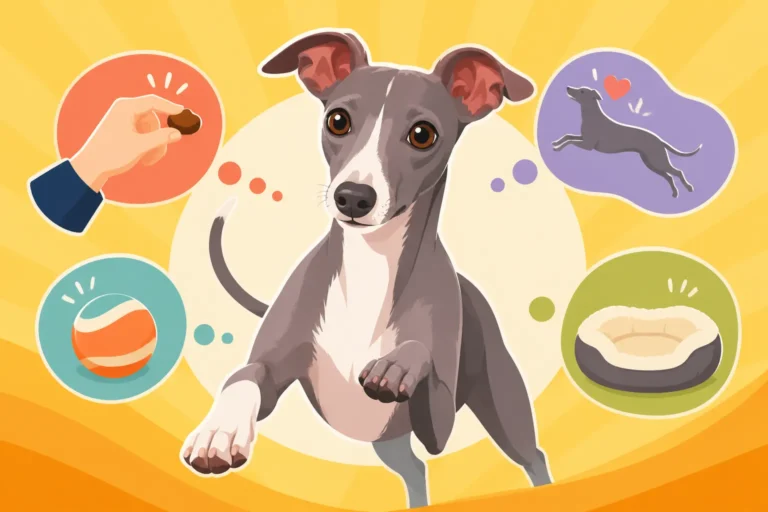
The key to overcoming winter reluctance is to change your Italian Greyhound's perception of going outside. It needs to be a positive experience, not a dreaded one. Start small. Even if it's just stepping out the door for a few seconds, immediately reward them with high-value treats and enthusiastic praise. Gradually increase the duration as they become more comfortable. Make sure their warm coat and booties are always on, becoming a cue that "out means warm."
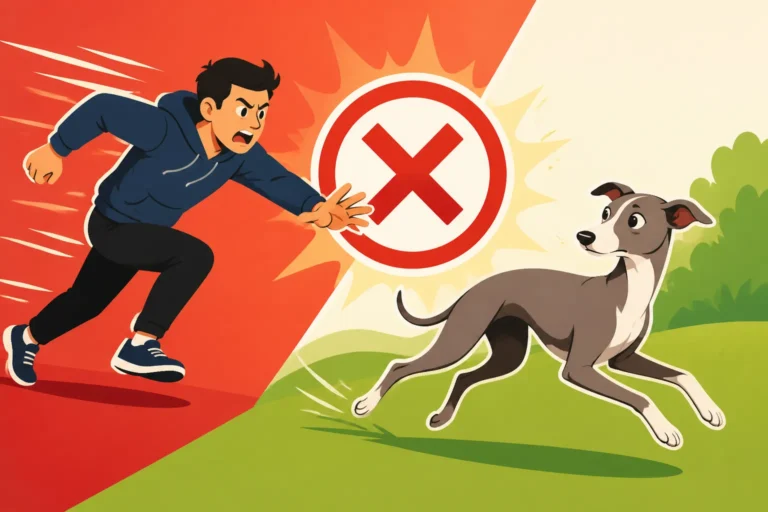
Use a designated potty phrase like "go potty" and reward immediately upon success. Save their absolute favorite, super-special treats only for successful outdoor potty breaks. This creates a powerful positive association. If they're just sniffing around and not going, bring them back inside after a few minutes, wait 10-15 minutes, and try again. Don't punish them for not going; simply make the outdoor trip short and focused. Over time, they'll learn that going outside, even in the cold, leads to good things. For some Italian Greyhounds, their reluctance might stem from an earlier negative experience, making it even more important to shower them with positive reinforcement to override that memory.
Utilizing Indoor Potty Solutions Effectively
If you've opted for an indoor potty solution, consistency is paramount. Treat the indoor potty area with the same seriousness as you would outdoor potty breaks. Take your Italian Greyhound there frequently, especially after waking up, after playing, and before bed. Use the same potty command you would for outside. Reward heavily when they use it correctly. Cleaning up accidents thoroughly with an enzymatic cleaner is vital to remove odors that might encourage them to go in the same spot again.
The goal isn't necessarily to replace outdoor potty breaks entirely, but to provide a safe, warm alternative during inclement weather or when they simply cannot bring themselves to brave the elements. Many owners find a hybrid approach works best, using an indoor option for emergencies or very cold days, and maintaining outdoor trips when the weather is more tolerable. Websites like Amazon offer a variety of indoor grass patches and pee pads that can be easily set up. This dual approach gives your Italian Greyhound options and reduces the pressure on them to perform in discomfort, ultimately leading to fewer accidents and less stress for everyone involved.
Seeking Professional Guidance When Needed
If winter regression becomes severe – leading to significant house-soiling, extreme anxiety about going outside, or other persistent behavioral issues – don't hesitate to reach out for professional help. A certified professional dog trainer or a veterinary behaviorist can offer tailored strategies and identify any underlying anxieties or medical issues that might be contributing to the problem. Sometimes, what looks like stubbornness is actually fear or discomfort that needs a more nuanced approach.
They can help you devise a specific plan, troubleshoot challenges, and provide support. For instance, if your Italian Greyhound is particularly anxious, a professional might suggest counter-conditioning exercises or even discuss mild anti-anxiety supplements if appropriate. Remember, you're not alone in these struggles. Many Italian Greyhound owners face similar challenges, and there are resources available to help. Sometimes, even small adjustments to your routine or environment, guided by an expert, can make a world of difference. It's about finding what truly works for your unique Italian Greyhound and making their well-being the priority.
| Issue | Why it Happens in Winter | Solution Strategies |
|---|---|---|
| Indoor Accidents | Discomfort from cold leads to holding it or rushing outside. | Indoor potty solutions, warm outerwear, frequent short trips. |
| Refusal to Go Outside | Aversion to cold, wind, snow; negative associations. | High-value treats for outdoor success, cozy gear, positive reinforcement. |
| Increased Indoor Mischief | Lack of mental/physical stimulation from less outdoor time. | Indoor games, puzzle toys, new tricks, dedicated play sessions. |
| Shivering/Anxiety Outdoors | Physiological inability to retain heat; genuine fear. | Appropriate coats & booties, heated beds, warm indoor spaces, gentle encouragement. |
| Regression in General Training | Discomfort overrides learned behaviors; attention shifts to warmth. | Consistent routine, positive reinforcement, make all activities rewarding. |
Disclaimer
This article is for general informational purposes only and does not constitute professional advice. Laws, prices and regulations vary by location and change over time. Consult a qualified professional for guidance on your specific situation.