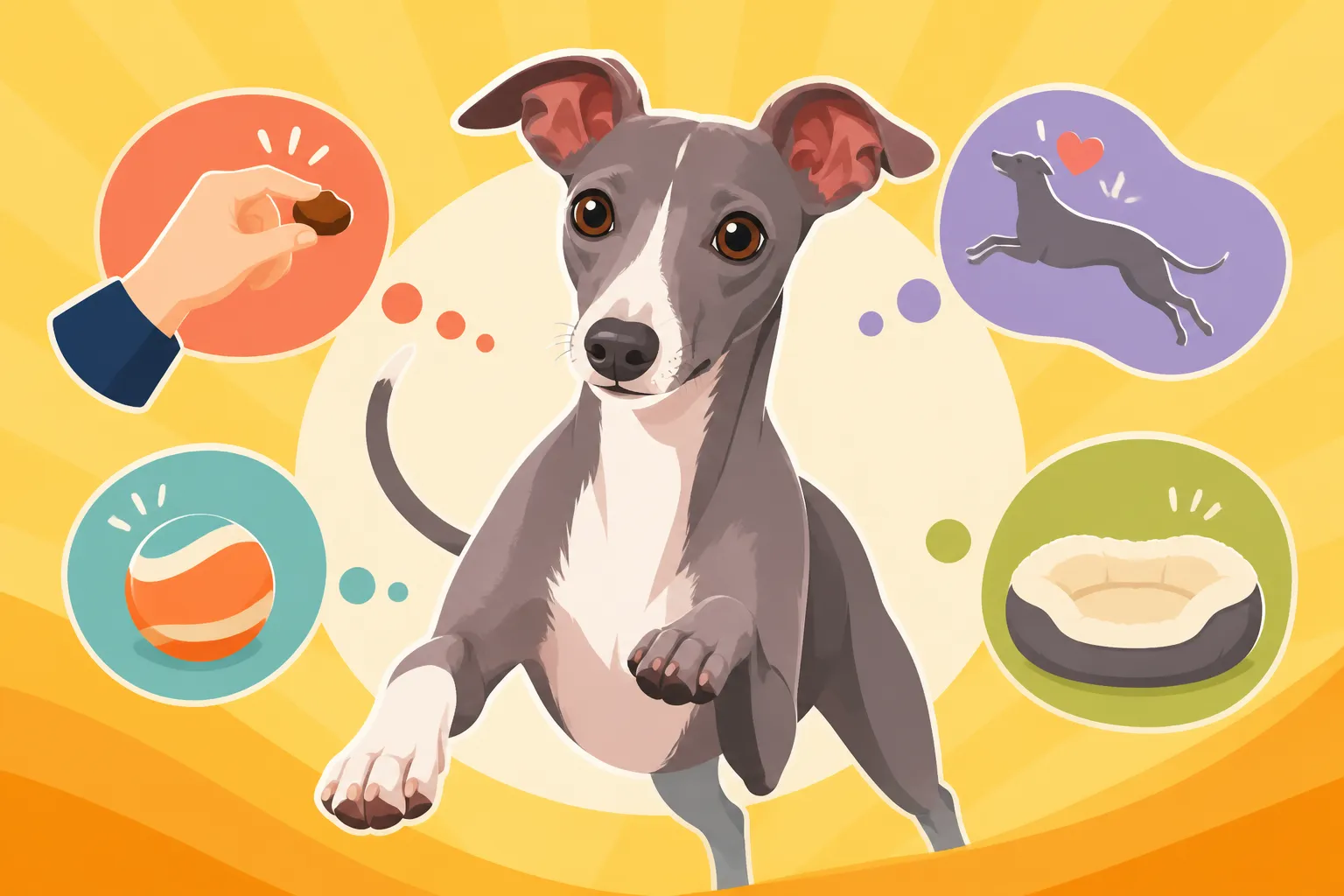
What Motivates an Italian Greyhound
If you've ever owned an Italian Greyhound, you know they are not your average dog. It's easy to assume all dogs are motivated by the same things, but if you've ever tried to get your Italian Greyhound to do something they're not keen on, you know they often march to the beat of their own drum. This guide is here to help you understand the unique drives and desires that truly motivate these sensitive, intelligent, and often hilariously stubborn little sighthounds, so you can build a more harmonious relationship and make training a joy for both of you.
Unpacking the Italian Greyhound Psyche: More Than Just a Pretty Face
To truly understand what motivates an Italian Greyhound, we first need to appreciate the distinctive qualities that define this ancient and elegant breed. They aren't simply small dogs; they carry the genetic blueprint and personality traits of their larger sighthound cousins, distilled into a more delicate package. This means their internal compass often points in different directions than, say, a retriever or a herding dog. Their motivations are deeply rooted in their heritage and physical characteristics.
The Sighthound Independence Streak
One of the most defining characteristics of an Italian Greyhound is their independent nature. Unlike many breeds specifically developed for close cooperation with humans, sighthounds were bred to spot, chase, and capture prey over vast distances, often making their own decisions in the field. This inherent independence doesn't mean they don't love you or want to please; it simply means their default setting isn't necessarily "what can I do for my human right now?" They think for themselves, which can sometimes be mistaken for stubbornness.
This streak of independence means that traditional, drill-based obedience training can often feel like a battle of wills. An Italian Greyhound might know exactly what you want but decide, in that moment, that there's something more interesting to pursue—a squirrel out the window, a warm sunbeam, or simply the profound satisfaction of doing nothing at all. They respond best to positive reinforcement, patience, and a trainer who understands their unique way of thinking. They aren't going to endlessly repeat a command for a bland piece of kibble out of sheer desire to please; the reward has to be truly enticing and worth their while.
The Allure of Comfort and Warmth
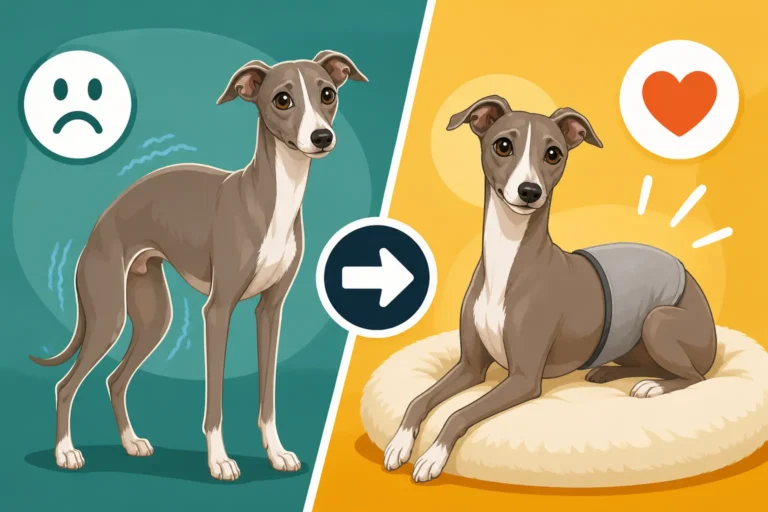
If there's one universal truth about Italian Greyhounds, it's their profound love for comfort and warmth. With their slender build, fine coat, and minimal body fat, they are particularly susceptible to cold. This isn't just a preference; it's a physiological need that deeply influences their behavior and, by extension, their motivation. A chilly Italian Greyhound is a distracted, unhappy, and unmotivated Italian Greyhound.
Think about it from their perspective: if they're shivering, the idea of performing a trick or going outside for a potty break in cold, wet weather is far less appealing than snuggling under a blanket. This is why you'll often see them burrowed deep into soft bedding, under blankets on the sofa, or right up against you. Understanding this deep-seated need allows you to leverage comfort as a powerful motivator. A warm, cozy spot near you after a training session can be a huge reward. Conversely, trying to train a cold Italian Greyhound outdoors is likely to be a frustrating experience for both of you. You might find your Italian Greyhound simply refuses to go out in the cold. The Italian Greyhound That Refuses to Go Out in the Cold
The Power and Peril of Food Motivation
For most Italian Greyhounds, food is indeed a powerful motivator, but it's not always as straightforward as simply offering a treat. They can be surprisingly discerning, and what constitutes a "high-value" reward can vary wildly from one individual to the next, and even from one day to the next for the same dog. Understanding the nuances of their food preferences is critical to making it an effective tool in your training arsenal.
High-Value Treats: The Gold Standard
When it comes to motivation, not all treats are created equal in the eyes of an Italian Greyhound. Dry, crumbly kibble might work in a low-distraction environment for a simple cue they already know, but for learning new behaviors, overcoming challenges, or competing with environmental distractions, you'll need to pull out the big guns. "High-value" treats typically mean something soft, chewy, incredibly palatable, and often smelly. Think tiny pieces of cooked chicken, cheese, hot dogs, liverwurst, or specialized soft training treats.
The key is variety and novelty. What's high-value today might be merely "okay" tomorrow. Keep a rotating selection of irresistible treats on hand, perhaps sourced easily from places like Amazon, to keep your Italian Greyhound guessing and engaged. Using a treat pouch during training helps you deliver rewards quickly, maximizing the connection between the desired behavior and the yummy payoff. The size of the treat also matters; small, pea-sized pieces are perfect for rapid-fire rewarding without overfeeding or causing your dog to become too full to continue.
Strategic Snacking and Mealtime Magic
Beyond high-value treats, you can also leverage your Italian Greyhound's regular meals as a motivational tool. Instead of simply putting down a bowl of food, consider using a portion of their daily kibble for training exercises or by incorporating puzzle feeders. This transforms mealtime from a passive event into an active, engaging opportunity for mental stimulation and reward. For an Italian Greyhound who might otherwise inhale their food, slowing down the process with a puzzle can also aid digestion.
However, Italian Greyhounds can sometimes be picky eaters, or they might lose interest in food if they're stressed, overstimulated, or simply not hungry. Getting a Picky Italian Greyhound to Eat If your Italian Greyhound isn't motivated by their regular kibble, don't force it. Instead, focus on using truly high-value rewards for training and ensure their feeding schedule is consistent to build anticipation for meals. You can also try adding a small amount of warm water or a low-sodium broth to their kibble to make it more appealing and aromatic, often sparking their interest.
Play, Prey, and the Chase Instinct
Beneath the delicate exterior of an Italian Greyhound lies the heart of a sighthound, hardwired for speed, observation, and the thrill of the chase. This innate prey drive is a powerful, if sometimes challenging, motivational force. Learning to tap into this instinct in a controlled and safe manner can unlock incredible engagement and excitement for your dog.
Tapping into Their Natural Drive
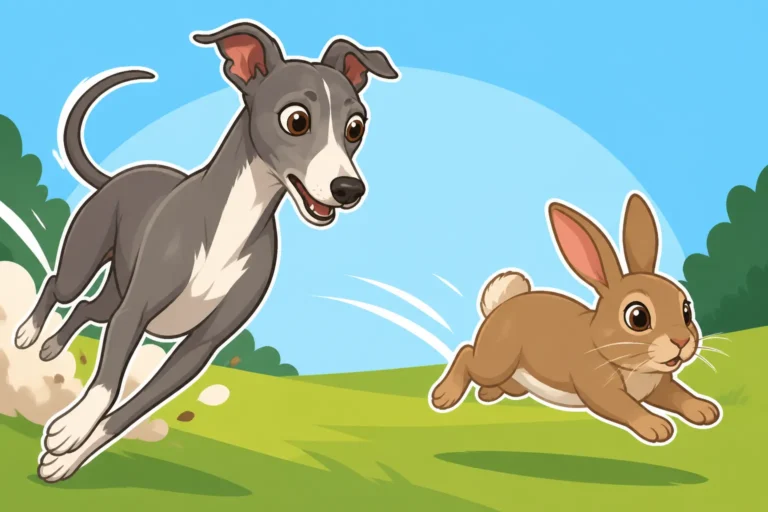
Italian Greyhounds possess an incredibly strong prey drive, meaning they are naturally inclined to chase moving objects. This instinct is what makes them such swift and agile runners, but it also means they cannot be trusted off-leash in unsecured areas, as a squirrel, rabbit, or even a blowing leaf can trigger an unstoppable chase. Instead of fighting this instinct, embrace it in a safe environment. Lure coursing, for instance, is a fantastic sport that allows them to run at full speed after an artificial lure, providing immense physical and mental satisfaction. Lure Coursing and Racing With an Italian Greyhound
For everyday play, flirt poles are an excellent way to engage their prey drive safely in your yard. A flirt pole is essentially a pole with a lure (a toy or piece of fabric) attached to a string, allowing you to mimic the erratic movements of prey. This provides a fantastic workout and a huge motivational reward as they "catch" the lure. Remember to always allow them to catch the toy at the end of a session to satisfy their hunting sequence and leave them feeling successful. Understanding what an Italian Greyhound chases What an Italian Greyhound Chases is crucial for both safety and motivation.
The Dance of the Toy
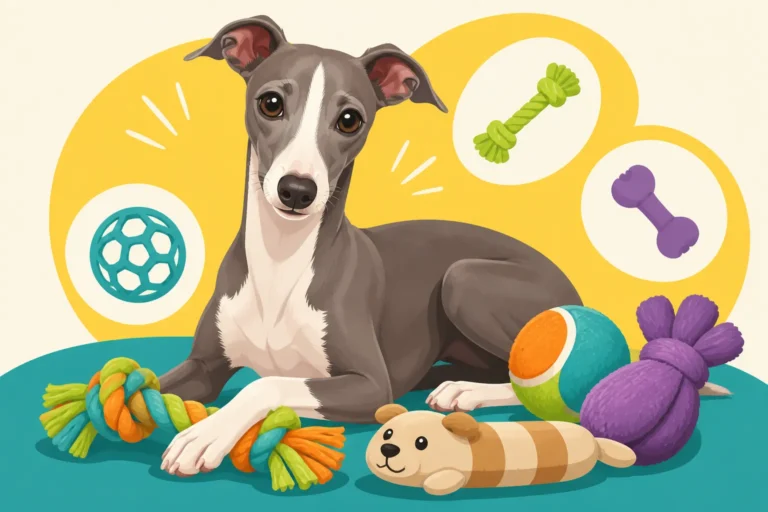
While not all Italian Greyhounds are ardent toy players in the same way some breeds are, many do enjoy interactive toy play, especially if it involves chasing or "killing" the toy. Small, soft, crinkly toys, or those that squeak, can pique their interest. The key is to make the toy "come alive" through movement, rather than just handing it to them. Wiggle it, drag it, hide it, and then "pounce" with it. This engages their predatory instincts and makes the toy more rewarding.
Avoid very hard toys or vigorous tug-of-war, which could risk dental injury or joint strain given their delicate build. Soft plush toys that can be gently shaken or "killed" are often preferred. Some Iggies also love soft squeaky balls for a game of fetch, especially if you're engaging with them. The true reward isn't just the toy itself, but the interactive experience with you, their favorite human. It’s a dance where you are the choreographer, making the toy irresistible.
Affection, Attention, and the Velcro Connection
Italian Greyhounds are renowned for being "Velcro dogs" – they thrive on companionship and physical closeness with their human family. This deep desire for connection and affection is one of the most powerful motivators you have, often even more so than food or toys for certain individuals or in specific contexts. Overlooking the power of your attention and touch is a missed opportunity in understanding and motivating your Italian Greyhound.
The Value of Cuddles and Praise
If you live with an Italian Greyhound, you already know they crave your presence. They follow you from room to room, want to be in your lap, and will often try to burrow under the covers with you at night. The Velcro Dog: What Constant Company Means With a Italian Greyhound This profound need for connection means that praise, gentle petting, and cuddles are incredibly valuable rewards. A warm, enthusiastic "Good dog!" followed by a soft stroke down their back or a little scratch behind the ears can be just as effective as a treat for reinforcing desired behavior.
For some Iggies, especially those who are particularly bonded to one person, simply being allowed to sit on your lap or rest their head on your shoulder after a training session is the ultimate prize. This isn't just about emotional connection; it's about physical comfort and security, which are paramount for them. Incorporate sincere verbal praise and gentle physical affection liberally into your training. It builds trust, strengthens your bond, and makes learning a positive, reinforcing experience.
Creating a Positive Training Environment
Given their sensitive nature, Italian Greyhounds respond best to positive reinforcement and gentle handling. Harsh corrections, loud voices, or physical punishment are not only ineffective but can be detrimental, leading to fear, anxiety, and a complete shutdown. An Italian Greyhound that is scared or feels pressured will often refuse to engage or even hide. Why Raising Your Voice Sets an Italian Greyhound Back a Month The motivation to avoid punishment is not the same as the motivation to earn a reward, and the latter fosters a much healthier relationship.
Creating a training environment where they feel safe, respected, and eager to participate is key. This means short, fun sessions, lots of praise, and celebrating every small success. Online resources and positive reinforcement programs, like those offered by BAXTER & Bella, can be incredibly helpful for learning how to leverage these intrinsic motivators effectively. Focus on making training a game that you both enjoy, where they feel like they are figuring things out and earning wonderful rewards, rather than being commanded.
Beyond the Basics: Understanding What Not to Do
Just as important as knowing what motivates an Italian Greyhound is understanding what doesn't, and why certain methods can be counterproductive. Their sensitive temperament and sighthound heritage mean they react very differently to training approaches that might work for other breeds. Misunderstanding these nuances can lead to frustration for both you and your dog.
The Futility of Force and Intimidation
Attempting to motivate an Italian Greyhound through force, intimidation, or harsh corrections is almost always a losing battle. These methods do not build trust; instead, they erode it, making your Italian Greyhound fearful, anxious, and less likely to engage. Their delicate nature means they are particularly susceptible to stress, and a scared Iggy will often shut down, becoming unresponsive, or try to escape the situation entirely. Why an Italian Greyhound Shuts Down Under Pressure They won't learn what you want them to do; they'll learn to avoid you or the training situation.
For instance, if you try to physically push an Italian Greyhound into a "sit" or yell at them for an accident, they won't associate it with the action you desire. They'll associate it with your scary behavior. This can lead to them hiding when they need to relieve themselves, or simply refusing to perform cues they already know when you're present. Instead, focus on creating an environment where they want to offer the desired behaviors because good things happen when they do. Patience, consistency, and positive reinforcement are your greatest allies with this breed.
The Downsides of Repetitive Drills
While some dogs thrive on repetitive drills and can perform a "sit" 20 times in a row, the independent and often easily bored Italian Greyhound is generally not one of them. Their attention spans can be surprisingly short, and they can quickly lose interest if a task becomes monotonous or overly demanding. If they've mastered a cue, repeating it endlessly just for the sake of it can actually demotivate them. How Short an Italian Greyhound's Training Session Should Be
This doesn't mean they can't learn complex behaviors or excel in dog sports; it simply means your approach needs to be adapted to their learning style. Keep training sessions short, varied, and fun. End on a high note before they get bored or frustrated. Break down new behaviors into tiny, achievable steps, and always keep them guessing by changing the order of cues or the type of reward. Think quality over quantity when it comes to repetitions. If you notice your Iggy disengaging, it's likely a sign they're bored, tired, or simply not feeling it for that particular exercise. Take a break and try something different.
Crafting a Motivational Strategy for Your Italian Greyhound
Understanding what motivates Italian Greyhounds in general is a fantastic start, but the real magic happens when you tailor your approach to your specific dog. Each Italian Greyhound is an individual with their own unique quirks, preferences, and sensitivities. By observing closely and being flexible, you can develop a personalized motivational strategy that makes training and living together a joyful experience.
Observation is Key
The most effective way to understand what motivates your Italian Greyhound is to simply watch them. What makes their tail wag the fastest? What gets them off the sofa when nothing else will? Is it a particular toy, a certain type of treat, a specific tone of voice, or a unique game you play? Pay attention to their body language, their eagerness (or lack thereof), and what consistently elicits a positive response. One Iggy might be completely obsessed with chasing a feather wand, while another might melt for a piece of chicken and ignore all toys.
Consider different contexts too. A treat that works wonders indoors might be completely forgotten when faced with the irresistible scent of a rabbit outside. What motivates them when they're sleepy might be different from what motivates them when they're full of morning energy. By becoming a keen observer, you'll start to build a clear picture of their individual hierarchy of rewards, allowing you to choose the most impactful motivator for any given situation.
The Toolbox Approach: Mixing Motivators
The best motivational strategy for an Italian Greyhound isn't usually a single, static thing, but rather a dynamic "toolbox" of rewards. You'll want to have a variety of high-value treats, beloved toys, and affection-based rewards at your disposal, ready to deploy depending on the situation and your dog's current mood. Don't be afraid to mix and match! For example, a successful recall might be rewarded with a super high-value piece of cheese, followed by a quick game of chase with their favorite squeaky toy, and then a cuddle session on the sofa.
Keeping your rewards varied and unpredictable helps maintain their excitement and prevents them from becoming complacent or bored. The goal is to make every interaction with you a positive, rewarding experience that reinforces your bond. Remember that while food and play are excellent tools, your love, attention, and the comfort you provide are often the ultimate motivators for these deeply affectionate and sensitive little dogs. When you find what truly lights up your Italian Greyhound, you'll discover a loyal, engaged, and wonderfully responsive companion.
| Motivator Type | Example | Effectiveness for Italian Greyhounds | Considerations |
|---|---|---|---|
| High-Value Food | Cooked chicken, cheese, soft training treats | Very High: Often the most consistent initial motivator, especially for learning new cues or in distracting environments. | Must be truly high-value and palatable. Rotate options to maintain interest. Small sizes prevent overfeeding. Can be less effective if the Iggy is stressed or not hungry. |
| Affection/Praise | Gentle petting, cuddles, enthusiastic verbal praise | High: Especially for established behaviors and for Iggies deeply bonded to their owner. Strengthens the human-animal bond. | Needs to be sincere and welcomed by the dog. Not always powerful enough for highly distracting environments or complex new behaviors if used alone. Varies by individual Iggy's need for physical touch. |
| Interactive Play | Flirt pole, squeaky toys, chase games | High: Taps into natural prey drive and love of movement. Great for physical exercise and mental stimulation. | Requires handler engagement. Safety is paramount to avoid injury (e.g., careful with tug, no hard toys). Some Iggies are not highly toy-motivated unless it involves a chase. |
| Comfort/Warmth | Soft bed, blanket, warm lap | Situational/Baseline: Not a direct training reward, but a prerequisite for motivation. A cold/uncomfortable Iggy will be unmotivated. Can be used as an end-of-session reward. | Crucial for overall well-being and willingness to engage. A comfortable environment reduces stress and makes other motivators more effective. Can be a powerful reward for tolerating necessary but unpleasant tasks (e.g., nail trims followed by snuggles). |
| Novelty/Exploration | New walking route, safe sniffing adventure | Moderate: Iggies enjoy mental stimulation from new sights and smells. Can be a reward for focus during walks. | Best used as an environmental reward rather than a direct training treat. Requires a secure leash/harness due to prey drive. May not motivate in situations requiring sustained attention. |
| Social Interaction | Meeting friendly dogs/people | Variable: Some Iggies are social butterflies; others are shy. Can be a reward for polite greetings or calm behavior. | Needs to be a positive experience for your dog. Not suitable for shy or fearful Iggies. Ensure interactions are controlled and safe. |
Disclaimer
This article is for general informational purposes only and does not constitute professional advice. Laws, prices and regulations vary by location and change over time. Consult a qualified professional for guidance on your specific situation.