Whether an Italian Greyhound Is Stubborn
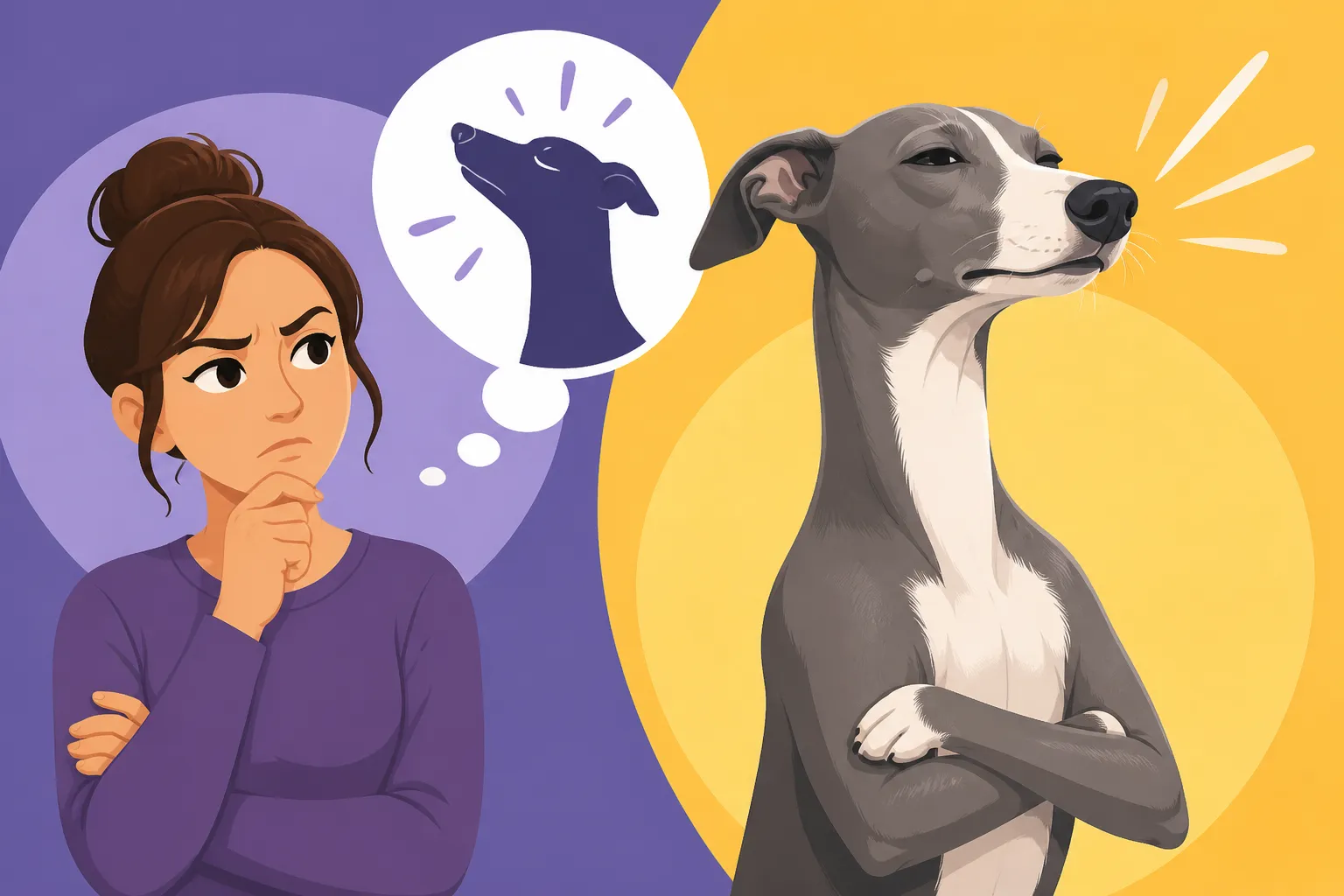
Anyone who has spent time with an Italian Greyhound has likely, at some point, muttered the word "stubborn" under their breath. It's a common frustration for many owners, feeling like their elegant companion simply refuses to cooperate, whether it's coming when called, going out in the rain, or even just sitting still for a nail trim. This isn't just a quirky trait; it can feel like a genuine obstacle to successful training and a harmonious household. But is it truly stubbornness, or are we simply misinterpreting the unique characteristics of this ancient and sensitive breed? This comprehensive guide will delve deep into the Italian Greyhound psyche, exploring why they behave the way they do and offering empathetic, effective strategies to build a strong, cooperative relationship, moving beyond the "stubborn" label to truly understand and appreciate your Iggy.
Understanding the Italian Greyhound Mindset
Calling an Italian Greyhound stubborn often stems from a human-centric view of training, where we expect immediate, eager compliance. But Iggies operate on a different wavelength, driven by instincts that have been honed over thousands of years, not necessarily by a desire to defy us. Understanding these underlying motivators is the first step to truly connecting with your dog.
Prey Drive vs. Obedience
Italian Greyhounds are sighthounds, bred for speed and a keen eye to spot and chase small game. This isn't just a historical footnote; it's hardwired into their DNA, a powerful instinct that can override almost everything else in the right (or wrong!) circumstances. When you're out on a walk and your Italian Greyhound suddenly sees a squirrel dart across the path, their brain isn't processing your "come!" command; it's screaming "CHASE!". This isn't them being disobedient or spiteful; it's a primal urge taking over.
Many owners experience this frustration: one moment your Iggy is trotting politely beside you, the next they're a blur headed for the horizon. It can be terrifying. This powerful prey drive is why an Italian Greyhound simply cannot be trusted off-leash, ever, outside of a securely fenced area. Their desire to pursue a moving object, even a leaf skittering across the pavement, is so intense that they will often ignore all previous training and even put themselves in danger. It's not a choice they're making to be "bad"; it's an instinctual imperative that is almost impossible to train out completely.
Sensitivity to Correction
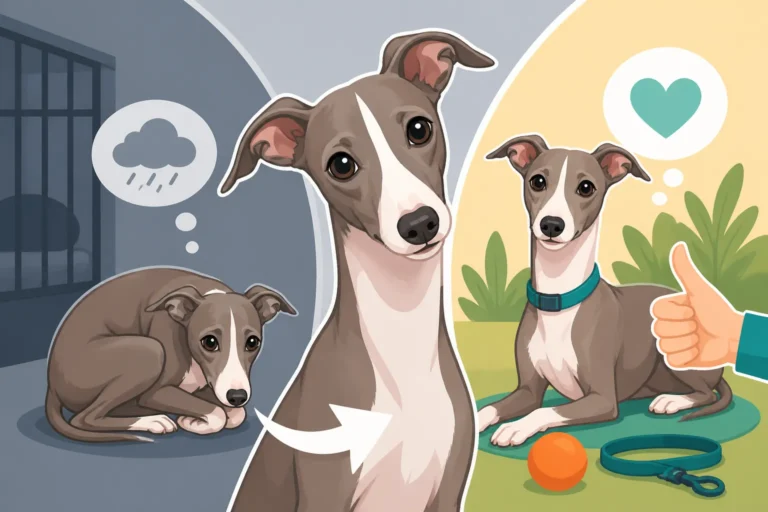
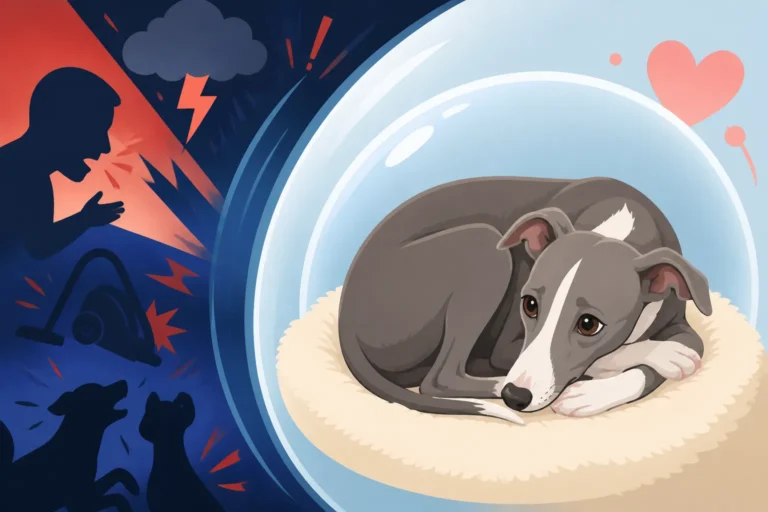
Unlike some breeds that can handle a firmer hand or a louder voice, Italian Greyhounds are incredibly sensitive creatures. They are highly attuned to human emotions and react very poorly to harsh corrections, yelling, or physical punishment. What might be considered a mild correction for a more robust breed can be deeply traumatic for an Iggy, causing them to shut down, become fearful, or even actively avoid future interactions.
Think about it from their perspective: if every time you make a mistake, someone yells at you, would you be eager to try new things or come when called? Probably not. Iggies thrive on positive reinforcement, gentle guidance, and a calm, reassuring environment. If you raise your voice, you might find that Why Raising Your Voice Sets an Italian Greyhound Back a Month. They remember negative experiences keenly, and one bad training session can undo weeks or months of progress. This isn't stubbornness; it's a delicate spirit that needs encouragement and patience, not force.
The 'What's In It For Me?' Mentality
While loyal and affectionate, Italian Greyhounds are also intelligent and practical. They quickly learn what benefits them and what doesn't. If a behavior doesn't offer a clear reward, or if the reward isn't compelling enough, they may simply choose not to perform it. This isn't necessarily defiance, but rather a calculation of effort versus payoff. A boring piece of kibble might not be enough motivation when there's a fascinating smell or a potential nap to consider.
This "what's in it for me?" approach extends to everyday life. Why should they come when called if staying where they are is more comfortable or interesting? Why should they learn a new trick if the praise alone isn't quite as good as a tiny piece of cheese? Understanding What Motivates an Italian Greyhound is key to successful training. They aren't trying to be difficult; they are simply making a logical (to them) decision based on perceived value. Forging a strong, positive relationship based on trust and consistent, high-value rewards will turn a seemingly "stubborn" Iggy into a willing participant.
Common Behaviors Mistaken for Stubbornness
Many of the actions that lead owners to label their Italian Greyhounds as stubborn are actually rooted in specific breed traits or learned behaviors that require a deeper understanding. These aren't intentional acts of defiance, but rather responses to their environment, genetics, or past experiences.
Selective Hearing on Walks
Ah, the classic "selective hearing." You're at the park (safely fenced, of course!), and you call your Iggy's name with increasing urgency. They glance over, perhaps wag their tail once, and then immediately return to sniffing that interesting patch of grass or watching a distant bird. It feels like they're actively ignoring you, doesn't it? But for an Italian Greyhound, this isn't usually an act of deliberate disobedience.
Their strong prey drive, as we discussed, means that any movement, scent, or sound in the environment can capture their attention completely. Their senses are highly tuned for hunting small game. When they're focused on a scent trail that tells a compelling story of a rabbit that passed by, your voice often becomes background noise. It's not that they can't hear you, but that their brain has prioritized the incredibly stimulating world of smells and sights over your repeated commands. This is why consistent training with a long line in a safe area, using incredibly high-value rewards, is crucial for any semblance of recall.
The Refusal to Potty in Inclement Weather
This is perhaps one of the most common and exasperating "stubborn" behaviors Italian Greyhound owners face. Rain? Forget it. Snow? Absolutely not. Even a strong breeze can send an Iggy scurrying back indoors, holding it until the sun comes out, or worse, finding an indoor spot. It feels like they're purposely being difficult, holding out on you just to make a point.
However, this refusal isn't about being stubborn; it's about their physiological and psychological comfort. Italian Greyhounds have very thin skin, almost no body fat, and a fine, short coat that offers little to no insulation. They get cold very easily. Standing out in the rain or snow is genuinely uncomfortable, even painful, for them. Plus, many Iggies dislike getting their feet wet or dirty. It’s a deep-seated aversion. This is why Why an Italian Greyhound Refuses to Go Out in Rain is such a common complaint. Rather than stubbornness, it's self-preservation. Setting up a sheltered outdoor potty area, or even an Setting Up an Indoor Bathroom for an Italian Greyhound with a real grass patch (you can find these on Amazon!), can be a game-changer for these weather-sensitive pups.
Lack of Enthusiasm for Repetitive Drills
If you've ever tried to teach an Italian Greyhound a new trick or reinforce a command through endless repetitions, you might have been met with a yawn, a slow blink, or a sudden decision to lie down. This can be infuriating when you're trying to achieve a training goal, making you feel like your dog is just being difficult or lazy. However, this isn't necessarily true.
Iggies are intelligent, but they can also get bored easily by mundane tasks. They thrive on novelty and quick sessions. If a training exercise becomes too repetitive or doesn't offer a sufficiently exciting reward, their interest wanes rapidly. They're not like some working breeds that live to please through endless drills. They need engagement, variety, and the feeling that their participation is genuinely worthwhile. A lack of enthusiasm isn't stubbornness; it's a signal that your training approach might need a refresh to better suit their unique personality. Think fun, fast, and highly rewarding!
Effective Training Strategies for Italian Greyhounds
Given their sensitive nature, strong prey drive, and "what's in it for me" attitude, traditional, heavy-handed training methods are not just ineffective for Italian Greyhounds, they can be detrimental. Successful training with an Iggy requires a nuanced approach built on positive reinforcement, clear communication, and a deep understanding of their unique personality.
Positive Reinforcement and High-Value Rewards
The cornerstone of all effective Italian Greyhound training is positive reinforcement. This means rewarding desired behaviors, rather than punishing unwanted ones. When your Iggy does something you like – whether it's sitting, staying, or even just making eye contact – mark that moment with a verbal cue (like "yes!" or a clicker) and immediately follow it with something they really value. This isn't just about treats; it can be enthusiastic praise, a favorite squeaky toy, or a quick game of tug.
For an Italian Greyhound, "high-value" often means something truly irresistible. We're talking tiny pieces of boiled chicken, cheese, or even liverwurst. These are far more compelling than dry kibble, especially when competing with exciting outdoor distractions. Keep these special treats only for training to maximize their impact. A company like BAXTER & Bella, known for its online puppy training programs, often emphasizes positive reinforcement techniques that work wonderfully for sensitive breeds like the Italian Greyhound, helping owners understand how to motivate without force. The key is consistency and making the reward directly follow the desired action, so your Iggy clearly understands what they're being rewarded for.
Short, Engaging Training Sessions
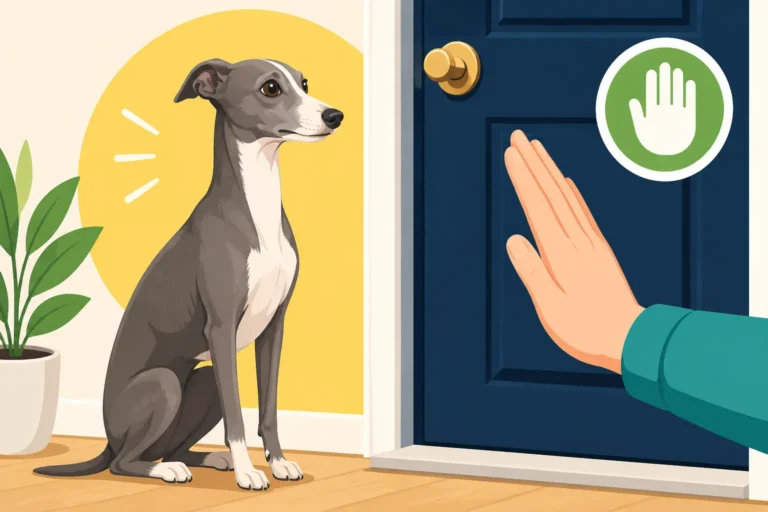
Italian Greyhounds, despite their intelligence, have relatively short attention spans, especially for repetitive tasks. Trying to force a long, drawn-out training session will quickly lead to them "tuning out" or becoming frustrated, which you might misinterpret as stubbornness. Instead, aim for frequent, very short training sessions – think 5-10 minutes, maybe two or three times a day.
These short bursts keep their interest piqued and prevent boredom. Introduce new concepts slowly and break down complex behaviors into tiny, achievable steps. Always end on a positive note, even if it means asking for an easy command they know well and rewarding generously. This leaves them feeling successful and eager for the next session. Variety is also your friend; don't just drill "sit" twenty times. Mix it up with different commands, locations, and rewards to keep them engaged. This strategy acknowledges their nature, making training a fun game rather than a chore for both of you.
Building Trust and a Strong Bond
Beyond specific commands, the most powerful tool in your Italian Greyhound's training arsenal is the bond you share. Iggies are deeply sensitive and form strong attachments to their people. A dog that trusts and feels secure with its owner is far more likely to cooperate and engage in training. This means consistent, kind interactions, providing a predictable routine, and being their safe harbor in a sometimes-overwhelming world.
Spend quality time together that isn't focused on training – gentle petting, quiet cuddles, or just hanging out on the sofa. The Velcro Dog: What Constant Company Means With an Italian Greyhound is a testament to their need for closeness. These interactions build a foundation of mutual respect and affection. If your Iggy sees you as a source of comfort, security, and all good things, they will be far more inclined to listen and work with you. A strong bond turns perceived "stubbornness" into a willingness to please, because they value your approval and companionship.
Addressing Specific "Stubborn" Tendencies
Now that we understand the underlying reasons for some Italian Greyhound behaviors, let's tackle a few specific scenarios that often get them labeled as stubborn, and how to approach them with empathy and effective strategies.
Managing Off-Leash Safety
The most common "stubborn" behavior Italian Greyhound owners lament is often related to recall or general off-leash obedience. When your Iggy spots a squirrel and bolts, seemingly deaf to your calls, it feels like they're deliberately ignoring you. But as established, this is their prey drive in full effect, a primal instinct that's incredibly difficult to override. Therefore, the "stubborn" label here is less about defiance and more about a fundamental misunderstanding of their nature and inherent risks.
The truth is, for most Italian Greyhounds, being reliably off-leash in an unfenced area is simply not a safe or realistic goal. Their instinct to chase is too strong, and their speed means they can be out of sight and into danger in seconds. Instead of fighting this instinct, it's crucial to manage it. This means keeping them on a leash or long line in unsecured areas, always. You can find durable, lightweight long lines on Amazon that allow them more freedom to roam safely while still under your control. Focus on recall training in highly secure, fenced environments, always starting close and gradually increasing distance, using the highest-value treats imaginable. Teach a strong "leave it" command too, for those tempting distractions. Accepting this limitation isn't giving up; it's being a responsible Italian Greyhound owner, ensuring their safety and your peace of mind.
Navigating Housetraining Challenges
"My Iggy just won't get housetrained!" This cry echoes through many Italian Greyhound owner communities. They might stubbornly refuse to go outside in anything less than perfect weather, or secretly soil indoors, making you feel like they're doing it out of spite. This "stubbornness" is multifaceted, combining their physical sensitivities with a generally delicate bladder and sometimes, a history of punishment. How Long Housetraining an Italian Greyhound Takes can be extensive, often longer than for many other breeds.
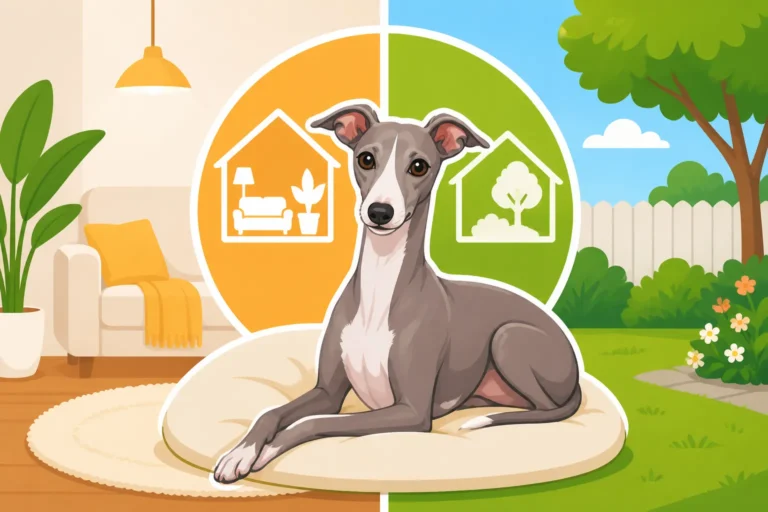
First, acknowledge their aversion to cold or wet weather. Many Iggies genuinely don't want to step paw outside in those conditions. Providing a sheltered potty area, or even indoor solutions like grass pads (available from pet stores or online retailers like Amazon) or a Litter Box Training an Italian Greyhound setup, can be incredibly helpful. Consistency is paramount: take them out very frequently, especially after waking, eating, and playing. Celebrate every successful outdoor potty like they just won the lottery! If they've had negative experiences (like being scolded for accidents), they might start hiding to eliminate, fearing your reaction. Positive reinforcement for outdoor success and calmly cleaning up indoor accidents without fuss is essential. Why an Italian Greyhound Is Slow to Housetrain is often due to these combined factors, not a desire to be difficult. Patience and understanding are your greatest assets here.
Dealing with Furniture Jumping (and the associated risks)
Italian Greyhounds love to be with their people, which often means being on the sofa, the bed, or any other elevated surface where you are. They're surprisingly agile and can jump quite high from a standstill. The perceived "stubbornness" comes in when you try to prevent them from jumping off furniture, perhaps for their own safety. You ask them to wait to be lifted down, or try to teach them to use a ramp, and they look at you as if you're speaking a foreign language, then promptly leap off anyway.
This isn't stubbornness as much as it is a combination of instinct, comfort, and sometimes, a lack of awareness of danger. They want to be where you are, and jumping up and down is often their quick solution. However, The Age an Italian Greyhound Is Most Likely to Break a Leg is often under two years old, and a jump off a sofa is a common cause for A Broken Leg Is the Emergency Every Italian Greyhound Owner Fears. They don't grasp the potential for injury to their delicate bones. Therefore, the "stubbornness" is less about defiance and more about their natural inclination and lack of foresight. You can try Teaching an Italian Greyhound Not to Jump Down, but many owners find proactive solutions more effective. Provide safe alternatives like ramps or steps (you can find various options on Amazon) to help them get on and off furniture. Make these easy to access and reward them heavily for using them. If you cannot supervise, consider gating off areas or crating them to prevent unsupervised jumps that could lead to devastating injuries.
Beyond Stubbornness: Celebrating the Iggy's Unique Personality
Once you shed the idea that your Italian Greyhound is "stubborn," you open yourself up to truly understanding and appreciating the unique, charming, and often hilarious personality traits that make them so special. What might seem like a challenge can often be reframed as a characteristic to be admired or accommodated.
The Independent Thinker
Rather than being stubborn, many Italian Greyhounds are simply independent thinkers. They're not necessarily trying to defy you; they're weighing their options and making a choice based on their own internal logic. This independence can manifest as a dog who doesn't slavishly follow every command but instead considers if the command is worth their effort or if there's a more interesting alternative. They aren't always looking for your approval in the same way a Golden Retriever might; they seek connection and comfort, but also space to be themselves.
This independent streak means they often aren't the easiest dogs to train for advanced obedience, but it also makes them incredibly endearing. You'll find them making surprising choices, often leading to comical situations. This isn't a flaw; it's a testament to their intelligence and self-possession. Learning to appreciate this aspect of their personality can lead to a more relaxed relationship, where you understand their quirks rather than fighting against them.
The Affectionate Companion
Underneath any perceived "stubbornness" is an intensely affectionate and loyal companion. Italian Greyhounds crave connection and comfort from their chosen people. They are often described as "Velcro dogs" because they stick so closely to their owners, seeking warmth, cuddles, and constant physical contact. This isn't stubbornness; it's a deep need for connection and security.
They might "stubbornly" insist on sleeping under the covers with you, or refuse to be left alone for long periods. This isn't about being manipulative; it's about their inherent desire for closeness and their sensitive nature. How Long an Italian Greyhound Copes Alone is typically not very long, as they thrive on companionship. Embracing their need for affection, providing them with plenty of opportunities for snuggles, and acknowledging their desire to be near you will build an unbreakable bond that makes any minor training "challenges" seem insignificant.
The Joy of a Well-Understood Italian Greyhound
Ultimately, moving beyond the label of "stubborn" and truly seeking to understand your Italian Greyhound transforms the relationship from a struggle into a joyful partnership. When you understand their delicate physical nature, their intense prey drive, their need for warmth, and their sensitivity to your tone, you can adapt your expectations and your training methods accordingly.
You'll find that what once seemed like defiance is actually an intelligent response to their unique wiring. You'll laugh at their quirks, marvel at their speed, and melt at their affectionate gazes. An Italian Greyhound isn't stubborn; they are simply an Italian Greyhound – a unique, ancient, and utterly captivating breed that requires patience, understanding, and a whole lot of love. The rewards for this understanding are immeasurable, as you gain a devoted, charming, and endlessly entertaining friend.
Here's a quick look at common "stubborn" perceptions versus the reality for an Italian Greyhound:
| Perceived "Stubbornness" | Underlying Reality (and why it's not truly stubborn) | Effective Approach |
|---|---|---|
| Refusing to come when called | Overwhelming prey drive, highly distracted by movement/scents. | Leash/long line in unsecured areas, high-value rewards, consistent training in fenced spaces. |
| Not wanting to go out in bad weather | Extreme sensitivity to cold/wet due to thin coat and low body fat; genuine discomfort. | Covered potty area, indoor potty solutions (grass pads, litter box), protective clothing. |
| Ignoring repetitive commands | Boredom with mundane tasks, short attention span, preference for novelty. | Short, engaging sessions; high-value, varied rewards; end on a positive note. |
| Jumping off furniture | Natural agility, desire for proximity to owner, lack of awareness of injury risk. | Ramps/steps, supervised access, safe lifting, positive reinforcement for using safe exits. |
| Not wanting to be left alone | Deep need for companionship, strong bonding, propensity for separation anxiety. | Gradual desensitization, secure space, enrichment toys, dog-sitter for longer absences. |
| Slow housetraining progress | Small bladder, weather sensitivity, history of negative association with potty breaks. | Frequent potty breaks, positive reinforcement, sheltered outdoor area, indoor options. |
Disclaimer
This article is for general informational purposes only and does not constitute professional advice. Laws, prices and regulations vary by location and change over time. Consult a qualified professional for guidance on your specific situation.