Why an Italian Greyhound Marks Indoors
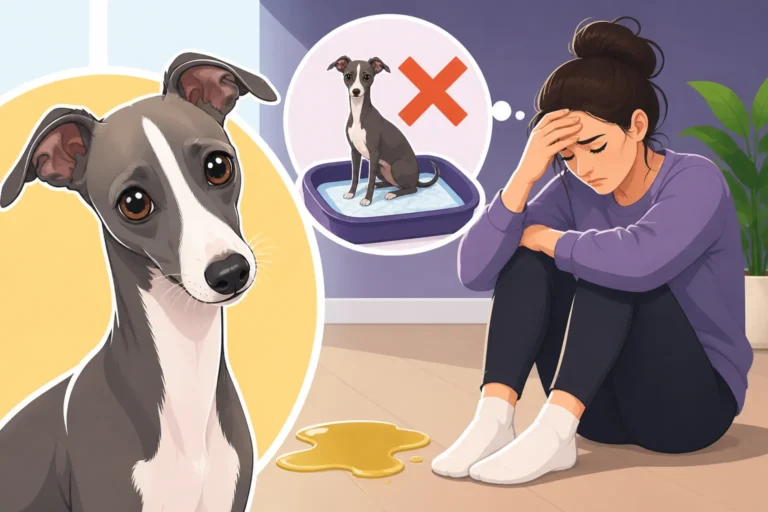
There are few things as frustrating as walking into a room and discovering that your otherwise well-behaved Italian Greyhound has decided to "decorate" your carpet or furniture with a urine mark. It's not just an accident; it feels like a deliberate statement, leaving you wondering why your little companion is doing this. This guide will delve deep into the many reasons why Italian Greyhounds mark indoors and offer practical, empathetic strategies to help you address this challenging behavior.
Understanding the Instinct to Mark Territory
Before we dive into the specifics of why your Italian Greyhound might be marking indoors, it's really important to understand that marking is a deeply ingrained canine behavior. It’s not simply about emptying the bladder; it’s a form of communication, a way for dogs to leave a calling card for other dogs (and sometimes, for us!). Think of it as their social media post, saying "I was here!" or "This is my spot!"
The Difference Between Urinating and Marking
Many owners confuse marking with a simple housetraining accident, and while both involve urine, the intent and context are often quite different. When your Italian Greyhound has a true accident, it's usually because they couldn't hold it, didn't understand where to go, or were perhaps feeling ill. This often involves a larger volume of urine, deposited in a relatively inconspicuous spot, and the dog might show signs of distress or hurry. They might be trying to tell you, "Oops, I really tried to hold it!"
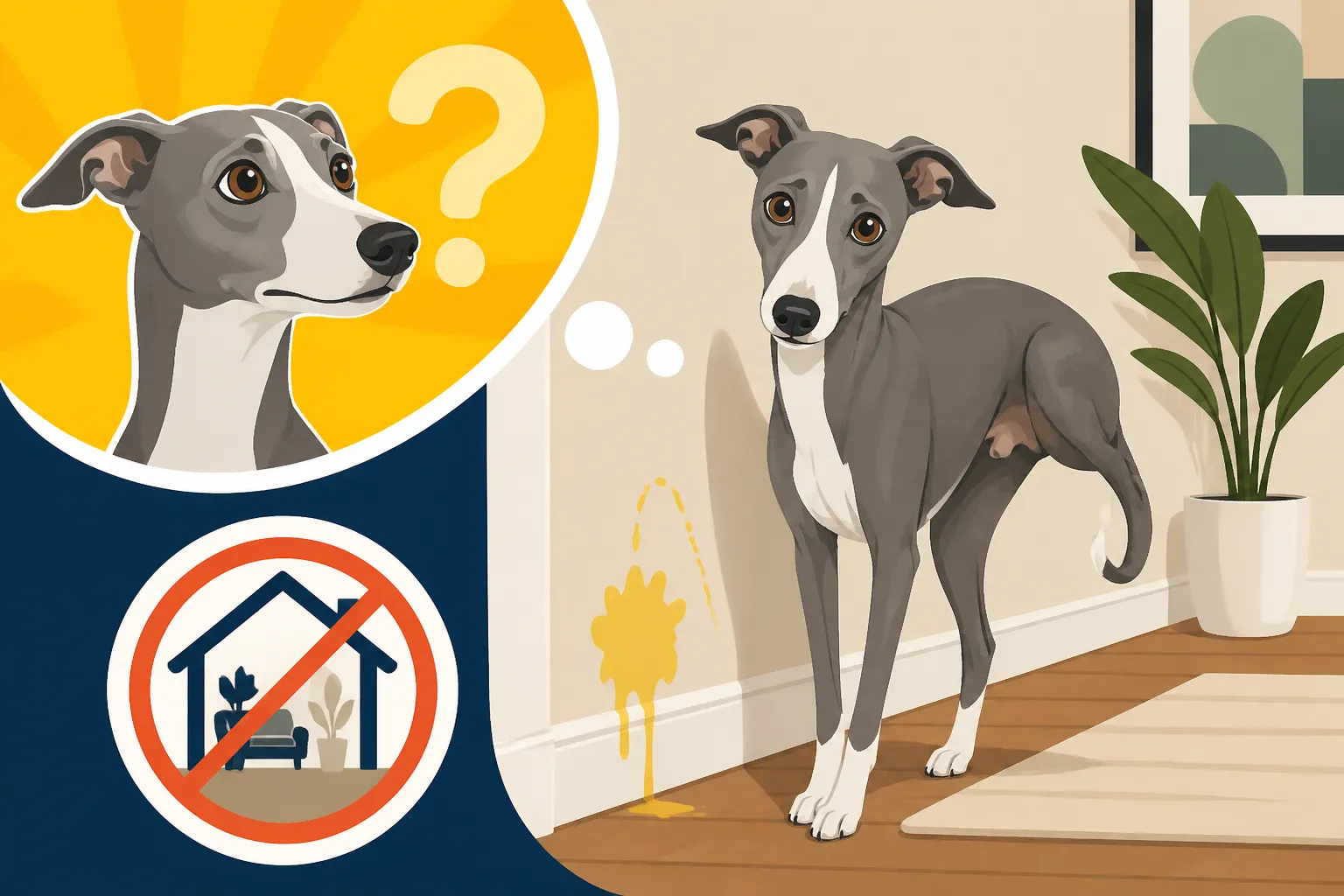
Marking, on the other hand, is generally characterized by smaller amounts of urine, often sprayed on vertical surfaces like furniture legs, walls, or curtains. It's usually done with a deliberate lift of a leg (though females can mark too, sometimes with a more squatting posture, but still aiming for vertical surfaces). The dog might appear calm and focused while doing it, and it's less about relief and more about leaving a scent. It's their way of saying, "This belongs to me," or "I'm feeling a bit insecure in this space and need to make my presence known." This distinction is crucial because the approach to solving marking is often different from addressing simple housetraining lapses.
Why Italian Greyhounds Are Prone to Marking
Italian Greyhounds, despite their delicate appearance, are still dogs with strong instincts. They are also known for being a breed that can be a bit more challenging when it comes to Housetraining an Italian Greyhound Is the Hardest Part of Owning One. Their fine bones and thin skin mean they feel the cold easily, which can lead to a reluctance to go outside in inclement weather. Why an Italian Greyhound Refuses to Go Out in Rain is a common frustration, and this avoidance can sometimes lead to indoor marking, especially if they feel the need to relieve themselves but don't want to brave the elements.
Furthermore, Italian Greyhounds are incredibly attached to their people, often described as "velcro dogs." This intense bond, while charming, can sometimes manifest as anxiety when left alone or when there are changes in their routine or environment. This underlying anxiety can contribute to marking as a stress response. They might be trying to regain a sense of control or comfort in a situation that makes them uneasy. Their slight build and sensitive nature mean they react acutely to their environment, and what might seem like a minor change to us could be a big deal to them, prompting a marking response.
Common Reasons Your Italian Greyhound Is Marking Indoors
Indoor marking can stem from a variety of causes, and it's often a puzzle to figure out which one (or combination) is at play for your particular Italian Greyhound. It’s rarely out of spite, but rather a reflection of their instincts, environment, or physical state.
Hormonal Influences and Intact Dogs
One of the most common reasons for indoor marking, especially in males, is directly tied to hormones. Intact male Italian Greyhounds are driven by an instinct to advertise their presence to other dogs and establish their territory. Their urine contains pheromones that communicate their availability and status. It's a natural behavior for them in the canine world. This marking often intensifies when they detect the scent of other dogs, whether those dogs are actually in your home or simply passed by an open window.
If you have an intact male Italian Greyhound, neutering can often significantly reduce or even eliminate marking behavior. This isn't a guaranteed fix for every dog, but by removing the primary hormonal drive, the urge to mark lessens considerably for many. It's a discussion worth having with your vet, especially if you've ruled out other causes. Even if neutered later in life, some of the learned habits might persist, but the hormonal push will be gone. Whether Neutering Stops an Italian Greyhound Marking is a common question, and while it helps many, consistent training is still key.
Stress, Anxiety, and Insecurity
Italian Greyhounds are sensitive souls, and any change or perceived threat can lead to stress or anxiety. When they feel insecure, marking can be a self-soothing behavior, a way to make their environment feel more "theirs." This might happen due to:
- Changes in routine: A new work schedule, a family member moving out, or even just shifting furniture can upset a sensitive IG.
- New pets or people: Bringing a new dog, cat, or even a baby into the home can trigger territorial or anxious marking. Your Italian Greyhound might be feeling pushed out or trying to assert their place in the new dynamic.
- External triggers: The smell of another dog on your shoes, new neighbors with a dog next door, or even sounds from outside can make them feel the need to mark. They're responding to perceived invaders in their territory.
- Separation anxiety: Italian Greyhounds are prone to forming deep bonds and can struggle when left alone. Marking can be one symptom of Signs an Italian Greyhound Has Separation Anxiety. They might mark near doors or windows, places associated with your departure or return.
It's important to be a detective here. What changed recently? What might be causing your IG to feel a little off-kilter? Sometimes, simply identifying the stressor can be the first step to mitigating the marking.
Incomplete or Regressed Housetraining
Let's be honest, housetraining an Italian Greyhound can be a marathon, not a sprint. Their small bladders mean they need to go out frequently, and their aversion to cold or wet weather can make outdoor potty breaks a real struggle. If housetraining wasn't completely solidified, or if they've had a bad experience outside, they might revert to indoor marking. How Long Housetraining an Italian Greyhound Takes can vary wildly, and some IGs take much longer than other breeds.
Furthermore, regression can happen. An otherwise perfectly housetrained Italian Greyhound might suddenly start marking again. This could be due to:
- Lack of consistent access to outdoors: Perhaps your schedule changed, and they're not getting out as often as they used to.
- Negative associations with going outside: A scary noise, a run-in with another dog, or just a particularly harsh winter day could make them hesitant to go out, leading them to find an indoor alternative.
- New smells indoors: If a new piece of furniture carries the scent of another animal, or if a guest's pet has recently visited, your IG might feel compelled to "re-mark" the area.
It’s easy to get frustrated, but remember it’s not personal. It’s often a communication breakdown.
Medical Issues
While marking is often behavioral, it’s absolutely critical to rule out any underlying medical conditions. A dog that is suddenly marking indoors, especially if it's unusual for them, should always have a vet check-up. Conditions like:
- Urinary tract infections (UTIs): These can cause frequent urination and a feeling of urgency, leading to small deposits of urine.
- Bladder stones: Similar to UTIs, these can irritate the bladder and cause increased urination and discomfort.
- Kidney disease: Can cause increased thirst and urination.
- Diabetes: Another condition that leads to increased thirst and urination.
- Cognitive dysfunction (in older IGs): Senior dogs can sometimes experience confusion, leading to a breakdown in housetraining rules. Night Confusion in an Old Italian Greyhound can be a factor.
Your vet can perform a urinalysis and other diagnostic tests to ensure there isn't a physical reason for the marking. Addressing any medical issues first is paramount before you dive into behavioral interventions.
Seeking Attention or Learned Behavior
Sometimes, inadvertently, we can reinforce marking behavior. If your Italian Greyhound marks indoors and you immediately rush over, even if to scold them, they might learn that marking gets your attention. For a breed that thrives on human interaction, any attention, positive or negative, can be a motivator.
Similarly, if marking has occurred in the past and the area wasn't thoroughly cleaned with an enzymatic cleaner, the lingering scent can actually encourage repeat marking. Dogs are drawn to the scent of urine, especially their own, as a signal to go again. It becomes a self-fulfilling prophecy. This is where truly effective cleaning products are essential, not just for hygiene but for behavioral modification.
Table: Potential Reasons for Italian Greyhound Indoor Marking & Key Indicators
| Potential Reason | Key Indicators | Initial Steps |
|---|---|---|
| Intact Male/Hormonal Influence | Primarily male, often lifts leg, small amounts, targets vertical surfaces, increases with scent of other dogs. | Discuss neutering with your vet. Consider a belly band (e.g., from Amazon) when unsupervised. Re-evaluate outdoor access. |
| Stress, Anxiety, Insecurity | Recent changes (home, routine, new pet), marking near doors/windows, other signs of anxiety (pacing, whining). | Identify and remove/reduce stressor. Provide safe, comfortable spaces. Increase positive reinforcement. Consider calming aids or vet consultation for severe anxiety. |
| Incomplete Housetraining | Not fully reliable in housetraining, occasional accidents, reluctance to go out in certain weather. | Revisit basic housetraining from scratch (frequent potty breaks, reward success). Ensure consistent outdoor access. Use indoor potty solutions if weather is an issue. |
| Medical Issues | Sudden onset of marking, increased frequency/urgency of urination, straining, lethargy, changes in appetite. | Immediate vet visit for a thorough examination, urinalysis, and bloodwork to rule out UTIs, bladder stones, kidney disease, etc. |
| Attention-Seeking/Learned | Marks when owner is present and reacts, marking in previously soiled areas, inconsistent housetraining. | Ignore the marking itself (no scolding). Thoroughly clean all soiled areas with enzymatic cleaner. Reward desired behavior (pottying outside) enthusiastically. |
Effective Strategies to Stop Indoor Marking
Once you've identified the most likely reasons for your Italian Greyhound's indoor marking, it's time to implement a plan. Consistency and patience are your best friends here, especially with a breed as sensitive and intelligent as the Italian Greyhound.
Revisit Housetraining Fundamentals
Even if your Italian Greyhound was once perfectly housetrained, a return to basics can work wonders. This isn't about punishment; it's about clear communication and positive reinforcement.
- Frequent Potty Breaks: Take your IG out much more frequently than you think they need, especially after waking up, after eating, and before bed. This might mean every 1-2 hours for a while, just like a puppy. Reward them enthusiastically with treats and praise every single time they go outside.
- Supervision, Supervision, Supervision: When indoors, keep your Italian Greyhound on a leash tethered to you, or keep them in the same room where you can constantly monitor them. This way, you can immediately interrupt any attempt to mark. If you can't actively supervise, they should be in a Crating an Italian Greyhound Overnight or secure, dog-proofed area.
- Create a Designated Indoor Potty Area: If your IG is truly reluctant to go out in the cold or rain, having an indoor potty solution can be a bridge. This could be a litter box with specific litter, or real grass pads. The goal is to give them an acceptable indoor alternative, rather than letting them choose your sofa. Gradually, you can work on transitioning them back to 100% outdoor potty breaks when the weather improves. Many Italian Greyhound owners find Setting Up an Indoor Bathroom for an Italian Greyhound is a lifeline, especially during harsh winters.
- Positive Reinforcement Only: Italian Greyhounds respond best to gentle, positive methods. Raising your voice or scolding them after they've marked indoors is counterproductive and can actually increase anxiety, making the marking worse. Why Raising Your Voice Sets an Italian Greyhound Back a Month is a crucial point for this breed. Instead, silently clean the area and focus on rewarding good behavior.
Managing Environmental Triggers and Anxiety
Addressing the root causes of stress and anxiety is paramount for many marking behaviors.
- Consistency is Key: Try to maintain a predictable daily routine for feeding, walks, and potty breaks. Predictability can greatly reduce anxiety in sensitive IGs.
- Calm and Secure Environment: Ensure your Italian Greyhound has a safe, comfortable place they can retreat to, like a cozy crate or a bed with blankets. Italian Greyhounds love to burrow, and a snuggle sack or covered bed can provide immense comfort.
- Scent Management: Dogs mark over other scents. If you have multiple pets, or if new pets have visited, your Italian Greyhound might be marking to re-establish their scent. Consider pheromone diffusers or calming sprays in areas where anxiety is high.
- Introduce Changes Gradually: If you anticipate a change (new baby, moving house, etc.), introduce elements of it slowly. Let them sniff new items, hear new sounds (if applicable), and gradually adjust.
- Behavioral Consult: For severe anxiety or marking that doesn't respond to other methods, a certified professional dog trainer or veterinary behaviorist can be invaluable. They can help identify specific triggers and develop a tailored behavior modification plan. Online resources like BAXTER & Bella offer training courses that can help you understand canine behavior better and implement effective strategies from home.
The Power of Cleaning
This might seem obvious, but proper cleaning is often overlooked as a crucial step in stopping indoor marking. Dogs are scent-driven, and if they can smell previous urine, they are highly likely to mark there again.
- Enzymatic Cleaners are Non-Negotiable: Regular household cleaners often mask the scent for humans but don't eliminate it for dogs. You need an enzymatic cleaner. These products contain enzymes that break down the urine proteins, completely removing the odor that signals to your Italian Greyhound (and other dogs) that this is a "potty spot." Products found on Amazon with good reviews for pet urine are a great place to start.
- Clean Thoroughly: Don't just dab at the surface. Saturate the soiled area, let the cleaner sit for the recommended time (often 10-15 minutes), and then blot it up. For carpets, you might need to clean the underpadding as well. A black light can sometimes reveal hidden urine spots that you might miss with the naked eye.
- Discourage Access: While you're working on behavior, consider temporarily blocking access to areas where marking has occurred frequently. This could mean baby gates or closing doors.
Neutering and Belly Bands
As mentioned, neutering an intact male Italian Greyhound can significantly reduce or eliminate marking behavior fueled by hormones. If your dog is intact and marking, discuss this option with your vet.
For both intact males and sometimes even neutered males who continue to mark due to learned behavior or anxiety, a belly band can be a lifesaver. This is a washable wrap that goes around your dog's waist, covering their privates. If they lift a leg to mark, the urine is absorbed by the band, protecting your home.
- Not a Solution, But a Management Tool: A belly band is not a training solution; it's a management tool. It prevents damage to your home while you work on the underlying behavioral issues.
- Use When Unsupervised: Belly bands are most useful when you can't actively supervise your Italian Greyhound, such as when you're busy or away from home for short periods.
- Ensure Proper Fit: Make sure the belly band fits snugly but comfortably. You can find a variety of washable belly bands on Amazon. Change them regularly to maintain hygiene.
- Don't Rely Solely on It: While belly bands are great for preventing messes, they don't address the reason for the marking. You still need to implement training, environmental management, and rule out medical issues.
Preventing Future Marking Incidents
Once you've made progress in stopping indoor marking, the key is to maintain vigilance and consistency to prevent a relapse. Italian Greyhounds, like many intelligent breeds, can easily fall back into old habits if given the opportunity.
Ongoing Reinforcement of Good Habits
Never stop praising and rewarding your Italian Greyhound for eliminating outside, even once they seem perfectly reliable. Every successful potty break outdoors should be celebrated, reinforcing the positive association with that location. It’s not just for puppies; it’s an ongoing affirmation for the life of your dog. This consistent positive reinforcement builds confidence and reinforces the desired behavior. Think of it as continuously topping up their "good potty choices" bank account.
Keep their outdoor potty routine consistent. If they are used to going out at certain times, stick to those times. If you have to deviate, try to make up for it with extra potty breaks before and after. Remember their little bladders are easily affected by routine changes. How Often an Italian Greyhound Puppy Needs Out highlights the frequency even adult IGs can sometimes benefit from.
Continued Environmental Management
Your home environment plays a massive role in your Italian Greyhound's behavior. Regularly reassess if anything might be triggering marking behavior.
- Scent Control: Continue to be diligent about cleaning. If you have guests with dogs, or if your dog visits another home, ensure their belongings (beds, leashes, etc.) don't bring in strong foreign scents that could trigger a marking response. You might even consider having designated "guest dog" blankets that can be easily washed to prevent scent crossover.
- Monitor for Stressors: Keep an eye out for any new sources of stress or anxiety. This could be anything from loud construction outside to a new piece of furniture. If you notice your Italian Greyhound seems uneasy, proactively address the stressor rather than waiting for marking to occur. Offering extra comfort, a special treat, or more one-on-one time can often help soothe their nerves.
- Access Management: If there are certain areas or items that are consistently targeted for marking, continue to limit access to them until you are absolutely certain the behavior is resolved. This might mean using baby gates, closing doors, or placing temporary barriers. For high-value items, like a special antique chair, consider covering it temporarily with a washable throw while you're working on the issue.
Regular Vet Check-ups
Even if you've addressed a behavioral reason for marking, routine veterinary check-ups are always a good idea. As Italian Greyhounds age, they can develop conditions that impact bladder control or increase the urge to urinate. Regular screenings can catch these issues early.
- Age-Related Changes: Older Italian Greyhounds, even those in perfect health, might experience a slight decrease in bladder control or increased frequency of urination. Conditions like Kidney Disease in an Old Italian Greyhound or even mild arthritis making it harder to get outside quickly can lead to accidents or marking.
- New Medical Conditions: A new UTI, diabetes, or other health issues can always arise. Regular vet visits ensure that any recurrence of marking isn't due to an undiagnosed medical problem. A healthy Italian Greyhound is a happy Italian Greyhound, and proactively managing their health is a huge part of their well-being.
By staying proactive, consistent, and empathetic to your Italian Greyhound's needs, you can successfully address and prevent indoor marking, ensuring a harmonious home for everyone.
Disclaimer
This article is for general informational purposes only and does not constitute professional advice. Laws, prices and regulations vary by location and change over time. Consult a qualified professional for guidance on your specific situation.