Why Italian Greyhound Owners Give Up on Housetraining
The journey of housetraining an Italian Greyhound can feel like an endless uphill battle, often leaving even the most dedicated owners feeling utterly defeated and wondering if their little dog will ever truly be reliable indoors. If you've found yourself staring at yet another puddle or pile, questioning your sanity and your dog's intelligence, you are absolutely not alone. This guide delves into the core reasons why Italian Greyhound owners frequently hit a wall with housetraining and what makes this particular breed such a unique challenge.
The Unique Frustrations of Italian Greyhound Housetraining
Let's be honest, few things are as frustrating as tirelessly working on housetraining, only to be met with constant setbacks. Italian Greyhounds, bless their tiny, delicate hearts, seem to excel at pushing their owners to the brink of despair when it comes to potty training. It's not just a minor inconvenience; it can truly impact the joy of owning one of these elegant, affectionate dogs. Many owners report feeling like they've tried everything under the sun, from rigorous schedules to countless products, only to find themselves cleaning up accidents day after day. This isn't a reflection of your failure as an owner, nor is it necessarily your Italian Greyhound being stubborn; it's often a perfect storm of breed-specific traits, environmental factors, and sometimes, a mismatch in training expectations. The struggle is real, and it's a primary reason why Housetraining an Italian Greyhound Is the Hardest Part of Owning One.
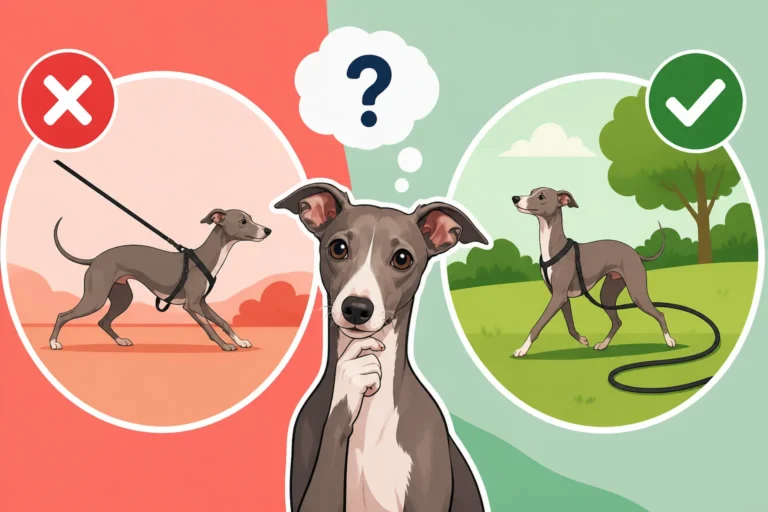
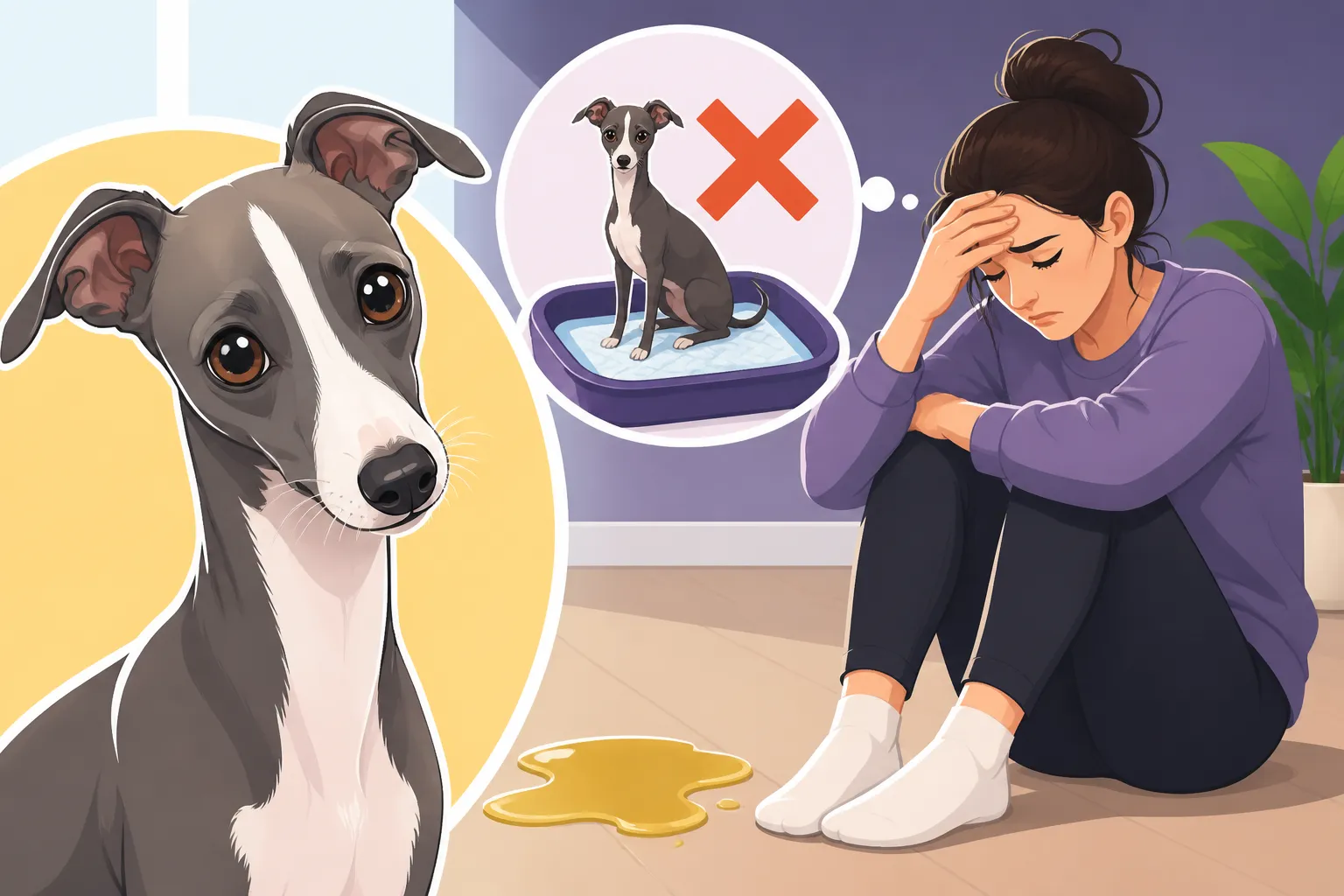
Imagine this scenario: you bundle your Italian Greyhound up in a cozy sweater, brave the chilly wind, and spend ten minutes outside in the backyard, coaxing them to go potty. They finally do, you praise them lavishly, come back inside, take off their coat, and no sooner have you turned your back than you spot them squatting on your antique rug. It feels like a betrayal, doesn't it? This isn't an isolated incident; it's a recurring nightmare for many IG owners, leading to a deep sense of resignation. The sheer persistence of these accidents can wear down even the most patient person, making them question if a fully housetrained Italian Greyhound is even a realistic goal.
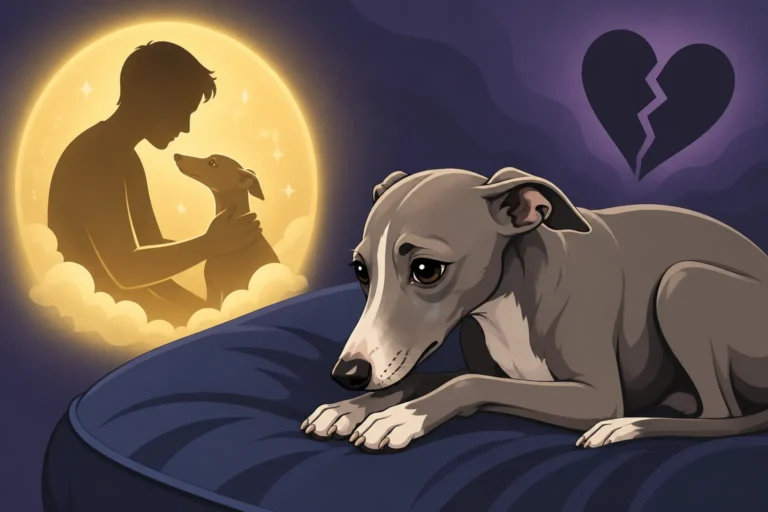
The emotional toll can be significant. It's disheartening to feel like you're constantly on alert, scanning the floor for potential messes, or becoming frustrated with your beloved pet. Some owners find themselves restricting their dog to certain easy-to-clean areas of the house or even crating them more than they'd like, all in an effort to contain the mess. This constant vigilance, coupled with the ongoing cleaning, can quickly lead to burnout, and eventually, many just throw in the towel, deciding that living with accidents is simply "part of owning an Iggy."
Breed-Specific Challenges That Undermine Housetraining Efforts
Italian Greyhounds are not like many other breeds when it comes to housetraining. They come with a unique set of physical and instinctual traits that naturally make the process more difficult, and if you're not prepared for these, you're already at a disadvantage. Understanding these inherent challenges is the first step toward finding a strategy that might work, or at least understanding why you're struggling.
Small Bladders and Fast Metabolism
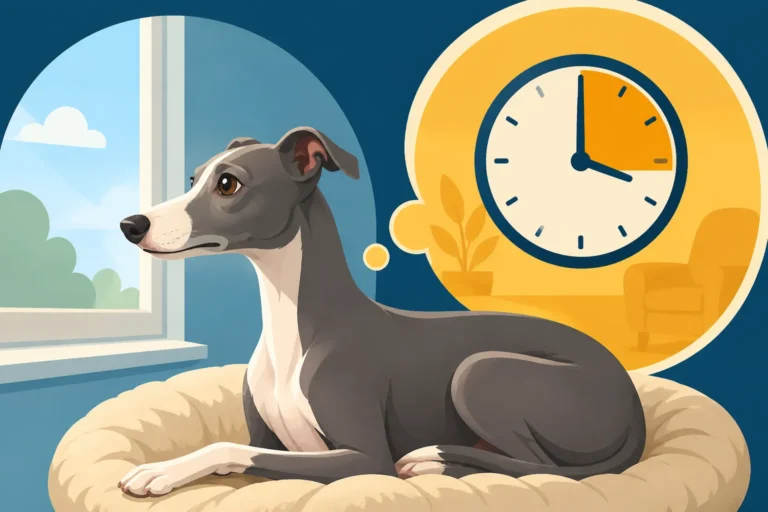
One of the most fundamental challenges is their physiology. Italian Greyhounds are small dogs with correspondingly small bladders. This isn't just a cute observation; it means they physically cannot hold their urine for long periods, especially as puppies. You might take your puppy out every hour, and they'll still have an accident if you stretch it to two hours. This frequent need to eliminate can feel relentless. Add to this their typically fast metabolism, which means food and water pass through them relatively quickly.
Imagine a busy Saturday. You're running errands, maybe grabbing groceries, and you come home to find a wet spot. You swear you took them out just before you left! But for an Italian Greyhound, an hour can feel like an eternity. Why an Italian Greyhound Has a Small Bladder is a biological reality, not a behavioral choice. This constant need for quick, frequent potty breaks can be exhausting, especially for owners who work long hours or live in apartments where immediate outdoor access isn't always possible. It often makes people feel like they're living on their dog's schedule, which can become incredibly tiresome.
Aversion to Inclement Weather
This is perhaps the most famous Italian Greyhound trait that sabotages housetraining: their absolute disdain for anything less than perfect weather. Rain, snow, cold, wind, even damp grass – these conditions are often met with a hard "no" from an Italian Greyhound. They are thin-skinned, have very little body fat, and feel the cold intensely. A quick dash outside in a brisk breeze can send them shivering and looking for the quickest route back inside, often without having relieved themselves.
Think about trying to housetrain a puppy in the middle of winter. You bundle them up, carry them outside, set them down, and they immediately lift a paw, shiver uncontrollably, and sprint back to the door, hoping to escape the ordeal. They might do a "fake potty" stance just to get back inside faster, only to have an accident on your warm floor moments later. This isn't stubbornness; it's a genuine discomfort. How Cold Weather Undoes an Italian Greyhound's Training is a common lament, as months of progress can be wiped out by a single cold snap or rainy week. Owners often give up on outdoor potty training in winter, resorting to indoor solutions out of sheer necessity, which can confuse the dog and undermine any outdoor progress.
Strong Prey Drive and Distraction
Italian Greyhounds are sighthounds, bred to spot and chase small, fast-moving objects. While they are small, their instincts are mighty. When outside, especially in a yard with squirrels, birds, or even just leaves blowing in the wind, their focus can shift instantly from "potty time" to "chase time." They might completely forget why they are out there, becoming utterly engrossed in the thrill of the chase or the endless possibilities of exploring every scent.
You might be standing patiently in the yard, waiting for them to go, but your Iggy is locked onto a bird flying overhead, or digging furiously at a molehill. By the time they snap out of their hunting trance, they might have forgotten they needed to relieve themselves. This means you bring them back inside, and as soon as they're calm and relaxed, they finally feel the urge and have an accident. This constant distraction makes consistent outdoor elimination difficult, frustrating owners who feel like their dog just isn't "getting it." This instinctual drive is powerful and often overrides any training commands in the moment, making reliable outdoor potty breaks a game of chance.
Common Owner Missteps and Training Pitfalls
While Italian Greyhounds certainly bring their own set of challenges to the housetraining table, owners can sometimes inadvertently contribute to the problem through misunderstandings, inconsistent methods, or unrealistic expectations. It's easy to fall into these traps, especially when you're feeling exhausted and frustrated.
Unrealistic Expectations and Impatience
One of the biggest hurdles is often the owner's own timeline. Many people expect a puppy, regardless of breed, to be reliably housetrained within a few weeks or months. For an Italian Greyhound, this timeline is frequently far too optimistic. How Long Housetraining an Italian Greyhound Takes can be considerably longer than with other breeds, sometimes extending well past their first birthday, and for some, even longer. This extended period of accidents can be incredibly disheartening.
When owners don't see rapid progress, they often get impatient, which can lead to stress for both dog and human. They might change methods too frequently, not giving any single approach enough time to work, or they might become discouraged and less diligent with their routine. This impatience can create a cycle of frustration where the dog never fully understands the rules because the rules keep changing or the owner's commitment wanes. It's crucial to remember that this breed often requires an abundance of patience and persistence that far exceeds what you might anticipate for other dogs.
Inconsistent Routine and Supervision
Consistency is the bedrock of successful housetraining for any dog, but it's absolutely paramount for an Italian Greyhound. Their small bladders and quick metabolisms mean that a lapse in routine, even a small one, can easily result in an accident. If potty breaks aren't frequent and on a strict schedule, or if supervision inside the house is lax, you're setting your Iggy up for failure.
Think about it: you establish a good routine for a few weeks, and then a busy weekend throws everything off. You sleep in, miss a morning potty break, and suddenly you're back to square one with an accident. Or perhaps you're distracted by a phone call and don't notice your Italian Greyhound sniffing around suspiciously in the corner until it's too late. When left unsupervised, especially in areas where they've had accidents before, Iggys will often revert to their old habits. This inconsistency sends mixed signals, making it difficult for them to generalize that "potty happens only outside" or "potty happens only in this designated indoor spot." Why an Italian Greyhound Is Slow to Housetrain is often exacerbated by this lack of relentless consistency from the owner.
Punishing Accidents Instead of Rewarding Success
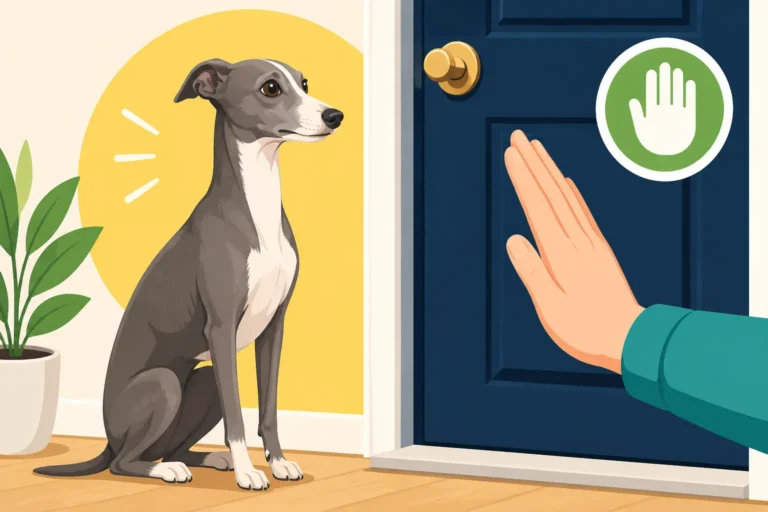
It's a natural, almost primal, reaction to get upset when you find an accident, especially if you feel like you just took your dog out. However, punishing an Italian Greyhound for an indoor accident is one of the most counterproductive things an owner can do. These dogs are incredibly sensitive and thrive on positive reinforcement. A harsh word, a loud "no," or rubbing their nose in it (an outdated and cruel method) will not teach them where to go; it will only teach them to be afraid to potty in front of you.
When an Italian Greyhound is punished for an accident, they don't associate the punishment with the act of peeing or pooping inside. Instead, they associate it with you and the act of eliminating. This often leads to a dog that hides to go potty, sneaking off behind furniture or into another room, making it even harder to catch them in the act and redirect them appropriately. Why Punishment Makes an Italian Greyhound Hide to Go is a common consequence. They become secretive about their bodily functions, which is the exact opposite of what you want when trying to establish a reliable potty routine. The key is to heavily reward outdoor success and prevent indoor failures.
Strategies That Help, and Why Owners Might Still Give Up
Despite the challenges, many Italian Greyhound owners do achieve housetraining success. It requires a specific approach and a monumental amount of dedication. However, even with the right strategies, the sheer duration and intensity of the effort can lead to burnout.
Implementing a Strict Potty Schedule and Indoor Setup
A strict, frequent potty schedule is non-negotiable for an Italian Greyhound, especially when they are young. This means taking them out every 30-60 minutes initially, and immediately after waking, eating, drinking, and playing. This constant vigilance is exhausting, but it's vital for preventing accidents. For those who can't be home constantly, an indoor potty solution can be a lifesaver.
Many owners find success with Setting Up an Indoor Bathroom for an Italian Greyhound, whether it's puppy pads, a litter box, or a real grass patch. This offers a designated, consistent place for them to go, removing the weather variable from the equation. While some prefer exclusively outdoor training, for an Iggy, having a reliable indoor option can mean the difference between consistent success and constant frustration. Brands like Fresh Patch or even simple pee pads available on Amazon can be a game-changer. The challenge is that integrating both indoor and outdoor options can sometimes be confusing for the dog, or owners might use the indoor option as a crutch, preventing the dog from fully understanding outdoor expectations. The sheer commitment to maintaining a rigorous schedule, often for months or even years, is where many owners understandably falter.
| Housetraining Challenge | Italian Greyhound Specific Reason | Common Owner Pitfall | Impact on Training Success |
|---|---|---|---|
| Frequent Accidents | Small bladder, fast metabolism, cold aversion | Infrequent potty breaks, impatience, poor supervision | Prolonged training, owner burnout, dog confusion |
| Hiding to Potty | Sensitivity to correction, fear of punishment | Scolding, yelling, harsh reactions to accidents | Dog becomes secretive, harder to catch and redirect |
| Refusing to Go Outside | Lack of body fat, dislike of cold/rain/wind, easily distracted | Not providing adequate outerwear, short outdoor trips | Accidents indoors, inconsistent outdoor elimination |
| Regression in Training | Weather changes, inconsistent routines, travel | Not adapting routines, assuming full reliability too soon | Reoccurrence of accidents, loss of confidence in methods |
| Perceived Stubbornness | Instinctual prey drive, sensitivity, discomfort | Attributing human motivations, using force-based training | Dog shuts down, avoidance, diminished bond |
Utilizing Crates and Belly Bands Effectively
Crate training can be an invaluable tool for housetraining an Italian Greyhound, as dogs are naturally reluctant to soil their sleeping area. A crate, properly introduced and sized, can provide a safe haven and significantly reduce indoor accidents by teaching bladder control and establishing a predictable potty routine. Crating an Italian Greyhound Overnight is a common practice that helps manage nighttime accidents. However, the small bladder of an Iggy means they can't be left in a crate for as long as some other breeds, and frequent breaks are still necessary.
Belly bands for male Iggys (and sometimes doggy diapers for females) can also be a temporary lifesaver, especially for marking behaviors or when supervision simply isn't possible. A brand like Simple Solution offers various sizes that can be found on Amazon. Whether a Belly Band Helps an Italian Greyhound is a common question, and for many, it does, by preventing messes while still allowing the dog to understand that eliminating inside is not preferred (as they don't like to pee on themselves). The challenge here is that neither a crate nor a belly band trains the dog; they are management tools. Owners might rely too heavily on them, inadvertently delaying true housetraining by not actively teaching the dog where to go, only preventing them from going everywhere. The constant need to manage, rather than train to independence, can be incredibly draining over time.
Seeking Professional Guidance and Support
When owners are truly at their wit's end, seeking professional help is a logical next step. A qualified positive reinforcement trainer or a veterinary behaviorist can provide tailored strategies and support, helping identify specific issues and offering solutions. There are excellent online resources, such as the comprehensive puppy training programs offered by BAXTER & Bella, which can be particularly useful for Italian Greyhound owners looking for structured guidance from the comfort of their home. These programs often break down training into manageable steps and address common pitfalls.
However, the reality is that professional help can be an investment, both in time and money, and some owners might already be stretched thin by the ongoing care and cost of their pet. Additionally, finding a trainer who truly understands the nuances of sighthound behavior and the specific sensitivities of an Italian Greyhound can be challenging. Some owners might feel a sense of defeat having to admit they need help, or they might simply be too exhausted by the daily grind of cleaning up accidents to commit to yet another intensive training program. The perception that some dogs just "can't be housetrained" can lead to a premature abandonment of these more advanced strategies.
Ultimately, giving up on housetraining an Italian Greyhound is rarely a conscious decision to fail; it's often a slow erosion of hope and energy in the face of persistent, breed-specific challenges. It requires a level of patience, consistency, and dedication that many owners, through no fault of their own, simply cannot maintain indefinitely.
Disclaimer
This article is for general informational purposes only and does not constitute professional advice. Laws, prices and regulations vary by location and change over time. Consult a qualified professional for guidance on your specific situation.