Whether an Italian Greyhound Learns From Another Dog
Oh, the age-old question for anyone bringing a new Italian Greyhound into a household that already has another dog: will they be a mentor or a mischief-maker? It’s a completely valid concern, and one that often causes new Iggy parents a lot of sleepless nights. You want your new little one to learn all the good habits, but you're also terrified they'll pick up on the less-than-stellar quirks of their canine housemates. This guide will dive deep into how Italian Greyhounds learn from other dogs, exploring both the incredible benefits and the frustrating pitfalls, and how you can steer your Iggy toward the best possible social learning experience.
The Power of Peer Influence: How Dogs Learn from Each Other
It's truly fascinating to watch dogs interact, isn't it? You can almost see the gears turning in their heads as they observe each other. For Italian Greyhounds, who are incredibly intelligent and sensitive creatures, this social learning is a huge part of their development and daily life. They are natural mimics, often more so than some other breeds, and this can be both a blessing and a curse.
Observational Learning in the Canine World: More Than Just Mimicry
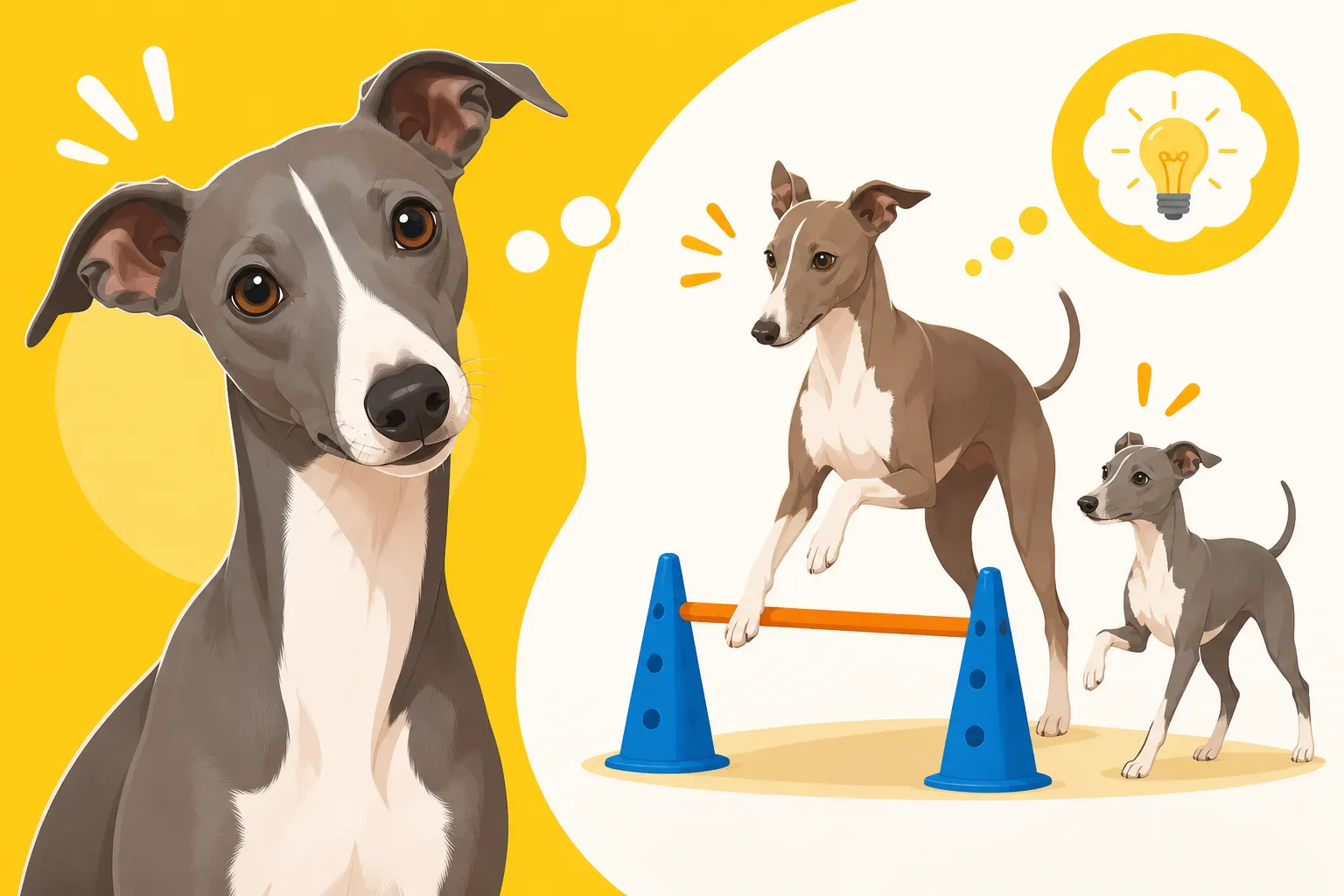
Dogs, just like human children, are constantly learning from their environment and the individuals within it. This isn't just about simple mimicry; it's a complex process called observational learning. A new puppy, or even an older rescue Italian Greyhound, will intently watch the established dogs in the home to understand the "rules" of the house, how to interact with the humans, and even how to navigate certain situations. They learn what's safe, what earns rewards, and what might lead to a stern look from their person.
Think about it: if your older dog waits patiently by the door for their leash, your new Iggy puppy is much more likely to pick up on that cue faster than if they were the only dog in the house, just trying to figure out what a leash even means. They're not just copying; they're associating the older dog's behavior with an outcome (going for a walk!). This is particularly true for basic routines and household dynamics. They learn the rhythm of the day, where to sleep, when to expect food, and even how loud they're "allowed" to be when the mail carrier comes.
The Special Case of Italian Greyhounds and Social Bonds
Italian Greyhounds are often described as "Velcro dogs" due to their intense attachment to their chosen humans. But this deep bond isn't exclusive to people; they form incredibly strong connections with other dogs in their household, especially other Iggies. This breed thrives on companionship, and they often feel most secure when nestled amongst their pack, be it human or canine. This inherent need for social connection amplifies their tendency for observational learning.
When an Italian Greyhound enters a new home with another dog, they aren't just looking for guidance; they're looking for belonging. They want to integrate into the existing social structure. This can make them particularly receptive to learning from the resident dog. If you've ever wondered Whether Two Italian Greyhounds Are Easier Than One, this aspect of social learning often plays a huge role. They create a little pack dynamic, often copying each other's sleep patterns, play behaviors, and even their potty habits! This desire to be part of the group makes them very susceptible to picking up on both good and bad behaviors.
The Upside: Harnessing Positive Peer Learning in Your Italian Greyhound
Having an older, well-behaved dog can be like having a built-in assistant trainer for your new Italian Greyhound. There are countless ways a good canine mentor can positively influence your Iggy’s development, making your life a whole lot easier.
Teaching Good Manners: From Potty Training to Crate Acceptance
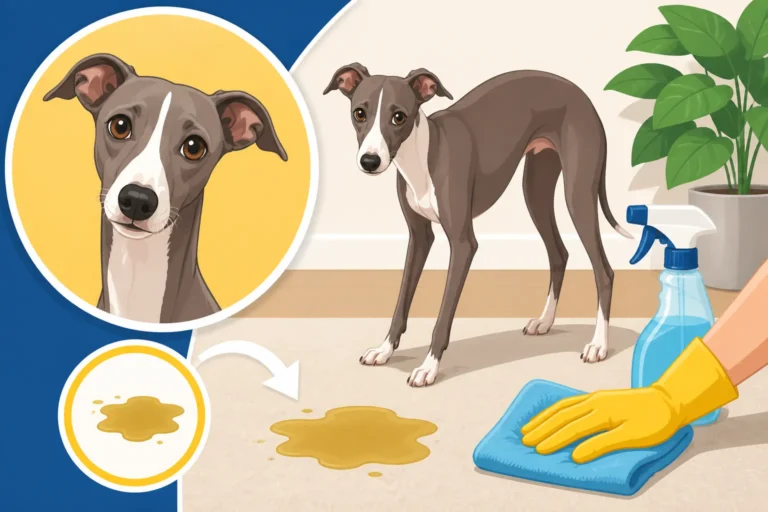
One of the biggest benefits of social learning is when your Italian Greyhound picks up on essential house manners. For instance, Litter Box Training an Italian Greyhound can be a slow, frustrating process. But if you have an older dog who already uses a designated potty area, whether it's outdoors or an indoor litter box or grass pad, your new Iggy will likely observe and follow suit. They'll see the older dog go to the spot, sniff around, and relieve themselves, and it often clicks faster than solely relying on human cues.
Similarly, an Italian Greyhound puppy observing an older dog who calmly goes into their crate for quiet time or bedtime can greatly reduce crate training struggles. Iggies are sensitive, and if they see their canine buddy accepting the crate as a safe, comfortable den, it demystifies the experience for them. An older dog's calm demeanor can be incredibly reassuring for a young, impressionable Iggy trying to figure out this big new world. They learn that certain behaviors lead to positive outcomes – calm entry to the crate means a cozy nap, or going to the potty spot means praise and treats.
Building Confidence and Overcoming Shyness
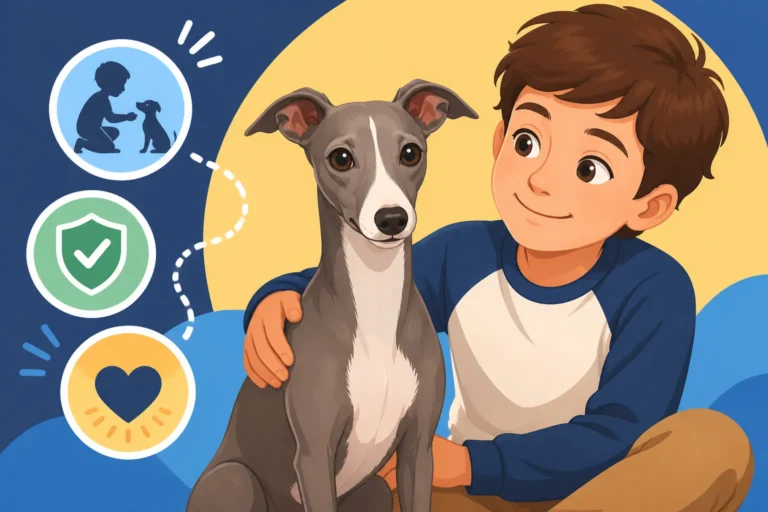
Italian Greyhounds can sometimes be a bit shy, especially around new people or in unfamiliar environments. If you’re bringing a shy Italian Greyhound into your home, whether they're a puppy or an older rescue, a confident and well-socialized resident dog can be an absolute godsend. Watching their canine companion confidently approach a stranger, or explore a new sound, can teach the shy Iggy that there's nothing to fear.
Imagine your new Iggy puppy cowering behind your legs when a new visitor arrives. But if your older dog trots right up, wags their tail, and accepts a friendly pat, your puppy might just decide to tentatively peek out. Over time, that tentative peek can turn into a cautious approach, and eventually, a confident greeting. This kind of modeling is invaluable for building social skills and helping an Iggy realize that the world isn't always a scary place. It helps to understand How Shy an Italian Greyhound Is naturally, and how an older dog can help mitigate some of that innate timidity.
Encouraging Play and Appropriate Interaction
Play is crucial for a dog's physical and mental well-being, but sometimes a new Italian Greyhound might not know how to initiate play or interact appropriately with other dogs. An older, playful dog can teach them the ropes. They'll show the younger Iggy how to do the "play bow," how to chase and be chased, and even how to self-handicap during play, meaning they'll adjust their intensity to match the smaller, younger dog. This is especially important for teaching a delicate Italian Greyhound how to play safely and avoid injuries.
Observing an older dog engage in healthy play can also teach a new Iggy boundaries and appropriate social cues, which is essential for any dog going to a dog park or interacting with new canines down the line. They learn bite inhibition and how to respect another dog's space, skills that are invaluable throughout their lives. You might even find yourself observing Whether an Italian Greyhound Plays Rough With Its Own Kind and realizing they've learned to moderate their play from their housemate.
The Downside: When Your Italian Greyhound Picks Up Undesirable Behaviors
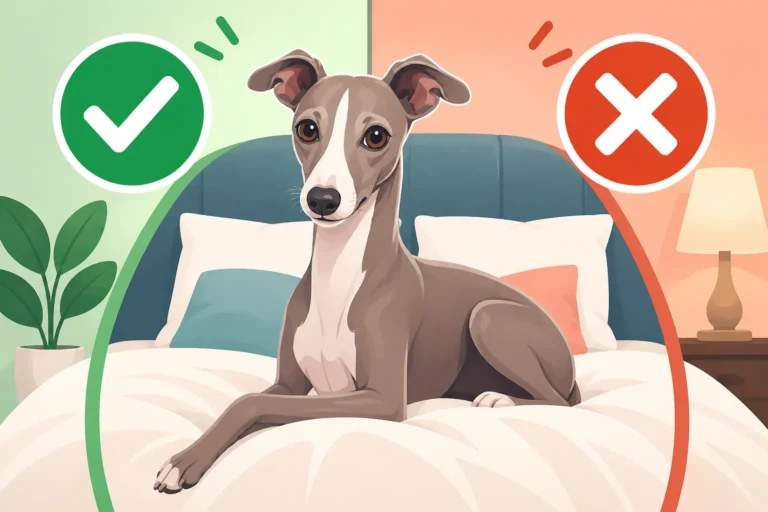
As much as we wish our Italian Greyhounds would only absorb the good stuff from their canine companions, the reality is that social learning is a two-way street. Bad habits can be just as contagious as good ones, and sometimes, even more so because they can be self-reinforcing.
The "Monkey See, Monkey Do" of Bad Habits
It's a common scenario: you have one dog who barks incessantly at every squirrel, and then suddenly, your quiet Italian Greyhound starts chiming in. Or maybe your older dog has a naughty habit of Why an Italian Greyhound Counter Surfs, and before you know it, your quick-witted Iggy has learned to jump up and investigate those enticing smells on the kitchen counter too. Undesirable behaviors like door dashing, leash reactivity, incessant barking, or even subtle forms of disobedience can easily be picked up.
The challenge here is that these behaviors often get reinforced, even inadvertently. The older dog barks, you go to the window, the Iggy sees this as an exciting interaction. The older dog gets a snack from the counter, the Iggy sees the reward. Breaking these learned bad habits can be twice as hard because you're not just trying to train one dog; you're trying to re-pattern a dynamic that has been reinforced by peer behavior. It requires immense patience and consistent intervention from you.
Anxiety, Fear, and Learned Helplessness
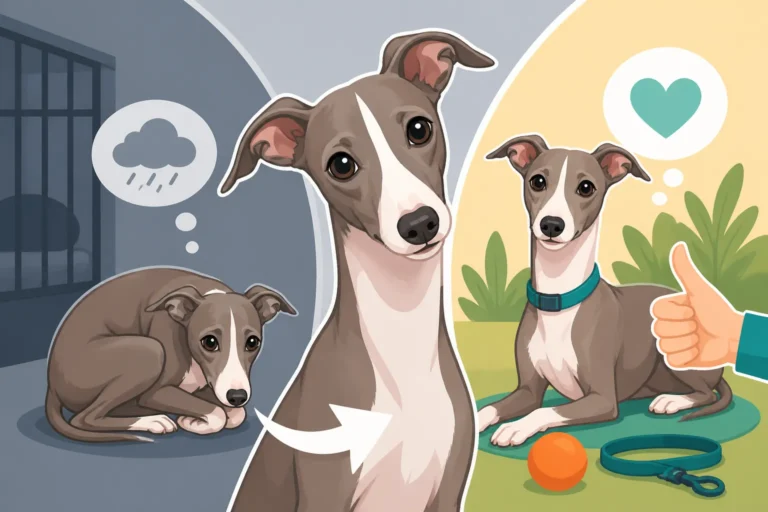
This is perhaps one of the most heartbreaking downsides. If your resident dog suffers from anxiety, fear, or a lack of confidence, your new Italian Greyhound can absolutely pick up on these emotional states. Dogs are incredibly attuned to each other's body language and emotional cues. An anxious dog might pace, whine, or hide during thunderstorms. A new Iggy, observing this behavior, might interpret these external cues as signals that there is indeed something to be afraid of, even if they wouldn't have been naturally fearful themselves.
This can manifest in many ways. If an older dog has Signs an Italian Greyhound Has Separation Anxiety, a new Iggy might develop similar symptoms, even if they were previously well-adjusted to being left alone. They might learn to vocalize, destroy items, or become distressed when you prepare to leave the house. This is not the Iggy's fault; they are simply learning how to respond to perceived threats or stressors from their trusted companion. It underscores the importance of addressing any behavioral issues in your resident dog before bringing a new one into the home.
Resource Guarding and Other Protective Instincts
While Italian Greyhounds are generally not known for intense resource guarding, they can certainly learn protective behaviors from other dogs. If an older dog guards their food bowl, toys, or even a specific sleeping spot, a new Iggy might observe this and begin to adopt similar behaviors. This could be subtle at first, like a slight stiffening of the body or a quick gulping down of food when another dog approaches, or it could escalate to growling or snapping.
This kind of learning can also extend to protective behaviors towards their humans. If an older dog is overly protective of you, your Iggy might learn to "alert" or even try to deter other dogs or people from approaching you, seeing you as a high-value resource to be guarded. It’s crucial to manage these situations from the outset to prevent escalation and ensure a harmonious multi-dog household. Providing separate resources, like multiple beds and feeding stations, can help prevent these learned guarding behaviors from taking root.
Guiding the Learning Process: Setting Your Italian Greyhound Up for Success
You have a significant role to play in shaping what your Italian Greyhound learns from another dog. It's not just a passive process; it's an opportunity for intentional guidance and proactive management.
Careful Selection of Canine Mentors
If you’re planning to bring a new Italian Greyhound into a home with an existing dog, or if you’re getting a second Iggy, the most critical step is the careful selection of your canine mentor. An older dog who is calm, well-socialized, confident, and has solid obedience skills will be the best possible teacher for your new arrival. Avoid pairing a young, impressionable Iggy with an older dog who has unresolved behavioral issues, high anxiety, or aggressive tendencies. You don't want your new puppy learning these challenges.
Introduce them gradually and always under close supervision. Let them meet on neutral territory first, go for a leashed walk together, and then slowly introduce them to the home environment. Watch their interactions carefully. You want to see appropriate play, respectful sniffing, and a generally relaxed demeanor from both dogs. If the existing dog is becoming stressed or overly dominant, it might be a sign that this isn't the right match, or that more managed introductions are needed. Think about how How an Italian Greyhound Adjusts to a New Home and consider the impact of the resident dog.
Proactive Management and Intervention
Once your Italian Greyhound and their canine companion are living together, your role shifts to proactive management. This means being vigilant and intervening early to reinforce good behaviors and interrupt undesirable ones.
- Supervision is Key: Never leave a new puppy or a new rescue Italian Greyhound unsupervised with an existing dog, especially in the early stages. This isn't just about safety; it's about observing their interactions and guiding them. When you see your Iggy copying a good behavior (like settling quietly on a bed), praise and reward both dogs! If you see them starting to mimic a bad habit (like jumping on the furniture without permission), gently redirect both dogs to a more appropriate activity. Using crates or baby gates to provide separate spaces when you can't actively supervise can be incredibly helpful.
- Consistent Training: Even with a great canine mentor, your human-led training is still paramount. Reinforce all commands and desired behaviors consistently with both dogs. If your older dog knows "sit" and your Iggy is learning it, ask both of them to sit and reward them. This shows the Iggy that the human rules apply to everyone. Remember, Why Raising Your Voice Sets an Italian Greyhound Back a Month; always use positive, gentle methods, especially with this sensitive breed.
- Separate Resources: To prevent any potential resource guarding from developing or being learned, always provide separate food bowls, water bowls, and beds. Feed them in separate, quiet areas. Even consider using separate toys, at least initially. You can find many helpful management tools on platforms like Amazon, from extra bowls to comfy dog beds and crates that help create individual safe spaces.
- Professional Guidance: If you notice your Italian Greyhound picking up on serious negative behaviors from another dog, don't hesitate to seek help from a certified professional dog trainer or behaviorist. They can observe your specific dynamic and provide tailored strategies to address the issues. Online resources, like those offered by BAXTER & Bella, often provide great insights into positive reinforcement techniques and managing multi-dog households. They can help you learn how to better communicate your expectations to both dogs.
Consistency in Training and Environment
Establishing a clear and consistent routine is fundamental when you have multiple dogs, especially when one is learning from the other. Dogs thrive on predictability, and an Italian Greyhound is no exception. They will feel more secure and less likely to pick up on anxieties if their environment is stable and their expectations are clear.
This means:
- Set Clear Rules: Decide what behaviors are acceptable and unacceptable for all dogs in your home and stick to them. If the older dog isn't allowed on the sofa, neither is the Iggy. If the older dog is expected to use an indoor potty area, the Iggy should be taught the same. This also ties into Setting Up a House an Italian Greyhound Cannot Break a Leg In, ensuring that the rules you set help keep your delicate Iggy safe.
- Equal Attention: While it's natural to fawn over a new puppy, ensure your older dog still receives plenty of individual attention, training, and affection. This helps prevent jealousy or competition, which can lead to stress and negative learned behaviors.
- Managed Interactions: Schedule specific times for supervised play and interaction, and also ensure each dog gets individual quiet time with you. If you're managing separation anxiety, consider gradually increasing How Many Hours an Italian Greyhound Will Tolerate Alone for each dog, perhaps even separately at first. This balance helps foster strong bonds without creating unhealthy dependencies or learned anxieties like Teaching an Italian Greyhound to Settle Alone.
By understanding the strong social nature of Italian Greyhounds and taking a proactive approach, you can effectively guide their learning journey, maximizing the positive influences from other canine companions and minimizing the development of undesirable habits. It takes work, but watching your Italian Greyhound flourish into a well-adjusted, happy member of your pack, thanks in part to their furry mentors, is incredibly rewarding.
Disclaimer
This article is for general informational purposes only and does not constitute professional advice. Laws, prices and regulations vary by location and change over time. Consult a qualified professional for guidance on your specific situation.