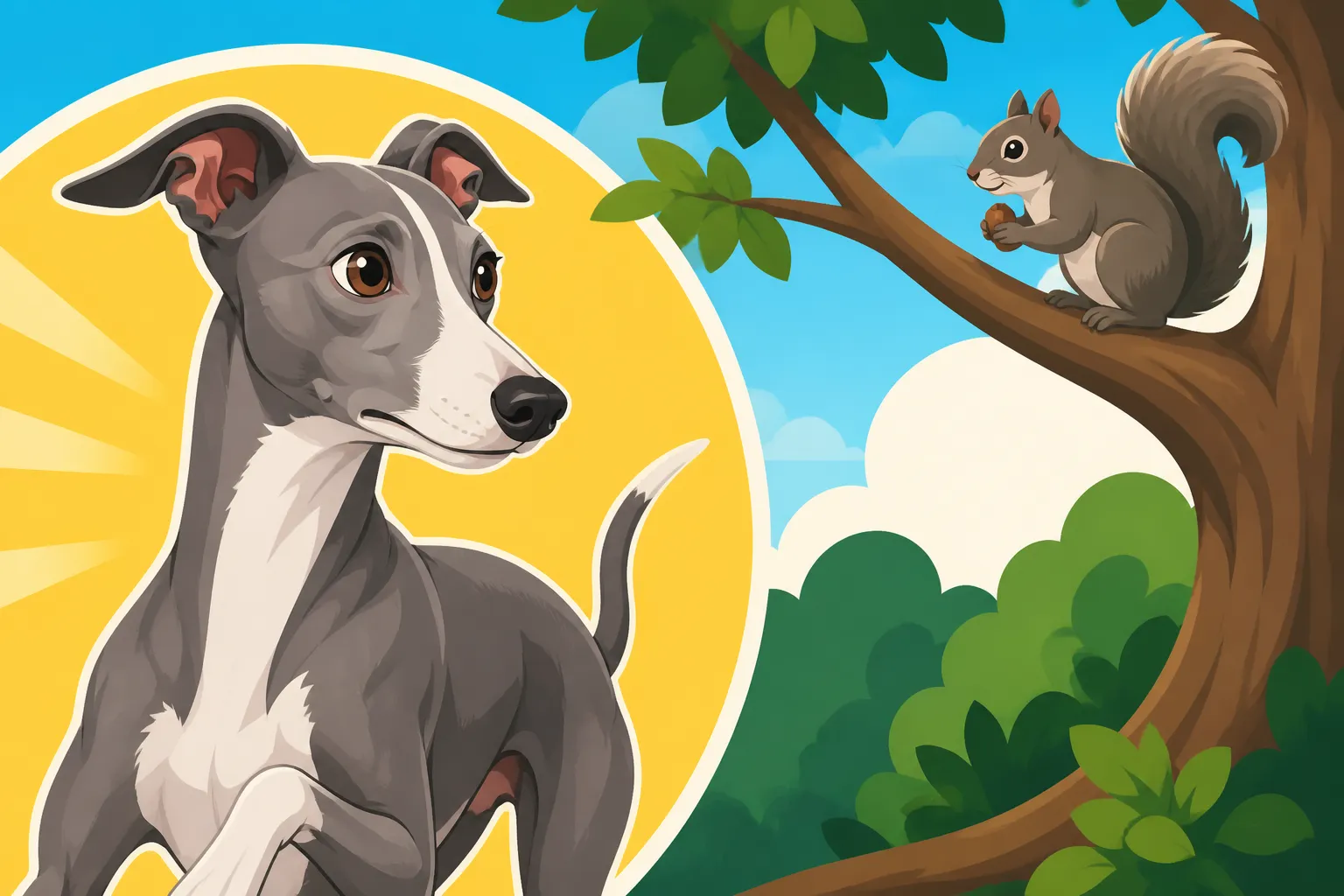
What an Italian Greyhound Does About Squirrels
If you’ve ever owned an Italian Greyhound, you know the moment. That sudden, electrifying jolt when a squirrel appears. One second your sweet, cuddly companion is trotting serenely beside you, the next they've transformed into a lean, mean, chasing machine, utterly oblivious to your existence. It's a common frustration for IG owners, this instant transformation from beloved pet to wild hunter, leaving you often surprised by their speed and single-minded focus. This guide is here to shed light on exactly what happens when an Italian Greyhound spots a squirrel and, more importantly, how you can manage this powerful instinct to keep your beloved companion safe and sound.
The Instinctive Hunt: Why Squirrels Are Irresistible to an Italian Greyhound
Italian Greyhounds, despite their delicate appearance and status as cherished lapdogs, are sighthounds at heart. This means they were originally bred for hunting by sight, a deeply ingrained instinct that no amount of pampering or indoor living can truly erase. When a squirrel crosses their path, it's not just a cute backyard critter; it's a primal trigger, activating thousands of years of selective breeding.
Deep Roots: Understanding the Sighthound Prey Drive
Their ancestors, dating back centuries, were relied upon to spot, chase, and capture small game. This isn't just a playful romp; it's a hardwired behavioral pattern. Think of it like a switch flipping inside their brain. One moment, they're listening to you, responding to your cues, and then poof – the squirrel takes over. This isn't disobedience in the typical sense; it's an overwhelming biological imperative. When an Italian Greyhound locks onto a squirrel, their world shrinks to just that furry, darting object. Their focus becomes absolute, and their physical capabilities, often hidden during regular walks, come to the forefront. Understanding this innate drive is the first step in managing it. It's not something you can train out of them entirely, but rather something you learn to work with and around. How Strong an Italian Greyhound's Prey Drive Is is a topic many IG owners find themselves grappling with, and it's precisely this intensity that makes managing squirrel encounters so critical.
The Visual Trigger: Why Movement is Everything
For an Italian Greyhound, it’s all about movement. A stationary squirrel might get a glance, but the moment that squirrel darts, leaps, or scurries up a tree, it becomes an irresistible target. Their eyes are incredibly well-adapted for spotting movement, especially at a distance. They have a wider field of vision compared to many other breeds, which means they can pick up on subtle motions that you might miss entirely. This visual acuity, combined with their instinct, creates a powerful reaction. You might not even see the squirrel tucked away on a branch, but your Italian Greyhound's head will snap up, ears will prick forward, and their body will go rigid, all before you’ve even registered the threat. They process that movement almost instantly, and their athletic bodies are ready to react even faster. It’s like their internal radar is constantly scanning for anything that moves quickly, and squirrels are practically designed to light up that radar.
The Lightning-Fast Reaction: What an Italian Greyhound Does When It Spots a Squirrel
When an Italian Greyhound spots a squirrel, it's a predictable sequence of events, albeit one that happens in a blink. Their entire demeanor shifts, signaling to any observant owner what's about to happen. Being prepared for these reactions is key to maintaining control and preventing a dangerous situation.
The Bolt: From Zero to Sixty in a Flash
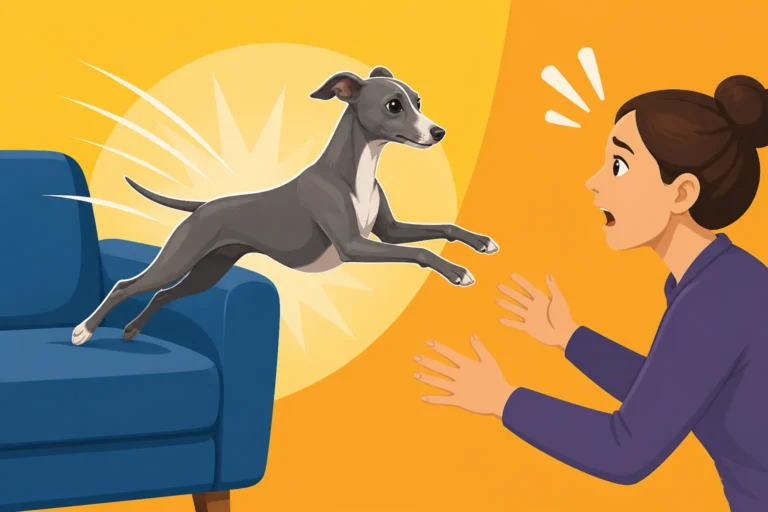
The most dramatic reaction is "the bolt." One moment they're beside you, the next they're a blur headed towards the horizon. Italian Greyhounds are incredibly fast. How Fast an Italian Greyhound Runs is something you might only truly appreciate when they're in full chase mode. This sudden acceleration is often coupled with an incredible leap, a twist, or a change of direction, mimicking the very prey they're pursuing. They launch themselves with an explosive burst of energy, covering ground at speeds that can shock even seasoned dog owners. This is why a secure leash and harness are non-negotiable. If you're holding a flimsy lead or they're wearing a collar they can slip, that squirrel sighting can turn into a lost dog scenario in seconds. They don't hesitate; there's no "thinking it over." It's pure, unadulterated chase instinct taking over.
The Tunnel Vision: Everything Else Disappears
Once an Italian Greyhound is locked onto a squirrel, their hearing seems to vanish. Your urgent commands, the squeak of a favorite toy, even the scent of a high-value treat – all become secondary, if they register at all. This "tunnel vision" is a crucial aspect of their prey drive. Their entire world narrows down to that moving target. Yelling or trying to physically yank them back can be counterproductive; they're not processing information in the usual way. In this state, they are truly in their element, driven by an ancient urge. This is why positive reinforcement and distraction techniques before the bolt are so important, because once they're in pursuit, it's incredibly difficult to break their focus. It's not that they're being stubborn or defiant; they are simply overwhelmed by instinct.
The Auditory Alert: Barking and Whining
While the chase is the primary reaction, many Italian Greyhounds also become quite vocal when they spot a squirrel. You might hear a sharp, excited bark, a series of frantic yips, or even a high-pitched whine. This isn't just random noise; it's often a form of communication, an expression of their intense excitement and frustration at not being able to fully engage in the hunt. Some IGs will stand rigid, staring intently, giving short, sharp barks that clearly say, "I see it! Let me at it!" Others might pace, whine, and tug relentlessly at the leash, expressing their desperate desire to chase. This vocalization can be a useful warning signal for you, the owner, indicating that a squirrel has been spotted even before you see it yourself. It gives you a precious second or two to prepare, tighten your grip on the leash, or attempt a redirection technique.
Keeping Your Italian Greyhound Safe: Managing Squirrel Encounters
Given the strength of their prey drive, proactive management and safety measures are absolutely essential for Italian Greyhound owners. You can't eliminate squirrels, but you can certainly control your IG's interactions with them.
Leash and Harness: Your Most Crucial Safety Tools
This cannot be stressed enough: an Italian Greyhound should never be off-leash in an unfenced area. Their prey drive is simply too strong, and their speed means they can be out of sight and into danger in a blink. Why an Italian Greyhound Cannot Be Trusted Off Leash, Ever is a truth every owner must accept. A proper harness is paramount because their slender necks and delicate tracheas make traditional collars risky for strong pullers, and they can easily slip a flat collar. Many Italian Greyhounds are escape artists when they are intent on a chase, so a well-fitting, secure harness is key. Look for a "Martingale-style" harness or one specifically designed for sighthounds, which has a wider chest plate and straps that prevent backing out. Brands like Ruffwear or similar sighthound-specific designs found on platforms like Amazon are often recommended for their secure fit and comfortable design for their unique body shape.
Here's a quick comparison of common collar/harness types:
| Type of Restraint | Pros | Cons | Safety for IG (Squirrel Encounters) |
|---|---|---|---|
| Flat Collar | Easy to put on/take off | Easy to slip out of, risk of tracheal injury from pulling | Very Low |
| Martingale Collar | Prevents slipping, humane tightening | Still around the neck, can cause discomfort if constant pulling | Medium |
| Standard Chest Harness | Distributes pressure, prevents slipping | Some IGs can still back out, can restrict shoulder movement | Medium-High |
| Sighthound-Specific Harness | Designed for slender build, prevents backing out, comfortable | Can be more expensive, fewer immediate options in pet stores | High |
Environmental Management: Yard Security and Walk Awareness
Your home environment and walking routine play a huge role in managing squirrel encounters. If you have a yard, a physically secure fence is vital. An Italian Greyhound can jump higher than you expect and slip through surprisingly small gaps if motivated by a chase. Which Fence Height Contains an Italian Greyhound is something to research carefully, and regularly check your fence for weaknesses.
When walking, always be aware of your surroundings. Scan ahead for squirrels, birds, rabbits, or even blowing leaves that might trigger your IG. Walk in areas where you can see far ahead and react quickly. If you know a particular route is rife with squirrels, consider changing your path or walking at times when wildlife is less active. For those times you need to be in a squirrel-heavy area, consider using a long line in a securely fenced park or open field. This allows your IG to experience some freedom of movement while still being safely tethered to you, giving you control if a squirrel appears. Remember, their minds are always active, and providing appropriate mental and physical enrichment can also help reduce boredom, which can sometimes exacerbate reactivity. What an Italian Greyhound Does When Bored might include excessive barking or destructive chewing, but also heightened attention to outdoor stimuli.
Training for Impulse Control: Countering the Instinct
While you can't eliminate prey drive, you can teach your Italian Greyhound impulse control and a solid "leave it" command. This takes time, consistency, and a lot of patience. Start training in low-distraction environments and gradually increase the difficulty. Using high-value treats – something your IG absolutely adores – is key. A piece of cheese or cooked chicken might just be enough to break their focus for a split second, allowing you to redirect them.
Online training platforms like BAXTER & Bella offer comprehensive programs that focus on foundational obedience and impulse control, which can be invaluable when dealing with a high-prey-drive dog. These courses often break down complex behaviors into manageable steps, guiding you through exercises that build your dog's ability to choose to ignore distractions. Teaching an Italian Greyhound to Wait at a Door uses similar principles of impulse control that can be generalized to ignoring squirrels. It’s all about teaching them that listening to you, even when something exciting is happening, leads to an even better reward.
Training Through the Squirrel Challenge: Strategies for Better Control
Training an Italian Greyhound to resist the siren call of a squirrel is one of the most challenging aspects of ownership, but it's not impossible. It requires dedication, understanding, and a willingness to be creative with your approach.
High-Value Rewards: Competing with the Squirrel's Allure
Let's be real: a boring kibble piece isn't going to compete with the thrill of a squirrel chase. To effectively train an Italian Greyhound, especially around high-value distractions like squirrels, you need high-value rewards. We're talking about tiny pieces of cooked chicken, delectable cheese, or specialized training treats that your IG goes absolutely wild for. The goal is to make you more exciting and rewarding than the squirrel.
When you see a squirrel before your IG does, or even when they first spot it but haven't fully committed to the chase, immediately interrupt their focus with a rapid-fire delivery of these super-tasty treats. Pair this with a cheerful, upbeat vocal cue like "Yes!" or "Good focus!" The idea is to create a positive association: "Squirrel = awesome treats from my human." Over time, your IG might start to look to you for a reward the moment they spot a squirrel, rather than automatically launching into a chase. This isn't just about food; it's about reinforcing the choice to engage with you instead of the distraction. Which Rewards an Italian Greyhound Works For delves deeper into finding what truly motivates your specific dog.
"Watch Me" and "Leave It": Building Foundation Commands
Two commands are absolute game-changers when it comes to squirrel encounters: "Watch Me" and "Leave It."
- "Watch Me": This command teaches your Italian Greyhound to make eye contact with you on cue, shifting their focus directly to your face. Start practicing in a quiet environment, holding a treat near your eye and saying "Watch Me." The instant they look at you, mark the behavior ("Yes!") and reward. Gradually increase the duration of eye contact and introduce distractions. A solid "Watch Me" can be used to interrupt their initial focus on a squirrel before they get into full chase mode. It's a powerful tool for redirection.
- "Leave It": This command teaches your IG to ignore something tempting. Again, start with low-value items on the floor, using your hand to cover the item and saying "Leave It." When they look away from the item, reward them with a treat from your other hand. Gradually progress to more tempting items and eventually, to distractions like squirrels from a distance. The goal is for them to understand that ignoring the squirrel means an even better reward from you. Both of these commands require immense patience and repetition, but they are vital for managing that strong prey drive.
The Long Line: Safe Practice in Open Spaces
For Italian Greyhounds, the thrill of running is immense. They need to express that natural athleticism. However, doing so off-leash in an unsecured area is incredibly risky. This is where a long line comes in. A long line is essentially a very long leash (15-50 feet) that allows your Italian Greyhound to run, sniff, and explore while you maintain a physical connection.
Find a large, securely fenced area – perhaps a private dog park rental, a friend's securely fenced property, or even a very large, empty sports field if you're confident in the fence height and integrity. Attach the long line to your IG's secure sighthound harness, and let them drag it or hold it loosely while they explore. This allows you to practice your "Watch Me" and "Leave It" commands with greater realism. If a squirrel appears, you can step on the line to prevent a full-speed chase, and then work on regaining their attention with your high-value rewards. It’s a way to give them a taste of freedom and burn off energy safely, while still giving you the control to intervene if their prey drive kicks in. When buying a long line, consider durability and weight; you can find many good options on Amazon. Just remember, a long line isn't a substitute for a completely secure, off-leash environment, but it's an excellent training tool for teaching boundary awareness and recall under distraction. For extra security, some owners also invest in a What a GPS Tracker Costs for an Italian Greyhound to have peace of mind even with all precautions.
Ultimately, living with an Italian Greyhound means accepting and managing their strong prey drive. It's part of what makes them who they are – incredibly athletic, focused, and spirited dogs. With the right tools, consistent training, and a deep understanding of their instincts, you can ensure that squirrel encounters remain a manageable challenge rather than a constant source of anxiety.
Disclaimer
This article is for general informational purposes only and does not constitute professional advice. Laws, prices and regulations vary by location and change over time. Consult a qualified professional for guidance on your specific situation.