Why an Italian Greyhound Chases the Cat Outdoors
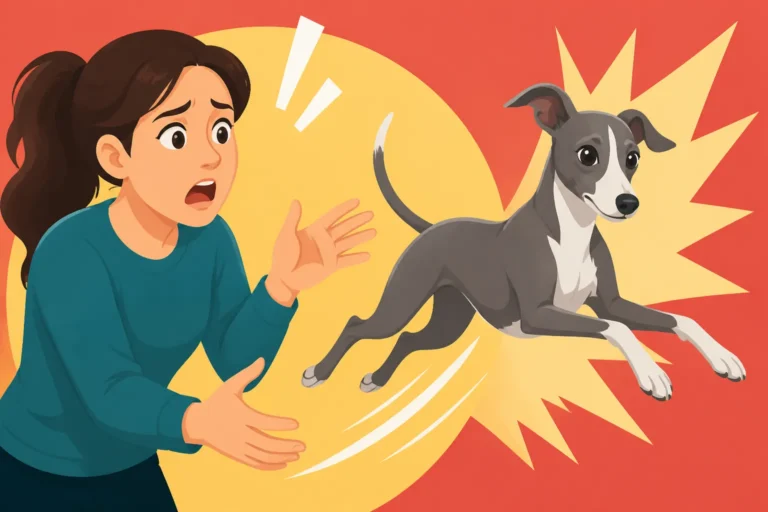
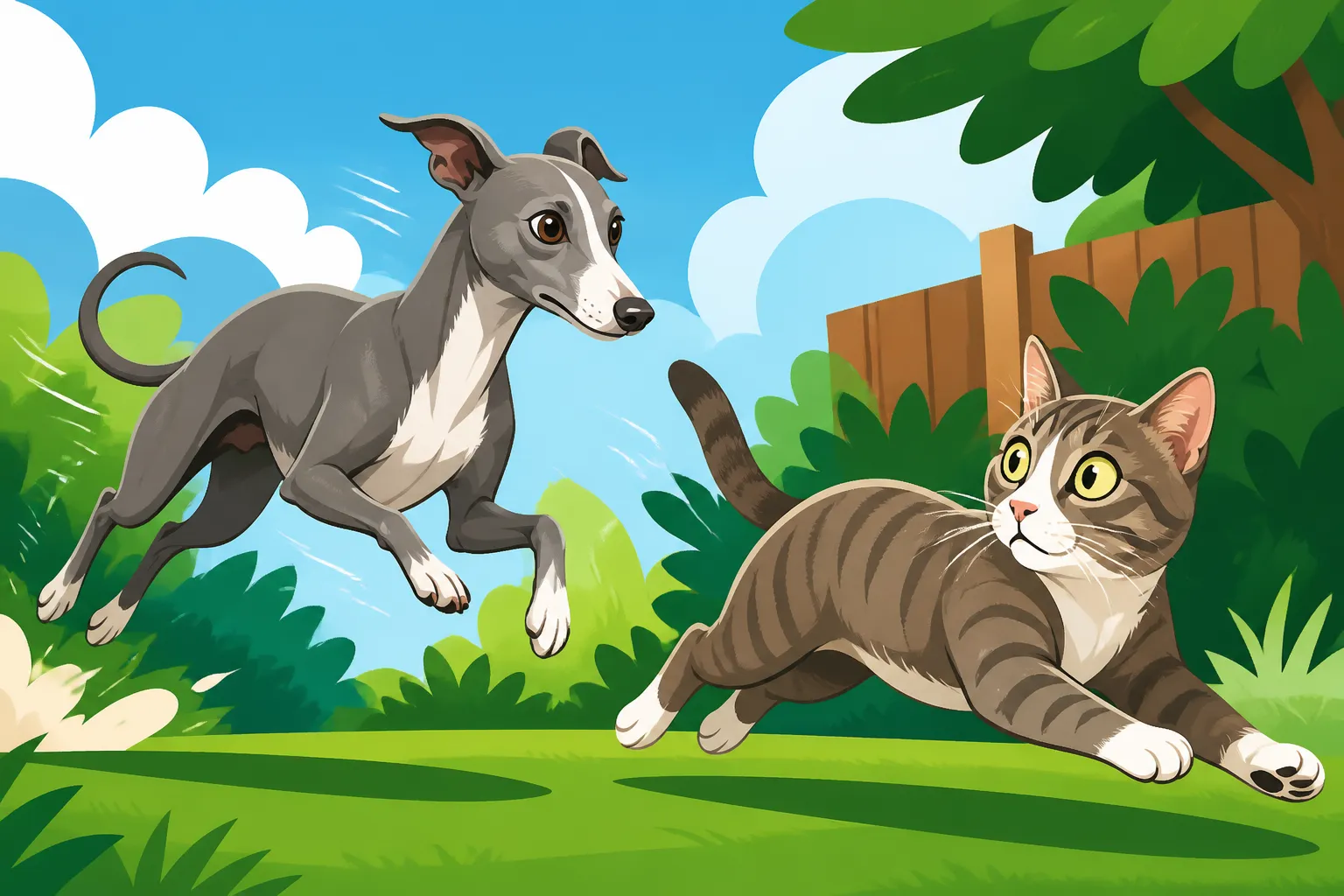
The sight of your lithe Italian Greyhound suddenly locking onto a neighbor's cat darting across the yard can send a jolt of panic through any owner. That instant transformation from cuddly companion to focused hunter, the explosive speed, and the sheer determination to chase can feel incredibly alarming and make you question everything you thought you knew about your sweet Iggy. This isn't just a playful romp; it's a deeply ingrained instinct that carries very real risks for both your dog and the feline. This guide will explore the powerful reasons behind this prey-driven behavior, the serious dangers that can arise from an outdoor chase, and offer practical, empathetic strategies to manage and prevent these stressful scenarios.
Understanding the Italian Greyhound's Instinctual Prey Drive
It’s crucial to remember that your Italian Greyhound isn't being "naughty" or disobedient when they fixate on a moving cat and take off. They are simply responding to thousands of years of selective breeding as sighthounds. Their entire design – from their keen eyesight to their muscular, aerodynamic build – is optimized for detecting and pursuing small, fast-moving prey.
Instinctual Sighthound Behavior
Italian Greyhounds, or Iggys as we affectionately call them, are miniature versions of their larger sighthound cousins, like Greyhounds and Whippets. These breeds were developed not to track prey by scent, but to spot it from a distance and give chase. This instinct is as fundamental to an Iggy as retrieving is to a Labrador or pointing is to a Setter. When a cat moves swiftly, it triggers an ancient predatory sequence: orient, eye, chase. While a domestic Iggy might not complete the entire sequence with the intent to harm, the initial, overwhelming urge to chase is pure, unadulterated instinct.
This isn't a behavior you can simply train out of them with a few treats. It's woven into their genetic fabric. Think of it this way: a cat darting across the lawn or a squirrel scrambling up a tree isn't just "movement" to an Italian Greyhound; it's a flashing neon sign for "GAME ON!" Understanding How Strong an Italian Greyhound's Prey Drive Is is the first step toward managing it responsibly. They aren't trying to be defiant; they are simply being an Italian Greyhound.
The Lure of Movement
For an Italian Greyhound, visual stimuli are everything. A cat's sudden dash, the flick of its tail, or even a subtle shift in direction can be an irresistible trigger. Unlike many other breeds that rely heavily on their nose, Iggys are primarily sight-driven hunters. The speed and agility of a cat make it an almost perfect moving target, designed to engage every instinctual fiber of an Italian Greyhound's being.
This intense focus on movement means that once an Iggy is locked onto a target, their world shrinks to that single, compelling visual. All other stimuli – including your frantic calls – often fade into insignificance. The thrill of the chase itself is incredibly self-rewarding. Every successful chase, even if it just means the cat disappears over the fence, reinforces the behavior and makes it even harder to interrupt next time. It's a primal joy that is hard for any human reward to compete with in the heat of the moment.
Even if your Italian Greyhound lives harmoniously with a cat indoors, the dynamics drastically shift once outside. The confines of a house, with established routines and relationships, create a different environment. Outdoors, the vastness, the freedom of movement, and the absence of indoor "rules" can unleash that latent hunting drive. The cat that's a snuggle buddy on the sofa might become a target for a spirited chase once they are perceived as outdoor prey.
Lack of Reliable Recall Outdoors
One of the most frustrating and often heartbreaking realities for Italian Greyhound owners is the struggle for a reliable recall, particularly when their prey drive is activated. When that cat bolts, your Iggy's brain is flooded with instinctual commands, and your voice, no matter how loud or desperate, often fails to register. It's not that they don't love you or want to obey; it's that the evolutionary imperative to chase overrides almost everything else.
Traditional recall training, which relies on positive reinforcement, struggles to compete with the sheer, unadulterated thrill of the chase. The "reward" of pursuing a fleeing animal is often far more potent than any treat, toy, or praise you can offer in that exact moment. This isn't a sign of a stubborn dog, but rather a testament to the power of their inherent instincts. This is why many experienced Italian Greyhound owners will tell you that Why an Italian Greyhound Cannot Be Trusted Off Leash, Ever is a cardinal rule.
This unreliability makes allowing an Italian Greyhound off-leash in any unsecured outdoor area incredibly risky. Even a fenced yard can pose a challenge if the fence isn't entirely secure, or if your Iggy is a prodigious climber or digger when motivated. Their speed, combined with their singular focus, means they can be out of sight and in danger in mere seconds. Understanding that their recall may never be 100% reliable when prey drive is engaged is vital for their safety.
The Real Dangers of an Outdoor Chase
While the sight of an Iggy chasing a cat might seem innocuous to some, it carries significant risks for both animals involved, not to mention the stress it places on owners and potentially neighbors. These are not minor concerns; they can lead to serious injury, loss, and even legal issues.
Risk to the Italian Greyhound
Italian Greyhounds are renowned for their delicate bone structure. A sudden, full-speed sprint followed by an abrupt stop or turn can easily lead to severe injuries. Their long, slender legs, particularly the radius and ulna, are particularly vulnerable. A Broken Leg Is the Emergency Every Italian Greyhound Owner Fears is a tragically common occurrence, often resulting from seemingly minor mishaps during energetic play or a sudden chase. A fall, collision with a fence, or an impact with any solid object during a chase can quickly become a devastating emergency requiring expensive veterinary care and lengthy recovery.
Beyond physical injury, there's the very real danger of your Italian Greyhound getting lost. When an Iggy is in full chase mode, their focus is so intense that they can quickly become disoriented and lose track of their surroundings. Their incredible speed means they can cover vast distances in moments, often outpacing their owner and disappearing from sight. Once they've outrun their human, their prey drive might dissipate, leaving them lost, confused, and vulnerable in an unfamiliar environment. How Often a Loose Italian Greyhound Comes Back on their own is not a comforting statistic for this breed.
Furthermore, an outdoor chase can lead to encounters with other animals or people that are far from ideal. Your Iggy might run into a territorial tomcat willing to defend itself, leading to painful scratches or bites. They could also encounter an aggressive dog, or even an upset neighbor who doesn't appreciate a dog chasing their pet. These situations can quickly escalate, leading to further injury to your Iggy or creating conflict that could have been avoided.
Risk to the Cat
While many outdoor cats are incredibly agile and adept at escaping, an Italian Greyhound's speed and persistence are formidable. A sustained chase, even if your Iggy has no intention of causing harm beyond the thrill of the pursuit, is an incredibly stressful and terrifying experience for any feline. It triggers a primal flight response, and the psychological impact alone can be significant.
A cornered cat, especially one feeling threatened, might lash out in self-defense, leading to facial scratches or bites for your Iggy. More seriously, if your Italian Greyhound does manage to catch the cat, even an accidental pounce or a "play" bite can cause severe injury. Cats, particularly smaller, older, or younger ones, are not built to withstand the force of even a lightweight sighthound. This can result in puncture wounds, internal injuries, or bone fractures for the cat, requiring immediate veterinary attention.
For feral or stray cats, repeated chases can be even more detrimental. The stress and energy expenditure from constantly fleeing can weaken them, making them more susceptible to illness, injury, or other predators. Even if the Iggy means no harm, the mere act of being chased is a significant threat to a cat's well-being and survival instincts.
The Stress on the Household and Neighborhood
Living with an Italian Greyhound who chases cats outdoors can create a constant undercurrent of stress in your daily life. For multi-pet households, this behavior can completely undermine any efforts you've made to create harmony between your Iggy and resident felines. Even if they're best friends indoors, the outdoor chase dynamic can shift their relationship, creating tension and unpredictability that makes you question letting them out together at all.
If the chased cat belongs to a neighbor, the situation can quickly escalate into a contentious neighborhood dispute. Nobody wants their cherished pet terrorized, and repeated incidents can strain relationships, leading to complaints, warnings, or even legal action. Being a responsible pet owner means ensuring your animal doesn't negatively impact others, and managing prey drive is a significant part of that responsibility.
For you, the owner, the constant vigilance required to prevent these chases can be exhausting. Every walk, every trip to the backyard, every moment spent outdoors with your Iggy becomes a careful scanning mission for potential feline targets. This limits spontaneous outdoor activities and adds a layer of anxiety to what should be enjoyable bonding time with your dog. It's a heavy burden to carry, knowing the potential consequences of a single lapse in attention.
Proactive Strategies to Manage and Prevent Chasing
Managing an Italian Greyhound's prey drive towards outdoor cats is a lifelong commitment, but with consistent effort, you can significantly reduce the risks and create a safer environment for everyone involved. It requires a combination of strict management, targeted training, and appropriate outlets for their natural instincts.
Management: Preventing Opportunities
The most immediate and effective strategy is prevention. If your Italian Greyhound has a strong prey drive, you must never trust them off-leash outdoors unless you are in an entirely secure, Iggy-proof enclosure where you are certain no cats or other small animals can enter. Even then, constant supervision is key. This rule is non-negotiable for their safety and the safety of other animals. What an Italian Greyhound Does When It Sees a Rabbit is often the blueprint for how they'll react to a cat.
Invest in high-quality, secure walking gear. A standard flat collar is often insufficient for Italian Greyhounds due to their slender necks and their uncanny ability to slip out when startled or determined. Consider a martingale collar, which tightens gently when pulled but doesn't choke, preventing them from backing out. Even better, look for a well-fitting sighthound-specific harness that secures around both the neck and chest. Many excellent options are available on Amazon that are designed to accommodate their unique body shape, providing a much more secure fit than generic harnesses. Which Harness Suits an Italian Greyhound's Neck is critical for their safety.
For exercise in open spaces, a long line (a very long leash, 15-30 feet or more) can be a fantastic tool. This allows your Iggy more freedom to run and explore while keeping them under your direct control. Always ensure the area is truly free of potential chase triggers before using a long line. It's not a substitute for an off-leash park, but a safe compromise. If you have an outdoor cat or regular visiting cats in your yard, make it as secure as possible. This might involve taller fencing, installing cat-proof rollers on top of fences to deter jumping, or sealing any gaps under gates. The goal is to create a physical barrier to separate your Iggy from potential outdoor prey.
Training: Counter-Conditioning and Desensitization
While completely eradicating prey drive is unrealistic, you can work on modifying your Iggy's response to cats through dedicated training. Counter-conditioning aims to change your dog's emotional association with seeing a cat from "prey!" to "reward!" This typically involves using extremely high-value treats (think boiled chicken, cheese, or hot dogs) and rewarding your Iggy immediately the moment they spot a cat without reacting.
Start your training far away from a cat, at a distance where your Iggy notices the cat but isn't yet in full chase mode. The instant they see the cat and look back at you, or even just hesitate without lunging, mark the behavior with a verbal cue (like "yes!") and deliver a jackpot of treats. Gradually, over many, many sessions, you can decrease the distance, always being careful to stay below your Iggy's threshold for a full chase reaction. This process requires immense patience and consistency. Remember, Why an Italian Greyhound Looks Stubborn and Is Not is often due to their instincts overriding learned behaviors.
Desensitization involves slowly exposing your Iggy to the trigger (the cat) in a controlled, safe environment, again, staying below their reaction threshold. This is often best done with a calm, cat-savvy feline that is used to dogs, or even using a very realistic toy cat if a live one isn't safely available for training. Online training platforms, like those offered by BAXTER & Bella, often include comprehensive modules on managing reactivity and prey drive. These structured programs can provide step-by-step guidance and support, which can be invaluable for owners tackling this challenging behavior.
Work on developing rock-solid "leave it" and "watch me" commands. Practice these extensively indoors and in low-distraction environments before attempting them anywhere near potential prey. The goal is to be able to interrupt your Iggy's focus before the chase instinct completely takes over. This is a long-term commitment, and results will vary depending on the individual Iggy and the intensity of their drive.
Environmental Enrichment and Mental Stimulation
A well-exercised and mentally stimulated Italian Greyhound is often a more relaxed dog, less prone to frantic, undirected energy, though their inherent drive will always exist. Provide ample opportunities for safe, controlled running. This could be in a securely fenced dog park without small children or other vulnerable animals, or a private, enclosed field where you know there are no escape routes or wildlife. How Much Exercise an Italian Greyhound Needs is more about quality than quantity, allowing them to stretch their legs in safe bursts.
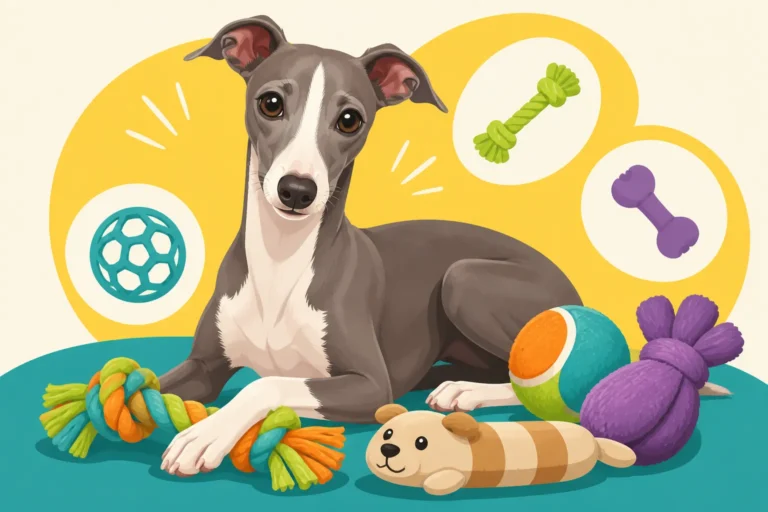
Engage their intelligent minds with puzzle toys, snuffle mats, and scent games indoors. Nose work can be a wonderful, safe outlet for their natural hunting and seeking instincts without involving real prey. This taps into their desire to "hunt" and "find" in a directed, appropriate way, providing mental fulfillment.
Consider structured sighthound activities like lure coursing if available in your area. This sport allows Italian Greyhounds to safely and joyfully engage their chase drive on an artificial lure, providing an exhilarating and appropriate outlet for their inherent sighthound instincts. Lure Coursing and Racing With an Italian Greyhound is specifically designed for these breeds and can be a fantastic way to satisfy their natural desires in a controlled environment.
Finally, ensure your Iggy has a comfortable, warm, and secure environment at home. Italian Greyhounds thrive on comfort and proximity to their people. Plenty of soft beds, cozy blankets (they love to burrow!), and regular cuddle time contribute to a happy, fulfilled dog. The Bedding a Thin Skinned Italian Greyhound Actually Needs makes a real difference. A content and well-cared-for Iggy, even one with a strong prey drive, is generally more responsive and less prone to uncontrolled bursts of energy, though vigilance remains paramount.
| Strategy Type | Description | Key Benefits | Considerations |
|---|---|---|---|
| Strict Management | Physically preventing access to cats through secure leashes, harnesses, and fenced areas. | Immediate safety for both Iggy and cats; prevents reinforcement of chase behavior. | Does not address the underlying instinct; requires constant vigilance; limits off-leash freedom. |
| Targeted Training | Using positive reinforcement to change the Iggy's emotional response to cats and build reliable commands. | Can modify behavior over time; strengthens the dog-owner bond; provides control. | Requires immense patience and consistency; results can be slow and may not eliminate instinct; often needs professional guidance. |
| Environmental Enrichment | Providing safe, appropriate outlets for natural sighthound behaviors like chasing and "hunting" through play and mental stimulation. | Reduces pent-up energy; satisfies innate drives; improves overall well-being and calmness. | Supplements management and training; does not directly stop chasing of real cats; needs to be consistent and varied. |
Disclaimer
This article is for general informational purposes only and does not constitute professional advice. Laws, prices and regulations vary by location and change over time. Consult a qualified professional for guidance on your specific situation.