How Many Hours an Italian Greyhound Will Tolerate Alone
One of the biggest worries for any Italian Greyhound owner, especially those juggling jobs or busy lives, is how long is too long to leave their beloved companion alone. These aren't just independent dogs you can leave to their own devices all day. They're often called "Velcro dogs" for a reason, and understanding their unique needs for companionship is key to a happy, well-adjusted pet and a peaceful home. This guide will dive deep into what an Italian Greyhound can realistically tolerate in terms of solitude and offer practical, empathetic strategies to help them cope, minimizing stress for both of you.
Understanding the Italian Greyhound's Need for Company
It's not just a stereotype; Italian Greyhounds genuinely thrive on companionship. Their history and inherent nature make them incredibly sensitive to being alone, and ignoring this can lead to real distress for them, and frustrating behaviors for us.
The "Velcro Dog" Phenomenon
If you own an Italian Greyhound, you already know. They follow you from room to room, they're under your feet in the kitchen, and they'll try to climb into your lap the moment you sit down. This isn't just a charming quirk; it's a fundamental aspect of their breed. Italian Greyhounds were historically bred as companions, lapdogs for nobility, cherished for their delicate beauty and affectionate nature. They weren't developed for hunting vast fields or guarding estates solo; their job was to be close, to offer warmth and comfort, and to receive it in return.
Their physical characteristics also play a role. With their incredibly thin skin and Why an Italian Greyhound Carries Almost No Body Fat, they inherently seek warmth and comfort, often burrowing under blankets or snuggling tightly against their humans. Being left alone in a large, empty house can feel incredibly vulnerable and cold to them, both physically and emotionally. This deep-seated need for closeness means that isolation feels profoundly unnatural and often frightening for them. They're literally wired to be with you, which is why they earned the nickname The Velcro Dog: What Constant Company Means With an Italian Greyhound.
The Instinctual Pack Animal
While they're part of the Toy Group, Italian Greyhounds are still sighthounds at heart, and like many canids, they are social, pack-oriented animals. In the wild, being separated from the pack means vulnerability and potential danger. Even though our homes are safe, that instinctual drive to be part of a group, to have others around for security and interaction, remains strong. For an Italian Greyhound, you are their pack. When you leave, they perceive their pack as dispersed, and they're left feeling exposed and alone.
This is a stark contrast to many other breeds that might have been bred for more independent tasks. A terrier might be perfectly content to hunt for vermin alone, or a retriever to wait patiently for hours. But an Italian Greyhound? Their heritage is all about connection. Expecting them to be okay with long stretches of solitude goes against thousands of years of selective breeding for companionship.
Early Socialization and Impact on Alone Time
A puppy's early experiences profoundly shape their ability to cope with solitude later in life. A young Italian Greyhound puppy, taken from its littermates and suddenly thrust into a new home, needs careful and gradual introduction to alone time. If a puppy is consistently left alone for long periods without proper desensitization, it can develop a deep-seated anxiety about being by itself. This isn't just about housetraining, which, let's be honest, can be Housetraining an Italian Greyhound Is the Hardest Part of Owning One on its own, but about their emotional well-being.
Breeders and experienced owners often emphasize gradually increasing alone time, starting with just minutes, then building up slowly. This teaches the puppy that you always come back. Without this foundation, an Italian Greyhound can struggle profoundly, leading to lifelong challenges. Even adult rescue IGs, especially those with an unknown history, may arrive with pre-existing anxieties about being abandoned, making their tolerance for alone time significantly lower.
Realistic Expectations for Alone Time
So, knowing how much they crave company, what's a realistic expectation for how long an Italian Greyhound can tolerate being alone? It’s a question that plagues many prospective and current owners, and the answer isn't always simple, as it depends on several factors.
The "Ideal" vs. "Reality" of Alone Hours
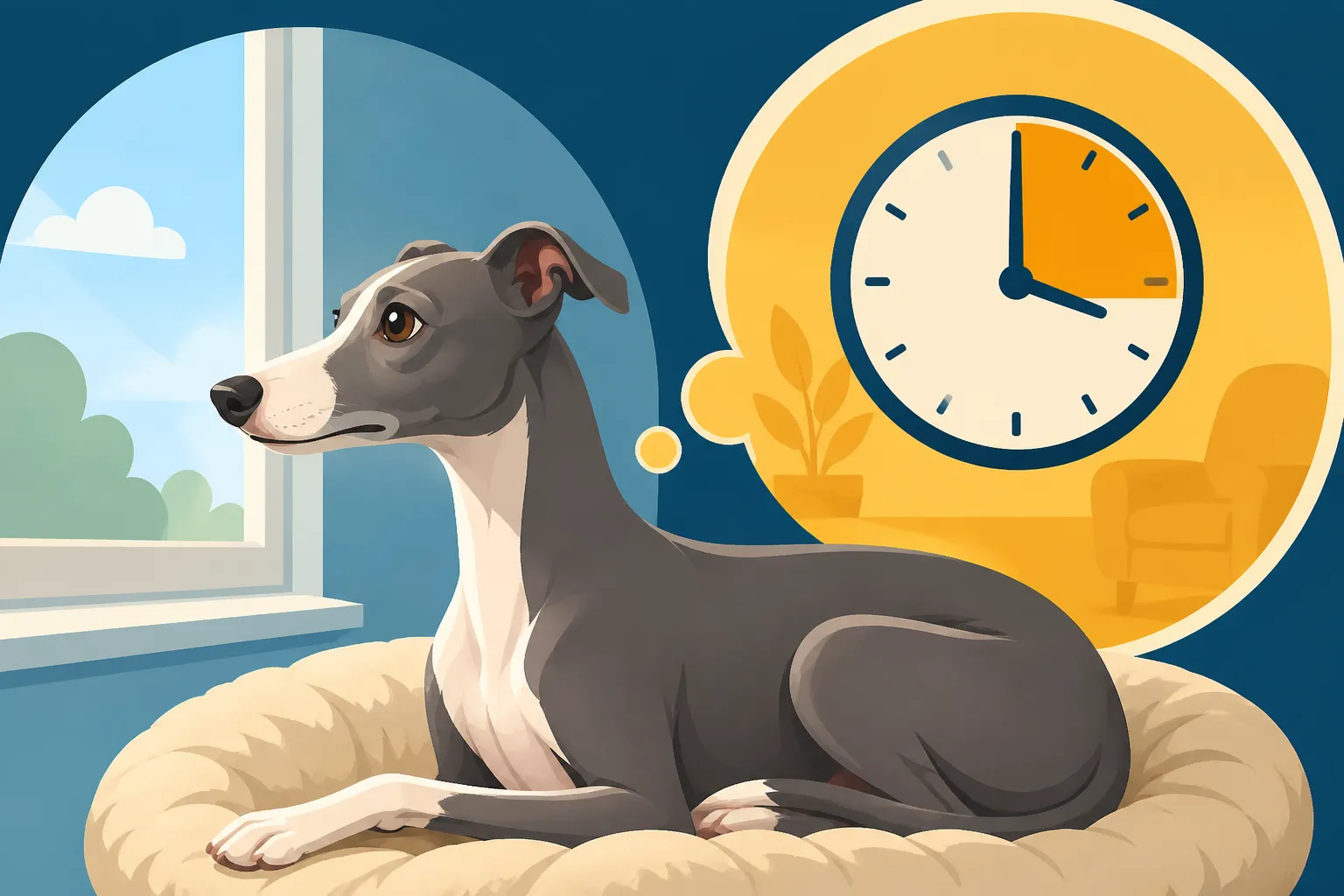
There's no universal magic number that applies to every Italian Greyhound, but generally speaking, these are not dogs built for eight-hour workdays without significant intervention. An "ideal" scenario for an adult Italian Greyhound might involve being alone for 4-6 hours at most, and even that requires a solid routine and preparation. Puppies, on the other hand, can barely manage an hour or two without a potty break or human interaction.
The reality for many owners is that life demands more. Working full-time, running errands, or having social commitments means leaving our dogs for longer than we'd ideally like. This is where frustration can set in for both dog and owner. Owners feel guilty, and dogs can become genuinely stressed, manifesting in ways that are difficult to manage.
Factors Influencing Tolerance
Several elements contribute to an individual Italian Greyhound's ability to cope with solitude:
-
Age:
- Puppies (under 6 months): These little guys have tiny bladders and an even tinier attention span for being alone. They often can't hold their bladder for more than 1-2 hours and need constant reassurance and mental stimulation. Leaving them much longer is a recipe for accidents and anxiety.
- Adolescents (6 months to 2 years): As they mature, they can often manage 3-5 hours, especially if well-exercised beforehand and provided with appropriate enrichment. Their bladder control improves, but their need for interaction is still very high.
- Adults (2-8 years): Many adult IGs can comfortably handle 4-6 hours if they are accustomed to it, have had a good walk, and have mental stimulation. Some truly independent IGs might stretch this to 7-8 hours on rare occasions, but this is the absolute upper limit for many, and often requires a mid-day break.
- Seniors (8+ years): Older IGs might revert to needing more frequent potty breaks and can develop increased anxiety or cognitive dysfunction, reducing their tolerance for being alone. Their comfort also becomes paramount, as they chill more easily.
-
Training and Routine: A dog that has been gradually accustomed to alone time through positive reinforcement and a consistent routine will cope far better than one suddenly thrust into long periods of isolation. Crate training, when done correctly, can provide a safe den that helps reduce anxiety.
Leaving an Italian Greyhound Crated can be a valuable tool, making their alone time a predictable, comfortable experience. -
Individual Temperament: Just like people, Italian Greyhounds have individual personalities. While the breed is generally known for its "Velcro" nature, some IGs are simply more confident and less prone to separation distress than others. These are often the outliers, however, and you shouldn't assume your IG will be one of them.
-
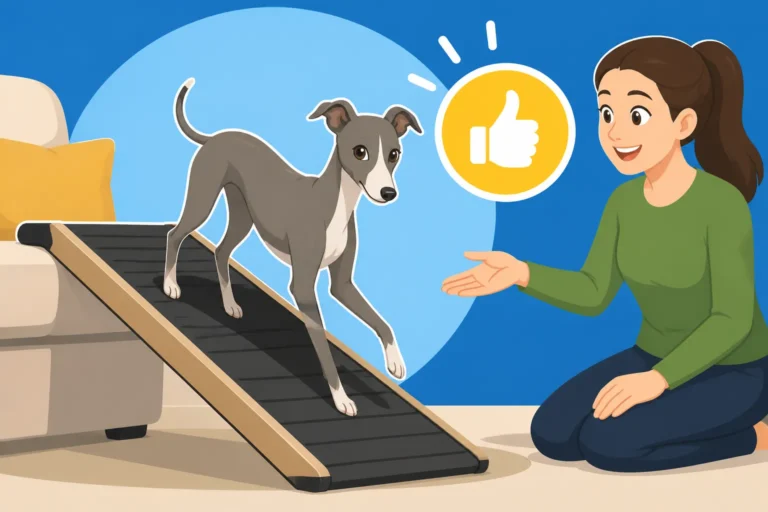
Environment and Enrichment: A boring, empty house offers little comfort or distraction. A home that's been carefully set up with engaging toys, comfortable bedding, and safety measures (like Ramps and Steps for an Italian Greyhound's Furniture) can significantly improve an IG's ability to cope.
-
Prior Experience: Rescue Italian Greyhounds, particularly those who have been surrendered due to separation anxiety or neglect, might struggle significantly more with being left alone, often due to past trauma. Patience and consistent, positive training are even more crucial for these dogs.
Signs Your Italian Greyhound Is Struggling
It's vital to recognize when your Italian Greyhound is pushing its limits or developing actual separation anxiety, which is a serious condition. Here are some common indicators:
- Destructive Chewing: This isn't just puppy chewing; it's often aimed at doorways, windowsills, or your personal items like shoes, driven by anxiety. They might chew things like furniture or even walls when stressed.
- Inappropriate Urination or Defecation: While sometimes it's just a full bladder, if your IG is perfectly housetrained when you're home but consistently has accidents when you're gone, it's often a sign of stress or anxiety, not spite. They aren't trying to punish you; they're genuinely distressed.
- Excessive Vocalization: Barking, whining, or howling constantly while you're away is a classic sign of distress. Your neighbors might even be the first to tell you!
- Pacing or Restlessness: Pet cameras can reveal IGs that constantly walk in circles, stand by the door, or can't settle down.
- Self-Harm: In severe cases, IGs might lick or chew themselves excessively, especially their paws, or even try to escape in ways that injure them.
- Frantic Greetings/Departures: Over-the-top excitement or severe panic when you're about to leave or when you return can indicate a problem. They might cling to you as you get ready to go, or go wild with relief when you walk in the door.
- Refusal to Eat or Drink: Some anxious IGs won't touch their food or water while alone, only eating when their human returns.
Recognizing these Signs an Italian Greyhound Has Separation Anxiety is the first step toward addressing the issue and ensuring your dog's well-being.
Strategies to Help Your Italian Greyhound Cope
Since leaving an Italian Greyhound alone for extended periods is often unavoidable, the key is to implement strategies that make their alone time as comfortable, safe, and stress-free as possible.
Gradual Desensitization and Training
One of the most effective approaches is gradual desensitization. This means slowly increasing the amount of time your Italian Greyhound is left alone, always staying below their stress threshold.
- Start Small: Begin by leaving them for just a minute or two, stepping out of sight, and then returning. Don't make a big fuss when you leave or return. The goal is for your departure and arrival to be low-key, normal events.
- Increase Time Incrementally: Over days or weeks, gradually extend these periods. Go to another room, then step outside for five minutes, then ten, then thirty. The key is to return before they start to panic or show signs of distress. If they do get anxious, you've gone too far, too fast; backtrack to a shorter, successful duration.
- Practice Departure Cues: IGs are smart and pick up on routines. They know your "leaving" cues: grabbing keys, putting on shoes, picking up your bag. Practice these actions without actually leaving. This desensitizes them to the cues, so they don't automatically trigger anxiety.
- Use a Safe Space: Crate training is incredibly useful for Italian Greyhounds. When introduced positively, the crate becomes a secure, den-like space where they feel safe. It's not a punishment, but their special room. Make it comfortable with soft bedding, a favorite toy, and even a familiar-smelling piece of your clothing. Consider seeking training advice from reputable online programs, like those offered by BAXTER & Bella, which can guide you through positive reinforcement techniques for alone time.
Creating a Safe and Enriching Environment
A prepared environment can make a huge difference in how your Italian Greyhound handles your absence.
- The Power of the Crate (or a designated safe room): As mentioned, a properly introduced crate is invaluable. It prevents destructive behaviors, keeps them safe from household hazards, and offers a sense of security. For dogs who dislike crates, a small, dog-proofed room with a baby gate can serve a similar purpose.
- Mental Stimulation is Key: A bored Italian Greyhound is often an anxious Italian Greyhound. Provide puzzle toys filled with treats, long-lasting chews, or even a snuffle mat. These can keep their minds engaged and distract them from your absence. You can find a fantastic array of these on Amazon, ranging from KONGs to treat-dispensing balls. Ensure any chew toys are safe and appropriate for their delicate mouths. For more ideas on keeping them occupied, check out What an Italian Greyhound Does All Day or What an Italian Greyhound Chews.
- Comfort and Warmth: Remember their low body fat? Ensure their designated spot is warm and cozy. A heated bed or plenty of soft blankets for burrowing can make a world of difference. Even in warmer climates, a comfortable, draft-free spot is essential.
- White Noise or Music: Leaving on a radio, TV, or a white noise machine can provide comforting background sound, mask outside noises that might trigger barking, and give them the illusion of company.
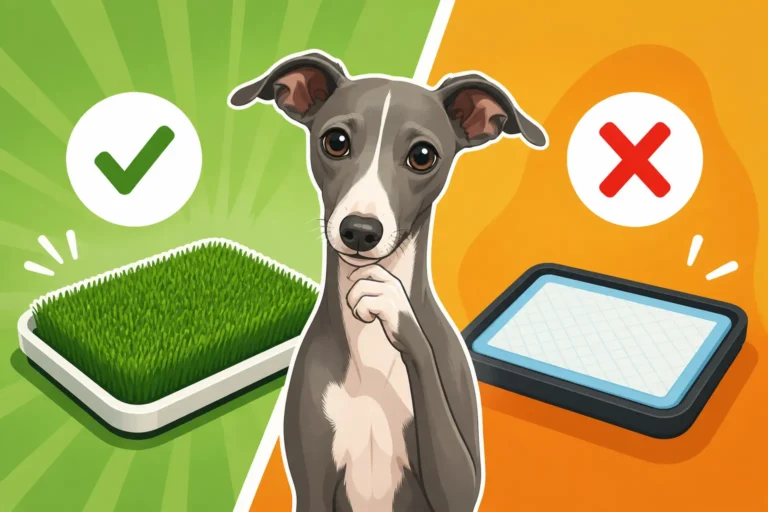
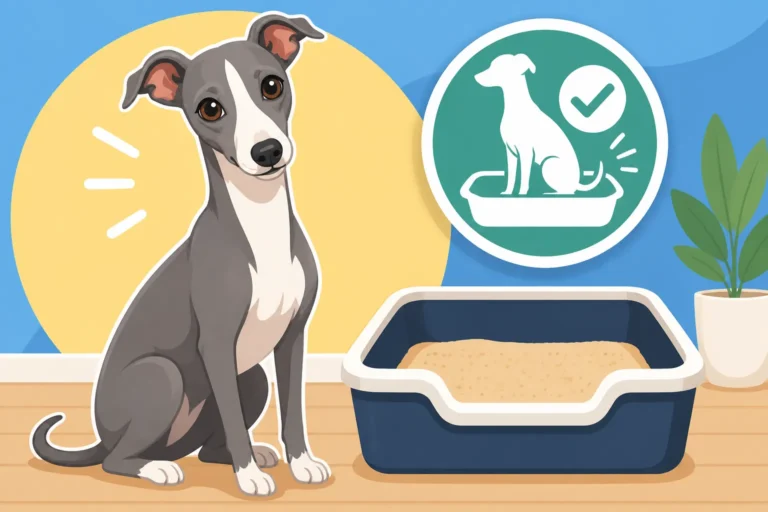
- Potty Solutions for Longer Stretches: For those times when you absolutely must be gone longer than your IG can comfortably hold it, consider an indoor potty option. This could be a Setting Up an Indoor Bathroom for an Italian Greyhound with pee pads, a litter box designed for dogs, or a real grass patch. This reduces the pressure on their bladder and prevents accidents that can lead to frustration for both of you.
Managing Your Schedule and Support Systems
Sometimes, training and environment aren't enough, and you need external help to bridge the gap.
- Mid-Day Breaks: If your schedule allows, popping home for a quick lunch break to let your IG out, offer a potty break, and some playtime can greatly reduce their alone time.
- Dog Walkers or Pet Sitters: For full-time workers, a reliable dog walker or pet sitter is a godsend. They can come in mid-day, provide a potty break, some exercise, and much-needed human interaction. This isn't just a luxury; for many IGs, it's a necessity for their well-being. This is often why Why Italian Greyhound Owners Use Sitters Instead of Kennels, as kennels can be too stressful for this sensitive breed.
- Doggy Daycare (Carefully Chosen): Some Italian Greyhounds thrive in doggy daycare, especially if it's a smaller, quieter facility that understands their delicate nature and sighthound play style. However, large, boisterous daycares can be overwhelming and even dangerous due to their fragile bones.
- A Second Italian Greyhound: This is a big decision, but for some IGs with separation anxiety, the companionship of another IG can be incredibly helpful. They often bond closely and keep each other company. However, it's crucial to understand that getting a second dog won't solve all separation anxiety, especially if the first dog's anxiety is severe and directed purely at the human. Sometimes, you end up with two anxious dogs. Before committing, consider Whether a Second Italian Greyhound Fixes the Anxiety. This choice requires careful consideration of The Case for Keeping an Italian Greyhound Alone versus with a companion.
- Pet Cameras: A pet camera allows you to monitor your Italian Greyhound while you're away. Many offer two-way audio, letting you speak to your dog, which can sometimes provide comfort (or sometimes confuse them further, so experiment). It also helps you identify when distress begins, so you can tailor your desensitization training more effectively.
Long-Term Considerations and When to Seek Help
Ignoring an Italian Greyhound's struggle with alone time can have significant, long-lasting consequences for their health and behavior. It's crucial to consider the bigger picture and know when to reach out for professional assistance.
The Impact of Chronic Loneliness
Regularly exceeding an Italian Greyhound's tolerance for being alone isn't just about cleaning up accidents or replacing chewed furniture. Chronic loneliness and anxiety take a toll on their overall well-being.
- Physical Health: Constant stress can suppress the immune system, making them more susceptible to illness. Anxious behaviors like obsessive licking can lead to skin infections or hot spots. Severe anxiety can also manifest in gastrointestinal upset.
- Behavioral Issues: Beyond the immediate signs like destructive chewing or vocalization, chronic loneliness can lead to a general lack of confidence, increased fearfulness, and difficulty bonding with people. It can undermine all your training efforts, making them seem stubborn or disobedient when they are simply overwhelmed by stress. They might become more prone to resource guarding or even aggression if they feel constantly insecure.
- Quality of Life: Ultimately, a dog that spends a significant portion of its life in distress isn't living its best life. As their owners, we want our IGs to be happy, confident members of our families. Prolonged periods of anxiety diminish their quality of life and can create a strained relationship between dog and owner.
When Professional Help Is Needed
Sometimes, despite all your best efforts, an Italian Greyhound's struggle with being alone escalates beyond what you can manage on your own. This is when professional intervention becomes not just helpful, but essential.
- Veterinary Check-up: Always start with a vet visit to rule out any underlying medical conditions that might be contributing to behavioral changes. Pain, incontinence, or other health issues can worsen anxiety. Your vet can also discuss medication options if anxiety is severe, which can be used in conjunction with behavior modification to help your IG feel more comfortable while training. They'll also ensure any proposed behavioral treatments are safe for your specific dog.
- Certified Professional Dog Trainer (CPDT): A trainer specializing in separation anxiety can provide a tailored behavior modification plan. They'll help you identify triggers, structure your departure and return routines, and guide you through the desensitization process. Look for trainers with specific experience in sighthounds, as their delicate nature requires a gentle touch. BAXTER & Bella offers comprehensive online training resources that can be a great starting point, often covering foundational work for separation anxiety, or at least setting up good habits.
- Veterinary Behaviorist (Dip ACVB): For severe cases of separation anxiety, a board-certified veterinary behaviorist is the highest level of expertise. These are veterinarians with advanced training in animal behavior and often work with medications as part of a comprehensive treatment plan. They can help diagnose the specific type and severity of anxiety and develop a robust, multi-faceted strategy.
Adjusting Your Lifestyle for Your IG
The truth about Italian Greyhounds is that they are not a "set it and forget it" kind of dog. They require significant commitment, not just financially, but in terms of time and companionship. If you consistently find that your IG is struggling with alone time, it might be time to honestly assess whether your current lifestyle truly accommodates this breed's needs.
This might mean:
- Changing Work Arrangements: Can you negotiate flexible hours, work from home more often, or adjust your schedule to include mid-day breaks?
- Relying on Support: Budgeting for regular dog walkers or pet sitters should be considered a core expense, not a luxury.
- Rethinking Social Plans: You might need to adjust your social life to prioritize your dog's needs, at least until their anxiety improves.
- Considering a Companion: As discussed, a second Italian Greyhound can sometimes help, but it's a big step with its own costs and responsibilities.
Ultimately, choosing an Italian Greyhound means embracing their "Velcro" nature. Understanding their unique needs for companionship and proactively implementing strategies to help them cope with solitude will lead to a much happier, healthier Italian Greyhound and a more harmonious home life for everyone involved.
| Age Group | Typical Bladder Capacity / Alone Time Tolerance | Recommended Maximum Alone Time (with prep) | Key Considerations |
|---|---|---|---|
| Puppy (2-6 months) | Very low / 1-2 hours | 1-2 hours | Frequent potty breaks, high need for interaction |
| Adolescent (6m-2y) | Moderate / 3-5 hours | 3-5 hours | Improved bladder, still high energy, requires enrichment |
| Adult (2-8 years) | Good / 4-6 hours | 6 hours (with mid-day break ideal) | Established routine, enrichment, exercise |
| Senior (8+ years) | Variable / 2-4 hours | 4 hours (more frequent breaks often needed) | Potential for increased anxiety or incontinence |
Disclaimer
This article is for general informational purposes only and does not constitute professional advice. Laws, prices and regulations vary by location and change over time. Consult a qualified professional for guidance on your specific situation.