Leaving an Italian Greyhound Crated
Leaving your Italian Greyhound home alone can be a source of real worry for many owners. These sensitive, companion-loving dogs thrive on presence, and the idea of them feeling anxious or unsafe while you're away is a common concern. This comprehensive guide aims to ease those anxieties by exploring effective strategies for crating your Italian Greyhound, ensuring their comfort, safety, and peace of mind when you can't be by their side.
Understanding Your Italian Greyhound's Crate Needs
Italian Greyhounds are often described as "Velcro dogs" for a reason – they absolutely adore being with their people. This deep attachment is part of their charm, but it also means that being left alone, even in a seemingly safe space like a crate, can be a challenge if not handled correctly. It’s not just about giving them a place to stay; it’s about making that place a sanctuary.
Why the Crate Can Be a Safe Haven
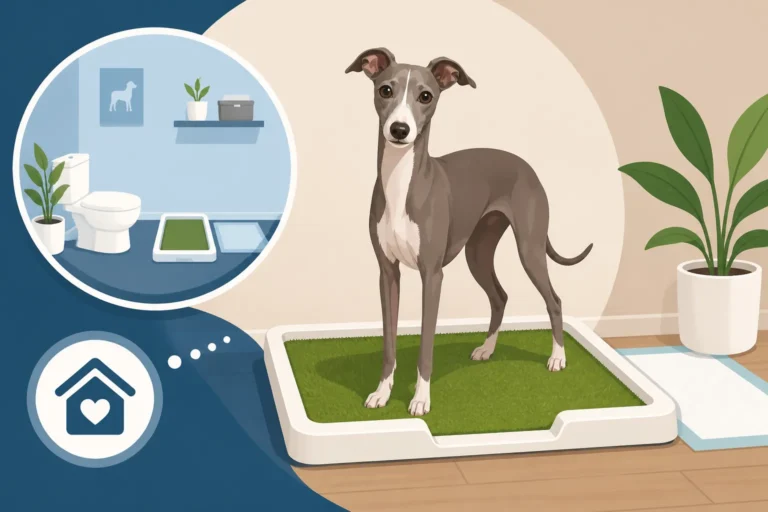
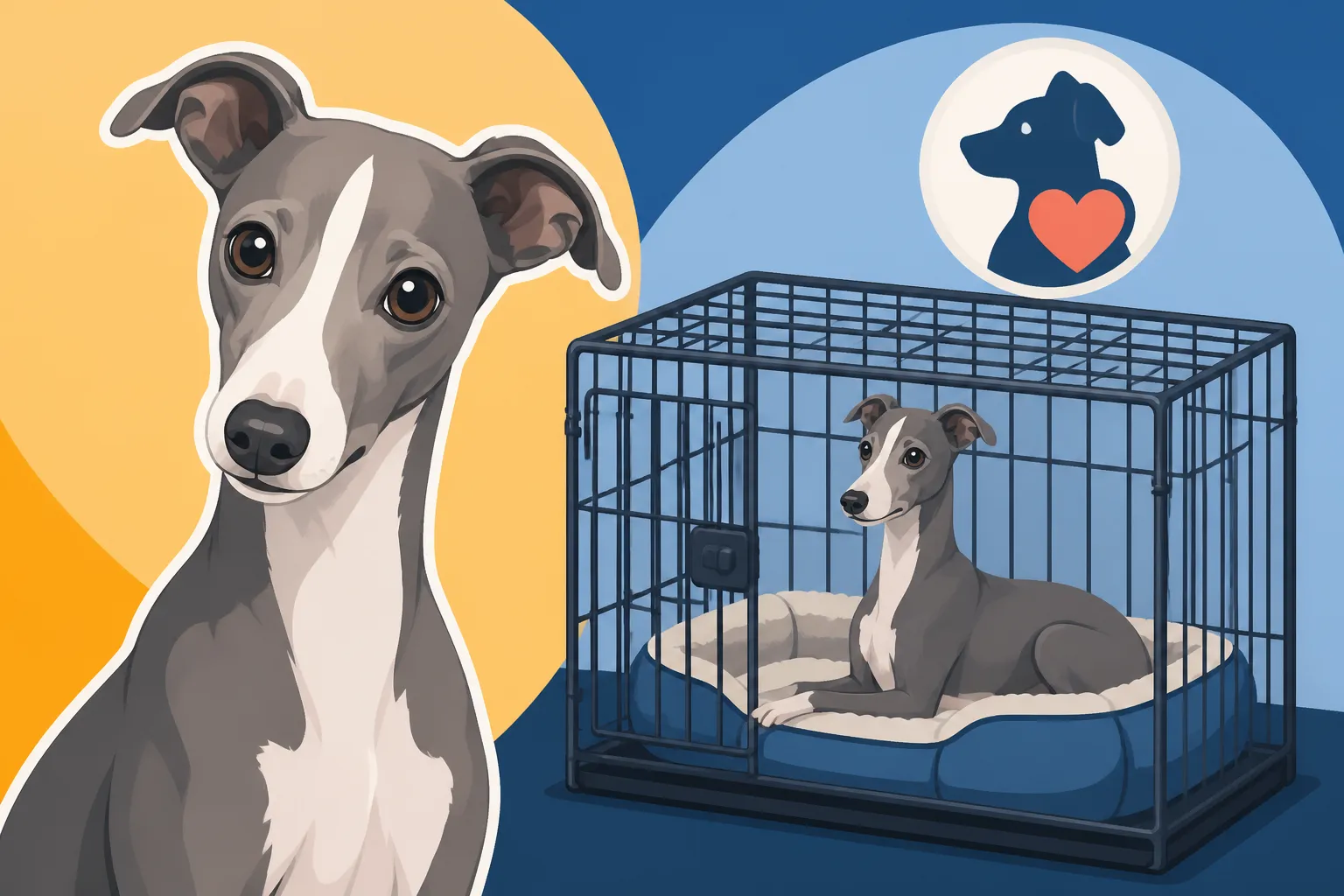
For many dog breeds, a crate is a tool for housetraining or managing destructive behavior. For an Italian Greyhound, it can be so much more than that. When introduced properly, a crate becomes their personal den, a secure retreat where they feel safe and comfortable. Think of it less as a cage and more as their very own cozy bedroom. This is particularly important for Iggies because their delicate build makes them susceptible to injury, and a crate can prevent accidents like jumping from furniture or getting into things they shouldn't when unsupervised. It provides a contained environment free from hazards, especially if you have a busy household or visitors who might inadvertently put your tiny friend at risk. It’s also a fantastic tool for creating consistency in housetraining, helping to establish a routine for when and where they relieve themselves. Crating an Italian Greyhound Overnight is a great example of how a crate offers structure and security, aiding in both training and peace of mind.
Italian Greyhounds and Separation Sensitivity
It's no secret that Italian Greyhounds are prone to separation anxiety. Their history as companion animals means they've been selectively bred to be intensely bonded with humans. They thrive on constant interaction and physical closeness. When their primary human isn't around, even for a short time, this can trigger feelings of distress, anxiety, or even panic. This isn't naughtiness; it's a genuine emotional response. You might notice signs like incessant barking, destructive chewing (especially around exits), or even inappropriate urination or defecation. It's heart-wrenching to witness, and it's a clear signal that your Iggy is struggling with being alone. Understanding that this sensitivity is a breed trait, not a flaw in your dog, is the first step toward effective management. It tells us that crating an Italian Greyhound isn't just about containment; it's about building positive associations and gradually conditioning them to accept alone time.
The Dangers of Inappropriate Crating
While a crate can be a wonderful tool, it can also become a source of profound stress if used incorrectly. Forcing an Italian Greyhound into a crate without proper introduction or leaving them for excessively long periods can exacerbate separation anxiety rather than alleviate it. Imagine being stuck in a small space, feeling panicked and alone, with no way to escape or self-soothe. This is what it can feel like for an Iggy if crated poorly. They might injure themselves trying to escape, or develop a deep aversion to the crate itself, turning their safe haven into a terrifying prison. Furthermore, leaving an Italian Greyhound in a crate that is too small or lacks proper bedding can lead to physical discomfort and pressure sores on their bony prominences. The goal is always to make the crate a positive experience, never a punishment or a place of fear. Understanding How Long an Italian Greyhound Will Tolerate Alone is crucial to avoid these negative outcomes and ensure their well-being.
Setting Up the Perfect Crate Environment
The crate itself is just a box until you make it a welcoming, comfortable, and safe space for your Italian Greyhound. Thoughtful setup is paramount to ensuring your Iggy views their crate as a desirable retreat rather than a penalty box. Every detail, from the size to the bedding, plays a role in their overall comfort and willingness to settle.
Choosing the Right Crate Size and Type
The "right" crate size is often misunderstood. It shouldn't be too large, allowing your Iggy to soil one end and sleep at the other, which undermines housetraining. Nor should it be too small, preventing them from standing up, turning around comfortably, or stretching out. For most adult Italian Greyhounds, a crate around 24 inches long by 18 inches wide and 21 inches high is often a good starting point, but always measure your individual dog. They should be able to stand, turn around, and lie down fully extended.
When it comes to type, you have a few options:
- Wire Crates: These are popular for good ventilation and visibility. Many come with dividers, allowing you to adjust the size as your Italian Greyhound puppy grows. You can find many suitable options on Amazon.
- Plastic/Airline Crates: Often more den-like, these can make Iggies feel more secure. They're also essential for travel.
- Soft-Sided Crates: Lighter and more portable, but not suitable for Iggies who might chew or try to escape. They offer less security against injury for a delicate breed.
- Furniture-Style Crates: These blend into home decor, offering a more aesthetically pleasing option. Just ensure they meet the size and safety requirements.
Consider your Iggy's personality; some prefer the open view of a wire crate, while others thrive in the more enclosed feel of a plastic one.
Making the Crate Comfortable and Inviting
Once you have the right crate, making it inviting is key. This is where you transform a metal or plastic box into a truly cozy den. Start with soft, thick bedding. Italian Greyhounds have very little body fat and thin skin, making them prone to pressure sores on hard surfaces. A plush dog bed, memory foam mat, or multiple soft blankets are essential. Consider a snuggle sack or a covered bed, as Iggies love to burrow and feel enveloped. The Bedding a Thin Skinned Italian Greyhound Actually Needs cannot be overstated; it truly makes a difference in their comfort and willingness to use the crate.
Beyond bedding, add a favorite, safe chew toy that can't be easily destroyed or swallowed. A KONG filled with frozen peanut butter or plain yogurt can provide a long-lasting distraction and positive association. Avoid toys with small, detachable parts that could pose a choking hazard when unsupervised. Placing a worn t-shirt or blanket with your scent inside the crate can also provide a sense of security and comfort, reminding them of your presence even when you're not there.
Essential Crate Accessories for an Italian Greyhound
A few key accessories can elevate the crate experience for your Italian Greyhound.
- Crate Cover: A breathable cover for wire crates can create a more den-like atmosphere, reducing visual stimulation and promoting calm. Many Iggies feel more secure in a darker, more enclosed space.
- Water Bowl: If you're crating for longer periods, a no-spill, attachable water bowl is crucial. This ensures your Iggy stays hydrated without making a mess that could ruin their bedding or discourage them from using the crate.
- Monitoring Camera: Especially for those first few times leaving them alone, a pet camera can offer immense peace of mind. You can check in on your Iggy from your phone, watch for signs of distress, and learn their patterns without disturbing them. This is where products readily available on Amazon can be incredibly helpful.
- Enrichment Toys: Beyond chew toys, puzzle toys that dispense treats can keep their minds engaged. These can be particularly useful for those first few minutes after you leave, helping to distract them from your departure.
Always ensure all accessories are safe, non-toxic, and securely attached or large enough not to be swallowed. Remember, the investment in a good crate and its accessories is an investment in your Italian Greyhound's well-being. What a Crate for an Italian Greyhound Costs might seem like an expense, but it's vital for their safety and comfort.
The Art of Crate Training for Alone Time
Crate training an Italian Greyhound isn't a one-and-done event; it's a process of gentle conditioning and positive reinforcement. Because Iggies are so sensitive, rushing this process can create a negative association that's hard to overcome. Patience and consistency are your greatest allies here.
Gradual Introduction and Positive Association
The foundation of successful crate training is making the crate a place of joy, not confinement. Start by simply having the crate open in a common area, letting your Iggy explore it at their own pace. Toss in high-value treats or favorite toys. Feed meals inside the crate, with the door open initially. As they become comfortable eating inside, start closing the door for short periods while they're eating, gradually increasing the time.
Practice short "in and out" sessions, where they go in for a treat, the door closes for a few seconds, and then they're immediately rewarded and released. Never use the crate as punishment; this will instantly destroy any positive association you've built. When they're voluntarily going in and settling, you can begin closing the door for slightly longer periods, always staying nearby at first. Reward calmness, not frantic behavior. The goal is for them to choose to go into their crate and relax. This takes time, often weeks or even months for particularly sensitive Iggies.
Establishing a Routine for Crated Alone Time
Consistency is king when it comes to routine. Once your Italian Greyhound is comfortable with the crate, start incorporating short periods of crated alone time into their daily schedule. This isn't just for when you leave the house; it can be when you're in another room, showering, or working in your home office.
Before crating, ensure your Iggy has had ample opportunity to relieve themselves and has had some mental and physical exercise. A short walk or a play session can help them feel more relaxed and ready for a nap. When it's time for the crate, keep your departure low-key. Avoid long, emotional goodbyes, as these can heighten anxiety. A simple, calm cue like "crate time" followed by a high-value treat inside is sufficient.
Start with very short periods – 5-10 minutes – and gradually extend the duration. Return before your Iggy gets anxious, not when they're already distressed. If they start to vocalize, wait for a brief moment of quiet before returning, so you're not rewarding the barking. When you return, again, keep your greeting calm and low-key. This teaches them that your departures are normal and you will always come back. Resources like BAXTER & Bella offer fantastic online training programs that can guide you through these steps with positive reinforcement methods, which are ideal for sensitive breeds like Italian Greyhounds. Learning to Teach an Italian Greyhound to Settle Alone is a cornerstone of this process.
Addressing Crate Anxiety and Distress
Even with the best intentions, some Italian Greyhounds will still struggle with crate anxiety. Recognize the signs: excessive barking or whining, drooling, panting, destructive chewing within the crate, or attempts to escape. If you see these, you've likely progressed too quickly, or your Iggy has a deeper anxiety issue.
It's crucial not to punish these behaviors; they are symptoms of distress, not defiance. Instead, scale back your training. Go back to much shorter periods, or even just feeding meals in the crate with the door open. Consider incorporating calming aids like pheromone diffusers or anxiety vests. Some owners find that covering the crate on three sides, leaving one side open, helps create a more secure den.
For persistent anxiety, professional help from a certified professional dog trainer or a veterinary behaviorist can be invaluable. They can assess the root cause of the anxiety and develop a tailored modification plan, which might include specific counter-conditioning exercises or, in some severe cases, medication to help manage the panic response while training progresses. Addressing anxiety proactively is key, as ignoring it can lead to worsening symptoms, including What an Anxious Italian Greyhound Does to a Door if they are left outside the crate.
When and How Long to Leave Your Italian Greyhound Crated
One of the biggest questions owners face is exactly how long is "too long" to leave their Italian Greyhound in a crate. There's no single magic number, as it depends on age, individual temperament, and how well they've been crate trained. However, some general guidelines can help ensure you're meeting your Iggy's needs.
Age and Development Considerations
A puppy's bladder simply cannot hold urine for very long, so crating periods need to be very short and frequent. As a general rule of thumb, a puppy can typically hold their bladder for one hour per month of age, plus one. So, a three-month-old puppy might manage 3-4 hours. Exceeding this can lead to accidents and undermine housetraining.
As Italian Greyhounds mature, their ability to hold their bladder improves, and their tolerance for alone time generally increases. However, even an adult Italian Greyhound shouldn't be expected to spend the vast majority of their day in a crate. Their physical and mental well-being requires more freedom and interaction. Young adults, typically up to two years old, are still developing impulse control and can be more prone to mischief, making crating a practical tool during these stages. Always remember, the goal is to provide a safe space, not perpetual confinement. The Age an Italian Greyhound's Bones Finish Hardening also plays a role in how much free-roaming time they can safely handle, especially in a home that isn't fully "Iggy-proofed."
Balancing Crated Time with Freedom
The key to successful crating is balance. The crate should be a temporary space, not a permanent solution for managing your Italian Greyhound. For adult Iggies, a general guideline is to avoid crating for more than 4-6 hours at a stretch during the day, assuming they have adequate potty breaks before and after. Overnight, most adult Italian Greyhounds can comfortably be crated for 7-8 hours, or even a bit longer if they've been well-exercised before bed and have an established potty routine.
Consider your work schedule. If you work a full eight-hour day away from home, crating for that entire period is simply too long for most Italian Greyhounds. This is where solutions like a dog walker coming mid-day, a trusted friend or family member, or doggy daycare can be indispensable. Alternatively, some owners transition their Iggies to a larger, puppy-proofed room or an exercise pen when they are reliably housetrained and past their destructive chewing phase. This gives them more space to move around, play with toys, and access water, without the full run of the house. Remember, your Italian Greyhound Why an Italian Greyhound Follows You Room to Room is a testament to their desire for companionship, so extended alone time needs careful management.
Red Flags for Too Much Crate Time
It's crucial to be vigilant for signs that your Italian Greyhound is spending too much time in their crate or that their crate experience isn't positive.
- Reluctance to enter the crate: If your Iggy suddenly resists going into their crate, even with treats, it could be a sign they're associating it with negative feelings or prolonged isolation.
- Excessive excitement or anxiety upon release: While some excitement is normal, extreme frantic behavior, immediate bladder emptying, or an inability to settle after being let out could indicate they were highly stressed or holding themselves for too long.
- Developing destructive habits outside the crate: If your Iggy is calm in the crate but immediately starts chewing inappropriate items or having accidents when released, it might be a sign they're not getting enough mental stimulation or physical activity outside the crate.
- Physical discomfort: Watch for calluses on elbows or hocks, which can indicate insufficient or inappropriate bedding. Whether a Heated Bed Is Safe for an Italian Greyhound is often a question owners ask to ensure maximum comfort in cooler environments, reflecting the breed's needs.
Ultimately, your Italian Greyhound's crate should be a tool that enhances their safety and your peace of mind, not a source of misery. Regular observation, adaptation to their changing needs, and a commitment to balancing crated time with quality interaction are vital for a happy, well-adjusted Iggy. Understanding The Velcro Dog: What Constant Company Means With an Italian Greyhound truly helps you appreciate their need for interaction and ensures crating is used appropriately. If you suspect deeper issues, Signs an Italian Greyhound Has Separation Anxiety will help you identify them, and then it's always best to consult with a professional.
Disclaimer
This article is for general informational purposes only and does not constitute professional advice. Laws, prices and regulations vary by location and change over time. Consult a qualified professional for guidance on your specific situation.