Why an Italian Greyhound Shuts Down Under Pressure
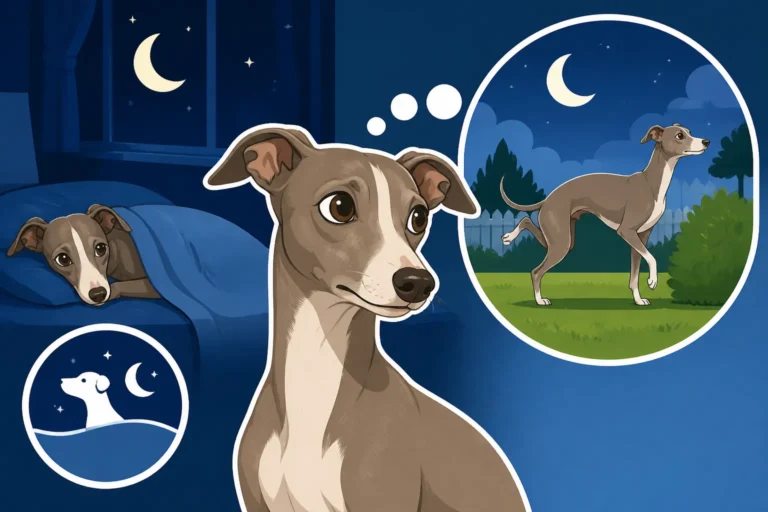
It’s a scenario many Italian Greyhound owners have experienced: you’re trying to teach your sweet, smart little companion something new, or maybe you’re in a slightly overwhelming situation, and suddenly, they just… stop. They might freeze, refuse to move, avoid eye contact, or even cower, making you feel like you’ve hit a brick wall. This isn't stubbornness, but a classic Italian Greyhound "shut down" response, and understanding why it happens is key to fostering a confident, happy dog. This guide will delve into the deep-seated reasons behind this behavior and offer gentle, effective strategies to help your Italian Greyhound thrive without feeling pressured.
The Italian Greyhound's Delicate Disposition: More Than Just Physical Fragility
Italian Greyhounds are often described as delicate, and while many people immediately think of their slender bones and thin skin, this fragility extends deeply into their emotional and psychological makeup too. They are exquisitely sensitive creatures, and understanding this innate trait is the first step toward building a truly trusting relationship.
Bred for Gentleness, Not Rough and Tumble
Think about the history of the Italian Greyhound. For thousands of years, these dogs weren't bred to herd sheep, guard homes, or track game through rough terrain. Instead, they were cherished companions, lapdogs of royalty and nobility across Europe. Their primary "job" was to be beautiful, affectionate, and comforting. This long lineage of selective breeding for gentleness means they inherently lack the robust, resilient temperament often found in working breeds. They thrive on soft voices, gentle touches, and predictable environments. Any perceived harshness or intense pressure can feel completely alien and terrifying to them, leading to that characteristic shutdown. They are built for connection and comfort, not confrontation.
It’s easy to look at a breed that appears physically fragile and assume their emotions are just as easily bruised, and in the case of the Italian Greyhound, it's often true. Unlike a sturdy terrier bred for grit, an Italian Greyhound simply doesn't have the same coping mechanisms for perceived threats or discomfort. Their response is rarely aggression or outright defiance; instead, it's often withdrawal, a quiet retreat into themselves when the world feels too big or too demanding. This can be particularly frustrating for owners used to more robust breeds who might push through discomfort, but it's a vital aspect of the Italian Greyhound personality to embrace.
The Link Between Physical Vulnerability and Emotional Sensitivity
Their physical design plays a huge role in their psychological responses. With their fine, needle-like bones, particularly in their legs, and paper-thin skin, they are physically vulnerable to injury. A simple jump off the sofa can result in A Broken Leg Is the Emergency Every Italian Greyhound Owner Fears. This inherent fragility means they often learn to be cautious and wary of sudden movements, loud noises, or rough handling from a very young age. This caution isn't just about protecting their bodies; it permeates their emotional landscape. If they feel physically unsafe, they will also feel emotionally insecure.
Consider a young Italian Greyhound puppy. A clumsy stumble, a playful but too-rough interaction with another dog, or even being accidentally stepped on can be a profoundly upsetting experience, not just physically painful but psychologically startling. They quickly learn that the world can be a dangerous place, and this lesson often translates into a tendency to "freeze" or "shut down" when confronted with situations they perceive as overwhelming or potentially harmful. It's a self-preservation instinct. Owners often wonder Why an Italian Greyhound's Leg Bones Break So Easily, and this vulnerability directly contributes to their cautious, sensitive nature. They aren't trying to be difficult; they're trying to protect themselves, both physically and emotionally, from a world that often feels too boisterous for their delicate frame.
Understanding the "Shut Down" Response in Detail
When an Italian Greyhound "shuts down," it's not a sign they're ignoring you or being purposefully disobedient. It’s a profound coping mechanism, a desperate attempt to deal with overwhelming stress. Recognizing this distinction is crucial for effective training and building trust.
Flight, Freeze, or Fawn: How IGs Cope with Stress
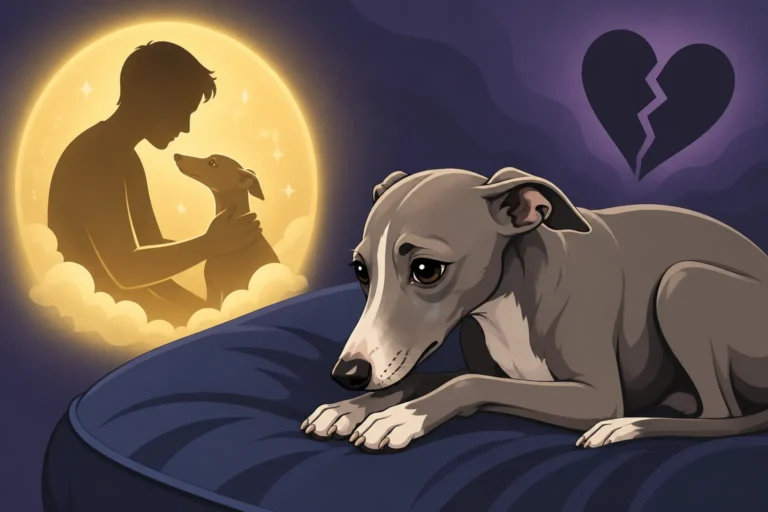
Dogs, like many animals, have instinctive responses to perceived threats: fight, flight, freeze, or fawn. For many Italian Greyhounds, "freeze" and "fawn" are far more common than "fight" or "flight" when they feel pressured, especially by their trusted human. When faced with a situation they can't escape (flight) and don't feel capable of confronting (fight), they will often simply stop. They become unresponsive, perhaps looking away, tucking their tail, or pressing themselves into a corner. This "freeze" response is their system overloading, a circuit breaker tripping to protect them from further perceived harm or stress. They're essentially telling you, "I can't cope."
Sometimes, they might even exhibit a "fawn" response, trying to appease or de-escalate the situation by becoming overly submissive or clingy, rather than outright freezing. This might look like excessive licking, rolling over, or trying to climb into your lap when you're attempting to train them with a sterner tone. Both of these responses, freeze and fawn, are clear indicators that your Italian Greyhound is feeling overwhelmed and needs a break, not more pressure. Understanding How an Italian Greyhound Responds to Correction is vital here, as many traditional methods can exacerbate this stress.
When Stubbornness Is Actually Overwhelm
It’s incredibly common for owners to misinterpret an Italian Greyhound's shutdown as stubbornness. You might think, "They know this command, why aren't they doing it?" or "They just don't want to cooperate." But this perspective often misses the underlying emotional state. A truly stubborn dog might simply refuse, perhaps looking at you defiantly or attempting to do something else entirely. An Italian Greyhound in a shutdown state, however, is not making a conscious choice to defy you. They are often unable to process what you're asking, paralyzed by anxiety or fear.
Imagine feeling so overwhelmed that your brain simply stops working, making it impossible to perform even simple tasks. That's often what's happening with an Italian Greyhound. They might literally be unable to retrieve a toy, walk on a leash in a busy area, or perform a learned trick if the pressure or stress is too high. This isn't a willful act; it's a physiological and psychological reaction. Labeling it as stubbornness only increases frustration on both sides and prevents you from addressing the root cause: their profound discomfort. It's important to remember Why an Italian Greyhound Looks Stubborn and Is Not – their sensitivity is often mistaken for a lack of cooperation.
Common Pressure Triggers for Italian Greyhounds
Understanding why Italian Greyhounds shut down is one thing, but identifying the specific triggers that cause it can help you prevent these situations in the first place. Many everyday interactions that other breeds might shrug off can be deeply unsettling for an Italian Greyhound.
The Impact of Harsh Corrections and Loud Voices
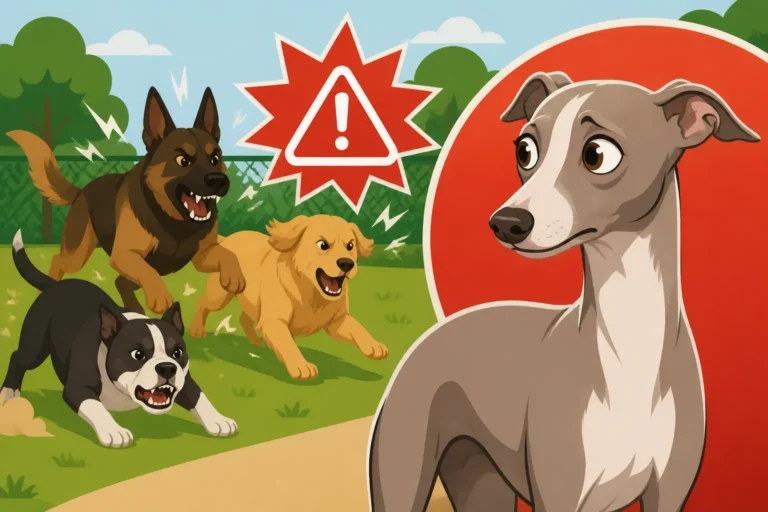
One of the most significant triggers for an Italian Greyhound's shutdown response is harsh correction or a raised voice. Because they are so sensitive, any perceived aggression or anger from their human can be terrifying. A loud "NO!" or a sharp tug on the leash, which might be a minor correction for a more robust dog, can send an Italian Greyhound into a complete tailspin. Instead of learning what you don't want them to do, they learn to fear your voice, your hands, or the training situation itself. This fear doesn't facilitate learning; it actively inhibits it.
When an Italian Greyhound is corrected harshly, their instinct is often to retreat, not to comply. They may cower, try to hide, or simply freeze, becoming unresponsive to further commands. This is why positive reinforcement methods are not just preferred for Italian Greyhounds, but absolutely essential. They respond infinitely better to praise, treats, and gentle guidance than to any form of intimidation. If you've ever wondered What a Raised Voice Does to an Italian Greyhound, you've likely seen firsthand how it can break their spirit rather than encourage compliance. Their trust, once shaken, can take a long time to rebuild, making every interaction feel like walking on eggshells for both you and your dog.
Overwhelm in Training and New Environments
Another common trigger is simply too much, too soon, especially in training or when introducing new environments. Italian Greyhounds thrive on routine, predictability, and a sense of safety. Throwing them into a chaotic dog park, demanding too many new commands in one session, or forcing them to interact with boisterous strangers can quickly lead to sensory overload. Their delicate nervous systems are simply not equipped to handle a barrage of new stimuli or sustained periods of high-intensity activity.
Training sessions, in particular, should be kept short, positive, and fun. How Short an Italian Greyhound's Training Session Should Be is a crucial piece of knowledge; often, 5-10 minutes is plenty. If an Italian Greyhound feels overwhelmed during training, they will often shut down, making any further attempts to teach them futile until they've had a chance to decompress. Similarly, new places, new people, or even new objects in their familiar environment need to be introduced slowly and positively, allowing them to approach and investigate at their own pace. Never force an Italian Greyhound into a situation they appear uncomfortable with, as this can severely damage their confidence and reinforce the shutdown behavior.
Strategies for Positive Engagement and Building Confidence
The good news is that you can absolutely help your Italian Greyhound overcome their tendency to shut down under pressure. It requires patience, empathy, and a commitment to positive reinforcement, creating a world where they feel safe, understood, and confident enough to explore and learn.
Building Trust Through Positive Reinforcement
The cornerstone of working with a sensitive Italian Greyhound is positive reinforcement. This means rewarding desired behaviors with high-value treats, enthusiastic praise, and gentle affection. When they perform a task correctly, even a tiny step in the right direction, celebrate it! This builds a strong association between the action, your approval, and something pleasurable. It makes learning fun and reduces any fear of failure. Instead of trying to avoid punishment, they're actively seeking rewards.
One excellent resource for positive training methods is BAXTER & Bella. They offer programs that focus entirely on building a strong, positive relationship with your dog, which is exactly what Italian Greyhounds need. Their approach emphasizes engagement, fun, and rewards, helping to develop a confident dog rather than one that performs out of fear. When training, use small, soft treats that are easy for them to swallow quickly, like tiny pieces of boiled chicken or cheese. Keep your voice light and encouraging. If you find yourself getting frustrated, take a break. Your Italian Greyhound will pick up on your tension and likely shut down, making the session unproductive. Remember, every positive interaction reinforces trust and helps them open up.
Creating a Safe and Predictable Environment
A predictable and secure environment is paramount for an Italian Greyhound's well-being. These dogs thrive on routine. Knowing when meals, walks, and playtime will happen helps them feel safe and reduces anxiety. Beyond routine, their physical environment needs to be set up to prevent injury and foster security. Since they are prone to broken legs, providing Ramps and Steps for an Italian Greyhound's Furniture is not just about convenience; it's about making their world physically safer, which in turn reduces their overall stress levels. If they aren't constantly worried about injuring themselves, they can relax and be more open to learning.
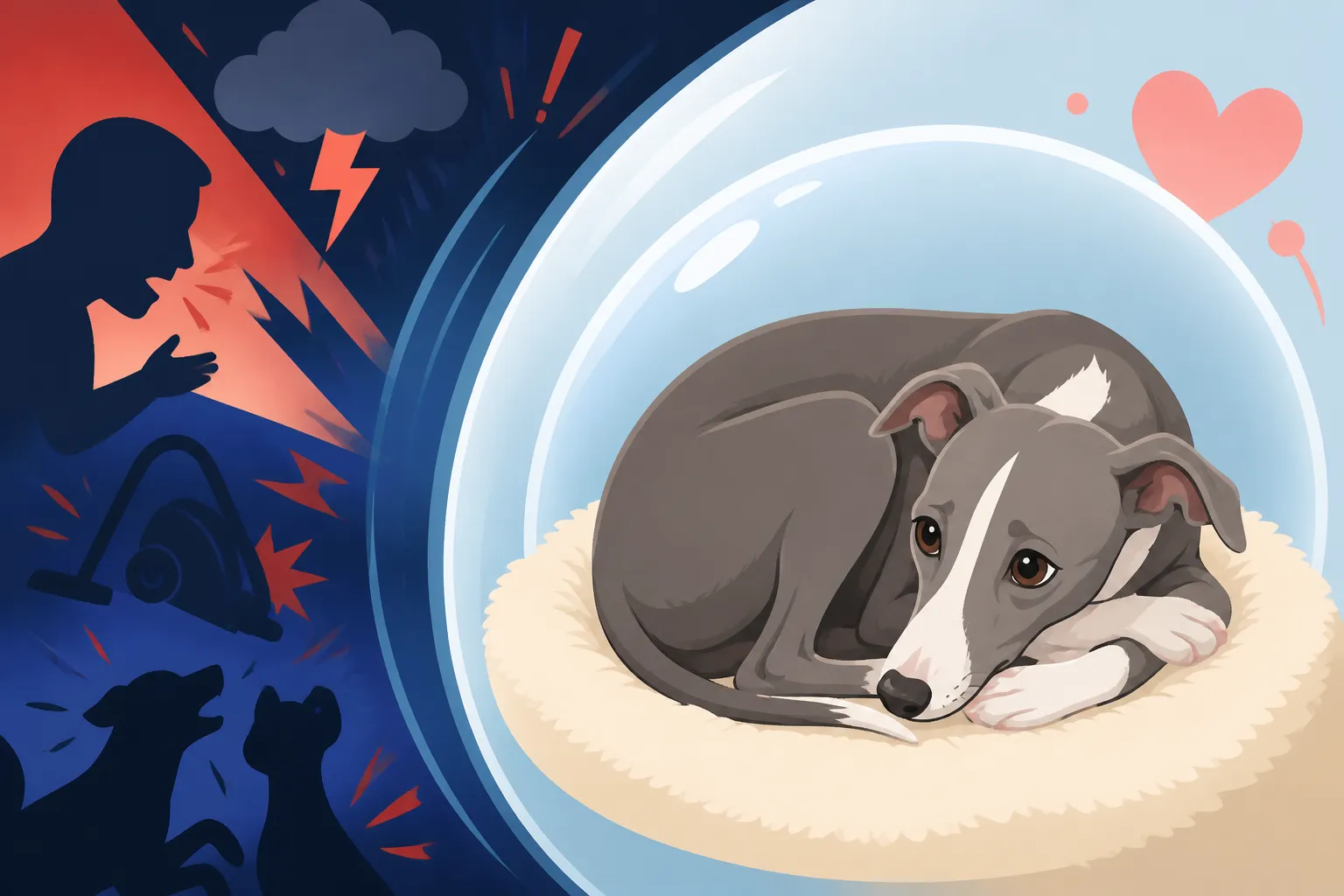
Ensure they have a designated safe space, like a comfortable crate or a cozy bed in a quiet corner, where they can retreat when they feel overwhelmed. This should be a positive space, not a punishment zone. Consider using soft bedding and plenty of blankets, which provide comfort and security for these burrowing dogs. Items purchased from places like Amazon can help you create these cozy hideaways, from orthopedic beds to snuggle sacks. A calm, consistent home environment, free from sudden loud noises or chaotic activity, will do wonders for your Italian Greyhound's confidence and dramatically reduce the instances of them shutting down. They need to know their home is their sanctuary.
Recognizing and Responding to Early Signs of Stress
The key to preventing a full "shutdown" is to catch the early, subtle signs of stress before your Italian Greyhound becomes completely overwhelmed. These can be very subtle and easily missed if you’re not looking for them. Watch for:
- Lip licking or excessive yawning: Not necessarily signs of hunger or tiredness, but often displacement behaviors indicating stress.
- Averted gaze or "whale eye": When you can see the whites of their eyes, or they refuse to make eye contact.
- Stiff body posture or low tail carriage: They might become rigid or tuck their tail tightly between their legs.
- Rapid blinking or furrowed brow: Subtle facial cues that indicate tension.
- Excessive scratching or shaking: Often done out of context, indicating anxiety.
- Reluctance to move: Freezing in place, or moving very slowly and hesitantly.
If you observe any of these signs, immediately pause what you are doing. Remove them from the stressful situation. Don't push them further. Instead, offer comfort, a gentle cuddle, or simply allow them to retreat to their safe space. Acknowledge their feelings without reinforcing the fear. A calm, quiet moment will allow them to decompress. Trying to force them to "get over it" will only make things worse. This proactive approach, responding to the whispers of stress before they become shouts, will build immense trust and confidence over time, helping your Italian Greyhound learn that you are a safe haven, not a source of pressure. They may be delicate, but with your understanding and gentle guidance, they can become incredibly confident and resilient companions.
| Trigger Category | Examples of Pressure for IGs | Typical IG Response | Recommended Approach for Owners |
|---|---|---|---|
| Verbal/Tone | Loud corrections, scolding, stern voice | Freeze, cowering, avoiding eye contact, hiding, withdrawal | Use soft, calm voice; positive praise; gentle redirection |
| Physical Handling | Forceful leash tugs, rough petting, being held tightly | Stiffness, attempts to escape, low tail, shivers | Gentle touch, loose leash, allow choice to engage |
| Training Pace | Long sessions, too many new commands, repetitive failures | Unresponsiveness, refusal to move, yawning | Keep sessions short (5-10 min), end on a success, clear cues |
| Environment | Crowded places, loud noises, unfamiliar dogs/people, sudden changes | Freezing, shaking, seeking cover, excessive panting | Gradual introductions, quiet spaces, provide escape routes |
| Expectations | Being forced into unwanted interactions, pushed beyond comfort zone | Retreat, ignoring cues, lip licking, avoiding gaze | Respect boundaries, let them approach at their own pace, reward bravery |
Disclaimer
This article is for general informational purposes only and does not constitute professional advice. Laws, prices and regulations vary by location and change over time. Consult a qualified professional for guidance on your specific situation.