Whether an Italian Greyhound Passes a Canine Good Citizen Test
Many Italian Greyhound owners find themselves wondering if their delicate, sensitive, and sometimes famously stubborn companions are truly capable of achieving the kind of structured obedience needed for something like the Canine Good Citizen test. It's a valid concern; these aren't your typical Golden Retrievers who live to please with a wagging tail and an immediate "sit." If you're pondering whether your long-legged friend can pass a Canine Good Citizen test, this guide is here to shed light on what makes an Italian Greyhound both a challenge and a joy in the training ring, and how you can set your unique dog up for success.
Understanding the Canine Good Citizen Test for an Italian Greyhound
The Canine Good Citizen (CGC) program, established by the American Kennel Club (AKC), is often seen as the gold standard for dog manners. It certifies that a dog has good manners at home and in the community. For Italian Greyhound owners, the thought of their sensitive, prey-driven little shadow navigating public spaces with poise can feel like a far-off dream. But let's break down what it really entails and how it aligns, or sometimes clashes, with the Italian Greyhound temperament.
What the CGC Test Actually Measures
The CGC test isn't about complex tricks or advanced competitive obedience. It's about demonstrating basic manners and confidence in everyday situations. Think of it as a public service announcement for your dog: "I am a polite and well-adjusted member of society." The test consists of ten items that evaluate a dog's ability to respond to commands, exhibit confidence around strangers and other dogs, and tolerate gentle handling. It's designed to show that your dog isn't a nuisance or a danger, but a pleasant companion.
Many people visualize a German Shepherd or a Labrador when they think of CGC, breeds often renowned for their biddability and robust temperaments. An Italian Greyhound, with its paper-thin skin and tendency to shiver at the slightest breeze, presents a different picture. However, the core principles of the test – respect, control, and good behavior – are applicable to every breed, even our most sensitive sighthounds. It’s less about perfection and more about demonstration of willingness and basic training.
Italian Greyhound Strengths for CGC
Believe it or not, Italian Greyhounds bring some unique strengths to the CGC table. Their intense bond with their primary caregiver can be a huge asset. An IG often wants nothing more than to be close to their person, making them highly motivated by praise and affection from you. This "Velcro dog" tendency can actually be harnessed for tasks requiring focus on the handler, especially in a quiet environment. The Velcro Dog: What Constant Company Means With an Italian Greyhound
Their intelligence, while sometimes expressed in cunning rather than overt biddability, means they can learn quickly. They pick up on routines and associate actions with rewards quite readily. The key is finding what truly motivates them. For many IGs, high-value food treats are a powerful motivator, far more so than a toy or even simple praise alone. What Motivates an Italian Greyhound Plus, their small size makes them physically easier to manage, even if their minds are sometimes elsewhere. They aren't going to drag you down the street in the same way a larger, stronger dog might.
Common Italian Greyhound Hurdles in CGC
Now, let's be realistic. Italian Greyhounds do face some inherent challenges that can make CGC training, and the test itself, a bit more difficult than for, say, a Border Collie. One of the biggest hurdles is their infamous housetraining reputation. Consistent outdoor potty habits are crucial, especially if the test involves waiting quietly in an unfamiliar indoor facility or being crated. Why an Italian Greyhound is Slow to Housetrain Many IGs also have a strong prey drive, making distractions like squirrels, blowing leaves, or even a distant bird incredibly compelling. This can severely impact their ability to "come when called" or maintain a "stay" outdoors. How Strong an Italian Greyhound's Prey Drive Is
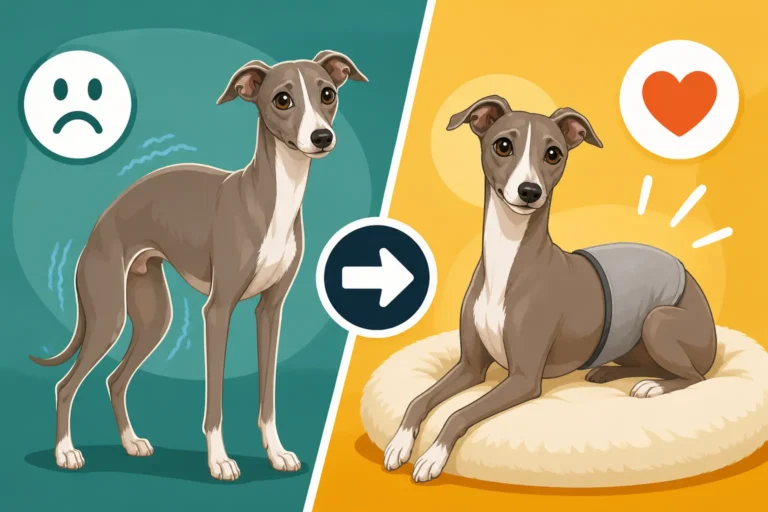
Shyness around strangers is another common trait. Many Italian Greyhounds are reserved, even timid, with people they don't know, which can make the "accepting a friendly stranger" and "sitting politely for petting" components tricky. How Shy an Italian Greyhound Is Then there's their sensitivity to cold. If the test is held outdoors in cooler weather, your Italian Greyhound might be more focused on shivering than on listening to your commands. The Italian Greyhound That Refuses to Go Out in the Cold Their thin skin also means they're quite sensitive to any harsh correction, making positive, reward-based training absolutely essential. Understanding these breed-specific quirks is the first step toward overcoming them.
Preparing Your Italian Greyhound for the CGC Journey
Embarking on the Canine Good Citizen journey with your Italian Greyhound is less about transforming them into a different dog and more about enhancing their natural abilities while gently addressing their unique challenges. It requires patience, consistency, and a deep understanding of what makes your sighthound tick.
Foundation Training and Positive Reinforcement
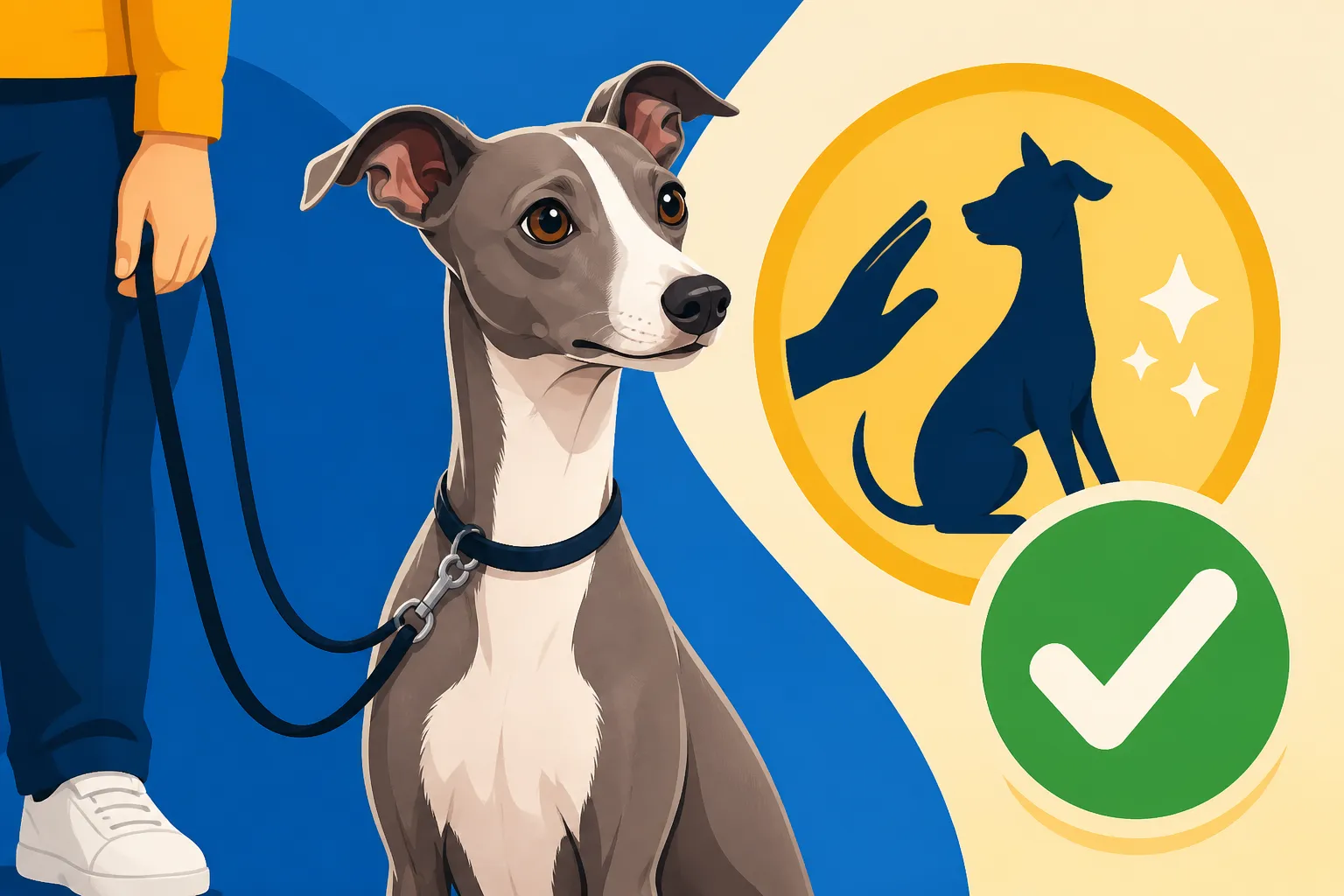
The bedrock of any successful training program, especially for an Italian Greyhound, is positive reinforcement. Forget harsh corrections or loud voices; these dogs shut down under pressure. Instead, focus on rewarding desired behaviors with high-value treats, enthusiastic praise, and gentle petting. Think of it as a game where they win by doing what you ask.
Short, frequent training sessions are far more effective than long, drawn-out ones. Italian Greyhounds have relatively short attention spans, especially when they're young or easily distracted. Aim for 5-10 minute sessions a few times a day, keeping it fun and engaging. How Short an Italian Greyhound's Training Session Should Be Experiment with different treats to find what your IG considers the absolute best – small pieces of cooked chicken, cheese, or specialized training treats often work wonders. Consistency is key; everyone in the household should use the same commands and reward system.
Socialization Beyond the Home
The CGC test requires your Italian Greyhound to be comfortable in various public settings. This means going beyond your living room. Gradual, positive exposure to different sights, sounds, people, and environments is crucial. Start small: a quiet park bench, a low-traffic pet store, or a friend's house. The goal isn't necessarily interaction, but simply comfortable presence.
Introduce your IG to a variety of people – men, women, children, people with hats, people with glasses, people on bikes. Encourage calm greetings rather than excited jumping or shrinking away. If your IG is shy, don't force interactions. Let them approach on their own terms, and have people offer treats gently. A well-fitting harness, like those designed for sighthounds, can provide security and prevent accidental escapes if they get spooked, which you can find on sites like Amazon. Remember, good socialization isn't about making your dog love every person or dog they meet; it's about teaching them to be confident and calm in diverse situations.
Mastering Basic Obedience Cues
The core of the CGC test relies on basic obedience. "Sit," "stay," "down," "come," and loose-leash walking are paramount. While IGs can learn these, their execution might differ from other breeds. For example, an Italian Greyhound's "stay" might be shorter-lived if a sudden gust of wind or a bird catches their eye.
- Sit and Down: Practice these in various locations with increasing distractions. Use hand signals along with verbal cues.
- Stay: Start with very short durations and distances, gradually increasing as your IG succeeds. Reward heavily for holding the position.
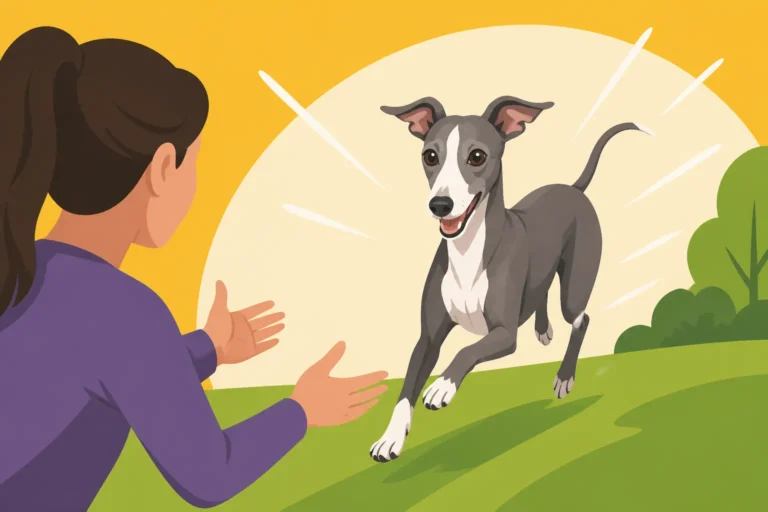
- Come when Called: This is often the hardest for IGs due to their prey drive and independent nature. Practice in a secure, fenced area with a long line. Make coming to you the most exciting and rewarding thing ever. Run away from them, call them with enthusiasm, and give an amazing treat and party when they reach you. How Reliably an Italian Greyhound Comes When Called
- Loose-Leash Walking: Use a front-clip harness or a martingale collar to discourage pulling. Reward every step taken on a loose leash. Avoid allowing them to pull, as this only reinforces the behavior.
Addressing Specific Challenges
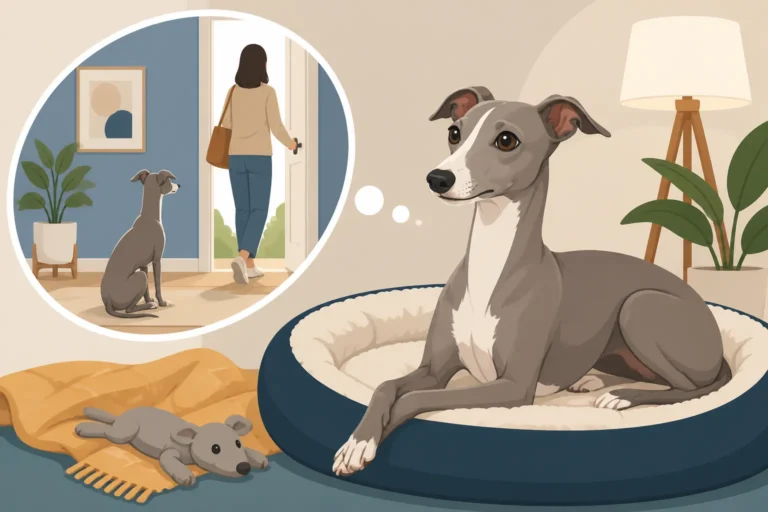
For Italian Greyhounds, some CGC items hit closer to home with their breed specific traits. The "supervised separation" component can be tough for IGs prone to separation anxiety. Practice leaving them alone for short, increasing periods, starting with just a few seconds. Ensure they have a comfortable, safe space, like a soft crate with a favorite blanket. Signs an Italian Greyhound Has Separation Anxiety
For the "appearance and grooming" item, desensitize your IG to being touched all over, especially their sensitive feet, ears, and mouth. Make it a positive experience with treats and praise. Start with gentle touches and gradually introduce a soft brush or nail file. Remember, IGs don't have thick coats or heavy bone, so any handling needs to be delicate and reassuring.
The CGC Test Components and Italian Greyhound Performance
Let's walk through each of the ten Canine Good Citizen test items and consider how an Italian Greyhound typically fares, offering some tips to help them shine. Remember, passing isn't about perfection, but about demonstrating control and good manners.
| CGC Test Item | Description | Italian Greyhound Considerations & Tips |
|---|---|---|
| 1. Accepting a Friendly Stranger | Dog allows a stranger to approach and speak to the handler. | Many IGs are reserved or shy. Practice having friends (especially calm, non-threatening ones) approach quietly, speak to you, and then calmly offer a treat. Avoid direct eye contact or sudden movements towards the dog. Let the IG initiate contact. |
| 2. Sitting Politely for Petting | Dog allows a stranger to pet them gently. | Similar to above, but with a physical component. Start with people gently stroking their side or shoulder while they are sitting. Reward for calm acceptance. If your IG shrinks away, don't force it. Build trust slowly. |
| 3. Appearance and Grooming | Dog allows examiner to check ears, feet, and brush them. | This can be challenging due to thin skin and sensitivity. Make grooming a positive, daily ritual from puppyhood. Use soft brushes and offer treats frequently. Practice handling feet and looking in ears. Keep sessions brief and fun. |
| 4. Out for a Walk (Loose Leash) | Dog walks on a loose leash for a short distance. | Their prey drive can make this tough. Practice in low-distraction environments first. Use a martingale collar or a well-fitting sighthound harness found on sites like Amazon. Reward constantly for walking by your side without pulling. If they get distracted, stop walking until they re-engage. |
| 5. Walking Through a Crowd | Dog walks through three people without shying or jumping. | A sensitive IG might feel overwhelmed. Start with just one calm person, then two. Ensure the people are quiet and ignore the dog. Keep your IG close to you, offering reassurance and small treats for staying focused. |
| 6. Sit and Down on Command/Stay | Dog sits, lies down, and stays in position for a short time. | IGs learn quickly, but may test limits. High-value treats are crucial. Practice in various settings, gradually increasing distractions. Start with a short "stay" duration and build up. If they break, calmly reset and try again. Remember, IGs are often very comfortable lying down, so the "down" may be easier. |
| 7. Coming When Called | Dog comes reliably when called from 10 feet away. | This is often the toughest for IGs. Practice, practice, practice in a safe, enclosed area. Make coming to you the most exciting event ever with a "party" of treats and praise. Use a long line for safety during practice in open areas. How Reliably an Italian Greyhound Comes When Called |
| 8. Reaction to Another Dog | Dog shows no aggression or extreme shyness towards another dog. | Many IGs are good with other sighthounds, but some can be wary of larger, boisterous breeds. Practice polite greetings with calm, friendly dogs. Keep greetings brief and positive. Your IG should acknowledge the other dog without being overly excited or fearful. |
| 9. Reaction to Distraction | Dog maintains composure when presented with mild distractions. | This is where prey drive can be an issue. Practice in environments with various sounds (squeaky toys, dropped objects) and movements (joggers, bikes). Reward for ignoring distractions and remaining focused on you. You'll need to know what triggers your IG and work on desensitization. |
| 10. Supervised Separation | Dog can be left with an examiner for 3 minutes without excessive anxiety. | Separation anxiety is common in IGs. Practice leaving them alone for short, increasing periods at home. Provide a cozy, familiar space. For the test, a familiar blanket or bed scent can help. Work on building confidence when you're not present. Signs an Italian Greyhound Has Separation Anxiety |
Beyond the Test: What CGC Means for You and Your Italian Greyhound
While passing the Canine Good Citizen test is a fantastic accomplishment, the true value often lies in the journey itself. The process of preparing for CGC builds a stronger bond between you and your Italian Greyhound, enhances their manners, and boosts their confidence in the world.
The Value of the Journey, Not Just the Destination
Even if your Italian Greyhound doesn't pass every single component on the first try, the training you've put in will significantly improve their behavior and your relationship. You'll have a dog that is more comfortable in various situations, more responsive to your cues, and generally a more pleasant companion. The exercises teach them impulse control, build their focus on you, and help them navigate public spaces with greater ease. These are life skills that benefit both of you far beyond a certificate.
Think of all the times you've worried about your IG darting off, or shying away from a friendly hand. The training for CGC directly addresses these anxieties. It empowers you with tools to manage your dog's natural instincts and helps your dog feel more secure because they understand what's expected of them. For a breed that often looks "stubborn" when they're actually just overwhelmed or distracted, this clarity is invaluable. Why an Italian Greyhound Looks Stubborn and Is Not
Finding the Right Trainer and Class
Choosing the right training environment is paramount for an Italian Greyhound. Look for trainers who specialize in positive reinforcement methods and have experience with sighthounds or sensitive breeds. Avoid any trainer who suggests harsh corrections or intimidation tactics, as these will likely cause your IG to shut down or become fearful. A good trainer will understand that an Italian Greyhound's "come" might not be as instant as a Retriever's, and they'll offer breed-appropriate strategies.
Consider online training programs, especially if your IG is particularly shy or easily overwhelmed in a busy class setting. Companies like BAXTER & Bella offer comprehensive online puppy and dog training programs that allow you to work at your own pace in the comfort of your home, then practice in real-world scenarios. This can be a game-changer for IGs who need a quieter start before joining a group class. When you do attend an in-person class, ensure it's small, calm, and the instructor is patient and adaptable.
Continuing Education and Fun
Passing the CGC test isn't the end of the road; it's a stepping stone to even more adventures with your Italian Greyhound. You might consider advanced obedience classes, or explore other activities that appeal to their sighthound nature. Many IGs excel at Fast CAT or Lure Coursing and Racing With an Italian Greyhound, where their natural speed and prey drive can be channeled into a safe, thrilling sport. Trick training is another fantastic way to continue building your bond and keeping their intelligent minds engaged.
Continue to use high-value rewards and keep training sessions short and positive. Regularly practice the CGC exercises in different environments to maintain their skills. Many useful training tools, from specialized leashes to interactive puzzle toys to keep their minds busy, can be found on Amazon, making it easy to keep your IG engaged and well-behaved. The goal is to ensure your Italian Greyhound remains a confident, well-adjusted, and happy companion throughout their life, enjoying a positive relationship with you and the world around them.
Disclaimer
This article is for general informational purposes only and does not constitute professional advice. Laws, prices and regulations vary by location and change over time. Consult a qualified professional for guidance on your specific situation.