Where an Italian Greyhound Gets Hurt Playing
It's a heartbreaking reality for many Italian Greyhound owners: the sheer joy of watching our delicate dogs play often comes with a constant, nagging fear. We know their frames are finely built, almost like exquisite porcelain, and the thought of a happy romp turning into an emergency trip to the vet is enough to make anyone anxious. This guide is here to shed light on where Italian Greyhounds commonly get hurt during play, offering insights into prevention and helping you create a safer, happier environment for your cherished companion.
Understanding the Italian Greyhound's Fragile Anatomy in Play
Italian Greyhounds are undeniably elegant, built for speed and grace rather than brute force. Their unique physical structure, while beautiful, also makes them susceptible to certain types of injuries during even seemingly innocent play. It’s not about them being clumsy or weak; it’s about their delicate engineering.
Why Their Bones Are So Susceptible
If you've ever held an Italian Greyhound, you've likely noticed how light and fine-boned they are. Their long, slender limbs, particularly the radius and ulna in the front legs, are the areas most prone to fracture. Unlike many other breeds, an Italian Greyhound's bones are not dense and heavy. They are designed for quick acceleration and maneuverability, not impact absorption. Imagine a finely tuned racing bicycle versus a sturdy mountain bike; both are built for speed, but one is far more resistant to rough terrain. Our Iggys are the racing bicycles of the dog world. This means a seemingly minor tumble or an awkward landing that another dog might shake off can, for an Italian Greyhound, result in a significant injury. This fragility is why many owners are often looking for Why an Italian Greyhound's Leg Bones Break So Easily.
The Impact of Thin Skin and Minimal Muscle Mass
Beyond their bones, Italian Greyhounds have incredibly thin skin and very little subcutaneous fat or muscle padding. This means that even a minor scrape or bump during play can lead to skin tears that require veterinary attention. Their skin is often described as "tissue paper thin," and it's a very accurate description. When they collide with something, or even another dog's claw during a play session, there's very little natural cushioning to protect the underlying tissue and bone. This isn't just about cuts; it means their bones are less protected from external forces.
Joints and Ligaments: Often Overlooked Vulnerabilities
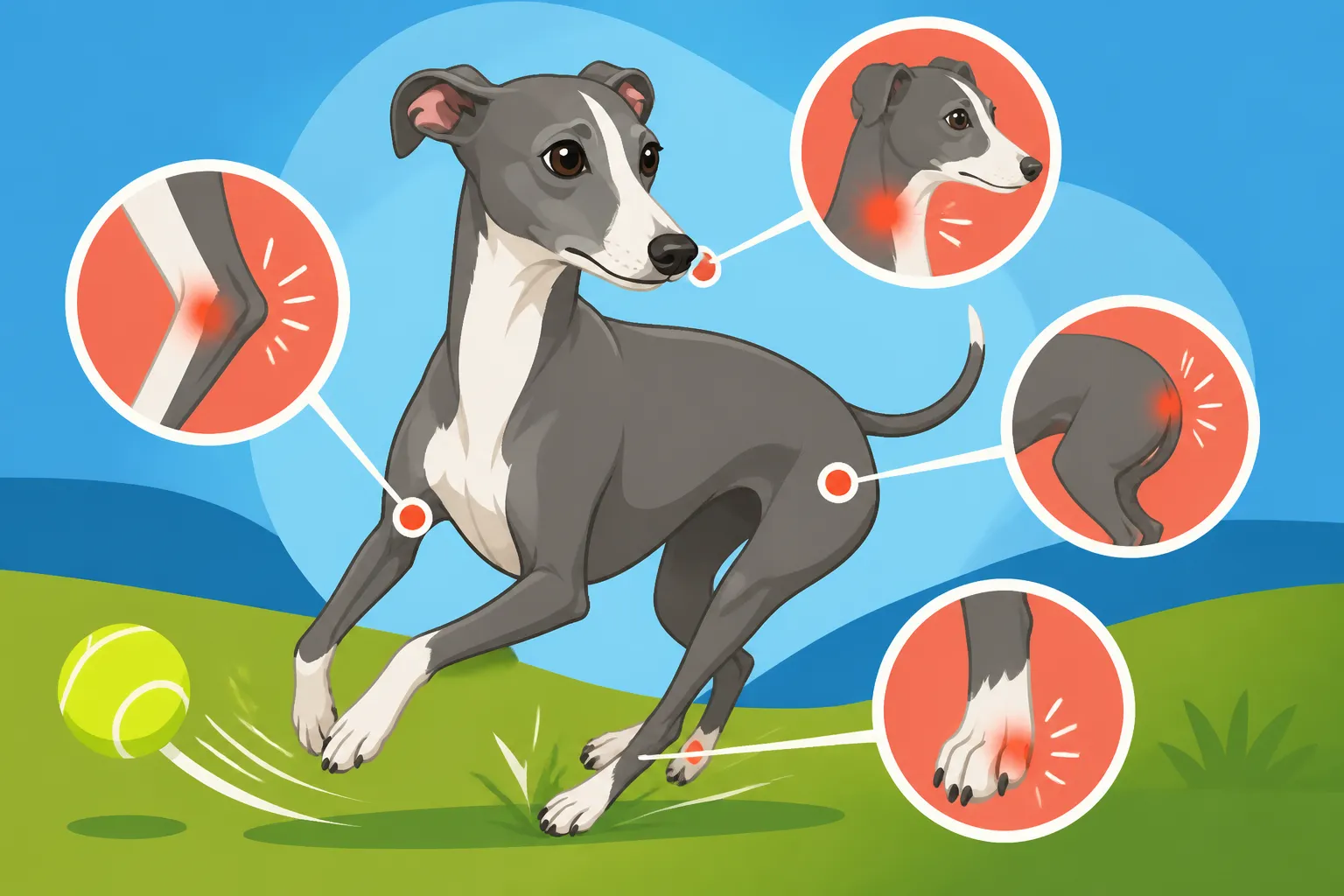
While fractures get a lot of attention, their joints and ligaments are also vulnerable during play. Luxating patellas (kneecaps that slip out of place) are not uncommon in the breed, and an energetic twist or turn during a game of chase can exacerbate or even cause this issue. Similarly, sprains and strains to wrists and ankles can occur if they land awkwardly from a jump or pivot too sharply. It's not just the big, obvious impacts we need to worry about; the subtle stresses on their joints can also lead to pain and lameness, sometimes showing up later as arthritis in healed legs.
Common Playtime Scenarios Leading to Injury
Knowing their physical predispositions helps us understand why injuries happen, but it's equally important to identify the how and where. Many Italian Greyhound injuries occur during common, everyday play activities that might seem harmless to other dogs.
The Perils of Interspecies Play: Large Dogs, Big Trouble
One of the most frequent scenarios leading to serious injury is an Italian Greyhound playing with a larger, heavier dog. While many Iggys love to play with big dogs, their play styles are often vastly different. A Great Dane's playful paw swipe might be gentle for another large breed, but for an Italian Greyhound, it can be like being hit by a sledgehammer. A big dog can accidentally step on, fall on, or body-slam an Italian Greyhound without intending harm, simply due to the size disparity and difference in play communication. Even a seemingly benign game of chase can turn dangerous if the larger dog doesn't understand the Italian Greyhound's delicate structure. This is precisely Why an Italian Greyhound Puppy Should Not Wrestle Big Dogs.
Jumping Off Furniture: A Classic Hazard
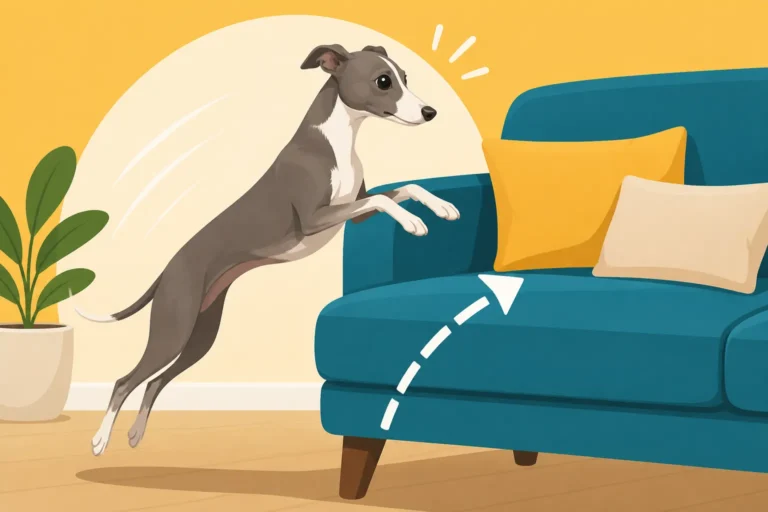
Oh, the sofa. The bed. The armchair. These are the Italian Greyhound's kingdoms, their favorite perches for napping and observing the world. But these elevated surfaces are also notorious danger zones. A sudden decision to leap down, especially if they're startled, excited, or not quite awake, can lead to a disastrous landing. Italian Greyhounds are built to spring up with incredible agility, but landing down from a height, particularly onto a hard floor, puts immense stress on their front limbs. The momentum and impact can easily cause a fracture, most often in the radius or ulna. This is why investing in Ramps and Steps for an Italian Greyhound's Furniture is not a luxury, but a necessity for many owners.
Slippery Surfaces: A Recipe for Spills and Fractures
Hardwood, tile, and laminate floors are beautiful, easy to clean, and unfortunately, a significant hazard for Italian Greyhounds. Their lean bodies and delicate paws lack the bulk and padding of other breeds, making them prone to slipping and sliding, especially when they get the "zoomies" or try to stop abruptly. A playful sprint across the kitchen can end with a leg splaying out, leading to a torn ligament, dislocated joint, or, worst of all, a spiral fracture. Even jumping off furniture onto a slippery surface exponentially increases the risk of injury. Providing traction, such as rugs or runners, is crucial in areas where they play and move quickly. Many owners will seek advice on Whether an Italian Greyhound Needs Traction Socks for these exact reasons.
Outdoor Play: Unseen Dangers in the Yard
Even a fenced yard, which feels like a safe haven, can present hazards during play. Rough terrain, unexpected holes, hidden obstacles, or even stepping wrong during a high-speed chase can cause injuries. If your yard isn't completely flat and free of debris, a sharp piece of bark or a stone can cut their thin pads. While rare, falls from steps or uneven garden landscaping can also lead to sprains or fractures. And let's not forget the ever-present danger of an unexpected squirrel dash that sends them careening into a fence at full speed. How an Italian Greyhound Breaks a Leg in Its Own Yard isn't a rare occurrence, it's a real risk.
Preventing Playtime Injuries in Your Italian Greyhound
The good news is that many playtime injuries are preventable with a proactive approach to their environment, playmates, and training. It requires diligence, but the peace of mind is immeasurable.
Supervising Play and Modifying the Environment
Constant supervision is your first line of defense. Never leave an Italian Greyhound unsupervised with larger dogs, no matter how gentle they seem. During play with other Iggys or small, compatible dogs, intervene if play gets too rough or if you see a situation developing that could lead to injury.
Environmental modifications are key:
- Non-slip surfaces: Cover hardwood or tile floors with rugs, runners, or non-slip mats, especially in high-traffic areas and around furniture. Products like anti-slip floor treatments can also help, though rugs are often the most effective.
- Ramps and steps: Provide safe alternatives for accessing sofas, beds, and other elevated surfaces. Teach them to use these early on. You can find a wide variety of sturdy and aesthetically pleasing ramps on platforms like Amazon.
- Secure outdoor spaces: Regularly inspect your yard for hazards. Fill holes, remove sharp objects, and ensure fences are secure and free of gaps.
- Safe toys: Choose toys that are appropriate for their size and play style. Avoid hard, heavy toys that could cause injury if dropped on a paw, or flimsy ones that can be easily ingested.
Choosing Appropriate Playmates
This is perhaps the most crucial aspect. The best playmates for an Italian Greyhound are often other Italian Greyhounds, or other small, gentle breeds with similar play styles and body types. They understand each other's delicate nature implicitly. If your Iggy interacts with larger dogs, ensure those dogs are calm, well-mannered, and have been specifically trained to be gentle with smaller dogs. Always observe their interactions closely and be ready to separate them if play escalates beyond safe levels. Remember, even the sweetest giant dog can cause accidental harm.
Training for Safe Movement and Impulse Control
Training plays a vital role in injury prevention. Teaching your Italian Greyhound good impulse control can prevent them from making rash, dangerous decisions.
- "Off" command: Teach a solid "off" command to prevent them from jumping on or off furniture without permission.
- "Wait" command: This is invaluable for preventing dashing through doors or leaping before you can safely assist them.
- Recall: A strong recall is essential, especially outdoors, to prevent them from bolting into dangerous situations.
- Ladder training for furniture: Instead of leaping, teach them to "ladder" down furniture, placing one paw at a time. This reduces impact significantly.
Tools and resources can help here. Online training programs, like those offered by BAXTER & Bella, often have modules on basic obedience and impulse control that can be adapted for the unique needs of a delicate breed like the Italian Greyhound. Consistent, positive reinforcement training from a young age is the most effective approach. Teaching an Italian Greyhound Not to Jump Down is a cornerstone of this preventative training.
Recognizing and Responding to Playtime Injuries
Despite our best efforts, accidents can still happen. Knowing what to look for and how to react can make a significant difference in your Italian Greyhound's recovery.
Signs Your Italian Greyhound May Be Injured
Italian Greyhounds are notoriously stoic and can hide pain surprisingly well. This makes it challenging but crucial to be vigilant. Look for these subtle and overt signs:
- Limping or reluctance to bear weight: This is often the most obvious sign of a leg injury. Even a slight limp after a play session warrants attention.
- Holding a paw up: If they continuously favor or hold up one paw, it's a red flag.
- Swelling or bruising: Visible changes to a limb or joint.
- Vocalization: Whining, yelping, or crying when touched or moved, or even just suddenly.
- Pain on palpation: If they react negatively when you gently touch a specific area.
- Changes in behavior: Lethargy, loss of appetite, reluctance to play further, or unusual aggression when approached can all indicate pain.
- Anatomical changes: A leg that looks bent at an odd angle, or a joint that seems out of place, is an emergency.
- Shivering or shaking: This can be a sign of pain or shock.
Remember, even if your Italian Greyhound seems to "run it off," continuing to monitor them closely for hours afterward is vital. Sometimes the adrenaline masks the immediate pain, and signs become clearer later. Understanding Signs an Italian Greyhound Has Broken a Leg is crucial for immediate action.
Immediate Steps After a Suspected Injury
If you suspect your Italian Greyhound has been injured during play, remain calm. Panic won't help your dog.
- Stop play immediately: Gently separate them from other dogs or the activity.
- Assess the situation: If they are clearly in severe pain, or a limb looks obviously broken or dislocated, try to minimize movement.
- Contain them: Place them in a crate or a small, confined, quiet space where they can't move around much. This helps prevent further injury. A heated bed can also provide comfort, as they feel cold easily, especially when in shock.
- Avoid amateur first aid: Unless you are trained, do not attempt to set a bone, apply tight bandages, or give human pain medication. You could cause more harm.
- Contact your veterinarian: Call your vet or an emergency veterinary clinic immediately. Describe the situation clearly and follow their instructions. They will guide you on how to safely transport your dog and what to expect upon arrival.
When to Seek Emergency Veterinary Care
Any suspected fracture, dislocation, deep skin tear, or persistent lameness warrants immediate veterinary attention. Time is often of the essence with these types of injuries to ensure the best possible outcome. Don't wait to see if it gets better on its own. Italian Greyhounds are masters of hiding pain, so if you're seeing signs, the pain is likely significant.
Veterinary care for fractures often involves X-rays, pain management, and potentially surgery, which can be complex due to their delicate bone structure. Finding a veterinary surgeon who is experienced with sighthound fractures is important. The cost of such interventions, like What Fracture Repair Costs on an Italian Greyhound, can be substantial, which is why having an emergency fund or pet insurance is so vital for Iggy owners.
Preventing Future Injuries: A Lifelong Commitment
Caring for an Italian Greyhound means accepting that vigilance is a constant companion. Their playful spirit is a joy to behold, and we want them to have happy, active lives. By understanding their unique vulnerabilities, carefully managing their play environment and companions, and consistently reinforcing safe behaviors through training, we can significantly reduce the risk of injury. It's a journey of continuous learning and adaptation, ensuring our beloved Iggys can chase their dreams (and squirrels!) safely.
| Play Scenario / Hazard | Potential Injury | Prevention Strategy |
|---|---|---|
| Rough play with larger dogs | Fractures, internal injuries | Strict supervision, separate play areas, appropriate playmates |
| Jumping off furniture | Front leg fractures, joint sprains | Ramps/steps, "off" command, crate when unsupervised |
| Slippery floors | Fractures, sprains, torn ligaments | Rugs, runners, non-slip mats, booties during zoomies |
| Uneven outdoor terrain | Cuts, sprains, paw injuries | Regular yard inspection, safe walking paths, appropriate footwear |
| Uncontrolled chasing | Collisions, falls, fractures | Reliable recall training, secure fencing, long lines in open areas |
| Inappropriate toys | Dental injuries, choking, internal | Choose soft, durable, size-appropriate toys |
Disclaimer
This article is for general informational purposes only and does not constitute professional advice. Laws, prices and regulations vary by location and change over time. Consult a qualified professional for guidance on your specific situation.