How an Italian Greyhound Shares a House With a Cat
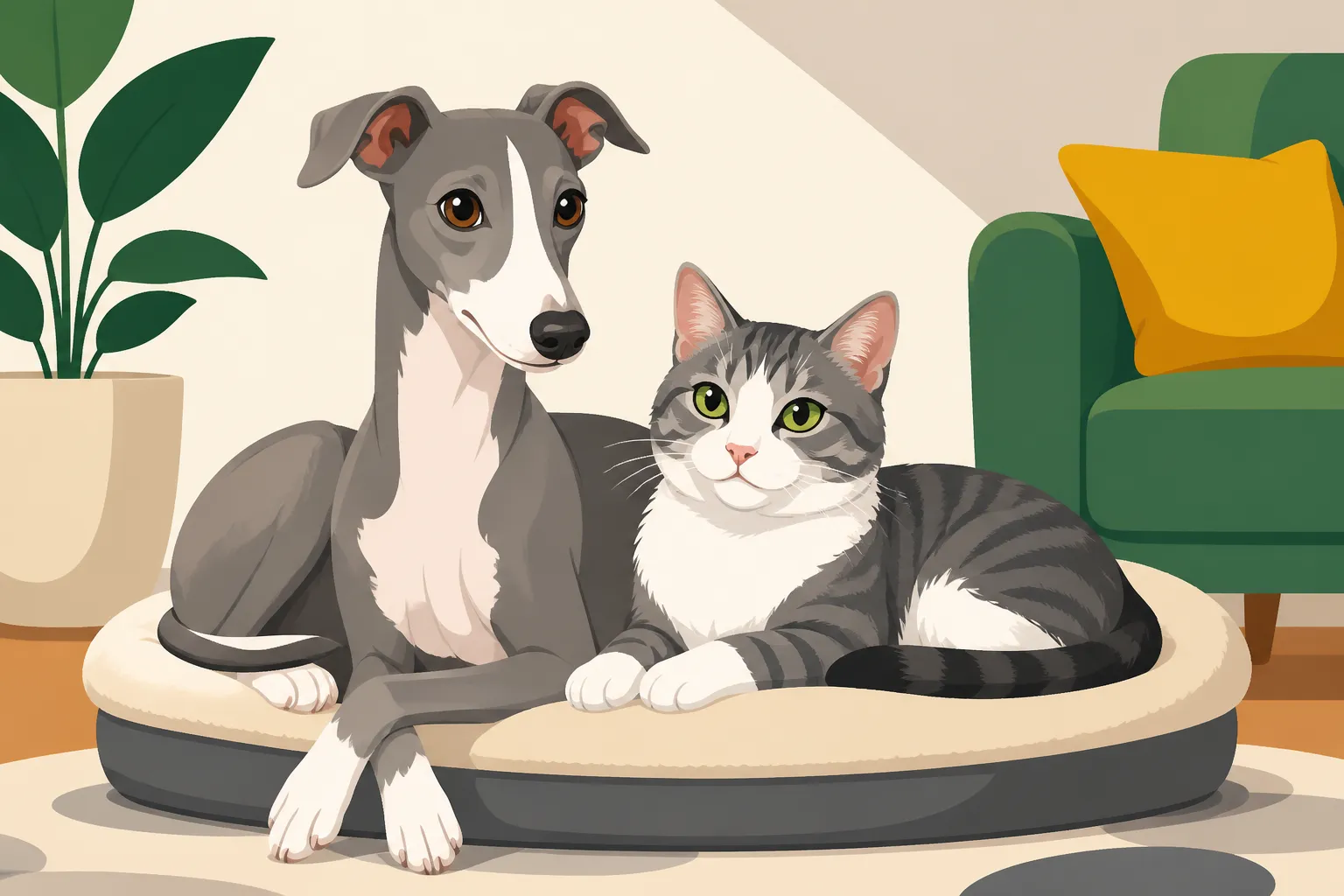
Bringing an elegant, energetic Italian Greyhound into a home that already cherishes a beloved feline companion can stir up a mix of excitement and genuine apprehension. You adore both species, but the distinct instincts of an Italian Greyhound, particularly their sighthound heritage, can make the idea of peaceful coexistence seem daunting. Many owners worry about that lightning-fast chase instinct clashing with a cat's quick movements, leading to stress, injury, or an unhappy household. This guide is here to alleviate those worries, offering a realistic, step-by-step roadmap to introducing your Italian Greyhound and cat, fostering a respectful relationship, and ensuring both pets feel safe and loved in their shared space.
Understanding the Italian Greyhound's Natural Tendencies
Before you even think about introductions, it’s crucial to understand the inherent traits of an Italian Greyhound that will play a major role in how they interact with a cat. These aren't just small dogs; they are sighthounds, and that designation comes with a very specific set of instincts that can't be wished away. Acknowledging these traits upfront will help you plan more effectively and manage expectations.
The Innate Prey Drive of a Sighthound
Let's be frank: Italian Greyhounds possess a natural, deeply ingrained prey drive. It's not aggression in the typical sense; it's an instinct to chase and capture small, fast-moving objects, honed over centuries. When a cat darts across a room, stretches, or even just flicks its tail, it can trigger this hardwired response in your Italian Greyhound. This is why you need to understand How Strong an Italian Greyhound's Prey Drive Is. It's not that your Iggy wants to harm the cat, but the instinct to pursue can override training and good intentions in a split second.
This instinct means that even the most well-behaved Italian Greyhound can struggle with the presence of a cat, especially one that moves quickly or isn't used to dogs. It's a natural reaction, not a sign of a "bad" dog. Understanding What an Italian Greyhound Chases can give you an idea of what might trigger them—anything from a leaf blowing past the window to a cat's toy. Their keen eyesight and incredible speed make them formidable pursuers, and while they might not intend harm, a playful chase from an Italian Greyhound can still be terrifying or even dangerous for a cat, especially if the cat is declawed or less agile.
Italian Greyhounds and Their Sensitivity
Beyond the prey drive, Italian Greyhounds are incredibly sensitive creatures, both physically and emotionally. They can be easily startled by sudden movements or loud noises, and they don't respond well to harsh corrections or yelling. This sensitivity means that a cat's hiss, scratch, or sudden pounce—even if it's in self-defense—could be a deeply upsetting experience for an Iggy, potentially leading to fear, anxiety, or even a reactive response. Conversely, your Iggy's enthusiasm could overwhelm a shy cat.
Their delicate physical build is also a major consideration. An accidental swipe from a cat's claw can easily break the thin skin of an Italian Greyhound, and a panicked Italian Greyhound could injure itself by running into furniture or tumbling down stairs. This breed thrives on security, routine, and a calm environment, which means a chaotic or stressful introduction period with a cat could be detrimental to their overall well-being. It's important to remember that yelling or loud corrections will likely make things worse, as discussed in Why Raising Your Voice Sets an Italian Greyhound Back a Month.
Preparing Your Home for a Multi-Species Household
Success in blending an Italian Greyhound and a cat isn't about hoping for the best; it's about meticulous preparation and proactive management of their environment. You need to engineer your home to facilitate positive interactions and, more importantly, prevent negative ones, especially during the crucial initial stages.
Creating Essential Safe Havens for Your Feline
The absolute first step is ensuring your cat has plenty of secure, dog-free zones where they can retreat, relax, eat, and use their litter box without any threat or stress from the Italian Greyhound. Cats are vertical creatures, so making the most of elevated spaces is key. Think cat trees, wall-mounted shelves, and tall scratching posts. These act as natural escape routes and observation points, allowing your cat to feel safe and in control.
Consider designated "cat-only" rooms, perhaps a laundry room or spare bedroom, where the Italian Greyhound is never allowed. You can use baby gates (tall ones are often best for Iggys, as they can jump!) or even specialized pet gates with a small cat door built in to restrict access. Ensure all litter boxes and feeding stations are placed in these safe zones or on high surfaces that the Italian Greyhound cannot reach. Investing in good quality cat trees from a retailer like Amazon can provide immediate vertical relief for your feline friend. Remember, a stressed cat might stop using its litter box or refuse to eat, creating more problems. A well-placed Ramps and Steps for an Italian Greyhound's Furniture might ironically also help your cat reach higher places too.
Managing Initial Separation and Scent Introduction
Before your Italian Greyhound and cat ever lay eyes on each other, they need to get acquainted through scent. This is a crucial, often overlooked step that helps both animals acclimate to the idea of another species in their territory without the pressure of a face-to-face meeting. Start by keeping them completely separate in different areas of the house. This means closing doors, using gates, and having a plan for who is where at all times.
You can facilitate scent swapping by taking a blanket or towel that has been with your cat and placing it in your Italian Greyhound's bed, and vice versa. Do this for a few days, observing their reactions. Are they curious? Annoyed? Indifferent? You can also try feeding them on opposite sides of a closed door, associating the other animal's presence with a positive experience (food). When you do start with visual introductions, using a crate for your Italian Greyhound is an excellent way to keep things controlled. This is not unlike strategies for Crating an Italian Greyhound Overnight, where containment is key for safety and routine. The crate provides a safe space for your Iggy while preventing any impulsive chases, giving both animals a chance to adjust to seeing each other calmly.
The Gradual Introduction: A Step-by-Step Approach
Patience is not just a virtue here; it's a necessity. Rushing introductions almost always backfires, causing stress and potentially setting back progress by weeks or even months. Think of this process as building a fragile bridge – you need each plank to be solid before you can move to the next.
Controlled Visual Access and Positive Reinforcement
Once both pets are comfortable with each other's scents and seem calm on either side of a closed door, you can move to controlled visual access. This means allowing them to see each other without physical contact. A baby gate is perfect for this. Place the Italian Greyhound on one side of the gate (perhaps on a leash for extra control, even indoors) and allow the cat to observe from a distance on the other. Keep the sessions very short, perhaps just a few minutes, especially at first.
During these sessions, lavishly reward calm behavior from both animals. If your Italian Greyhound looks at the cat and then looks away, treat them! If your cat stays in the room and calmly observes, offer a high-value treat or engage them in a favorite quiet play. The goal is to associate the sight of the other animal with something positive. Never force an interaction, and never let the Italian Greyhound stare intently or fixate on the cat. If either animal shows signs of stress (hissing, growling, lunging, hiding, shaking), end the session immediately and try again later, or even go back a step. The ability to use a Whether a Long Line Is Enough for an Italian Greyhound for controlled movement indoors can be very useful here, allowing you to quickly intervene if the Iggy starts to fixate without being too close.
Supervised Interactions with Leash Control
When both pets consistently show calm, positive responses during gated sessions, you can consider moving to supervised, leashed interactions. This is a big step, so proceed with extreme caution. Your Italian Greyhound should be on a well-fitting harness and a leash, with you holding the leash firmly. A good quality, comfortable harness you might find on Amazon is essential to prevent them from slipping out if they get excited. The cat should have free reign of the room, with clear escape routes and high perches readily available.
Your primary focus should be on your Italian Greyhound. Keep the leash loose unless you need to redirect attention. If your Iggy starts to eye the cat, gently redirect their attention with a treat or a verbal cue, before the prey drive kicks in. Keep talking to your Iggy in a calm, reassuring voice. The cat should be allowed to approach or retreat as they wish; never try to hold or coax the cat closer. Again, these sessions should be brief and end on a positive note. Don't wait until one animal is stressed or an incident occurs. Gradually increase the duration of these sessions as both animals grow more comfortable.
Long-Term Harmony: Maintenance and Problem Solving
Even after successful introductions, the work isn't over. Maintaining a peaceful household with an Italian Greyhound and a cat requires ongoing vigilance, consistent boundaries, and a willingness to adapt. This isn't just about managing a single event; it's about establishing a lifestyle for your pets.
Reinforcing Good Behavior and Maintaining Boundaries
Consistency is your best friend when it comes to long-term harmony. Never leave your Italian Greyhound and cat unsupervised until you are absolutely, unequivocally certain that they are trustworthy together—and for many Iggys with a strong prey drive, this might be a goal that is never fully achieved. Always use gates or separate rooms when you can't actively supervise. Continue to reward calm, appropriate interactions. If your Iggy is resting peacefully while the cat walks by, praise them and offer a quiet treat.
Ensure both pets receive plenty of individual attention, playtime, and exercise. A well-exercised Italian Greyhound is generally a calmer Italian Greyhound, less prone to restlessness or boredom that might lead to unwanted cat-chasing. Consider how How Far an Italian Greyhound Should Walk Daily contributes to their overall mental and physical well-being. Regular training, perhaps with structured programs like those offered by BAXTER & Bella, can help reinforce obedience and impulse control, making your Italian Greyhound more responsive to your cues even when tempted by a feline friend. This continuous reinforcement helps solidify the idea that the cat is a family member, not a chase object.
Recognizing and Addressing Potential Issues
Even with the best intentions, problems can arise. It's crucial to be able to read the body language of both your Italian Greyhound and your cat. For cats, signs of stress include hiding more than usual, refusing to eat, not using the litter box, flattened ears, a puffed tail, constant hissing, or swiping. For Italian Greyhounds, look for fixated staring, stalking behavior, stiff body language, raised hackles, or excessive whining.
If you observe any of these warning signs, it's time to re-evaluate. You might need to go back a step in the introduction process, increase separation, or even consider permanent management strategies like keeping them in separate areas of the house when unsupervised. Remember, safety is paramount. The delicate build of an Italian Greyhound means that even a minor scuffle could result in injury, and a truly terrified cat will live in constant stress. If the risk remains too high, or if your Iggy simply cannot reliably resist their prey drive, perpetual separation might be the kindest and safest solution for everyone. This highlights why Why an Italian Greyhound Cannot Be Trusted Off Leash, Ever applies even within the home if a cat is present. Don't forget, The Velcro Dog: What Constant Company Means With an Italian Greyhound also implies they often want to be close to all family members, but this needs to be managed appropriately around a cat.
Seeking Professional Guidance
Sometimes, despite your best efforts, you might encounter challenges that feel insurmountable. Don't hesitate to seek help from a certified professional dog trainer or a veterinary behaviorist. They can assess the specific dynamics in your home, help identify triggers, and provide tailored strategies and training plans. They might suggest specific desensitization and counter-conditioning techniques, or advise on additional management tools.
Remember, asking for professional help is a sign of responsible pet ownership, not failure. These experts have a wealth of experience in managing multi-species households and can offer a fresh perspective and practical solutions you may not have considered. They can also help address underlying anxiety or reactivity in either pet that might be contributing to the difficulties. For some owners, dealing with What an Italian Greyhound Does When Bored might even contribute to unwanted interactions, and a professional can offer ways to enrich their environment safely.
Here's a quick guide to setting up your home for success:
| Item | Purpose | Placement Tips |
|---|---|---|
| Cat Trees/Shelves | Vertical escape routes, observation points | Near windows, in busy rooms but out of direct dog paths |
| High Perches | Elevated resting spots, sense of security | On top of dressers, cabinets, specialized wall shelves |
| Pet Gates | Restrict dog access to cat-only zones | Doorways to "safe rooms" (e.g., laundry room with litter) |
| Cat Doors/Flaps | Allow cat access to safe rooms, block dog | Install in a door to a dedicated cat space |
| Crates/Carriers | Secure retreats, transport | Quiet corners, covered with a blanket |
| Litter Boxes | Undisturbed toileting | In cat-only areas, high up if possible, away from dog's reach |
| Feeding Stations | Stress-free eating | Elevated, in a separate room, or using microchip feeders |
Disclaimer
This article is for general informational purposes only and does not constitute professional advice. Laws, prices and regulations vary by location and change over time. Consult a qualified professional for guidance on your specific situation.