What Lure Coursing Asks of an Italian Greyhound
Many Italian Greyhound owners watch their little land sharks explode into a blur of motion across the living room or backyard, chasing a dropped sock or a fluttering leaf, and wonder if there's a more structured, exhilarating outlet for that incredible speed and innate prey drive. Lure coursing often emerges as the perfect answer, but it’s vital to understand what this sport truly asks of these delicate sighthounds. This guide delves deep into the physical, mental, and practical aspects of lure coursing, helping you assess if it's the ideal pursuit for your beloved Italian Greyhound.
The Allure of Lure Coursing for Italian Greyhounds
There’s something truly magical about watching an Italian Greyhound, a breed often seen curled up on a sofa, transform into an ancient hunter, utterly consumed by the chase. Lure coursing isn't just a fun activity; it's a profound connection to their heritage.
What is Lure Coursing, Exactly?
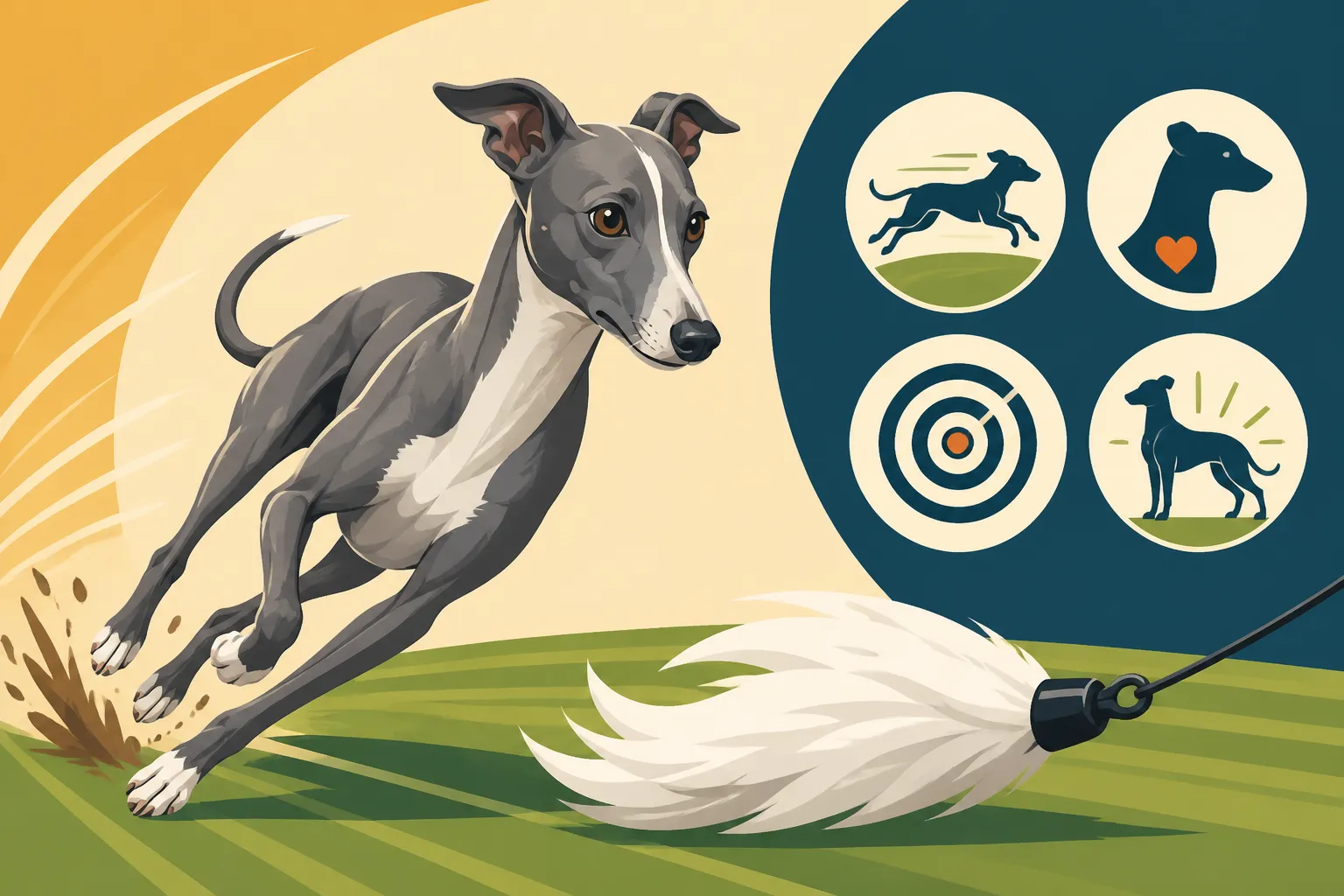
At its heart, lure coursing is a sport designed to simulate the chase of live prey, but with an artificial, safe alternative. Imagine a long, open field where a plastic bag, resembling a rabbit or other small game, is pulled along a predetermined, winding course by a motorized line system. The course typically includes turns, straightaways, and sometimes even inclines, mimicking the unpredictable path of actual prey. Dogs, usually sighthounds, are released and follow the "lure," relying on their keen eyesight and explosive speed to pursue it.
This sport was developed specifically for sighthound breeds – dogs bred for centuries to hunt by sight, rather than scent. It provides a controlled, safe environment for them to express these powerful, inborn instincts without harm to wildlife or themselves. For an Italian Greyhound, who might otherwise chase a squirrel into traffic, it’s an incredible opportunity to let loose in a secure setting, fulfilling a deep-seated drive that modern domestic life rarely satisfies.
Why Iggys are Naturals at It
Italian Greyhounds, despite their diminutive size compared to their larger sighthound cousins, possess all the hallmarks of a champion courser. Their most striking attribute is their incredibly strong prey drive. If you've ever seen your Iggy lock onto a bird in the distance or become utterly mesmerized by a blowing plastic bag, you know exactly what I mean. They are sight hounds through and through, meaning they are compelled to chase anything that moves quickly. How Strong an Italian Greyhound's Prey Drive Is
Beyond their instinct, their physical build is perfectly adapted for bursts of speed and incredible agility. They are lightweight, finely boned, and possess a powerful, arched topline that allows for maximum propulsion. This combination enables them to reach surprising speeds and execute lightning-fast turns, often outmaneuvering larger, heavier breeds on a course. When they see What an Italian Greyhound Chases, it's like a switch flips, and they become a focused, athletic machine, embracing the pure joy of the chase. Their natural gait, often described as a "high-stepping" trot, morphs into an effortless, ground-covering run once the lure is in motion, a testament to their inherent athletic prowess. The High Stepping Gait That Marks a Correct Italian Greyhound
Physical Demands and Safety Considerations
While Italian Greyhounds are built for speed and agility, the intensity of lure coursing also brings with it significant physical demands and, inevitably, some safety considerations that owners must be acutely aware of.
The Intense Physical Output
Lure coursing is not a casual jog; it's an all-out sprint, often involving multiple sharp turns and sudden accelerations. Your Italian Greyhound will be running as fast as they can, which, for many Iggys, can be quite astounding. How Fast an Italian Greyhound Runs They engage every muscle in their slender bodies, from their powerful hindquarters propelling them forward to their flexible spines allowing for rapid changes in direction. This involves bursts of anaerobic exercise combined with sustained aerobic effort, giving them an incredible cardiovascular workout.
Imagine your Iggy rounding a tight corner at full tilt, kicking up dirt as they pivot, then immediately launching into another sprint down a straightaway. This level of exertion is demanding. It’s not uncommon for an Iggy to be panting heavily and completely spent after a single run. These dogs are built for short, explosive efforts, not necessarily prolonged endurance, so a single, intense course is usually more than enough. Proper hydration and rest between runs, if they do more than one, are absolutely critical.
Understanding Injury Risks
This is where the delicate nature of the Italian Greyhound comes into sharp focus. Their fine bones, particularly in their legs, are notoriously fragile. It’s the constant worry for every Iggy owner, and it's a valid one when considering high-impact sports. Why an Italian Greyhound's Leg Bones Break So Easily Sudden stops, unexpected turns on uneven ground, or a misstep can lead to sprains, strains, or, tragically, fractures. The radius bone in their foreleg is particularly vulnerable. Even if they're running in a beautifully groomed field, a hidden divot or an awkward landing can spell trouble.
It’s crucial to assess the field conditions carefully before allowing your dog to run. Look for any holes, uneven patches, or debris that could cause a misstep. While organizers strive for safe environments, no field is perfectly hazard-free. Moreover, after a thrilling run, some Italian Greyhounds, driven by their intense chase instinct, might still try to put weight on a compromised leg if injured. Why an Italian Greyhound Still Runs on a Broken Leg This is why vigilant observation during and immediately after a run is essential. Early detection of a limp or discomfort is key to preventing further injury.
Conditioning and Preparation
To mitigate injury risks and ensure your Italian Greyhound can fully enjoy and excel at lure coursing, year-round physical conditioning is non-negotiable. This isn't about creating a bodybuilder; it's about building lean muscle, maintaining flexibility, and fostering overall robust health. Regular, controlled exercise, such as leash walks and safe romps in a securely fenced yard, helps maintain muscle tone and cardiovascular fitness. How Much Exercise an Italian Greyhound Needs
Starting an Italian Greyhound in lure coursing too young, before their growth plates have fully closed, is a significant risk. Most vets and breeders recommend waiting until at least 12-18 months of age, when their bones are more mature. The Age an Italian Greyhound's Bones Finish Hardening Even then, gradual introduction is key. Begin with shorter, less demanding courses, and slowly increase intensity as your dog's stamina and confidence grow. Maintaining a healthy weight is also paramount; an overweight Iggy puts undue stress on their joints and bones, while an excessively thin one might lack the protective muscle padding. A balanced diet, appropriate for their activity level, is an important part of this preparation.
Mental Engagement and Training for the Chase
While much of lure coursing taps into an Italian Greyhound's innate instincts, there's still a mental game at play – and a vital role for you, the handler, to ensure a positive and safe experience.
Tapping into Natural Instincts
For Italian Greyhounds, lure coursing is less about "training" in the traditional sense of teaching commands, and more about allowing them to express their natural predatory instincts in a constructive way. They don't need to be taught to chase; they are born with that drive. What an Italian Greyhound Does When It Sees a Rabbit The sight and movement of the lure instantly trigger their hardwired desire to pursue. This engagement is incredibly mentally stimulating for them. Unlike a walk around the block, where they might be distracted by smells or sounds, the lure demands their absolute, undivided attention.
This intense focus is deeply satisfying for an Italian Greyhound. You'll often see them trembling with excitement at the starting line, every fiber of their being poised for the release. Once they're off, their entire world shrinks to that white plastic bag. This mental immersion helps them burn off mental energy just as effectively as physical energy, leading to a calm, contented dog afterward. It's a prime example of enriching their lives by allowing them to be "dog" in the most fundamental way.
Building Confidence and Focus
While the prey drive is inherent, the environment of a lure coursing event can be new and potentially overwhelming for some Italian Greyhounds. There are often many new people, other excited dogs, and unfamiliar sounds. A naturally shy or sensitive Iggy might initially be hesitant. Introducing them gradually is key. Attending a few events as a spectator, letting them soak in the atmosphere from a distance, can help. Many clubs offer "fun runs" or practice days that are less formal and perfect for dogs just starting out.
Positive reinforcement is your best friend here. Associate the event with fun, treats, and praise. Never force your dog to run if they seem reluctant. The goal is to make it an enjoyable, confidence-building experience. Some Iggys might benefit from a handler exciting them with a small, hand-held "teaser" lure just before their turn to get their focus fully locked on the chase. Over time, as they experience the sheer thrill of the run, their confidence will soar, transforming them into eager participants. It’s also important that they have a good foundation of basic obedience, which a program like BAXTER & Bella can help with, ensuring they are well-behaved and manageable in new environments, even if the actual act of coursing is instinctual.
The Role of the Handler
Your role as a handler might seem minimal once the dog is chasing the lure, but it's crucial for their safety and success. First, you are responsible for safely releasing your dog at the start. This usually involves holding them firmly but comfortably, often using a specialized sighthound release collar, until the signal is given. A proper release ensures they get a good, clean start without tangling with the lure line or other dogs if running in a pair.
Equally important is being ready to catch your dog at the end of the course. Italian Greyhounds, especially when they've just finished an exhilarating run, can be so focused on the residual excitement that they might not immediately come to you. Having a secure catch pen or being prepared to quickly and safely intercept them is vital, particularly for a breed Why an Italian Greyhound Cannot Be Trusted Off Leash, Ever due to their high prey drive and tendency to bolt. Understanding the rules of the particular club or organization, such as when and where dogs can be off-leash, helps ensure a smooth experience for everyone.
Practicalities and Equipment for Lure Coursing
Getting started with lure coursing involves a few practical considerations, from the gear you'll need to finding suitable events. Being prepared makes the experience more enjoyable and safer for both you and your Italian Greyhound.
Essential Gear
When heading to a lure coursing event, you'll need more than just your dog! Firstly, a well-fitting, secure collar is paramount. A traditional flat collar can be easily slipped by an Italian Greyhound when excited or pulling back. Therefore, a sighthound-specific martingale collar or a specialized lure coursing harness is highly recommended. These are designed to prevent the dog from backing out, offering security without choking. You can find a wide variety of these specialized collars and harnesses, often available through online retailers like Amazon, that are perfect for the unique physique of an Italian Greyhound. Which Harness Suits an Italian Greyhound's Neck
Beyond the collar, a sturdy leash is essential for safely transporting your Iggy to and from the starting line. Don't forget the creature comforts: plenty of fresh water and a portable bowl are a must, especially on warmer days, as your Iggy will be exerting themselves. A cooling vest can be invaluable in hot weather, helping to regulate their body temperature. Conversely, on cooler days, an Italian Greyhound's thin coat provides little insulation, so a warm coat or blanket for before and after their run is vital to keep them comfortable and prevent shivering. Keeping an Italian Greyhound Warm Is Daily Work, Not a Winter Job A comfortable crate for resting between runs, ideally placed in the shade or with a fan, also provides a safe retreat.
Finding the Right Events
The best way to get involved in lure coursing is to seek out local sighthound clubs or organizations. These clubs, often affiliated with national kennel clubs, regularly host practice days, fun runs, and sanctioned trials. A simple online search for "lure coursing [your state/region]" or contacting your national Italian Greyhound breed club can point you in the right direction. Many clubs are incredibly welcoming to newcomers and will offer guidance and support for first-timers.
It's a good idea to start with "fun runs" or practice events. These are typically less formal than sanctioned trials and focus more on giving dogs a positive introduction to the sport. The pressure is off, and you can concentrate on your Iggy's enjoyment and safety. When researching events, pay attention to the type of lure coursing offered (e.g., AKC Lure Coursing, ASFA Lure Coursing, or independent clubs), as rules and requirements can vary slightly. Always verify the event location and field conditions. A well-maintained, clear field is crucial for minimizing injury risk.
Considerations for Your Iggy's Comfort
Your Italian Greyhound's comfort extends beyond the field itself. Travel to and from events should be as stress-free as possible. A secure car crate or safety harness is not only legally required in many places but also prevents motion sickness and injury in case of sudden stops. Once at the event, ensuring your Iggy has a quiet, comfortable spot to relax between runs is important. They might be tiny, but they need their downtime after such intense activity. How Long an Italian Greyhound Sleeps a Day
After each run, carefully inspect your Italian Greyhound. Check their paw pads for any cuts or abrasions – the ground can be rough, and their pads are not as thick as some other breeds. Cuts, Scrapes and an Italian Greyhound's Paper Thin Skin Look over their legs and body for any signs of limping, tenderness, or discomfort. Offer water immediately. A gentle cool-down walk on a leash can help their muscles recover. Most importantly, remember that this should be a fun and enriching experience for your Italian Greyhound. If they're not enjoying it, or if you have concerns about their safety, it's perfectly fine to explore other activities.
| Aspect | Italian Greyhound's Natural Trait | Lure Coursing Demand |
|---|---|---|
| Prey Drive | Very high, visually stimulated | Intense, sustained focus on artificial lure |
| Speed | Exceptionally fast, explosive sprints | Sudden bursts, quick acceleration, top speed |
| Agility | Nimble, quick turns, flexible body | Rapid pivots, weaving through terrain |
| Stamina | Short bursts, not long-distance endurance | Repeated sprints (often 2 runs), recovery |
| Body Structure | Fine-boned, delicate, lean muscle | Robust conditioning, careful field choice |
| Mental Focus | Can be easily distracted, but hyper-focuses on chase | Narrow, singular focus on the lure |
| Motivation | Pure instinct, joy of the chase | Internal drive, minimal handler commands |
| Injury Risk | Prone to fractures due to bone fragility | Careful conditioning, warm-up/cool-down |
Disclaimer
This article is for general informational purposes only and does not constitute professional advice. Laws, prices and regulations vary by location and change over time. Consult a qualified professional for guidance on your specific situation.