Why Agility Jumps Worry an Italian Greyhound Owner
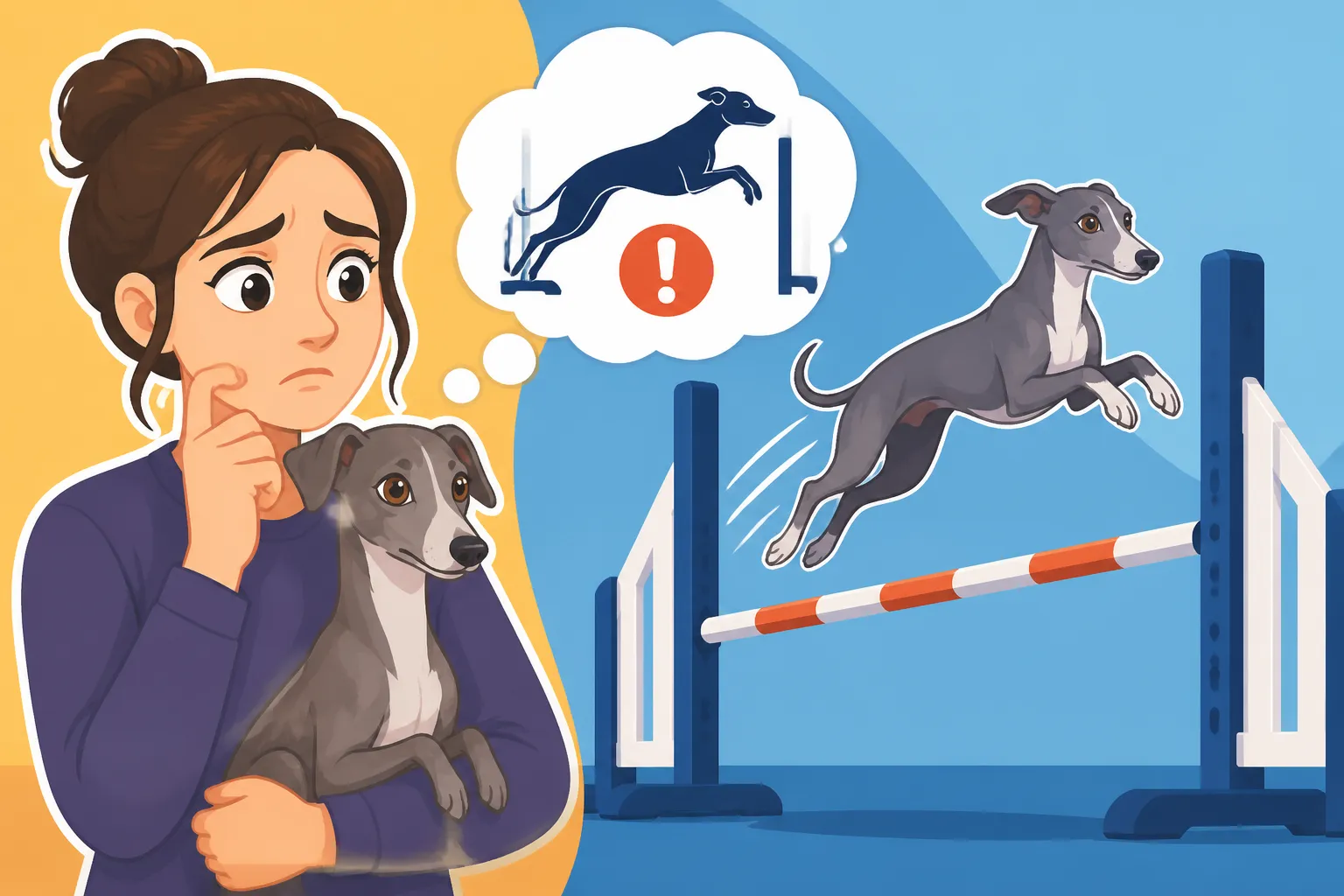
It’s a heart-stopping moment for many Italian Greyhound owners: watching their graceful, athletic companion clear an agility jump, knowing full well the fragility that underpins all that speed and elegance. The thought of a misstep, a bad landing, or a sudden twist can send shivers down your spine, turning what should be a fun activity into a source of intense worry. This guide delves into why agility jumps can be a significant concern for Italian Greyhound owners, exploring the breed's unique physical characteristics, common injury risks, and how to find safer, equally enriching ways to channel your Iggy's boundless energy and intelligence.
The Delicate Reality of Italian Greyhound Bone Structure
Italian Greyhounds are built for speed and elegance, not for high-impact activities. Their slender, refined bone structure is a hallmark of the breed, a legacy of centuries of selective breeding for a delicate, aristocratic companion. While this gives them their distinctive beauty and incredible quickness, it also comes with a significant predisposition to fractures, particularly in their long leg bones.
The Thinness of Their Bones: A Design for Speed, Not Impact
Imagine a finely crafted racing bicycle versus a sturdy mountain bike. Italian Greyhounds are very much the racing bicycle of the canine world. Their bones, especially those in their front legs like the radius and ulna, are remarkably fine and dense, but they lack the bulk and shock absorption that other breeds possess. This makes them incredibly lightweight and agile, allowing for those breathtaking bursts of speed and tight turns that define their sighthound heritage. However, this same skeletal design means they are not built to withstand the torsional forces, sudden impacts, or awkward landings that can occur during activities like agility jumping. The bone acts much like a thin stick – strong in its intended direction of movement, but brittle when twisted or subjected to uneven pressure. This inherent fragility is why a simple misstep can lead to a devastating injury, a reality that often keeps Italian Greyhound owners on edge. If you've ever wondered Why an Italian Greyhound's Radius Is the Bone That Breaks, it's precisely because of this anatomical predisposition.
Growth Plates and Early Risks: When Bones Are Most Vulnerable
Puppies, regardless of breed, have "growth plates" at the ends of their long bones. These are areas of soft, actively growing cartilage that eventually ossify (harden) into bone. For Italian Greyhounds, these growth plates are particularly vulnerable. During their rapid growth phases, typically up to 18 months or even two years of age, these areas are significantly weaker than the mature bone. A fall, a jump, or even rough play that might just result in a bruise for an adult dog of another breed can easily cause a painful growth plate fracture in a young Italian Greyhound. This is a critical period where owners must exercise extreme caution. Activities involving jumping, twisting, or high impact should be severely limited, if not entirely avoided, until a veterinarian can confirm that the growth plates have fully closed and ossified. Ignoring this vital developmental stage can lead to not only painful injuries but also potential long-term issues with limb development and function. It's a key reason why The Age an Italian Greyhound Is Most Likely to Break a Leg is often during their exuberant puppy and adolescent stages.
The Specific Hazards of Agility Jumps for Iggies
Agility, with its emphasis on speed, precision, and jumping, presents a unique set of challenges and risks for the Italian Greyhound. While their athleticism might seem perfectly suited for the sport, the inherent dangers often outweigh the benefits for this particular breed.
The Peril of Height: Even Small Jumps Pose a Threat
Many agility courses feature jumps that, even at their lowest settings, are still significant for a dog of the Italian Greyhound's stature. A standard jump bar might be set at 8, 12, or 16 inches for smaller breeds. For an Italian Greyhound that typically stands 13-15 inches at the shoulder, an 8-inch jump is a considerable leap. It's not just about clearing the bar; it's about the entire kinetic chain involved: the push-off, the arc of the jump, and most critically, the landing. The impact forces on their delicate leg bones and joints upon landing are immense, especially if the landing is even slightly off-kilter. A momentary lapse in concentration, a slick spot on the ground, or simply an awkward angle can concentrate all that force onto a fragile bone, leading to a break. Even what seems like a low jump to a human can be a high-stakes maneuver for an Italian Greyhound. Owners often grapple with the understanding of How High an Italian Greyhound Can Safely Land, and the truth is, not very high when it comes to repetitive, controlled jumps in a competition setting.
Landing Dynamics: Why Impact Forces Are So Dangerous
The mechanics of landing after a jump are where Italian Greyhounds face their greatest risk. When a dog lands, the force of their body weight, amplified by gravity and the speed of their descent, is absorbed through their paws, joints, and bones. For a breed like the Italian Greyhound, with their fine bones and minimal body fat to cushion impact, this force can be devastating. A hard or awkward landing can result in:
- Torsional Stress: If the dog's paw lands and then twists even slightly, the forces can cause a spiral fracture in the radius or ulna, often necessitating complex surgery.
- Compression Fractures: A direct, heavy impact can cause the bone to buckle or shatter, particularly if the landing is uneven or one leg takes the brunt of the force.
- Joint Injuries: Beyond the bones, the delicate ligaments and tendons supporting their small joints can also be strained or torn, leading to luxations (dislocations) or chronic pain.
It's not just about the height, but the repeated stress over time. Even if an Italian Greyhound clears a jump perfectly once, repeating this action during training or competition increases the cumulative risk. This is why many owners, especially those who have experienced a previous fracture, are extremely hesitant to allow their Iggies to participate in jumping activities. A Broken Leg Is the Emergency Every Italian Greyhound Owner Fears, and agility jumps are often seen as a direct pathway to that emergency.
Accidental Collisions and Missteps: Unpredictable Risks
Agility courses are dynamic environments. While dogs are trained to navigate obstacles, accidents happen. A dog might misjudge a jump, clip a bar, or brush against the uprights. In a breed with such thin skin and fragile bones, even a minor collision can have serious consequences. For instance, a small bump from the bar as they attempt to clear it could cause them to land off-balance, putting immense stress on their legs.
Furthermore, agility often involves rapid changes in direction and footing. If an Italian Greyhound slips on a mat, catches a toe, or takes an awkward step between obstacles, the quick, uncontrolled movement can be enough to twist and fracture a bone. Their explosive speed, while an asset in many sighthound activities, can also be a detriment when combined with sudden stops or unpredictable footing. These aren't necessarily failures of training but rather inherent risks in a sport that demands so much from their delicate physiques. Any owner of this breed understands that How an Italian Greyhound Usually Breaks Its Leg often involves sudden, unexpected movements.
The Italian Greyhound's Enthusiastic but Risky Approach to Activities
Italian Greyhounds are often full of zest and incredibly eager to please their human companions. This enthusiasm, while endearing, can sometimes overshadow their natural self-preservation instincts, particularly in stimulating environments.
High Drive, Low Self-Preservation: When Instinct Overrides Caution
Italian Greyhounds possess a strong prey drive and an incredible zest for life. When they are focused on a task, whether it's chasing a lure or navigating an agility course, they tend to throw themselves into it with boundless energy. This high drive means they will often push past their physical limits without hesitation. They aren't thinking about the fragility of their bones or the potential for injury; they're driven by the excitement of the moment, the reward, and the sheer joy of running and performing.
This can be a double-edged sword for owners. While it makes them eager students in many training scenarios, it also means they might ignore subtle signs of fatigue or discomfort, or take risks that a more self-preserving breed might avoid. A trainer might cue a jump, and the Italian Greyhound, fueled by adrenaline and the desire to succeed, will launch themselves without fully assessing the landing. This lack of inherent caution, combined with their physical vulnerability, is a major source of anxiety for owners hoping to protect their beloved Iggies from harm. It's a key factor in Why an Italian Greyhound Still Runs on a Broken Leg – their high pain tolerance and drive can mask severe injury.
Ignoring Pain: A Trait That Can Mask Injury
One of the most concerning traits of many sighthounds, including Italian Greyhounds, is their remarkable ability to mask pain. They are often stoic, and sometimes an injury that would cause another dog to cry out or become obviously lame might only manifest as a slight limp or a refusal to put full weight down, or even just a change in mood. This stoicism can make it incredibly difficult for owners to immediately recognize the severity of an injury, especially during an exciting activity like agility.
Imagine an Iggy running an agility course, taking a jump, and landing awkwardly. In the heat of the moment, they might continue for another obstacle or two before a subtle change in gait or a sudden reluctance to continue alerts their handler. By then, significant damage could have been done. This delayed recognition can prolong the time to veterinary care, potentially worsening the prognosis for a bone fracture. It adds another layer of stress for owners, who constantly feel the need to meticulously monitor their dog for any deviation from normal behavior after any strenuous activity. Knowing How an Italian Greyhound Hides Pain is crucial for all owners.
The Trainer's Dilemma: Balancing Fun with Safety
For trainers and owners alike, navigating the world of Italian Greyhound activities presents a constant dilemma: how do you provide enrichment and mental stimulation without putting their physical health at undue risk? These dogs are intelligent and thrive on having a "job" to do. They love to learn, they love to run, and they adore spending time actively engaging with their people. Agility can be incredibly fun and rewarding for dogs that are physically suited to it.
The challenge lies in adapting traditional agility to suit the Italian Greyhound's unique needs. This often means making difficult choices, such as opting out of activities with high jumps, or only training with extremely low, non-impact obstacles. It requires a trainer who understands sighthound physiology and temperament, and who prioritizes safety over competition. Many owners find themselves looking for alternative ways to engage their Iggies, knowing that a broken leg is a devastating and expensive proposition. What Fracture Repair Costs on an Italian Greyhound can be a significant financial burden, let alone the emotional toll.
Safer Paths to Fun: Alternative Activities for Your Italian Greyhound
While traditional agility with high jumps might be too risky, there are plenty of wonderful activities that Italian Greyhounds excel at and genuinely enjoy, offering both physical and mental stimulation without the associated fracture risks. The goal is to channel their natural instincts and intelligence in safe, appropriate ways.
Ground-Based Agility and Cavaletti Work
You don't need towering jumps to enjoy agility with an Italian Greyhound. Many elements of agility can be adapted to be completely ground-based or involve very low obstacles. Think tunnels, weave poles, and pause tables, all without any significant jumping. These activities still require focus, body awareness, and coordination, providing excellent mental and physical exercise.
Cavaletti work is another fantastic option. Cavaletti are small poles laid on the ground or raised just a few inches. Dogs learn to step over them in a rhythm, improving their stride, balance, and proprioception (awareness of their body in space). This can be done at a walk, trot, or canter, and the height can be adjusted to be just enough to encourage a lift of the paws without any actual jumping impact. It strengthens core muscles, improves gait, and builds confidence without putting undue stress on their delicate bones. You can easily find affordable cavaletti sets or even PVC pipes and cones on sites like Amazon to create your own home course, making it accessible for daily practice.
Lure Coursing: Channeling Their Natural Instincts Safely
If there's one activity Italian Greyhounds were truly born for, it's lure coursing. This sport simulates a rabbit chase in a controlled, safe environment. A plastic lure is pulled across a field by a mechanical system, mimicking the unpredictable movements of prey. Iggies get to use their incredible speed, agility, and keen sight to pursue the lure, engaging their deeply ingrained sighthound instincts.
The beauty of lure coursing is that it's designed to be natural for them. They run on open, soft ground, allowing for full-speed sprints and tight turns without the impact of jumps or hard surfaces. While there's always a minimal risk with any high-speed activity, it's inherently much safer for their bone structure than jumping. It provides an unparalleled outlet for their energy, fulfills their genetic programming, and is an absolute joy to watch. Many Italian Greyhounds adore it and come off the field completely content. For more on this exhilarating sport, consider reading Lure Coursing and Racing With an Italian Greyhound.
Brain Games and Obedience: Mental Exercise Without the Impact
Beyond physical activities, Italian Greyhounds thrive on mental stimulation. They are surprisingly intelligent and enjoy learning new things. Engaging their minds can be just as tiring and fulfilling as physical exercise, and it comes with virtually no risk of physical injury.
- Trick Training: Iggies can learn an impressive array of tricks, from simple "shake a paw" to more complex routines. This builds a strong bond and keeps their minds sharp.
- Scent Work: Hide-and-seek with treats or toys, or more formalized scent work classes, tap into their natural sniffing abilities and provide a quiet, engaging challenge.
- Advanced Obedience: While often perceived as stubborn, Italian Greyhounds can excel in obedience with positive reinforcement and patience. Learning precise commands, heel work, and stays builds focus and discipline. A program like BAXTER & Bella, an online puppy school, can provide structured training modules that emphasize positive reinforcement and foundational obedience, which can be easily adapted to your Iggy's needs and build a solid basis for any activity. They offer a comprehensive approach that can help owners understand how to motivate and communicate effectively with their Iggies without resorting to methods that might stress such a sensitive breed.
- Puzzle Toys: Investing in a variety of puzzle toys that dispense treats when manipulated can keep an Italian Greyhound entertained and mentally stimulated, especially on days when outdoor exercise is limited. These are readily available from online retailers such as Amazon and come in various difficulty levels.
By focusing on these types of activities, Italian Greyhound owners can provide a rich, fulfilling life for their companions, ensuring they are happy, healthy, and safe from the worry of fracture-inducing activities. Remember, Restricting an Italian Greyhound Under Two is vital for their development, making these safer alternatives even more important in their early years.
Comparing Safe and Risky Activities for Italian Greyhounds
Here’s a quick overview of common activities and their typical risk levels for an Italian Greyhound, focusing on bone and joint safety.
| Activity Category | Examples | Typical Risk Level (Fracture/Joint Injury) | Notes |
|---|---|---|---|
| High Risk | Traditional agility jumps (even low) | High | Repetitive high-impact landings, potential for missteps or collisions. |
| Rough play with large, heavy dogs | High | Risk of being stepped on, fallen on, or body-slammed by dogs unaware of Iggy's fragility. | |
| Uncontrolled jumping from furniture | High | Sudden, often uncontrolled impact on hard surfaces, especially for puppies. | |
| Moderate Risk | Off-leash running in unpredictable areas | Moderate to High | Risk of sudden stops, twisting, collisions with unseen objects, or falls. |
| Dog parks (general admission) | Moderate to High | Unpredictable interactions with unfamiliar dogs of varying sizes and play styles. | |
| Zoomies on slick floors | Moderate | Risk of slipping, sliding into objects, or accidental splits that strain legs. | |
| Low Risk | Lure coursing | Low to Moderate | High speed but on soft, open ground, designed for sighthounds; minimal impact. |
| Cavaletti work (low heights) | Low | Controlled movement, improves body awareness and strength with minimal impact. | |
| Ground-based agility (tunnels, weaves) | Low | Mental and physical challenge without jumps; focus on body control. | |
| Long-line walks/runs | Low | Allows for bursts of speed and exploration in a controlled manner. | |
| Trick training/Obedience | Very Low | Primarily mental and low-impact physical activity; builds bond and focus. | |
| Puzzle toys/Scent work | Very Low | Excellent mental stimulation with virtually no physical risk. |
This table is a general guide. Every Italian Greyhound is an individual, and any activity should always be approached with caution, common sense, and an understanding of your dog's specific health and temperament. The overarching goal is to prioritize safety, making sure that your Iggy's pursuit of fun doesn't inadvertently lead to an emergency vet visit and a long, difficult recovery process. How Long an Italian Greyhound Stays Crated After Surgery can be a difficult reality for both owner and dog.
Ultimately, loving an Italian Greyhound means embracing their unique needs and vulnerabilities. While the idea of them soaring over agility jumps might be appealing, the reality of their delicate build often dictates a different, safer path to canine sports and fun. By choosing activities that respect their physiology, you ensure many happy, healthy years together.
Disclaimer
This article is for general informational purposes only and does not constitute professional advice. Laws, prices and regulations vary by location and change over time. Consult a qualified professional for guidance on your specific situation.