How Much an Italian Greyhound Cares About Food
Many Italian Greyhound owners find themselves scratching their heads at mealtime, wondering if their dainty little dog even likes food, while others are battling a tiny thief who thinks every counter holds a potential snack. It's a spectrum, and the truth is, an Italian Greyhound's relationship with food isn't always straightforward. This guide will dive deep into the fascinating and often frustrating world of Italian Greyhounds and their appetites, helping you understand their unique culinary quirks and how much food truly matters to them.
The Finicky Eater: Why Your Italian Greyhound Might Seem Indifferent to Food
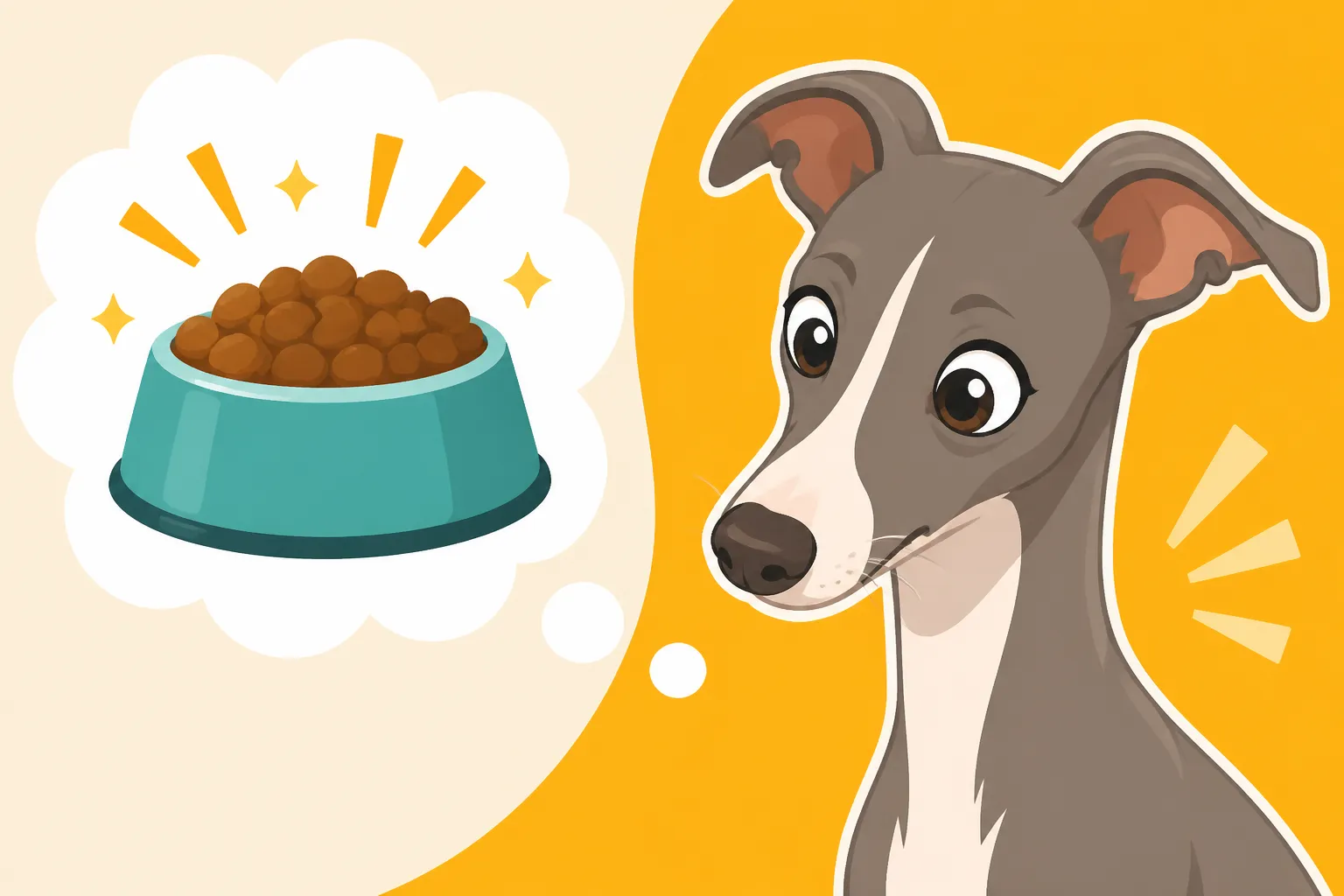
It's a common lament among Italian Greyhound guardians: "My dog just isn't food motivated!" You might lay down a bowl of what you believe is top-tier kibble, only for your precious Iggy to sniff it disdainfully, take a single tentative bite, and then wander off to sunbathe or find a cozy blanket to burrow under. This isn't just you imagining things; many Italian Greyhounds genuinely aren't driven by the sheer gluttony you see in some other breeds. It can be incredibly frustrating, especially when you're trying to ensure they get all the nutrients they need, or when you’re hoping to use treats for training. You might find yourself experimenting with different brands, flavors, and even textures, wondering if you'll ever find that magic food that excites them.
One significant reason behind this apparent indifference is simply their delicate physical build and metabolism. Italian Greyhounds are small, elegant sighthounds with very little body fat, as discussed in Why an Italian Greyhound Carries Almost No Body Fat. Their lean muscle mass means they often don't require the vast quantities of food that chunkier or more high-energy breeds do. A few mouthfuls might genuinely be enough to satisfy their immediate hunger, leading them to walk away from a full bowl. It's not necessarily that they don't like the food; it's that their caloric needs are met more quickly, or they simply aren't as constantly preoccupied with their next meal as some of their canine counterparts. They're built for speed and grace, not for extended grazing.
Environmental factors can also play a huge role in an Italian Greyhound's appetite. These are sensitive, intelligent dogs who thrive on routine and comfort. A change in their environment, a new family member, a different feeding schedule, or even a sudden loud noise can throw them off their game and diminish their desire to eat. Stress can suppress appetite in humans, and it's no different for our furry friends. If your Italian Greyhound suddenly goes off their food, consider if anything in their daily life has shifted that might be causing them anxiety or discomfort. Even something as simple as a new bowl or being fed in a different spot can sometimes be enough to make them wary.
It's crucial to distinguish between a genuinely finicky eater and an Italian Greyhound who might be experiencing a health issue. While a day or two of less enthusiastic eating might be normal for some Iggies, prolonged refusal of food, lethargy, vomiting, or diarrhea warrants a trip to the veterinarian. Why an Italian Greyhound Refuses Its Dinner often delves into this more deeply. Sometimes, a subtle discomfort, like early dental disease (a common issue in the breed), can make eating painful, leading them to turn away from their food. Always monitor their overall demeanor; a picky eater will still be playful and energetic, while a sick dog will show other signs of illness.
The Opportunistic Scavenger: When Food Becomes an Irresistible Lure
Here's where the Italian Greyhound's relationship with food gets interesting, and sometimes, incredibly contradictory. The same dog who turned up their nose at a perfectly good bowl of kibble might suddenly transform into a tiny ninja, stealthily attempting to steal a rogue crumb from the kitchen floor or launching themselves onto a counter that you swore was too high. This isn't hypocrisy; it's often a blend of their natural sighthound instincts, their keen intelligence, and the irresistible allure of "forbidden" or "high-value" foods. To them, the food you're eating or the forgotten treat on the coffee table holds a mysterious, elevated status that their everyday dinner just can't compete with.
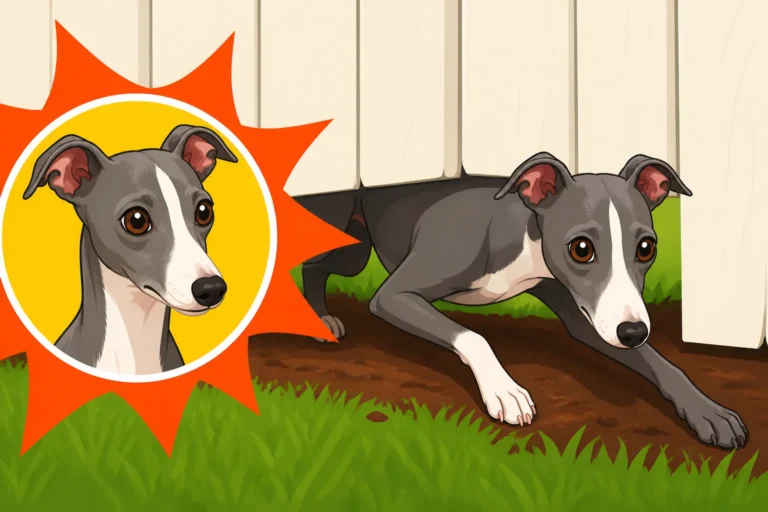
Counter-surfing, or even table-surfing, is a surprisingly common behavior in Iggies, despite their small size. They are natural climbers and jumpers, often underestimated in their acrobatic abilities, as highlighted in An Italian Greyhound Climbs Higher Than You Expect. That half-eaten sandwich you left on the counter, or the plate of cookies cooling innocently, can become an irresistible challenge. The scent alone is often enough to trigger their finely tuned sense of smell, overriding their usual picky tendencies. This is less about hunger for any food and more about the excitement and reward of acquiring something novel and highly desirable. It’s the thrill of the chase, even if the chase is just a vertical leap.
The difference in value between their regular meal and human-grade snacks is immense in their eyes. Your Italian Greyhound might treat their kibble with polite disinterest, but offer them a tiny piece of cooked chicken, a bit of cheese, or even a forgotten potato chip, and their eyes light up. These are the "jackpot" items, and they'll suddenly exhibit an impressive level of food motivation. This is why many owners struggle with How an Italian Greyhound Steals Food – because what they're trying to snatch is always far more exciting than what's in their bowl. They learn quickly what's considered a delicacy in your household, and they'll remember where and when these treats are likely to appear.
However, this opportunistic scavenging isn't without its risks. Italian Greyhounds have sensitive stomachs and delicate digestive systems. Many human foods, even seemingly innocuous ones, can cause upset, and some, like chocolate, grapes, or xylitol, are highly toxic. It's a constant battle to keep hazardous items out of reach, especially when their small size allows them to squeeze into tight spaces or leap onto unexpected surfaces. Owners must always be vigilant to prevent accidental ingestion, because in these moments, your Italian Greyhound cares very much about getting their paws on whatever they shouldn't have, sometimes to their own detriment.
Food as a Training Tool: Harnessing Appetite for Learning
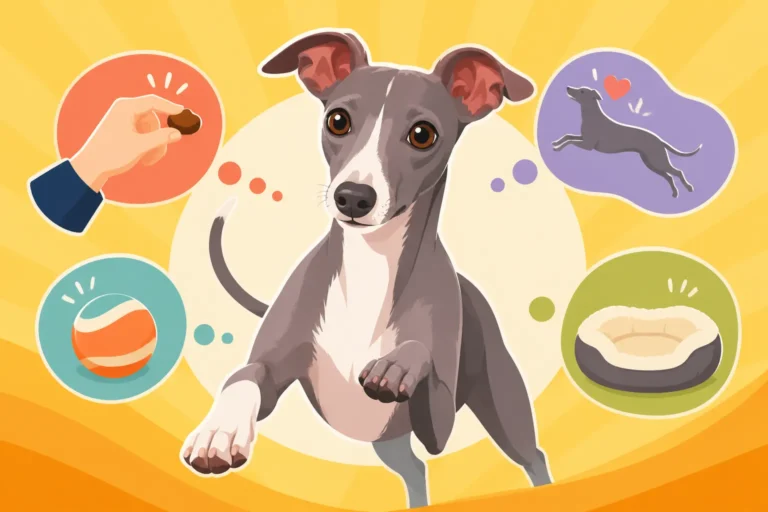
Even if your Italian Greyhound isn't a voracious eater, food can still be an incredibly powerful tool for training, as long as you understand how to leverage their unique preferences. The key isn't necessarily a massive quantity of food, but the quality and presentation of the food rewards. For the picky Iggy, finding that "jackpot" treat – the one thing they can't resist – is absolutely essential. This might be tiny pieces of cooked lean meat, cheese, or even a soft, smelly training treat. Experimentation is your friend here; you might try various options from retailers like Amazon, which offers a wide selection of different treat types, from crunchy biscuits to soft, high-value jerkies.
Once you identify what truly motivates your Italian Greyhound, even if it's just a few specific items, you can use these sparingly and strategically during training sessions. Positive reinforcement works wonders with Italian Greyhounds, who tend to shut down under harsh correction, as noted in What a Raised Voice Does to an Italian Greyhound. Pairing a desired behavior with an immediate, delicious reward helps them make the connection quickly and builds a positive association with learning. Instead of offering a whole cookie, break treats into pea-sized pieces to prevent overfeeding and to make the reward last longer across multiple repetitions. The goal is to make them think, "Wow, that was amazing! How can I get another one?" rather than just filling their belly.
For those Iggies who are genuinely less interested in food, you might need to increase the value of the reward even further. This could mean using freshly cooked chicken or steak as a reward for particularly challenging tasks, or saving those special treats only for training. The scarcity and high desirability elevate its worth in your dog's mind. Some online training programs, like those offered by BAXTER & Bella, emphasize positive reinforcement methods and can provide excellent guidance on using food rewards effectively to build engagement and motivation, even with less enthusiastic eaters. The focus is on making the training a game, where the food is the exciting prize for a job well done.
It's also helpful to think about the timing of your training sessions. A slightly hungry dog is often more motivated by food than a dog who just finished a meal. Consider scheduling short training bursts before their regular feeding time or when you know they haven't eaten in a few hours. This subtle hunger can make even their standard kibble seem more appealing as a reward if you're using it for simple commands. Remember, the goal isn't to starve them into submission, but to use their natural energy cycles and preferences to make learning a positive and successful experience for both of you.
Beyond Hunger: Food's Role in Italian Greyhound Well-being
While the daily struggle with a picky eater or a counter-surfing bandit can be all-consuming, it's important to remember that food's role in an Italian Greyhound's life extends far beyond mere appetite. Proper nutrition is the bedrock of their overall health, impacting everything from their energy levels and coat condition to the strength of their delicate bones. Feeding them a high-quality, balanced diet suitable for small breeds is paramount. This might involve choosing a premium kibble, or supplementing with vet-approved fresh foods, depending on your dog's individual needs and your vet's recommendations. As discussed in Whether an Italian Greyhound Needs Small Breed Kibble, the right food can make a significant difference in their long-term health.
Maintaining a healthy weight is another critical aspect, especially for Italian Greyhounds. Their slender build means that even a few extra pounds can put undue stress on their joints and bones, increasing the risk of injury. Conversely, an underweight Iggy might not have the energy reserves they need or could be a sign of underlying health issues. When an Italian Greyhound Is Too Thin covers this in detail, emphasizing the visual cues to look for. Regular check-ups with your vet can help you monitor their weight and body condition score, ensuring they're in their ideal range. It’s a fine balance, often requiring careful measurement of food portions, as covered in How Many Cups a Day an Adult Italian Greyhound Eats.
| Italian Greyhound Body Condition | Appearance | Palpation (Ribs & Spine) | Implications |
|---|---|---|---|
| Emaciated | Ribs, spine, hip bones, pelvic bones visible from a distance. No body fat. | Ribs, spine, etc., easily felt with no fat layer. | Severe malnutrition, illness; urgent vet attention. |
| Underweight | Ribs, spine, hip bones easily visible. Minimal fat. | Ribs easily felt, slight fat covering; obvious waist. | May need increased food intake; vet check to rule out issues. |
| Ideal | Ribs easily felt with minimal fat. Waist obvious, abdominal tuck evident. | Ribs felt without excess fat; spine and hips easily discerned. | Optimal health and energy; maintain current diet/exercise. |
| Overweight | Ribs difficult to feel under fat layer. Waist diminished or absent. | Ribs felt with difficulty; spine/hips less prominent. | Increased risk of joint issues; gradual diet adjustment. |
| Obese | Ribs, spine, hip bones very difficult to feel. No waist or abdominal tuck. | Thick fat layer obscures ribs, spine, hips. Heavy fat deposits. | Significant health risks; requires strict vet-supervised weight loss. |
The frequency of meals also matters. Many Italian Greyhounds do well on two smaller meals a day, which can aid digestion and prevent them from feeling overwhelmed by a large portion. This also helps manage their blood sugar levels, contributing to more stable energy throughout the day. For younger puppies, more frequent, very small meals are typically recommended as they grow rapidly. As they age, their dietary needs may shift, sometimes requiring different formulations or supplements, especially if they are experiencing Kidney Disease in an Old Italian Greyhound or developing heart issues.
Finally, the routine of feeding itself provides comfort and structure for an Italian Greyhound. Even if they're not diving into their bowl with wild abandon, the act of you preparing and presenting their food at regular times reinforces their sense of security and belonging. This predictability is calming for these sensitive dogs. It's a daily ritual that says, "You are cared for, and this is your safe space." Whether they're a discerning gourmet or an enthusiastic gobbler, food is undeniably woven into the fabric of an Italian Greyhound's life, demanding our attention, understanding, and often, a little bit of creative problem-solving.
Disclaimer
This article is for general informational purposes only and does not constitute professional advice. Laws, prices and regulations vary by location and change over time. Consult a qualified professional for guidance on your specific situation.