Cuts, Scrapes and an Italian Greyhound’s Paper Thin Skin
If you're an Italian Greyhound owner, you know the heart-stopping moment: you glance at your beloved little noodle, and there it is – a gash, a tear, a raw scrape on their impossibly delicate skin. It's a common, incredibly frustrating reality that comes with loving these fragile, zoomy creatures. This guide is here to walk you through understanding why Italian Greyhounds are so prone to skin injuries, how to handle them when they happen, and most importantly, how to minimize the chances of these distressing events in the first place.
The Delicate Truth: Why Italian Greyhounds Have Such Fragile Skin
It’s not just your imagination; your Italian Greyhound really does have skin like tissue paper. This isn't a design flaw, but rather a characteristic deeply rooted in their breed history and physical makeup. Many new owners are completely unprepared for just how susceptible their Iggys are to bumps, scrapes, and tears. You’re not alone in feeling like you're constantly on high alert!
The Genetic Makeup Behind Their Thin Coats and Skin
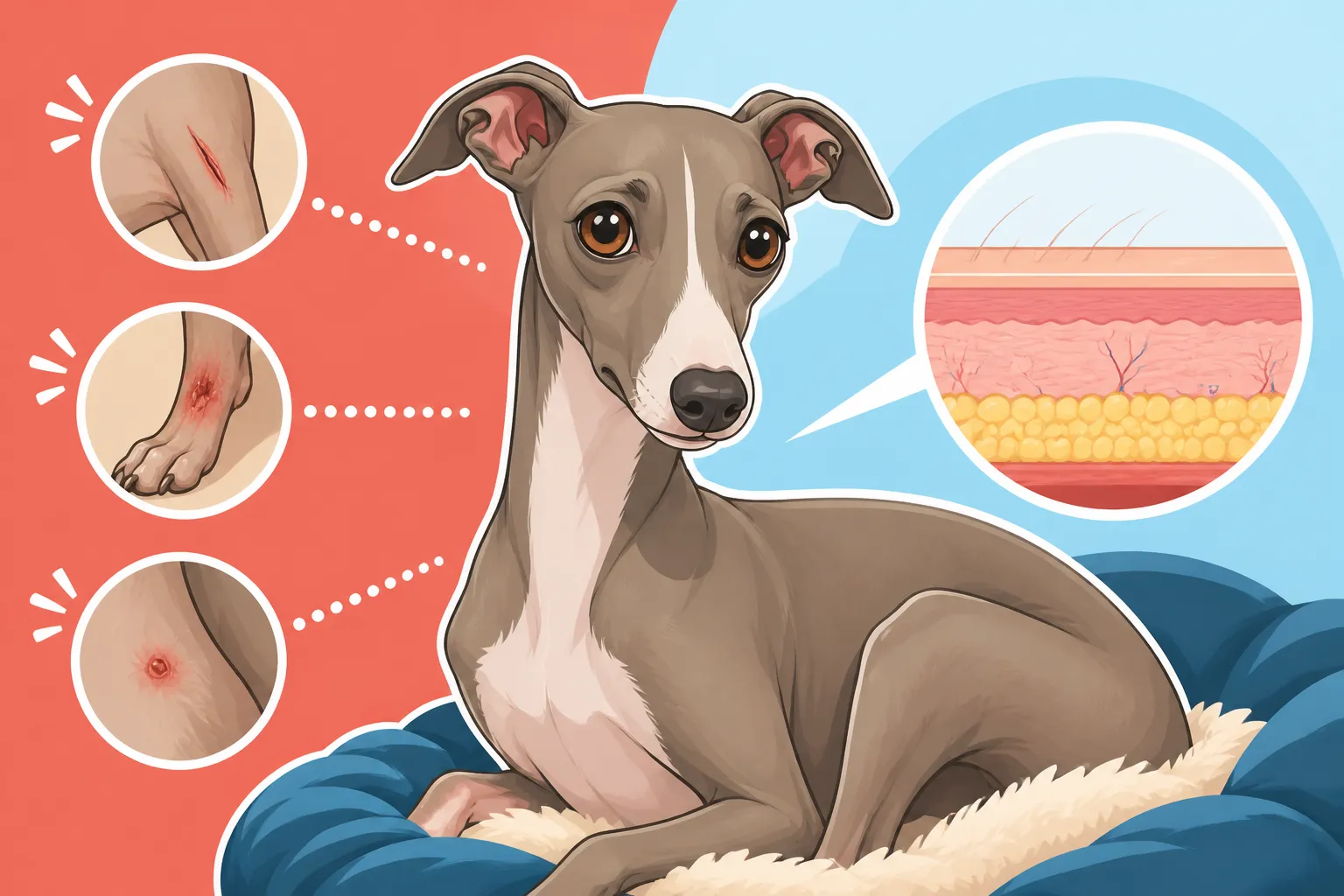
Italian Greyhounds are sighthounds, bred for speed and agility. Their streamlined bodies are designed for minimal resistance, which means a short, fine coat and skin that's thin and close-fitting, without the cushioning layers many other breeds possess. It's a hallmark of the breed, giving them that elegant, sleek appearance, but it comes at a cost. Their skin simply lacks the robust epidermal and dermal layers found in breeds with thicker coats or more substantial subcutaneous fat.
This genetic predisposition means that even minor abrasions or impacts that a more heavily coated or dense-skinned dog might shrug off can result in a significant injury for an Italian Greyhound. You might feel like you're doing everything right, providing a safe home, yet still find your Ig with a new mystery wound. It's truly a testament to their inherent fragility, not a reflection of your care.
Think of it like a fine silk shirt versus a denim jacket; one is designed for delicate elegance, the other for rugged durability. Your Iggy is definitely the silk shirt of the canine world, requiring a more mindful approach to their daily life. Understanding this foundational truth can help manage expectations and encourage proactive measures.
How Their Minimal Body Fat Contributes to Vulnerability
Beyond their thin skin, Italian Greyhounds also carry very little body fat. This isn't just about their sleek appearance; it means there's almost no natural padding to protect their skin and underlying tissues from impact. Where another dog might have a layer of fat and muscle to absorb a knock against a furniture corner, an Italian Greyhound's skin is often directly over bone or muscle. Why an Italian Greyhound Carries Almost No Body Fat explains this in more detail.
This lack of cushioning exacerbates the issue of thin skin. A superficial scrape on a fatty breed might just be a red mark. On an Italian Greyhound, that same scrape can easily turn into a deep cut or a torn flap of skin, simply because there's no buffer. Their prominent bones, especially on their legs, hips, and elbows, are particularly vulnerable.
It’s why you often see Italian Greyhounds burrowing under blankets or seeking soft places to lie down. It's not just about warmth; it's about comfort and protection from the hard surfaces of the world. As an owner, you become acutely aware of every sharp edge or potential snag in your home.
Common Areas Where Skin Injuries Occur
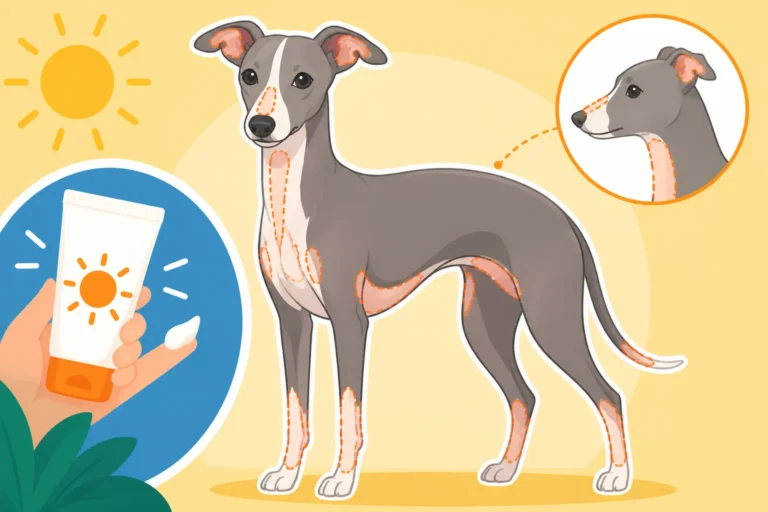
Given their physique and energetic nature, certain areas of an Italian Greyhound's body are practically magnets for skin injuries. Their legs, particularly the forelegs, are incredibly common sites. A sudden stop, a misstep, or a collision with a table leg can cause a tear. The thin skin over the radius and ulna bones is especially vulnerable.
Their flanks and chest are also prone to scrapes from brushing against rough surfaces, or even from playing a little too vigorously with another dog. The delicate skin around their ears and muzzle can tear from snagging on something or even from rough play. Any area where skin stretches tightly over bone is a high-risk zone.
Think about how they launch themselves off furniture, or how they might misjudge a jump. The momentum combined with their slender frame and lack of padding creates a perfect storm for injury. Even an excited greeting that involves another dog's claw can result in a trip to the vet. It's a constant vigilance game for us Iggy parents.
From Minor Scrapes to Deep Tears: Assessing the Damage
When you find a skin injury on your Italian Greyhound, it's easy to panic. The sight of blood, especially on their pale skin, can be alarming. The key is to take a breath, assess the situation calmly, and determine whether it's something you can handle with basic first aid or if it warrants an immediate trip to the veterinarian.
Recognizing the Difference Between a Scratch and a Serious Laceration
A minor scratch or scrape might look worse than it is, especially if there’s a bit of blood, but it typically only affects the uppermost layers of the skin. You might see a red mark, perhaps some superficial oozing, but no gaping wound or visible deeper tissue. These can often be cleaned and managed at home.
A laceration, on the other hand, is a deeper cut or tear that goes through multiple layers of skin, and sometimes even into muscle or fat. You’ll likely see the skin pulled apart, revealing underlying tissue, and there might be significant bleeding. A skin "flap" where a piece of skin is partially detached is also a serious laceration. If you can see anything beyond the skin itself – white tissue, yellow fat, or bone – it's definitely a serious injury.
It's tempting to think, "It's just a little cut," but with an Italian Greyhound, what looks small can often be quite deep. Always err on the side of caution. If there's any doubt about the depth or severity, it's best to consult your vet.
Why an Italian Greyhound's Skin Splits Instead of Bruising
One of the most perplexing and frustrating aspects of Italian Greyhound skin injuries is their tendency to tear or split wide open rather than simply bruising. This is directly related to the elasticity and composition of their skin. Unlike breeds with thicker, more pliable skin that can stretch and absorb impact, an Italian Greyhound's skin is very taut and delicate. Why an Italian Greyhound's Skin Splits Instead of Bruising dives into this phenomenon.
When subjected to trauma, especially a shearing force or a sharp impact, their skin doesn't have the give to stretch or absorb the energy. Instead, it literally rips. This often results in a clean, sharp-edged wound, or a jagged tear that can expose a surprisingly large area of underlying tissue. What might cause a painful but closed bruise on a Labrador will often result in an open wound on an Iggy.
This characteristic splitting means that even seemingly minor impacts can lead to wounds requiring veterinary intervention. It also means that prevention is even more critical, as their skin offers very little resistance to injury. It’s a constant reminder of their fragility and why extra precautions are necessary.
When to Head Straight to the Emergency Vet
Certain skin injuries absolutely demand immediate veterinary attention. If you suspect the wound is deep, if it's bleeding profusely and you can't get it to stop within a few minutes of firm pressure, or if it's a large tear exposing muscle or bone, don't hesitate. Also, if the wound is on a joint (like an elbow or hock), or near a sensitive area like an eye, or if you see dirt or foreign material embedded deeply, a vet visit is crucial.
Any wound that is wide open and gaping, especially if it's longer than half an inch, will likely need sutures or other medical closure to heal properly and prevent infection. Waiting too long can make successful wound closure more difficult for the vet, as the edges of the skin can dry out or become contaminated. What an Italian Greyhound's Emergency Vet Visit Costs can be a concern for owners, but prioritizing your dog's health is paramount.
Trust your gut. If you feel uneasy or unsure about the severity of a wound, it’s always better to have a professional examine it. A quick vet visit can save you a lot of heartache (and potentially a larger bill) down the line if an infection or complication sets in. It’s not overreacting; it’s being a responsible Italian Greyhound owner.
The Critical First Steps: Emergency First Aid at Home
Accidents happen, even in the most carefully proofed homes. When your Italian Greyhound gets a cut or scrape, having a plan and a well-stocked first aid kit can make all the difference in managing the immediate aftermath and potentially preventing a minor injury from becoming a major problem.
Cleaning and Protecting Superficial Wounds
For small, superficial scrapes or minor tears that aren't gushing blood and don't appear deep, your first step is gentle cleaning. Use a mild, pet-safe antiseptic solution like diluted chlorhexidine or povidone-iodine (Betadine), or simply warm water with a tiny bit of plain soap. Gently blot the wound clean, removing any visible debris. Avoid harsh rubbing, which can further irritate the delicate skin.
After cleaning, apply a thin layer of antibiotic ointment (like Neosporin, but ensure it's plain, without pain relievers like lidocaine, as these can be toxic if licked) to keep the wound moist and prevent infection. Then, cover the wound with a non-stick sterile pad or gauze, secured with self-adhering bandage wrap. This protects the wound from dirt and licking, which is crucial for Italian Greyhounds. You can find excellent first aid supplies on Chewy or Amazon.
It's vital to keep them from licking or chewing at the wound. An Elizabethan collar (e-collar or "cone of shame") might be necessary even for minor injuries, as their diligent licking can quickly turn a small scrape into an infected mess. Change the dressing daily, or more often if it becomes dirty or wet, and re-clean the wound gently each time.
Stopping Bleeding and Managing Deep Cuts
If you encounter a deeper cut or one that is bleeding more than just a trickle, the immediate priority is to control the bleeding. Apply firm, direct pressure to the wound using a clean cloth or sterile gauze. Hold the pressure steadily for at least 5-10 minutes without peeking, as disturbing the clot formation will prolong the bleeding. Elevating the injured limb if possible can also help reduce blood flow.
Once the bleeding is somewhat controlled, if it's clear the wound is deep and will need stitches, avoid trying to clean it too thoroughly or apply ointments, as this might interfere with the vet's ability to properly assess and close the wound. Instead, apply a clean, dry pressure bandage over the wound and secure it firmly but not so tightly that it cuts off circulation. Head to the vet immediately. What to Keep in a First Aid Kit for an Italian Greyhound is an absolute must-read for all Iggy owners, ensuring you have everything on hand for these emergencies.
Remember, the goal of first aid for deep cuts is damage control and stabilization until professional help can be reached. Don't try to suture it yourself or use superglue unless specifically instructed by an emergency vet over the phone as a last resort. Your quick, calm response can significantly impact the outcome.
Essential Supplies for Your Italian Greyhound First Aid Kit
Every Italian Greyhound owner should have a comprehensive first aid kit readily available. This isn't a luxury; it's a necessity given their fragile nature. You'll want items for cleaning, bandaging, and protecting wounds.
Here's a basic rundown of what should be in your kit:
| Item | Purpose | Notes |
|---|---|---|
| Sterile Gauze Pads | Cleaning, absorbing blood, cushioning | Various sizes are useful. |
| Non-stick Pads | Covering wounds to prevent sticking | Essential for delicate skin. |
| Self-Adhering Wrap | Securing bandages without adhesive to skin | Brands like Vetrap are common; readily available on Chewy or Amazon. |
| Medical Tape | Securing gauze, holding wraps in place | Hypoallergenic options are good for sensitive skin. |
| Antiseptic Solution | Cleaning wounds | Diluted Betadine (povidone-iodine) or chlorhexidine solution. |
| Antibiotic Ointment | Preventing infection | Plain Neosporin (no pain relievers). |
| Blunt-tipped Scissors | Cutting bandages, hair around wound | Safety is key when working near delicate skin. |
| Tweezers | Removing splinters or small debris | Sterilize before use. |
| E-Collar (Cone) | Preventing licking/chewing | Essential for wound healing. |
| Clean Cloths/Towels | Applying pressure, general cleanup | |
| Saline Solution | Rinsing wounds, flushing eyes | Sterile saline, like contact lens solution (without additives). |
| Vet Contact Info | Emergency numbers | Keep on top of the kit. |
Having these items readily accessible means you won't be scrambling in a stressful situation. Regularly check your kit to ensure items aren't expired and you haven't run out of anything crucial.
Navigating Veterinary Treatment for Italian Greyhound Skin Injuries
Even with the best home care, many Italian Greyhound skin injuries will require professional veterinary attention. It’s not a failure on your part, but simply a reality of owning a breed with such delicate skin. Understanding what to expect at the vet, especially regarding wound closure, can help you feel more prepared.
Why Sutures Are Often Tricky with Thin Skin
When your Italian Greyhound has a significant laceration, the immediate thought is "stitches." However, with their paper-thin skin, traditional suturing can be surprisingly challenging for veterinarians. The skin often tears easily when the needle goes through it, and the sutures themselves can pull through the delicate tissue under tension. It's not like stitching up thicker, more robust skin. When an Italian Greyhound's Cut Needs Stitches often surprises owners with its nuances.
This fragility means that a vet might need to take extra precautions, using very fine suture material, placing sutures closer together, or even employing special techniques to distribute tension. Sometimes, the skin is so thin or damaged that it simply won't hold sutures effectively, leading to frustration for both the vet and the owner when stitches inevitably pull out. This is a common experience, and it's not a sign of poor veterinary skill, but rather the unique challenge of the breed.
Because of these difficulties, finding a veterinarian who has experience with sighthounds and their delicate skin is incredibly beneficial. They'll understand these nuances and be better equipped to choose the most effective and durable closure method. Why an Italian Greyhound's Vet Should Know Sighthounds is paramount for this very reason.
Exploring Alternatives to Traditional Stitches
Given the challenges of suturing, veterinarians often explore alternative methods for closing Italian Greyhound wounds. Tissue glue (medical-grade cyanoacrylate) can be very effective for small, clean, superficial lacerations, especially if the edges can be easily approximated. It provides a quick, less invasive seal that holds the skin together as it heals.
Another option might be surgical staples, which can sometimes provide a more robust hold than sutures on delicate skin, as they distribute pressure differently. For larger, more complex wounds, particularly those with significant tissue loss, advanced techniques like skin flaps or even very small, localized skin grafts might be considered. These procedures aim to bring healthy, viable skin to cover the defect.
In some cases, especially if the wound is older or significantly contaminated, the vet might opt for "secondary intention" healing, where the wound is cleaned, debrided, and left open to heal from the inside out. This takes longer and requires meticulous daily care, but it can be the best option for certain types of injuries where direct closure isn't feasible. The choice of method largely depends on the size, depth, location, and cleanliness of the wound.
The Importance of a Sighthound-Experienced Vet
It cannot be stressed enough how vital it is to have a veterinarian who is familiar with sighthound physiology, especially when it comes to Italian Greyhounds. Their unique metabolism, skeletal structure, and particularly their thin skin, demand a specific approach to care. A vet experienced with Iggys will immediately understand the challenges posed by their delicate integument and choose the most appropriate treatment plan.
They’ll know that traditional sutures might not hold, or that anesthesia needs to be handled differently because Why a Nine Pound Italian Greyhound Gets Cold on the Table or Why Anesthesia Is Handled Differently in an Italian Greyhound. They'll be prepared for the likelihood of dehiscence (wound reopening) and have alternative strategies ready. This expertise can prevent unnecessary pain for your dog and save you time, stress, and potentially more money in the long run.
Don't be afraid to ask your vet about their experience with sighthounds. If your current vet isn't familiar, they might be willing to consult with specialists or refer you to one. This specialized knowledge is truly invaluable for the well-being of your Italian Greyhound.
Proactive Measures: Protecting Your Italian Greyhound's Delicate Skin
Prevention is always better than cure, especially when it comes to Italian Greyhounds and their fragile skin. While you can't eliminate all risks, you can significantly reduce the likelihood of injuries by proactively addressing their environment and daily routines.
Modifying Your Home Environment for Safety
Your home, which feels safe to you, can be a minefield for an Italian Greyhound. Start by walking through your living spaces at your Iggy's eye level, looking for potential hazards. Sharp furniture corners are notorious culprits. Consider adding child-proofing corner guards to coffee tables, end tables, and bed frames. Exposed metal legs or rough edges on anything can easily snag and tear skin.
Rugs and non-slip mats are essential on hardwood or tile floors, especially in high-traffic areas or where your Iggy might get zoomies. Slipping and sliding can lead to falls, which in turn can cause scrapes or more serious injuries like fractures. Ramps and Steps for an Italian Greyhound's Furniture are also critical. Installing ramps or steps for sofas and beds can prevent jumping injuries, as many tears happen when they misjudge a landing or scrape themselves on the way down.
Keep clutter off the floor and ensure things like electrical cords are secured. Anything they can trip over or get tangled in is a potential hazard. Remember, their inquisitive nature means they'll explore, so make sure their exploration zones are as safe as possible.
Smart Play, Supervised Interactions, and Safe Gear
While Italian Greyhounds love to run and play, these activities also carry a higher risk of injury. Supervise all play sessions, especially if they're playing with larger dogs. Even a playful nip or an accidental paw swipe from a big dog can result in a significant skin tear for an Iggy. Why an Italian Greyhound Puppy Should Not Wrestle Big Dogs is a crucial piece of advice for young dogs. Ideally, play should be with other small, gentle dogs, or another Italian Greyhound.
When playing fetch, use soft toys that won't cause injury if they collide with their delicate bodies. Avoid hard plastic toys or sticks. Always use a harness, not just a collar, when walking your Italian Greyhound. Their necks are delicate, and a harness distributes pressure more evenly, preventing potential neck injuries and making it harder for them to slip out. Ensure the harness fits snugly to prevent chafing, which can also irritate their thin skin.
Even during simple interactions, be mindful. Children, especially, need to be taught how to gently handle an Italian Greyhound, emphasizing that they are not playthings to be carried roughly. Why Children Should Not Carry an Italian Greyhound highlights this important rule. Consistent supervision and thoughtful play choices go a long way in preventing skin trauma.
The Role of Clothing and Protective Wear
One of the best ways to protect your Italian Greyhound's delicate skin, especially in active or outdoor situations, is with appropriate clothing. This isn't just about keeping them warm (though that's certainly important for a breed with almost no body fat); it's about providing a protective layer against scrapes and tears.
A well-fitting sweater or coat can act as a barrier against sharp branches, rough surfaces, or even the playful nips of other dogs. For walks in wooded areas or places with overgrown vegetation, a lightweight but durable dog coat can prevent countless minor abrasions. What an Italian Greyhound Wears Indoors in Winter talks about indoor clothing, but the same principle of protection applies outdoors.
Consider leg sleeves or wraps if your Italian Greyhound is particularly prone to leg injuries, especially during activities like lure coursing or running in brush. These can offer an extra layer of defense. While it might seem like a lot of gear, the cost and effort of preventing an injury are far less than dealing with the aftermath of a severe skin tear. Brands like Chewy and Amazon offer a wide array of specialized Italian Greyhound clothing and protective gear.
Supporting Healing and Preventing Future Incidents
Once an injury has been treated, the focus shifts to ensuring proper healing and implementing strategies to prevent similar occurrences. This phase requires patience, diligence, and a keen eye for any signs of trouble.
Post-Treatment Care: Keeping Wounds Clean and Covered
After a vet visit, whether it involved stitches, glue, or another method, diligent home care is absolutely crucial for proper healing. You'll likely be sent home with instructions for wound cleaning and bandage changes. Stick to these instructions meticulously. Keeping the wound clean prevents infection, which can significantly delay healing and lead to more serious complications.
Your vet will likely recommend an e-collar, and while it might be annoying for your Italian Greyhound (and you!), it’s non-negotiable. Even a few minutes of licking or chewing can undo days of healing, pull out stitches, or introduce bacteria. Why an Italian Greyhound Needs a Cone After Stitches is a common conversation for Iggy owners. If your dog is really struggling with a traditional cone, discuss softer, more comfortable alternatives with your vet, like an inflatable collar or a soft Elizabethan cone.
Regularly check the wound for any signs of infection: redness, swelling, pus, foul odor, or increased pain. Also, ensure the bandage isn't too tight, which can cut off circulation, or too loose, allowing dirt in. Change bandages as directed, and always wash your hands thoroughly before and after handling the wound.
Nutritional Considerations for Skin Health and Repair
While prevention is key, diet also plays a supporting role in overall skin health and the body's ability to heal efficiently. A high-quality diet provides the necessary nutrients for strong skin, healthy collagen production, and robust immune function, all of which are critical for injury prevention and recovery.
Ensure your Italian Greyhound is eating a balanced diet rich in protein, essential fatty acids (especially Omega-3s), and vitamins (like A, C, and E). Protein is vital for tissue repair, while Omega-3s can reduce inflammation and promote skin barrier function. If your dog's diet isn't providing enough of these, talk to your vet about supplements. Many premium dog food brands, like Ollie, focus on fresh, whole ingredients that naturally support skin health.
Avoid highly processed foods with excessive fillers or artificial ingredients, as these can sometimes contribute to skin sensitivities or reduce overall health. A healthy weight is also important; while Iggys are naturally lean, being underweight can sometimes exacerbate skin fragility, and being overweight adds strain and can affect mobility, indirectly increasing injury risk.
Addressing Chronic Skin Fragility
For some Italian Greyhounds, chronic skin fragility becomes an ongoing issue, leading to recurrent tears and scrapes. If you find yourself frequently at the vet for skin injuries, it's worth discussing this pattern with your veterinarian. They might want to rule out any underlying conditions that could be contributing, such as nutritional deficiencies, certain endocrine disorders, or even specific genetic skin conditions.
Environmental management becomes even more critical for these dogs. Investing in truly comprehensive home proofing, continuous supervision, and perhaps more extensive protective clothing for all activities might be necessary. Consider things like full-body protective suits for outdoor adventures or soft, padded bedding in all their resting spots. Why an Italian Greyhound Needs Orthopedic Foam isn't just for comfort; it protects delicate joints and skin from pressure sores and accidental scrapes.
Living with an Italian Greyhound with chronically fragile skin requires a heightened level of awareness and dedication. It can be emotionally draining, but remember that with consistent care, proactive measures, and veterinary partnership, you can still provide a safe and happy life for your beloved companion.
Disclaimer
This article is for general informational purposes only and does not constitute professional advice. Laws, prices and regulations vary by location and change over time. Consult a qualified professional for guidance on your specific situation.