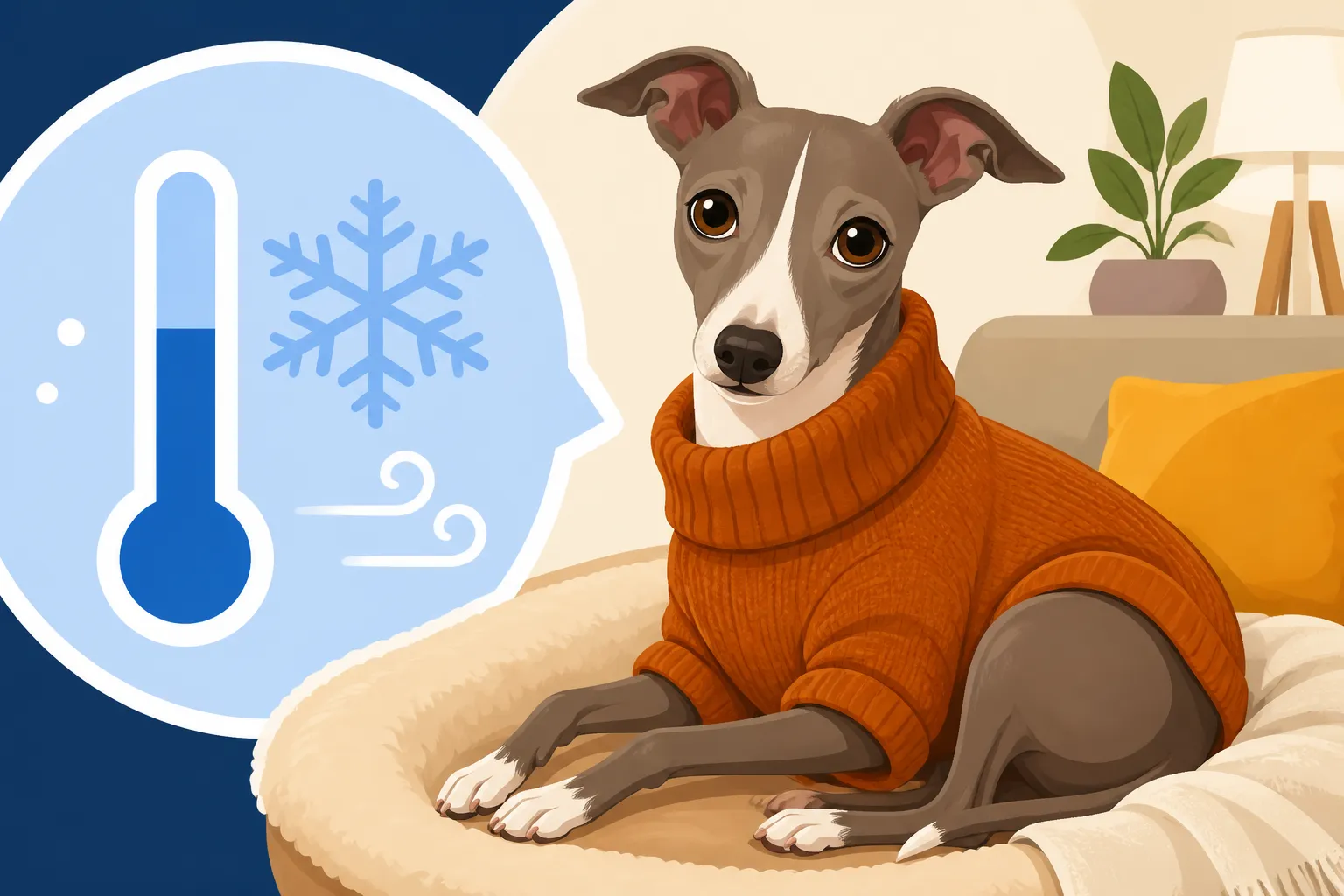
When an Italian Greyhound Needs a Sweater Indoors
It's a common sight for Italian Greyhound owners: you're sitting comfortably in your own home, perhaps even feeling a little warm, and there's your beloved Iggy, curled into the tightest ball imaginable, perhaps even trembling. You might wonder, "Is it really that cold in here?" or "Am I just imagining their need for a sweater indoors?" The truth is, you're not imagining it at all. This guide will walk you through the distinct reasons why Italian Greyhounds are so susceptible to indoor chill, how to recognize the subtle and not-so-subtle signs they're cold, and how to effectively use indoor sweaters and other methods to keep them cozy and content in your home.
Understanding Your Italian Greyhound's Unique Physiology
Italian Greyhounds are truly one of a kind, and their physical attributes play a massive role in their ability to regulate body temperature. What feels perfectly fine to us, or even to a thicker-coated dog, can feel downright frigid to an Iggy. It's not about being dramatic; it's pure biology.
Why Iggies Get Cold So Easily
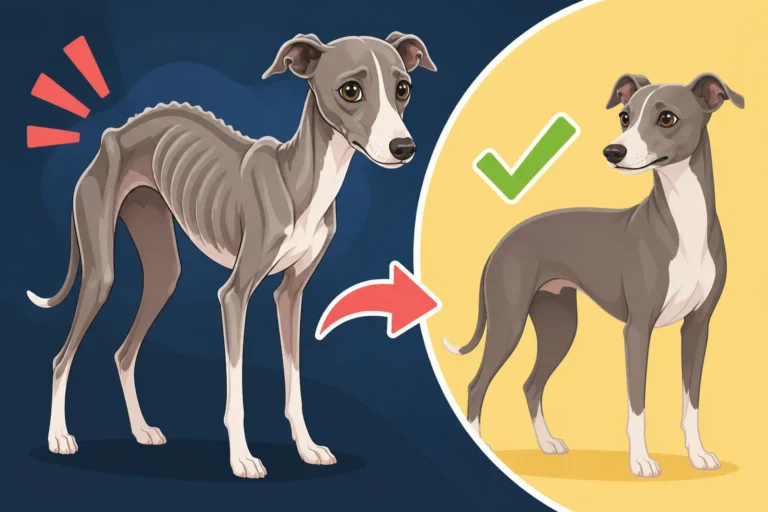
Let's face it, our Iggies are built for speed and agility, not for braving chilly temperatures. They possess a remarkably lean physique, with very little body fat to act as insulation. Unlike many breeds that boast a thick undercoat or even a dense double coat, Italian Greyhounds have exceptionally thin skin, often described as "paper-thin," covered by a short, fine single coat. This combination means there's almost nothing standing between their internal warmth and the outside air. Imagine going outside in just a thin t-shirt on a crisp autumn day – that's often how your Iggy feels inside your home if the temperature isn't just right for them. They simply don't have the natural padding or fur density that other dogs rely on to stay warm. It’s a design for speed and grace, not for retaining heat. For more on this, it's worth understanding Why an Italian Greyhound Cannot Hold Its Own Heat.
The Role of Metabolism and Body Temperature
While Italian Greyhounds do have a high metabolism, which generates some heat, it's often not enough to counteract their lack of insulation, especially when they're at rest. Their normal body temperature is similar to other dogs, but their ability to maintain that temperature without external help is significantly reduced. When an Iggy starts to feel cold, their body's natural response is to shiver. This isn't just a sign they're uncomfortable; it's their muscles rapidly contracting and relaxing in an attempt to generate heat. This process expends energy and can quickly lead to them feeling even more exhausted and vulnerable to the cold. It’s a vicious cycle where their body tries desperately to warm itself, but it's often a losing battle without your intervention.
Natural Instincts vs. Modern Living
Cast your mind back to their origins. While the "Italian" part of their name points to Europe, their ancestors hail from much warmer climates. These sighthounds were not bred to withstand harsh winters or even moderately cool indoor environments like a Siberian Husky or a Newfoundland. Their natural instincts lead them to seek out warmth – burrowing under blankets, snuggling against their humans, or finding the sunniest spot in the room. In a modern home, with air conditioning in summer or heating set to human-comfort levels in winter, these natural mechanisms often aren't enough. They can't just grow a thicker coat, and their short hair provides little buffer against even a slight draft. This fundamental mismatch between their ancient physiology and our modern environment is why indoor sweaters aren't a luxury for Iggies; they're often a necessity for their comfort and well-being.
Recognizing the Signs Your Iggy is Chilly
Sometimes, our Iggies are quite vocal about their discomfort, but often, their communication is more subtle. Learning to read these cues is essential to ensure they stay warm and happy. As a loving owner, you become their first line of defense against the chill.
The Obvious Shivers and Tremors
This is perhaps the most unmistakable sign that your Italian Greyhound is feeling cold. Their lean bodies often begin to tremble or shiver, sometimes quite intensely. It’s important to distinguish this from shivering due to fear, excitement, or anxiety. While an Iggy might shiver a little when they're super excited for a walk or nervous about a new visitor, cold shivering usually comes with other physical cues, like tucking their tail, hunching their back, or seeking warmth. If they're otherwise calm, not stressed, and not anticipating something exciting, and they're shivering, nine times out of ten, they're simply cold. Don't dismiss it; respond to it. Their tiny frames are working hard to generate warmth, and a sweater can provide instant relief. It's often the first indicator that The Indoor Temperature an Italian Greyhound Starts Shivering At has been reached or surpassed.
Body Language Cues
Italian Greyhounds are masters of subtle communication, especially when they're chilly. Beyond the obvious shivers, pay attention to their posture and how they interact with their environment. A cold Iggy might:
- Hunch or Curl Up Tightly: They try to minimize their exposed surface area to conserve heat, pulling their limbs in close.
- Burrow: They'll dive under blankets, pillows, or even clothing left on the sofa, seeking any material that can trap warmth. Why an Italian Greyhound Sleeps Under the Covers isn't just a cute habit; it's often an instinctual search for warmth.
- Seek Contact: They'll press themselves against you, another pet, or even a warm object like a laptop or radiator, absorbing any ambient heat.
- Seek Sunbeams or Vents: If there's a patch of sunlight streaming through a window or a warm air vent, they'll gravitate towards it and often lie perfectly still, soaking up the heat.
- Reluctance to Move: A cold Iggy might seem sluggish or less inclined to play or move around, preferring to stay in a warm, still spot.
These are all clear indicators that their internal thermostat is calling for help.
Behavioral Changes and Reluctance
Beyond physical cues, prolonged chill can manifest in behavioral changes. An Italian Greyhound who is consistently cold indoors might become:
- Less Playful: Their usual bursts of zoomies or toy interaction may diminish. Conserving energy to stay warm takes precedence over play.
- Withdrawn: They might retreat to a quiet, warm corner, avoiding interaction.
- Reluctant to Leave Warm Spots: Getting them off your lap, out from under a blanket, or away from a sunbeam might be met with a stubborn refusal.
- "Pee Accidents" (sometimes): While not universal, some Iggies, especially if housetraining is still a work in progress, might be so reluctant to venture to a cooler part of the house (or outside) for a potty break that they have an accident indoors. This isn't naughtiness; it's a desperate attempt to stay warm.
- Restless Sleep: While they love to burrow and sleep, if they can't get truly warm, their sleep might be disturbed, leading to them constantly shifting, trying to find a warmer position.
Being observant of these changes can help you intervene with a cozy sweater or extra blankets before they become truly uncomfortable.
Factors Influencing Indoor Sweater Needs
It's not just about the thermostat setting. Several nuances in your home environment and your Italian Greyhound's individual characteristics can dictate whether a sweater is needed, even when you might not expect it.
Ambient Room Temperature
While we might set our home thermostat to a comfortable 70-72 degrees Fahrenheit, that might not be "Iggy comfortable." Remember, they lack insulation. What feels pleasant to a human often feels brisk to an Italian Greyhound. Many Iggy owners find that their dogs are perfectly comfortable at temperatures above 75-78°F, but once the indoor temperature dips into the low 70s or even upper 60s, a sweater becomes necessary. This is especially true if they are at rest, as they aren't generating much body heat from activity.
Think about the feeling of stepping out of a warm shower into a cool bathroom; that initial chill can be quite jarring. For an Iggy, that sensation can be constant if the room temperature isn't dialed into their specific needs. It's not about being pampered; it's about providing an environment where their lean body isn't constantly expending energy just to stay warm. Checking the actual temperature of your home, not just guessing, can be a revelation for understanding your Iggy's comfort levels. In fact, knowing The Room Temperature an Italian Greyhound Is Comfortable At can save a lot of guesswork.
Air Currents and Drafts
This is a big one that often gets overlooked. Even if your thermostat reads a perfectly acceptable temperature, drafts can make a huge difference to an Italian Greyhound's comfort. Because they are so low to the ground and have such thin skin, cold air currents from poorly sealed windows, doors, or even air conditioning vents can create localized cold zones that feel like an icy blast to them. They can be basking in a generally warm room but feel a constant chill from a draft snaking along the floor.
Imagine sitting on your couch with your feet feeling frozen because of a draft, even though the room is warm. Your Iggy experiences this constantly if there are air leaks or even just normal airflow. Consider where your Iggy spends most of their time – near windows, doorways, or on hard floors? These are prime spots for drafts. Sometimes, simply rearranging their bed away from a drafty spot or adding a draft stopper to a door can make a noticeable difference in their need for an indoor sweater. The lack of Why an Italian Greyhound Carries Almost No Body Fat means these drafts cut right through them.
Individual Differences and Age
Just like people, every Italian Greyhound is an individual. While the general rule is "they get cold easily," some Iggies might be slightly more tolerant than others. However, certain factors definitely increase their need for indoor warmth:
- Puppies: Young Italian Greyhounds haven't fully developed their thermoregulation abilities and are more susceptible to cold. They need extra vigilance and warmth.
- Seniors: As Iggies age, their metabolism can slow down, and their ability to regulate body temperature diminishes. Older Iggies, much like older people, tend to feel the cold more acutely. They may also have less muscle mass, further reducing their natural insulation. This is a common concern, as discussed in Why an Old Italian Greyhound Feels the Cold More.
- Underweight Iggies or Those Recovering from Illness: Dogs who are underweight or those recovering from surgery or illness will have less reserve to generate and retain body heat. They will likely need extra warmth and protection from cold. Even a healthy Iggy has such thin skin that Cuts, Scrapes and an Italian Greyhound's Paper Thin Skin can be a concern if they are bumping into things due to discomfort or weakness.
- Iggies with Certain Medical Conditions: Underlying health issues can sometimes impact their ability to stay warm. If you notice your Iggy is always shivering, even in warmer temperatures, it's always a good idea to consult your vet to rule out any health concerns.
Observing your specific Iggy and their unique habits will always be your best guide.
Choosing the Right Indoor Sweater
Picking an indoor sweater for your Italian Greyhound isn't just about grabbing the cutest one off the rack. It's about finding the perfect blend of material, fit, and practicality to ensure maximum comfort and warmth without hindering their playful nature.
Material Matters for Comfort and Warmth
The fabric of your Iggy's indoor sweater makes a huge difference. You want something that provides warmth without being too bulky, allows for good movement, and is gentle on their delicate skin.
- Fleece: This is a fantastic option for indoor sweaters. Fleece is lightweight, soft, warm, and dries quickly. It provides excellent insulation without adding unnecessary bulk, allowing your Iggy to move freely. Look for anti-pill fleece for durability. Many affordable and well-designed fleece sweaters can be found on sites like Amazon or Chewy.
- Soft Knits (Wool Blends, Cotton Blends): Fine-gauge wool blends can be incredibly warm, but ensure they are soft and not scratchy, as an Iggy's skin is sensitive. Cotton blends are breathable and soft, making them good for mild chills or as an extra layer. Always prioritize softness to prevent irritation against their thin skin.
- Cashmere or Merino Wool: For the ultimate in luxury and warmth, these natural fibers are exceptional. They are incredibly soft, lightweight, and provide superior insulation, but they come with a higher price tag and often require more delicate care.
- Avoid: Stiff, scratchy materials that could irritate their skin or restrict movement. Also, for indoor wear, avoid anything that's too thick or waterproof, as it could lead to overheating.
Here's a quick comparison of common indoor sweater materials:
| Material Type | Pros | Cons | Best For |
|---|---|---|---|
| Fleece | Lightweight, soft, warm, dries fast, affordable, good freedom of movement | Can static cling, less breathable than cotton | Everyday indoor warmth, active Iggies |
| Cotton Blend | Breathable, soft, good for mild temps, easy care | Less insulating than fleece/wool, can absorb moisture | Slightly cool rooms, Iggies prone to overheating |
| Fine Wool Blend | Excellent warmth-to-weight ratio, breathable, natural fiber | Can be pricier, some Iggies sensitive to wool, needs careful washing | Colder homes, Iggies needing extra warmth |
| Cashmere/Merino | Superior softness and warmth, lightweight, luxurious | Expensive, delicate care required | Pampered Iggies, very cold homes |
Fit is Key: Not Too Tight, Not Too Loose
An ill-fitting sweater is worse than no sweater at all. For Italian Greyhounds, their unique sighthound build – deep chest, narrow waist, arched back – means standard dog clothing often doesn't fit well.
- Snug but Not Restrictive: The sweater should hug their body without being tight or digging into their armpits or chest. It should allow for a full range of motion, especially when they stretch or do their famous zoomies.
- Adequate Coverage: The sweater should ideally cover from the base of their neck down to their tail, providing warmth over their entire torso. It should also cover their chest area thoroughly.
- Leg Holes: Ensure leg holes are comfortable and don't chafe. Some Iggies prefer sweaters with no leg holes, while others are fine with them if they're properly sized.
- Neckline: The neckline should be high enough to provide warmth but not so tight that it chokes them or restricts breathing.
- No Gaps: There shouldn't be large gaps where cold air can easily get in, especially around the chest or belly.
Many specialty brands cater to sighthound builds, and it's often worth investing in these or looking for adaptable designs. When shopping, always refer to the brand's sizing chart and measure your Iggy carefully. For a thorough guide on how to measure, check out Which Measurements an Italian Greyhound Coat Needs. Remember, a sweater that’s too big will get tangled and won’t provide effective warmth, while one that’s too small will be uncomfortable and could restrict movement.
Style and Practicality for Indoor Wear
While aesthetics are fun, practicality is paramount for an indoor sweater.
- Ease of On and Off: You'll likely be putting this sweater on and taking it off multiple times a day. Look for designs that are easy to slip on, preferably over the head with minimal fuss. Snaps or Velcro can be convenient but ensure they don't catch on fur or irritate skin.
- Freedom of Movement: An indoor sweater should not hinder your Iggy's ability to lie down comfortably, stretch, play, or use the potty. Avoid anything with excessive embellishments or restrictive designs.
- Washability: Indoor sweaters will need frequent washing. Choose materials and designs that can withstand regular machine washing and drying.
- Breathability: While you want warmth, you don't want them to overheat. Ensure the material is somewhat breathable. This is particularly important if your Iggy is active indoors or if your home temperature fluctuates.
Consider what your Iggy does most indoors. If they love to play fetch, a very thick, cumbersome sweater might be a hindrance. If they are mostly cuddled on the couch, something softer and perhaps slightly more enveloping might be perfect. Many options are available from retailers like Chewy and Amazon, so you can find styles that blend both comfort and your personal aesthetic.
When to Put That Sweater On (and When to Take it Off!)
It’s a dance, really, figuring out the perfect timing for your Iggy’s indoor sweater. It's not always about a strict schedule, but more about observation and understanding their needs.
Proactive Sweater Wearing for Comfort
My biggest piece of advice is: don't wait until your Iggy is shivering! By the time you see them visibly trembling, they've already been uncomfortable for a while. Think proactively.
- Cool Mornings/Evenings: If your home cools down overnight or in the evenings, slip a sweater on your Iggy before those temperatures dip. They'll appreciate starting warm rather than trying to get warm.
- During Rest Periods: When your Iggy is napping or lounging on the sofa, their body isn't generating much heat. This is a prime time for them to get chilly, so a sweater can be a great idea.
- After Outdoor Potty Breaks in Cold Weather: Coming in from even a quick chilly potty break, an Iggy's body temperature can drop. A sweater helps them warm up quickly and prevent them from getting a prolonged chill. This is especially important if you live somewhere where How Long an Italian Greyhound Lasts Outdoors at Twenty Degrees is not very long!
- Air Conditioning: In warmer months, if you run the air conditioning, even if you feel comfortable, your Iggy might be too cold. Remember, their bare skin and low body fat offer little protection against cool, circulating air. A light sweater can make a world of difference.
- Before You Leave the House: If you're heading out and your home's temperature will drop while you're gone (e.g., thermostat on a schedule), leaving your Iggy in a comfortable sweater ensures they stay cozy until you return.
The goal is to prevent them from getting cold in the first place, rather than reacting to their discomfort.
Monitoring for Overheating
While keeping them warm is crucial, it's equally important to prevent overheating, especially if your Iggy is very active indoors or if your home's temperature fluctuates.
Signs of an Iggy being too warm include:
- Panting: This is the most obvious sign. If your Iggy is panting excessively while at rest and not after strenuous exercise, they're likely too warm.
- Flushed Skin: Their ears or belly might appear redder than usual.
- Restlessness: They might keep shifting, trying to find a cooler spot, or pawing at their sweater.
- Seeking Cool Surfaces: Laying on tile floors or against a cool wall.
- Reduced Appetite/Lethargy: In extreme cases, overheating can lead to more serious symptoms.
If you see these signs, gently remove the sweater and allow them to cool down. Always provide access to fresh water. It's a balance, and sometimes a lighter-weight sweater or simply a soft blanket is sufficient.
Beyond Sweaters: Other Ways to Keep Them Warm Indoors
Sweaters are fantastic, but they're just one tool in your Iggy-warming arsenal. There are other simple, effective ways to boost their indoor comfort:
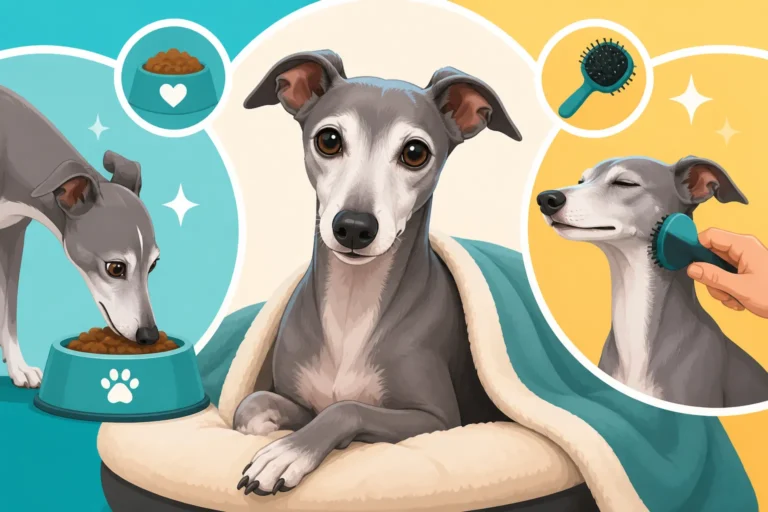
- Cozy Beds with Plenty of Blankets: Italian Greyhounds love to burrow. Provide them with soft, plush beds that have high sides for nesting, and plenty of blankets for them to tunnel into. Consider beds with orthopedic foam, as discussed in The Bedding a Thin Skinned Italian Greyhound Actually Needs, to protect their bony joints while they sleep soundly.
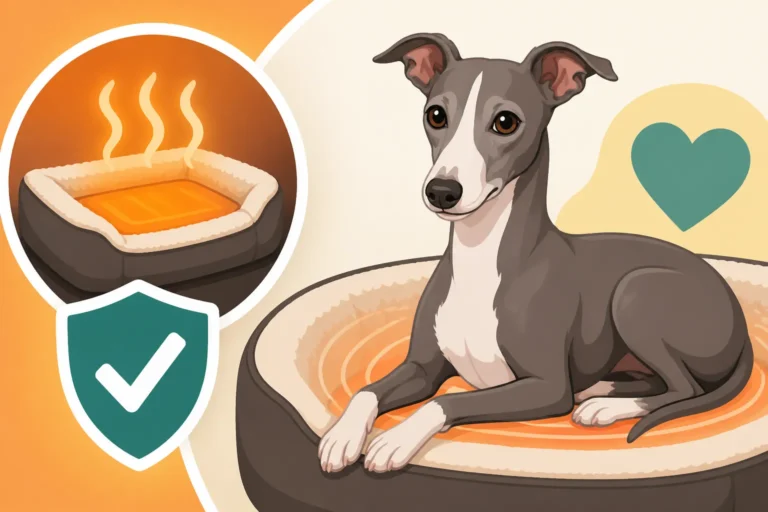
- Heated Beds or Snuggle Sacks: For Iggies who are particularly sensitive to cold, a low-wattage heated bed or a snuggler sack (a bed designed for burrowing) can be a godsend. Just ensure the heated bed is specifically designed for pets and is safe. Always check for recalls and follow manufacturer instructions carefully. We've talked before about Whether a Heated Bed Is Safe for an Italian Greyhound – doing your research here is key.
- Draft Stoppers: Placing draft stoppers under doors or sealing drafty windows can significantly reduce those sneaky cold air currents that bother Iggies so much.
- Strategic Furniture Placement: Ensure their favorite resting spots aren't directly in front of air vents or drafty windows.
- Sunbeam Access: Allow them access to sunbeams where they can naturally warm themselves. Just make sure they don't get too hot and have an escape route if needed.
- Consider House Temperature Adjustments: While we might be comfortable at one temperature, a slight upward adjustment of your thermostat (if feasible) can make a huge difference to your Iggy's overall comfort without needing a sweater all the time.
A multi-faceted approach ensures your Italian Greyhound feels safe, warm, and loved, no matter the season.
Common Misconceptions and Best Practices
When it comes to keeping our Italian Greyhounds warm, there are some persistent myths and essential practices that every Iggy owner should be aware of. Dispelling these misconceptions and embracing best practices will lead to a happier, healthier, and warmer companion.
"They'll Get Used to It": Debunking the Myth
One common misconception, often heard from those unfamiliar with the breed, is that an Italian Greyhound will simply "acclimatize" or "get used to" cooler indoor temperatures. This is largely untrue for Iggies when it comes to fundamental warmth needs. While a dog might become accustomed to a routine, their basic physiology doesn't change. You can't train a naturally thin-skinned, low-body-fat dog to suddenly grow a thicker coat or generate more internal heat.
Their body's core mechanisms for staying warm are hardwired. If they shiver at 68 degrees Fahrenheit, they'll likely continue to shiver at that temperature even after living in it for years. Their discomfort isn't a behavioral issue that can be trained away; it's a physiological response. Continuing to expose them to temperatures that make them cold is not teaching them resilience; it's simply making them miserable and potentially compromising their health by causing their body to constantly work harder to maintain temperature. It's why they can't just be left in a cold car, as explored in Why an Italian Greyhound Cannot Wait in a Cold Car.
Balancing Warmth with Freedom of Movement
While the goal is to keep your Iggy warm, it's vital that any indoor clothing or bedding doesn't restrict their natural movement. Italian Greyhounds are known for their incredible bursts of speed – their "zoomies" – and their ability to stretch into almost impossible positions. A sweater that's too tight, too bulky, or poorly designed can hinder these natural behaviors, making them uncomfortable, frustrated, or even prone to injury if they trip.
Always observe your Iggy when they first wear a new sweater. Do they move freely? Can they lie down comfortably? Can they stretch without strain? Are they able to potty without the sweater getting in the way? A well-fitting sweater enhances their comfort without making them feel trussed up or confined. Remember, their happiness includes the freedom to be their goofy, stretchy selves. Sometimes, pressure sores can even develop, which is why topics like Why an Italian Greyhound Gets Calluses on Its Elbows are important to consider in conjunction with their overall comfort.
Incorporating Sweaters into Their Daily Routine
Making the indoor sweater a positive and seamless part of your Iggy's life is key.
- Positive Association: Introduce sweaters gradually and associate them with positive experiences. Put one on just before a meal or a favorite treat. Praise them lavishly when they wear it without fuss.
- Make it a Routine: Just like their leash means walkies, their sweater can mean cozy time. Putting it on at certain times (like evening cuddles or when you notice the house cooling) can make it predictable and less stressful.
- Multiple Sweaters: Have a few different sweaters so you always have a clean one available. Consider different weights for different indoor temperatures – a lighter fleece for mild chills, a thicker one for colder days. You can find a vast array of options on platforms like Chewy and Amazon, making it easy to stock up.
- Don't Overdo It: While important, don't force them into a sweater if they are clearly too warm or uncomfortable. Learn their individual preferences. Some Iggies truly love their clothes and will bring them to you; others tolerate them.
By making the indoor sweater a routine part of their care, you'll ensure your Italian Greyhound remains comfortable, healthy, and happy, proving that sometimes, even a little sweater can make a huge difference in their well-being.
Disclaimer
This article is for general informational purposes only and does not constitute professional advice. Laws, prices and regulations vary by location and change over time. Consult a qualified professional for guidance on your specific situation.