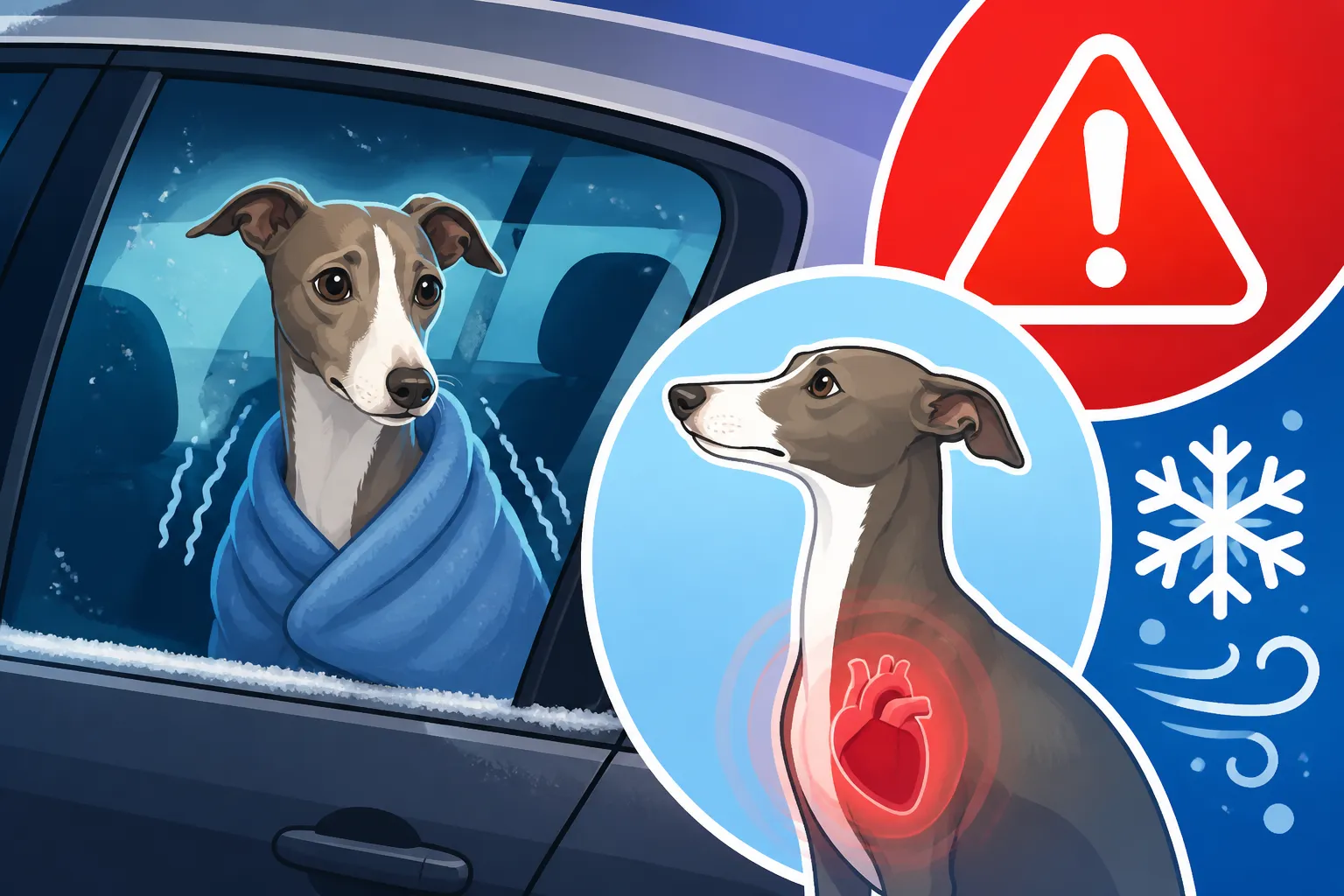
Why an Italian Greyhound Cannot Wait in a Cold Car
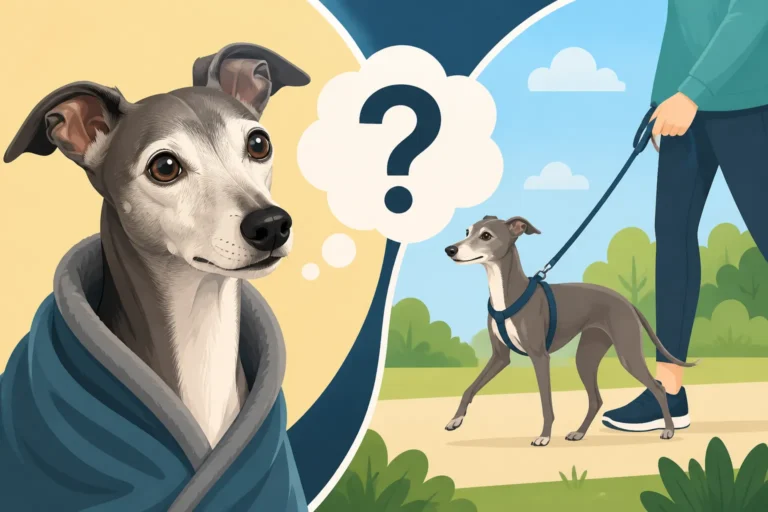
That brisk snap in the air might feel invigorating to some, but for those of us who share our lives with an Italian Greyhound, it brings a fresh wave of anxiety, especially when vehicle travel is involved. Leaving your delicate companion in a cold car, even for a short time, isn't just uncomfortable; it can be incredibly dangerous. Their unique physiology means they're not built to withstand chilly temperatures, making even a quick stop potentially perilous. This guide will explore the specific vulnerabilities of your Italian Greyhound to cold and provide practical advice for keeping them safe on the go.
Understanding Your Italian Greyhound's Unique Sensitivity to Cold
It's easy to assume all dogs handle cold in a similar way, but Italian Greyhounds are truly in a league of their own when it comes to temperature regulation. They aren't just a little chilly; they lack the natural defenses that other breeds possess, making them highly susceptible to the effects of cold.
Their Minimal Body Fat and Thin Skin
One of the most defining characteristics of an Italian Greyhound is their incredibly slender build. This isn't just for aesthetics; it means they carry almost no insulating body fat. Unlike breeds with thick layers of subcutaneous fat that act as a natural barrier against the cold, Italian Greyhounds have very little buffer between their internal organs and the outside world. Their skin, too, is famously thin and delicate, offering minimal protection. Imagine wearing only a thin silk shirt in freezing temperatures – that's often how your Italian Greyhound experiences the cold. This lack of natural insulation means their bodies have to work overtime to maintain a stable core temperature, a battle they often lose quickly in a cold environment like an unheated car. Why an Italian Greyhound Carries Almost No Body Fat explains this in more detail, highlighting just how susceptible they are.
The Lack of an Insulating Undercoat
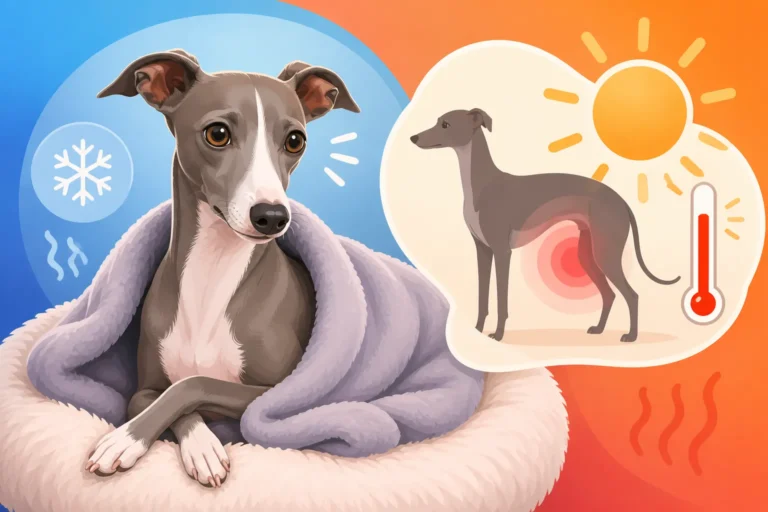
Beyond body fat, most cold-tolerant dog breeds boast a dense, multi-layered coat. Typically, this includes a soft, fluffy undercoat designed to trap warm air close to the body, acting like built-in thermal underwear. Italian Greyhounds, however, possess only a single, very fine layer of fur. It's sleek, beautiful, and wonderful for snuggling, but it offers virtually no thermal insulation. Their short, single coat provides little to no barrier against heat loss, allowing their body warmth to dissipate rapidly into cold surroundings. This means that a cold car, even if it feels merely cool to you, can quickly become a refrigerator for your Italian Greyhound. You might think a little coat would solve this, and it certainly helps, but it still can't fully compensate for their fundamental physiological design.
The Dangers of a Cold Car for an Italian Greyhound
When an Italian Greyhound is exposed to cold temperatures in an enclosed, unheated space like a car, their body's defenses are quickly overwhelmed, leading to potentially severe health consequences. These aren't just minor discomforts; they are serious medical concerns.
Rapid Drop in Body Temperature Hypothermia
Hypothermia is the primary and most immediate danger for an Italian Greyhound in a cold car. This condition occurs when a dog's body loses heat faster than it can produce it, causing its core temperature to drop below normal. Because of their minimal body fat and lack of an insulating coat, Italian Greyhounds can experience this drop astonishingly fast. What might be a chilly waiting period for a Golden Retriever could be a plunge into hypothermia for an Italian Greyhound. Their metabolism, designed for bursts of speed rather than sustained warmth production, struggles to keep up. As their body temperature falls, vital organs begin to slow down, potentially leading to organ damage, heart problems, and in severe cases, death. This is also why getting cold under sedation (Whether an Italian Greyhound Gets Cold Under Sedation) is such a critical topic for vets – their bodies react similarly to cold when anesthetized.
Frostbite Risk on Exposed Areas
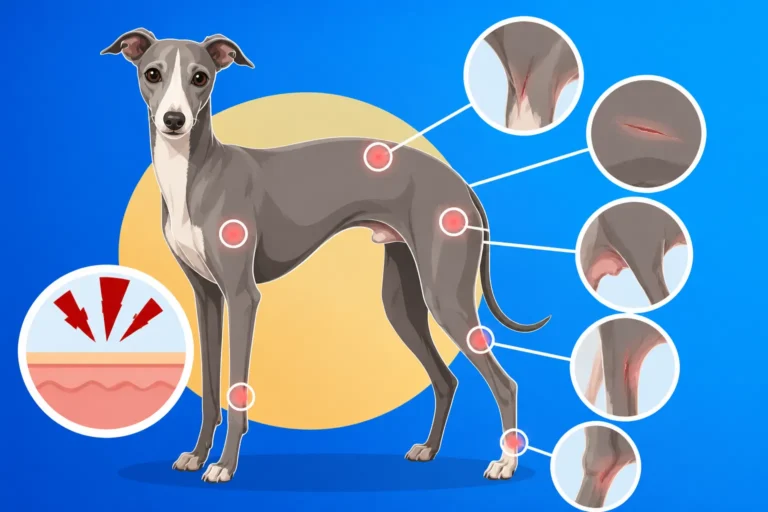
While hypothermia affects the whole body, frostbite is a localized injury that occurs when body tissue freezes. In a cold car, especially if your Italian Greyhound is curled up in a specific position, certain areas are more vulnerable. Their delicate paw pads, the tips of their ears, and their tail are particularly susceptible due to thinner skin and less blood flow compared to their torso. These areas can freeze, causing damage to skin and underlying tissues. Initially, frostbitten skin might appear pale or bluish, then become red and swollen when thawed. In severe cases, the tissue can turn black and die, requiring amputation. Even if the car isn't "freezing," prolonged exposure to cold can reduce blood circulation to extremities, making them ripe for frostbite even before a full-blown hypothermic crisis.
Recognizing the Signs of Hypothermia and Frostbite
As a responsible Italian Greyhound owner, being able to spot the early signs of cold exposure is absolutely vital. Our dogs can't tell us they're cold in words, so it's up to us to interpret their body language and physical cues. Ignoring these signals can escalate a chilly situation into a life-threatening emergency.
Early Warning Signals
The first signs that your Italian Greyhound is getting too cold are usually subtle, but they intensify quickly. One of the most common early indicators is shivering. Just like humans, dogs shiver to generate heat through muscle contractions. While a little shiver from excitement is one thing, persistent shivering, especially when they're otherwise still, is a clear sign their body is struggling to stay warm. When an Italian Greyhound Starts Shivering is a good read for more on this. You might also notice them trying to curl up tightly, tucking their paws under their body, or seeking warmth against you or under blankets if available. Their ears and paws might feel noticeably cool to the touch. They might seem a bit lethargic or move more slowly, indicating their energy is being diverted to staying warm. Their gums might also appear paler than usual as blood flow is conserved for vital organs.
Severe Symptoms Requiring Immediate Action
If the exposure to cold continues, these early signs will worsen dramatically, signaling a deepening state of hypothermia or severe frostbite. At this stage, your Italian Greyhound will likely become extremely lethargic, unresponsive, or even collapse. Their shivering might stop entirely, which is often a very bad sign, indicating their body has exhausted its ability to generate heat. Their muscles might become stiff, and their breathing could become shallow and slow. Their heart rate may also decrease. For frostbite, the affected areas, such as paw pads or ear tips, might turn an icy pale or blue, then become hard and cold. Upon rewarming, these areas could become swollen, painful, and eventually blister or turn black as tissue dies. If you observe any of these severe symptoms, your Italian Greyhound needs immediate veterinary attention. Do not delay.
Here's a quick reference table for recognizing symptoms:
| Symptom Category | Early/Mild Cold Exposure | Moderate Hypothermia | Severe Hypothermia/Frostbite |
|---|---|---|---|
| Behavior | Shivering, seeking warmth, mild lethargy, restlessness | Intense shivering (may stop as condition worsens), hunched posture, reluctance to move | Stupor, collapse, unresponsiveness, dilated pupils, no shivering |
| Physical Signs | Cool ears/paws, pale gums, piloerection (hair standing on end) | Cold to the touch all over, very pale or blue gums, slow and shallow breathing | Extremely cold to the touch, rigid muscles, very slow or absent breathing and heartbeat, skin may feel waxy |
| Frostbite | Localized coolness, slight discoloration (pale) | Numbness, loss of sensation, skin feels stiff, pale or bluish patches | Hard, frozen tissue; white/grey/blue discoloration; eventual blackening and sloughing of skin |
Preventing Cold Car Dangers: Best Practices
Prevention is truly the best medicine when it comes to your Italian Greyhound and cold weather. Their delicate nature means you have to be extra vigilant and proactive to ensure their safety.
Never Leave Your Italian Greyhound Unattended in a Cold Vehicle
This is the golden rule, and it cannot be stressed enough. Just as you would never leave a child or an Italian Greyhound in a hot car, the same principle applies to cold. A car's interior temperature can drop rapidly, even on a moderately chilly day, especially if the engine is off. What might seem like a quick five-minute errand can quickly become twenty minutes, and that's more than enough time for an Italian Greyhound to get dangerously cold. The risk of hypothermia is too high. If you absolutely cannot take your dog with you into your destination, then it's best to leave them at home in a warm, safe environment. If you must travel with them in cold weather, ensure that they are either with you at all times indoors or that the vehicle remains running with the heat on, though even that is not ideal for prolonged periods. When to Skip an Italian Greyhound's Winter Walk applies to car trips too – sometimes, staying home is simply the safest option.
Essential Gear for Cold Weather Outings
If you do need to take your Italian Greyhound out in cold weather, whether for a walk or a car trip, proper attire and accessories are non-negotiable. Think of it as dressing a toddler for winter – they need layers!
- Warm Coats and Sweaters: A good quality, well-fitting winter coat is crucial. Look for options that cover a good portion of their back and belly, offering maximum warmth. Layering a sweater under a coat can provide even more insulation. Brands like Hurtta or custom-made sighthound coats found on sites like Etsy or even Amazon offer good protection.
- Blankets and Bedding: In the car, provide a thick, soft blanket for them to burrow into. A heated car bed or a portable heated pet mat (ensure it's safe for car use and won't overheat) can be a lifesaver. You can find these on Chewy or Amazon.
- Paw Protection: While less critical inside a car, if your Italian Greyhound will be venturing outside in the cold at all, dog boots are important to protect their delicate paw pads from cold pavement, ice, and de-icing chemicals. Which Boots Stay On an Italian Greyhound is a helpful resource for finding the right fit.
- Car Seat Covers or Carriers: A padded car seat cover or a cozy, insulated carrier lined with blankets can add an extra layer of warmth and security. For carriers, consider those with soft, plush interiors or add your own warm inserts.
Remember, the goal is to create a warm micro-environment for them, even within a heated car. How Many Layers an Italian Greyhound Needs Below Freezing elaborates on the importance of these layers.
What to Do If Your Italian Greyhound Gets Too Cold
Despite your best efforts, sometimes accidents happen, or the cold can catch you off guard. Knowing what to do in an emergency can make all the difference in a situation where your Italian Greyhound is severely chilled.
First Aid Steps
If you suspect your Italian Greyhound is experiencing hypothermia, swift and calm action is essential.
- Remove from Cold: Immediately get them out of the cold environment and into a warm, dry space. Your home, a heated car, or even wrapping them in your own warm coat can be a starting point.
- Gradual Warming: The key is to warm them slowly and steadily, not rapidly. Rapid warming can cause blood vessel dilation and a dangerous drop in blood pressure. Wrap them in warm, dry towels or blankets. You can also use a warmed towel (heated in a dryer) or warm (not hot) water bottles wrapped in cloth and placed against their body, particularly on their chest and abdomen.
- Offer Warm Liquids: If they are conscious and able to swallow, offer a small amount of warm (not hot) broth or water. This helps rehydrate and can contribute to internal warming. Do not force them to drink if they are unresponsive or very weak, as this can lead to aspiration.
- Monitor Vitals: Keep a close eye on their breathing and heart rate. Note any changes in their responsiveness.
- Address Frostbite: If you suspect frostbite, do not rub the affected area. Gently warm the area with warm water (around 100-104°F or 38-40°C) for about 15-20 minutes. Once warmed, pat dry and loosely cover with a clean, dry bandage.
When to Seek Veterinary Care
While basic first aid is important, it's rarely enough for moderate to severe hypothermia or confirmed frostbite. You should call your veterinarian immediately if your Italian Greyhound shows any signs beyond mild shivering and slight coolness. This includes:
- Persistent or worsening lethargy
- Lack of responsiveness or collapse
- Stiff muscles or uncoordinated movement
- Very slow or shallow breathing
- Any signs of frostbite (pale, hard, cold, or discolored skin)
- If their shivering has stopped but they remain cold
Your vet can provide more advanced warming techniques, administer intravenous fluids, and address any secondary complications like organ damage or pain from frostbite. They can also assess the extent of the damage from frostbite and provide appropriate treatment to prevent infection or further tissue loss. Being upfront with your vet about the estimated time of exposure and the initial symptoms can help them provide the best care. Warming an Italian Greyhound Through Surgery highlights the medical necessity of maintaining their temperature in clinical settings, underscoring their sensitivity.
Safe Transport in Cold Weather
Traveling with an Italian Greyhound in cold weather requires careful planning and execution. It's not just about getting from point A to point B; it's about maintaining their comfort and safety throughout the entire journey.
Preparing Your Vehicle
Before you even step out the door with your Italian Greyhound, think about your car.
- Pre-Warm the Car: The most important step is to start your car and run the heater until the interior is comfortably warm before your Italian Greyhound gets in. Don't put them into a freezing cold car, expecting the heat to catch up.
- Provide Warm Bedding: Outfit their usual car seat, crate, or designated travel area with extra blankets. A soft, plush bed that they can burrow into is ideal. Consider a portable, battery-operated heated bed or a self-warming pet mat (available on Chewy or Amazon) that retains body heat, if you're concerned about longer trips or particularly frigid temperatures. Whether an Italian Greyhound Needs a Heated Bed goes into detail about these warming options.
- Block Drafts: Check for any drafts in your car, especially around windows or vents near where your Italian Greyhound sits. A small draft can feel like a gale to their thin skin. Use towels or small blankets to block these if necessary.
- Temperature Consistency: Once you're driving, maintain a consistent and comfortable temperature inside the car. Avoid cranking the heat to uncomfortable levels, but definitely keep it warm enough that you wouldn't need a coat yourself. Remember, The Room Temperature an Italian Greyhound Is Comfortable At is often higher than you might think.
Keeping Them Warm on the Go
Even with a pre-warmed car, you need to think about ongoing warmth during the journey.
- Dress in Layers: Just like you would yourself, ensure your Italian Greyhound is wearing a suitable winter coat, possibly layered over a sweater. This is their primary defense against any unforeseen dips in car temperature or when they have to briefly exit the vehicle.
- Strategic Seating: Consider where your Italian Greyhound rides. If they have a choice, they will often seek out the warmest spot, perhaps a sunbeam through the window or close to a heat vent (but not so close as to risk overheating). A secured car seat or booster that keeps them off a cold floor can also be beneficial.
- Bring Extra Blankets: Always have a few extra blankets easily accessible. If you need to stop unexpectedly, or if the car's heater malfunctions, you can immediately wrap your Italian Greyhound for added insulation.
- Avoid Long Stops: If you're on a road trip, plan your stops carefully. Try to find places where your Italian Greyhound can come inside with you. If you absolutely must leave them for a very brief period (which should ideally be avoided), ensure the car is still running with the heat on, and even then, keep it to the absolute minimum time possible. Services like Ollie, which deliver fresh food, rely on a climate-controlled environment, underscoring how important temperature regulation is for sensitive items – and dogs are far more sensitive!
- Monitor Constantly: Keep an eye on your Italian Greyhound for any signs of discomfort or shivering. If they seem cold, pull over if safe to do so, and reassess their warmth, adding more layers or turning up the heat. Don't wait until they're visibly distressed.
By taking these precautions, you can ensure that your Italian Greyhound stays warm, safe, and happy, no matter how chilly the weather outside your car might be.
Disclaimer
This article is for general informational purposes only and does not constitute professional advice. Laws, prices and regulations vary by location and change over time. Consult a qualified professional for guidance on your specific situation.