How Fussy an Italian Greyhound Is About Food
If you've ever found yourself staring at a bowl of untouched kibble, sighing as your Italian Greyhound gives it a dismissive sniff before wandering off, you're not alone. Many Italian Greyhound owners wrestle with the frustrating reality of a picky eater, wondering if their beloved companion is just being a diva or if there's something more to their finicky mealtime habits. This comprehensive guide is here to shed light on why IGs can be so particular about their food and offer practical, empathetic strategies to ensure your delicate friend gets the nutrition they need without turning every meal into a battle of wills.
Understanding the Italian Greyhound's Unique Relationship with Food
Italian Greyhounds are not your average, food-motivated dogs. They possess a unique combination of physical traits and personality quirks that often contribute to their reputation as picky eaters. It’s not always about them being "difficult"; sometimes, it's just how they're wired.
Why IGs Aren't Your Typical Chow Hounds
Unlike some breeds that live to eat, many Italian Greyhounds eat to live – and sometimes, barely that! They are a breed known for their delicate frames and often surprisingly small appetites. It’s easy to look at their slender bodies and assume they must be ravenous, but often, the opposite is true. Their high metabolism, while keeping them lean, doesn't always translate into a voracious hunger. They can be incredibly sensitive to routine changes, stress, or even just the weather, all of which can impact their desire to eat. Imagine trying to enjoy a gourmet meal when you're feeling a bit under the weather or anxious about something trivial – that's often how an IG experiences mealtime.
Furthermore, their history as companions, not working dogs, means they weren't necessarily bred for robust appetites to fuel strenuous activity. They were lap warmers and fashionable accessories, often indulged and doted upon. This historical context might contribute to their somewhat refined palates and expectations. Many owners find themselves asking How Much an Adult Italian Greyhound Eats, only to realize the answer is often "less than you'd think."
The Delicate Digestive System and Picky Palate
Italian Greyhounds often have quite sensitive digestive systems. Rich foods, sudden changes in diet, or even certain ingredients can lead to upset stomachs, gas, or loose stools. This sensitivity can make them wary of new foods or even foods that once caused them discomfort. If a particular kibble or treat once made them feel unwell, they might develop an aversion to it, even if the offending ingredient has been removed or the formulation changed. Their bodies are just telling them, "Nope, not risking that again!"
Their small size also means their nutritional needs are concentrated, but their stomach capacity is limited. They can fill up quickly, and if the food isn't highly palatable or easy to digest, they might simply lose interest. It's a fine balance: you want to make sure they're getting enough calories and nutrients, but pushing too hard can backfire, leading to even more pickiness or digestive upset. Owners often struggle with understanding Why an Italian Greyhound Has a Sensitive Stomach and how to best accommodate it.
Beyond Picky: When Fussy Eating Signals Trouble
While a certain degree of pickiness is common in Italian Greyhounds, it's crucial to differentiate between a selective eater and a dog that is genuinely unwell. A sudden, drastic change in eating habits, complete refusal to eat for more than 24 hours, or pickiness accompanied by other symptoms like lethargy, vomiting, diarrhea, or pain, is always a red flag. These are not signs of a "diva" dog, but a dog that needs immediate veterinary attention.
Even subtle changes, like an IG who usually cleans their bowl suddenly leaving a significant portion, warrant observation. It's easy to dismiss it as "just being an IG," but sometimes their quiet nature means they hide discomfort well. Paying close attention to their patterns – how much they usually eat, their energy levels, and their bathroom habits – can help you spot when pickiness crosses the line into a health concern. If you’re also noticing that your IG seems to be losing weight, checking Signs an Italian Greyhound Is Underweight can help guide your observations.
Common Fussy Eating Habits You Might Encounter
Living with an Italian Greyhound often means encountering a charming, albeit sometimes exasperating, array of mealtime behaviors. These aren't always a reflection of the food itself, but rather their personality and how they've learned to interact with their environment and their human companions.
The "Sniff and Walk Away" Routine
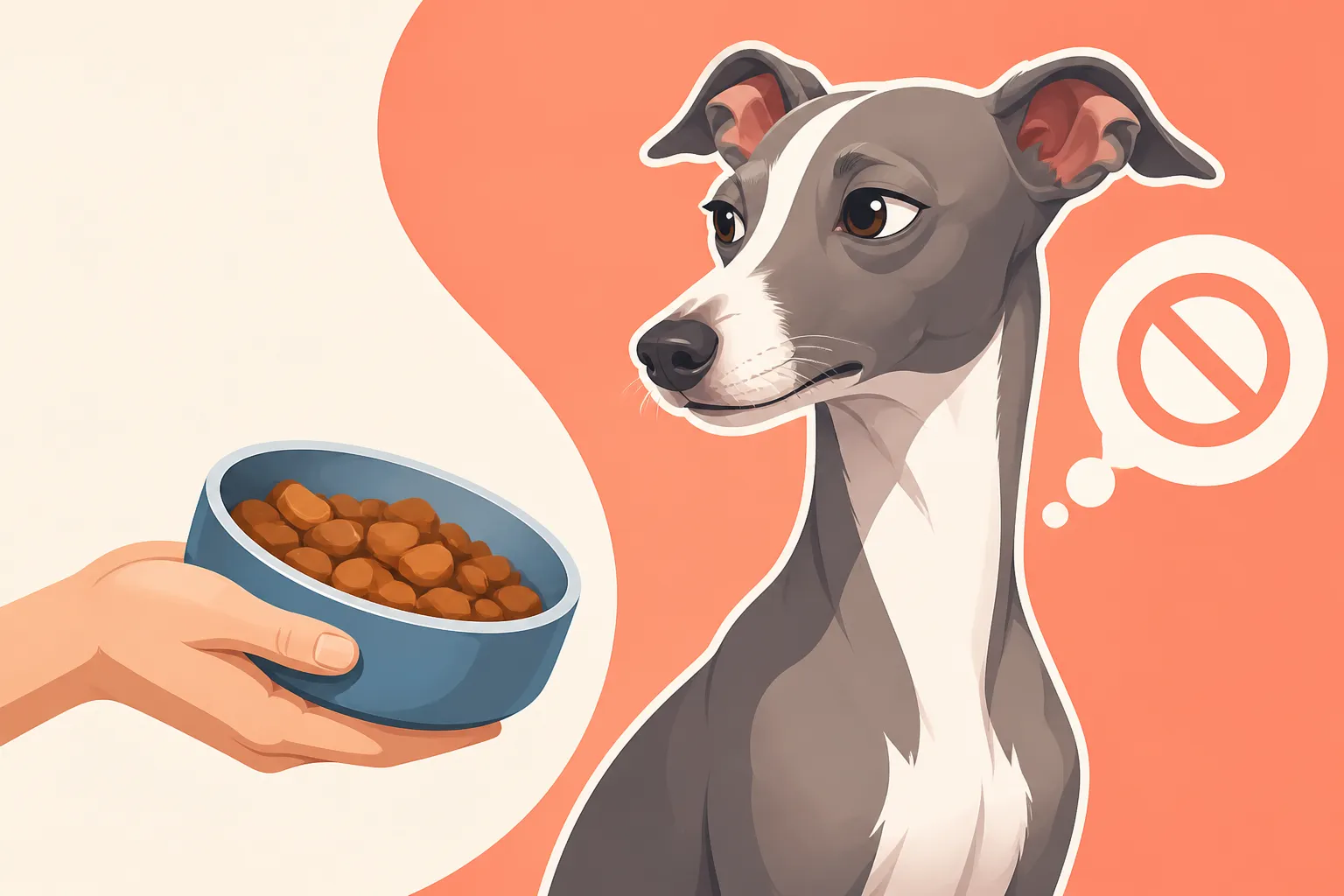
This is perhaps the most classic Italian Greyhound mealtime maneuver. You put down a fresh bowl of carefully measured, high-quality food, and they approach with a curious sniff. Then, with a look that clearly says, "Is this all there is?" or "I had higher hopes," they turn their slender nose up and casually saunter away, perhaps to nap in a sunbeam or request a belly rub. It's a masterclass in subtle disappointment.
This behavior can be incredibly frustrating for owners who spend time and money selecting the "perfect" food. Sometimes, it's simply a matter of preference; they might genuinely not like the smell or texture of that particular meal. Other times, it's a learned behavior. If they know that walking away often leads to you offering something better – a bit of cheese, a spoonful of wet food mixed in, or even a different type of kibble – they'll continue to employ this strategy. It’s their way of training you. It often leaves owners wondering Why an Italian Greyhound Refuses Its Dinner even when it seems perfectly good.
Eating Only When You're Watching
Some Italian Greyhounds develop a habit of eating only when their human is present, or even actively encouraging them. This isn't necessarily a sign of ill health, but often a behavioral quirk rooted in their desire for companionship and attention. They are, after all, "Velcro dogs" who thrive on interaction. For these IGs, mealtime isn't just about sustenance; it's another opportunity for connection.
You might find yourself hovering over the bowl, gently coaxing them, or even holding the bowl up for them to eat from. While this can feel rewarding because at least they're eating, it can quickly become an exhausting routine. If you're constantly worried about them eating, or feel like you have to perform a mealtime ritual just for them to take a few bites, it can add unnecessary stress to your day. This behavior often stems from early puppyhood where gentle encouragement was needed, and it simply never evolved past that stage.
Holding Out for the "Good Stuff"
This is where the term "picky" truly comes into play. Many Italian Greyhounds are incredibly smart and will quickly learn which foods are high-value treats and which are their everyday sustenance. If they know that holding out on their regular kibble often results in you offering them a piece of chicken, some boiled egg, or a dollop of wet food, they absolutely will. They have superior negotiation skills!
This can lead to a cycle where the owner, concerned about their IG not eating enough, offers increasingly tempting additions to the bowl, inadvertently reinforcing the picky behavior. Soon, plain kibble becomes entirely uninteresting, and you're left creating bespoke meals fit for a king, just to get a few bites into them. It's a common trap many loving IG owners fall into, eager to ensure their slender friend maintains a healthy weight. Understanding How an Italian Greyhound Steals Food when it's not meant for them can sometimes give you clues about their high-value food preferences.
Strategies for Encouraging a Healthy Appetite
Successfully managing an Italian Greyhound's picky eating habits requires a blend of patience, consistency, and a little bit of creativity. The goal isn't to force them to eat, but to create an environment and routine that encourages them to choose to eat their nutritionally complete meals.
Establishing a Consistent Feeding Routine
One of the most effective tools in combating pickiness is establishing a clear, consistent feeding schedule. Dogs, especially sensitive ones like Italian Greyhounds, thrive on routine. This means feeding at the same times each day, in the same place, and for a set duration.
For example, you might offer breakfast at 7 AM and dinner at 5 PM. Put the food down for 15-20 minutes. If your IG doesn't eat it within that time, pick the bowl up. Don't offer any other food, treats, or table scraps until the next scheduled mealtime. This can feel incredibly tough at first, especially when they give you those big, sad eyes. But it teaches them that food is available at certain times, and if they don't eat it, it won't be there later. It's a tough love approach that, over time, can help reset their expectations and teach them to eat when food is offered. This also helps in understanding Whether an Italian Greyhound Should Be Fed Twice a Day – a consistent schedule helps regulate their hunger.
Making Mealtime an Appealing Experience
While we want to establish boundaries, we also want mealtime to be a pleasant experience, not a stressful one. Consider the environment: is it quiet and calm, or is there a lot of commotion? Some IGs prefer a peaceful meal, away from the hustle and bustle of a busy household. Elevating their food bowl slightly can also be more comfortable for their long necks.
Temperature can also play a role. Some IGs prefer their food slightly warmed, especially wet or fresh food, as it enhances the aroma. A tiny splash of warm water or low-sodium broth can make dry kibble more enticing. You can also try using puzzle feeders or slow-feeder bowls for some IGs, making mealtime a bit more engaging. However, for a truly picky eater, a regular bowl might be better initially to reduce frustration. Remember, the goal is to make them want to eat.
Exploring Different Food Types and Textures
Sometimes, pickiness genuinely stems from a dislike of the food itself. Not all dogs like all flavors or textures. Don't be afraid to experiment, but do so gradually to avoid upsetting their sensitive stomachs. There's a wide world of dog food out there beyond traditional kibble.
- Dry Kibble: If you're currently feeding kibble, try a different brand or formula. Some IGs prefer smaller kibble pieces, or a different protein source. Brands like Chewy offer a vast selection of small breed formulas, making it easier to find something that might appeal to your IG's palate. Be sure to check the ingredient list for common allergens or ingredients that might have previously caused an upset stomach. Whether an Italian Greyhound Needs Small Breed Kibble is a common question, and often the answer is yes, due to their smaller mouths and delicate teeth.
- Wet Food: Many Italian Greyhounds find wet food much more palatable due to its stronger aroma and softer texture. You can feed it on its own or mix a small amount with kibble to make the dry food more appealing.
- Fresh/Human-Grade Food: Companies like Ollie specialize in human-grade, fresh dog food delivered right to your door. For some IGs, the natural ingredients and lack of artificial additives can be a game-changer. These foods are often highly palatable and can be a good option for truly finicky eaters, though they do come at a different price point. Always introduce new foods slowly, mixing a small amount with their current food and gradually increasing the proportion over several days.
- Toppers: Sometimes, a simple topper is all it takes. A sprinkle of nutritional yeast, a teaspoon of plain yogurt, a little mashed pumpkin, or a few crushed freeze-dried treats (available on Amazon, for example) can make their regular meal much more interesting without significantly altering their diet.
It's also worth thinking about How Many Cups a Day an Adult Italian Greyhound Eats in general, to ensure you're not over-offering food, which can also contribute to pickiness. If they’re always leaving food, you might be giving them too much.
When to Seek Professional Advice for a Picky Eater
While many Italian Greyhounds are simply particular, it's vital to recognize when "picky" crosses over into "problematic." As responsible pet parents, our first instinct is often to worry, and sometimes that worry is well-founded.
Red Flag Symptoms That Warrant a Vet Visit
It's one thing for your IG to turn up their nose at a certain food, but it's another entirely if they stop eating altogether or show other signs of illness. Always consult your veterinarian if you observe any of the following alongside a decrease in appetite:
- Complete refusal to eat for more than 24 hours: While some IGs can go a meal without eating, consistently skipping meals for a full day or longer is concerning.
- Lethargy or decreased energy: If your usually spry IG is suddenly sluggish, sleeping more than usual, or uninterested in play, it could indicate illness.
- Vomiting or diarrhea: These are clear signs of digestive upset and could be related to something they ate, an infection, or a more serious underlying condition.
- Weight loss: Visible weight loss, where their ribs or spine become more prominent, is a definite cause for concern. Remember, What an Italian Greyhound Should Weigh is quite specific for their delicate frame.
- Changes in drinking habits: Drinking significantly more or less than usual can be a symptom of various health issues.
- Pain or discomfort: Whining, restlessness, a hunched posture, or guarding their abdomen are all signs that your IG might be in pain.
- Changes in mood or behavior: Sudden aggression, reclusiveness, or unusual anxiety can sometimes be linked to underlying health problems.
Your vet can rule out medical causes for appetite loss, which is always the first step. They might recommend blood tests, urinalysis, or other diagnostics to get to the root of the problem.
Dental Health and Its Impact on Eating Habits
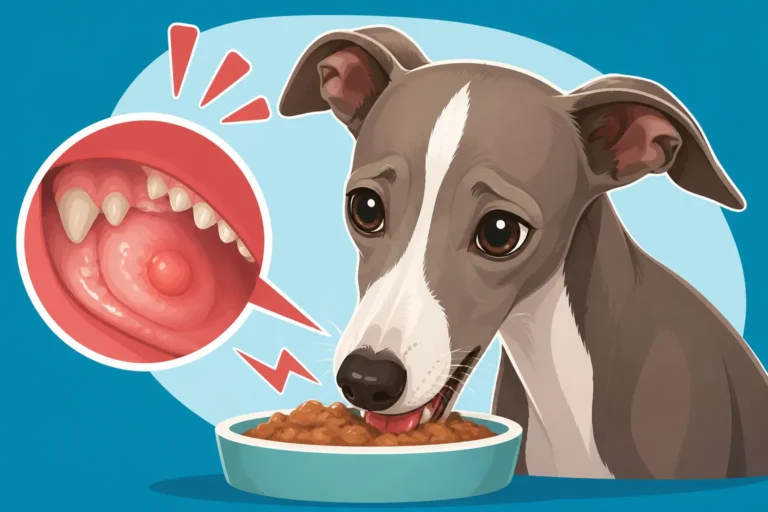
One often-overlooked reason for picky eating is dental pain. Italian Greyhounds are notoriously prone to dental disease, with issues like periodontal disease, retained baby teeth, and crowded mouths being very common. Imagine trying to eat your favorite crunchy snack with a toothache! It's simply not going to happen.
If your IG is exhibiting pickiness, especially if they show a preference for softer foods, chew on one side of their mouth, or drop food while eating, it’s time for a thorough dental check-up. The vet will examine their gums for redness or swelling, look for tartar buildup, and check for any loose or broken teeth. A professional dental cleaning, often requiring anesthesia, might be necessary to address any issues. Neglecting dental health can lead to far more serious problems than just pickiness, affecting their overall health and longevity. It's a stark reality that How Common Dental Disease Is in an Italian Greyhound is incredibly high, so regular dental care is non-negotiable. Bad breath, specifically, can be a major indicator, as explored in What Bad Breath Means in an Italian Greyhound.
Dietary Changes Under Veterinary Guidance
If your IG's pickiness is linked to a medical condition or a sensitive stomach, your vet might recommend a specific therapeutic diet. These specialized foods are formulated to address particular health concerns, such as kidney disease, gastrointestinal issues, or allergies. They often come in highly palatable forms to encourage consumption, even in dogs with reduced appetites.
It's crucial to follow your vet's guidance when transitioning to a therapeutic diet, as these are not "one-size-fits-all" solutions. They can be incredibly effective when chosen and managed correctly. Sometimes, it's not about what you think they should eat, but what their body needs to thrive. Your vet can also offer advice on supplements, appetite stimulants, or other interventions if necessary.
Managing the Emotional Toll of a Fussy Feeder
Let's be real, owning a picky Italian Greyhound can be emotionally exhausting. It's natural to feel frustrated, worried, and even a little offended when your lovingly prepared meal is ignored. But understanding and managing these emotions is key to helping your IG, and yourself, find peace at mealtime.
The Frustration of Unfinished Meals
The sight of a full food bowl, hour after hour, can gnaw at you. You worry about their health, their weight, and whether they're getting enough nutrients. This anxiety can lead to a desperate attempt to get any food into them, often resulting in offering too many treats, table scraps, or continually switching foods. This, however, can inadvertently make the problem worse, reinforcing their picky habits.
It's important to take a deep breath and remind yourself that an otherwise healthy Italian Greyhound will not starve themselves. If you've ruled out medical issues, a little hunger is actually a good thing – it's a natural motivator to eat their regular meals. Remember your earlier goal: consistency. It's okay for them to miss a meal if they're holding out for something better. They'll eventually learn that the "good stuff" isn't always on offer, and their regular food is the only option. This can be a tough lesson for both of you, but ultimately a beneficial one.
Avoiding the Trap of "Free Feeding"
For busy owners, "free feeding" – leaving a bowl of food out all day – might seem like an easy solution for a picky eater. The logic is, if the food is always available, they'll eat when they're hungry. However, for an Italian Greyhound, this approach often backfires.
Here's why:
- Reduces value of food: If food is always there, it loses its specialness. There's no urgency to eat.
- Encourages pickiness: They can graze, eating only the most appealing bits and leaving the rest, knowing it will be replaced.
- Hard to monitor intake: You won't know exactly how much they're eating, which makes it difficult to track their health and spot a problem quickly.
- Attracts pests: Leaving food out can attract insects or other unwanted visitors.
- Hygiene: Food can spoil, especially wet food, or become stale and less appealing.
Instead, stick to scheduled mealtimes. This teaches your IG that food is a finite resource available at specific intervals, encouraging them to eat when it's offered. For dogs who are genuinely not interested in eating enough, free feeding only enables them further.
Finding Balance: Nurturing Without Enabling
The key to successfully managing a picky Italian Greyhound is to strike a balance between nurturing their delicate nature and inadvertently enabling their finicky habits. You want to show them love and care, but also set clear expectations around food.
| Feeding Strategy | Benefits | Potential Drawbacks | Ideal for IG Pickiness |
|---|---|---|---|
| Scheduled Feeding | Promotes routine, clear expectations, easy to monitor intake. | Can be difficult initially, requires owner consistency. | Highly Recommended |
| Free Feeding | Convenience for owner, dog eats when hungry (in theory). | Reduces food value, encourages pickiness, hard to monitor, hygiene issues. | Not Recommended |
| Food Toppers | Enhances palatability, adds nutrients, can encourage eating. | Can escalate pickiness, may add unnecessary calories, cost. | Use Sparingly/Wisely |
| New Food Introductions | Can find more appealing options, address dietary needs. | Can upset sensitive stomachs, often leads to 'food hopping' without consistency. | Gradual & Monitored |
| Hand Feeding | Builds bond, provides reassurance, ensures some intake in anxious IGs. | Can become a learned dependency, time-consuming. | Temporary/As Needed |
Don't be afraid to consult with a professional. Beyond your vet, a certified professional dog trainer or a veterinary nutritionist can offer tailored advice for particularly stubborn cases of pickiness or when you need help formulating a balanced diet. Remember, your IG's health and happiness are paramount, and sometimes that means seeking extra guidance.
It's a journey, not a sprint. There will be days when your Italian Greyhound eats every crumb, and days when they stage a hunger strike. Stay consistent, remain patient, and celebrate the small victories. You'll soon find a rhythm that works for both of you, ensuring your elegant companion is well-fed and thriving.
Disclaimer
This article is for general informational purposes only and does not constitute professional advice. Laws, prices and regulations vary by location and change over time. Consult a qualified professional for guidance on your specific situation.