Which Bed Protects an Italian Greyhound’s Elbows
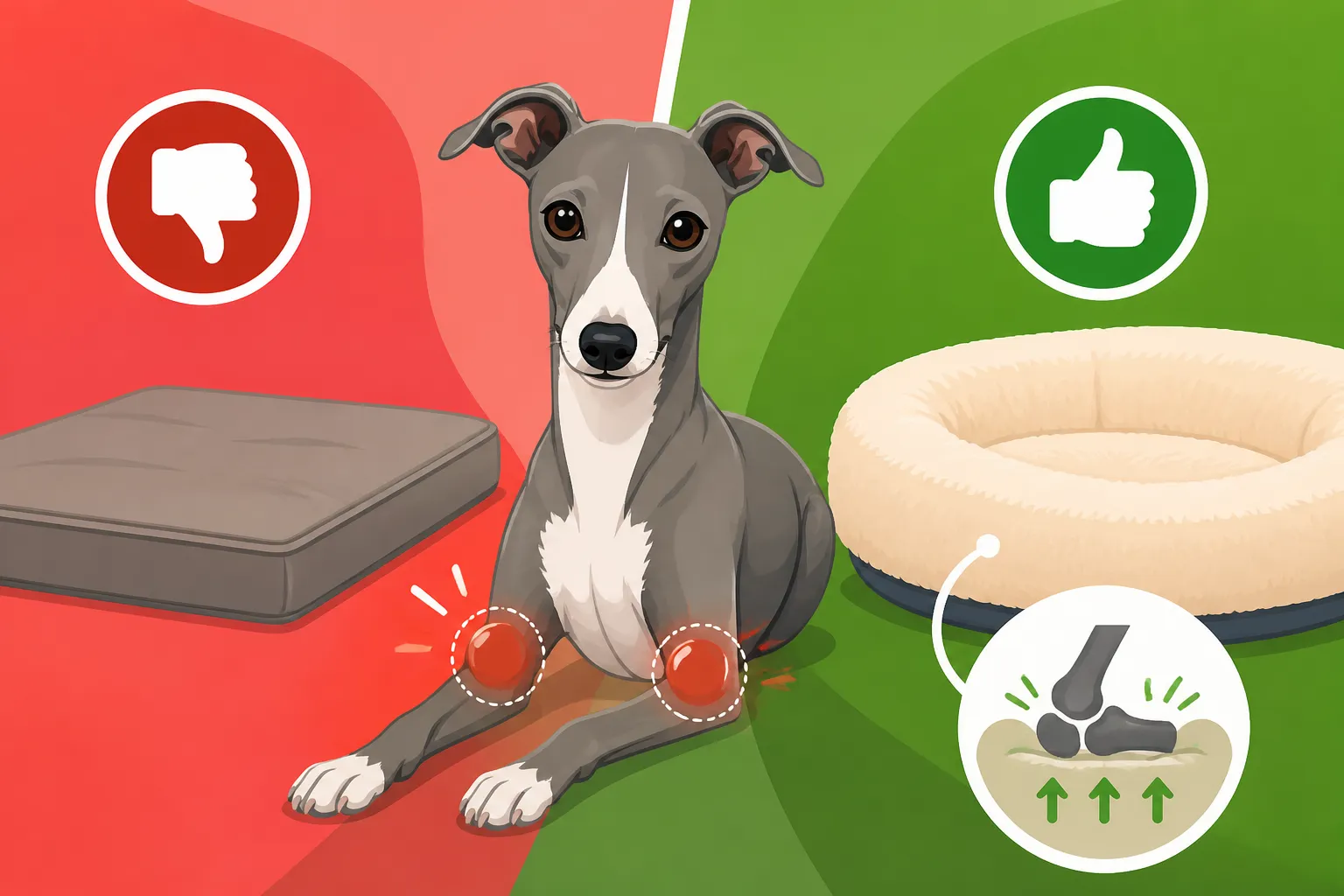
One of the lesser-talked-about but very real challenges of living with an Italian Greyhound is protecting their delicate skin, especially around their elbows. Because these graceful creatures have such fine bones and almost no body fat, they are incredibly prone to developing painful calluses and even pressure sores on bony prominences like their elbows. This guide will walk you through exactly why this happens and, more importantly, how to choose the right bedding to keep your beloved Italian Greyhound comfortable and healthy, saving you worry and your pup discomfort.
The Delicate Reality of an Italian Greyhound's Elbows
It's easy to look at an Italian Greyhound and see a picture of elegance and athleticism. What you might not immediately realize is just how physically delicate they truly are, and how that delicacy translates into specific care needs, particularly concerning their joints.
Why Italian Greyhounds Are Prone to Elbow Issues
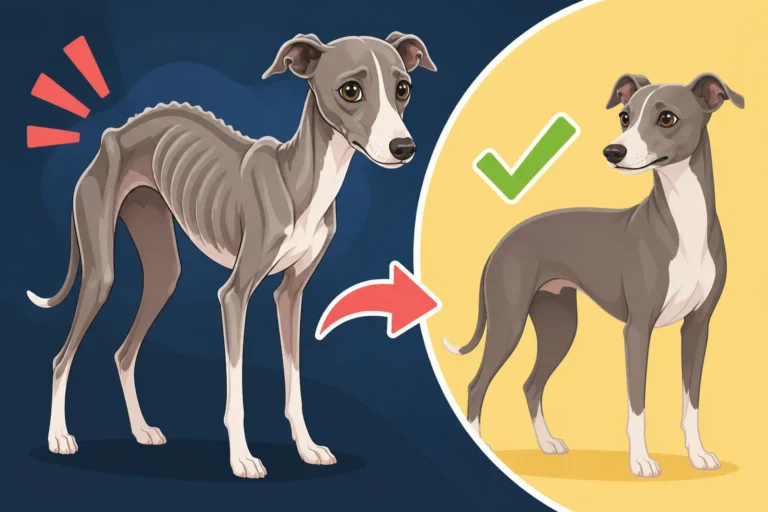
Italian Greyhounds are built for speed and agility, not for cushioning. They possess a remarkably fine bone structure, often described as "paper thin" in places, and Why an Italian Greyhound Carries Almost No Body Fat. This combination means that where their joints protrude, such as their elbows, there's very little natural padding to protect the skin and underlying bone from constant friction and pressure. Think about your own elbow: if you rest it on a hard surface for a long time, it starts to ache. Now imagine having significantly less fat and muscle there.
Every time your Italian Greyhound lies down, whether it's on a hardwood floor, a tile kitchen, or even a thinly carpeted area, those bony elbows take the brunt of their weight. Over time, this repetitive pressure leads to the skin thickening and hardening, forming calluses. These aren't just cosmetic issues; they can become dry, cracked, and even infected. In severe cases, the constant pressure can compromise blood flow, leading to open sores. Cuts, Scrapes and an Italian Greyhound's Paper Thin Skin is a constant concern for us IG owners, and elbow issues are a prime example of their fragile skin. It's truly a unique challenge of the breed, and one that conscientious owners must actively address.
Identifying Early Signs of Elbow Calluses and Sores
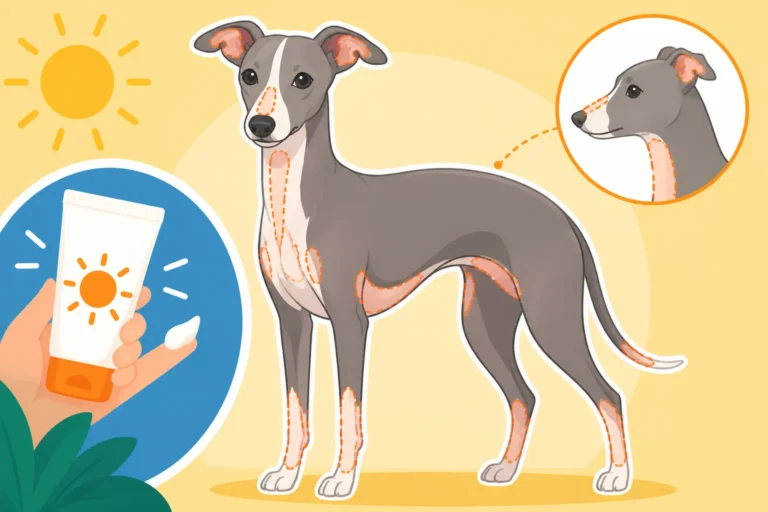
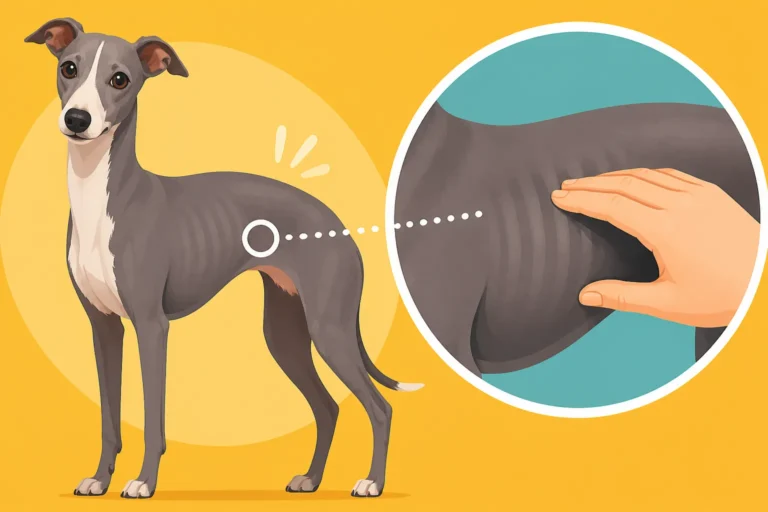
Catching elbow issues early is key to preventing them from becoming more serious or painful. Don't wait until you see a large, crusty patch; regular checks are vital. Run your hands over your Italian Greyhound's body, paying close attention to their elbows, hocks (ankles), and hips – anywhere bone is close to the surface.
Initially, you might feel a slight roughening of the skin, a patch that feels a bit thicker than the surrounding area. It might be a slightly different color, often a grayish or darker tone compared to their usual skin pigment. As it progresses, the callus will become more pronounced, perhaps losing some hair in that spot. If it’s starting to dry out, you might see flakes or a crusty texture. What we truly dread are open sores: these look like raw, red, or even weeping patches, and they can be incredibly painful, making your Italian Greyhound reluctant to lie down comfortably. Where an Italian Greyhound Gets Pressure Sores are not just an aesthetic problem; they can seriously impact your dog's quality of life and require veterinary attention. Keep a watchful eye, especially on younger IGs who are still full of zoomies and might throw themselves down without a thought for their delicate joints.
Understanding the Ideal Bedding Materials for Italian Greyhounds
When it comes to protecting your Italian Greyhound's elbows, the material of their bed isn't just a comfort preference; it's a critical health consideration. Not all dog beds are created equal, especially for a breed as unique as ours.
The Importance of Cushioning and Support
The primary goal of any Italian Greyhound bed should be to provide ample cushioning and even support that distributes their weight effectively, rather than allowing pressure points to form. Think of it less as a soft cloud and more like a supportive mattress for a human.
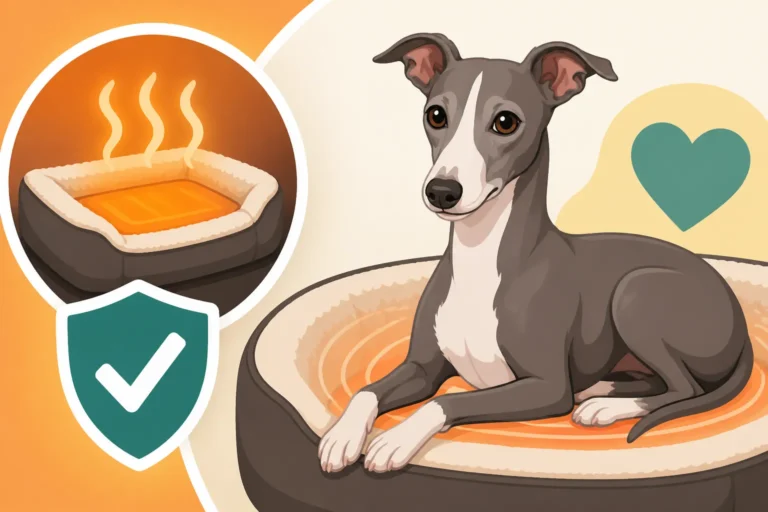
Memory foam is often considered the gold standard for this reason. It conforms to your dog's body, cradling their joints and preventing those vulnerable elbows from pressing directly against a hard surface. This isn't just about superficial softness; it's about deep, consistent support that doesn't "bottom out" under their weight. A cheap, fluffy bed might feel soft at first, but if your Italian Greyhound's weight quickly compresses it to the floor, it's doing very little to protect those elbows. High-density orthopedic foam is specifically designed to maintain its shape and supportive qualities over time, making it an excellent investment for an Italian Greyhound's long-term joint health. Why an Italian Greyhound Needs Orthopedic Foam isn't just a luxury; it's a preventative measure.
Breathability and Temperature Regulation
While warmth is often a concern for thinly-skinned Italian Greyhounds, especially after sedation (Whether an Italian Greyhound Gets Cold Under Sedation) or in old age (Why an Old Italian Greyhound Feels the Cold More), good bedding also needs to be breathable. A bed that traps too much heat can lead to discomfort, skin irritation, and even exacerbate existing skin issues around calluses. Some memory foam beds can run hot, so look for options that incorporate cooling gels, open-cell foam, or have breathable covers made from natural fibers or performance fabrics.
Additionally, consider the overall environment. If your home is generally cool, a bed with a plush, insulating cover might be perfect. If you live in a warmer climate or your Italian Greyhound tends to run warm, a bed with a lighter, more breathable cover will be better. Some beds even offer removable, washable covers made from materials like cotton or a poly-blend that are easy to keep clean and contribute to better air circulation. It's a balance: warm enough for their minimal body fat, but not so hot that it causes skin problems.
Durability and Ease of Cleaning
Let's be real, dogs are dogs. Even the most fastidious Italian Greyhound can track in dirt, have an occasional accident, or simply shed. Therefore, the best bed for elbow protection also needs to be practical for everyday life. Durability is key; a bed that quickly sags, flattens, or falls apart isn't just a waste of money, it loses its protective qualities. Look for robust construction, strong zippers, and materials that can withstand regular use.
Ease of cleaning is non-negotiable. Removable, machine-washable covers are paramount. Accidents happen, and being able to strip off a cover and toss it in the wash makes life so much easier. Some brands, like those found on Amazon or Chewy, offer a wide range of beds with these features. Even if the internal foam isn't washable, a good, waterproof liner between the foam and the cover can protect the core of the bed from moisture and odors, prolonging its life and maintaining hygiene. For Italian Greyhounds, who can be prone to urinary accidents during housetraining or in old age, this feature is invaluable. How Often an Italian Greyhound's Bedding Should Be Washed really depends on your dog's habits and the bed's design, but the easier it is, the more likely you are to do it!
Types of Beds That Offer Superior Elbow Protection
Now that we know why specific features are important, let's explore the types of beds that truly stand out in providing that crucial elbow protection for your Italian Greyhound.
Orthopedic Memory Foam Beds
When it comes to distributing weight and cushioning delicate joints, orthopedic memory foam beds are hard to beat. Unlike traditional poly-fill beds that compress and create pressure points, true memory foam conforms to your Italian Greyhound's body shape. This means their elbows, hips, and other bony areas are gently cradled, rather than pressing against a hard surface beneath a thin layer of stuffing.
These beds typically feature a solid slab of high-density memory foam, sometimes with a layer of supportive base foam underneath. This construction ensures that even after years of use, the bed retains its supportive qualities and doesn't flatten out. Many top-tier pet bed companies, some available through Chewy, specialize in these types of beds, understanding the needs of breeds with specific orthopedic concerns. When selecting one, pay attention to the foam's density and thickness; generally, a denser, thicker foam will offer better support and last longer. While they might be a higher initial investment, the longevity and the health benefits for your Italian Greyhound make them well worth it. This is probably the single most effective type of bed for preventing Why an Italian Greyhound Gets Calluses on Its Elbows.
Bolster and Donut Beds
While orthopedic foam provides excellent flat support, bolster and donut beds offer an additional layer of comfort and security that many Italian Greyhounds adore. These beds feature raised edges (bolsters) around the perimeter, creating a cozy nest.
The bolsters serve several purposes for an Italian Greyhound:
- Headrest: Many Iggies love to rest their heads on the raised edge, which is particularly comfortable for their long, slender necks.
- Security: The enclosed feeling can make them feel safe and secure, tapping into their natural instinct to burrow and cuddle.
- Elbow Protection (Indirectly): While not direct elbow support, the bolsters encourage them to curl up or position themselves in a way that often keeps their elbows off the absolute hardest part of the bed, or even cradles them slightly if they lean against the side. Some Italian Greyhounds will even choose to "dig in" to the bolster itself, finding a softer spot for a bony elbow.
Look for bolster beds where the central sleeping area is still well-padded with either orthopedic foam or a dense, resilient fill. Many brands on Amazon offer hybrid designs that combine the orthopedic core with a soft, supportive bolster. Which Bed Shape an Italian Greyhound Prefers often comes down to individual personality, but many IGs are burrowers and cuddlers, making these a popular choice.
Elevated and Hammock-Style Beds
You might not immediately think of an elevated bed for elbow protection, but these can actually be a fantastic option, especially in warmer climates or as a secondary sleeping spot. Elevated beds typically feature a sturdy frame with a stretched fabric (often mesh or canvas) creating a trampoline-like sleeping surface.
Here's why they can be beneficial for Italian Greyhounds:
- Pressure Distribution: The suspended fabric conforms to the dog's body, distributing weight evenly without any hard spots. This completely eliminates the risk of pressure calluses that can form from lying on a flat, hard surface.
- Airflow: Being off the ground allows for 360-degree air circulation, which is excellent for temperature regulation and preventing skin irritation from heat build-up.
- Ease of Access: For younger, agile IGs, jumping onto an elevated bed is no problem. For older or less mobile dogs, however, this might not be the primary bed.
While these don't offer the deep, plush comfort of a memory foam bed, they are excellent for preventing pressure points entirely. They can be a great choice for day naps in a sunny spot or on a screened porch. Just ensure the fabric is durable and taut enough to support your Italian Greyhound without excessive sagging. Whether an Italian Greyhound Should Sleep on a Hard Floor is a firm no, and elevated beds provide a great alternative for surfaces that aren't ideal for a plush bed.
Here's a quick comparison of bed types for Italian Greyhounds:
| Bed Type | Primary Benefit for IGs | Elbow Protection Level | Ideal Use Case | Pros | Cons |
|---|---|---|---|---|---|
| Orthopedic Memory Foam | Superior joint support, weight distribution | High | Primary sleeping, senior dogs | Excellent pressure relief, durable, long-lasting | Can be expensive, some can retain heat, heavier |
| Bolster/Donut Bed | Security, head support, nesting | Medium-High | Cozy napping, anxiety relief | Promotes curling, offers comfort, often machine washable covers | Center might flatten if not high quality, not always deep support |
| Elevated/Hammock Bed | Even weight distribution, airflow | High | Warm weather, outdoor, secondary bed | Eliminates pressure points, very breathable, easy to clean frame | Less "cozy", not ideal for burrowing, might be too high for some IGs |
Beyond the Bed: Additional Strategies for Elbow Health
While the right bed is paramount, it's not the only piece of the puzzle when it comes to safeguarding your Italian Greyhound's delicate elbows. A holistic approach will yield the best results.
Strategic Placement of Bedding
Having the perfect bed is one thing, but if your Italian Greyhound consistently chooses to nap on the cold, hard kitchen tiles, it defeats the purpose. Italian Greyhounds are creatures of comfort, and they will gravitate towards soft spots, but sometimes habit or a desire for a cooler surface can override that.
Strategically place multiple comfortable beds throughout your home where your IG naturally likes to rest. Do they love to lie by the window in the sun? Put a soft, orthopedic bed there. Do they follow you into the home office? Make sure there’s a designated cozy spot for them. For areas like the kitchen or bathrooms with hard flooring, consider laying down soft, washable rugs or floor cushions as temporary buffers. This minimizes the temptation to flop down on an unprotected surface. Even a simple, folded blanket can make a huge difference in an area they frequent. It's about making the best choice the easiest choice for them. The Bedding a Thin Skinned Italian Greyhound Actually Needs extends beyond just one main bed.
Regular Skin Checks and Moisturizing
Prevention is always better than cure, and that applies directly to elbow calluses. Make a habit of gently checking your Italian Greyhound's elbows, hocks, and hips every few days. Look for any changes in skin texture, color, or hair loss. If you notice early signs of roughening or dryness, this is your cue to act.
A pet-safe moisturizer or balm can work wonders in keeping the skin supple and preventing cracks. Look for products specifically formulated for canine calluses, often containing ingredients like shea butter, coconut oil, or Vitamin E. Gently massage a small amount into the affected areas once or twice a day. This helps soften the skin and improves its elasticity, making it less prone to cracking and irritation. Avoid human lotions, as they might contain ingredients that are harmful if licked. Always consult your vet if you notice any redness, swelling, heat, or open wounds, as these could indicate an infection.
The Role of Clothing and Wraps
Sometimes, despite your best efforts with bedding and moisturizing, a stubborn callus might persist, or you might have an Italian Greyhound who is just particularly prone to them. This is where specialized clothing or wraps can come into play.
Several companies make elbow protectors or sleeves designed for dogs. These are typically soft, breathable fabric sleeves that fit snugly around the leg and cover the elbow. They provide an extra layer of padding and protection against friction, especially if your Italian Greyhound still occasionally chooses a less-than-ideal napping spot or slides on hard floors. In colder climates, What an Italian Greyhound Wears Indoors in Winter often includes sweaters or pajamas, which can also offer some minimal elbow protection if they extend down the leg.
For IGs recovering from an injury or with particularly sensitive skin, a light, custom-fit wrap (under veterinary guidance, of course) could provide focused cushioning. The key is to ensure any clothing or wrap fits correctly – not too tight to restrict circulation, but snug enough not to slip off. This isn't a replacement for proper bedding, but an additional tool in your arsenal to keep those delicate elbows healthy.
Making the Right Choice: Factors to Consider When Buying a Bed
Choosing the perfect bed for your Italian Greyhound can feel a bit overwhelming with so many options out there. But by focusing on a few key factors specific to our breed's needs, you can narrow down the choices and make an informed decision that will benefit your pup for years to come.
Size and Fit for Your Italian Greyhound
It might seem obvious, but the size of the bed is crucial. An Italian Greyhound isn't a Great Dane, but they also aren't a teacup Chihuahua. They need enough space to stretch out fully without hanging off the edges, which is a common way for elbows to end up on the hard floor. Remember, Iggies love to sprawl!
Measure your Italian Greyhound from nose to tail while they are fully stretched out in their longest sleeping position. Then, add a few inches to that measurement to ensure the bed provides ample space. If you're considering a bolster bed, make sure the internal sleeping area is large enough. Many standard "small" dog beds might be too cramped for a fully grown Italian Greyhound who typically needs room to splay out. A bed that's too small might also encourage them to use their elbows as a pivot point when getting up and down, increasing friction. When browsing online at retailers like Chewy or Amazon, always check the internal dimensions of the sleeping surface, not just the overall bed dimensions, especially for bolster styles.
Budget and Longevity
Let's face it, dog beds can range wildly in price. It's tempting to opt for the cheapest option, but for an Italian Greyhound, this is often a false economy. A truly effective orthopedic bed designed to protect delicate joints will likely be a larger upfront investment. However, considering the potential vet bills for treating severe calluses or pressure sores, and the discomfort your dog would experience, a quality bed often pays for itself in the long run.
Think about longevity. A well-made memory foam bed should last for many years, maintaining its support and integrity. Cheaper beds with low-density foam or loose poly-fill will often flatten and become useless within months, meaning you'll be buying replacements more frequently. Investing in a durable, high-quality bed once is often more economical and certainly better for your Italian Greyhound's health than continually replacing inadequate, cheap beds. Look for brands that offer good warranties or have a reputation for durable products.
Brand Reputations and Reviews
In today's market, brand reputation and customer reviews are incredibly valuable resources. Before committing to a bed, take some time to read what other dog owners are saying, especially those with similar breeds or dogs with orthopedic needs. Look for consistent feedback regarding:
- Durability of the foam/fill: Does it hold its shape over time, or does it flatten quickly?
- Quality of the cover: Does it withstand washing, or does it tear easily?
- Ease of cleaning: How simple is it to remove and wash the cover?
- Overall comfort and dog acceptance: Do dogs actually use the bed, or do they avoid it?
While one or two negative reviews might be outliers, a pattern of complaints should be a red flag. Many reputable pet brands, often featured on sites like Chewy and Amazon, have built their reputation on providing quality products that address specific canine needs. Don't just look at the star rating; delve into the comments to find detailed insights from real owners. This research can save you from buyer's remorse and ensure you're getting a bed that truly delivers on its promise of elbow protection and comfort for your Italian Greyhound.
Integrating the New Bed into Your Italian Greyhound's Routine
You've done your research, picked out the perfect orthopedic bed, and brought it home. Now what? Getting your Italian Greyhound to actually use their new, luxurious sleeping spot is the final, crucial step. Sometimes, despite your best intentions, dogs can be wary of new things.
Introducing the Bed to a Reluctant Sleeper
Some Italian Greyhounds will immediately recognize a good thing and flop right onto their new bed. Others, particularly those who are cautious or set in their ways, might eye it suspiciously. Don't force them onto it, as this can create a negative association. Instead, try these gentle introduction techniques:
- Make it smell familiar: Place an old blanket or a piece of your clothing on the new bed. Your scent, or the scent of their old bedding, can make the new bed feel less intimidating and more like "home."
- Treats and praise: Lure them onto the bed with high-value treats. As soon as they step on it, offer a treat and calm, positive praise. Repeat this several times. You want them to associate the bed with good things.
- Favorite toys: Place a favorite toy or a puzzle feeder on the bed. This encourages them to interact with the bed in a positive way.
- Lead by example: If you have another dog, especially one who is confident and loves beds, encourage them to lie on the new bed first. Your Italian Greyhound might be more willing to try it if another pack member approves.
- Give them time: Some dogs need a few days or even a week to fully accept a new bed. Leave it in a prominent, appealing location and let them explore it on their own terms. Eventually, comfort usually wins out.
Remember, patience is key. Your goal is to make the new bed the most inviting, comfortable, and safe spot in the house, a sanctuary where their delicate elbows can finally rest easy.
Maintaining the Bed for Long-Term Comfort and Hygiene
A bed's effectiveness in protecting your Italian Greyhound's elbows isn't just about its initial quality; it's also about how well you maintain it. Regular cleaning and care ensure it remains supportive, hygienic, and appealing to your dog.
- Regular Washing of Covers: Most quality dog beds come with removable, machine-washable covers. Follow the manufacturer's instructions for washing. Depending on how much your Italian Greyhound sheds or how prone they are to accidents, you might need to wash the cover weekly or bi-weekly. This prevents the buildup of dirt, dander, and odors, and keeps the sleeping surface fresh and inviting. For very thin-skinned dogs, clean bedding can also reduce the risk of skin irritation.
- Spot Cleaning: For minor spills or muddy paw prints, spot clean the cover immediately to prevent stains from setting in.
- Protecting the Foam Core: If your bed has a memory foam or orthopedic core, many come with a waterproof liner under the main cover. This is a lifesaver for protecting the foam from accidents or moisture, which can degrade the foam over time and lead to odors. If your bed doesn't have one, consider purchasing a separate waterproof bed protector that fits under the cover.
- Fluffing and Rotating: For beds with loose fill or even some bolster beds, regularly fluffing or rotating the bed can help maintain its shape and even out any compression. This ensures consistent support for those vital pressure points.
- Checking for Wear and Tear: Periodically inspect the bed for any rips, tears, or signs that the foam is losing its bounce. Damaged spots can expose your Italian Greyhound to hard surfaces or stuffing that could be ingested. Replace or repair the bed as needed to ensure it continues to offer optimal elbow protection.
By diligently maintaining your Italian Greyhound's bed, you're not just ensuring its longevity; you're actively contributing to their ongoing comfort and protecting their delicate joints from the painful calluses and sores that are so common in our wonderful, but fragile, breed.
Disclaimer
This article is for general informational purposes only and does not constitute professional advice. Laws, prices and regulations vary by location and change over time. Consult a qualified professional for guidance on your specific situation.