Why an Italian Greyhound Cannot Hold Its Own Heat
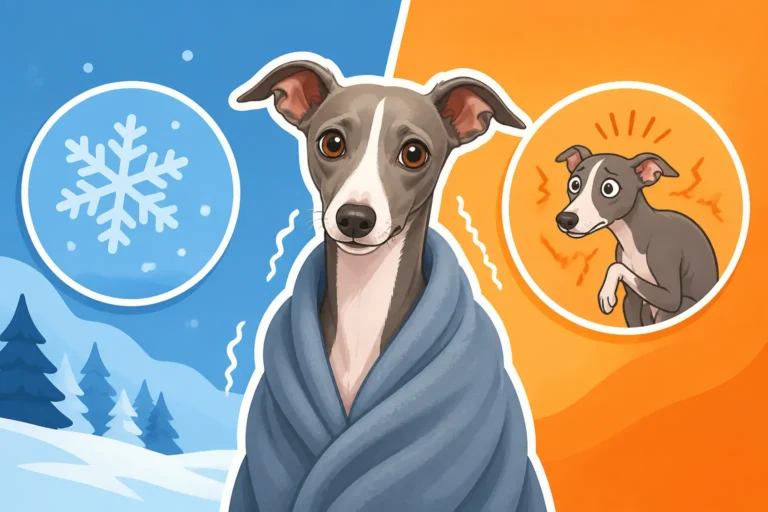
It’s a frustration many Italian Greyhound owners know all too well: you bundle them up, bring them inside, and they’re still shivering, looking at you with those big, soulful eyes as if to ask, “Is it ever going to be warm enough?” This delicate breed struggles profoundly with maintaining its own body temperature, a characteristic that often catches new owners off guard and can lead to serious health concerns if not properly managed. This comprehensive guide will delve into the unique physiological reasons behind your Italian Greyhound’s inability to stay warm, explore the environmental factors that exacerbate this issue, and offer practical, empathetic solutions to keep your cherished companion cozy and comfortable year-round.
The Unique Physiology Behind the Shivers
When you look at an Italian Greyhound, their elegance and grace are immediately apparent. What might not be as obvious to the untrained eye, however, are the subtle physiological traits that make them so susceptible to the cold. It’s not just a matter of having a short coat; it’s a whole host of factors working against them in cooler temperatures.
Minimal Body Fat: A Double-Edged Sword
One of the most defining characteristics of the Italian Greyhound, and indeed many sighthounds, is their incredibly lean build. They carry very little subcutaneous fat, which is the layer of fat located just under the skin. For most mammals, this layer acts as a crucial insulator, a natural buffer against both heat loss and impact. Think of a Labrador, with its thick layer of padding, or even a human with more natural insulation. These animals have a built-in defense against the cold.
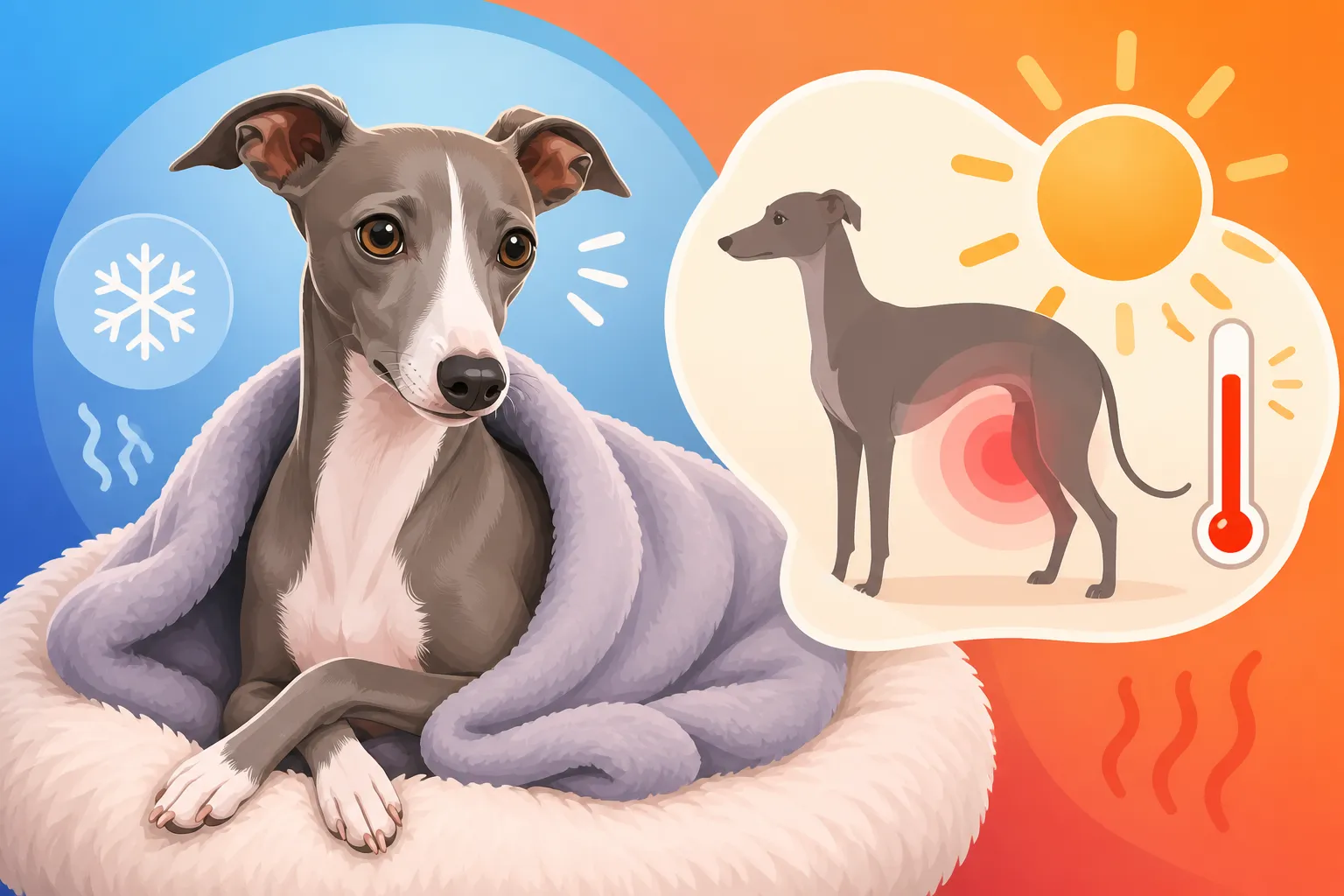
For an Italian Greyhound, this insulation is virtually non-existent. Their svelte frames, while beautiful and perfectly adapted for speed, offer almost no natural protection when the temperature drops. This means that whatever warmth their body generates is quickly radiated away into the environment. It's like trying to stay warm in a flimsy tent in winter compared to a well-insulated cabin; the cabin holds its heat, the tent does not. This lack of fat also makes them more prone to bruising and skin tears, as there's less cushioning for their delicate bones and organs. It’s truly a double-edged sword: magnificent agility and speed come at the cost of vulnerability to the elements.
Thin Skin and Sparse Coat: No Natural Barrier
Beyond the lack of fat, the Italian Greyhound's skin and coat composition further contribute to their cold sensitivity. Their skin is famously thin, almost paper-like. It’s not just fine; it’s fragile. This thinness means it offers very little thermal resistance. Imagine wrapping yourself in a single, thin sheet on a cold night – that’s roughly the equivalent of what their skin provides in terms of insulation.
Their coat, while incredibly soft and luxurious to the touch, is remarkably sparse and short. Unlike double-coated breeds or even many single-coated breeds with dense fur, an Italian Greyhound's coat simply doesn't trap a layer of warm air close to their body. It lies flat against their skin, offering minimal barrier against ambient temperatures or wind. This lack of natural fluff means that any chilling breeze or cold surface will quickly draw heat directly from their body. It's why you'll often see them shivering even indoors if the room isn't genuinely warm. They simply don’t have the natural fur defense that most other dogs possess, making them incredibly efficient at losing heat rather than retaining it.
High Metabolism and Heat Loss
It might seem counterintuitive to suggest that an Italian Greyhound's high metabolism contributes to being cold, but hear me out. While a high metabolism generally means an animal generates more internal heat, it also means they need to maintain that heat against rapid loss. Italian Greyhounds are built for bursts of incredible speed, not for sustained thermal regulation in cold environments. Their bodies are designed for efficiency in movement, with a large lung capacity and a powerful heart for their size. This active, energetic nature means their body processes are running at a higher rate, generating heat, but their physical structure (minimal fat, thin skin, sparse coat) makes them poor at trapping that heat.
Think of a high-performance sports car: it generates a lot of power and heat, but it's also designed to be lightweight and often has extensive cooling systems. An Italian Greyhound's body works similarly; it can generate heat, but it’s simultaneously very efficient at radiating that heat away. When they are active, they might feel warm, but the moment they stop moving, that heat quickly dissipates into the surroundings. This is especially true after a run or even a vigorous play session, where the combination of increased blood flow to the surface and their minimal insulation can lead to a rapid drop in core temperature once activity ceases.
Environmental Factors That Impact Their Warmth
Understanding their physiology is one thing, but recognizing how everyday environments interact with that physiology is key to keeping your Italian Greyhound comfortable. It’s not just about extreme cold; even mild conditions can be problematic for these delicate dogs.
The Perils of Low Indoor Temperatures
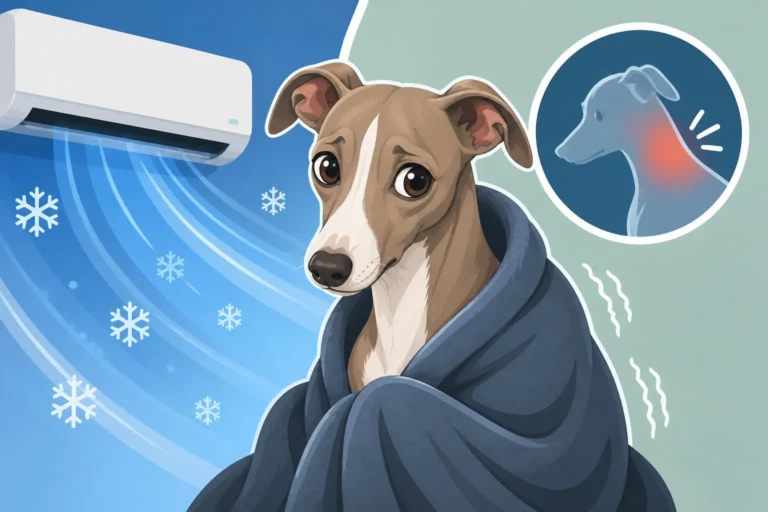
Many of us keep our homes at temperatures that are perfectly comfortable for humans, or even other dog breeds. We might feel a cozy 70°F (21°C) is ideal. However, for an Italian Greyhound, this can often be too cool, especially if they are lying still or sleeping. The Indoor Temperature an Italian Greyhound Starts Shivering At often surprises owners; it’s usually higher than they expect. A gentle draft from a window or door, a cold spot on the floor, or even just sitting still on a couch without a blanket can lead to shivering and discomfort.
Their lack of insulation means they quickly absorb the temperature of their surroundings. A hardwood floor that feels cool to your bare feet might be actively chilling for an Italian Greyhound lying on it. Drafts, in particular, are their nemesis. Even if the overall room temperature is acceptable, a persistent stream of cool air can bypass their thin coat and extract heat directly from their skin. This is why you'll often find them burrowed under blankets or seeking out sunbeams, not just for comfort, but as an instinctual drive to find warmth. Ignoring these subtle signs of discomfort can lead to them becoming chronically chilled, which isn't just unpleasant but can impact their overall well-being.
Outdoor Challenges: Wind, Rain, and Snow
Taking an Italian Greyhound outdoors presents a whole new set of challenges. Their thin coats offer almost no protection against the elements. Wind, even a light breeze, can cut right through their fur and chill them to the bone in moments. It strips away any thin layer of warm air their body might have managed to create, accelerating heat loss significantly.
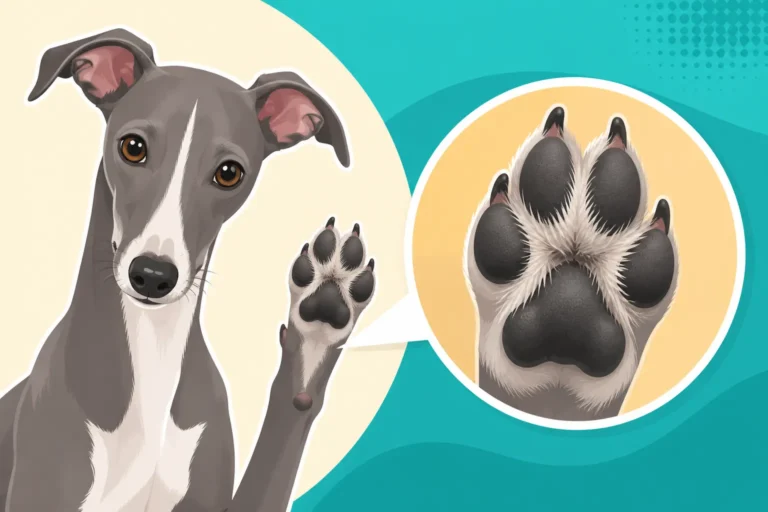
Rain or dampness is equally problematic. Wet fur loses its minimal insulating properties almost entirely, and the evaporative cooling effect of water on their skin can cause a rapid and dangerous drop in body temperature. A quick potty break in a drizzle can leave them profoundly chilled. Snow, of course, is an entirely different beast. Walking an Italian Greyhound in Snow requires careful planning, as direct contact with snow is not only freezing but can also lead to frostbite on their delicate paw pads and exposed skin. Their little bodies aren't designed to navigate icy terrains or withstand prolonged exposure to winter conditions, making any outdoor excursion in cold, wet, or windy weather a potential risk without proper protection. This is also why Why an Italian Greyhound Cannot Wait in a Cold Car is so important to understand; even a short time in an unheated vehicle can be dangerous.
Post-Activity Cooling and Anesthesia Concerns
Italian Greyhounds are often full of playful energy, enjoying bursts of zoomies and spirited runs. While this activity generates heat, they cool down incredibly fast once they stop. Their body is highly efficient at dissipating heat generated during exercise, which is great in hot weather but a liability in the cold. After a vigorous play session, their internal temperature can drop quickly, leading to shivering and feeling cold even when they were just warm from running. It's crucial to ensure they have a warm place to rest and recover after any exertion, especially if it's been outdoors.
Perhaps one of the most critical environmental considerations is during veterinary procedures, especially those requiring anesthesia. Italian Greyhounds, like many sighthounds, are notoriously sensitive to anesthesia, and one major concern is hypothermia. Their low body fat, thin skin, and efficient heat loss mechanisms mean they can get cold very quickly on the operating table. Why a Nine Pound Italian Greyhound Gets Cold on the Table is a topic frequently discussed among sighthound vets. Veterinary teams experienced with sighthounds will take extra precautions, like using heated blankets, warm IV fluids, and carefully monitoring their temperature throughout and after surgery. This sensitivity extends to how slowly they wake from anesthesia too, often needing longer to metabolize the drugs and to regain full body temperature regulation. Owners should always discuss these concerns with their vet and ensure they are aware of the specific needs of the breed.
Practical Solutions for Keeping Your IG Cozy
Knowing why your Italian Greyhound gets cold is the first step; the next is implementing effective strategies to keep them warm. Fortunately, there are many wonderful products and practices that can turn a chilly Iggy into a snug, happy companion.
Layering Up Indoors: Sweaters and Pajamas
For an Italian Greyhound, indoor clothing isn't a fashion statement; it's often a necessity, especially during cooler months or if your home isn't kept particularly warm. A lightweight sweater or fleece can make a world of difference. You'll notice they relax and stop shivering almost immediately once they have that extra layer of insulation. When an Italian Greyhound Needs a Sweater Indoors might be more often than you think, even on days that feel mild to you.
Many owners opt for full-body pajamas, which cover more surface area and prevent drafts from reaching their thin skin. These are especially popular at night or for naps, allowing them to burrow into their beds while staying extra toasty. When choosing clothing, look for soft, breathable materials that won't irritate their sensitive skin. Brands like Hurtta or Chilly Dogs (available through retailers like Chewy or Amazon) offer cuts specifically designed for sighthound bodies, with their deep chests and narrow waists, ensuring a good, comfortable fit. You'll find that What an Italian Greyhound Wears Indoors in Winter often includes several layers, just like we would wear! Having a selection of different weights allows you to adjust their wardrobe based on the ambient temperature.
Outdoor Gear: Coats, Boots, and Covered Potty Areas
When it's time to venture outside, especially in truly cold or wet weather, a proper coat is non-negotiable. Look for coats that are waterproof and windproof on the exterior, with a warm fleece or insulated lining. Again, fit is crucial; a coat that is too loose will allow cold air to penetrate, and one that restricts movement will be uncomfortable. Many specialized sighthound clothing companies (some with storefronts on Etsy or through online retailers like Amazon) understand the unique dimensions of an Italian Greyhound.
For icy pavements or snow, paw protection is also essential. Their delicate pads can suffer from frostbite, harsh chemicals used to melt ice, or simply the extreme cold. While some Iggies tolerate boots better than others, finding a pair that stays on and offers good insulation can protect them immensely. Which Boots Stay On an Italian Greyhound is a common quest, and often involves trial and error! Finally, consider creating a sheltered potty area in your yard. A small dog house with a flap, or even a covered porch area, can offer a quick, protected spot for them to relieve themselves without full exposure to bitter winds or rain, making those necessary outdoor trips far less harrowing for your sensitive pup.
Creating Warm Sleeping and Resting Spots
Beyond clothing, optimizing their environment is critical. Every Italian Greyhound needs access to multiple warm, comfortable resting spots throughout your home. Forget minimalist dog beds; these pups crave warmth and security. Orthopedic beds with plenty of cushioning are ideal, not only for warmth but also to protect their bony joints from pressure sores, which can be a concern for such a lean breed.
Crucially, Italian Greyhounds love to burrow. Provide them with ample soft blankets – fleece, faux fur, or even an old duvet cover – that they can tunnel into. Which Blanket Weight Suits an Italian Greyhound is often a heavier one, giving them that sense of being completely cocooned. Many owners find heated dog beds or warming mats to be absolute game-changers, especially for older or particularly chilly Iggies. If you go this route, ensure the product is specifically designed for pets, has appropriate safety features (like automatic shut-offs), and that your dog can move off it if they get too warm. Whether a Heated Bed Is Safe for an Italian Greyhound is a common question, and generally, with proper selection and supervision, they are wonderful tools. Strategically place these beds away from drafty windows or doors, perhaps near a heating vent or in a naturally warmer part of the house. You'll find they gravitate to these warm havens constantly.
Recognizing and Responding to Hypothermia
Even with the best intentions and preparations, there might be times when your Italian Greyhound gets too cold. Knowing the signs of hypothermia and how to respond quickly can be life-saving.
Signs Your Italian Greyhound is Too Cold
While shivering is the most obvious sign, Italian Greyhounds can exhibit other, more subtle indicators that they are profoundly cold. Beyond the vigorous trembling, look for:
- Lethargy or sluggishness: A dog that’s usually energetic but seems unusually quiet or slow could be cold.
- Curling up tightly: While many Iggies sleep curled, an exaggerated, ball-like posture, often with their nose tucked under their tail, is a strong signal they are trying desperately to conserve heat.
- Cold extremities: Touch their ears and paws. If they feel significantly colder than their body, they are losing heat rapidly from these areas.
- Seeking warmth relentlessly: If they are constantly trying to get under your clothes, burrowing deep into blankets more than usual, or persistently nudging you for cover, they're not just being a "velcro dog"; they're actively seeking to warm up.
- Stiff movements: In severe cases, extreme cold can cause their muscles to stiffen.
It's important to remember that How an Italian Greyhound Hides Pain or discomfort can be quite pronounced. They are stoic little dogs, and sometimes by the time they show overt signs of being cold, they might already be quite chilled. Pay attention to their baseline behavior and be proactive.
Immediate Steps to Warm Them Up
If you suspect your Italian Greyhound is too cold, act swiftly but gently.
- Get them to a warm place immediately: Bring them indoors, away from drafts, and into the warmest room available.
- Wrap them in warm blankets: Use towels or blankets that have been warmed in a dryer, or even briefly in a microwave (test for hot spots!), or simply from your own body heat. Cuddle them close to your body, as your warmth is incredibly effective.
- Offer warm, but not hot, fluids: If they're conscious and willing to drink, a little warm (not scalding) chicken broth or water can help warm them from the inside. Don't force them to drink if they're too lethargic or unresponsive.
- Avoid direct, intense heat: While tempting to put them right by a roaring fire or a high-powered heater, this can cause thermal shock or burns to their delicate skin. Gradual warming is key. Electric heating pads can be used, but always wrapped in a towel and set to low, ensuring they can move off it.
When to Contact Your Veterinarian
While minor chilling can often be resolved with the steps above, persistent or severe signs warrant immediate veterinary attention.
- Continued shivering or lethargy: If your Italian Greyhound continues to shiver uncontrollably, remains extremely sluggish, or seems unresponsive even after 20-30 minutes of warming efforts, contact your vet right away.
- Pale or blue gums: This is a sign of poor circulation and a medical emergency.
- Unusual breathing or heart rate: Any difficulty breathing or an abnormally fast or slow heart rate requires urgent veterinary care.
- Collapse or loss of consciousness: These are critical signs that demand emergency intervention.
Hypothermia, if severe and left untreated, can lead to serious complications including organ damage, cardiac arrest, and even death. It’s better to err on the side of caution and have your vet assess your Italian Greyhound if you have any doubts. Especially as they age, Why an Old Italian Greyhound Feels the Cold More becomes even more pertinent, and their ability to recover from a chill might be compromised. Being a vigilant owner who understands their unique needs is the best way to ensure your Italian Greyhound leads a long, happy, and warm life.
Disclaimer
This article is for general informational purposes only and does not constitute professional advice. Laws, prices and regulations vary by location and change over time. Consult a qualified professional for guidance on your specific situation.