Walking an Italian Greyhound in Snow
Oh, the joy (and sometimes, pure exasperation) of walking an Italian Greyhound in the snow! If you’ve ever bundled up your little noodle, stepped outside, only for them to lift all four dainty paws in a desperate plea to be carried back inside, you know the struggle is real. This guide is all about navigating those chilly, snowy days, making sure your delicate Italian Greyhound stays warm, safe, and maybe even enjoys their winter outings, even if just for a few precious minutes.
The Essential Wardrobe for Snowy Adventures
Let's face it, our Italian Greyhounds are built for speed and lounging on sun-drenched Italian terraces, not frolicking in a blizzard. Their sleek, short coats offer almost no insulation, and their almost non-existent body fat means they get cold faster than you can say "sweater weather." This isn't just about comfort; it's about preventing hypothermia, which can be a serious concern for a breed with such a fine build.
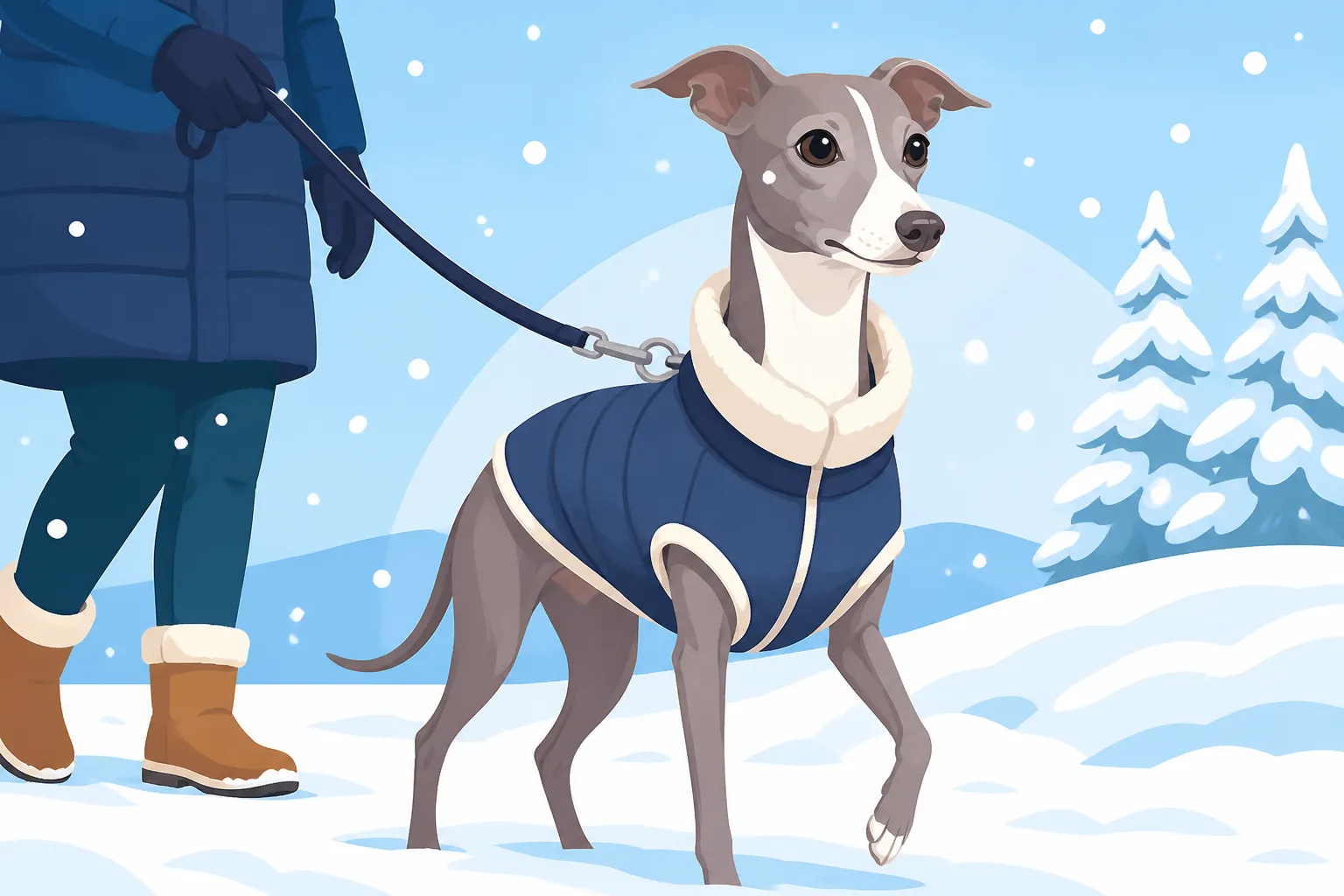
When snow is on the ground, or even when the temperature drops significantly, layering becomes your best friend. Think of it like dressing yourself for extreme cold: you wouldn't just wear one thin jacket. Your Italian Greyhound needs the same consideration. Start with a soft, fitted sweater that acts as a base layer. Fleece is a fantastic choice for this, as it's warm and lightweight. Over that, you'll need a proper winter coat, ideally one that is insulated and, most importantly, waterproof or highly water-resistant. Snow, after all, melts and soaks fur, which then makes them even colder. Look for coats with full belly coverage and perhaps even leg straps to keep it secure and prevent cold air from sneaking in underneath. Some excellent options can be found through online retailers like Chewy, offering a range of sizes that might actually fit an Italian Greyhound's unique physique. It’s not uncommon for us IG owners to spend a good portion of our budget on keeping our pups warm; it’s just part of the deal with these sweet, sensitive souls. If you want to dive deeper into indoor warmth, check out When an Italian Greyhound Needs a Sweater Indoors.
A properly fitted coat won't just keep them warm; it'll also act as a barrier against the snow itself, preventing it from clumping in their sparse hair or irritating their sensitive skin. Don't forget about their long, elegant necks and ears. A snood or a coat with a high, protective collar can make a world of difference in keeping them comfortable and preventing shivering. Remember, the goal is to trap their body heat, and any gaps in their clothing will allow that precious warmth to escape. It's often said that How Many Layers an Italian Greyhound Needs Below Freezing depends on the specific dog, but for most, more is definitely more.
Protecting Those Delicate Paws
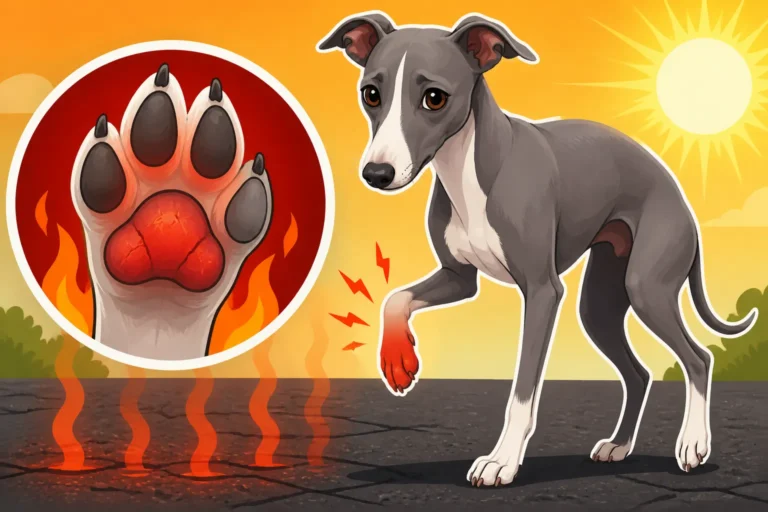
Snow isn't just cold; it's often accompanied by ice, de-icing salts, and sometimes even hidden sharp objects. An Italian Greyhound's paws are not built for harsh winter conditions. The pads can crack from extreme cold, accumulate painful ice balls between their toes, and become irritated or even chemically burned by sidewalk salt and de-icers. This is where dog boots become absolutely critical, not just a fashion statement.
Finding boots that actually stay on an Italian Greyhound's dainty, hare-like feet can be a quest worthy of a medieval knight. Many standard dog boots are too clunky or simply slip off. Look for boots designed for sighthounds or those with adjustable, secure straps around the ankle and higher up the leg. Material matters here too: waterproof and flexible soles are key for traction and comfort on slippery surfaces. It might take some patience and positive reinforcement to get your IG used to wearing them, but it's a non-negotiable step for snow walks. Start by letting them wear the boots for short periods indoors, pairing it with high-value treats (perhaps some bits of their favorite food, like from Ollie, if they’re particularly food motivated). Build up gradually until they're comfortable walking in them. Many owners swear by brands found on Amazon that specialize in performance dog gear, often with reviews from fellow sighthound parents. For specific recommendations, Which Boots Stay On an Italian Greyhound offers some great insights.
Even with boots, a quick post-walk paw check is always a good idea. Remove the boots, clean their paws thoroughly with a warm, damp cloth, and inspect for any redness, cuts, or ice irritation. You can also use paw balms designed to protect and moisturize pads before and after walks if your dog tolerates them. This can add an extra layer of defense against the elements and keep their paw pads supple, reducing the risk of cracking. If you have any concerns about sidewalk hazards, particularly the chemicals, you might find Whether Salted Sidewalks Hurt an Italian Greyhound's Feet an informative read.
Encouraging a Reluctant Snow Lover (or Tolerator)
Let's be honest: many Italian Greyhounds view snow with the same enthusiasm a cat views a bath. They might step out, shiver dramatically, and then freeze in place, looking at you as if you’ve personally wronged them. This isn't stubbornness; it's genuine discomfort and a strong instinct to conserve heat. Forcing them out will likely make future attempts even harder and can create a negative association with potty breaks.
The key is to manage expectations and make the experience as positive and brief as possible. On heavy snow days or when temperatures plummet, short, frequent potty breaks are much better than trying for one long walk. Five minutes out, then back inside to warm up. Praise them lavishly and offer a treat the second they finish their business. This teaches them that going out in the snow leads to good things. Consider keeping their leashes and coats right by the door, making the "gear-up" process as swift and seamless as possible. Sometimes, a high-value treat, even something they don't get often, can be a great motivator to get them moving in the snow. If your Italian Greyhound is truly miserable, remember that having an indoor potty option, like a litter box or grass patch, is not a failure; it’s a compassionate solution. Many Italian Greyhound owners find Setting Up an Indoor Bathroom for an Italian Greyhound to be a lifesaver in winter.
It's also crucial to recognize when to just call it a day and skip the walk entirely. On truly bitter, windy days, or when the snow is too deep for their small stature, even the best gear might not be enough. If your Italian Greyhound is hunched, shivering uncontrollably, or refusing to move even for treats, it's time to go back inside. Their well-being comes first. Knowing When to Skip an Italian Greyhound's Winter Walk is a vital part of responsible Italian Greyhound ownership.
Safety Considerations Beyond the Cold
Beyond staying warm and comfortable, snowy conditions bring several other safety concerns for our Italian Greyhounds. Short winter days mean less daylight, making visibility a major factor. If you're walking in the early morning or late afternoon, reflective gear on both you and your dog is paramount. Many winter coats designed for dogs now incorporate reflective strips, but you can also add reflective clip-on lights to their harness or collar for extra peace of mind.
Leash safety is another big one. Snow and ice create slippery surfaces, increasing your risk of falling and accidentally dropping the leash. Always use a secure harness that fits well and prevents them from backing out, as a sudden slip or scare could cause them to bolt. Italian Greyhounds have a strong prey drive, and fresh snow can amplify this. A rabbit or squirrel darting across a pristine snowy field can trigger that instinct, and they can cover an astonishing amount of ground quickly. Why an Italian Greyhound Cannot Be Trusted Off Leash, Ever is a mantra for a reason, and it's even more true in winter when tracks can disappear and visibility is low. A sturdy, non-retractable leash provides better control in unpredictable conditions.
Most importantly, keep a vigilant eye on your Italian Greyhound for any signs of distress or hypothermia. This includes excessive shivering, lethargy, reluctance to move, whining, or lifting paws repeatedly. If you suspect your dog is too cold, get them inside immediately, wrap them in warm blankets, and if symptoms persist or worsen, contact your veterinarian. After any snowy walk, regardless of length, always have a routine for re-warming and cleaning. Dry them thoroughly with a towel, especially their belly, chest, and between their toes. A warm, dry bed (perhaps with a favorite blanket from Chewy) will be a welcome sight after their cold excursion. Remember, these little dogs are masters at hiding discomfort, so it's up to us to be extra observant. Learning about Caring for an Italian Greyhound Past Eleven also reminds us that older IGs are even more sensitive to cold and require extra precautions.
| Consideration | Importance | Actionable Steps for Owners |
|---|---|---|
| Cold Protection | Prevents hypothermia, ensures comfort | Layer sweaters and waterproof coats. Ensure full body coverage, especially belly and neck. Consider a snood. Prioritize warmth over style. |
| Paw Protection | Prevents frostbite, cuts, chemical burns | Invest in well-fitting, waterproof dog boots. Apply paw balm. Clean and inspect paws immediately after walks. |
| Reluctance | Avoids negative associations, reduces stress | Keep walks short and frequent. Use high-value treats and praise. Consider indoor potty options for severe weather. Don't force them if they're clearly miserable. |
| Visibility | Prevents accidents in low light | Use reflective coats, harnesses, or clip-on lights for dawn/dusk walks. Dress yourself in bright colors. |
| Leash Security | Prevents escapes, maintains control | Use a secure, escape-proof harness. Opt for a fixed-length leash. Be extra careful on icy patches to avoid falls. |
| Health Monitoring | Detects signs of distress or hypothermia | Watch for excessive shivering, lethargy, reluctance to move. Know when to cut a walk short. Contact vet if symptoms persist after warming. |
Ultimately, walking an Italian Greyhound in the snow is a commitment to their unique needs. It requires preparation, the right gear, and a deep understanding of their sensitivity to cold. But with a little planning, those crisp, snowy walks can be a wonderful way to keep your delicate companion active and engaged, even when winter truly sets in.
Disclaimer
This article is for general informational purposes only and does not constitute professional advice. Laws, prices and regulations vary by location and change over time. Consult a qualified professional for guidance on your specific situation.