Why an Italian Greyhound’s Nails Grow Fast
If you're an Italian Greyhound owner, you've probably noticed that their nails seem to grow at warp speed, demanding constant attention. It feels like you just trimmed them, and poof, they're long again, clicking on the floor and making you wince. This isn't just your imagination; there are several specific reasons why our beloved Iggies seem to have perpetually growing claws, and understanding them is key to keeping their paws healthy and comfortable.
The Anatomy Behind Rapid Nail Growth in Italian Greyhounds
Italian Greyhounds are exquisite creatures, built for speed and elegance, but their delicate construction plays a significant role in how their nails behave. It's not just about a pretty paw; it's about physics and biology working together in ways that can be challenging for owners.
The Thin Skin and Delicate Bone Structure
Our Iggies are known for their fine bones and almost paper-thin skin. This isn't just an aesthetic; it's a fundamental part of their sighthound physiology. Unlike many other breeds that might have denser bone structure and thicker skin, which can sometimes provide more "cushioning" or different weight distribution, Italian Greyhounds are built to be lightweight. This means their delicate paws are designed for swift, agile movement rather than heavy impact or rough terrain.
Because their overall bone structure is so light, the stress points on their paws are different. There's less natural resistance or friction from their own body weight against hard surfaces that would typically wear down nails. Imagine a heavier dog stomping around on pavement; that constant pressure and friction naturally grinds down their nails. An Italian Greyhound, with its lighter step and more airy gait, simply doesn't exert the same kind of wearing force. This subtle difference in how they carry themselves, combined with their Why an Italian Greyhound Carries Almost No Body Fat and ethereal build, contributes to less natural abrasion on their nails, leading to them growing faster and appearing longer quicker.
Activity Levels and Natural Wear
It might seem counterintuitive, given their reputation as energetic zoomers, but an Italian Greyhound's typical activity levels and environment often contribute to faster nail growth. While they love a good sprint in a secure, grassy area, much of their daily life is spent indoors on softer surfaces. Think about it: our homes are filled with carpets, rugs, soft beds, and often, smooth hardwood or tile floors. These surfaces provide very little natural friction to grind down the nail tips.
A wild canine, or even a farm dog, would be constantly moving over varied terrain – dirt, rocks, pavement, hard-packed earth. This constant contact acts like a natural file, keeping their nails relatively short and well-maintained. An Italian Greyhound, by contrast, might have bursts of intense activity, but these are often on grass or indoors, which just don't offer the same wearing effect. The less natural abrasion they get, the more diligently we, their human companions, need to step in to keep those nails in check. It's a trade-off for their pampered indoor lives, but a crucial one for their long-term comfort and health.
The Unique Italian Greyhound Paw
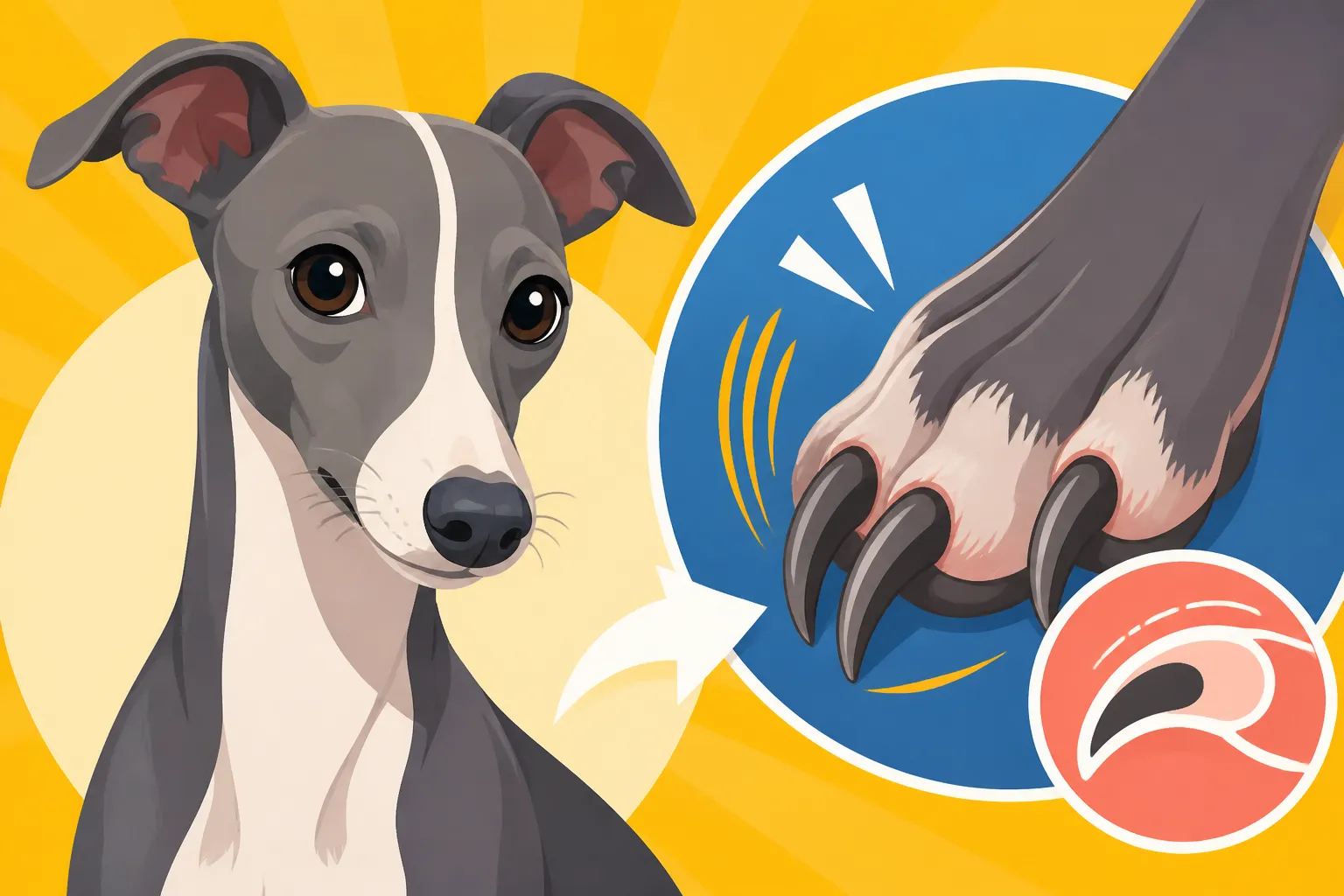
Take a close look at your Italian Greyhound's paw. You'll notice they have what's often described as a "hare foot" – long, slender toes that give them excellent propulsion for sprinting. This is different from the more compact, round "cat foot" seen in many other breeds. While perfect for running, this unique paw structure also plays a role in nail growth. The long toes mean that the nails are less likely to make consistent, direct contact with the ground when the dog is standing or walking on soft surfaces.
In a cat-footed dog, the nails are often held slightly more upright, and with each step on a firm surface, the nail tip can touch down and get a bit of wear. But with the Italian Greyhound's hare foot, the nails often extend further forward and have a different angle of contact, reducing the natural grinding action. This means even on a walk around the block, their nails might not wear down as much as you'd expect compared to a dog with a different paw shape. It's another subtle anatomical detail that, when combined with their light build and indoor habits, means their nails demand extra attention from us.
Factors Contributing to Excessive Nail Length
Beyond their inherent anatomy, several lifestyle and genetic factors combine to make Italian Greyhound nails grow seemingly endlessly. It's a multi-faceted issue that owners need to be aware of.
Indoor Lifestyle and Soft Surfaces
Let's face it, most Italian Greyhounds are cherished house pets, and rightfully so! They thrive on human companionship and the comforts of home. However, this indoor-centric lifestyle, while wonderful for their emotional well-being and keeping them warm, isn't ideal for natural nail wear. As mentioned, carpets, plush bedding, and smooth flooring dominate most homes. These surfaces, while comfortable for their delicate bodies, simply don't provide the abrasive friction needed to keep nails filed down.
Compare this to a dog that spends its days on concrete, gravel, or even just hard-packed dirt. Their nails are constantly being buffed and worn with every step. Our Iggies, on the other hand, spend hours lounging on soft blankets or zooming across slick floors where their nails primarily act as traction rather than encountering wearing resistance. This is why you often hear the tell-tale clicking sound of long nails on hardwood floors – it's a direct consequence of insufficient natural wear. If your Italian Greyhound is particularly sensitive to cold, they might spend even more time indoors, further limiting their exposure to nail-wearing surfaces.
Diet and Nutritional Impact
While diet isn't usually the primary driver of rapid nail growth in Italian Greyhounds, a dog's overall nutrition can play a supporting role in nail health and strength. A well-balanced diet provides all the necessary vitamins, minerals, and proteins for healthy keratin production, which is what nails are made of. If a dog's diet is deficient, it might manifest in brittle, weak nails, or sometimes, excessively fast growth in an attempt to compensate for poor quality.
However, for most well-fed Italian Greyhounds on a high-quality commercial diet (like those you might find on Chewy or specifically formulated for small breeds), nail growth rate is more about genetics and activity than nutritional deficiency. Some owners experiment with supplements like biotin or omega fatty acids, believing they improve nail health. While these can certainly benefit coat and skin, their direct impact on slowing nail growth isn't widely substantiated for otherwise healthy dogs. The focus should always be on a complete and balanced diet, which supports overall well-being, including healthy nail structure, even if it doesn't solve the growth rate issue.
Genetic Predisposition and Individual Variation
Just like humans, individual dogs have genetic predispositions that affect various aspects of their physiology, and nail growth is no exception. Some Italian Greyhounds simply have nails that grow faster than others, regardless of diet, activity, or environment. This is just part of their unique genetic makeup. Breeders carefully select for many traits, but nail growth rate isn't typically one of them, as it's considered a minor inconvenience rather than a health defect.
You might have two Iggies from the same litter, raised in the same home, eating the same food, yet one always seems to need their nails trimmed more frequently. This is an example of individual variation. There's no "off switch" or magic pill to slow down this genetic programming. It means that as owners, we simply have to accept that frequent nail care is a non-negotiable part of Italian Greyhound ownership. Understanding this can help manage expectations and reinforce the importance of a consistent grooming routine. It’s part of the beautiful package that comes with these elegant dogs, and it means being extra vigilant about their paw health.
Practical Strategies for Managing Fast-Growing Nails
Since we can't stop an Italian Greyhound's nails from growing, our best approach is to manage them proactively. This means establishing routines and using the right tools and techniques to keep them at a healthy length.
Establishing a Regular Trimming Routine
Consistency is absolutely critical when it comes to Italian Greyhound nail care. Because their nails grow so quickly, waiting too long between trims can lead to the quick (the sensitive pink part containing nerves and blood vessels) growing longer along with the nail. This makes it harder to trim the nail short without causing pain or bleeding, creating a vicious cycle. Ideally, you should aim to trim your Italian Greyhound's nails every 1-2 weeks. For some, it might even be weekly, depending on how fast they grow and how much natural wear they get.
Think of it like brushing their teeth: it's not a once-a-month chore, it's a regular part of their hygiene. Brushing an Italian Greyhound's Teeth Every Day is important, and so is frequent nail care. Start young if you have a puppy, gradually introducing the clippers or dremel. Short, positive sessions with lots of treats are far more effective than trying to do all four paws at once and creating a negative association. The goal is to keep the nails short enough so they don't touch the ground when your Iggy is standing, preventing issues with posture and comfort down the line.
Tools and Techniques for Italian Greyhound Nails
Choosing the right tool is paramount for Italian Greyhounds, whose nails can be quite hard despite their delicate stature. You generally have two main options: clippers or a dremel (rotary tool).
- Clippers: There are scissor-style and guillotine-style clippers. Scissor-style clippers are often preferred for smaller breeds like Iggies as they give you more control. Always use sharp clippers to get a clean cut and prevent crushing the nail, which can be painful. The trick is to take off only a small tip at a time, especially if your Iggy has dark nails where the quick is hard to see. If you accidentally cut the quick, styptic powder is a lifesaver to stop the bleeding immediately. You can find quality clippers and styptic powder easily on platforms like Amazon or Chewy.
- Dremel/Rotary Tool: Many Italian Greyhound owners swear by a dremel. It grinds the nail down gradually, which reduces the risk of cutting the quick. It also allows you to get a smoother, shorter finish, which can be particularly beneficial for Iggies who don't get much natural wear. The sound and vibration can be intimidating for some dogs at first, so introduce it slowly with positive reinforcement. Start by just turning it on in another room, then in the same room, then touching it to their nail for a second, always followed by praise and treats.
Regardless of the tool, learning Teaching an Italian Greyhound to Accept Nail Trims is crucial. Make it a calm, positive experience. Hold their paw gently, praise them softly, and reward them generously. If you're unsure about technique, ask your vet or a professional groomer for a demonstration.
Professional Help and Sedation Considerations
Sometimes, despite your best efforts, trimming your Italian Greyhound's nails at home can be a struggle. Some Iggies are simply too anxious, squirmy, or fearful, making the process stressful for both dog and owner. In these cases, don't hesitate to seek professional help. A veterinarian or a groomer experienced with sighthounds can often get the job done quickly and efficiently. They have the expertise, the right equipment, and sometimes, an extra pair of hands to make it easier.
For particularly phobic or aggressive dogs, or for those whose nails have become severely overgrown with a very long quick, your vet might even recommend sedation for nail trims. This isn't ideal for every trim, but it can be a humane option for an initial "reset" of the nails to a healthy length, especially if the dog is in pain or the nails are causing significant mobility issues. Always discuss the risks and benefits of sedation with your vet, especially considering Why Anesthesia Is Handled Differently in an Italian Greyhound due to their unique physiology. The goal is always to reduce stress and ensure the dog's comfort and safety, even if it means professional intervention.
The Risks of Overgrown Nails and Why It Matters
Ignoring those fast-growing Italian Greyhound nails isn't just an aesthetic issue; it can lead to a cascade of painful and serious health problems that profoundly impact your dog's quality of life.
Pain, Posture, and Mobility Issues
When an Italian Greyhound's nails get too long, they constantly push back into the nail bed as the dog walks, causing significant discomfort and even pain. Imagine walking in shoes that are too small and always pushing your toes back – it’s a similar sensation. This chronic pressure can lead to sore paws and an altered gait. Your Iggy might shift their weight, trying to avoid the pressure, which in turn can lead to joint strain, muscle soreness, and even long-term orthopedic issues. Their delicate bone structure is not built for this kind of unnatural stress.
Overgrown nails force the paw to splay and change its natural angle, making the dog walk on the sides of their feet rather than squarely on their pads. This compromises their balance and can lead to slipping and falls, which is particularly dangerous for a breed prone to fractures. A dog walking with long nails is essentially walking on stilts, unable to get proper traction or distribute their weight correctly. This affects their overall mobility, making activities they once enjoyed, like running and playing, uncomfortable or even painful. You might even notice subtle signs of pain, which Iggies are notoriously good at hiding, as discussed in How an Italian Greyhound Hides Pain.
Ingrown Nails and Infections
One of the most immediate and painful consequences of excessively long nails is the risk of them curving and growing back into the paw pad. This is an ingrown nail, and it's incredibly painful, akin to a human having an ingrown toenail, but magnified because dogs walk on these structures constantly. The nail essentially pierces the soft tissue of the paw pad, creating an open wound.
This wound is a perfect breeding ground for bacteria, leading to painful infections. You might notice your Iggy licking their paw incessantly, limping, or showing tenderness when you touch their foot. The paw pad can become swollen, red, and warm to the touch, and pus might even be visible. Untreated, these infections can become severe, requiring antibiotics and potentially even surgical intervention to remove the ingrown portion and clean the infection. This is a completely preventable issue with regular nail care, and one of the clearest examples of What Happens If an Italian Greyhound's Nails Get Long.
Injury to Paws and Owners
Long nails are not just a danger to the dog; they can be a hazard for owners too. An Italian Greyhound with long, sharp nails can inadvertently scratch you during play, when greeting you, or if they jump up. These scratches, especially if deep, can be quite painful and prone to infection.
More seriously for the dog, long nails are also much more prone to snagging and tearing. Imagine your Iggy running across the carpet or playing outside, and a long nail catches on something. The force can tear the nail, potentially fracturing it down to the quick or even ripping it off entirely. This is an extremely painful injury that often results in significant bleeding, a trip to the emergency vet, pain medication, and potentially a bandage or even a cone to prevent licking while it heals. A torn nail is not only traumatic but also leaves the nail bed exposed to infection. Preventing such injuries is a primary reason why diligent nail care is so important for the safety and well-being of both your Italian Greyhound and your household.
| Feature | Nail Clippers (Scissor Style) | Rotary Tool (Dremel) |
|---|---|---|
| Pros | Quick and efficient for experienced users | Grinds nails smoothly, reduces risk of quicking |
| Relatively inexpensive to purchase | Can get nails shorter over time (retracts quick) | |
| Quiet operation | Excellent for shaping and smoothing rough edges | |
| Cons | Risk of cutting the quick if not careful | Noise/vibration can scare sensitive dogs |
| Can leave sharp edges | Requires more time per nail | |
| May not be suitable for very thick/hard nails | Higher initial cost, requires replacement sanding bands | |
| Best For | Dogs tolerant of clipping, regular maintenance | Dogs fearful of clippers, achieving very short nails |
| Quick touch-ups between dremel sessions | Thick nails, dark nails where quick is hard to see | |
| Considerations | Keep blades sharp, use styptic powder on hand | Introduce slowly with positive reinforcement, wear eye protection |
Disclaimer
This article is for general informational purposes only and does not constitute professional advice. Laws, prices and regulations vary by location and change over time. Consult a qualified professional for guidance on your specific situation.