How Often an Italian Greyhound Gets Ear Infections
It can be incredibly disheartening when your beloved Italian Greyhound starts showing signs of discomfort, especially when it involves something as sensitive as their ears. You might notice them shaking their head, scratching incessantly, or just seeming a bit "off," leaving you wondering if it's a passing itch or something more serious like an ear infection. This guide is here to walk you through how often Italian Greyhounds typically get ear infections, what to look for, and how to keep those elegant ears healthy and happy.
Understanding Italian Greyhound Ear Anatomy and Susceptibility
Italian Greyhounds generally have a bit of an advantage when it comes to ear infections compared to some other breeds. Their ears are either "rose" shaped, where they fold back and expose the inner ear, or fully erect (though this is less common for the breed standard). This open, airy structure means less trapped moisture and heat, which are prime breeding grounds for yeast and bacteria that lead to infections. You won't typically see the heavy, pendulous ears that are notorious for hiding trouble in breeds like Cocker Spaniels or Basset Hounds.
However, having open ears doesn't make them immune. Allergies, both environmental and food-related, can absolutely trigger inflammation in the ear canal, making it a more hospitable place for infection to take hold. Sometimes, a tiny scratch from a sharp nail or a foreign body like a grass awn can also introduce bacteria. It's not usually a chronic, every-other-month issue for most Iggies, but it's certainly something that can pop up and requires attention. If you find your Italian Greyhound having recurring ear problems, it's a huge red flag that something underlying, like an undiagnosed allergy or a thyroid issue, needs to be addressed. How an Italian Greyhound Hides Pain is a good read because Iggies are stoic and won't always make it obvious they're suffering.
The Italian Greyhound's Erect or Rose Ears
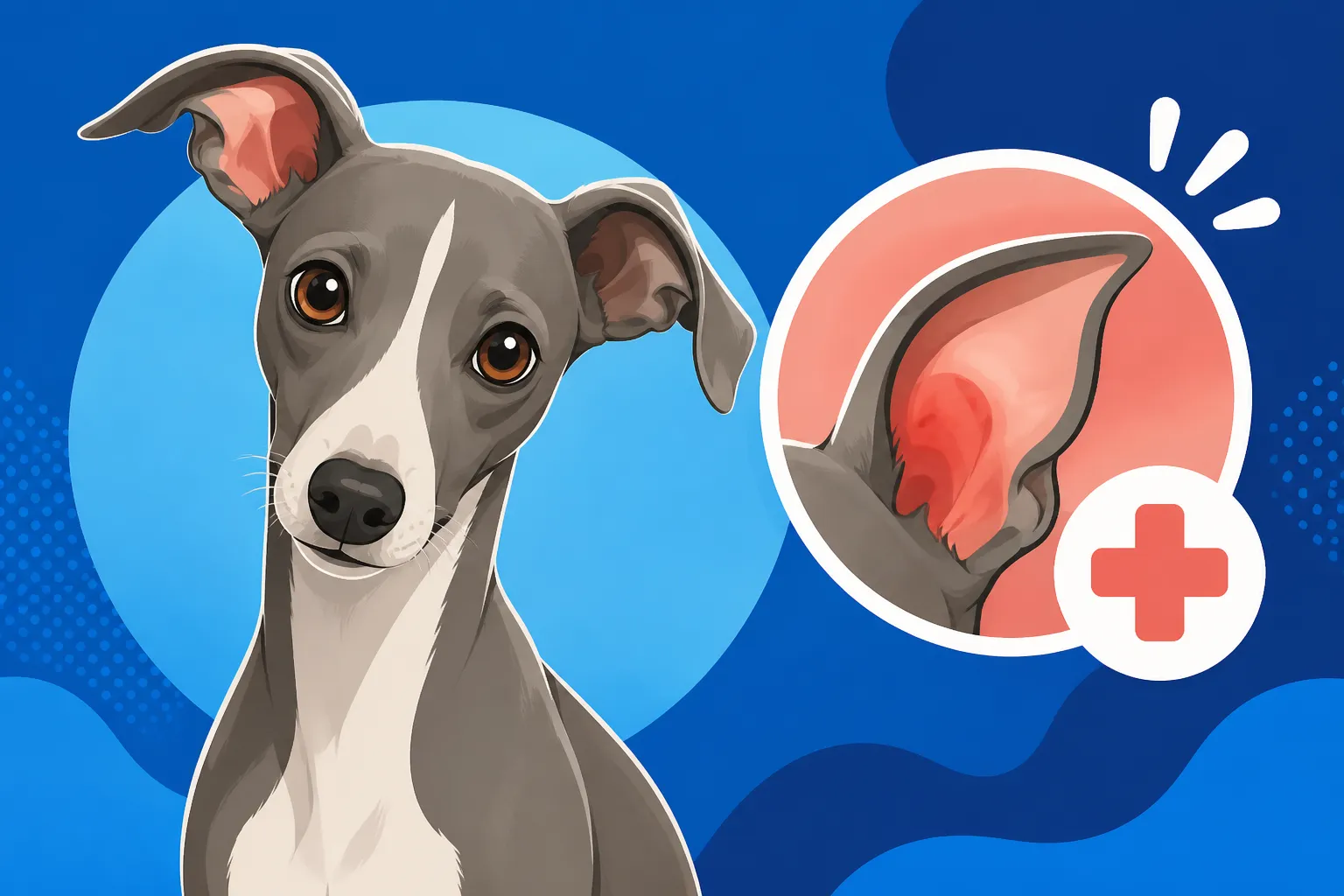
The distinctive ear set of an Italian Greyhound, often referred to as "rose ears," means the ears fold back, forming a little pocket that gives a somewhat alert, yet refined, appearance. Some Iggies might also have "flying" ears that stand fully erect when excited or focused. Both of these types of ear carriage are generally considered advantageous from a health perspective because they allow for excellent air circulation within the ear canal. This natural ventilation helps to keep the inner ear dry, significantly reducing the chances of moisture building up, which is a common precursor to bacterial or yeast overgrowth.
Compare this to breeds with long, floppy ears that hang close to the head, creating a warm, dark, and often damp environment. Those breeds are practically designed for ear infections to flourish. With an Italian Greyhound, the open air flow acts as a natural defense. That being said, even with this genetic advantage, it doesn't mean you can completely neglect ear care. Debris, wax, or external irritants can still find their way in, and while less frequent, an infection is still a possibility. Owners often appreciate this aspect of the breed, as it removes one common ailment from their list of worries, but vigilance is always key.
Factors That Influence Ear Health
While the Italian Greyhound's ear structure is a boon, other factors play a significant role in their overall ear health. Allergies are perhaps the biggest culprit for recurrent ear infections in any dog breed, and Iggies are no exception. These can be environmental allergies, like pollen, dust mites, or certain grasses, which cause systemic inflammation that often manifests in the skin, including the delicate skin of the ear canal. When the skin inside the ear becomes itchy and irritated, your Iggy will scratch, shake their head, and create micro-abrasions, making it easier for bacteria or yeast to invade.
Food allergies or sensitivities can also present with itchy ears, sometimes even before you see other signs like digestive upset or paw chewing. If your Italian Greyhound is prone to unexplained itchiness or has had more than one ear infection, it's definitely worth discussing allergy testing or an elimination diet with your vet. Whether an Italian Greyhound Has a Sensitive Stomach might shed some light on related issues. Other less common factors include foreign bodies getting lodged in the ear (like a tiny seed or blade of grass), excessive wax buildup, or even underlying health conditions like hypothyroidism, which can weaken the immune system and make them more susceptible to infections. Signs an Italian Greyhound Has an Underactive Thyroid is a topic that ties into this as well.
Recognizing the Signs of an Ear Infection in an Italian Greyhound
Italian Greyhounds are often praised for their quiet nature, and sometimes this can extend to how they cope with discomfort. They are masters at subtly letting you know something is wrong, or in some cases, not letting you know at all until an issue is quite advanced. This makes it crucial for owners to be proactive in checking their ears and knowing what subtle cues to look out for. Missing the early signs of an ear infection can lead to more severe pain, more complex treatments, and a longer recovery for your sensitive little companion.
The typical signs of an ear infection often involve a combination of visual, olfactory, and behavioral changes. These can range from mild irritation to obvious distress, depending on the severity and duration of the infection. Regular, gentle examination of your Iggy's ears, perhaps when you're cuddling on the couch, can help you catch these issues early. Remember, a healthy Italian Greyhound ear should appear clean, pink, and odorless. Any deviation from this is a call to action.
Common Visual and Olfactory Cues
The most obvious signs of an ear infection often manifest physically and can be picked up through a quick glance or sniff. Start by looking into your Italian Greyhound's ear. Is the skin inside red or inflamed? Does it look swollen? You might see an excessive amount of discharge, which can vary in color and consistency. It could be dark brown and waxy, black and crumbly (often indicative of ear mites, though less common in adults), or even yellowish and pus-like, which usually signals a bacterial infection.
Another strong indicator is a change in smell. Healthy dog ears have a faint, neutral scent, or perhaps a slight "doggy" smell, but nothing offensive. If you lean in and detect a strong, yeasty odor, or a foul, sickly sweet smell, that's a classic sign of an infection. It often smells like stale bread or rancid cheese, and it's something you definitely won't miss once you know what to look for. Sometimes, the hair around or just inside the ear might appear matted or crusty from the discharge. Don't forget to gently check How Often an Italian Greyhound's Ears Need Checking as part of your regular routine.
Behavioral Changes to Watch For
Beyond what you can see and smell, your Italian Greyhound's behavior will often be the loudest clue that an ear infection is brewing. Persistent scratching at their ears, often with a back paw, is a dead giveaway. You might notice them rubbing their head against furniture or the carpet in an attempt to relieve the itch. Head shaking, sometimes violently, is another classic sign. While a dog might shake their head occasionally to dislodge water or debris, sustained or frequent head shaking is a red flag.
An Iggy experiencing ear pain might also become more sensitive around their head. If they normally love having their head petted but now flinch or pull away when you go near their ears, that's a strong indicator of discomfort. You might even notice them tilting their head to one side, favoring the unaffected ear, or appearing generally lethargic and withdrawn due to the pain. In more severe cases, they might cry out when they scratch or when the ear is touched. Pay attention to these subtle shifts, as your Italian Greyhound relies on you to interpret their unspoken signals of distress.
Here's a quick summary of what to look for:
| Category | Healthy Ear | Ear Infection (Potential) |
|---|---|---|
| Appearance | Pale pink, clean, minimal wax | Redness, swelling, crusting, excessive discharge |
| Odor | Faint, neutral "doggy" smell | Strong, yeasty, foul, or sickly sweet odor |
| Discharge | Minimal, light brown wax | Dark brown, black, yellow, or pus-like |
| Behavior | Calm, allows handling | Head shaking, scratching, rubbing ears, head tilting |
| Touch | Not sensitive to touch | Pain or sensitivity when ears are touched |
Preventative Care for Italian Greyhound Ear Health
The best offense is a good defense, and that holds true for preventing ear infections in your Italian Greyhound. While they might be less prone than some breeds, a little routine care goes a long way in keeping their ears healthy and catching any issues before they escalate. It's not about being obsessive, but rather integrating simple checks and cleaning into your regular grooming schedule. This proactive approach saves your Iggy discomfort and potentially expensive vet visits down the line.
Remember that Italian Greyhounds are delicate, so all handling, especially around their head and ears, should be gentle and positive. They learn quickly, and associating ear care with positive reinforcement like treats or praise will make the process much smoother for both of you. Consistency is key, as is knowing what products are safe and effective for their sensitive skin.
Routine Ear Cleaning Practices
Even with their well-ventilated ears, some wax and debris can accumulate in an Italian Greyhound's ear canal. Regular, gentle cleaning is paramount, but don't overdo it, as excessive cleaning can actually irritate the ear and make it more susceptible to infection. For most Iggies without a history of ear issues, a quick check and clean once every week or two is usually sufficient.
You'll want to use a veterinary-approved ear cleaning solution designed for dogs. These solutions are formulated to break down wax and dirt without causing irritation. Avoid using rubbing alcohol or hydrogen peroxide, as these can be harsh and painful, especially if there's any existing inflammation. To clean, saturate a cotton ball (never a cotton swab, which can push debris further into the canal) with the solution. Gently wipe the visible parts of the ear, including the folds and crevices. You can also squirt a small amount of cleaner directly into the ear canal, massage the base of the ear for 30 seconds to distribute it, and then allow your Iggy to shake their head, which helps dislodge deeper debris. Follow up by wiping away any loosened gunk with fresh cotton balls. For more detailed steps, check out Cleaning an Italian Greyhound's Folded Ears. You can find good quality ear cleaning solutions from pet retailers like Chewy or Amazon.
Environmental Considerations
Your Italian Greyhound's environment plays a subtle but important role in their ear health. Dogs who spend a lot of time outdoors, especially in grassy or wooded areas, are more likely to pick up foreign bodies like grass awns, seeds, or burrs in their ears. These tiny invaders can be incredibly irritating and can easily lead to an infection if not removed promptly. After walks or playtime in such environments, take a moment to quickly inspect your Iggy's ears, along with their paws and coat.
Moisture is another enemy of healthy ears. While Iggies aren't typically big swimmers, if yours happens to get wet during a bath or a romp in the rain, it's important to gently dry their ears thoroughly afterward. Use a soft towel or cotton ball to absorb any visible moisture in the outer ear and ear canal. Trapped water creates a damp, warm environment that yeast and bacteria adore, turning a minor splash into a potential infection. Knowing How an Italian Greyhound Handles Summer Heat can also help manage outdoor exposure during peak allergy seasons.
Dietary and Allergenic Factors
As mentioned, allergies are a major driver of ear infections, and many of these stem from diet or environmental sensitivities. If your Italian Greyhound experiences recurring ear issues, a deep dive into their diet might be necessary. Common food allergens for dogs include beef, chicken, dairy, wheat, and soy. Your vet might recommend an elimination diet, where your Iggy is fed a novel protein or hydrolyzed protein diet for several weeks to see if their symptoms improve. Brands like Ollie often offer tailored food options that can be beneficial for dogs with sensitivities, but always consult your vet before making significant dietary changes.
Beyond food, environmental allergens can also be at play. Seasonal pollens, dust mites, and even household cleaning products can cause an inflammatory response that leads to itchy ears. Regular vacuuming, washing your Iggy's bedding, and wiping down their paws after outdoor excursions can help reduce allergen exposure. Sometimes, a veterinary dermatologist might suggest allergy testing to pinpoint the exact triggers, allowing for more targeted management, such as allergen-specific immunotherapy. Which Shampoo Suits an Italian Greyhound's Skin can also be important if environmental allergies cause skin irritation that extends to the ears during bathing.
When to See the Vet and Treatment Options
Knowing when to transition from home care to professional veterinary attention is critical for your Italian Greyhound's well-being. While minor irritation might resolve with a gentle cleaning, any persistent or worsening signs of an ear infection warrant a vet visit. Ignoring an ear infection can lead to deeper, more painful conditions, even potentially affecting their hearing or causing permanent damage to the ear structures. Your Italian Greyhound relies on you to advocate for their health, and that means trusting your instincts and seeking help when needed.
Don't try to self-diagnose or treat with human medications, as these can be harmful to dogs. A proper diagnosis from a veterinarian ensures that your Iggy receives the most effective and appropriate treatment for their specific condition. Remember, every visit, from an What an Italian Greyhound's Annual Checkup Costs to an What an Italian Greyhound's Emergency Vet Visit Costs (if a situation gets critical), is an investment in their long, happy life.
The Importance of Timely Veterinary Intervention
If you notice any of the signs of an ear infection—redness, discharge, foul odor, scratching, or head shaking—it's time to call your veterinarian. Don't wait for it to get "really bad." Italian Greyhounds can be stoic, as we've discussed, and what seems like mild discomfort to you might be quite painful for them. Early intervention can prevent the infection from spreading deeper into the ear canal or even to the middle or inner ear, which can be much more difficult and costly to treat, and potentially lead to balance issues or hearing loss.
During the veterinary visit, your vet will perform a thorough examination of your Iggy's ears using an otoscope. This allows them to visualize the ear canal and eardrum, checking for inflammation, foreign bodies, or any damage. They will likely take a sample of the ear discharge to examine under a microscope (cytology). This crucial step helps them identify whether the infection is caused by bacteria, yeast, or even ear mites, and sometimes even helps to identify the specific type of bacteria. This diagnostic information is essential for prescribing the correct medication. It's always beneficial to have a vet who understands the unique needs of sighthounds, so if you're not sure, look for Why an Italian Greyhound's Vet Should Know Sighthounds.
Common Treatments and Follow-Up Care
Once your veterinarian has diagnosed the type of ear infection, they will prescribe the appropriate treatment. For bacterial infections, this usually involves antibiotic ear drops or an ointment that needs to be administered directly into the ear canal, typically once or twice a day for a specified period. Yeast infections are treated with antifungal ear drops. In some cases, if the infection is severe or chronic, oral antibiotics or antifungals might be necessary in addition to topical treatments. If ear mites are present, specific parasiticides will be prescribed.
It's absolutely vital to follow your vet's instructions precisely and complete the entire course of medication, even if your Italian Greyhound's ears appear to be much better. Stopping treatment too early can lead to a relapse, and sometimes even create antibiotic-resistant bacteria, making future infections harder to treat. Your vet will usually schedule a follow-up appointment to recheck the ears and ensure the infection has completely cleared. This follow-up is not optional; it ensures the problem is truly resolved. Sometimes, for persistent or recurring issues, your vet might recommend special medicated ear flushes or cleaners to use regularly after the initial infection is cleared to prevent recurrence.
Disclaimer
This article is for general informational purposes only and does not constitute professional advice. Laws, prices and regulations vary by location and change over time. Consult a qualified professional for guidance on your specific situation.